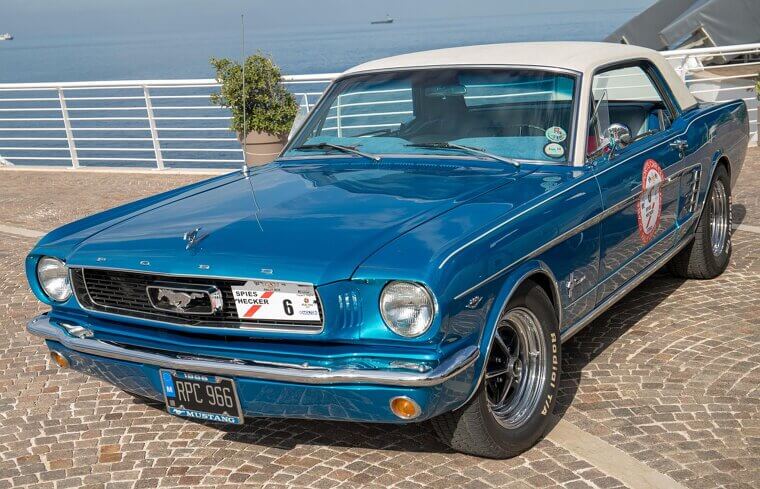
1965-1966 Ford Mustang
The original pony car that created an entire category - affordable, stylish, and fun, the early Mustang represents everything right about '60s car design. These weren't exotic sports cars or muscle car monsters; they were accessible dream cars that regular people could actually buy. The long hood, short deck styling became instantly iconic. You could order one with a practical six-cylinder or go wild with a V8. The interior was driver-focused without being complicated. No touchscreens, no lane-keeping assists - just you, the road, and that distinctive exhaust note. These Mustangs captured the optimism and freedom of the era. If Ford brought back this exact design with modern reliability, dealerships couldn't keep them in stock. The styling has aged beautifully while modern Mustangs have grown heavy and complicated. That '65-'66 simplicity and pure driving joy is exactly what's missing from today's automotive landscape.
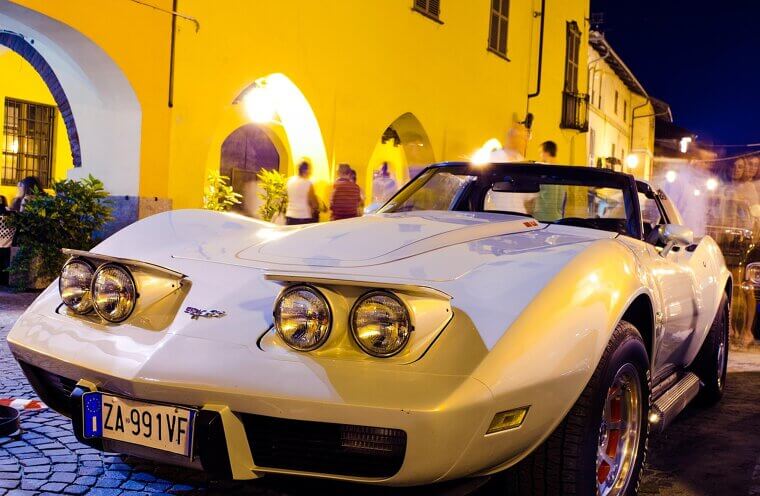
1963 Chevrolet Corvette Sting Ray
The split-window Corvette is one of the most beautiful American sports cars ever made - that one-year-only design became instantly legendary. The dramatic styling with hidden headlights and those distinctive side vents made every other car look ordinary. GM split the rear window for aerodynamic reasons and styling drama, then removed it the next year after complaints about visibility. That decision made the '63 model instantly collectible. The independent rear suspension was revolutionary for American cars. These Corvettes offered genuine sports car performance that could embarrass European competitors costing twice as much. The interior wrapped around the driver like a cockpit. If Chevrolet reintroduced this exact design today, they'd sell every one they could build. Modern Corvettes are faster but lack this generation's pure, sculptural beauty. This Sting Ray represents American automotive design at its absolute peak.
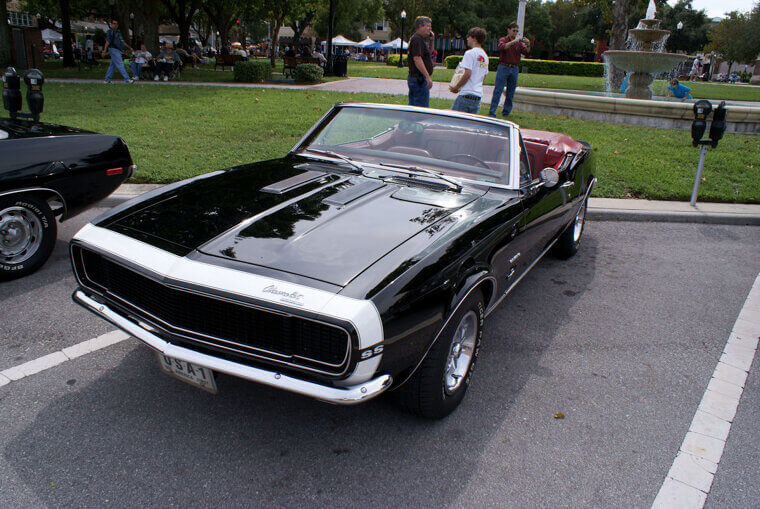
1967-1969 Chevrolet Camaro
GM's answer to the Mustang became an icon in its own right - the first-generation Camaro with its aggressive stance and powerful engine options still turns heads today. While Ford created the pony car category, Chevrolet perfected it with the Camaro's design. The long hood and short deck looked even more aggressive than the Mustang. You could order anything from a sensible six-cylinder to the legendary Z/28 with its high-revving small-block V8. The RS package with hidden headlights added mystery and menace. These Camaros felt tighter and more responsive than Mustangs, with better handling that made them favorites on race tracks. The interior offered room for four actual people, unlike many other sports cars. Modern Camaros have bad visibility and claustrophobic interiors. Bring back this generation's proportions and greenhouse, and you'd have the perfect modern muscle car.
1964-1966 Plymouth Barracuda
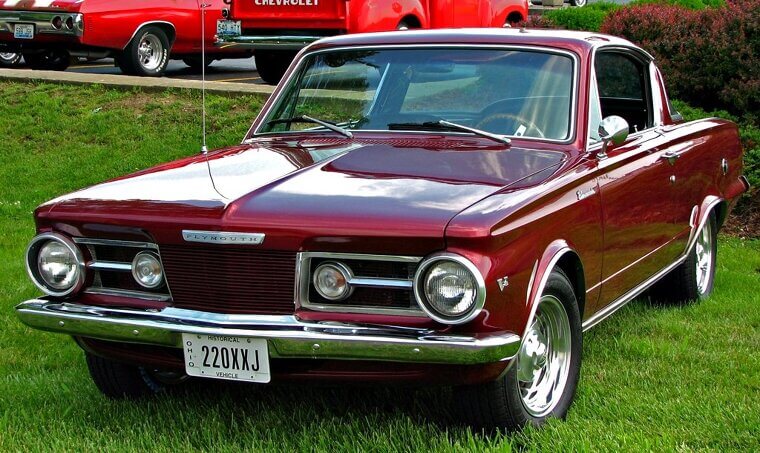
Plymouth's fastback competitor arrived before the Mustang but never got the same recognition - these early Barracudas offer distinctive styling that stands out from the pony car crowd. That massive wraparound rear window created the most dramatic fastback design of the era. Plymouth built the Barracuda on the compact Valiant platform, making it smaller and more nimble than Mustangs and Camaros that followed. The interior felt sportier than the economy car underneath. Engine options ranged from slant-six economy to the legendary 273 V8. These Barracudas represented genuine value - similar performance to competitors at lower prices. The styling was bold and different, not playing it safe like Ford. If Dodge brought back this distinctive fastback design today, it would stand out in a sea of generic crossovers. These early Barracudas deserve recognition as pioneers that got overshadowed by the Mustang's marketing machine.
1968-1970 Dodge Charger
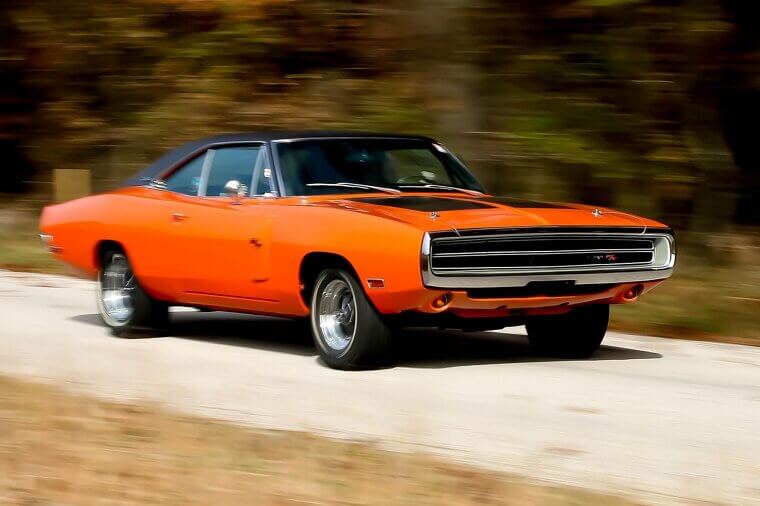
The second-generation Charger with its iconic "Coke bottle" styling and hidden headlights defined muscle car cool. That curved body line sweeping from front to rear created one of the most distinctive profiles in automotive history. The recessed grille with hidden headlights looked menacing and purposeful. The fastback roofline with a tunneled rear window was pure aggression. These Chargers could be ordered with everything from practical slant-sixes to legendary Hemi engines. The interior offered actual room for families, not just two-seat sports car compromises. "The Dukes of Hazzard" made the bright orange General Lee famous years later, but these Chargers were already icons. Modern Chargers are four-door sedans that share nothing with these classics except the name. Bring back this generation's two-door fastback design and styling, and Dodge would print money. This era represents American automotive design at its most confident and bold.
1967-1969 Pontiac Firebird
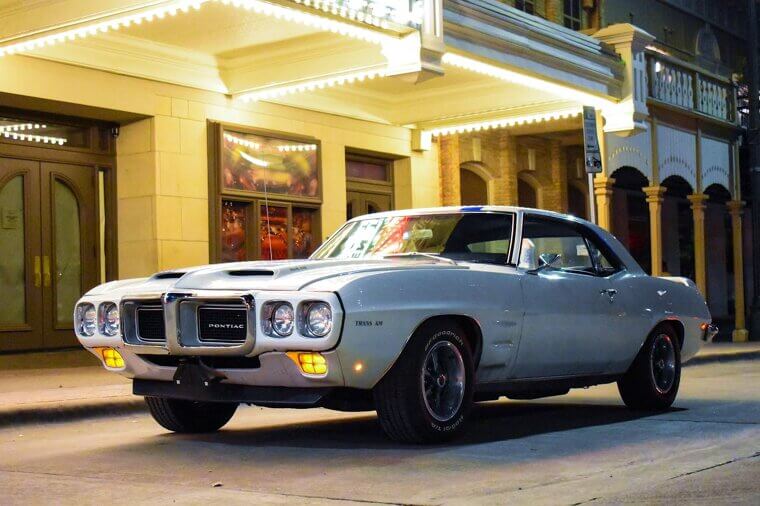
The Camaro's upscale cousin with distinctive styling and legendary GTO engine options - these Firebirds offered performance with Pontiac's unique personality. While Camaros got the volume sales, Firebirds delivered more distinctive styling with those dramatic side scoops and split grille. Pontiac's marketing genius John DeLorean positioned the Firebird as the sophisticated alternative to Chevy's muscle car. The 400 cubic inch engines borrowed from the GTO made these birds genuinely quick. The handling package made them serious competitors on road courses. The interior offered more luxury touches than the Camaro while maintaining sporting character. Trans Am models added even more aggressive styling and performance. These first-generation Firebirds combined Pontiac's performance reputation with styling that stood apart from the crowd. Modern performance cars all look similar. Bringing back the Firebird's distinctive design would give buyers a genuine alternative with character and soul that today's vehicles lack.
1964-1967 Chevrolet Chevelle SS
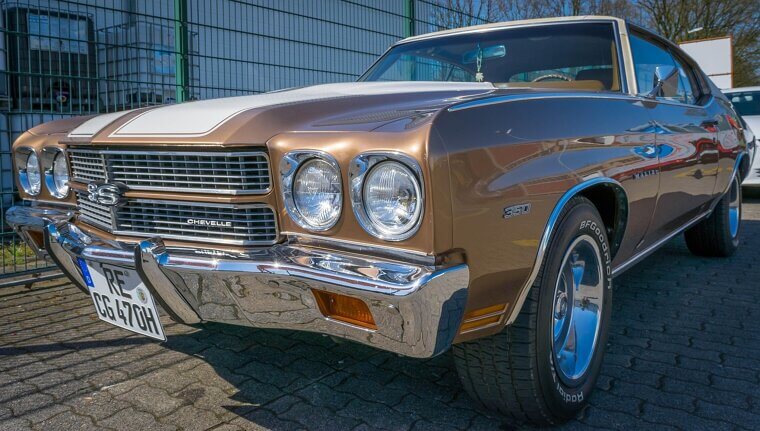
The mid-size muscle car that offered big-block power in a package more practical than full-size cars - the Chevelle SS represented attainable performance for regular families. These weren't exotic or impractical like Corvettes. They were honest family cars that happened to be ridiculously fast. The styling was clean and purposeful without being flashy. Chevy offered everything from economical six-cylinders to tire-shredding 396 and 427 big-blocks. The SS package added just enough visual distinction without going over the top. These Chevelles could haul groceries during the week and dominate drag strips on weekends. The trunk actually held things, and back seats fit real humans. Modern cars have forgotten that performance and practicality can coexist. The Chevelle SS proved you didn't need compromises. Bring back this formula - mid-size, powerful, practical, affordable - and it would dominate today's market. This generation represents muscle cars at their most sensible and usable.
1969 Dodge Charger Daytona / Plymouth Superbird
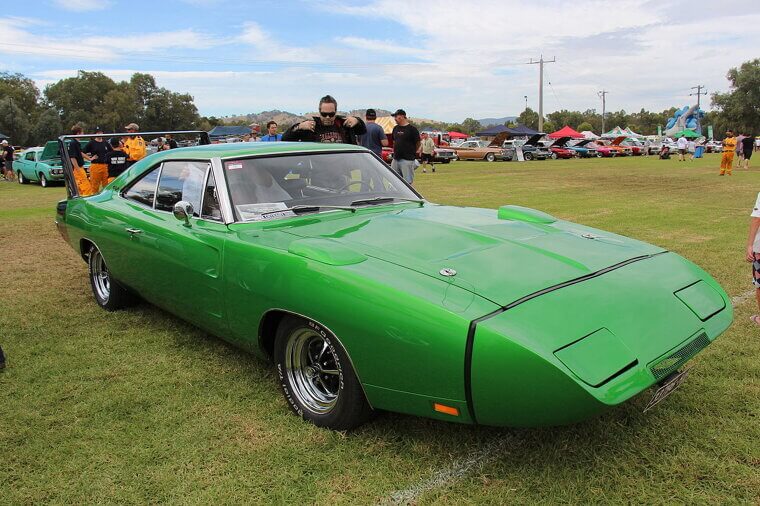
The wild aerodynamic warriors built for NASCAR with their massive rear wings and nose cones - these cars were outrageous then and would be even more so today. Dodge and Plymouth created these winged monsters specifically to dominate NASCAR superspeedways. That massive rear wing stood nearly two feet above the trunk. The pointed nose cone added almost two feet to the front. These modifications made the cars absolutely wild looking while delivering genuine aerodynamic benefits at racing speeds. Only about 2,000 were built to meet NASCAR homologation rules. Street versions came with normal engines or legendary Hemi power. Driving one on public roads must have felt like piloting a spacecraft. Today's regulations would never allow such outrageous designs. These winged warriors represent automotive creativity and excess at its absolute peak. If Dodge brought back anything remotely this wild, enthusiasts would lose their minds. Nothing today comes close to this level of visual drama and engineering boldness.
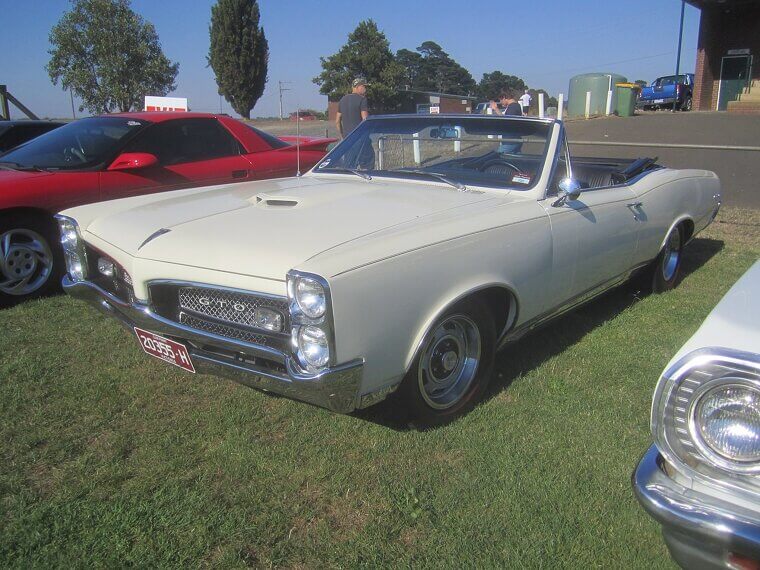
1966-1967 Pontiac GTO
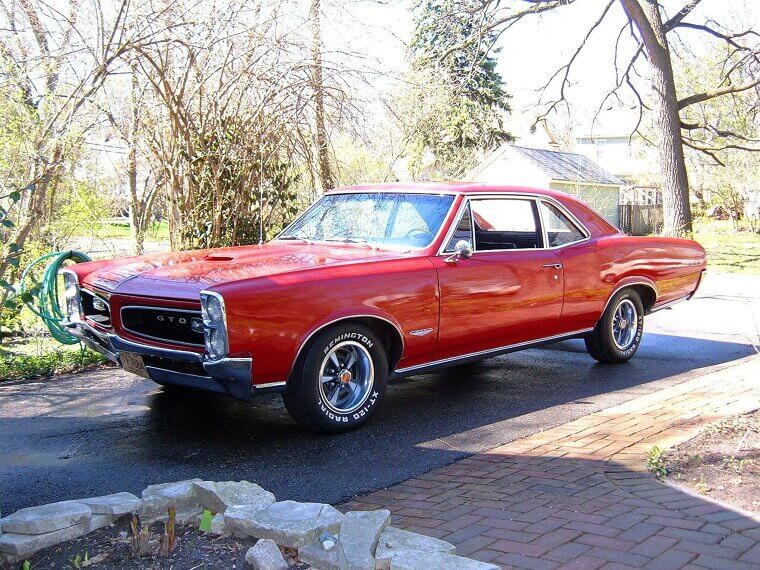
"The Goat" practically invented the muscle car formula - dropping big V8s into mid-size bodies created affordable performance that every teenager dreamed about. Pontiac took their big 389 cubic inch engine from full-size cars and stuffed it into the mid-size Tempest. This simple idea created the muscle car revolution. The GTO offered real performance at prices regular people could afford. That distinctive stacked headlight design looked aggressive and purposeful. Pontiac marketed the GTO toward youth culture with colors, options, and attitude. The Tri-Power carburetor setup made them genuinely quick. These weren't refined sports cars - they were honest hot rods with factory warranties. The formula was simple but effective: maximum engine in minimum car. Modern performance cars cost $50,000 or more. The GTO's approach - affordable, powerful, practical - is exactly what's missing today. Bring back this philosophy and watch the market respond. These GTOs represent American automotive enthusiasm in its purest form.
1968-1970 AMC AMX
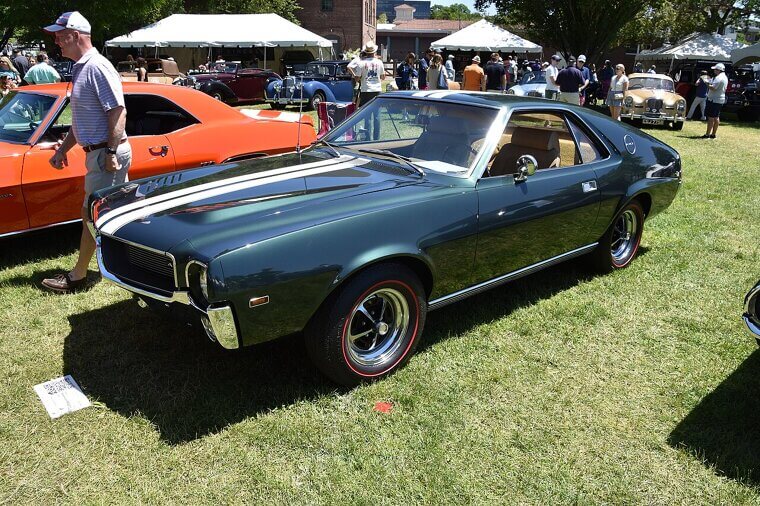
American Motors' two-seat sports car competitor offered V8 power in a compact package - the underdog AMX deserves recognition as a distinctive American alternative. While Detroit's Big Three dominated headlines, little AMC created something genuinely different. The AMX shared styling with the Javelin but with a shortened wheelbase and only two seats. This made it America's only two-seat sports car besides the Corvette. AMC stuffed their biggest 390 cubic inch V8 into this small package, creating impressive performance. The styling was clean and purposeful with distinctive side scoops. These AMX models offered character and performance at prices well below Corvettes. Limited production makes them rare today. AMC took chances that bigger manufacturers wouldn't risk. The AMX represented the independent spirit of a smaller company fighting for attention. If someone brought back this concept today - affordable, distinctive, two-seat American performance - it would find an enthusiastic audience. The AMX proves you don't need huge resources to create something special.
1965-1970 Buick Riviera
GM's personal luxury coupe combined elegance with performance - the boat-tail styling on later models made these Rivieras unmistakable on the road. Buick created the personal luxury coupe category with distinctive styling that stood apart from everything else. The hidden headlights behind clamshell doors were theatrical and sophisticated. The flowing lines suggested speed even standing still. These weren't muscle cars - they were elegant grand tourers for successful adults. Buick offered powerful V8 engines wrapped in luxury and style. The interior featured genuine quality materials and thoughtful design. Later boat-tail models with their dramatic pointed rear deck became instantly iconic. These Rivieras offered an alternative to muscle car aggression with sophisticated American luxury. Modern luxury cars all look similar with bland, conservative styling. The Riviera's bold design and distinctive character are exactly what today's premium market lacks. Bring back this level of styling courage and watch buyers respond.
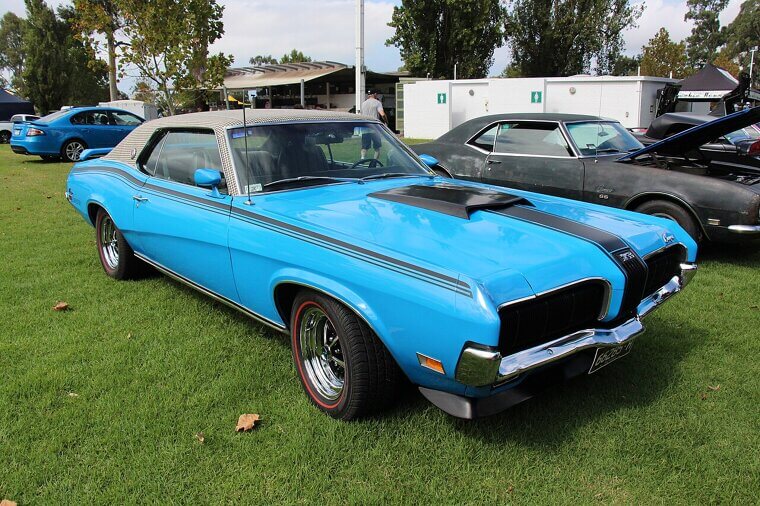
1967-1970 Mercury Cougar
The upscale Mustang alternative with distinctive styling including hidden headlights and sequential turn signals - Cougars offered luxury with performance. Mercury positioned the Cougar as the sophisticated cousin to Ford's Mustang. Those distinctive hidden headlights behind electric doors created drama and elegance. The sequential turn signals - lighting up in order rather than all at once - became a Cougar trademark. The interior offered more luxury appointments than Mustangs while maintaining sporting character. Wheelbase was slightly longer, providing better ride quality. Engine options ranged from practical sixes to powerful V8s including the legendary 428 Cobra Jet. These Cougars proved that performance cars could be refined without being boring. The styling has aged beautifully while maintaining distinctive Mercury character. Modern performance cars have forgotten that luxury and speed work together. Bring back the Cougar formula and give buyers the upscale alternative to mainstream muscle that today's market completely lacks.
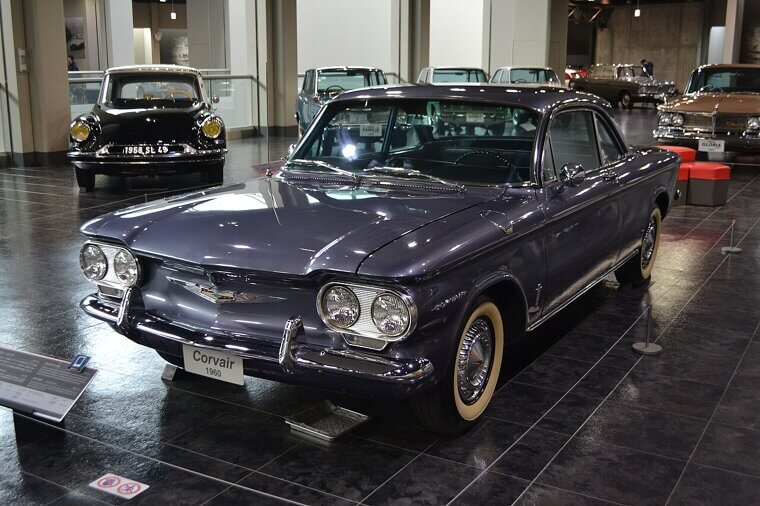
1960-1963 Chevrolet Corvair Monza
The rear-engine Corvair that Ralph Nader made infamous - despite controversy, the turbocharged Monza versions were genuine sports cars with European-inspired handling. Chevrolet's radical rear-engine design broke from American automotive convention. The air-cooled flat-six engine sat in back, creating unique handling characteristics. Early safety concerns gave the Corvair unfair reputation, but the cars were innovative and fun to drive. Monza versions added sporty styling and performance focus. The turbocharged Spyder models offered genuine sports car performance rarely seen in American cars. The handling felt European compared to typical Detroit products. These Corvairs proved American manufacturers could think differently and take chances. The styling was clean and distinctive with that forward-leaning stance. Despite controversy, Corvair enthusiasts remain devoted decades later. Modern cars are all variations on the same front-engine theme. Bringing back the Corvair's unconventional approach would shake up today's boring automotive landscape. These represent American creativity and risk-taking at its boldest.
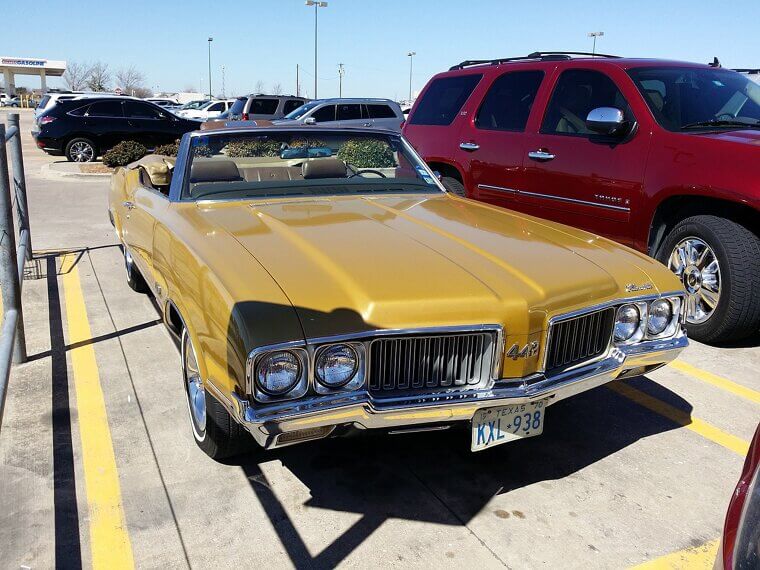
1968-1970 Oldsmobile 442
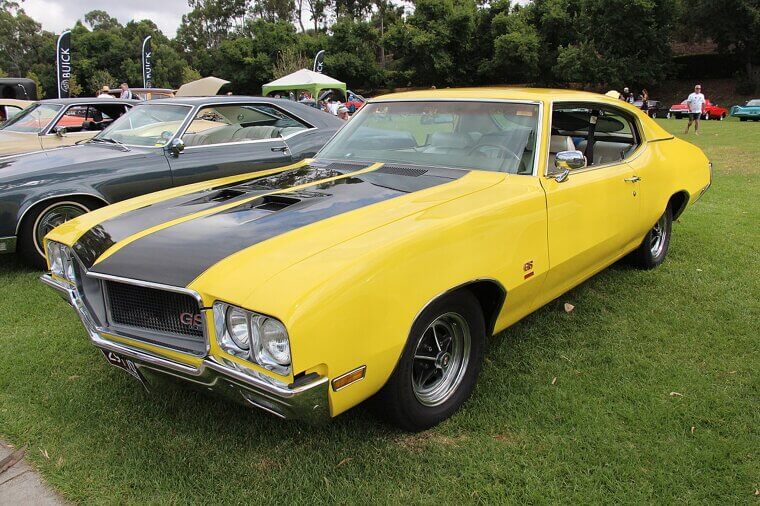
Oldsmobile's muscle car contender combined big-block power with luxury touches - the 442 offered performance with more refinement than its competitors. The name came from the original formula: four-barrel carburetor, four-speed transmission, dual exhausts. Oldsmobile positioned the 442 as the thinking person's muscle car. The styling was aggressive but not cartoonish like some competitors. The 400 cubic inch engine - later growing to 455 - delivered serious performance with Oldsmobile's characteristic smoothness. The interior offered more luxury and quietness than Chevelles or GTOs. Handling packages made these genuine performance machines, not just straight-line dragsters. The 442 appealed to buyers who wanted muscle car performance without sacrificing adult refinement. Oldsmobile's reputation for quality meant these cars lasted. Modern performance cars either go full luxury or full aggressive - there's no middle ground. The 442's balanced approach represented the perfect compromise that today's market desperately needs. These proved muscle cars could grow up without losing their edge.
1964-1966 Pontiac Tempest GTO Convertible
The convertible version of the legendary GTO combined muscle car performance with top-down freedom - these represent the peak of '60s automotive fun. Everything great about the GTO hardtop got even better with the roof down. That powerful Pontiac engine, comfortable back seat, and practical trunk - now with open-air driving added. These convertibles proved performance cars didn't need to be claustrophobic two-seaters. You could carry four people and luggage while enjoying wind-in-your-hair thrills. The styling looked fantastic with the top down, showing off that distinctive interior. Pontiac's marketing targeted youth culture, and nothing said freedom like a convertible GTO. These represented accessible dreams - not exotic or impractical, just pure American automotive joy. Modern convertibles are either tiny sports cars or expensive luxury cruisers. The GTO convertible's formula - affordable, practical, powerful, fun - has disappeared completely. Bring back this combination and watch the market respond. These cars represent everything right about 1960s America on wheels.