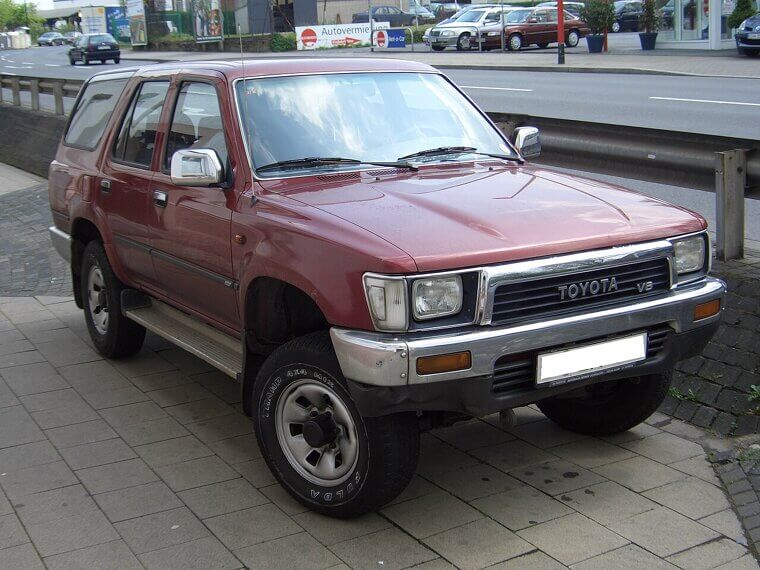
Toyota 4Runner (1990-1995)
The third-generation 4Runner represents the last of the truly simple, bulletproof SUVs before everything went electronic. Built on a truck frame with a proven 3.0-liter V6, these vehicles laugh at 300,000 miles. No fancy touchscreens, no complicated all-wheel drive systems - just straightforward mechanics you can fix in your driveway. Many owners report original transmissions and engines still running strong after decades of use. The body-on-frame construction means rust is your biggest enemy, not mechanical failure. Parts remain affordable and readily available. These 4Runners came from an era when Toyota built vehicles to last generations, not just until the warranty expired. If you find one that's been maintained and kept rust-free, hold onto it. Modern SUVs offer more comfort and technology, but they'll never match this generation's simplicity and durability.
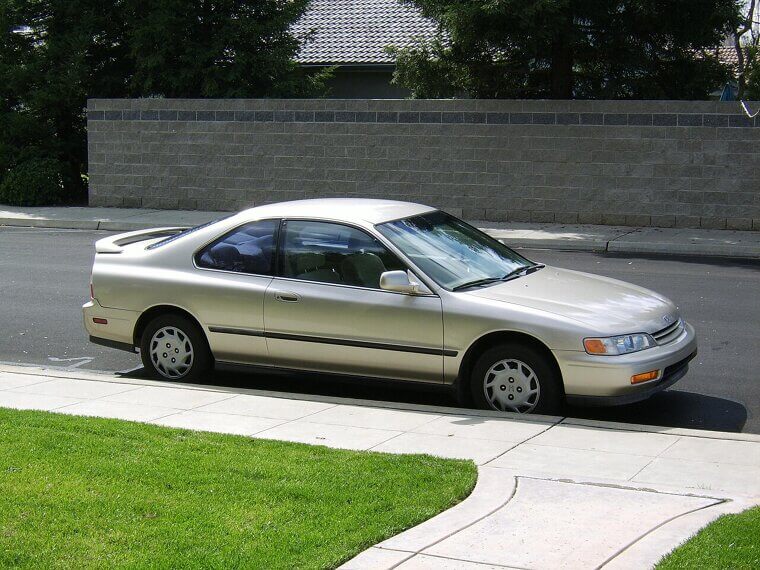
Honda Accord (1994-1997)
The fifth-generation Accord hit the sweet spot between reliability, comfort, and simplicity that Honda hasn't quite matched since. These sedans routinely pass 400,000 miles with nothing more than oil changes, timing belts, and basic maintenance. The inline-four and V6 engines from this era are legendary for durability. No complicated direct injection, no turbochargers to fail - just proven technology that works. The transmissions, whether manual or automatic, were built before Honda's later reliability issues. Many original owners still drive these Accords daily, testament to their engineering. Parts are inexpensive and mechanics know these cars inside out. The styling has aged gracefully, and the interior materials hold up better than modern cars that fall apart after five years. If you're keeping a '90s vehicle forever, this Accord generation tops most lists for good reason.
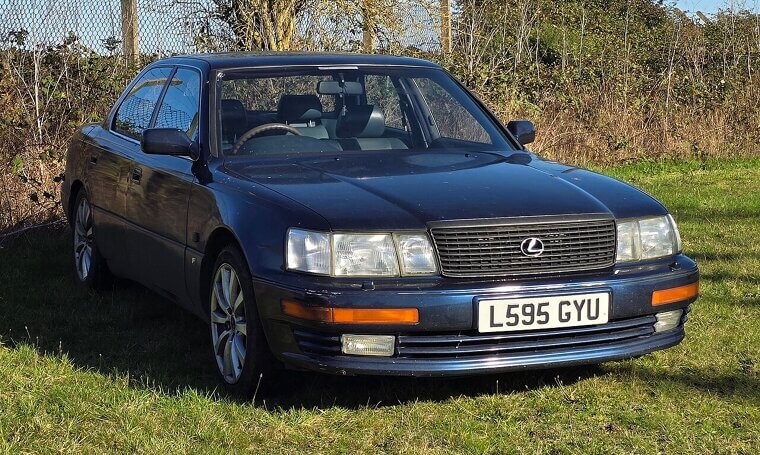
Lexus LS400 (1990-1994)
Toyota's luxury flagship proved that Japanese engineering could outlast German competitors while costing half as much to maintain. The first-generation LS400 remains one of the most reliable luxury cars ever built. These sedans commonly exceed 500,000 miles on original engines and transmissions. The 4.0-liter V8 runs so smoothly that owners report barely feeling it idle. Build quality that rivals Rolls-Royce means these cars still feel solid and quiet decades later. Maintenance costs stay reasonable compared to comparable Mercedes or BMW models from the era. Many original owners refuse to sell, passing them down to family members instead. The timing belt is your main service concern - replace it on schedule and the engine runs forever. These Lexus models prove that luxury and longevity aren't mutually exclusive when engineers prioritize durability over cutting-edge technology.
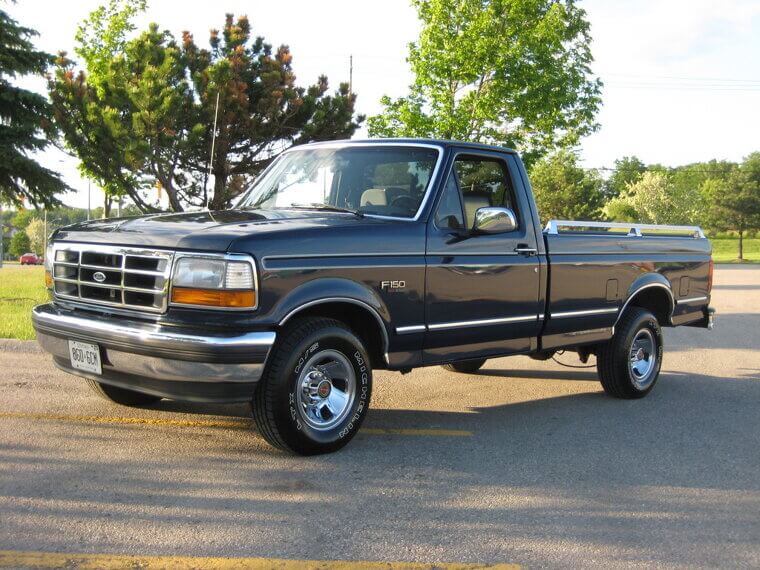
Ford F-150 (1992-1996)
The ninth-generation F-150 came before computers controlled everything - straightforward mechanics, affordable parts, and a reputation for running forever with basic care. These trucks featured proven V6 and V8 engines without complicated emissions systems or fragile electronics. The manual transmission option gives you complete control and eliminates costly automatic transmission failures. Body-on-frame construction means you can fix rust and keep the mechanical components running indefinitely. Parts availability remains excellent since Ford sold millions of these trucks. Many are still working trucks on farms and ranches, proving their durability through decades of hard use. The simple fuel injection system is reliable and easy to repair compared to modern direct injection. These F-150s represent the last generation before trucks became overcomplicated luxury vehicles. If you need a truck for actual work, keeping one of these makes more financial sense than buying anything modern.
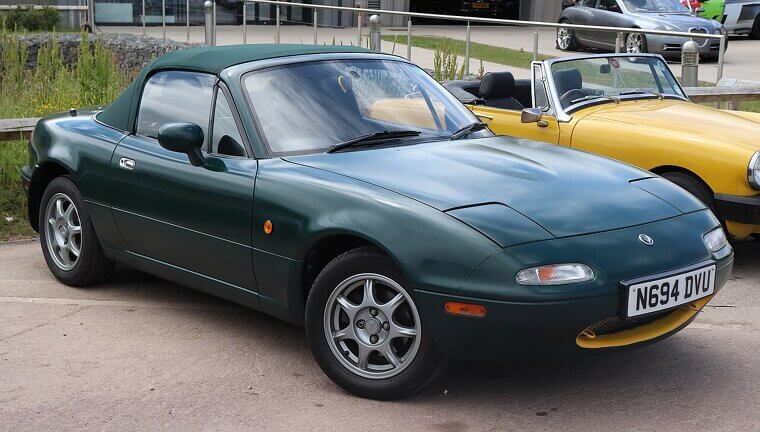
Mazda Miata (1990-1997)
The first-generation Miata created the modern roadster category and remains one of the most reliable, affordable sports cars you can own. Simplicity and driving joy come together in a package that refuses to break down. The inline-four engine is borrowed from Mazda's proven sedan lineup - nothing exotic or expensive to maintain. Manual transmissions are bulletproof and fun to shift. The lightweight design means minimal stress on components and excellent fuel economy. Parts availability is outstanding thanks to a massive enthusiast community. These Miatas handle beautifully without electronic assists or complicated suspension systems. Many owners report 200,000+ miles with only routine maintenance. The convertible top is your main wear item, but replacements are affordable and DIY-friendly. Modern sports cars offer more power, but they can't match the pure, uncomplicated fun of driving a first-generation Miata.
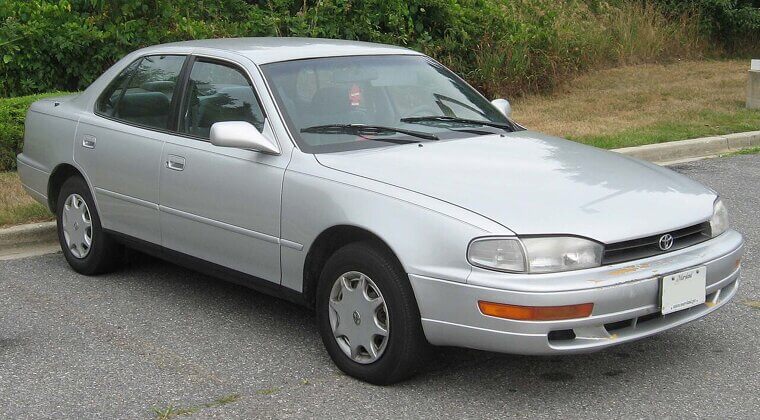
Toyota Camry (1992-1996)
The XV10 Camry earned its reputation as the most reliable car in America - these sedans refuse to die even when neglected. Owners report 400,000+ miles on original engines and transmissions without major repairs. The four-cylinder and V6 options both deliver legendary Toyota durability. This generation came before Toyota's later issues with sludge-prone engines - these motors run clean for decades. The automatic transmission in these Camrys is nearly indestructible with regular fluid changes. Interior build quality means seats and dashboards hold up while modern cars fall apart. These Camrys became the default choice for people who just needed reliable transportation without drama. Mechanics love working on them because parts are cheap and everything is accessible. If you're on a fixed income and need a car that simply will not quit, this Camry generation is hard to beat.
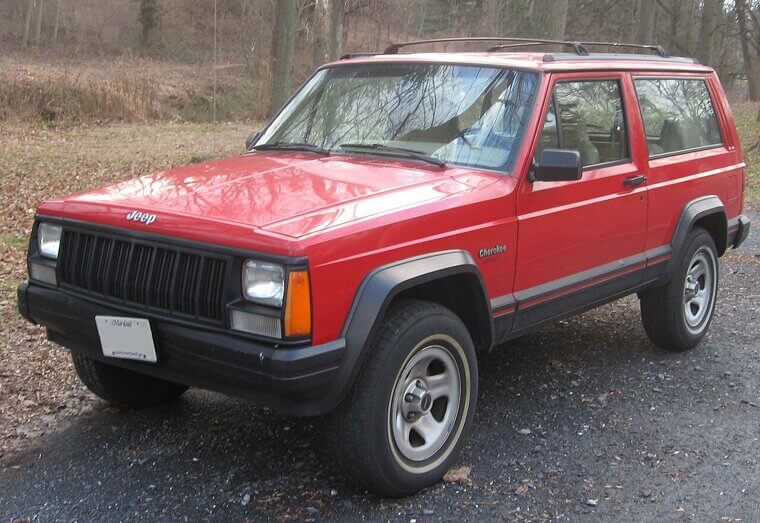
Jeep Cherokee XJ (1990-1996)
Before Jeeps became complicated and expensive, the Cherokee XJ offered genuine off-road capability with mechanical simplicity. The inline-six engine is legendary for durability - many owners report 300,000+ miles without rebuilds. Four-wheel drive systems are straightforward and reliable without electronic complexity. These Cherokees can still be fixed in your driveway with basic tools and affordable parts. The unibody construction is prone to rust, but the mechanical components keep running long after the body needs attention. A massive enthusiast community means knowledge, parts, and support are readily available. These Jeeps offer real off-road capability that modern crossovers can't match. The boxy styling has aged well, and interior simplicity means less to break. Many owners keep these Cherokees as second vehicles for adventures, knowing they're more reliable than newer Jeeps. Finding a rust-free example is challenging, but worth the search.
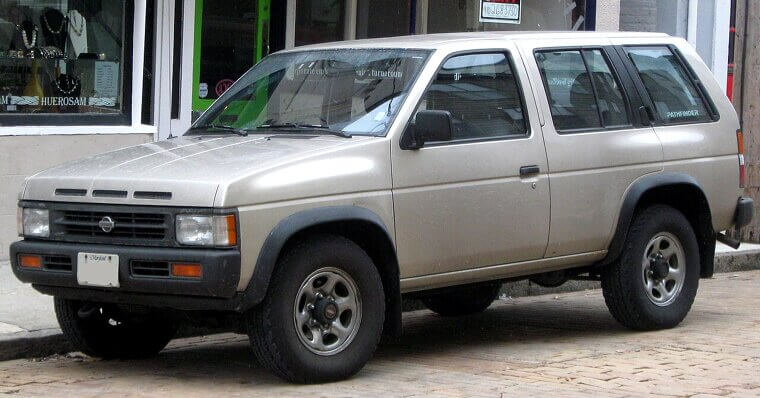
Nissan Pathfinder (1990-1995)
The first-generation Pathfinder combined SUV versatility with truck durability and car-like handling - a balance modern crossovers can't match. Built on Nissan's proven truck platform with the legendary VG-series V6 engine, these SUVs commonly exceed 250,000 miles. The four-wheel drive system is mechanical and simple, without electronic complications. Interior space and comfort rival modern vehicles while maintaining mechanical simplicity. Parts remain affordable and available, with many sharing components with Nissan trucks. These Pathfinders handle daily driving comfortably while offering genuine off-road capability when needed. The timing belt is your main service concern - replace it on schedule and the engine runs forever. Many families bought these new in the '90s and still drive them today. Rust affects the body on older examples, but the mechanical components keep working. This generation represents Nissan before their later reliability issues.
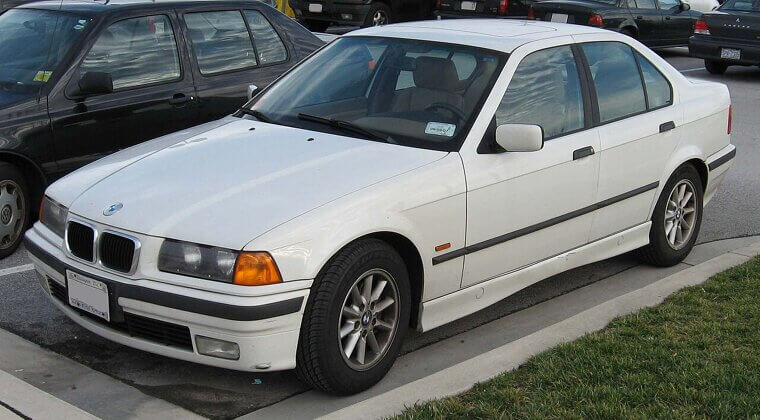
BMW E36 3-Series (1992-1999)
The last 3-Series before electronics took over everything - these BMWs can still be fixed in your driveway with basic tools. The inline-six engines are among BMW's most reliable, with proper maintenance delivering 200,000+ miles. Manual transmissions are fantastic and durable, while automatics require more attention but remain serviceable. Handling and driving dynamics that made BMW's reputation are all here without complicated electronic systems. Parts cost more than Japanese cars but remain reasonable compared to modern BMWs. A strong enthusiast community provides knowledge and support for DIY maintenance. These 3-Series offer genuine driving pleasure that newer models have lost beneath layers of electronic assists. The cooling system requires proactive maintenance - replace hoses and water pumps preventatively. Interior materials show age, but the mechanical bones stay strong. This generation proves BMW once built cars for drivers who wanted to maintain them.
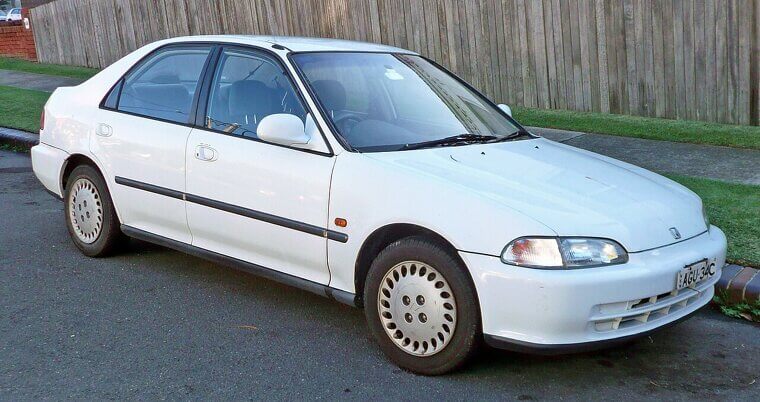
Honda Civic (1992-1995)
The fifth-generation Civic represents peak Honda engineering - lightweight, fuel-efficient, and nearly indestructible. These cars still deliver 35+ MPG without hybrid complexity or expensive repairs. The inline-four engines are among the most reliable ever built, routinely exceeding 300,000 miles. Simple fuel injection systems work flawlessly for decades without the issues plaguing modern direct injection. Manual transmissions shift smoothly after 30 years, while automatics remain reliable with fluid changes. Parts are incredibly affordable and available everywhere. The lightweight design means brakes, suspension, and tires last longer than heavier modern cars. Many were used as commuter cars and are still going strong today. These Civics prove that fuel efficiency doesn't require expensive hybrid technology or complicated turbocharged engines. Rust is your main enemy - keep the body solid and these Hondas run essentially forever. Modern Civics offer more features but can't match this generation's simplicity and durability.
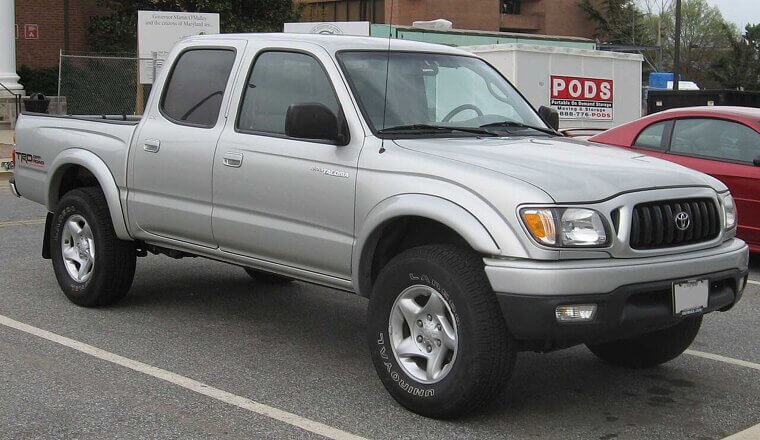
Toyota Tacoma (1995-1999)
The first-generation Tacoma established Toyota's truck reputation in America - these pickups routinely hit 300,000+ miles and hold resale value that shames newer vehicles. The 2.7-liter four-cylinder and 3.4-liter V6 engines are legendary for durability. Manual transmissions are bulletproof, while automatics require occasional attention but stay reliable. Four-wheel drive systems are simple, mechanical, and dependable without electronic complications. Frame rust became a famous issue that Toyota eventually recalled, but many trucks received frame replacements and remain solid today. These Tacomas offer genuine truck capability in a size that's still manageable for daily driving. Parts availability is excellent and costs remain reasonable. Many owners refuse to sell despite high mileage, passing them to family members instead. The used market values for these trucks often exceed $10,000 even with 250,000+ miles. That resale strength proves their reputation for lasting forever.
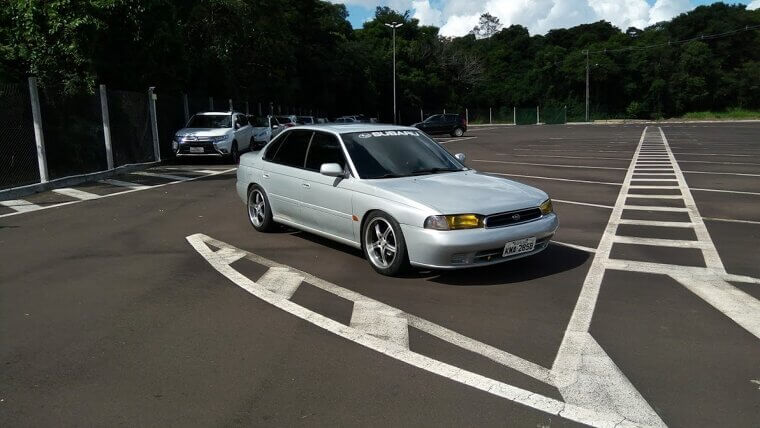
Subaru Legacy (1995-1999)
The second-generation Legacy brought all-wheel drive to the masses with simple, durable mechanics - these cars handle winter without the electronic complexity of modern Subarus. The 2.2-liter and 2.5-liter engines are among Subaru's most reliable, before later head gasket issues plagued the brand. All-wheel drive systems are mechanical and proven, delivering snow capability without electronic complications. These Legacy sedans and wagons offer practical space and comfort for daily use. Manual transmissions are excellent, while automatics stay reliable with fluid service. Parts remain affordable and the enthusiast community provides strong support. Many families bought these for winter weather and are still driving them decades later. Rust affects older examples in snow-belt states, but the mechanical components outlast the body. These Legacy models represent Subaru before CVT transmissions and other modern reliability concerns. If you need all-wheel drive without complexity, this generation delivers.
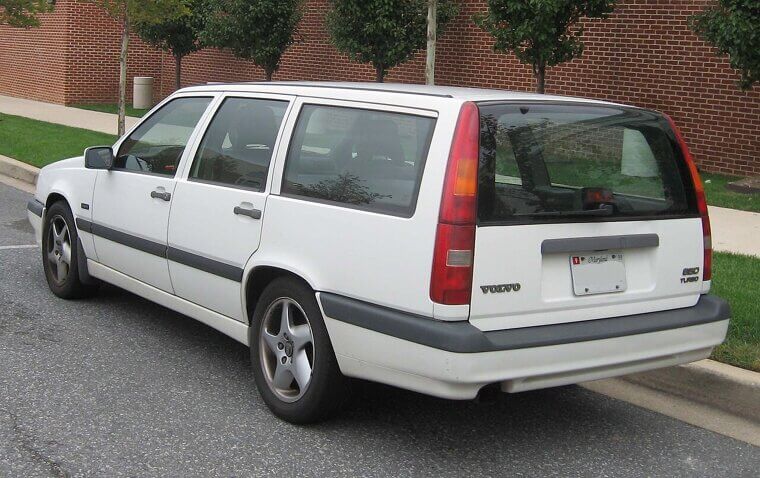
Volvo 850/V70 (1993-1997)
Volvo's first front-wheel drive platform proved Swedish durability could match Japanese reliability - these wagons and sedans hit high mileage with dignity and safety. The turbocharged five-cylinder engines deliver good power with impressive longevity. Many owners report 300,000+ miles with proper maintenance. Volvo's legendary safety construction means these cars still protect occupants better than many newer vehicles. The wagon variants offer incredible cargo space and versatility that modern crossovers struggle to match. Transmission longevity varies, but proper service keeps them running. Parts cost more than Japanese competitors but remain reasonable compared to German luxury brands. These Volvos prove that safe, practical family transportation can last decades. Interior build quality means seats and trim hold up while modern cars deteriorate. The boxy styling has aged remarkably well, and many enthusiasts specifically seek these models. Maintenance matters more than mileage with these Volvos - find a well-maintained example and keep it forever.
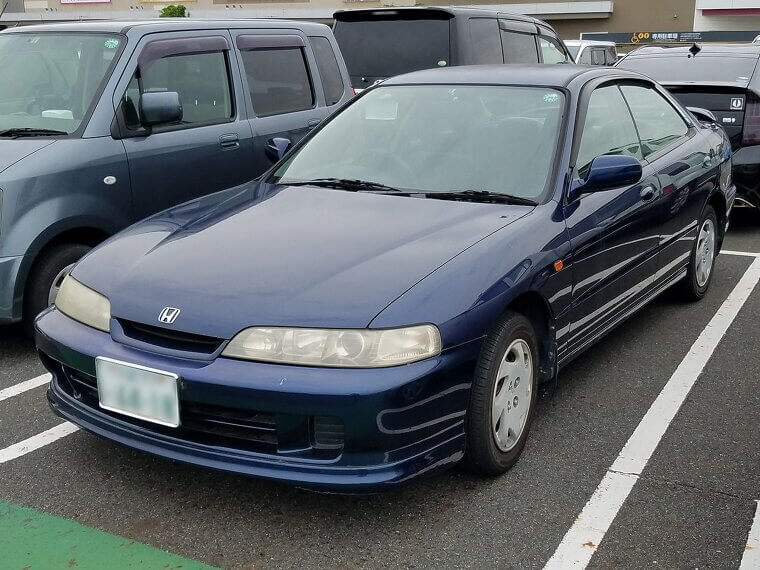
Acura Integra (1994-1999)
The third-generation Integra became legendary for Honda reliability wrapped in sporty packaging - these cars still command respect and deliver fun without modern complexity. The B-series engines are among Honda's finest, revving freely and lasting 250,000+ miles with basic maintenance. Manual transmissions are precise and durable, making these Integras genuinely fun to drive. The sport-tuned suspension handles well without electronic assists or complicated systems. Parts availability is excellent thanks to massive Honda parts sharing. Many were used as daily drivers and are still going strong decades later. The styling has aged gracefully, and enthusiasts actively seek clean examples. These Integras prove that sporty doesn't mean unreliable when Honda builds it. Unfortunately, theft remains an issue due to parts demand - proper security is essential. Interior materials hold up better than modern cars that fall apart after five years. This generation represents Honda before they lost their sporting spirit.
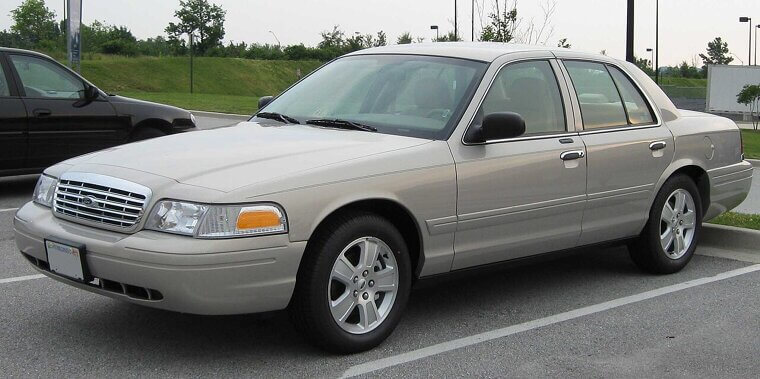
Ford Crown Victoria (1992-1997)
The Panther platform's peak years delivered body-on-frame durability with V8 simplicity - fleet service proved these cars could handle 500,000+ miles of abuse. Police departments, taxi companies, and government fleets chose Crown Vics for their legendary durability. The 4.6-liter V8 is nearly indestructible with basic maintenance. Body-on-frame construction means you can fix anything and keep driving. Parts are incredibly cheap and plentiful thanks to massive production numbers. Many former police and taxi examples are still on the road decades later. These cars offer the last body-on-frame sedan design with V8 power and rear-wheel drive. Fuel economy is modest, but reliability and repair costs more than compensate. The ride quality is comfortable and seats remain supportive after hundreds of thousands of miles. If you need a car that absolutely will not quit, former fleet Crown Vics offer incredible value. Modern cars can't match this generation's simple, durable engineering.