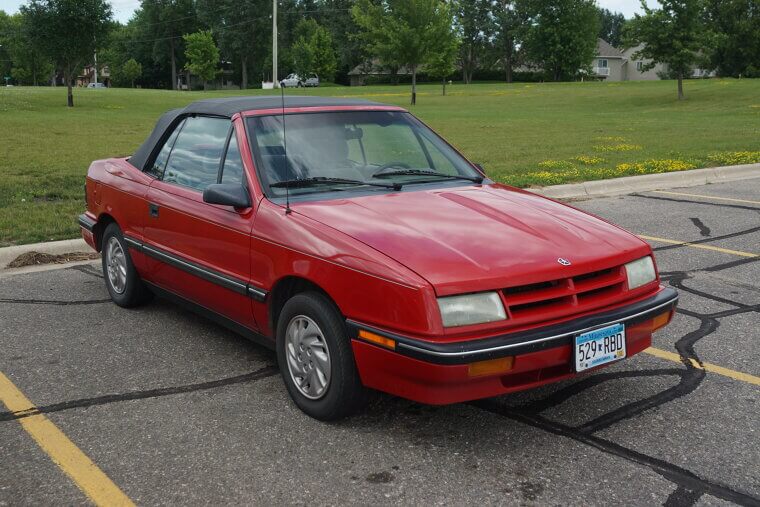
Suzuki X‑90
The Suzuki X‑90 was one of the strangest vehicles of the ’90s - a two‑seat SUV‑coupe hybrid that left most people scratching their heads. It wasn’t particularly sporty, nor especially rugged, and its styling was so unconventional that owners often had to explain what it even was. While it has gained a cult following, it’s still a car that invites puzzled looks. Driving one today feels like piloting a concept car that somehow escaped the auto show floor. It’s quirky, memorable, and undeniably odd, making it a curiosity rather than a classic.
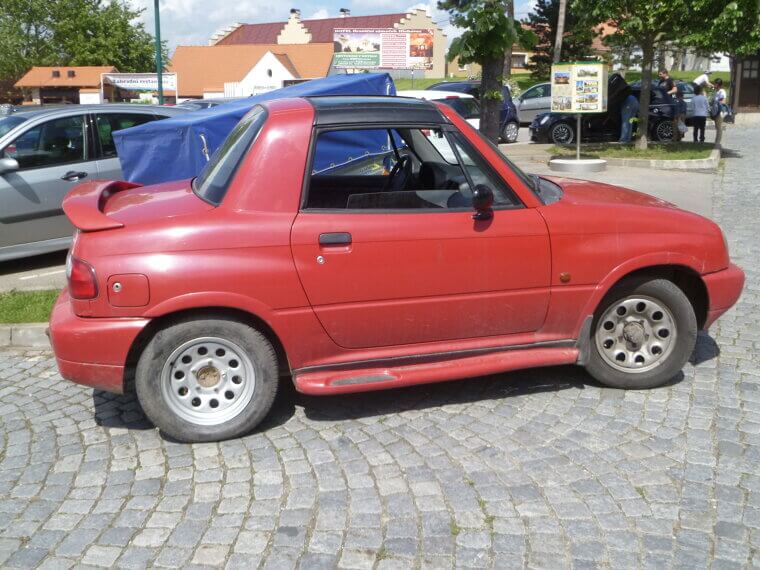
Yugo GV
The Yugo GV became a symbol of bargain‑bin motoring, and while its low price made it tempting in the ’80s, the ownership experience often felt like a long‑term dare. And who would want that? Build quality was inconsistent, parts failed with enthusiasm, and even routine driving could feel like a negotiation. But still, we’ve got to acknowledge the appeal of a car that tried so hard to be simple transportation and ended up a cultural punchline. Today, owning one is less about practicality and more about embracing a quirky chapter of automotive history, even if it means explaining why you chose the world’s most infamous economy car.
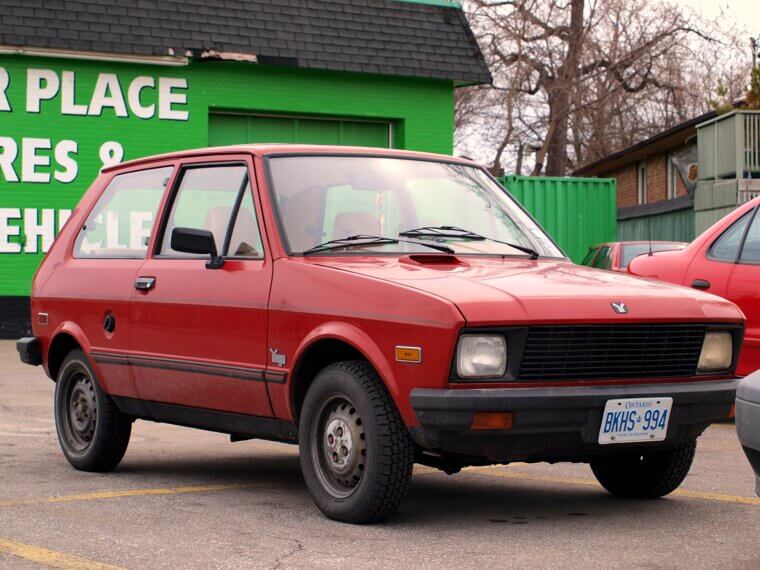
Ford Pinto (early ’80s)
By the time the Ford Pinto limped into the early ’80s, its reputation had already taken a hit thanks to widely publicized safety concerns. Even though later models were improved, the stigma stuck like glue! Owning one became less about driving a compact Ford and more about fielding jokes from anyone within earshot. Yet the Pinto still represents a fascinating moment in automotive culture - just shows how quickly public perception can shift. For modern owners, the embarrassment isn’t the car itself (as there’s nothing seriously wrong with it) so much as the baggage its name still carries.
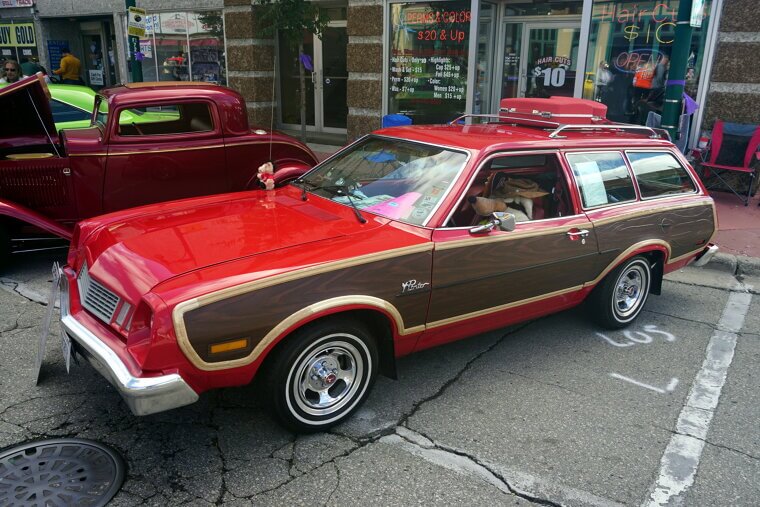
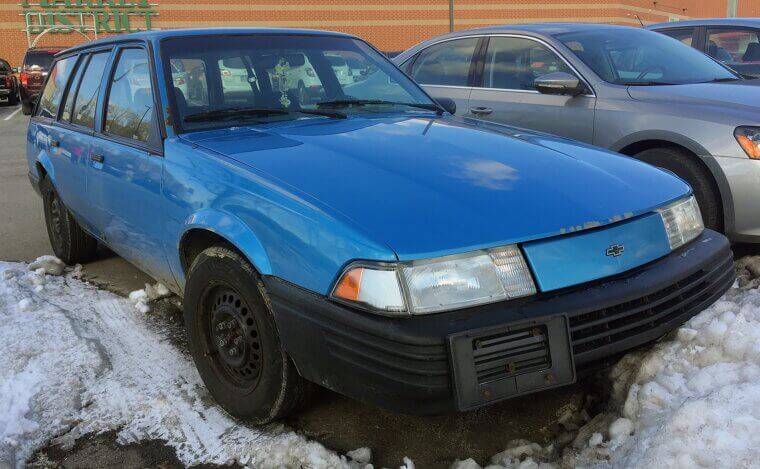
Chevrolet Cavalier
The Chevrolet Cavalier was once the default American compact, sold in huge numbers and beloved mostly for being inexpensive and available. But as the years passed, its flimsy interiors, coarse engines, and rental‑car personality became hard to ignore. Today, the Cavalier sits in that awkward space where it’s too common to be collectible and too dated to feel nostalgic. Owning one now often means answering questions about why you’re still driving a car most people forgot existed. Still, it’s a snapshot of GM’s attempt to keep up with the import wave - even if it didn’t age as well as GM hoped for!
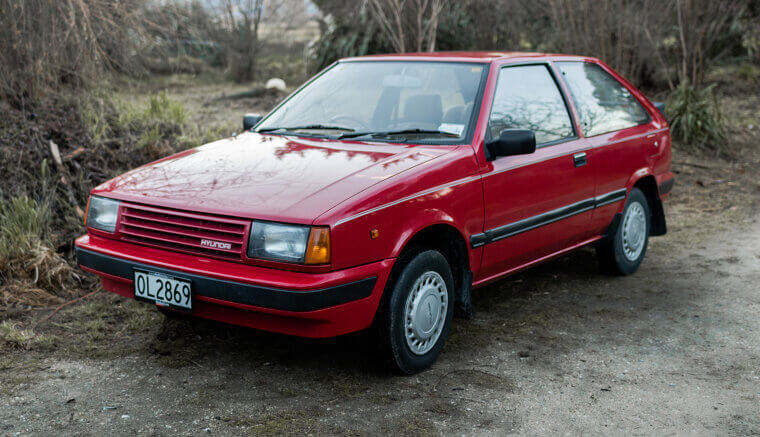
Hyundai Excel
The Hyundai Excel arrived with a price tag that made it irresistible, but its bargain‑basement build quality quickly caught up with it; owners often found themselves dealing with fading paint, rattling interiors, and engines that seemed tired far too early. While Hyundai eventually transformed into a respected global brand, the Excel remains a reminder of its humble beginnings. Driving one today can feel like revisiting a time when “affordable” meant “expect compromises.” It’s not that the Excel was terrible - it just aged into a symbol of early‑era cost cutting rather than a fondly remembered classic.
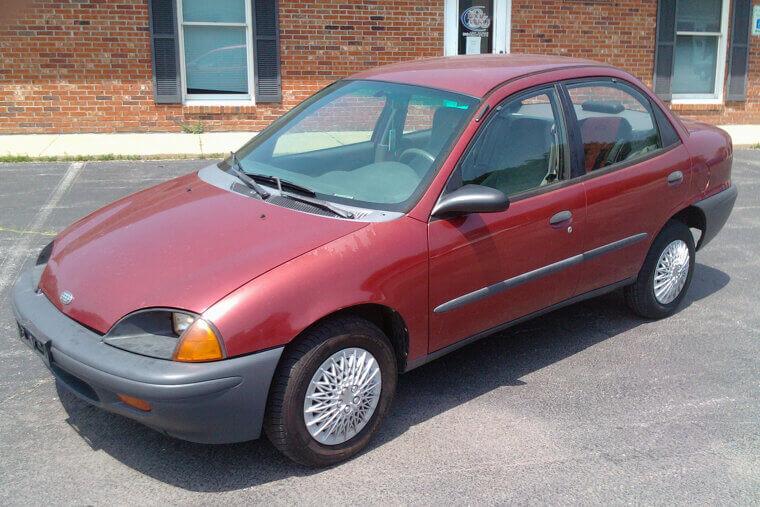
Geo Metro
The Geo Metro was unapologetically basic, built for fuel economy above all else. With its tiny engine, featherweight construction, and minimalist interior, it delivered thriftiness at the expense of… well, everything else. Owners often endured jokes about its lack of power or its tin‑can feel, and time hasn’t softened those impressions. Yet the Metro has a certain charm: it represents an era when efficiency meant simplicity, not hybrid tech. Still, showing up in one today can feel like stepping out of a rolling reminder of extreme frugality - admirable, but not exactly glamorous.
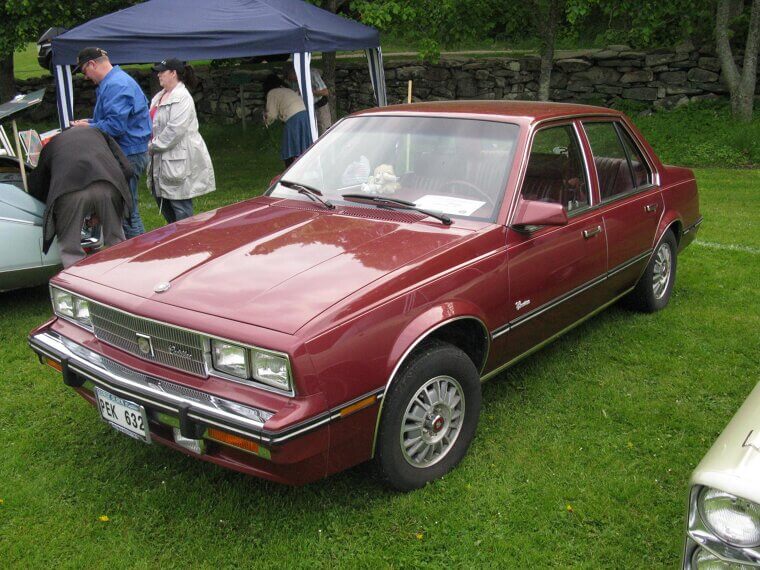
Cadillac Cimarron
The Cadillac Cimarron is often cited as the ultimate example of badge engineering gone wrong. Built on a humble compact platform and dressed up with luxury aspirations, it never lived up to the Cadillac name. Owners expecting premium refinement instead found themselves with a lightly upgraded economy car wearing a prestigious badge. Over time, the Cimarron became shorthand for missed opportunities and diluted branding. Now, it’s a car that sparks more groans than admiration, remembered as a lesson in how not to chase the luxury market.
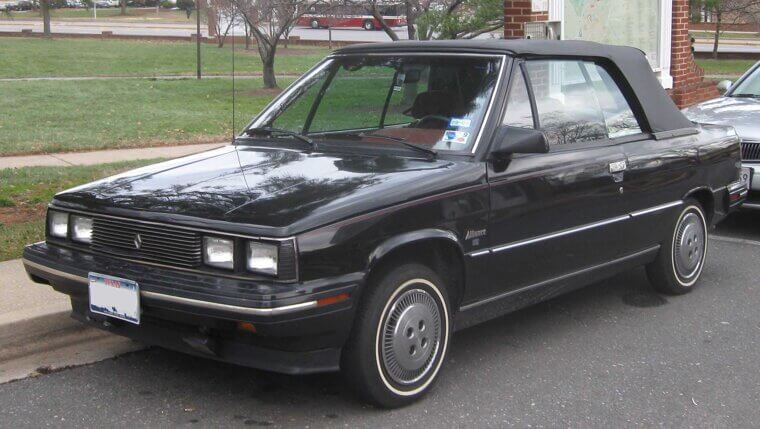
Renault Alliance
The Renault Alliance launched with surprising praise, even winning awards for its comfort and ride quality. Unfortunately, long‑term reliability didn’t follow the same trajectory. Owners soon faced mechanical issues, rust, and parts shortages, turning early enthusiasm into regret. The Alliance became one of those cars people remembered owning but preferred not to discuss. So what have we learned from this vehicle? That first impressions don’t always predict lasting success. Driving one now often means explaining why you’re behind the wheel of a once‑celebrated import that aged poorly.
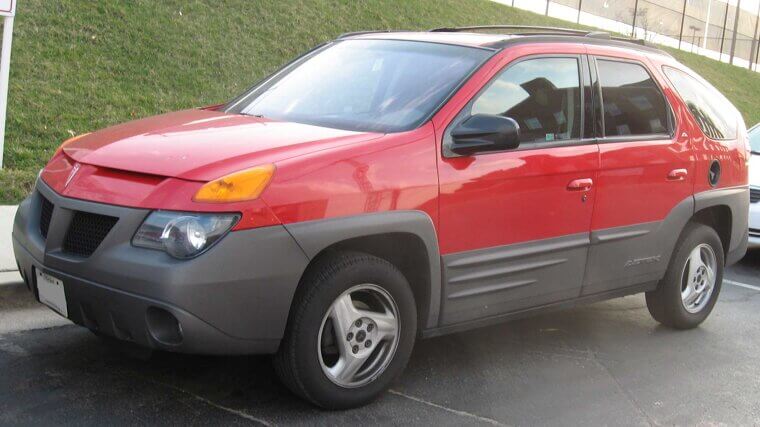
Pontiac Aztek
The Pontiac Aztek has become the poster child for polarizing design, and while some now defend it as misunderstood, the early 2000s weren’t kind. This car’s unconventional styling overshadowed its practicality, leaving owners to explain that yes, it really was a good camping vehicle. Over time, the Aztek’s reputation softened, but the embarrassment lingered for anyone who bought one before irony made it cool. Jumping forward to today’s industry, it’s simply an example that bold ideas don’t always land the way designers hope. Still, there’s something endearing about a car that tried so hard to be different, even if it failed.
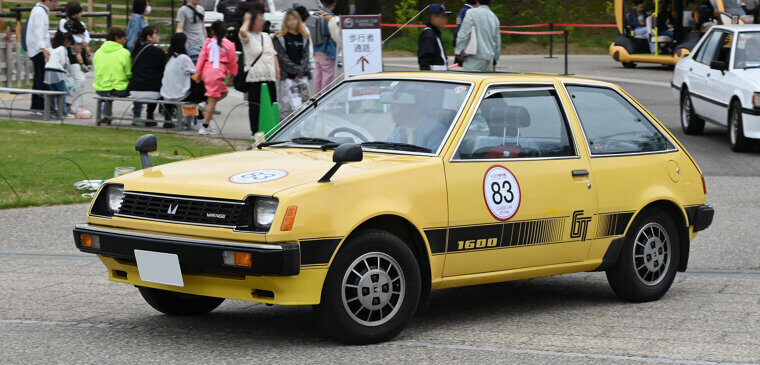
Mitsubishi Mirage (early ’90s)
The early ’90s Mitsubishi Mirage was transportation in its most distilled form - light, simple, and unpretentious. But its bare‑bones nature didn’t age well. As competitors improved, the Mirage’s thin materials, modest power, and sparse features became more noticeable. Owners often found themselves defending a car that was reliable enough but lacked personality. Today, the Mirage from this era feels like a placeholder in automotive history, remembered more for what it didn’t offer than what it did.
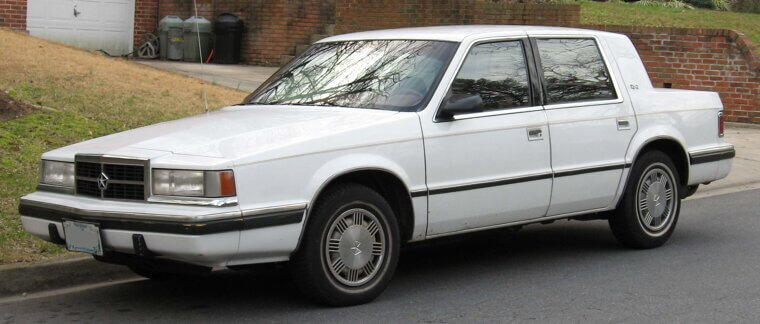
Dodge Dynasty
The Dodge Dynasty was a boxy, sensible sedan that fit perfectly into the late ’80s and early ’90s landscape of practical family cars. But as styling trends evolved, the Dynasty’s squared‑off shape and dated interior quickly made it feel old‑fashioned. Owners often found themselves driving a car that looked like it belonged in a government fleet rather than a driveway. While it was comfortable and dependable, it never inspired much excitement. Today, it’s remembered as a relic of Chrysler’s most conservative design era, but, (most of you will likely agree) should stay in the past!
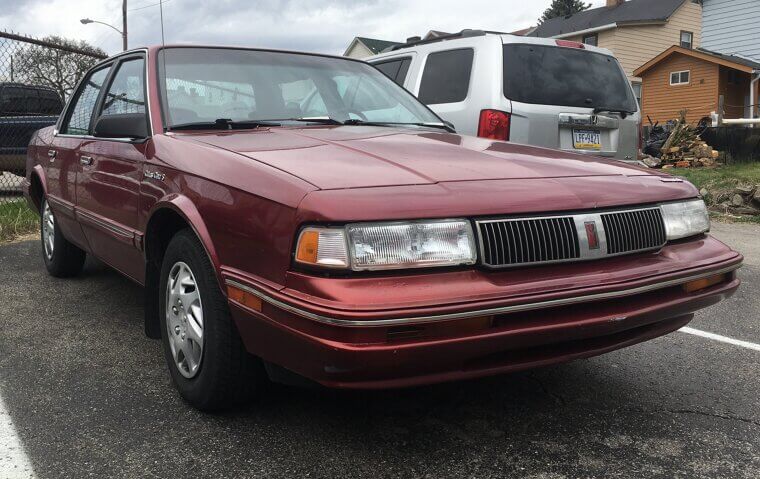
Oldsmobile Cutlass Ciera
The Oldsmobile Cutlass Ciera was a staple of suburban America, beloved by grandparents and commuters alike. But its soft suspension, anonymous styling, and aging platform eventually made it feel out of step with modern expectations. Owning one today often invites gentle teasing, as the Ciera has become synonymous with sensible but unexciting transportation. Still, it represents a time when comfort and predictability mattered more than flair. For many, it’s a hint of nostalgia - but for others, it’s simply a car that overstayed its welcome.
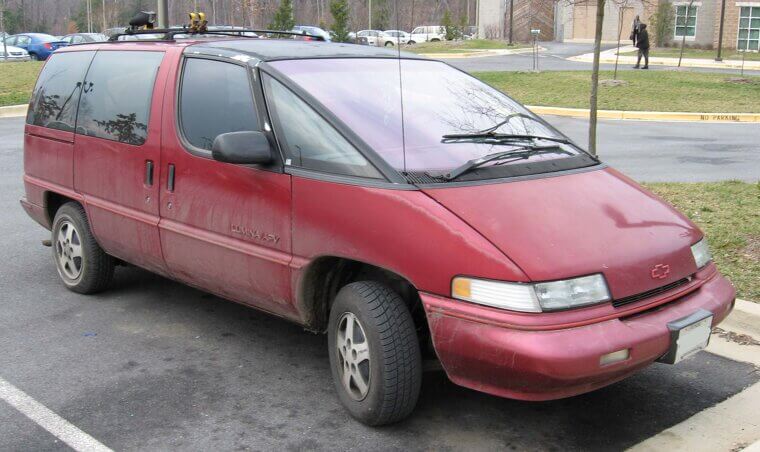
Chevrolet Lumina
The Chevrolet Lumina was designed to be a dependable, no‑nonsense family sedan, but its lack of personality made it fade into the background almost immediately. As the years passed, its bland styling and forgettable driving experience didn’t help its reputation. Owners often found themselves behind the wheel of a car that blended into parking lots a little too well. Today, the Lumina is remembered less for any particular flaw and more for its sheer anonymity. It’s become the automotive equivalent of beige wallpaper - functional, but hardly inspiring.
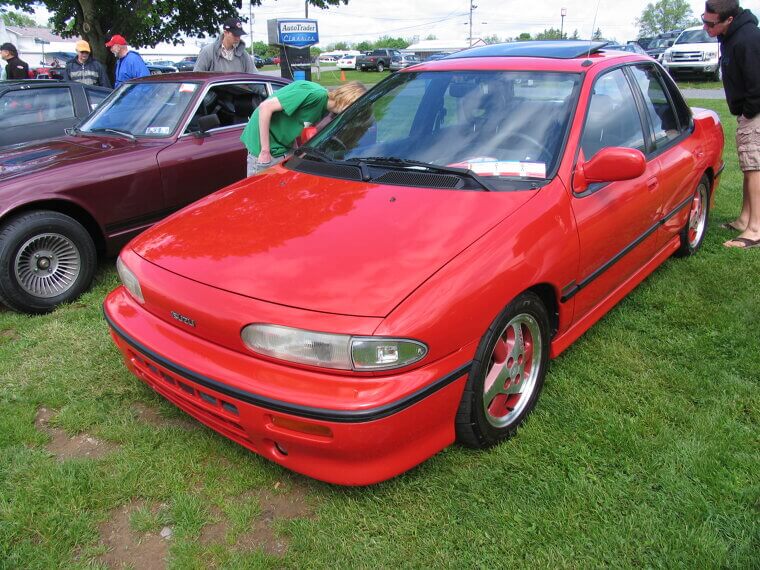
Isuzu Stylus
The Isuzu Stylus was a rare sight even when new, and its obscurity only grew with time. While it offered decent handling and efficiency, it lacked the brand recognition and marketing push needed to stand out. Owners often found themselves explaining what it was, where it came from, and why they bought one. In today’s industry, the Stylus sits in that odd category of cars that aren’t collectible but are still unusual enough to spark curiosity; but it just never quite found its audience.
Dodge Shadow
The Dodge Shadow was affordable, practical, and everywhere in the early ’90s. But its plasticky interiors, inconsistent build quality, and tendency to age poorly didn’t do its reputation any favors! Owners often dealt with fading paint, sagging headliners, and squeaks that appeared long before the odometer climbed high. This car is remembered fondly by some today but mocked by many, representing an era of budget motoring that couldn’t climb to the same levels as a lot of other Dodge models.