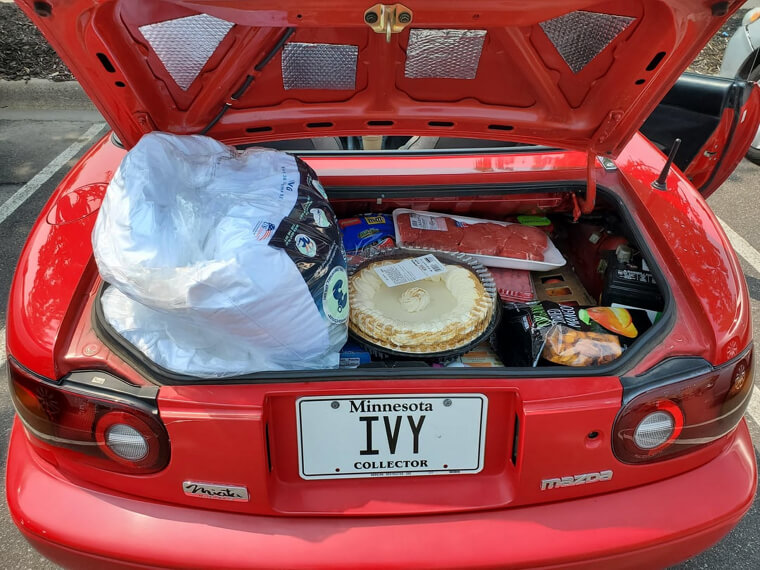
Mazda MX-5 Miata (ND Generation: 2016–Present)
Even the most recent generation of the Miata, while an affordable benchmark for fun driving, maintains its long tradition of trunk inadequacy. The trunk is just large enough for two modest duffel bags and little else. It is characterized by an awkward, irregular shape with a large recess in the middle, and the overall volume is less than 5 cubic feet. Trying to place a plastic crate of groceries inside is impossible due to the restrictive depth and height. Miata ownership necessitates making small, frequent trips or, more commonly, simply placing the groceries on the passenger seat, which defeats the purpose if you plan to share the joy of open-top driving with a friend.
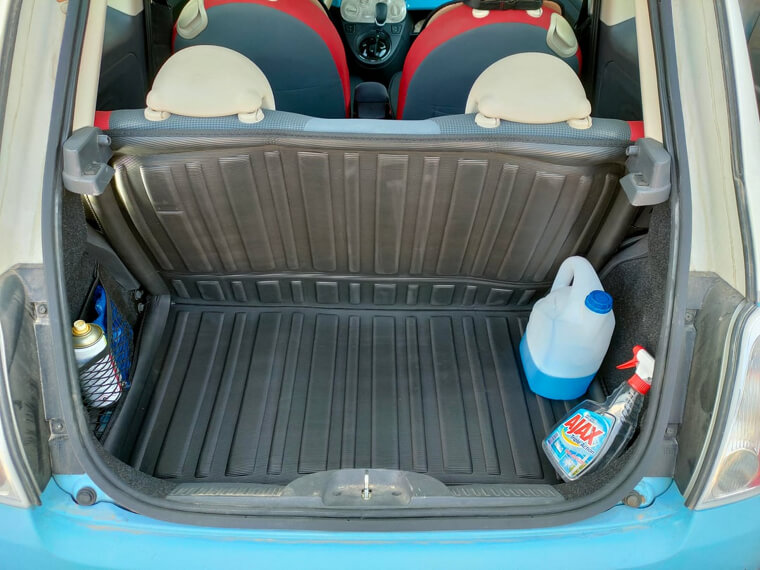
Fiat 500 (2011–2019)
The Fiat 500 is a masterclass in urban style and affordability, capturing the spirit of classic Italian motoring. However, its charm comes with genuine practical penalties. The trunk space is minuscule, offering only about 9 cubic feet of cargo volume, and it’s accessed via a high lip, making loading heavy items difficult. Crucially, the cargo area is very deep but exceptionally narrow and short vertically, meaning a standard grocery bag often has to be laid on its side, crushing delicate items like bread or eggs. Any significant weekly shop immediately requires folding down one or both of the already cramped rear seats, turning the entire back half of the car into a loading zone.
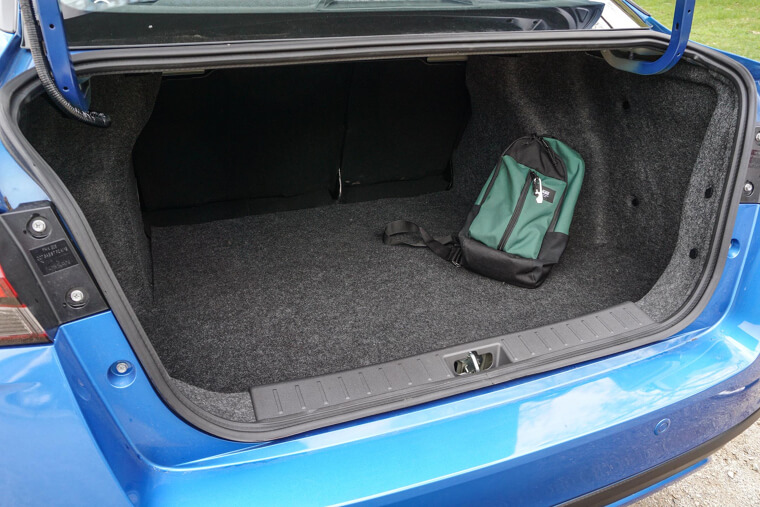
Nissan Versa Sedan (Third Generation: 2020–Present)
The Nissan Versa is lauded as one of the most affordable new cars available, offering great value and fuel economy. Surprisingly, the issue here isn't trunk volume, which is generous, but the ridiculously small and restrictive trunk opening. The actual cargo area is deep and wide, easily accommodating several bags of shopping, but the aperture itself is narrow and high, shaped almost like a mail slot. This means bulkier items, like a case of bottled water or a large package of paper towels, must be carefully angled and squeezed in, making a quick, efficient loading process impossible. It's a classic case of having the space but lacking the easy access for everyday bulk items.
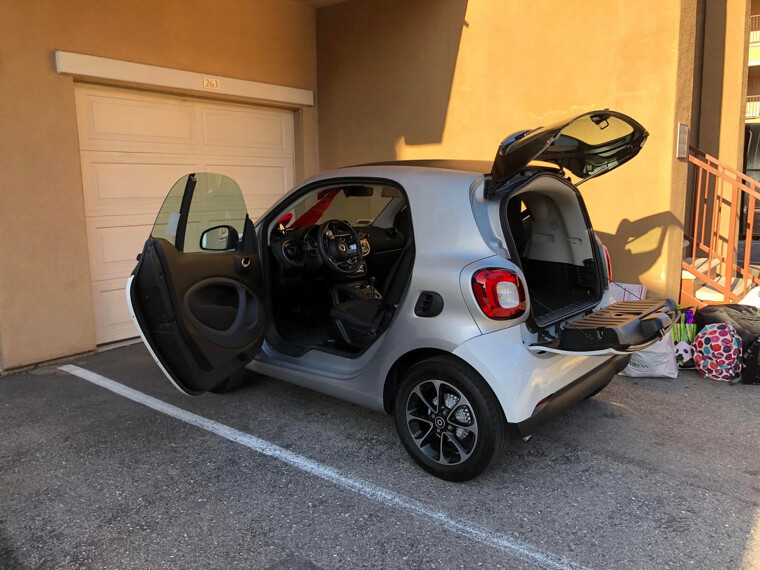
Smart Fortwo (Second and Third Generations: 2007–2019)
The Smart Fortwo epitomizes urban agility and cheap parking, but it requires extreme compromise in utility. While the tiny cargo area behind the seats has a clever two-piece clamshell opening, the total volume is minimal, often around 8 cubic feet. The biggest problem, however, is the immediate proximity of the passenger seat. If you have a passenger, the entire weekly shop must fit into that small rear nook, which is often not enough for a large family. Most Smart drivers end up stacking groceries on the passenger's lap or feet, illustrating how quickly its function is maxed out, even for simple errands.
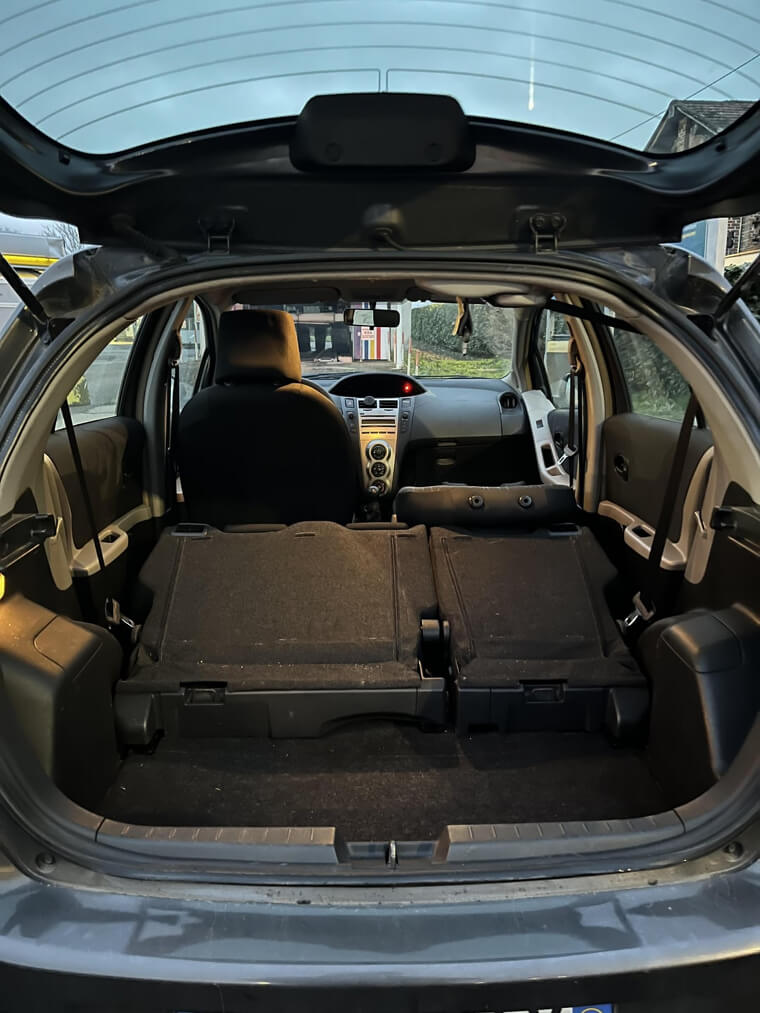
Toyota Yaris Hatchback (Third Generation: 2012–2020)
The Toyota Yaris is known for its bulletproof reliability and low running costs, making it a stellar affordable choice. But the third-generation hatchback prioritized rear passenger room, severely compromising the cargo area behind the rear seats. The hatch opening is fine, but the vertical depth of the trunk floor is surprisingly shallow. Once you load a couple of standard reusable shopping bags, the space is essentially full. The immediate necessity of folding down the back seats to accommodate any extra bulk, like a package of toilet paper or a large box of diapers, is the daily frustration that owners frequently face.
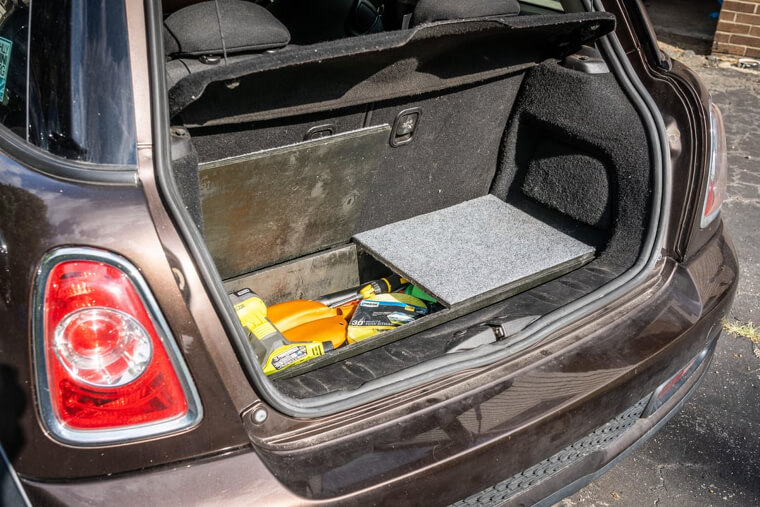
Mini Cooper Hardtop (Second Generation: 2007–2014)
The Mini Cooper is an incredibly fun, stylish, and relatively affordable compact car. However, the rear cargo area (or boot) of the two-door hardtop is almost laughably small, providing barely 5.7 cubic feet of space. The vertical load height is high, and the space behind the rear seats is simply too shallow to hold more than a backpack or a small handful of items. To carry any meaningful amount of groceries, the small 50/50 split rear seats must be folded down. This is the car that makes you regret buying milk in a gallon jug, as it may not fit standing up even with the seats down.
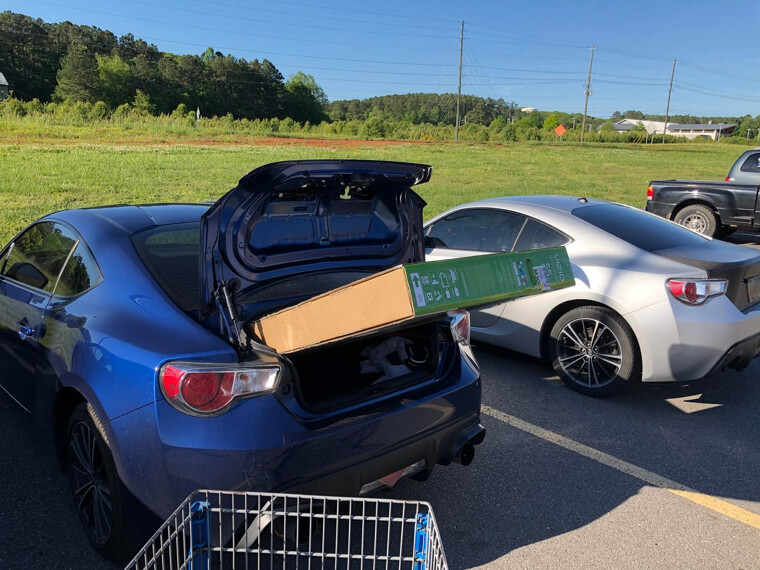
Scion FR-S / Subaru BRZ (First Generation: 2013–2021)
These affordable sports coupes are designed purely for driving dynamics. While technically a 2+2, the rear seats are tiny and unusable by adults. The trunk, though offering about 6.9 cubic feet, is compromised by the space reserved for the spare tire well and the bracing required for chassis rigidity. The biggest frustration for grocery shopping is the high load lip and deep well, which requires leaning far into the trunk to place and retrieve items. While the rear seats do fold down to allow skis or long flat items, getting everyday shopping bags in and out efficiently is unnecessarily clumsy and physically taxing.
Chevrolet Spark (Third Generation: 2016–Present)
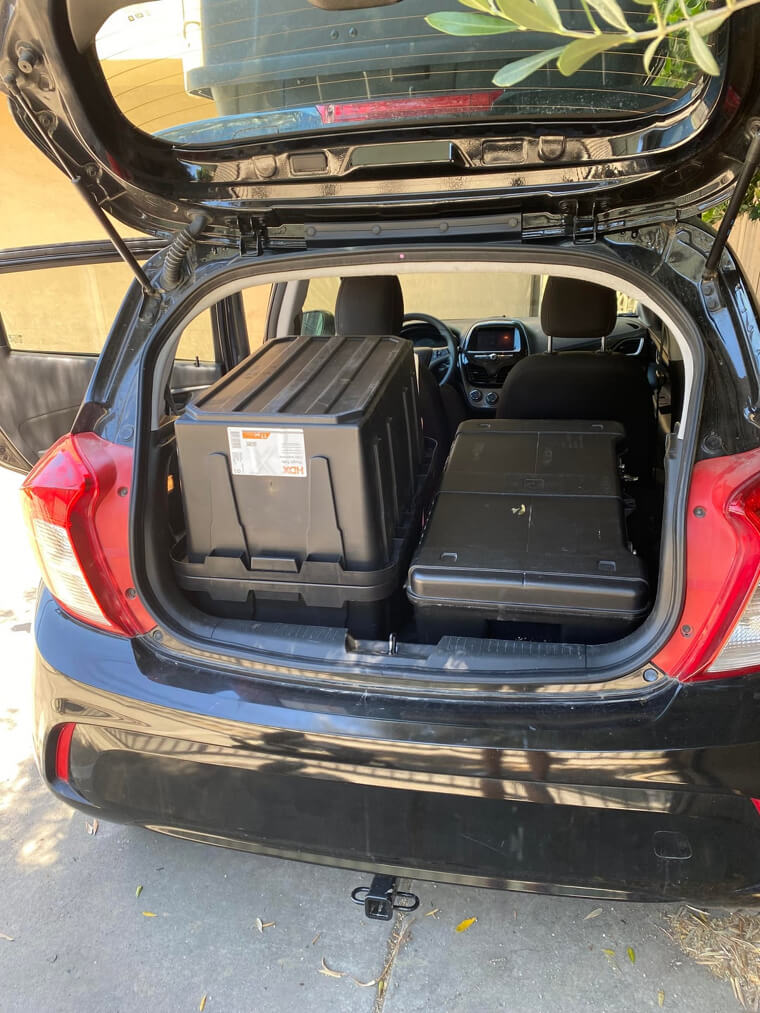
As one of the cheapest new cars sold today, the Chevrolet Spark provides incredible value. However, the cargo area behind the rear seats is severely limiting, offering just over 11 cubic feet. While this sounds respectable for its size, the total volume is almost entirely vertical. The trunk floor is very high, and the space is boxy and narrow. Trying to place multiple flat cardboard boxes or bulky items is difficult. The car is manageable for two bags of quick market items, but any bulk run requires immediate use of the passenger and rear seat surfaces, constantly reminding the owner that utility was far down the list of design priorities.
Hyundai Veloster (First Generation: 2012–2017)
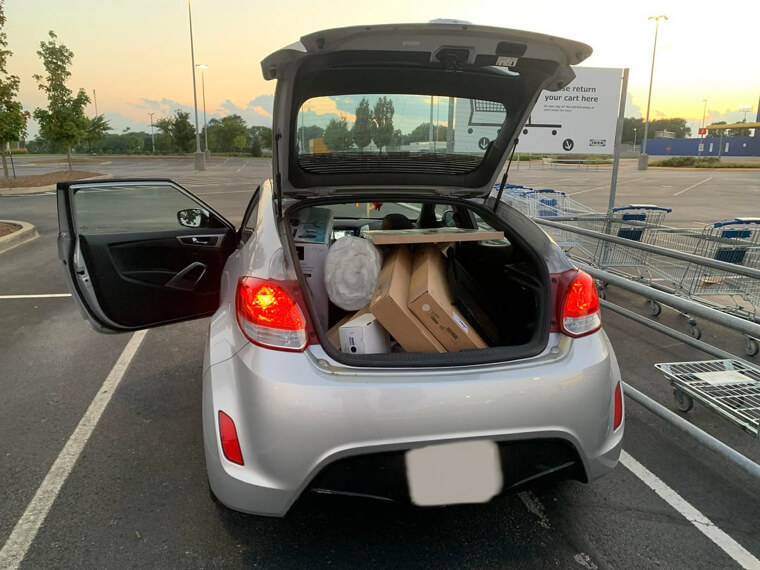
The first-generation Veloster stood out with its asymmetrical 2+1 door design, blending coupe styling with a touch of practicality. While the hatchback design is helpful, the high, sloping rear window severely restricts the usable height of the cargo area. The actual trunk floor is shallow, and any item taller than a wine bottle must be wedged toward the middle or laid down, frustrating owners trying to stack items. It’s a case of form over function; the sleek roofline looks great but makes the cargo area awkwardly shaped and far less useful than a traditional hatchback like the contemporary Elantra GT.
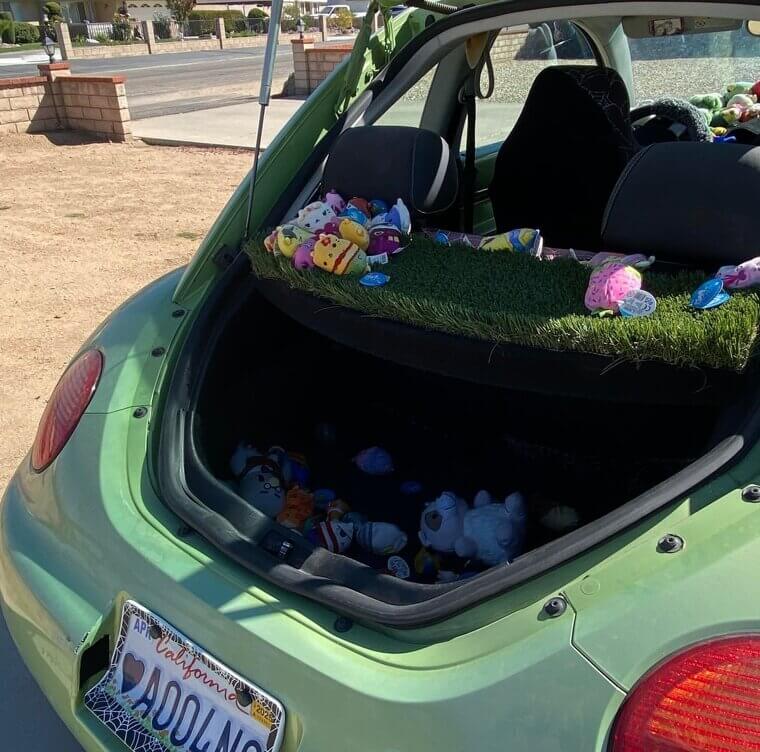
Volkswagen Beetle (Third Generation: 2012–2019)
The modern VW Beetle coupe was stylish and fun but inherited the classic Beetle problem of prioritizing aesthetics over utility. The trunk is accessible via a large hatch, but the actual cargo volume is surprisingly small, and the loading floor is deep and narrow. The most common complaint is the inconsistent depth: the area under the rear window is very shallow, forcing most items forward. The highly curved shape of the trunk lid also limits vertical clearance dramatically. This car is fine for a weekend bag, but a large Costco run means you will be piling bags into the rear seat, just as owners of the classic model once did.