High Out-Of-Warranty Repair Costs
The day an Audi slips out of warranty is the day many owners discover what “German engineering” really means for their bank account. Repairs that once felt manageable suddenly arrive with four-digit price tags and a polite smile from the service advisor. Parts are premium, labor is specialized and nothing seems designed to be replaced cheaply. Even minor fixes can spiral into major expenses, turning routine ownership into a recurring financial event.

Electrical System Failures
Modern Audis are rolling networks of computers and after several years, those computers start behaving like aging office printers. Windows stop responding, dash warnings pop up for problems that vanish by morning and infotainment systems freeze mid-drive. Diagnosing these issues is rarely straightforward and fixing them often involves replacing expensive modules rather than simple components. Owners don’t fear mechanical breakdowns as much as electrical gremlins that refuse to be predictable (or affordable).
Expensive Routine Maintenance
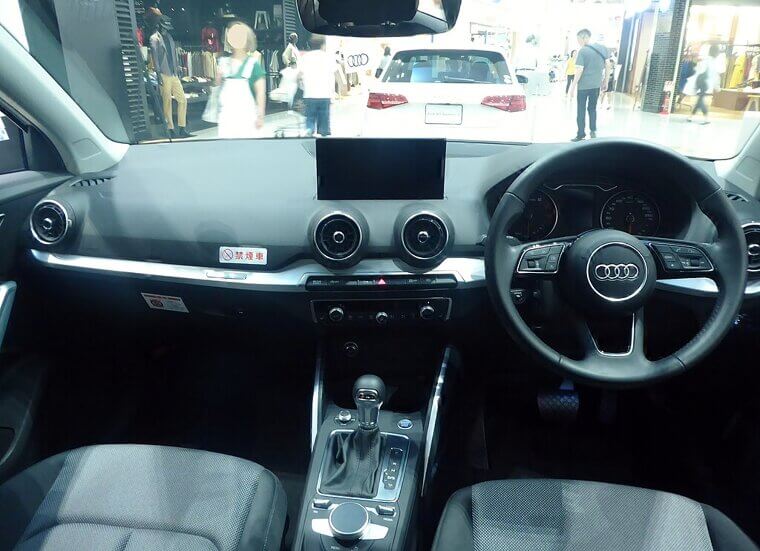
Audi maintenance schedules read less like suggestions and more like commandments carved into stone. Oil changes cost more than expected, brake jobs arrive early and often and every service interval seems to require something “recommended” rather than optional. Skipping maintenance isn’t wise, but keeping up with it can feel relentless. Over time, owners realize they aren’t just paying to keep the car running; they’re paying to preserve the privilege of owning it properly.
Reliability Issues Over Time
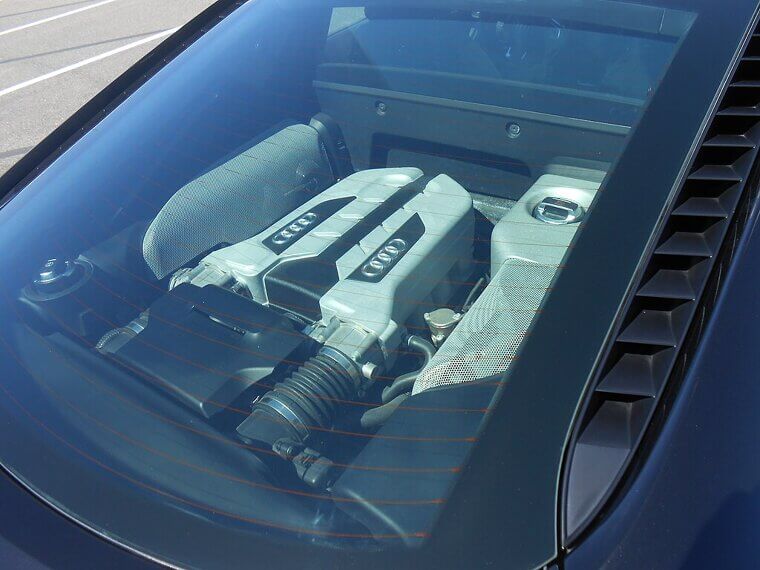
In the first few years an Audi can feel flawless - smooth, quiet and confident - then, slowly, the little things begin; sensors fail. Warning lights appear without explanation. Systems work intermittently, like they’re negotiating their own union contract. None of it is catastrophic at first, but the accumulation wears owners down. The car still drives beautifully - it just keeps asking for attention, patience, and increasingly frequent visits to someone with a diagnostic computer.

Premature Transmission Problems
Audi transmissions can be brilliant when new - quick-shifting, smooth and responsive. Unfortunately, some don’t age gracefully! Hesitation, rough gear changes or mysterious behavior can appear earlier than expected, especially outside warranty coverage. Repairs are rarely small, and replacements are rarely cheap. For owners who expected long-term durability to match the premium badge, transmission issues often appear to celebrate the moment when enthusiasm turns into long-term skepticism.
Oil Consumption Issues
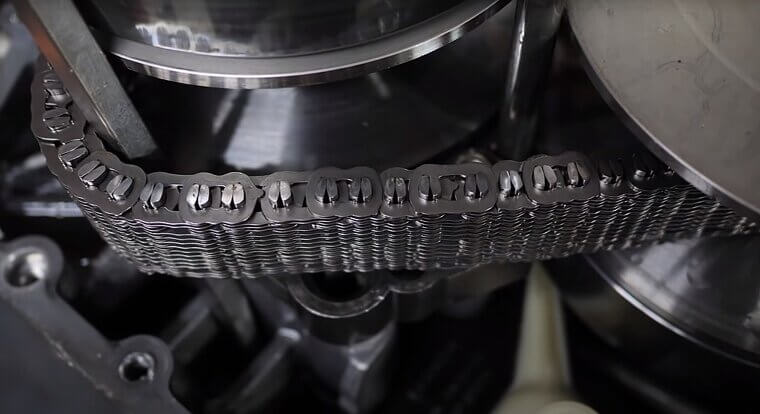
Many Audi owners are surprised to learn that adding oil can become a routine ritual rather than an occasional necessity. Some engines consume oil at a rate that feels less like a quirk and more like a design philosophy. Warning lights arrive early, often, and without apology. Keeping a spare bottle in the trunk becomes common practice. What manufacturers call “within tolerance” owners tend to call inconvenient, confusing and slightly alarming.

Carbon Buildup in Direct-Injection Engines
Direct injection improves performance and efficiency, but it comes with a dirty little secret: over time, carbon deposits accumulate on intake valves, slowly robbing the engine of smoothness and power. The fix isn’t cheap, quick, or optional while “walnut blasting” becomes a phrase owners never expected to learn, let alone budget for. It’s a maintenance task invisible to the casual driver, yet unavoidable for long-term owners who want their engine to breathe properly again.
Costly Suspension Repairs
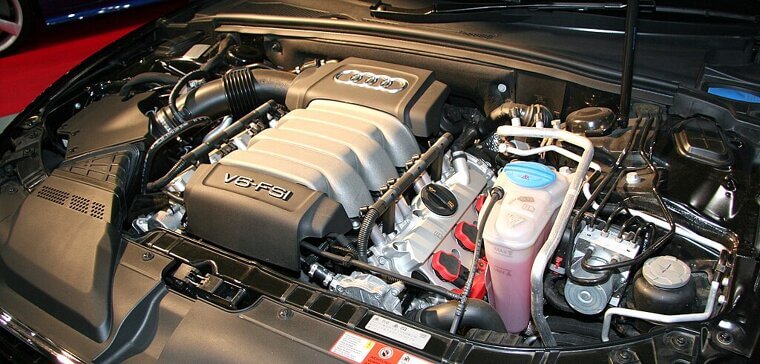
Audi suspensions deliver that signature ride - composed, sporty, confident - until they don’t. Control arms, bushings, and adaptive suspension components tend to wear faster than expected (especially on rougher roads) and when they fail, the repair bills arrive with enthusiasm. No single part is outrageous on its own, but the system is complex and replacements often come in clusters. Owners quickly learn that comfort and handling excellence carry a long-term financial toll.

Rapid Depreciation
Audis depreciate with surprising enthusiasm; what feels like a smart premium purchase can lose value quickly when newer models arrive and warranty coverage ends. Technology ages fast, repair fears scare secondhand buyers, and resale prices reflect both realities. Owners looking to sell after five years often discover the market is less romantic than expected. The car may still feel luxurious, but the resale numbers tell a much colder, more practical story.

Limited Independent Repair Options
Audi’s complexity narrows the pool of mechanics willing or able to work on them. Many independent shops lack the specialized tools, software, or experience required, leaving owners dependent on dealerships or niche specialists. That dependency keeps prices high and flexibility low. Simple repairs rarely feel simple, and shopping around for better quotes becomes an exercise in frustration. The result is that for long-term owners the lack of choice becomes as costly as the repairs themselves.

Complex Engineering Increases Labor Costs
Audi vehicles are marvels of engineering, which unfortunately means they are also puzzles. Components are layered, tightly packaged and rarely designed with easy access in mind, so a repair that would take an hour on a simpler car can require disassembly worthy of a small theatrical production. Labor hours climb quickly, and so do invoices until owners realize they’re not just paying for parts; they’re paying for the time it takes to reach them.

Infotainment System Glitches
Audi infotainment systems often feel advanced right up until they misbehave. Screens freeze, Bluetooth drops calls and navigation systems lose their sense of direction at inconvenient moments which the software updates promise to fix but sometimes just add new quirks. Because these systems are deeply integrated into the vehicle, fixes aren’t as simple as rebooting a phone. Owners grow weary of technology that was once impressive but now feels temperamental and expensive to correct.

Sensor and Warning Light Failures
Audis are generous with sensors, but they’re even more generous with warning lights; a single failing sensor can trigger a cascade of alerts that make the dashboard look like a holiday display! The car can drive perfectly while insisting something is very wrong, and diagnosing the issue often requires specialized equipment, which means replacing the culprit is rarely cheap. Owners learn that warning lights don’t always signal danger - just another appointment.
Turbocharger Failures
Turbocharged engines deliver thrilling acceleration and impressive efficiency… but turbos are not forever. Heat, pressure, and time take their toll, and when a turbo begins to fail the symptoms are impossible to ignore. Repairs are complex, labor-intensive and expensive. For owners beyond warranty coverage, turbo issues often feel like a punishment for enjoying the performance that originally sold them on the car.
Cooling System Problems
Audi cooling systems rely on a network of pumps, hoses and plastic components that don’t always age gracefully resulting in unexpected leaks - sometimes deep within the engine bay where detection is difficult. Overheating risks force immediate action, and repairs often involve replacing multiple components at once. What starts as a small coolant warning can escalate quickly, reminding owners that modern cooling systems are anything but simple.

Brake Components Wear Quickly
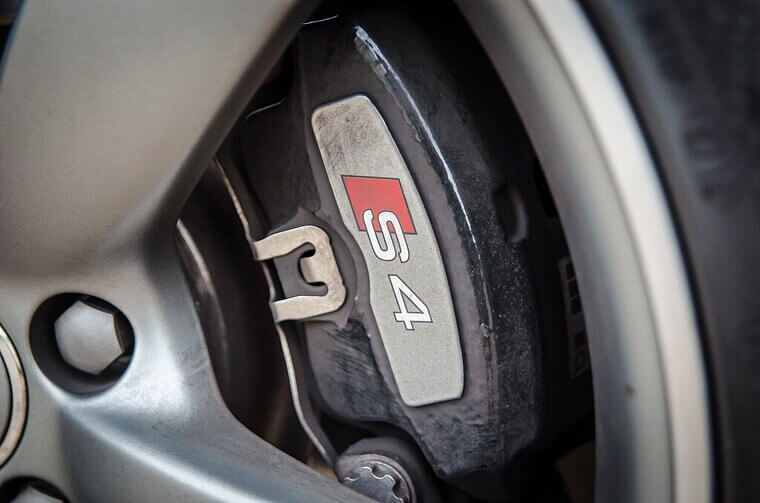
Audi brakes feel precise, confident, and reassuring - until the inevitable moment you realize they don’t last as long as expected. High-performance calipers, rotors, and pads all take their toll on your wallet, especially if you enjoy spirited driving. Replacement intervals arrive sooner than owners anticipate, and quality parts are never cheap. Skipping them isn’t an option unless you want squeals, reduced stopping power, or worse. Over time, brake maintenance evolves from an occasional task into a recurring, unavoidable financial obligation that subtly drains enthusiasm.
AWD System Maintenance Costs
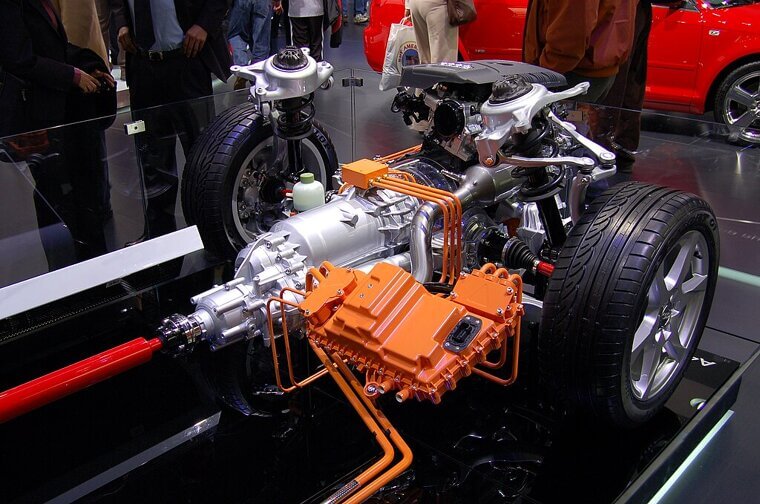
Audi’s all-wheel-drive system is brilliant when it works - it’s smooth, balanced, and supremely confident - but it comes with a hidden price. Differentials, transfer cases and fluid replacements are complex, and issues are rarely minor. Regular preventative maintenance is essential, or the car will remind you in the most expensive ways possible. Owners often underestimate this, discovering that the system they loved for its stability quietly demands attention, specialized tools and a steadily increasing repair budget as the miles tick by.
Poor Long-Term Ownership Value
Audis shine in the showroom and perform beautifully on the road; their long-term value, however, can be sobering. Depreciation hits hard even on well-maintained models, while repair and maintenance costs climb steadily. Buyers who expected a durable, premium investment find themselves recalculating the real cost of ownership. By the fifth year, the gap between the car’s sticker price and its current market value grows obvious, leaving owners wondering if the thrill of the badge was worth the cumulative expense.
Inconsistent Dealer Service Experiences
Service experiences vary wildly across Audi dealerships, and the inconsistencies can be infuriating. Some owners are treated like royalty, with transparent estimates and smooth appointments. Others feel rushed, upsold or left confused by technical jargon. Because complex repairs can require dealer-level diagnostics, switching to independent shops is limited. Owners realize that a simple maintenance visit can feel like rolling the dice, with wait times, communication gaps, and unexpected charges testing patience.

Ownership Costs Exceeding Expectations
Owning an Audi often starts as a dream - thrilling drives, sleek styling, and cutting-edge features - but by the fifth year, the reality might feel like a financial endurance test. Repairs, maintenance and unexpected issues add up silently, each one rational alone but collectively exhausting. Owners don’t necessarily dislike the car, but the total cost often exceeds initial expectations, transforming pride into a mixture of affection, frustration, and a vague sense of betrayal.