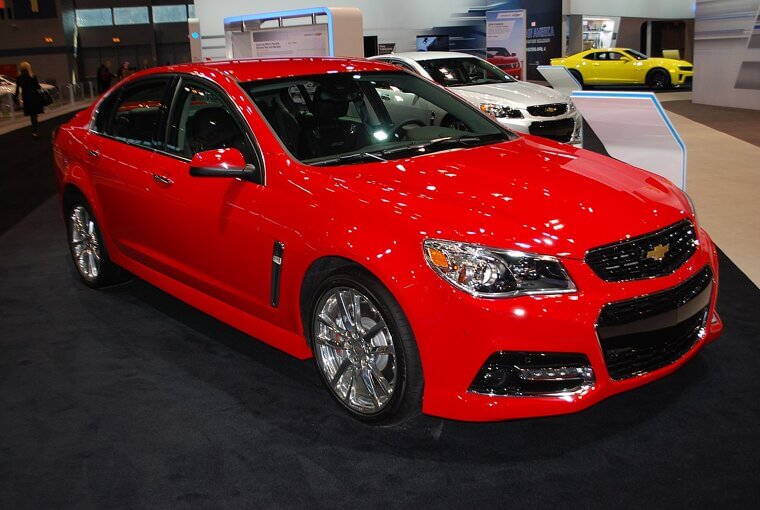
Chevrolet SS (2014-2017)
GM took a rear-wheel-drive performance sedan built in Australia by Holden, dropped in a 415-horsepower LS3 V8 straight from the Corvette, added Brembo brakes and a fully tuned suspension, and then sold the whole package with almost no fanfare at all. The Chevrolet SS looked like a slightly anonymous four-door sedan - no aggressive body kit, no oversized badges, nothing that announced what was under the hood. That restraint was the point for buyers who knew what they were getting, but it worked against the car in showrooms where most customers had no idea they were looking at one of the fastest sedans GM had ever built. Just over 47,000 were sold across four model years before the line was quietly discontinued. Holden itself closed in 2020, making the SS the last of a particular kind of car that won't be coming back.
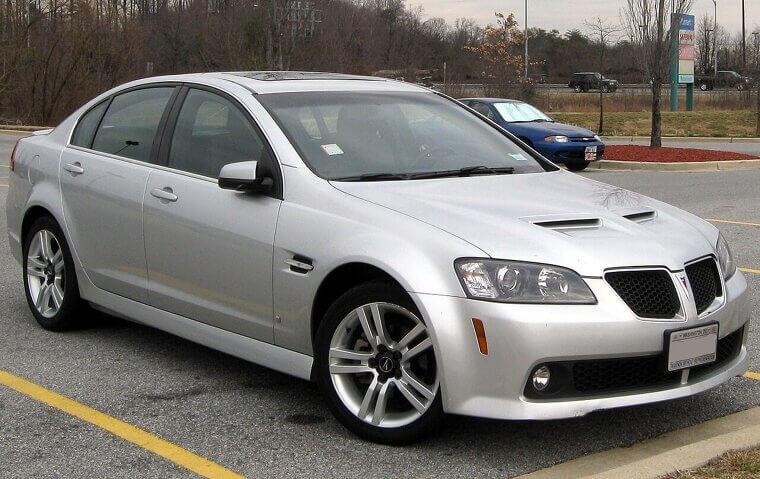
Pontiac G8 (2008-2009)
The G8 arrived at exactly the wrong moment. Pontiac's rear-wheel-drive performance sedan - again a Holden platform, this time with either a 361-horsepower V8 or an available 415-horsepower GXP variant - landed in dealerships just as GM was heading into bankruptcy and Pontiac was being shut down entirely. The brand was gone before the G8 had time to build a following. Reviews were uniformly strong. Car enthusiasts who drove one came away impressed by the handling balance, the power delivery, and the practical four-door layout that made it genuinely usable every day. Sales figures were cut short by circumstances that had nothing to do with the car's quality. Today the G8 GXP in particular commands strong prices on the used market, recognized by the people who pay attention as exactly the kind of American performance sedan that almost never gets made.
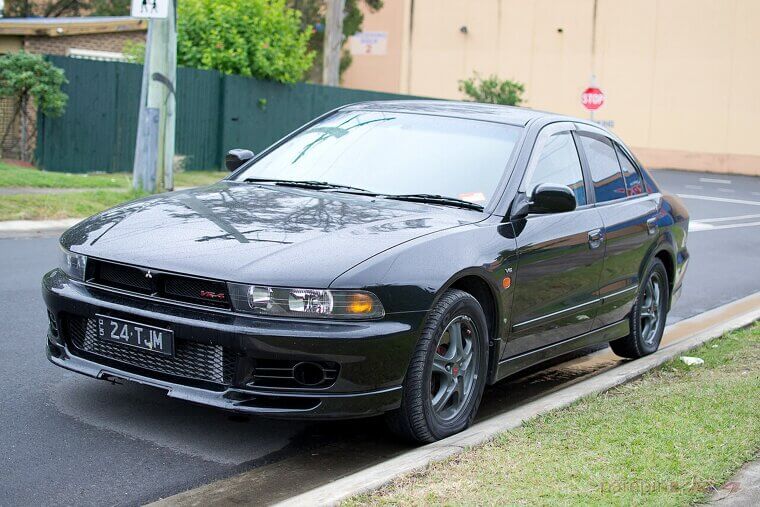
Mitsubishi Galant VR-4 (1991-1992)
Before the Eclipse GSX and the Lancer Evolution made Mitsubishi's all-wheel-drive turbocharged formula famous, there was the Galant VR-4 - a family sedan with a 195-horsepower turbocharged engine, active all-wheel drive with a center differential, and four-wheel steering. Four-wheel steering in a family sedan in 1991. The technology was sophisticated enough that it wouldn't become common in the broader market for another two decades. Mitsubishi brought only around 2,000 VR-4s to the US across two model years, and the car's understated appearance meant most people who saw one had no idea what they were looking at. The VW Passat buyers of 1991 weren't exactly the target audience for active differentials. The VR-4 found a small devoted following among enthusiasts who knew what it was, and that following has only grown as the cars have become harder to find.
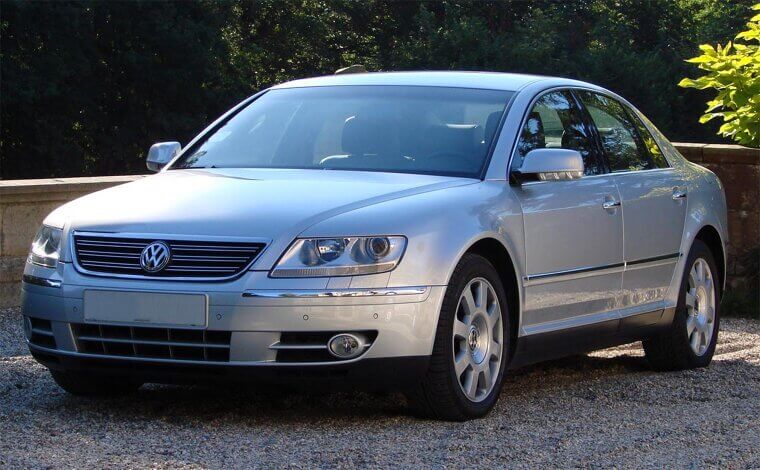
Volkswagen Phaeton (2004-2006)
Volkswagen's attempt at an ultra-luxury flagship sedan produced one of the most technically accomplished cars the company had ever built - and one of its greatest commercial failures in the US market. The Phaeton shared its platform and much of its engineering with the Bentley Continental, featured air suspension, a 335-horsepower W12 engine in top trim, and interior quality that genuinely rivaled anything from Mercedes or BMW. Independent reviewers consistently praised it. The problem was the badge. American luxury buyers spending $70,000 or more on a car expected something other than a VW hood ornament, regardless of what was underneath it. Sales collapsed and VW pulled the Phaeton from the US after just two model years. In Europe it lasted considerably longer. The car wasn't the failure - the positioning was.
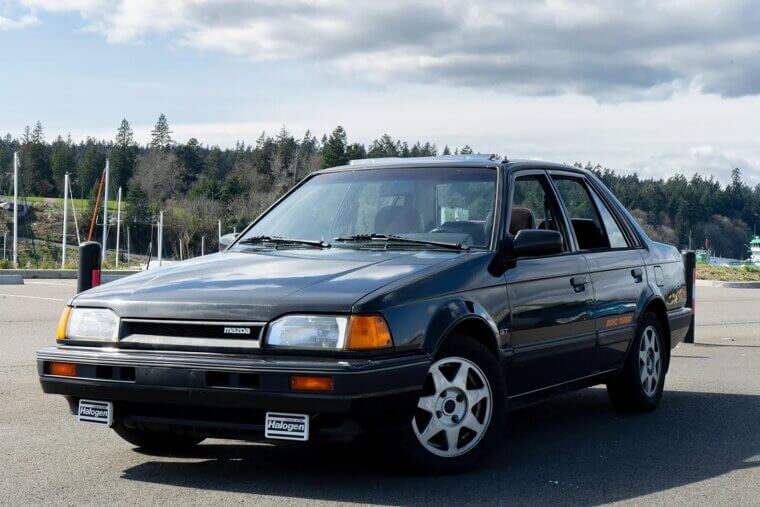
Mazda 323 GTX (1988-1989)
Tucked inside the unassuming body of a compact Mazda hatchback was a turbocharged 1.6-liter engine, a full-time all-wheel-drive system, and a suspension setup borrowed directly from Mazda's rally program. The 323 GTX was homologation hardware - built to qualify Mazda for Group A rally competition - and it showed in every aspect of how the car drove. Zero to sixty came up in around seven seconds, which was genuinely quick for a small hatchback in 1988. The problem was that Mazda never told anyone about it. Marketing was minimal, the dealership network didn't know how to position it, and most buyers walked past it looking for something flashier. Only around 1,500 were sold in the US over two model years. Finding one today means paying serious collector prices for a car most people still haven't heard of.
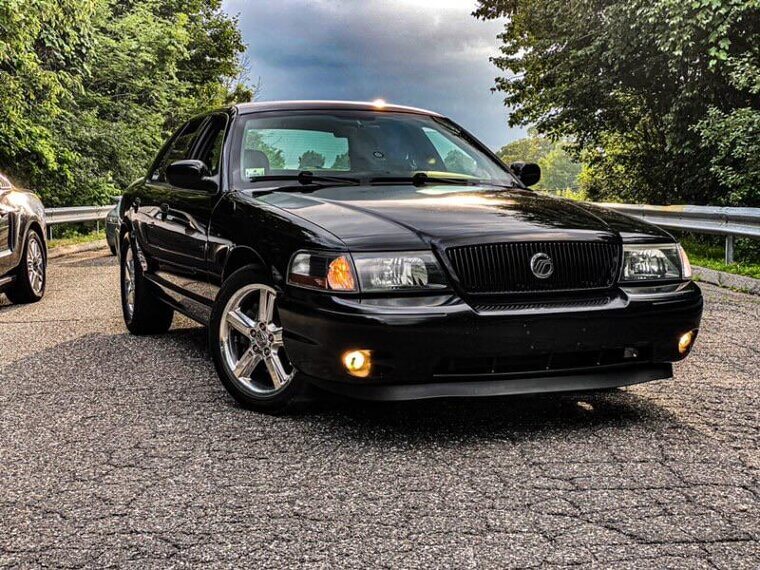
Mercury Marauder (2003-2004)
Ford took the full-size Mercury Grand Marquis platform, fitted a 302-horsepower 4.6-liter V8 borrowed from the Mustang Cobra, lowered the suspension, added a limited-slip differential, and painted the whole thing black. The result was the Marauder - a large, quiet, slightly sinister four-door sedan that could run zero to sixty in under six seconds while carrying four adults in complete comfort. It was a muscle car in a grandparent's body, and for the right buyer that was exactly the point. Ford marketed it cautiously and priced it at around $34,000, which put it against smaller and sportier competitors that were easier to explain in a showroom. Production ran only two years with around 11,000 units built. Enthusiasts who found one tended to keep it. The Marauder has developed a genuine cult following in the years since, recognized now as one of the more interesting things Ford built in that era.
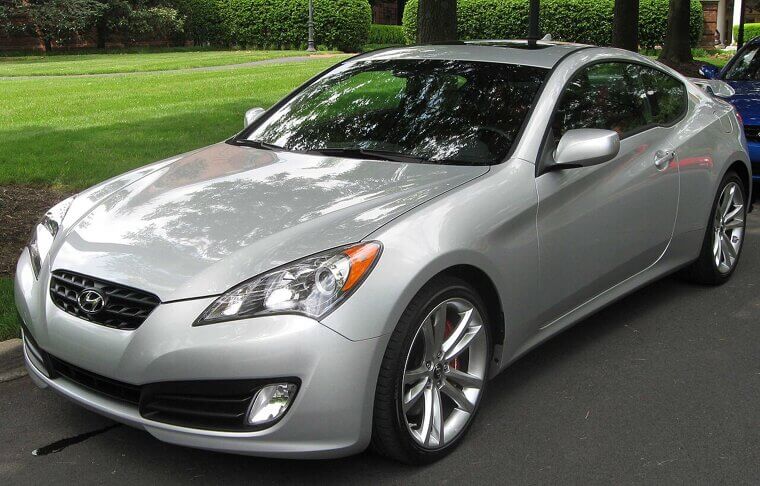
Hyundai Genesis Coupe (2010-2016)
Hyundai built a legitimate rear-wheel-drive sports coupe, offered it with a 348-horsepower turbo V6, priced it below most of its competition, and watched it get ignored anyway. The Genesis Coupe's problem was entirely one of perception - Hyundai's reputation in the US had been built on affordable, practical transportation, and nobody expected a sports car from the brand that sold the Elantra. Buyers shopping for a used Mustang or a G35 didn't think to cross-shop a Hyundai. The car itself was well-engineered, with a proper limited-slip differential, a well-tuned chassis, and handling that held up against more established nameplates in back-to-back comparisons. It ran through 2016 before being discontinued as Hyundai separated Genesis into its own luxury brand. The coupe never came back under the Genesis name. What it left behind was a solid, affordable used sports car that the market still hasn't fully discovered.
Cadillac CTS-V Wagon (2011-2014)
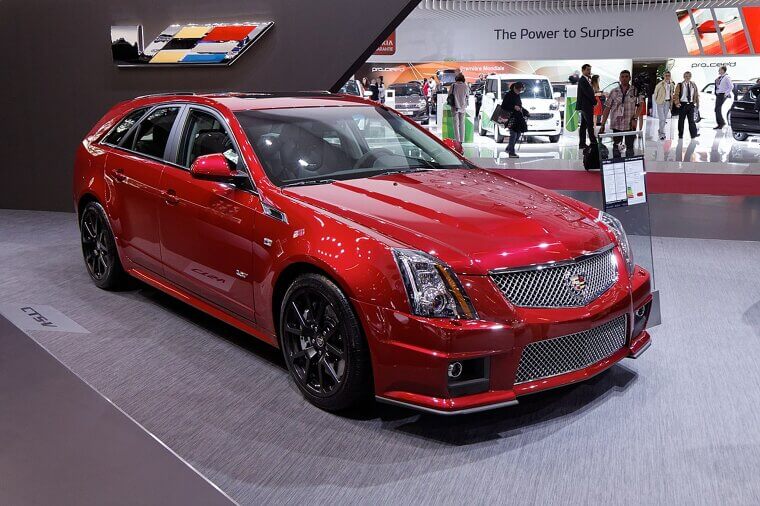
Cadillac built a station wagon with a supercharged 556-horsepower V8 engine, a six-speed manual transmission option, and Brembo brakes at all four corners. It would hit sixty miles per hour in under four seconds. It had enough room in the back for a large dog, a week's worth of luggage, or both. By any objective measure it was one of the most capable and practical performance vehicles ever sold in America, and it sold in tiny numbers because most buyers couldn't reconcile the idea of a 556-horsepower Cadillac wagon with anything they thought they needed. The price - around $63,000 to start - didn't help. Fewer than 1,500 were built across the production run. Today a clean example sells for well above original retail, recognized as exactly the kind of car the industry no longer has the nerve to build.
Toyota Cressida (1978-1992)
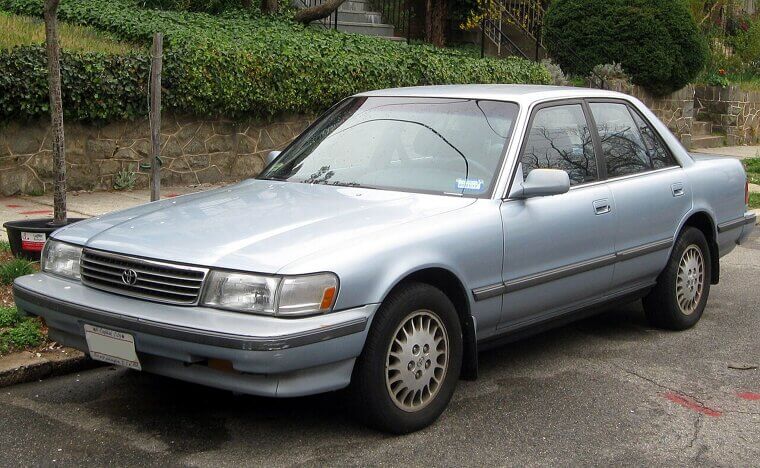
The Toyota Cressida was the car that proved Toyota could build something genuinely refined before Lexus existed to prove it more expensively. Over its fourteen-year US production run it evolved from a capable but unremarkable import into a smooth, well-engineered rear-wheel-drive luxury sedan with an inline-six engine, independent rear suspension, and build quality that embarrassed most domestic competitors at the same price point. The 1989 model in particular - with its 190-horsepower 7M-GE engine and fully independent suspension - represented a level of engineering sophistication that buyers at the $20,000 price range rarely encountered. It was discontinued when Lexus launched in 1989 and absorbed the market the Cressida had spent a decade developing. Most people who drove one bought another Toyota. Most people who didn't drive one never thought about it at all.
Mazda Millenia (1995-2002)
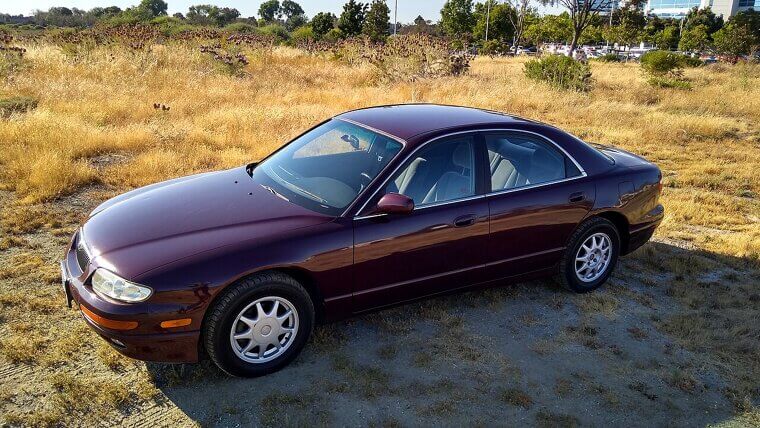
Mazda developed the Millenia as the flagship of an entire luxury brand - Amati - that never launched due to financial difficulties in the early 1990s. The car went on sale anyway, badged as a Mazda, carrying technology that had been designed for a premium brand that no longer existed. The top-spec Millenia S used a supercharged Miller-cycle engine - a sophisticated design that used a longer expansion stroke than compression stroke to extract more efficiency and power from a smaller displacement. It was the kind of engineering detail that luxury buyers at the time had never heard of and didn't ask for. The Millenia looked conservative, sold conservatively, and was quietly discontinued in 2002. The Miller-cycle engine it pioneered is now found in hybrid systems throughout the industry. The car itself is almost completely forgotten.
Buick Reatta (1988-1991)
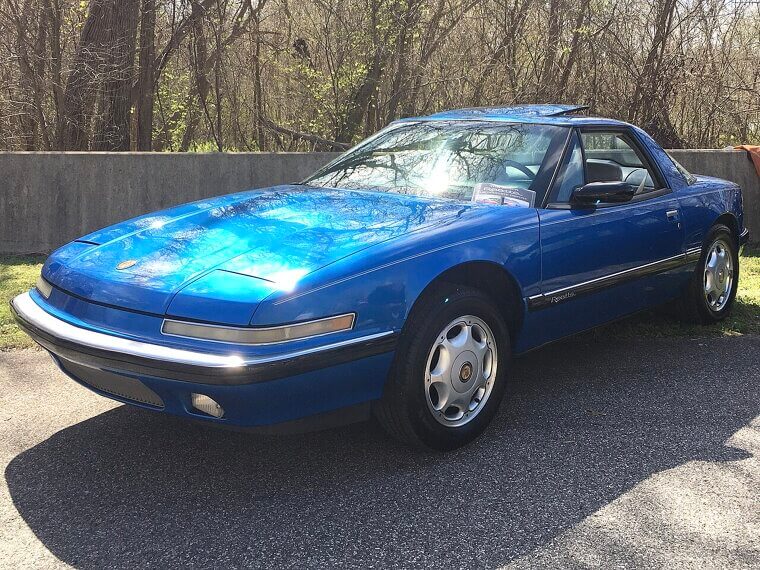
Buick built a two-seat luxury coupe by hand - each one assembled individually at a dedicated facility in Lansing, Michigan - and equipped it with a touchscreen control interface at a time when touchscreens were not yet a feature in any other production car on the market. The Reatta's Electronic Control Center predated the modern infotainment screen by fifteen years. The rest of the car was more conservative: a 165-horsepower V6, front-wheel drive, and styling that read as elegant rather than aggressive. That conservatism limited its appeal to buyers who wanted something sportier, while the price - around $26,000 in 1988 dollars - was high for what the performance delivered. A convertible version arrived in 1990 but couldn't save the model. Just over 21,000 were built across four years. The touchscreen alone makes it one of the more historically significant American cars of its era.
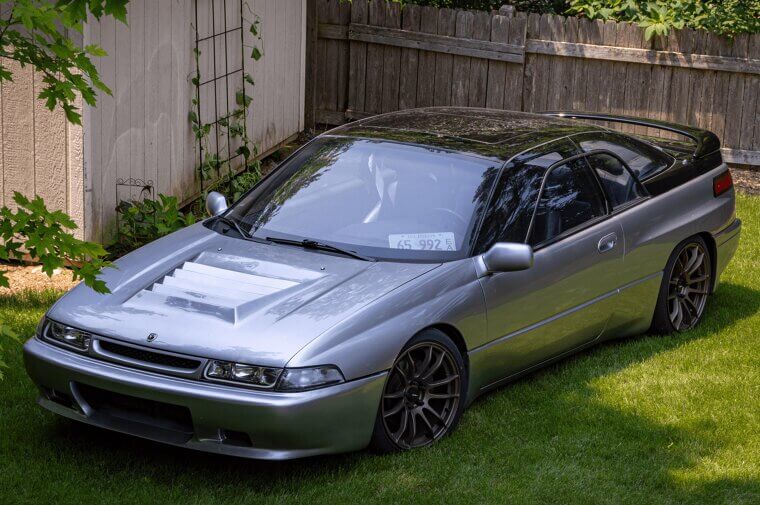
Subaru SVX (1991-1996)
Subaru hired Giorgetto Giugiaro - the same designer behind the original VW Golf, the Lotus Esprit, and the DeLorean DMC-12 - to style their flagship coupe, and the result was one of the most distinctive production cars of the 1990s. The SVX's signature feature was its aircraft-inspired window-within-a-window design, where a fixed outer pane surrounded a smaller opening inner window. Under the hood sat a 230-horsepower flat-six engine driving all four wheels through an automatic transmission - the only transmission offered, which frustrated enthusiasts who wanted a manual. Sales were modest throughout the production run and Subaru discontinued the SVX in 1996 without a direct replacement. Values stayed low for years because nobody knew quite what to do with it. That's changed recently as collectors have recognized the SVX for what it was: a genuinely unusual and well-built car from a decade that produced very few of either.
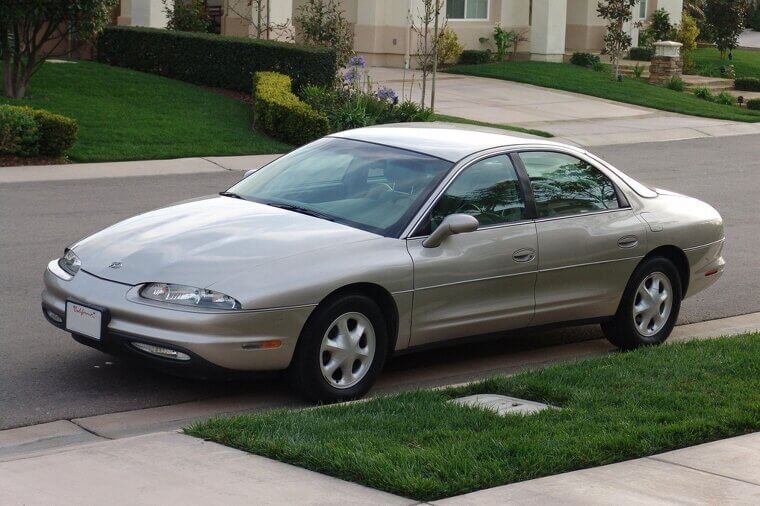
Oldsmobile Aurora (1995-2003)
GM gave Oldsmobile one serious attempt to reinvent itself as a technology-forward American luxury brand, and the Aurora was the result. Designed without any GM badging - no Oldsmobile name on the exterior, no familiar brand cues - it was meant to stand on its own as a fresh start. The first-generation car used a 250-horsepower Northstar V8 derived from the Cadillac engine program, paired with a well-tuned chassis that genuinely handled. Early reviews were strong. The problem was that Oldsmobile's dealer network and customer base were built around a very different kind of car, and the buyers the Aurora was trying to attract were already loyal to BMW and Lexus. A second generation arrived in 2001 with a V6, losing the performance that had defined the original. GM discontinued Oldsmobile entirely in 2004. The Aurora remains the most interesting thing the brand produced in its final decade.
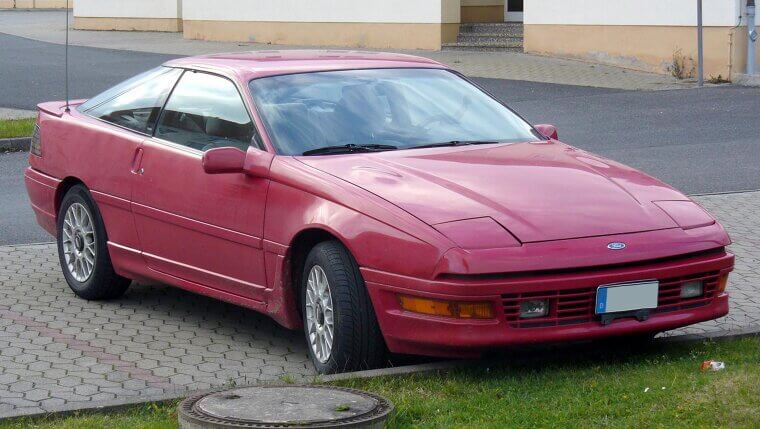
Ford Probe GT (1993-1997)
The second-generation Ford Probe GT was built on the same platform as the Mazda MX-6 - sharing its chassis, its 164-horsepower V6 engine, and much of its suspension geometry with its Japanese counterpart. Ford had originally considered replacing the Mustang with the Probe platform, a proposal that produced one of the more intense customer backlash campaigns in American automotive history. The Mustang survived, and the Probe went on sale as its own model to moderate success. The GT version was a capable and reasonably entertaining front-wheel-drive coupe, but it existed in an awkward position - too practical to excite performance buyers, too sporty to appeal to the economy crowd. It was discontinued in 1997 without a successor. Used examples sold for almost nothing for years. They've recently started attracting attention from younger collectors looking for affordable 1990s coupes, which may be the most attention the Probe GT has received since it was new.
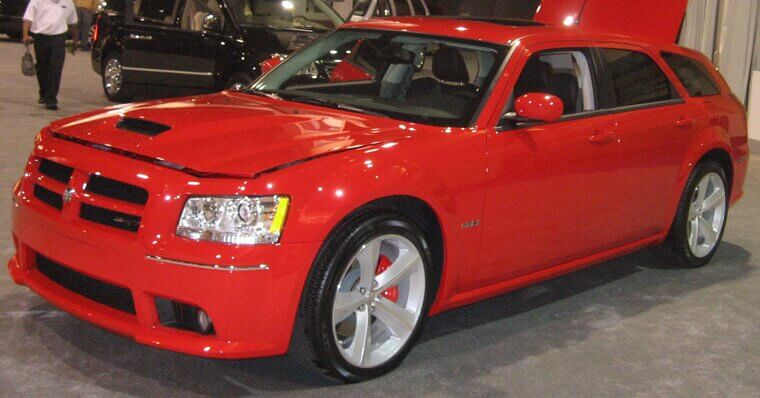
Dodge Magnum SRT8 (2006-2008)
Dodge took their full-size rear-wheel-drive station wagon, fitted a 425-horsepower 6.1-liter HEMI V8, and created something that had almost no direct competition in the American market because almost no one else was willing to build it. The Magnum SRT8 would run zero to sixty in under five seconds while carrying five passengers and a full load of cargo. It looked aggressive in a way that most wagons historically haven't, with a wide stance, large wheels, and hood proportions that made no attempt to disguise what was underneath. The problem was the wagon body itself - American buyers in 2006 were moving toward SUVs and crossovers, and a fast wagon read as a compromise to buyers who hadn't decided what they actually wanted. Dodge discontinued the entire Magnum line after 2008. Clean SRT8 examples now sell quickly at strong prices whenever they surface, recognized as one of the last genuinely fast American wagons ever built.