IDrive
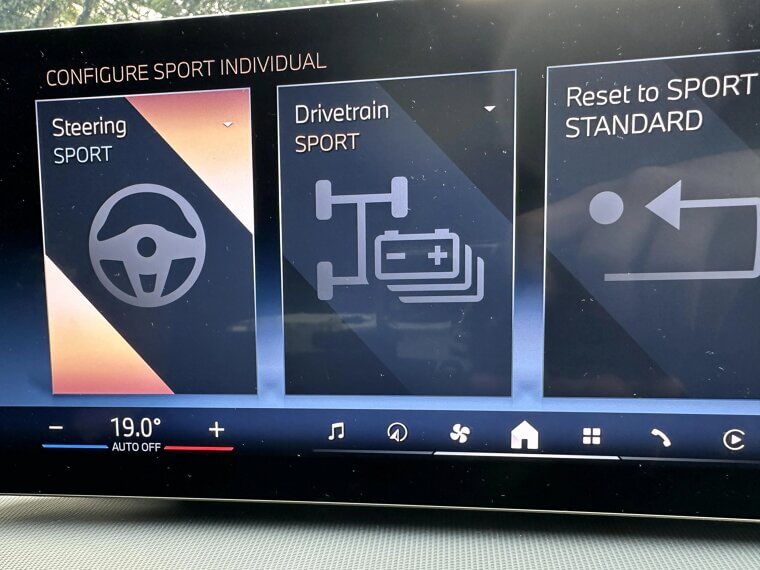
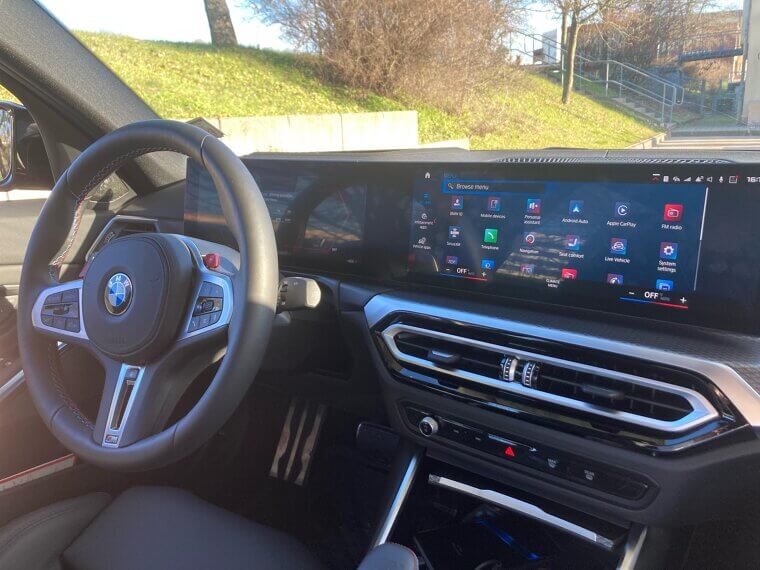
More and more these days, we’re seeing vehicle brands championing their own proprietary infotainment systems. Tesla has their own Linux-based proprietary software, while Audi has their Multi-Media Interface (or MMI, for short). BMW is no different, but the iDrive menus can be… cumbersome, to say the least. It’ll have you navigating several different short menus just to change one setting - BMW doesn’t want you staring at a dozen options at once when your eyes should be on the road. It’s actually fairly intuitive once you get the hang of it… but that could easily take you months or even years.
Door Handles
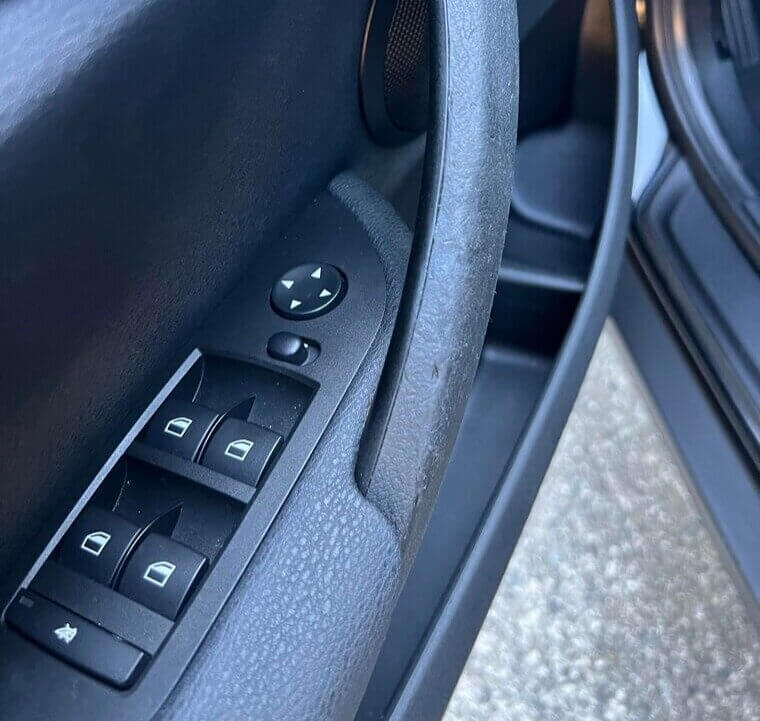
Opening your car door is as simple as unlocking it and pulling on the handle - for most cars, at least. Many of the vehicles in BMW’s lineup, however, don’t offer much in the way of tactile feedback when it comes to pulling on the handle - it doesn’t lift, it “squeezes”. This is part of BMW’s multi-link design philosophy, intended to reduce the effort required for even the most simple of tasks, but this particular quirk often leaves drivers worried that their door might be unlocked. It really calls to mind that old adage: “If it ain’t broke, don’t fix it”. Well, BMW broke it, and then refused to fix it.
Turn Signals
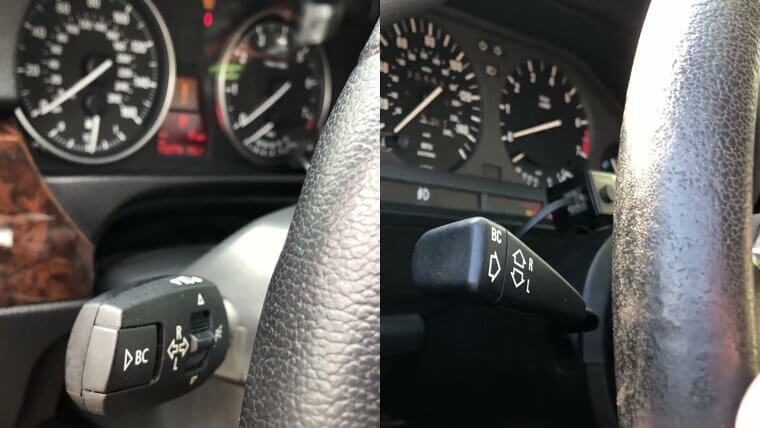
In any other car, switching on your turn signal before switching lanes or rounding a corner is a deliberate and tactile movement - you hit the stalk and it stays in position until you turn, before falling back into place with a prominent “click” sound. However, many BMW vehicles use a spring-loaded “soft-touch” stalk, designed as such to enable quick turn signaling without any mechanical wear. In theory, this helps to “preserve” the life of the stalk, but the reality is that it often leaves drivers signaling without meaning to half the time.
Autostart/Autostop
BMW’s autostart and autostop features may seem convenient at a glance, but in practice they will often leave you flummoxed. The gist of it is that it will automatically turn your car off at stops in an effort to save fuel, which sounds great on paper, but can be downright infuriating in practice. Your vehicle may switch off at every red light, only to switch right back on because it rolled two centimeters forward. Take our advice and turn this feature off as soon as possible (assuming you can navigate through the iDrive menus first).
Warning Notifications
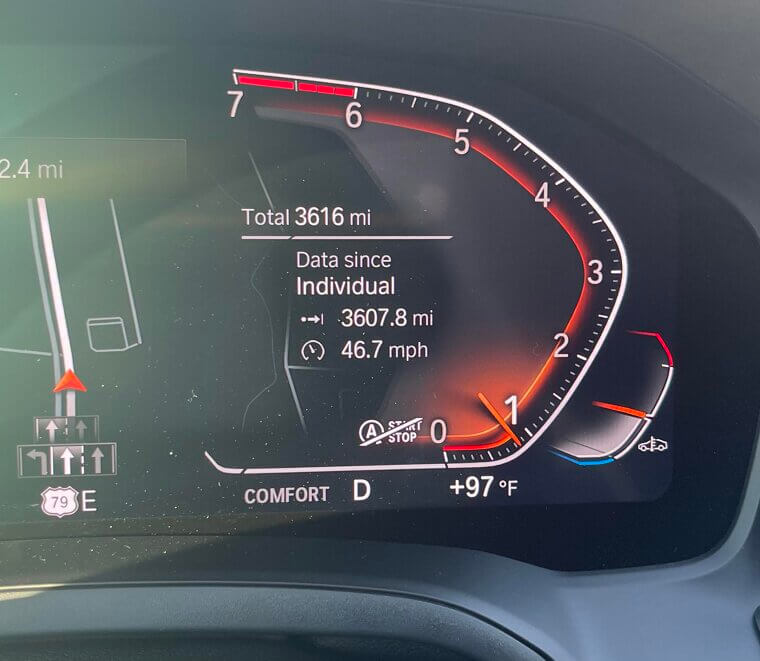
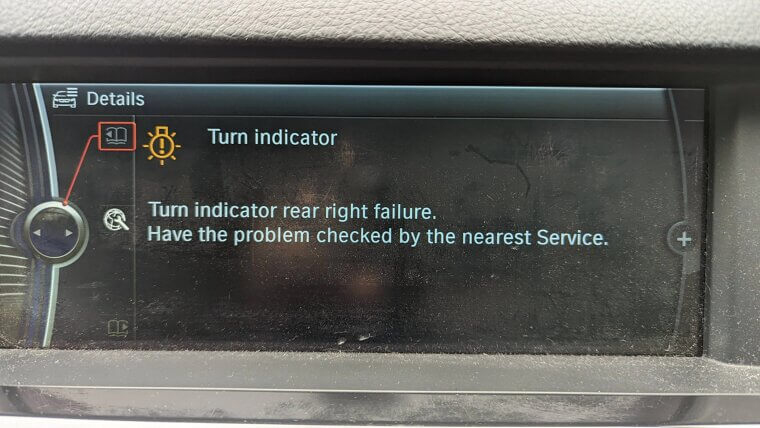
At this point most of us have likely already experienced having to drive with a constant beeping because one of our passengers forgot to put their seatbelt on. BMW takes this to a whole new level - there’s a chirp and a chime for everything, which creates a cacophonous symphony in your cabin that can be painful to drive around with. Look, it’s great that BMW prioritizes providing drivers with as much safety information as possible, but the constant awareness and scrutiny you’ll have to put up with is draining.
Run-Flat Tires
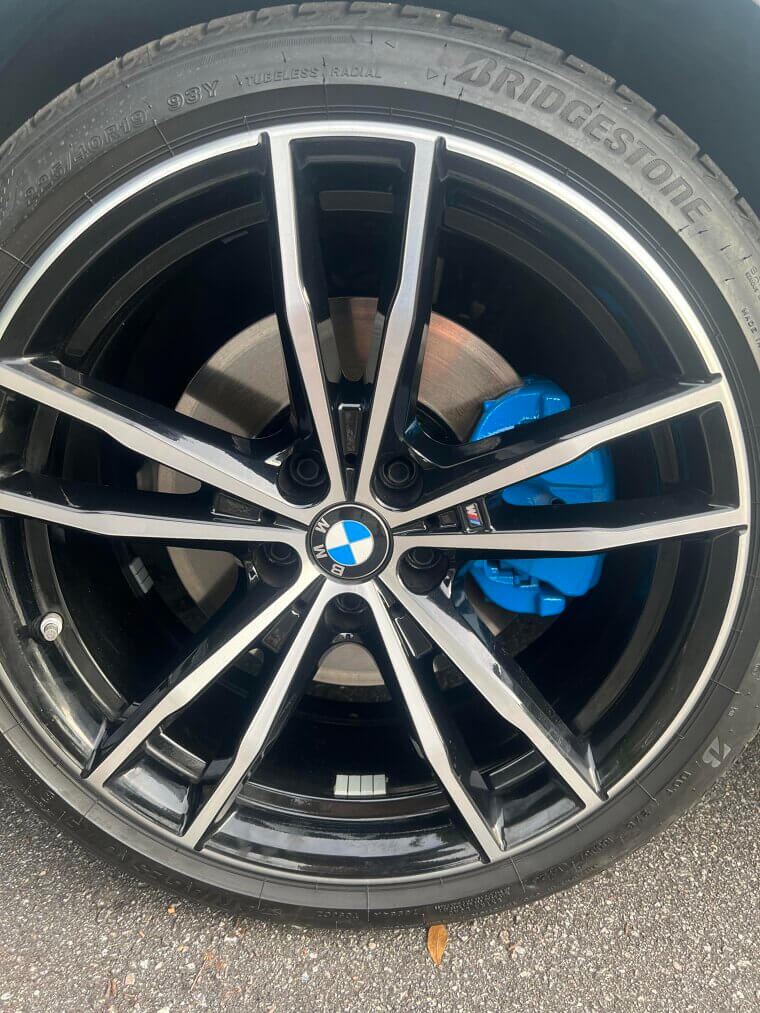
Run-flat tires are stiffer than your regular set of tires, designed as such to allow you to drive just a little further to reach a repair shop without having to stop. They can be life-saving if you’re stuck on the highway and need to squeeze out a few extra miles to reach a service station, but BMW’s obsession with these tires has also proven to be detrimental. While the extra sturdiness is nice, the stiffer ride can be unpleasant, especially considering the amount of money you paid for a premium vehicle. The fact that BMW vehicles don’t come with spares also means that every pothole is a gut-punch to your soul - and your wallet.
Cupholders
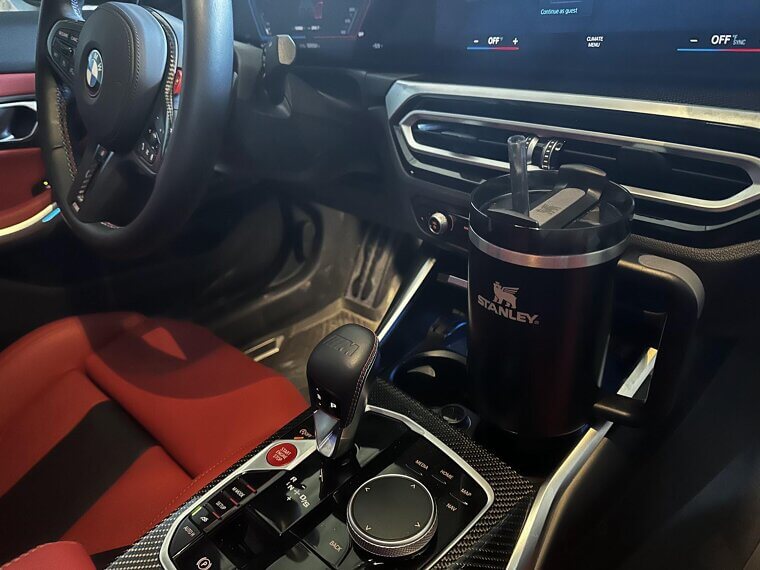
It could be argued that drinking while driving (and we’re talking non-alcoholic drinks here) is detrimental to both the driver’s safety and the safety of those around them. But let’s face it, when you’re in a rush in the morning, you’ll sometimes be forced to take your morning cup of Joe with you. When it comes to cupholders, it often seems like BMW forgets them until the very last minute. They are oddly placed, small in size, and too shallow to accommodate anything but the tiniest cup of coffee. Needless to say, this has led to many expensive cleaning bills for many drivers.
Check Engine Lights
BMW’s penchant for excessive notifications and overloading their drivers with as much information as possible is something of a running theme across this list. We’re not saying that BMW’s over-eager check engine notifications haven’t saved any drivers from disaster - we’re just saying that it can be a little bit excessive. Of course, this is mostly due to BMW’s reputation for precision-engineering - the tiniest of discrepancies is often enough to trigger a check engine light.
Oil Consumption
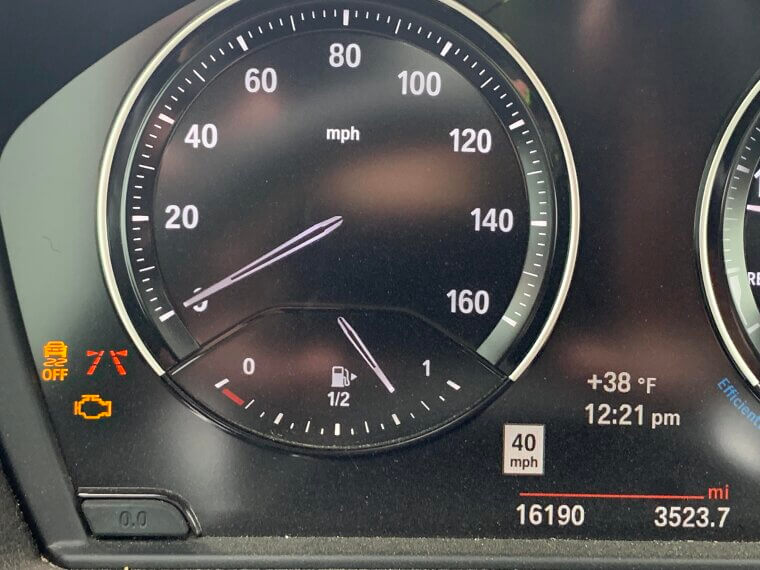
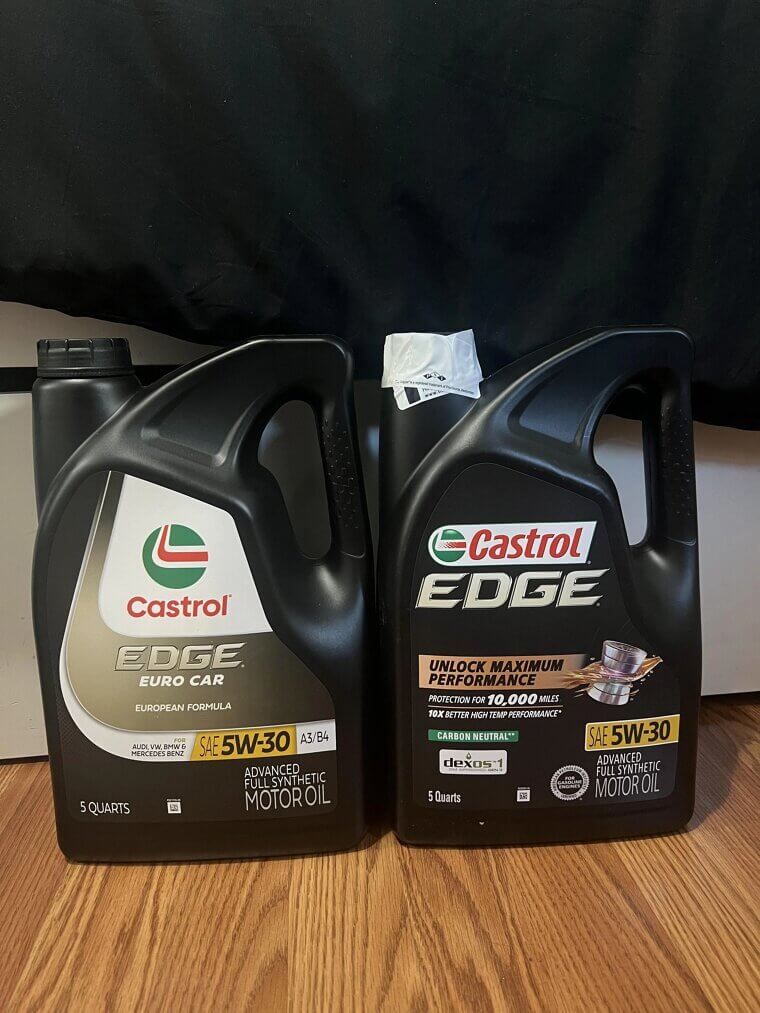
For most drivers, refilling on oil is semi-regular, but not quite routine. It’s unlikely you’ll need to top off your oil levels with every refuel… unless you’re driving a BMW, which straight up guzzles your oil like a man dying of thirst. This is especially noticeable in performance models, whose engines tend to have… “looser” tolerances, and hotter operations. On the one hand, this is to be expected - more powerful engines demand more resources to run. On the other, you’re likely not even taking full advantage of the enhanced performance if your BMW is a daily driver, which means you’re just paying more money for virtually no returns.
Hood Release
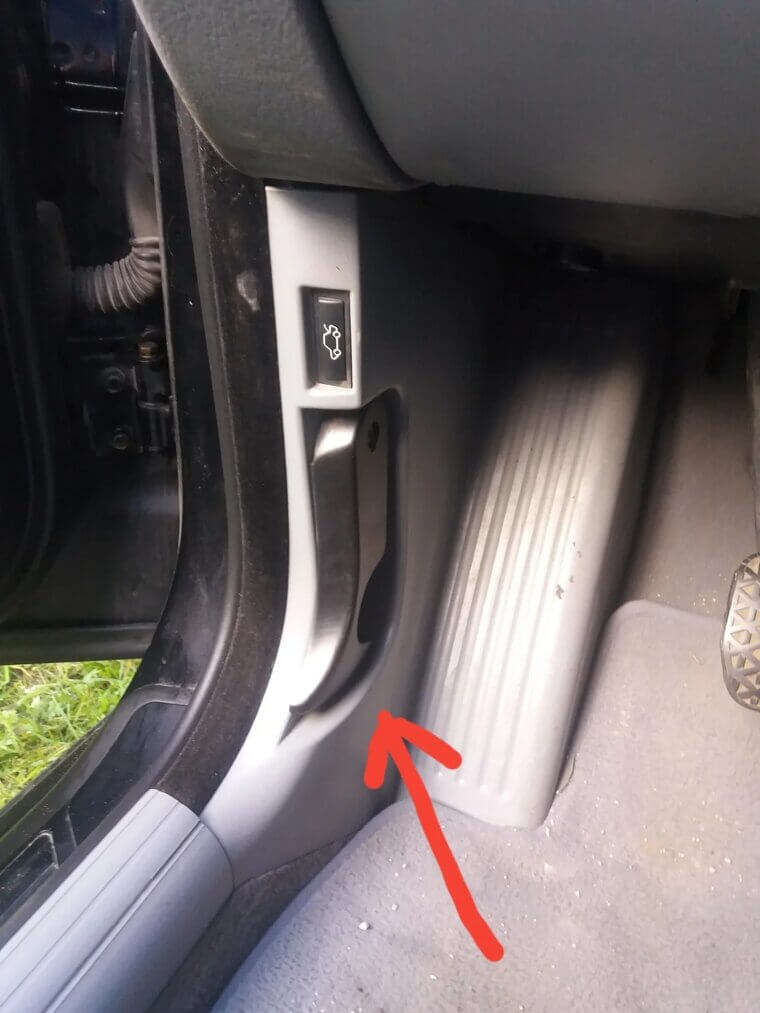
Many vehicles’ hood releases work with a single pull. This is a tried and tested method that has proven to work since the dawn of time. Not for BMW, though. No, BMW insists that you pull on the hood release twice to pop the hood. This is due to an effort to streamline design sensibilities - removing the latch from the hood decreases its size and profile, which results in a cleaner look, but often leaves drivers thinking they’ve broken the release since it doesn’t work the first time.
Key Fobs
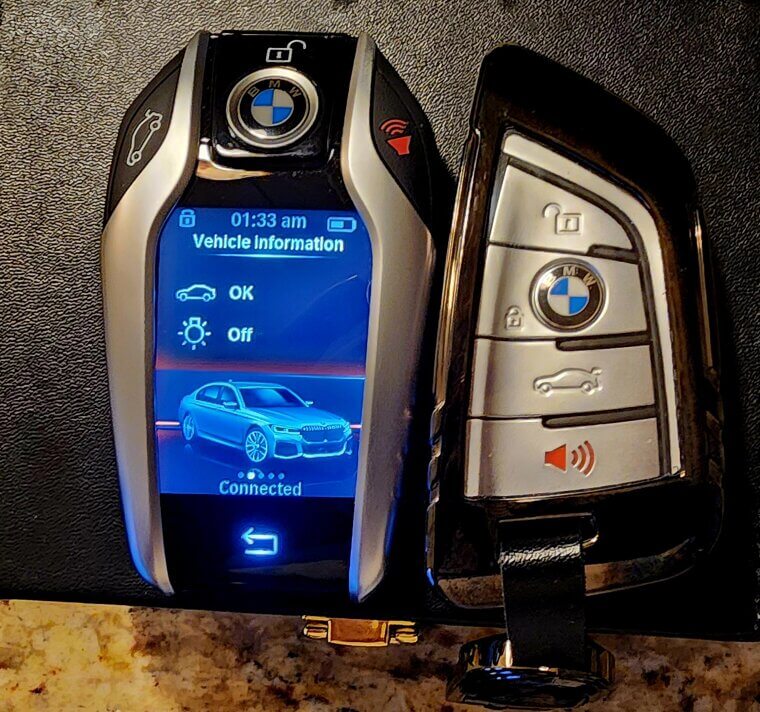
Another one of the average BMW vehicle’s many quirks is how strict it is when it comes to locking your keys inside. The car will beep angrily if it detects that your key fob may still be inside when you go to close your door. Now, you may read that and think: “What’s the problem? It sounds like they have my best interests at heart.” And while BMW’s intentions are indeed pure, the problem is that its detection is so strict that you will often not be able to close your boot because you have the fob in your gym bag.
Specific Warning Messages
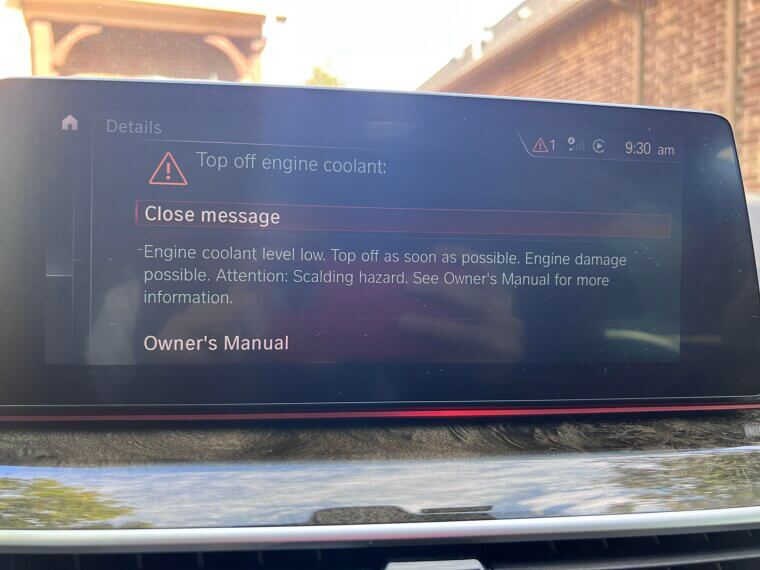
We’ve already discussed BMW’s notorious notification sounds and prompts, but we haven’t even mentioned how oddly specific some of their messages can be. The car will literally warn you about “increased battery discharge” if you spend around 10 minutes listening to music with the car off. Again, we’re not saying that the extra information isn’t always helpful - we’re just saying that if we wanted to deal with being guilt-tripped, we’d go to therapy instead.
Super-Efficient Navigation
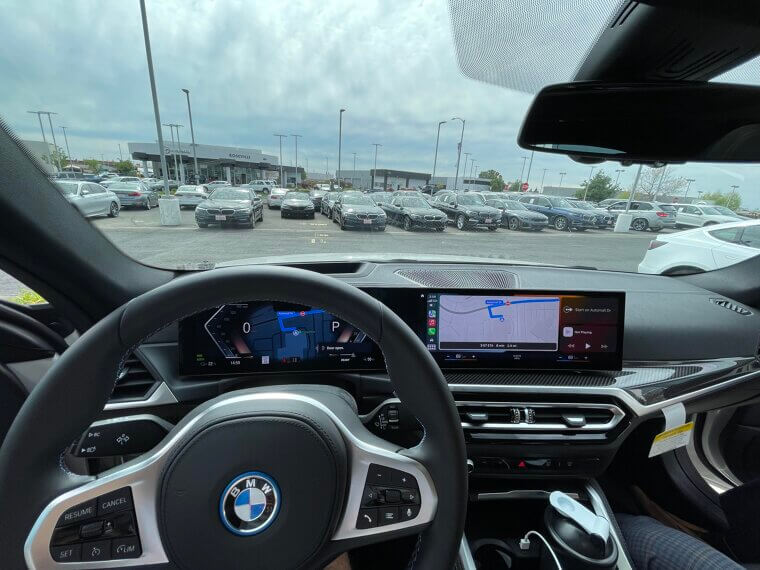
Many modern cars have some sort of built-in navigation system, allowing drivers to easily find their way around without having to look at their phone (or heavens forbid, a foldout map). Of course, many of these same cars use existing map apps like Google or Safari. BMW’s, on the other hand, is a different sort of beast. It greatly prefers taking the faster route at all times - even if that route is technically only faster by a few seconds. This will often have you leaving the highway for some backroad, even if the highway is significantly easier to navigate.
Comfort Access
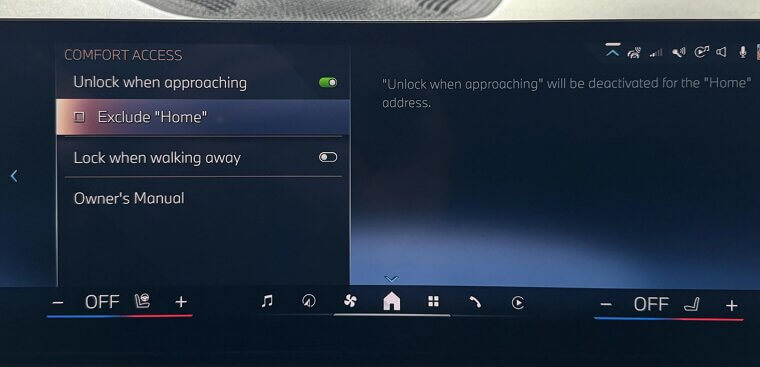
Remember: BMW is a premium brand offering drivers a premium experience. That extends beyond a simple plush interior and alternate driving modes. Indeed, BMW’s main focus at this point seems to be making the driving experience as automated as possible. Case in point: BMW offers hands-free locking and unlocking, which is another step towards making their vehicles as “user-friendly” as possible. The problem is that the sensors these systems use are incredibly finicky and sensitive, and will often misread your intentions entirely.
Seat Belt Hand-Off
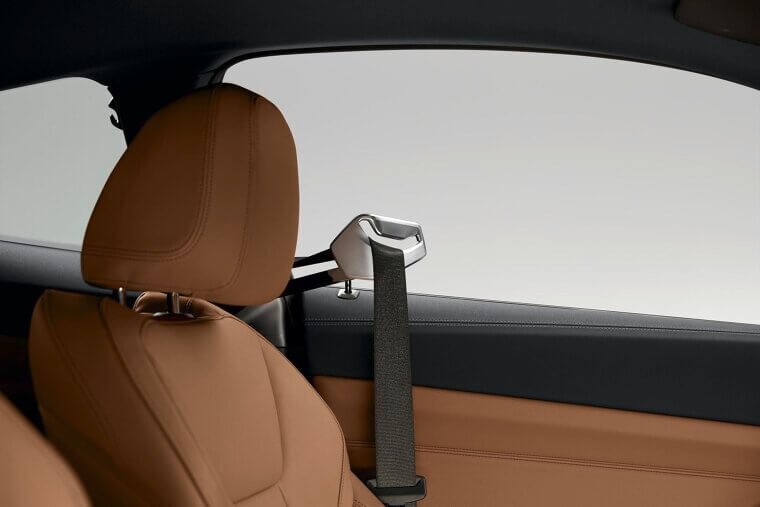
If the hands-free locking and unlocking wasn’t enough, consider the fact that BMW is so insistent on having drivers exert as little effort as possible that they’ve now made steps to turn their vehicles into bona fide transformers. A relatively new feature of BMW’s coupe models are the robotic arms that pass you the seatbelt. You can imagine just how well that works. Most times, the arm either overshoots, undershoots, or simply retracts midway out of shame.
HVAC Logic
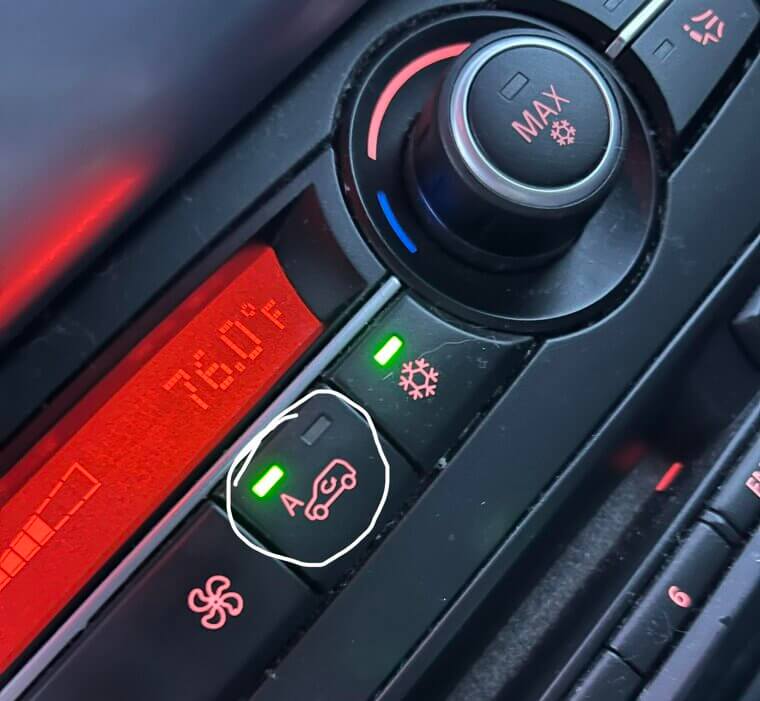
Most modern cars allow you to configure your cabin temperature with a few simple button presses. If you want it cold, choose the cold setting? Hot? Choose the hot setting. You get the idea. But BMW insists on being different. Controlling the temperature inside your cabin can be confusing in a BMW. The temperature is determined by the main setting located on the console, as well as a hidden slider, which you can easily miss if you’re driving a BMW for the first time, leaving you wondering why it’s still so cold even though you just turned it up.
Lifetime Transmission Fluid
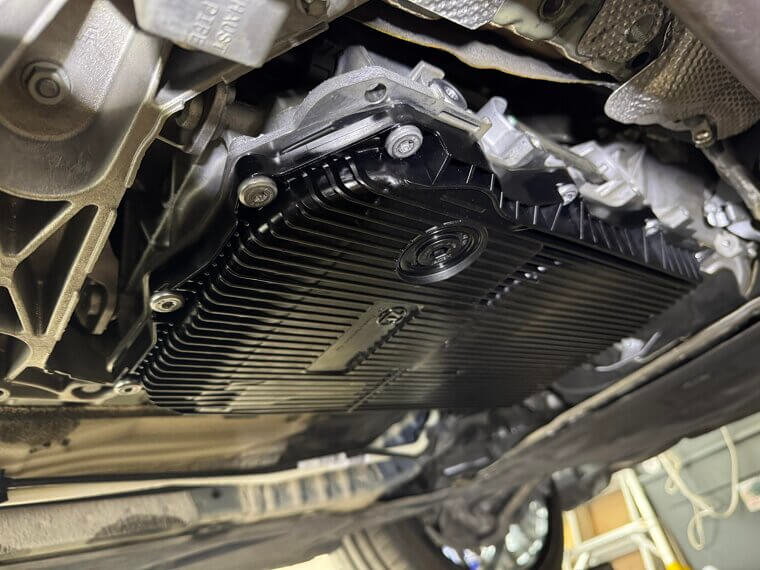
Transmission fluid is essential for keeping your vehicle’s gearbox up and running, but it has an expiry date. In most vehicles, you can expect to change your transmission fluid after around 60,000 miles or so. BM, however, claims that its vehicles will never need to have their transmission fluid changed. They will, though. Granted, the fluid will last you for the first 100,000 miles or so, but it will need to be replaced if you hope to drive your vehicle beyond that.
Rear Windows
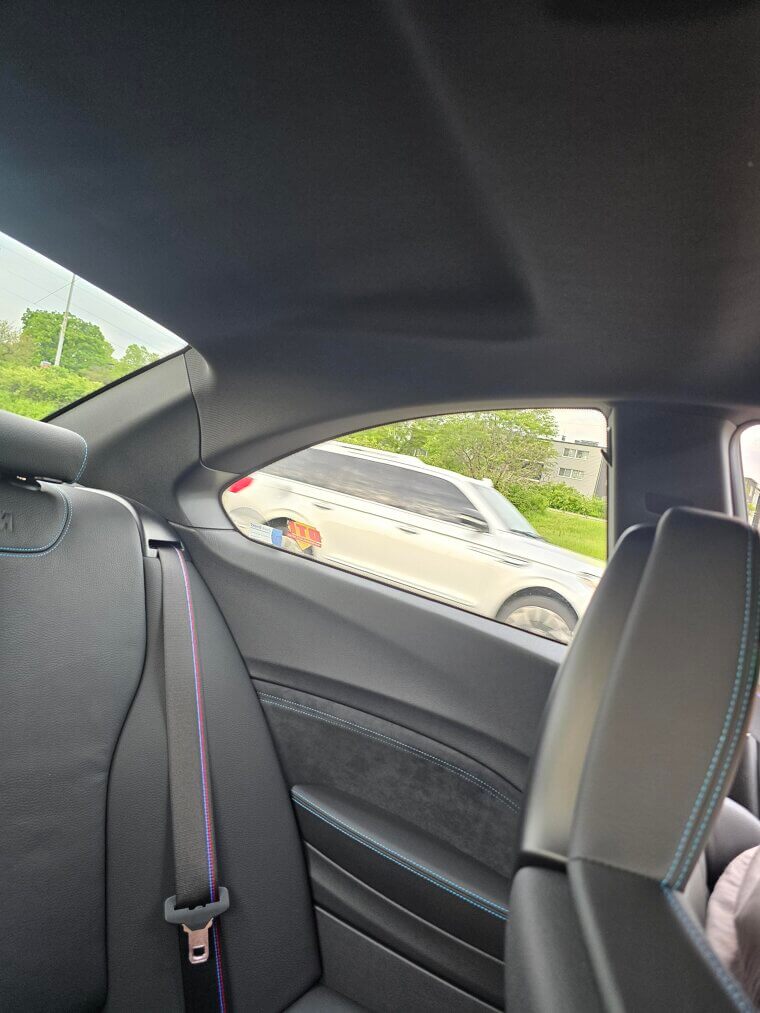
In most vehicles, rolling down the windows is an easy way to get some fresh-air if the console-controlled cabin temperature isn’t cutting it. Normally, these windows roll all the way down to allow for maximum airflow. Take a guess as to where we’re going with this. We hope your backseat passengers don’t mind not getting fresh air, because BMW’s rear windows don’t retract past the door line. This is often the result of design specifications, sacrificing practicality for style.
Electronic Dipsticks
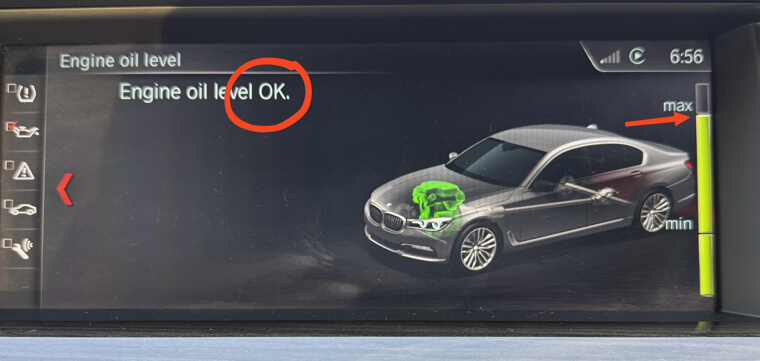
Remember when we said that BMW seems obsessed with keeping their drivers as passive as possible? Heavens forbid a driver wants to roll up their sleeves and get into the guts of their car. BMW really doesn’t want their drivers doing any sort of physical labor at all. If the run-flat tires and robotic seat belt hand-off didn’t clue you up about this already, consider the fact that BMW models also have electronic dipsticks as opposed to physical ones, which will leave you anxiously waiting through several loading screens as your car tries to calculate your oil levels.
Sport Mode
You know it’s a premium ride when it comes with not one, but two distinct driving modes. Most BMW models feature a Sport Mode setting, which drains fuel faster but also makes the driving experience feel great. In contrast, the regular, fuel-efficient driving mode feels far too tame and stiff - which will leave you wondering as to why you paid so much money for it to begin with. Needless to say, most drivers just switch to Sport, throwing any idea of saving on fuel out the window.