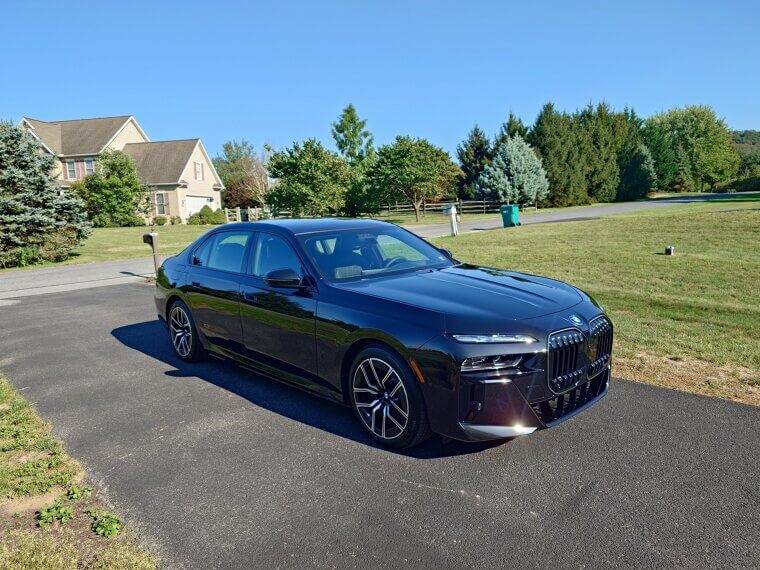
Skipping Maintenance History Is a Huge Gamble
If a seller says "It runs great," but is unable to provide detailed service records, that’s a red flag you’ll regret ignoring. German cars have high sensitivity to maintenance schedules. If an oil change is skipped or service is delayed, problems will develop but will not be seen until later.
A vehicle may feel incredible during the test drive, but may start coming apart over time. If there is no documentation on the services performed on the vehicle, then you don’t know what required maintenance has been ignored. A good deal on a vehicle may turn into a bad deal that involves you fixing someone else’s long list of ignored responsibilities.
A vehicle may feel incredible during the test drive, but may start coming apart over time. If there is no documentation on the services performed on the vehicle, then you don’t know what required maintenance has been ignored. A good deal on a vehicle may turn into a bad deal that involves you fixing someone else’s long list of ignored responsibilities.
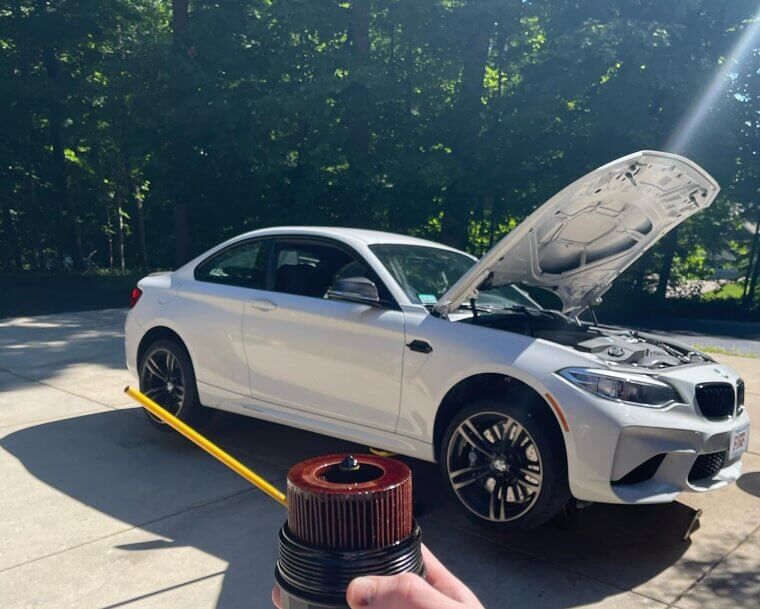
Parts Are Not Sitting on Every Shelf
You expect parts to be readily available when something is broken. For used German cars, that is generally not the case, as a lot of parts come from overseas, and some are usually made for specific trims or years. That means waiting. You wait for parts to be shipped, wait for availability, and wait for your car while it sits in the shop. Even repairs that you think would be relatively simple may take several days to complete. The cost plus the downtime adds up emotionally and financially. You start realizing that convenience is part of what you gave up to drive something that feels premium.

The Purchase Price Is the Cheap Part
A used German car usually has a great price tag on the listing. You get a leather interior, sturdy frame, and a luxury badge, all at a suspiciously reasonable price. What you don't know at that moment is that the cost you pay at the time of purchase is the starting price. The cost of maintaining, replacing parts, and the labor to repair the vehicle costs way more than you expect. Not only is an oil change more expensive, but the repair process is more specialized, and you will find more things will break compared to what you were originally told. The car isn’t bad, but it expects you to keep spending like the first owner did.

Not Every Mechanic Wants to Touch It
You assume any shop can handle a used car. However, when you start calling around for estimates, you hear a lot of hesitation. Many German cars require special tools, software, and experience. Some shops will not take on German cars because of the time needed to complete repairs, while others that do will charge a premium due to the complexity of the repairs. As a result, your options are limited. You are likely going to be paying higher repair bills and have fewer opportunities to negotiate repair prices.
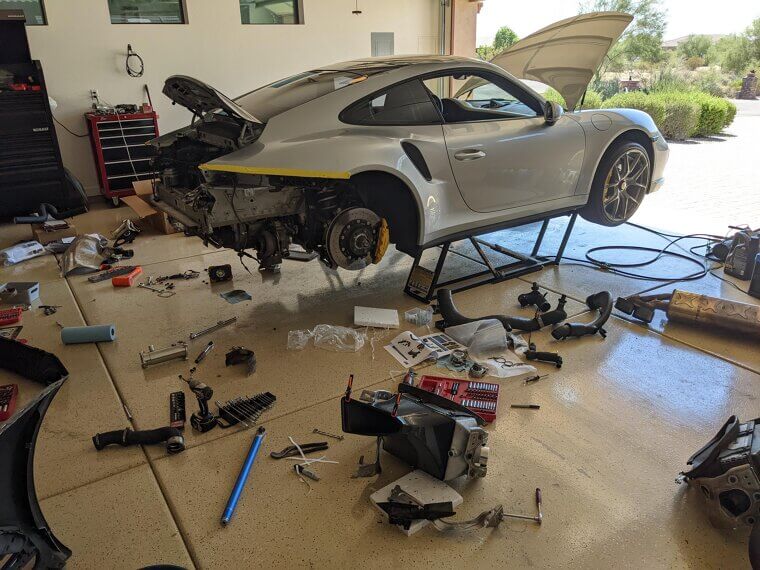
Electronics Fail Before the Engine Does
People worry about engines and transmissions, but what usually causes stress is the electronics. Sensors, modules, and infotainment systems start acting up as the car ages. A warning light pops on, then disappears, then comes back angry. Diagnosing electronic issues can be expensive and time-consuming. Sometimes, the car drives fine, but refuses to cooperate electronically. You learn quickly that a luxury driving experience also comes with luxury complexity. And complexity is not your wallet’s best friend.
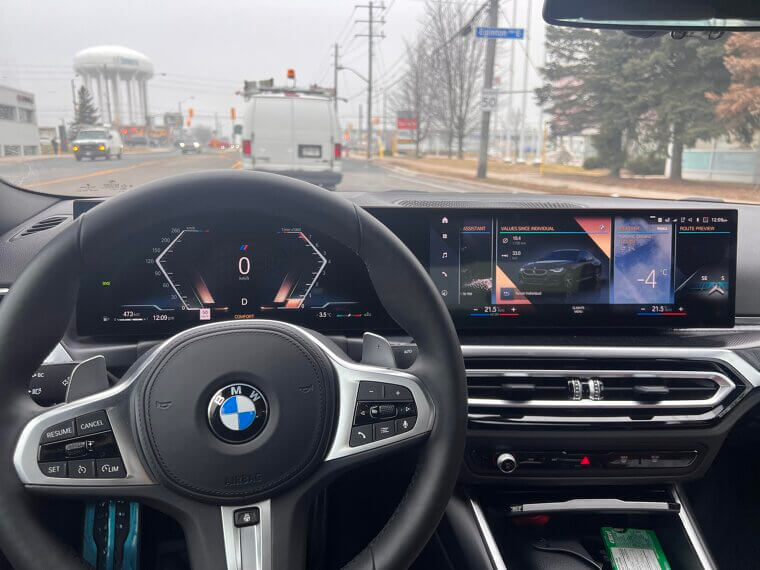
Luxury Features Become Expensive Liabilities
At first, the buttons, motors, and features feel exciting, and you’re amazed at the heated seats, adaptive systems, and fancy screens. However, years down the road, these features become one more item on the ever-growing list of things that will eventually break. When a luxury feature fails, it’s not as simple to fix. A broken seat motor or malfunctioning sunroof often costs much more than you would think, and ignoring the problem can lead to further issues.
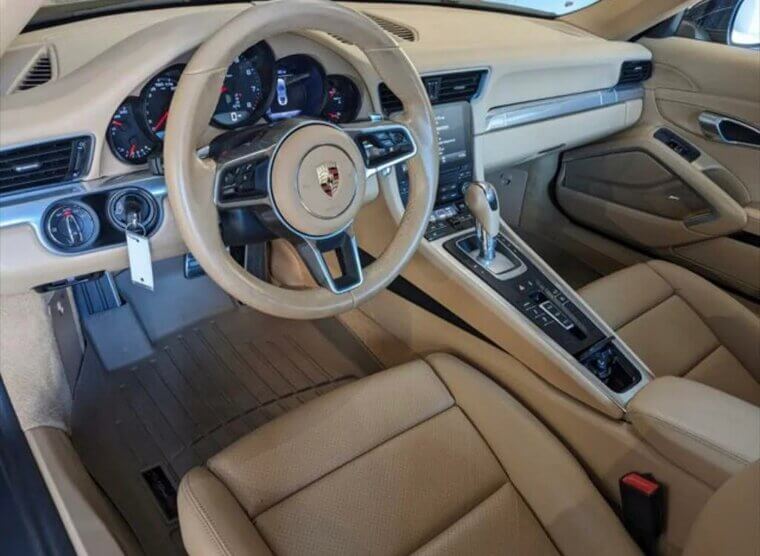
“Normal Wear” Costs More Than Normal
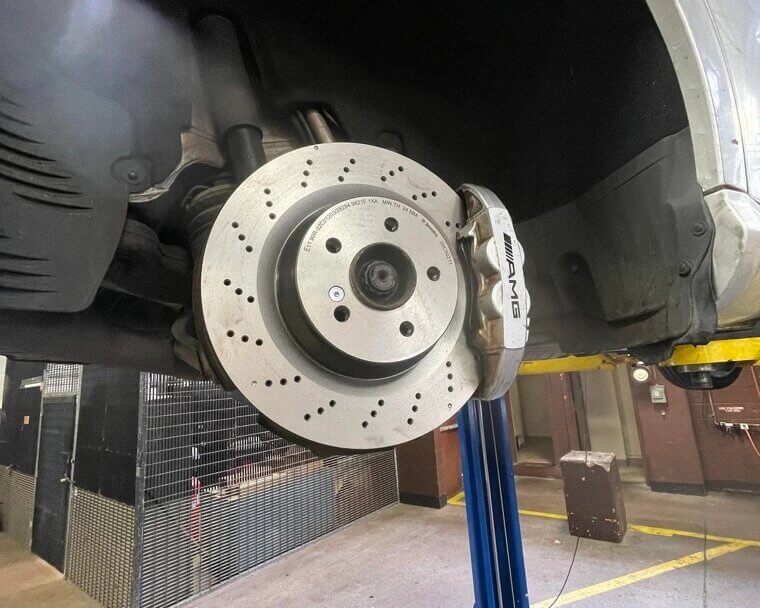
Brake jobs, tires, and suspension parts all wear out eventually. On German cars, those normal replacements cost more in parts and labor. Performance brakes wear faster and cost more. Tires are often larger and specialized. Suspension setups are complex and less forgiving. None of this is shocking when you think about it, but it adds up fast. You don’t realize how expensive normal ownership becomes until you’re doing routine maintenance and wondering why basic upkeep feels like a luxury expense.
Warning Lights Rarely Mean Simple Fixes
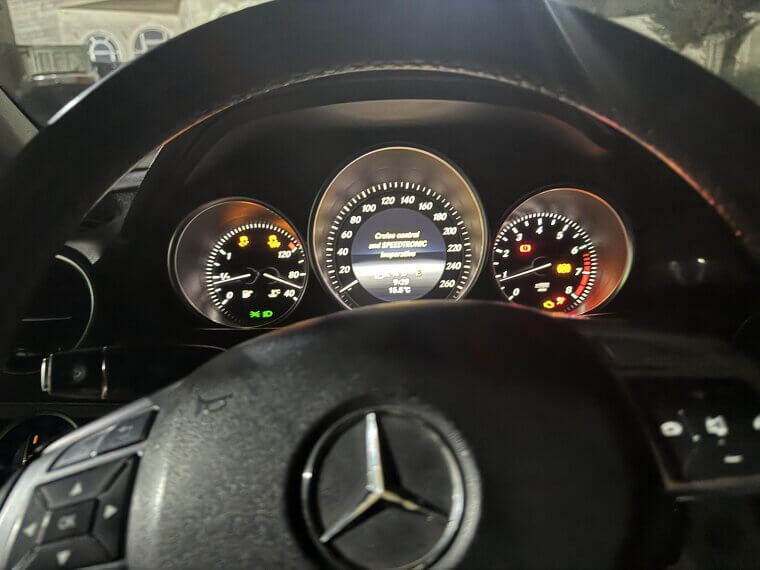
For most used German cars, a warning light is never just a loose gas cap. It usually means a sensor, module, or system that needs proper diagnosis. Clearing the light doesn’t fix the problem. You end up paying for scans, testing, and labor before anyone even touches a wrench. The car is very good at telling you something is wrong, but not great at making it cheap or easy to fix. Over time, you learn to respect those lights and fear them a little, too.
They Do Not Age Gracefully Without Attention
German cars are engineered to feel incredible when everything is working as designed. The catch is that they need constant attention to stay that way. Miss a service interval or ignore a small issue, and the car declines quickly. What could have been a minor fix turns into a chain reaction. Owners who stay on top of everything do fine. Everyone else ends up frustrated. You learn that these cars demand involvement, not neglect. They reward care and punish procrastination.
Cheap Examples Are Usually Cheap for a Reason
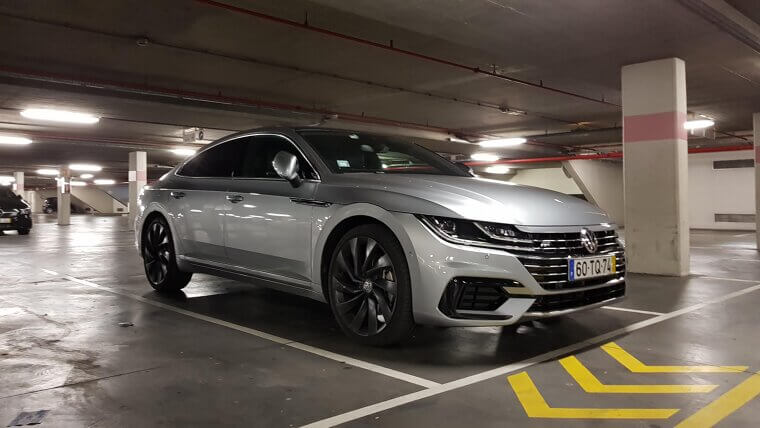
That oddly affordable listing starts to make sense later. Maybe the seller is tired of chasing problems. Maybe a big service is due. Maybe something expensive is looming. German cars rarely get dumped without a story. You don’t always find out right away, but you usually do eventually. Paying more upfront for a well-maintained example often costs less long term. The cheapest option almost never stays cheap, and that lesson tends to come with receipts.

DIY Is Harder Than You Expect
A lot of people buy used German cars thinking they’ll save money by doing some repairs themselves. Then they open the hood. Tight engine bays, special tools, and computer coding turn simple jobs into long weekends. Even changing a battery can involve software resets. It’s not impossible, but it’s rarely beginner-friendly. You quickly learn that YouTube confidence only goes so far. If you enjoy wrenching and learning, fine. If not, labor costs will become a regular part of your budget.
Small Problems Snowball Quickly
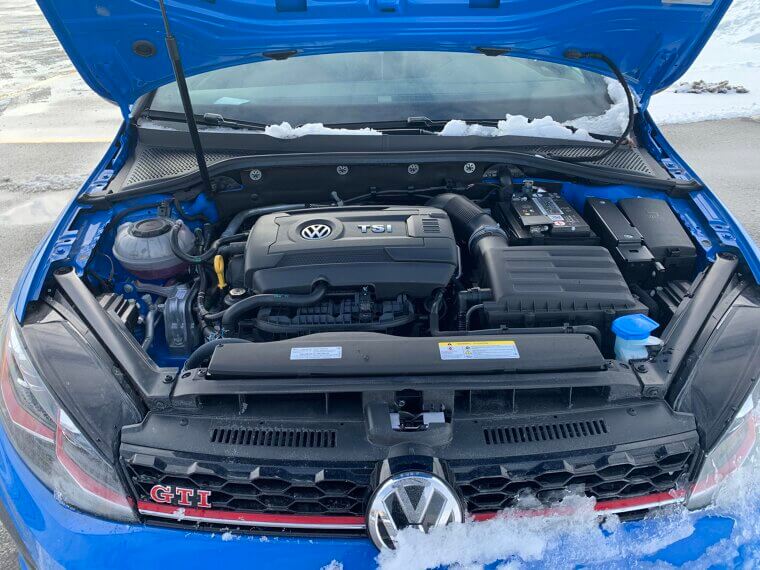
Neglecting even the smallest problem with these vehicles is risky. Oil leaks may affect the performance of the car's sensor system, and weak batteries can create havoc with the vehicle's electrical system. What starts as a small annoyance can quietly turn into a big repair bill.
The earlier you fix things, the more money you save. Delaying repairs usually multiplies the cost. Even if the car continues to run well, you can be sure it won’t forgive the delay.
The earlier you fix things, the more money you save. Delaying repairs usually multiplies the cost. Even if the car continues to run well, you can be sure it won’t forgive the delay.
Insurance and Registration Can Surprise You
Even when the car is older, insurance companies still consider it a luxury vehicle. The premium parts and repair costs raise rates, and registration fees may also be higher depending on where you live and the vehicle’s original value. This catches people off guard because the car was cheap to buy. Monthly costs creep up in ways you didn’t plan for. And while none of these costs are overwhelmingly expensive or unreasonable, they do serve as a reminder that ownership costs don’t match the used price tag as closely as you hoped.
Resale Value Drops Faster Than You Think
German cars lose value quickly once they’re out of warranty. That sounds great when you’re buying, but not so great when you’re selling. Buyers know the reputation, and they’re cautious. Unless the car has exceptional records, resale offers can be disappointing. You may end up keeping the car longer than planned just to justify the money you’ve put into it. It’s not that no one wants it. They just want it cheap, for the same reasons you once did.
The Driving Experience Still Hooks You
Even with all the challenges associated with owning these cars, there’s a strong emotional connection to the driving experience. Everyone who has owned one of these cars will likely tell you they love them despite the difficulties. And although they require a lot of patience and money from time to time, other vehicles seem fairly dull by comparison. You learn too late that logic and emotion don’t always agree. You like it and put up with it because when it’s good, it’s really good.