Rolling Through Stop Signs
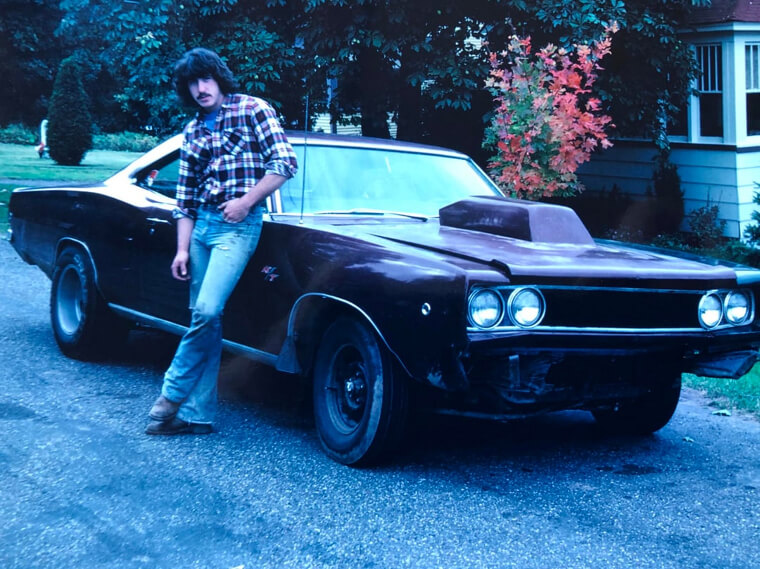
Rolling through stop signs was once treated as practical driving, not reckless behavior. Drivers slowed down, checked quickly, and continued without fully stopping, especially in quiet neighborhoods or small towns. Parents taught it as efficiency, not rule breaking. Everyone assumed eye contact and familiarity were enough to keep things safe. Over time, traffic density increased, neighborhoods changed, and pedestrians became more common. Safety studies showed that incomplete stops contributed to more accidents than drivers realized. Laws tightened, signage became clearer, and enforcement increased. Today, a full stop means wheels completely still, even if the road looks empty. Cameras, police patrols, and neighborhood complaints now catch what used to go unnoticed. Many drivers still do rolling stops out of habit, then feel surprised when ticketed. The behavior belongs to an era with fewer cars and slower streets. Modern roads demand clear, predictable actions, not casual judgment calls.
Riding Without Seatbelts on Short Trips
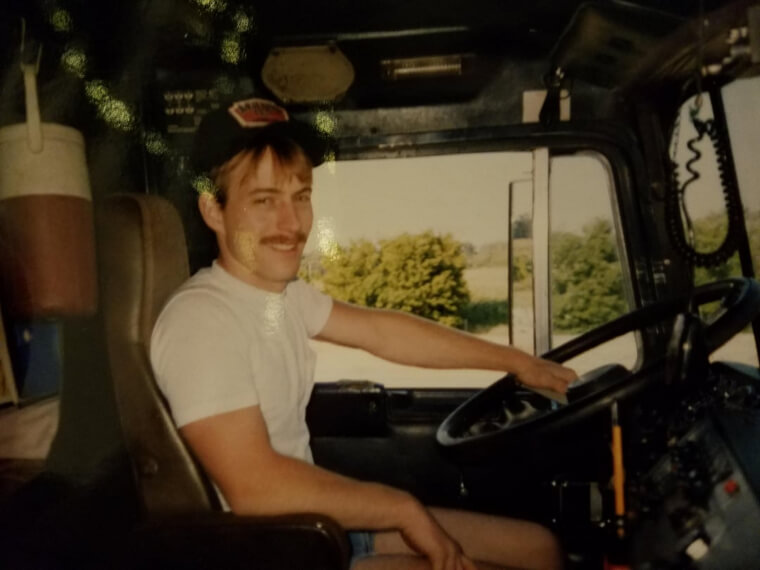
Seatbelts were once treated as optional, especially for short drives close to home. People believed accidents only happened on highways or long trips. Parents piled kids into cars without buckling everyone in, trusting experience over caution. Over time, crash data proved the opposite. Many serious accidents occurred just minutes from home, often at low speeds. Laws changed accordingly. Seatbelt requirements now apply regardless of distance or destination. Police enforce them consistently, and fines apply to both drivers and passengers. What once felt inconvenient is now considered basic responsibility. Modern vehicles are designed around seatbelt use, and safety systems depend on it. Older drivers may still feel tempted to skip buckling up for quick errands, but the law no longer makes exceptions. Today, seatbelts are not about comfort or habit. They are a legal and expected part of driving every time the car moves.
Using Handheld Maps While Driving
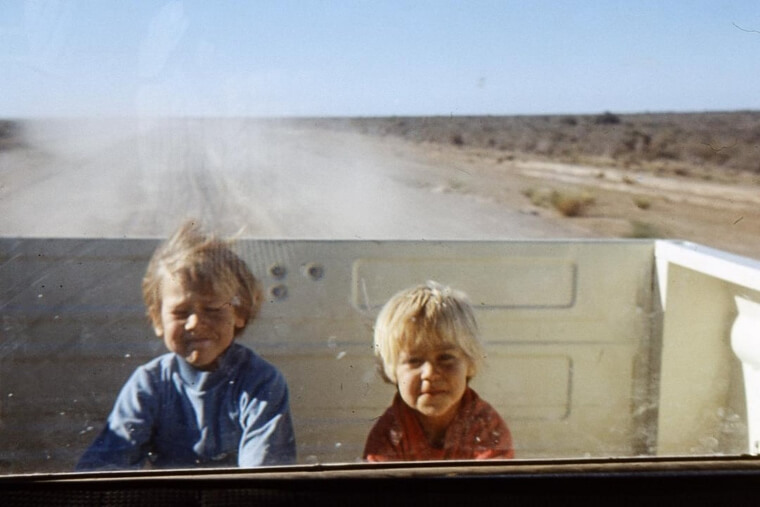
Before GPS, paper maps were essential travel tools. Drivers unfolded oversized road atlases across steering wheels and dashboards while trying to keep one eye on traffic. Passengers often helped, but solo drivers regularly navigated this way. It felt adventurous and normal. Today, distracted driving laws make that behavior illegal. Anything that takes hands or eyes off the road for extended periods is now restricted. Accident research showed that looking down, even briefly, dramatically increases crash risk. As smartphones and navigation systems became common, laws adapted quickly. Drivers are expected to pull over or use mounted navigation aids. The romantic image of map reading mid drive has been replaced by legal responsibility. What once symbolized road trip freedom is now a violation. Modern driving expects attention first and navigation second, even if that means missing a turn.
Letting Kids Ride in the Front Seat
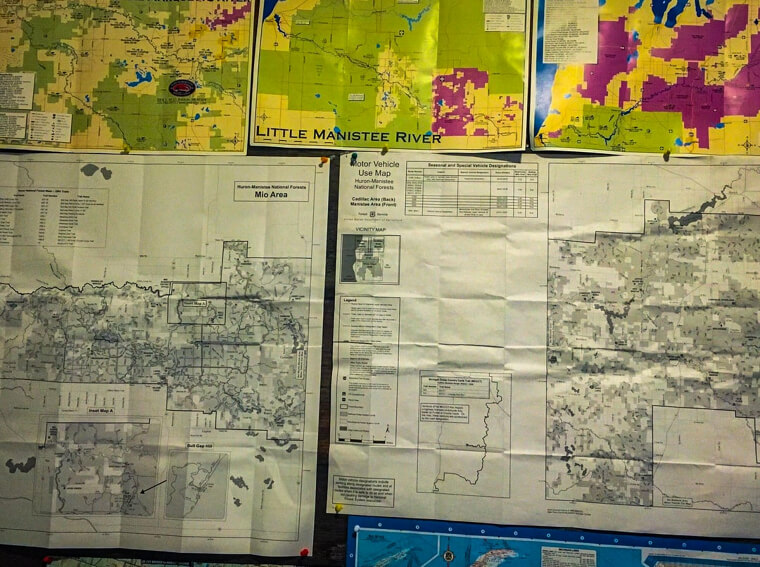
Children riding in the front seat was once a rite of passage. Kids begged for it, and parents agreed once they felt their child was big enough. Seatbelts existed, but airbags did not. When airbags became standard, front seats turned dangerous for small bodies. Research showed severe injuries caused by airbag deployment. Laws changed to reflect that risk. Today, age, height, and weight restrictions strictly regulate seating positions. Violations carry fines and points. What once felt like a harmless reward is now illegal in many cases. Parents who grew up riding in the front may struggle to accept the change, but safety data drove it. Modern vehicles assume children belong in the back seat with proper restraints. The law prioritizes protection over nostalgia, even if it feels overly cautious to older drivers.

Driving With Cracked Windshields
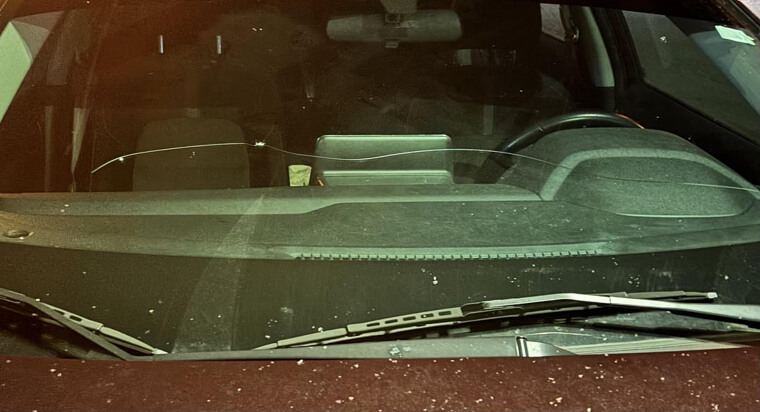
Small windshield cracks were once ignored until they became unbearable. Drivers waited months or years before repairing them, treating cracks as cosmetic issues. Modern laws see them differently. Windshields are structural components that support the roof and protect occupants during collisions. Cracks that interfere with visibility are now considered safety hazards. Many states allow police to issue citations if damage obstructs the driver’s view. Insurance inspections and safety checks also flag cracked glass. What once felt like a minor annoyance now carries legal consequences. Modern cars rely on windshield strength more than older vehicles did. Ignoring damage can compromise safety systems. The casual tolerance for cracked glass belongs to a time when cars were simpler. Today’s vehicles expect intact components, and the law reflects that expectation clearly.
Leaving Engines Idling for Long Periods
Idling cars used to be normal behavior. Drivers warmed engines in winter or waited with vehicles running outside stores and schools. It felt practical and polite. Over time, environmental studies showed that idling wastes fuel and increases pollution. Modern engines also no longer require long warm ups. Cities responded by introducing anti idling laws. These laws limit how long vehicles can idle, especially near schools and residential areas. Fines apply even if drivers believe they are being considerate. What once felt harmless is now discouraged. Drivers are expected to shut engines off when parked. The shift reflects changing priorities around fuel efficiency and air quality. Idling is no longer seen as helpful. It is seen as unnecessary and regulated accordingly.
Blocking Crosswalks at Intersections
Stopping partially in crosswalks was once common, especially at busy intersections. Drivers crept forward for visibility or convenience without thinking about pedestrians. As cities became more walkable, this behavior created safety problems. Pedestrians were forced into traffic, increasing accident risk. Laws tightened, and enforcement increased. Blocking a crosswalk is now illegal in many places, even if the light is red. Drivers must stop fully behind marked lines. What once felt like minor positioning is now a ticketable offense. Cameras and complaints enforce it consistently. The shift reflects growing emphasis on pedestrian safety. Streets are no longer designed only for cars. Drivers are expected to share space responsibly, not dominate it.

Using High Beams in Traffic
High beams were once used freely on dark roads, even when other vehicles were nearby. Headlights were dimmer, and glare was less intense. Modern headlights are far brighter, making misuse dangerous. Laws now specify when high beams must be dimmed based on distance to other vehicles. Improper use can result in citations. What once improved visibility now creates hazards. Drivers must actively manage lighting settings. Automatic systems help, but responsibility still falls on the driver. The casual use of high beams belongs to an earlier era of weaker lighting technology. Today’s rules reflect modern brightness and safety concerns.
Honking for Non Emergency Reasons
Honking used to be casual communication. Drivers greeted friends or expressed impatience freely. Noise complaints and road rage incidents changed that. Many cities now restrict horn use to emergencies only. Non emergency honking can result in fines. What once felt expressive is now regulated. Horns are expected to signal danger, not emotion. The rule shift reflects modern urban living and safety priorities.
Drinking Alcohol Openly in the Car
There was a time when having an open beer in the car did not raise many eyebrows, especially on long drives, hunting trips, or tailgate style outings. In some places, passengers openly drank while the driver focused on the road, and enforcement was inconsistent at best. Parents and older relatives often treated it as a harmless social habit, as long as the driver claimed to be fine. Over time, attitudes and laws changed sharply. Open container laws now exist in most states, making it illegal to have unsealed alcohol in the passenger area of a vehicle, regardless of who is drinking it. The shift came as drunk driving awareness increased and lawmakers realized how difficult it was to separate casual drinking from dangerous behavior. Today, even an unopened container placed within reach can cause legal trouble. What once felt relaxed and social is now treated as a serious safety and legal issue, with fines, citations, and possible charges attached.