Which Automakers Will Survive the Great Transition?
The automotive industry is currently navigating its most volatile period since the invention of the assembly line. As global mandates push for a total shift toward zero-emission vehicles and software-defined platforms, the "Carpocalypse" is no longer a theoretical threat but a looming reality. Many legacy brands are struggling under the weight of massive research and development costs, while others are finding their traditional manufacturing strengths rendered obsolete by the digital revolution. However, a select group of manufacturers has demonstrated the strategic foresight, financial resilience, and engineering adaptability required to thrive in the next decade. These brands are not merely surviving; they are redefining what it means to be a car company in a world dominated by electrification and autonomous technology.
Toyota
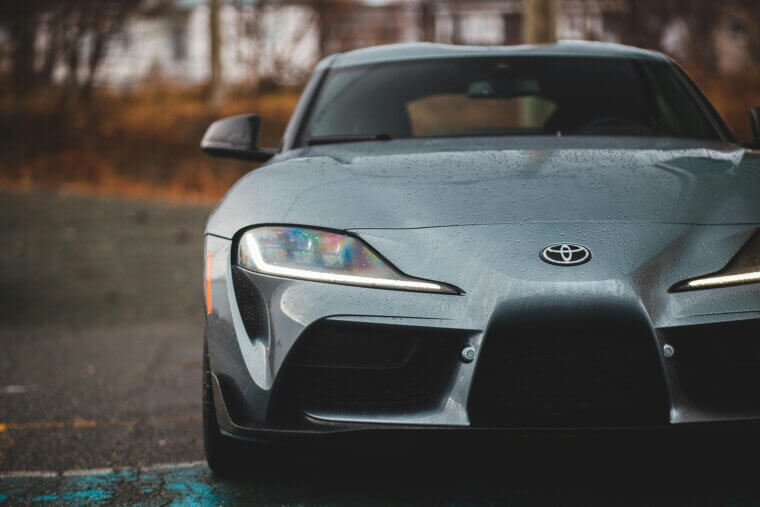
Toyota remains the undisputed titan of automotive longevity due to its calculated "multi-pathway" strategy. While critics initially labeled the Japanese giant as a laggard in the electric vehicle (EV) race, the company's refusal to put all its eggs in one basket has proven visionary. By balancing a massive portfolio of hybrids, plug-in hybrids, and hydrogen fuel cell technology alongside its emerging "bZ" electric line, Toyota has insulated itself against fluctuating EV demand and infrastructure gaps. Furthermore, Toyota’s legendary reputation for reliability provides a level of brand equity that is nearly impossible for new entrants to replicate. Their focus on solid-state battery development and a modular manufacturing approach ensures they will remain the gold standard for durable, long-lasting transportation well beyond 2030.
Tesla
Tesla is the only manufacturer on this list that did not have to transition to the new era because it created it. By 2030, Tesla is projected to command a massive share of the global market, not just as an automaker but as an energy and artificial intelligence powerhouse. Their vertical integration—controlling everything from battery chemistry to the Supercharger network—gives them a cost advantage that traditional OEMs are finding impossible to match. With the expansion of the Megapack energy business and the continuous evolution of Full Self-Driving (FSD) software, Tesla is building a recurring revenue model that extends far beyond the initial sale of a car. As they scale toward a goal of 20 million vehicles annually, their dominance in software and manufacturing efficiency makes them a permanent fixture of the future landscape.
Hyundai Motor Group (Including Kia and Genesis)
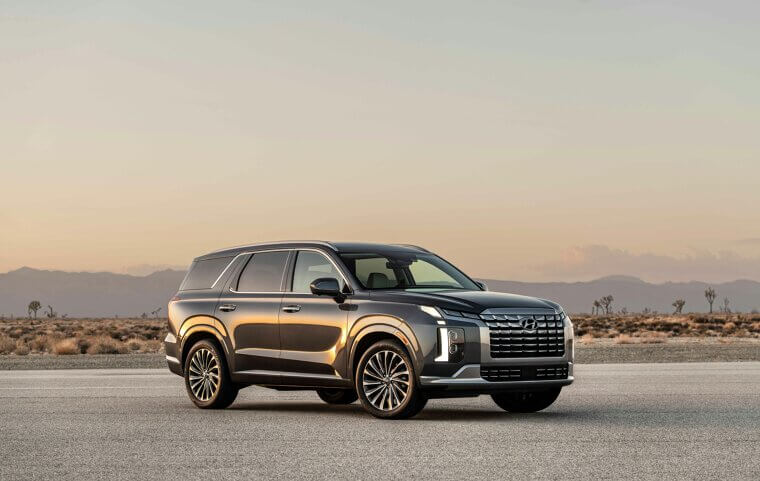
Hyundai and Kia have executed the most successful "underdog to leader" transformation in modern history. Once known for budget-friendly reliability, the South Korean group is now a pioneer in E-GMP platform technology, producing some of the fastest-charging and most efficient EVs on the market today. Their aggressive investment in design and technology has allowed them to consistently top J.D. Power quality studies and IIHS safety rankings, outperforming many established luxury rivals. By maintaining a lean, fast-moving corporate structure, Hyundai has been able to pivot to new technologies—such as the IONIQ and EV6 series—faster than the German or American legacy giants. This agility, combined with strong government backing and a robust supply chain, ensures their survival.
Honda
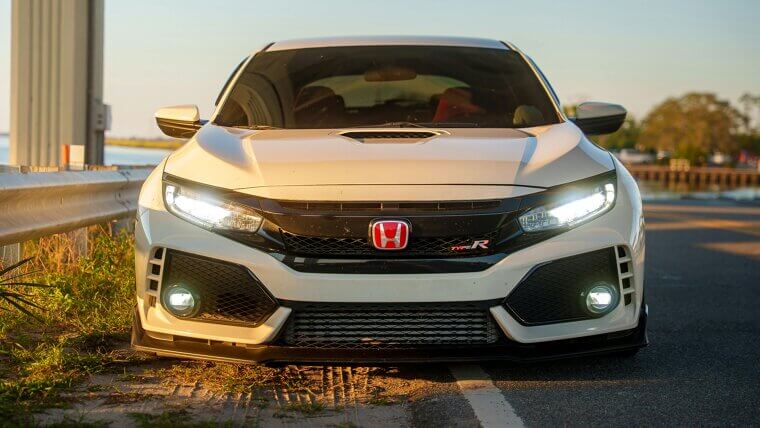
Honda’s path to 2030 is paved with a deep commitment to engineering excellence and a newly invigorated digital strategy. Known for the "joy of mobility," Honda is focusing on a 2030 vision that integrates robotics, energy management, and a zero-fatality safety goal. While they have entered the EV market cautiously, their partnership with Sony and the development of the "e:Architecture" platform signal a major shift toward software-centric vehicles. Honda’s strength lies in its diverse product range, which includes motorcycles and power equipment, providing a financial safety net that pure-play automakers lack. Their pivot toward carbon neutrality by 2050, supported by high-efficiency hybrids in the interim, ensures that the brand will continue to be a household name for those who prioritize sensible, long-term ownership.
Porsche
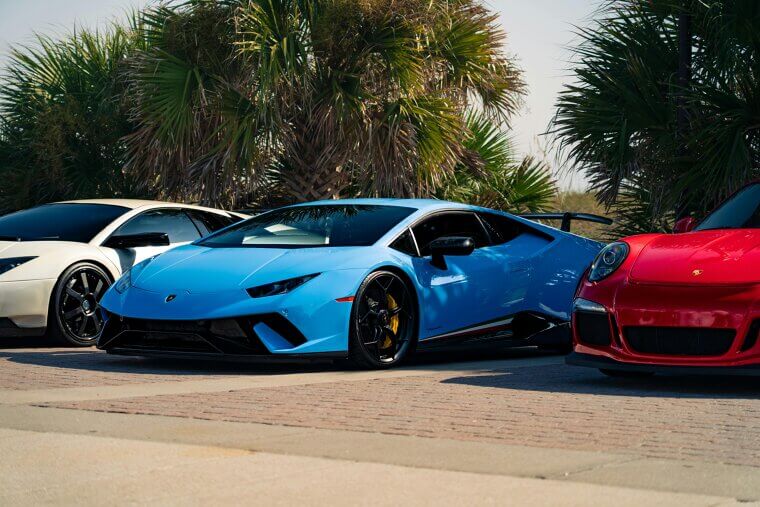
In the luxury and performance sector, Porsche stands alone as a brand that has successfully electrified its DNA without losing its soul. The success of the Taycan proved that Porsche could translate its high-performance heritage into a digital, battery-powered format. Under their "Strategy 2030 Plus," the company is targeting a long-term return on sales of more than 20 percent, making them one of the most profitable and financially stable entities in the Volkswagen Group. Porsche’s investment in synthetic e-fuels also provides a unique lifeline for their iconic internal combustion models, ensuring they remain relevant to enthusiasts even in a zero-emission world. This blend of cutting-edge tech and emotional brand loyalty creates a "moat" that protects them from the commoditization facing other car brands.
Subaru
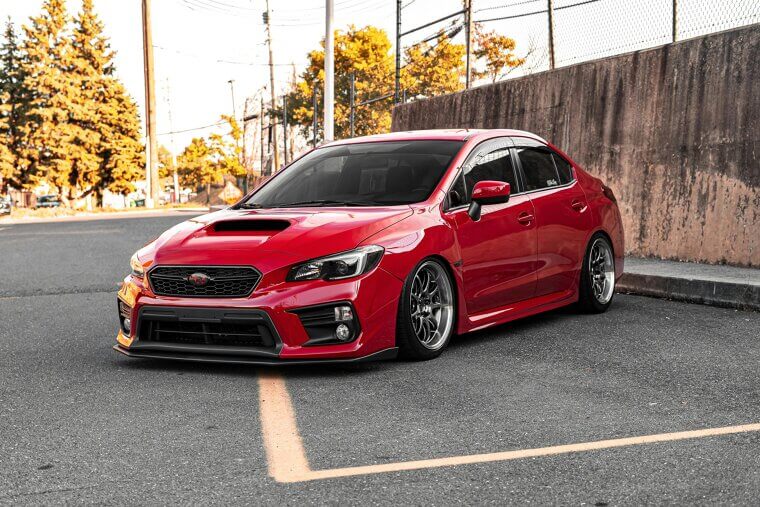
Subaru occupies a unique niche in the market that guarantees its survival through 2030: the "adventure" segment. With a customer base characterized by fierce brand loyalty and a lifestyle-oriented approach to vehicle ownership, Subaru doesn't need to compete on tech specs alone. Their collaboration with Toyota has allowed them to share the massive costs of electrification while keeping their distinct Symmetrical All-Wheel Drive identity intact. Subaru’s "Monozukuri" innovation plan focuses on high-quality manufacturing and a goal of zero fatal road accidents by 2030. By focusing on longevity and the "Subaru Love Promise," they have created a brand that is more about community and capability than just transportation. As long as people want to go off-road and stay safe, Subaru will have a place on the road.
BYD (Build Your Dreams)
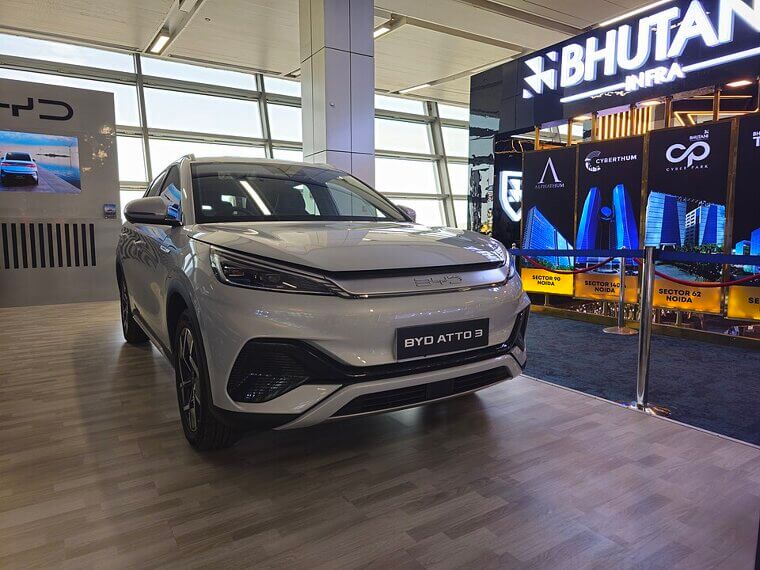
While some may still view Chinese brands with skepticism, BYD has become an unstoppable force that will dominate the global market by 2030. As a vertically integrated company that started in battery manufacturing, BYD controls its own supply chain to a degree that even Tesla envies. They are currently the world’s leading producer of "new energy vehicles," offering a range of products from affordable city cars to high-end luxury SUVs. Their ability to produce high-tech, long-range EVs at a fraction of the cost of Western competitors makes them the primary threat to legacy automakers. With a massive domestic market in China and a rapidly expanding footprint in Europe, South America, and Southeast Asia, BYD is the definitive example of the new guard in the automotive industry.
The Survival of the Fittest
The automotive landscape of 2030 will look drastically different than the one we know today. Survival will not be determined by who has the longest history, but by who can master the intersection of software, battery science, and manufacturing scale. Toyota, Tesla, Hyundai, Honda, Porsche, Subaru, and BYD each possess a unique "survival gene"—whether it is financial might, technological leadership, or an unbreakable bond with their customers. As the industry consolidates, these seven brands are the most likely to emerge from the chaos as the new pillars of global mobility. For consumers, choosing a vehicle from these manufacturers is more than just a purchase; it is a bet on a brand that has the roadmap to navigate the uncertain road ahead.