
Horseshoe Exclamation Point Means Tire Pressure
When you are driving along and suddenly see what looks like a little horseshoe with an exclamation point sitting in the middle of it, there is absolutely no need to panic. This friendly little symbol actually represents the cross-section of a tire, and it is known as the Tire Pressure Monitoring System indicator. Today's modern vehicles use special sensors located inside your wheels to constantly check exactly how much air is in your tires. If this bright light pops onto your screen, it simply means that one or more of your tires has low air pressure.
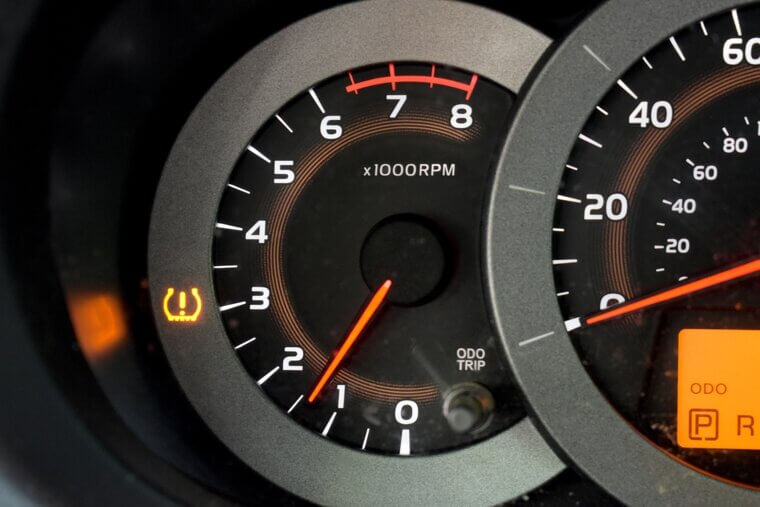
Driving on under-inflated tires can easily reduce your daily fuel economy and make your car harder to handle on the road. Simply pull into a local gas station, check the current air levels, and fill them up accordingly.
Squiggly Car Lines Mean Traction Control Engaged
If you notice a tiny car icon with wavy lines underneath it flashing on your screen, your vehicle is simply working hard to keep you safe. This icon represents your traction control system, which automatically kicks in when the roads are slippery or wet. The system reportedly helps your tires grip the pavement better by adjusting the engine power and applying the brakes to specific wheels. Seeing this indicator flash means the system is actively preventing your car from sliding, which is incredibly helpful during unexpected rainstorms or on icy winter mornings.
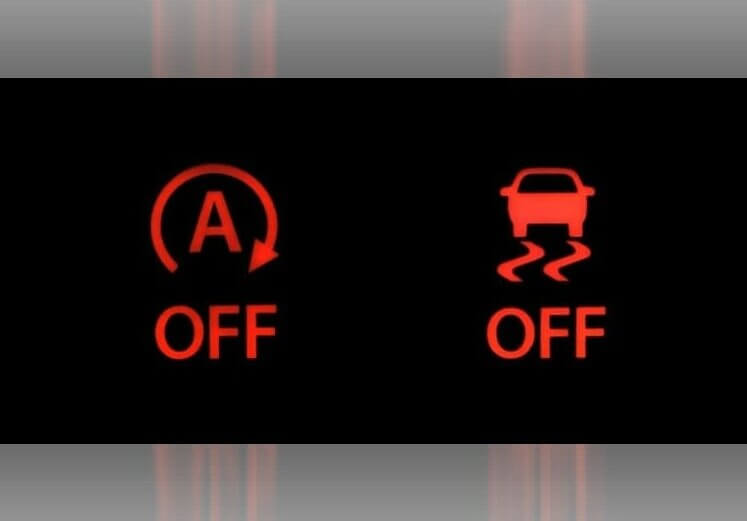
While it is perfectly normal for this light to flash briefly during slippery conditions, a light that stays on constantly might indicate a system issue. You can always ask your friendly mechanic to take a quick look next time.
Car Between Two Lines Means Lane Keep Assist
Many newer vehicles come equipped with a helpful feature represented by an icon of a car hovering between two solid or dotted lines. This symbol is for your lane keep assist system, a brilliant piece of modern technology designed to help you stay safely centered in your lane. Using special cameras mounted near your windshield, the system watches the road markings ahead. If you start to gently drift out of your lane without using a turn signal, the system will allegedly gently nudge your steering wheel to guide you back into the proper position.
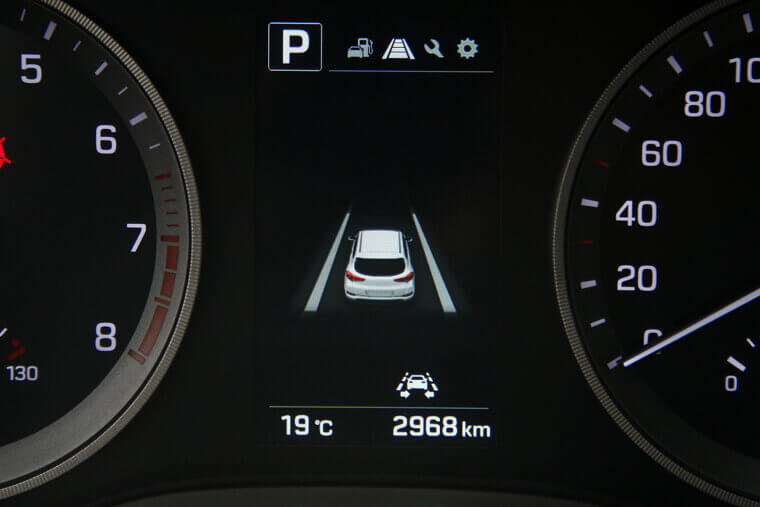
This fantastic feature is like having an invisible co-pilot on long highway drives, helping to reduce driver fatigue and prevent accidental drifting. You can usually turn this feature on or off using a button near your steering wheel.
A Inside A Circle Means Automatic Start Stop
You might occasionally see a capital letter A wrapped inside a circular arrow, which stands for the automatic start and stop system. This clever feature is designed to save you money on gas and reduce your vehicle's emissions while you are out running errands. When you come to a complete stop at a red light or in heavy traffic, the system will automatically turn off your engine to conserve fuel. As soon as you lift your foot off the brake pedal, the engine seamlessly restarts itself so you can continue your journey without delay.
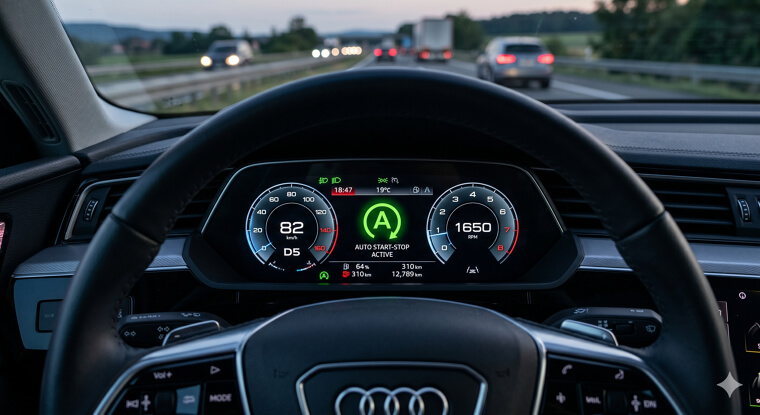
Some drivers find the slight pause during engine restarts a bit unusual at first, but it quickly becomes second nature. If you prefer, most cars have a dedicated button to disable this fuel-saving feature for your current trip.
Engine Block Shape Means Check Engine Soon
The famous check engine light usually looks like a stylized outline of a car engine, and it is probably the most well-known dashboard symbol of all time. While it might seem a little intimidating when it glows yellow or orange, it usually just means your car's computer has detected a minor irregularity. This could be something as simple as a loose gas cap after your last trip to the fuel pump, or it might be a tiny sensor that needs to be replaced. It is essentially your car's way of politely asking for a checkup.

Unless the engine light is flashing rapidly, you generally do not need to pull over immediately. However, it is always a smart idea to schedule an appointment with your trusted repair shop so they can read the code.
Dripping Oil Can Means Low Oil Pressure
When your dashboard displays an icon resembling an old-fashioned oil can with a single drop coming out of the spout, it is time to pay close attention. This crucial warning light indicates that your engine's oil pressure has reportedly dropped below the safe operating level. Motor oil is the absolute lifeblood of your vehicle, keeping all the fast-moving metal parts lubricated so they do not grind together and cause severe damage. If this light appears while you are driving, your engine might not be getting the necessary lubrication it needs to function smoothly and efficiently.
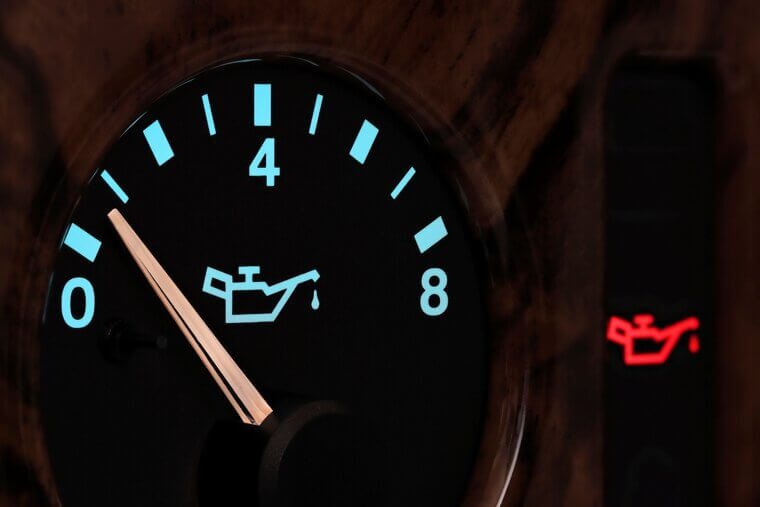
It is highly recommended to safely pull over as soon as possible and turn off your engine to prevent expensive internal wear. Checking your dipstick or calling for roadside assistance are wonderful next steps to keep your car happy.
Thermometer In Liquid Means Engine Temperature Warning
If you spot an icon showing a small thermometer dipping into stylized waves of liquid, your car is letting you know that it is feeling a bit too hot. This symbol serves as the engine temperature warning light, indicating that your vehicle's coolant has exceeded its normal operating temperature. Just like we get uncomfortable in extreme heat, engines need to stay perfectly cool to perform their daily tasks without struggling. Overheating can be caused by a variety of everyday factors, such as a low coolant level, a sticky thermostat, or a hard-working water pump.
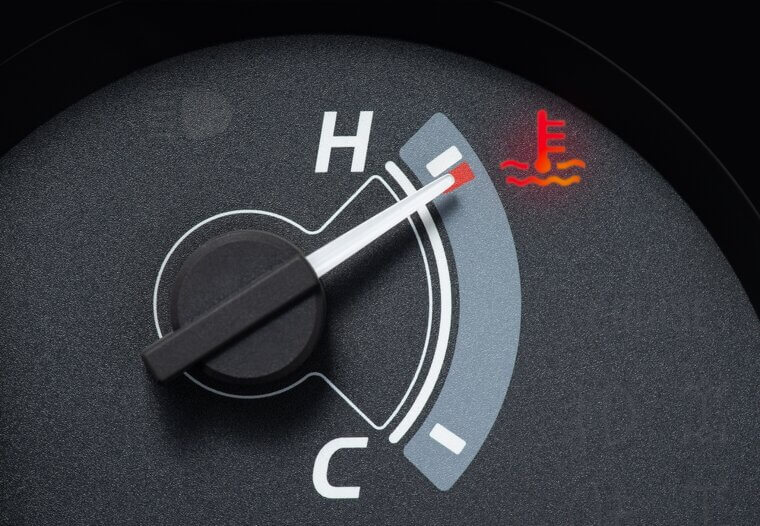
Continuing to drive a heavily overheating car can allegedly lead to severe mechanical trouble down the road. The safest approach is to pull over, turn off the engine entirely, and wait for everything to cool down before opening the hood.
Battery With Plus And Minus Means Charge Warning
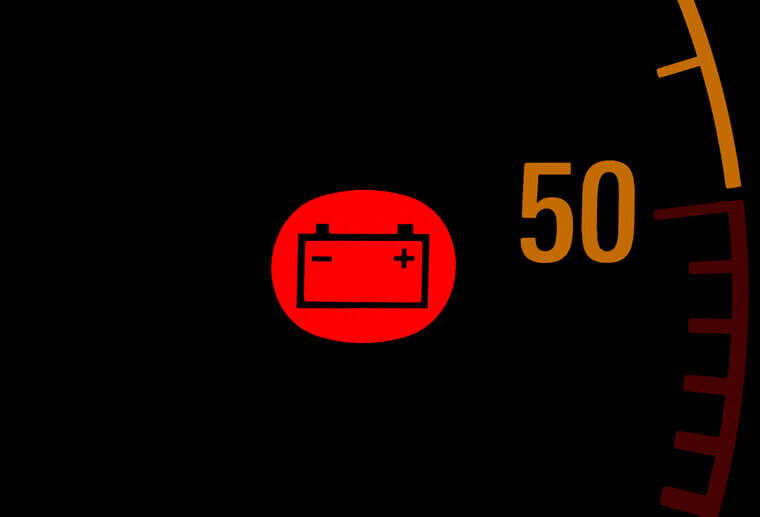
Seeing a tiny, rectangular battery symbol with a positive and negative sign on your screen is your vehicle's way of communicating about its electrical health. Contrary to popular belief, this light does not always mean that your actual battery is completely dead. Instead, it indicates that the car's charging system is experiencing a hiccup and is reportedly not generating enough power to keep everything running. Your car relies on an alternator to charge the battery and power your radio, headlights, and air conditioning while you are cruising down the street or idling at stoplights.

If this light stays illuminated, your car is currently running solely on stored battery power, which will eventually run out. It is best to turn off unnecessary electrical accessories and head straight to your favorite local mechanic for testing.
Circle With Exclamation Point Means Brake System Warning
A glowing red circle containing an exclamation point, sometimes bracketed by parentheses, is an important message from your vehicle's braking system. Your brakes are undeniably one of the most vital safety features on your car, so paying attention to this little icon is always a fabulous idea. This light can pop on for a few different reasons, such as when your parking brake is currently engaged while you are trying to drive. If you have already released the handbrake, it might indicate that your brake fluid is getting a bit low or your brake pads are worn.
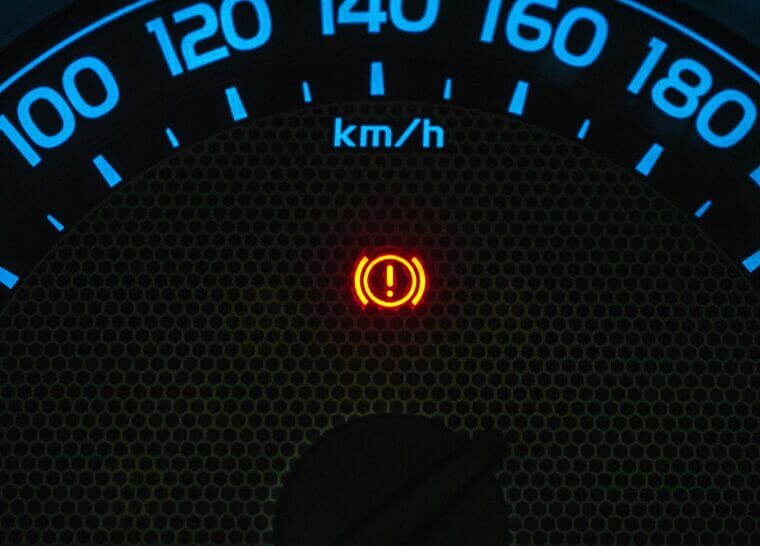
Because your ability to stop safely is so important for your daily peace of mind, you should never ignore a persistent brake warning. Having a certified technician take a quick peek will ensure your car stops smoothly every time.
ABS Inside A Circle Means Anti Lock Brakes
The letters ABS enclosed within a circle represent your anti-lock braking system, a wonderful modern invention that keeps you secure during sudden stops. Before this technology existed, slamming on the brakes could cause a car's wheels to lock up entirely, resulting in a dangerous skid across the pavement. The ABS system reportedly rapidly pumps the brakes for you during emergency situations, allowing you to maintain steering control while safely bringing the vehicle to a halt. When you start your car, this light usually flashes briefly just to let you know the system is ready to go.

If the ABS light remains on while you are driving, your normal brakes will still function perfectly fine, but the anti-lock feature might be temporarily disabled. A quick diagnostic check at your dealership will easily clear up any underlying issues.
Steering Wheel Exclamation Means Power Steering Warning
If an icon resembling a tiny steering wheel sitting next to an exclamation mark illuminates on your dashboard, your power steering system needs some attention. Modern cars use advanced hydraulic or electric power steering to make turning the wheel incredibly easy, even when you are parallel parking in tight spaces. When this light turns on, you might suddenly notice that turning your steering wheel requires significantly more physical effort than it usually does. This helpful alert simply means that the power assistance has been reduced, often due to low power steering fluid or a minor electrical glitch.
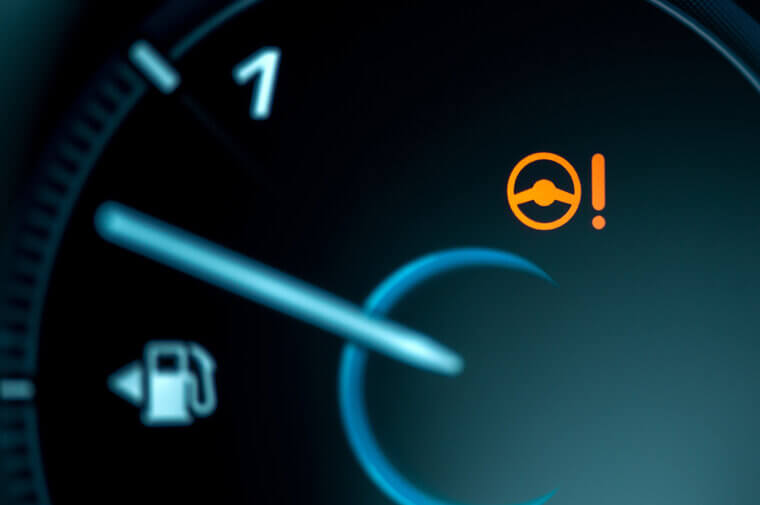
While you can technically still steer your car without power assistance, it can be quite exhausting and difficult to maneuver safely. Adding a little bit of the correct steering fluid often resolves the issue quickly and restores your driving comfort.
Person With A Strap Means Seatbelt Reminder
One of the most common and easily recognizable symbols on any dashboard is the figure of a person securely strapped in with a seatbelt. This friendly reminder light is designed to encourage everyone in the vehicle to buckle up before the journey officially begins. In most modern cars, the light is accompanied by a gentle chiming sound if the driver or front passenger forgets to fasten their harness. Safety experts agree that wearing a seatbelt is one of the most effective ways to protect yourself and your loved ones while traveling on busy highways or local streets.
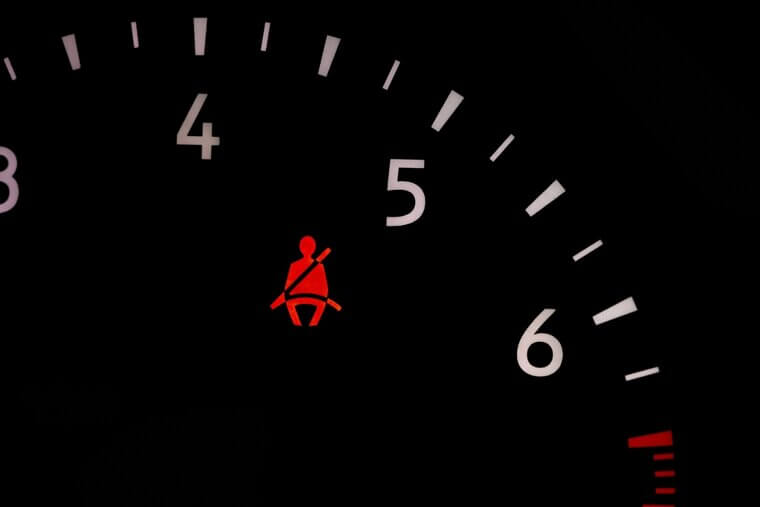
Once everyone has safely clicked their belts into place, this helpful little icon will completely disappear from your digital screen. It is simply your car's polite way of ensuring that all passengers are ready for a secure and comfortable ride.
Person With A Circle Means Airbag Warning Light
When you see an icon of a seated passenger with a large, solid circle hovering directly in front of them, it is referring to your airbag system. Airbags are incredibly sophisticated safety devices that are designed to deploy rapidly during a collision to provide a soft cushion for occupants. This specific dashboard light indicates that the vehicle's computer has allegedly detected a potential issue with one of the many airbags or their complex sensors. Sometimes, simply moving a seat too forcefully can temporarily disrupt a sensor wire and trigger this cautionary glow on your modern display.
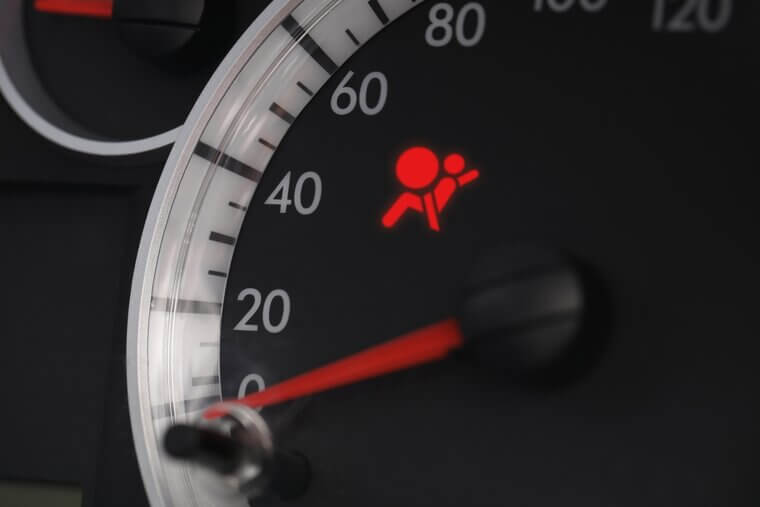
Since airbags are such a critical component of your daily safety net, it is always wise to have this system professionally evaluated. Your local dealership can easily reset the sensor and ensure everything is working exactly as the manufacturer intended.
Classic Gas Pump Means Low Fuel Indicator
Almost every driver is deeply familiar with the classic gas pump icon, which usually glows a bright, attention-grabbing yellow or orange when your fuel tank is running low. This helpful little indicator is designed to give you plenty of warning so you do not find yourself stranded on the side of a busy road. Most modern vehicles are calibrated to turn this light on when you have about a gallon or two of fuel remaining in your tank. Interestingly, many of these gas pump symbols feature a tiny little arrow next to them pointing to the left or right.
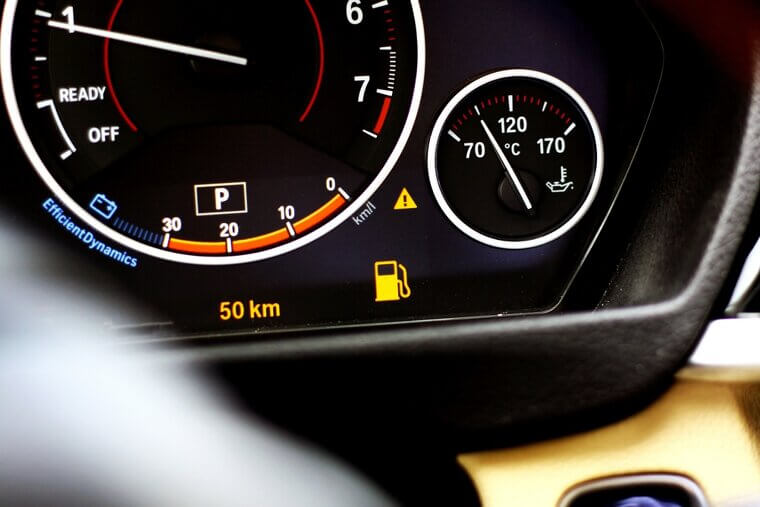
That little arrow is actually a brilliant secret feature that tells you exactly which side of your car the gas cap is located on! This makes pulling up to the fuel pump at a new station completely stress-free and simple.
Windshield With Dotted Lines Means Low Washer Fluid
If your screen displays an image of a windshield with dotted lines spraying upward like a tiny fountain, your car is feeling a bit parched. This symbol is a gentle reminder that your windshield washer fluid reservoir is reportedly getting quite low and needs a refreshing top-off soon. Having plenty of washer fluid is absolutely essential for maintaining a clear and unobstructed view of the road, especially during buggy summer evenings or messy winter snowstorms. Without enough fluid to clean away dirt and grime, your windshield wipers might just smear the mess around and make visibility worse.
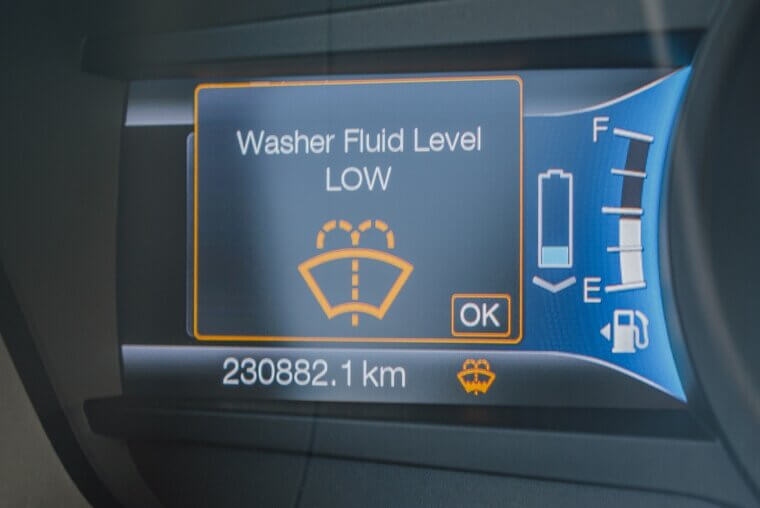
Fortunately, refilling your washer fluid is one of the easiest maintenance tasks you can do right in your own driveway. Simply buy a jug from your local auto parts store, pop the hood, and pour it into the clearly marked container.
DRL Letters Mean Daytime Running Lights Active
Many modern vehicles feature the letters DRL glowing softly on the dashboard, which simply stands for your daytime running lights. These lights are a fabulous safety innovation designed to make your car much more visible to other drivers, pedestrians, and cyclists during normal daylight hours. Unlike your main headlights, which illuminate the dark road ahead of you, daytime running lights are specifically meant to help others see your vehicle approaching from a distance. They automatically turn on as soon as you start your engine and shift your car out of the parking gear for your afternoon drive.
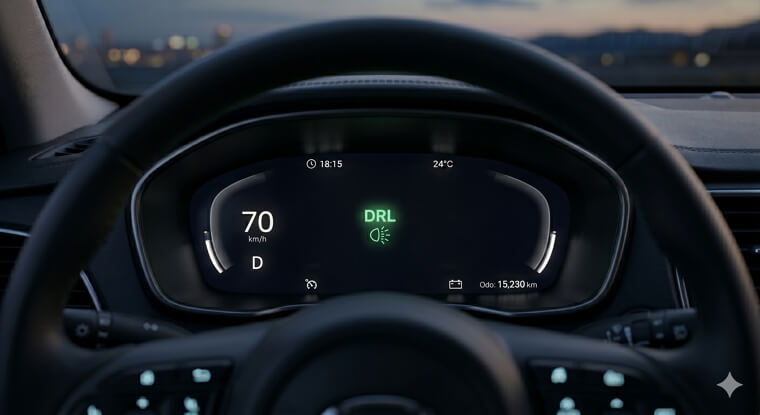
You never have to worry about turning these specific lights on or off, as your smart vehicle handles the entire process completely automatically. It is just another wonderful way modern technology works quietly in the background to keep everyone safe.
Headlamp With Straight Lines Means High Beams On
When you see a bright blue symbol depicting a headlamp with several horizontal lines pointing completely straight ahead, your high beam headlights are currently activated. High beams are incredibly useful for illuminating dark, winding country roads or poorly lit highways when you are driving late at night. They cast a much wider and brighter beam of light than your standard headlights, allowing you to easily spot deer, debris, or sharp curves from a much greater distance. However, because they are so intensely bright, they can easily dazzle and temporarily blind drivers in oncoming vehicles.
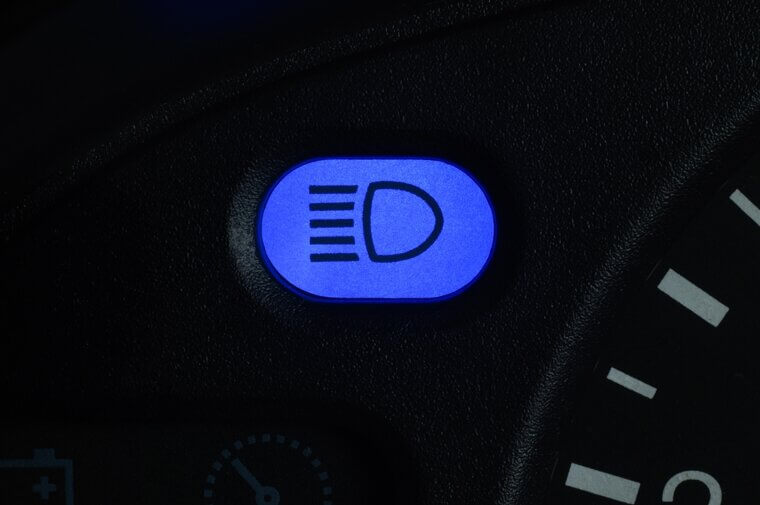
It is generally considered proper driving etiquette to always switch back to your regular low beams whenever another car is approaching you. Many newer vehicles even have an automatic high beam feature that kindly does this switching for you automatically.
Headlamp With Downward Lines Means Low Beams On
A green or yellow icon showing a headlamp with lines pointing slightly downward tells you that your standard low beam headlights are currently turned on. These are your everyday, reliable lights that you use for typical nighttime driving around your neighborhood or on well-lit city streets. The downward angle of the light beam is intentionally designed to brightly illuminate the road immediately in front of your car without shining directly into the eyes of other motorists. Making sure this light is on when dusk approaches is a wonderful habit for safe and responsible twilight driving.

If you ever notice that the road ahead seems unusually dark, a quick glance at your dashboard to check for this symbol is always helpful. It quickly confirms whether your main headlights are properly switched on and functioning perfectly.
Headlamp With Wavy Line Means Fog Lights On
If your car is equipped with fog lights, you might occasionally see a symbol featuring a headlamp with a wavy vertical line passing through the light beams. This squiggly line represents the thick fog that these special auxiliary lights are specifically designed to help you navigate through safely. Fog lights are typically mounted very low on your vehicle's front bumper to cast a wide, flat beam of light directly onto the surface of the road. This unique positioning reportedly helps cut through dense fog, heavy rain, or blowing snow much more effectively than your regular headlights.
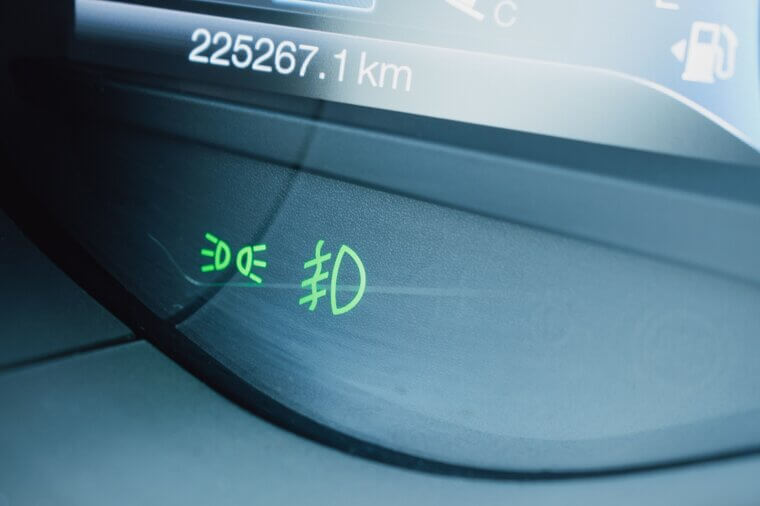
Because they are designed for very specific weather conditions, you only need to turn your fog lights on when visibility is genuinely poor. Using them on perfectly clear nights is completely unnecessary and can sometimes be distracting to other drivers.
Car With A Wrench Means Maintenance Service Required
Seeing a tiny car accompanied by a little wrench icon is your vehicle's friendly way of asking for a routine spa day at the mechanic. This symbol is the scheduled maintenance indicator, and it usually pops up based on the number of miles you have driven since your last service appointment. Your car's internal computer keeps careful track of your driving habits and mileage to determine exactly when it is time for a fresh oil change, new filters, or a tire rotation. It is not an emergency warning, but rather a helpful digital calendar reminder for preventative care.
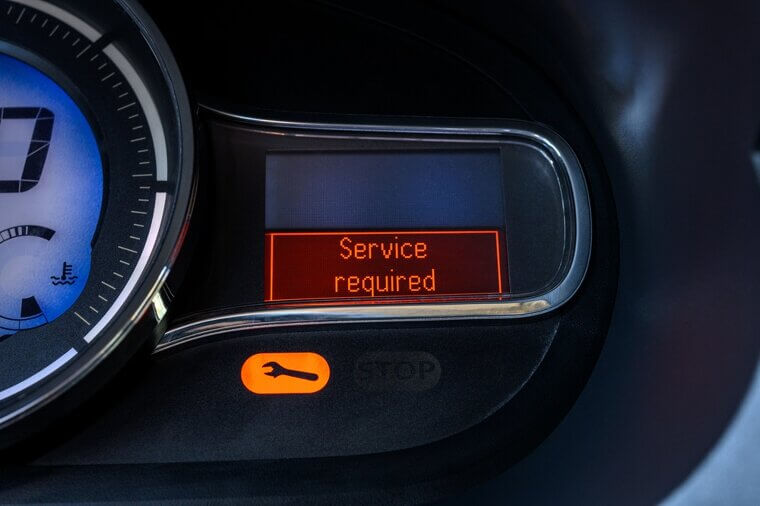
Keeping up with these scheduled maintenance visits is the absolute best way to ensure your beloved car stays healthy and reliable for many years. Once your service is complete, the technician will easily reset the light for your next interval.
Glowing Snowflake Means Freezing Road Conditions Warning
A glowing snowflake symbol on your dashboard is a timely weather alert from your car, indicating that the outside temperature has dropped near or below freezing. This frosty little icon usually appears when the thermometer hits around thirty-nine degrees Fahrenheit, as this is the temperature where dangerous black ice can begin to form on bridges and overpasses. Modern vehicles use an external temperature sensor tucked behind the front grille to constantly monitor the chilly air outside. The snowflake is simply a polite suggestion to drive a bit more cautiously and allow extra stopping distance during your winter commute.
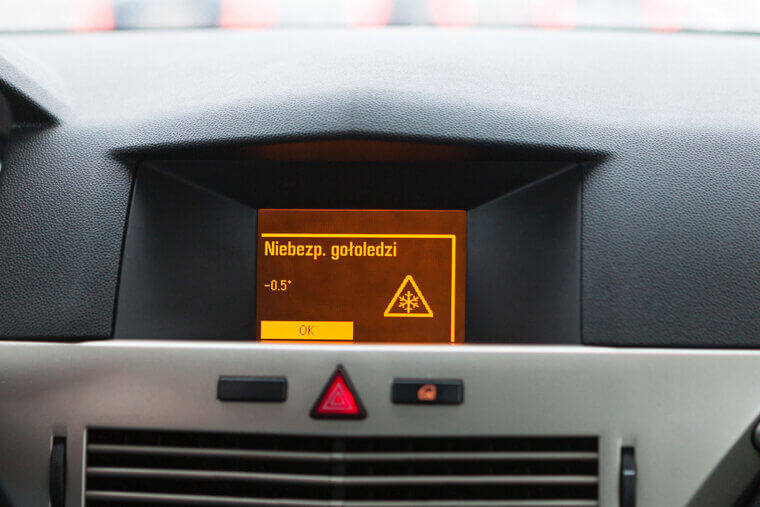
Even if the roads look completely clear and dry to your eyes, freezing temperatures can create deceptively slippery patches that are hard to spot. Taking your time and gently pressing your brakes will help you navigate frosty mornings with confidence.
P With Radio Waves Means Parking Assist Active
When you are trying to squeeze into a tight parking spot at the grocery store, you might notice a letter P accompanied by small curved lines or a tiny traffic cone. This icon indicates that your parking assist sensors are currently active and tirelessly working to help you avoid any unfortunate little bumps or scratches. These clever sensors are usually embedded in your front and rear bumpers, emitting invisible ultrasonic waves to detect nearby obstacles like tall curbs, shopping carts, or other vehicles. As you slowly approach an object, the system will allegedly beep faster to warn you.
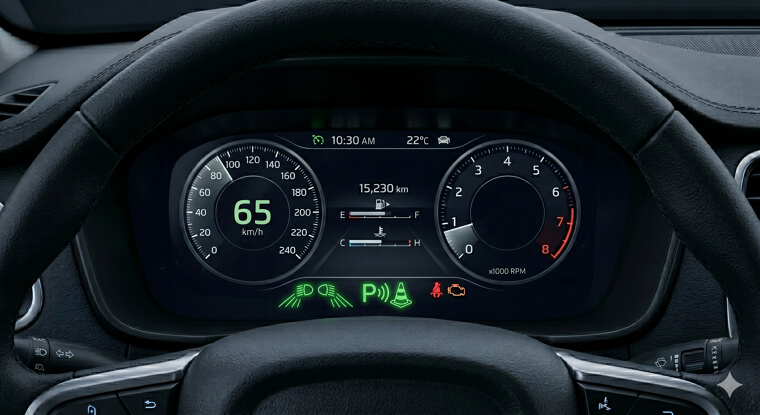
This fabulous technology essentially gives you an extra set of eyes around your entire vehicle, making parallel parking significantly less stressful for everyone. You can usually toggle these helpful beeping sensors on or off using a simple dashboard button.
Speedometer With Arrow Means Cruise Control Engaged
A symbol that looks like a miniature speedometer with a small arrow pointing at a specific speed means your traditional cruise control system is happily engaged. Cruise control is a wonderfully convenient feature for long road trips, allowing you to set a steady speed so you can rest your right foot for a while. Once you reach your desired cruising speed on the highway, simply press the set button, and your car's computer takes over the throttle duties. This consistent speed can also reportedly help improve your overall gas mileage on long, completely flat stretches of interstate highway.
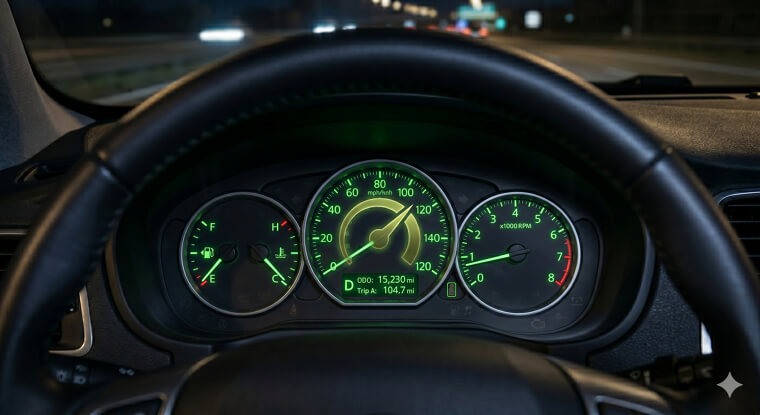
If you ever need to slow down suddenly, lightly tapping your brake pedal will instantly deactivate the cruise control and return full power to you. It is a fantastic tool that makes lengthy highway journeys much more relaxing and enjoyable.
Car With Radar Waves Means Adaptive Cruise Control
Similar to the standard cruise control icon, a car with several curved radar waves in front of it represents the highly advanced adaptive cruise control system. This futuristic feature takes the relaxing benefits of normal cruise control and adds an incredible layer of smart technology to keep you comfortably spaced from the car ahead. Using sophisticated radar or camera sensors, the system continuously monitors the flow of highway traffic in your specific lane. If the vehicle ahead of you slows down, your car will automatically and gently apply the brakes to maintain a safe, pre-selected following distance.

When the slower traffic clears out of your way, your smart car will smoothly accelerate right back up to your original cruising speed. It is truly an amazing comfort feature that significantly reduces the stress of driving in heavy traffic.
Two Cars Crashing Means Forward Collision Warning
An icon showing two cars touching, often with a star or exclamation point between them, is an incredibly important safety alert called the forward collision warning. This proactive system uses advanced cameras or radar to constantly scan the busy road ahead for any stopped vehicles, slow-moving trucks, or unexpected obstacles. If the computer calculates that you are reportedly approaching an object much too quickly and a collision might occur, it will flash this prominent warning light and often sound a loud chime. The goal is to grab your attention instantly so you can immediately step on your brakes.
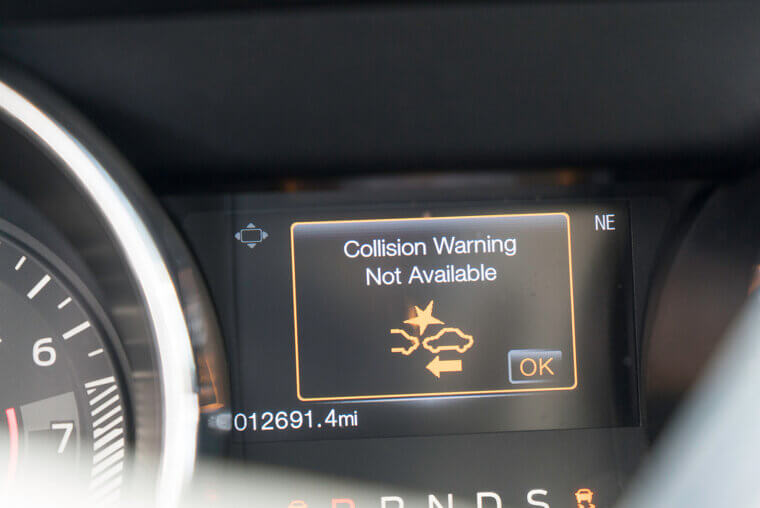
Many modern vehicles take this wonderful safety technology a step further by automatically applying emergency braking if you do not react fast enough. It is essentially an ever-watchful guardian angel that sits right on your dashboard to protect your family.
Car In A Blind Spot Means Blind Spot Monitor
While often located on your side mirrors, some vehicles display a dashboard icon of two staggered cars to represent the helpful blind spot monitoring system. As every experienced driver knows, checking your blind spots before changing lanes can sometimes be a bit tricky, especially on crowded multi-lane highways. This brilliant system uses tiny radar sensors hidden inside your rear bumper to watch for cars that might be lurking just out of your normal line of sight. If another vehicle slips into your blind zone, the system will illuminate a light to gently advise against changing lanes right now.
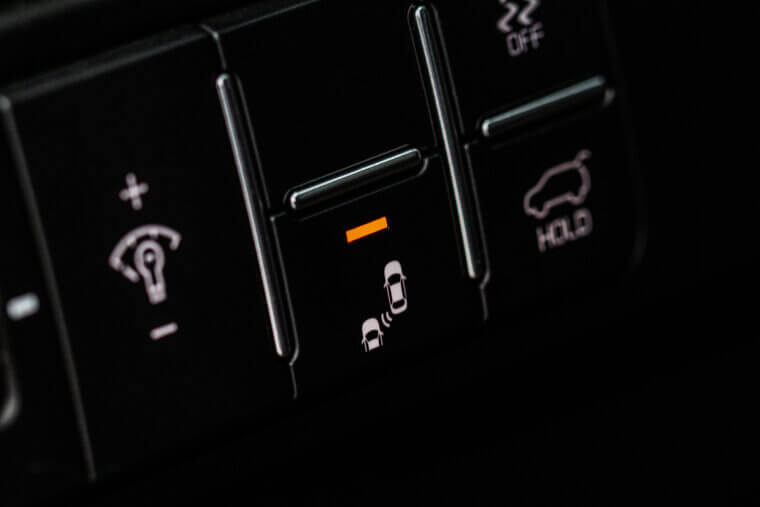
If you activate your turn signal while a car is hiding in your blind spot, the system will usually flash brightly or emit a warning beep. It adds a wonderful layer of extra confidence whenever you are navigating busy traffic.
Foot On A Pedal Means Press Brake Pedal
A green or amber symbol resembling a single shoe pressing down on a circular pedal is simply your vehicle politely asking you to step on the brakes. In most modern cars equipped with a push-button start system, you are required to firmly depress the brake pedal before the engine will actually turn over and start. This is a brilliant built-in safety mechanism designed to ensure that your car does not accidentally lurch forward or backward the moment the engine roars to life. You might also see this helpful little icon when you are shifting out of the park gear.
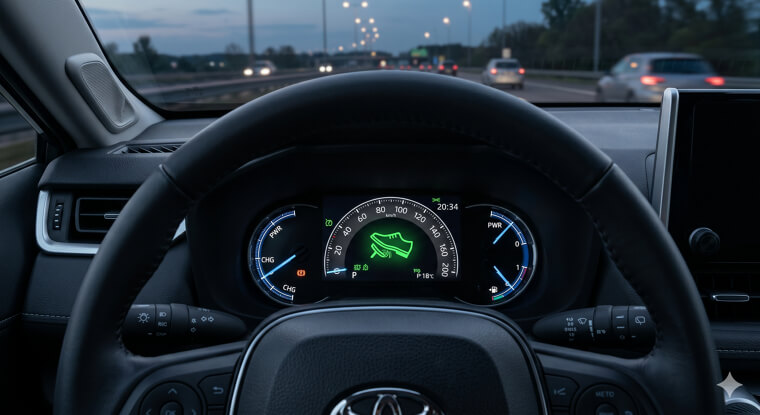
It is essentially your car's friendly way of verifying that you are fully in control before allowing any major movements to occur. Once you place your foot securely on the brake, the icon will instantly vanish from your digital screen.
Key With A Battery Means Fob Battery Low
If your dashboard displays a picture of a remote key fob with a tiny battery icon or a slash through it, your remote needs a quick battery change. Today's modern keyless entry systems rely on a small, round watch battery inside your key fob to communicate wirelessly with your car's complex security computer. Over time, usually after a couple of years of daily pressing and pocket carrying, this small internal battery will naturally begin to lose its charge. When the signal gets incredibly weak, your thoughtful car will display this alert so you do not get unexpectedly locked out.
Swapping out the tiny battery is usually a very simple and inexpensive task that you can completely do yourself at your own kitchen table. You just need a small screwdriver and a fresh replacement battery from your local hardware store.
Car Going Down Hill Means Hill Descent Control
An icon featuring a car tipped forward on a steep incline is the indicator for your hill descent control, a fantastic feature often found on rugged SUVs. Navigating a steep, slippery downhill path can be quite intimidating, as you typically have to constantly pump your brakes to prevent the vehicle from rolling too fast. When you activate this clever system, your car's computer takes over the difficult braking duties, gently pulsing the individual brakes to maintain a slow, steady, and completely controlled speed. This allows you to entirely focus your attention on steering safely around large rocks or ruts.
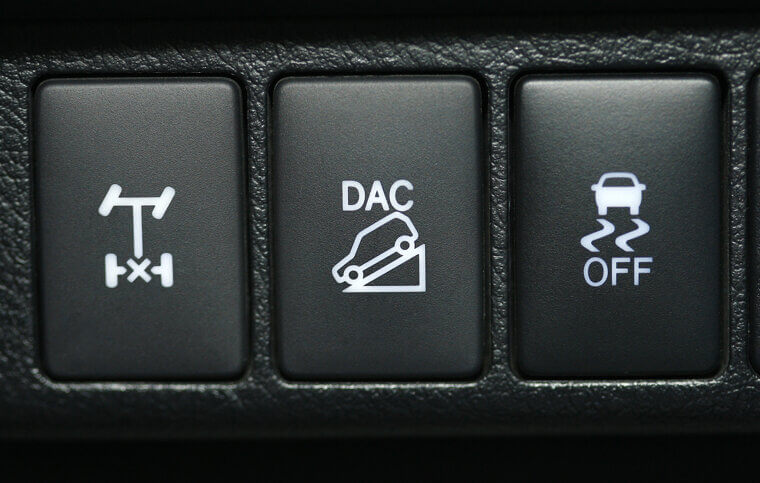
While you might not use this feature very often during normal trips to the grocery store, it is incredibly valuable for occasional outdoor adventures. It provides wonderful peace of mind when encountering surprisingly steep or gravel-covered driveways during your travels.
Car With A Padlock Means Security System Active
A flashing red icon of a car with a large padlock through it, or sometimes just a blinking red dot, means your anti-theft security system is working perfectly. When you exit your vehicle and lock the doors using your trusty key fob, this subtle little light will begin to pulse slowly on your dashboard. This steady blink is a strong visual deterrent to any potential thieves, letting them know that the engine immobilizer is currently armed and ready. If someone attempts to start the vehicle without the properly programmed smart key, the engine will absolutely refuse to turn over.
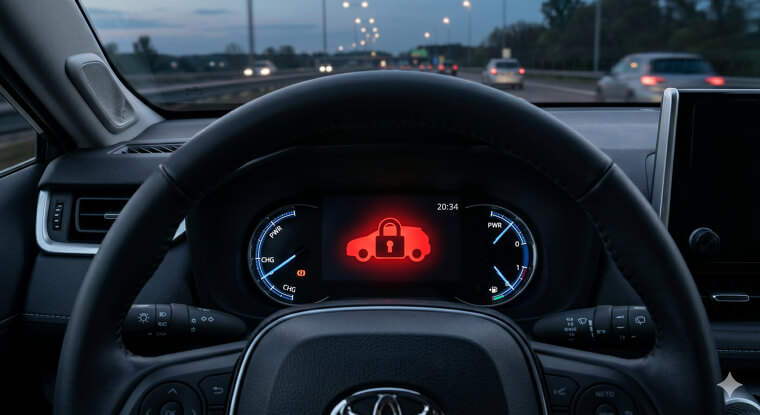
You never have to worry about this light draining your car's battery, as it requires an incredibly minuscule amount of power to flash brightly. It is a fantastic, silent guardian that constantly watches over your precious car while you sleep.
Electric Plug And Battery Means EV Charge Low
For those driving modern electric vehicles or plug-in hybrids, an icon resembling an electrical plug near a battery gauge is essentially your high-tech low fuel warning light. Just like a traditional gas-powered car warns you when the tank is almost empty, an electric vehicle kindly alerts you when your driving range is getting significantly low. When this vibrant light appears, it means your large lithium-ion battery pack is reportedly nearing depletion and requires a charging session very soon. Your navigation screen might even helpfully suggest the closest public charging stations to ensure you reach your destination without any stress.
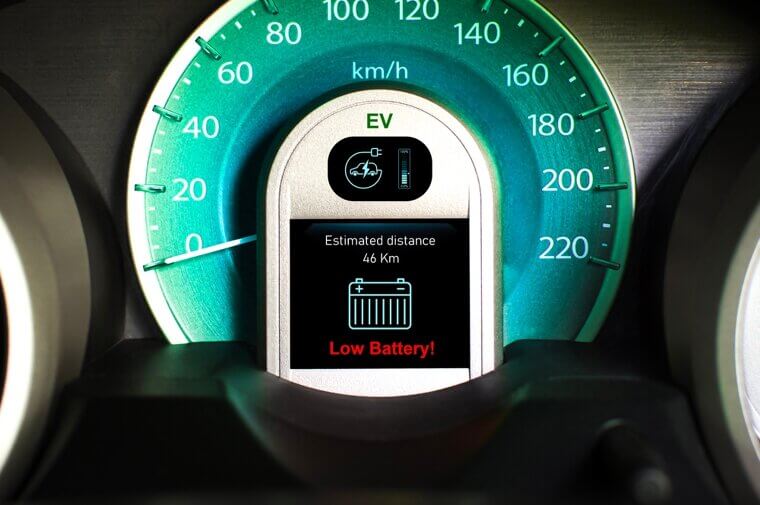
It is always a brilliant strategy to keep a close eye on your estimated range and plan your charging stops well in advance. Pulling into a fast-charging station for a quick power boost makes driving an electric vehicle an absolute breeze.
Glowing Turtle Means Reduced Engine Power Mode
While it might seem a little amusing at first, a glowing yellow turtle icon on your dashboard indicates that your vehicle has purposely entered a reduced power mode. This is essentially your car's self-preservation instinct kicking in when it detects a potentially serious mechanical or electrical fault somewhere within the complex drivetrain. To prevent you from accidentally causing further damage to the expensive engine or battery components, the computer intentionally limits how fast the car can accelerate. You will immediately notice that your vehicle feels incredibly sluggish, literally moving at the slow and steady pace of a sleepy turtle.
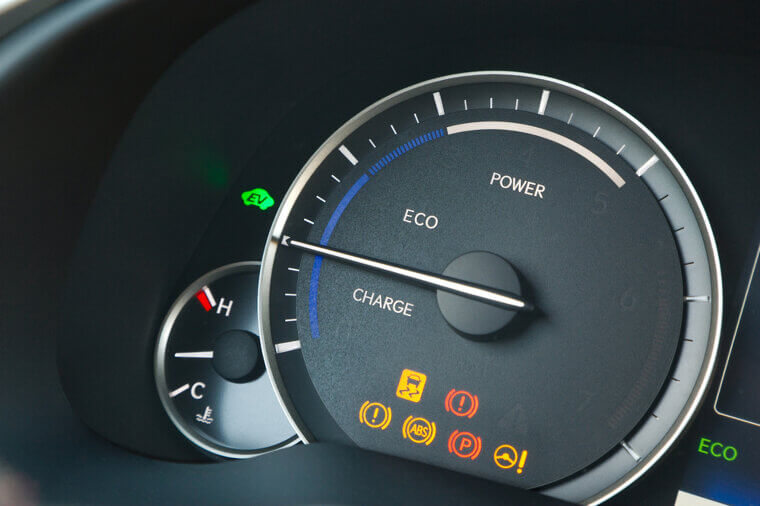
This restricted mode is specifically designed to let you safely limp your car home or to the nearest repair facility without causing a catastrophic breakdown. You should definitely have a trusted mechanic diagnose the underlying issue as soon as possible.
Wavy Lines With Up Arrows Means Rear Defrost
A rectangular icon filled with three wavy arrows pointing straight upward is the universal symbol for your vehicle's incredibly helpful rear window defroster system. On frosty winter mornings or incredibly humid summer afternoons, your rear windshield can quickly become completely obscured by thick fog, ice, or morning dew. When you push the button associated with this icon, electricity quietly flows through the tiny grid of orange wires embedded directly into the rear glass. This generates a gentle warmth that reportedly melts away the stubborn ice and quickly clears the fog, completely restoring your rearward visibility in just minutes.
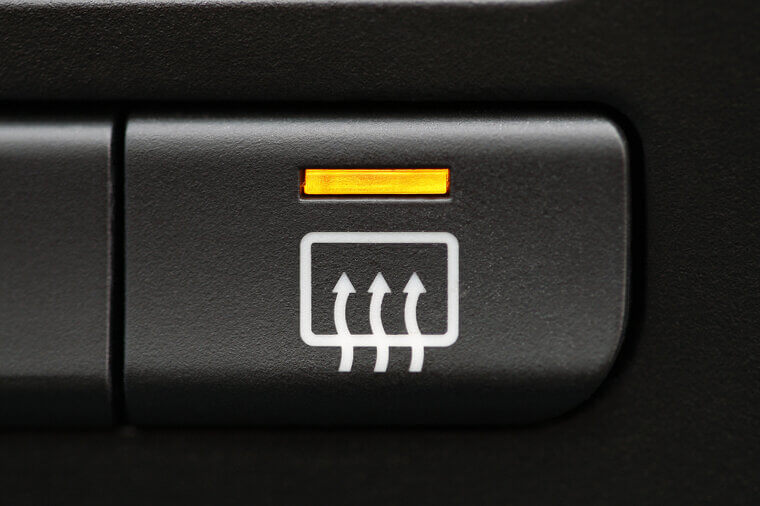
Having a clear view of the traffic behind you is absolutely essential for safely changing lanes and backing out of busy parking spaces. This wonderful feature usually turns itself off automatically after ten or fifteen minutes to prevent unnecessary battery drain.