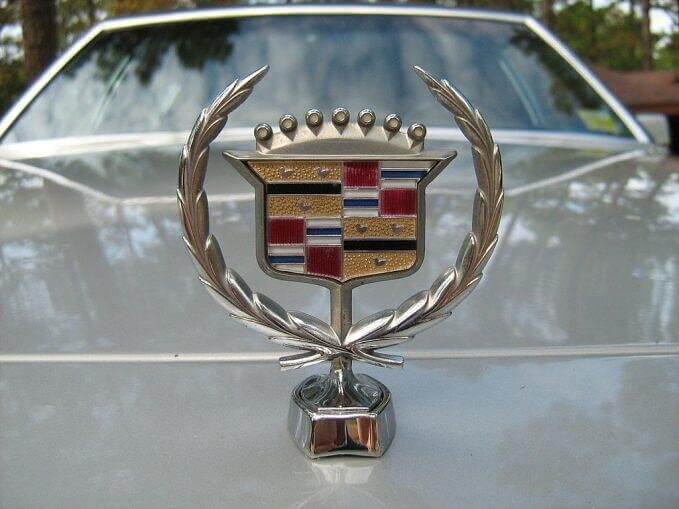
Hood Ornaments With Real Character
Cars used to have those shiny metal hood ornaments perched up front like little sculptures. They gave each car its own personality. Cadillacs had their elegant crests, Lincolns had those continental stars, and Jaguars had that leaping cat that looked ready to pounce. You could spot a Mercedes from a block away just by that three-pointed star catching the sunlight. These weren't cheap plastic badges. They were metal, chrome-plated, and built to last decades. Kids used to collect miniature versions of them. Today's cars have logos stamped into the grille or hidden under clear plastic. A good hood ornament made you feel like you were driving something with presence and style, not just another anonymous shape rolling down the highway.
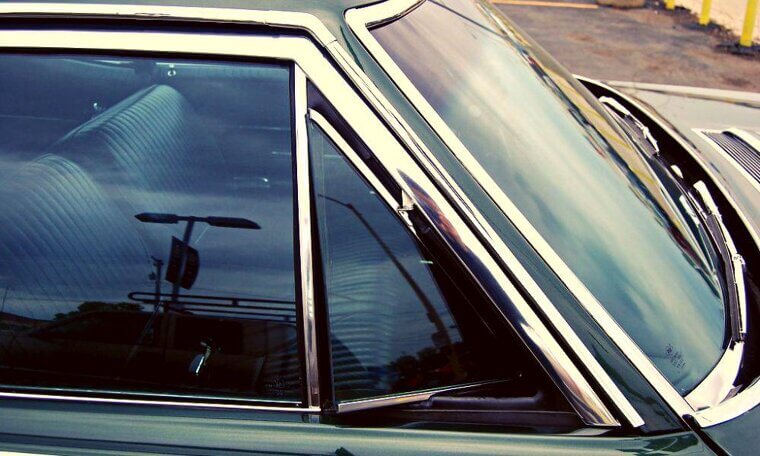
Vent Windows for Perfect Airflow
Remember those little triangular windows at the front of the door? You could crack them open just a bit and get a perfect stream of air without the hurricane effect of rolling down the main window. They were brilliant for hot days when you wanted fresh air but didn't want your hair whipped into a mess or papers flying around the cabin. You could angle them just right to direct the breeze exactly where you wanted it. They also worked great for defrosting side windows in winter without blasting the heater. Car makers ditched them in the 90s to improve aerodynamics and cut costs, but anyone who drove with vent windows knows what we lost. Modern climate control is fine, but sometimes you just want that targeted flow of outside air without turning your car into a wind tunnel.
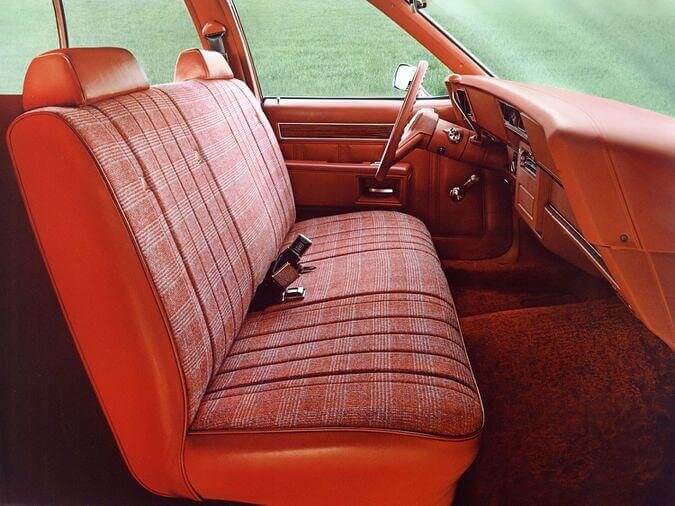
Bench Seats for Three Across
Remember when you could fit three people in the front seat of a car? Bench seats were standard in most sedans and trucks back in the 80s. You'd slide right up next to your date at the drive-in, or pile in with your buddies for a road trip without anyone getting stuck in back. Today's cars come with bucket seats and a center console that takes up half the front. Sure, you get cupholders and storage, but you lose that extra spot. Bench seats weren't just practical for carpooling—they made cars feel more like a shared space instead of individual pods. Some trucks still offer them, but they're getting harder to find. There was something about sitting shoulder to shoulder that made the ride feel different.
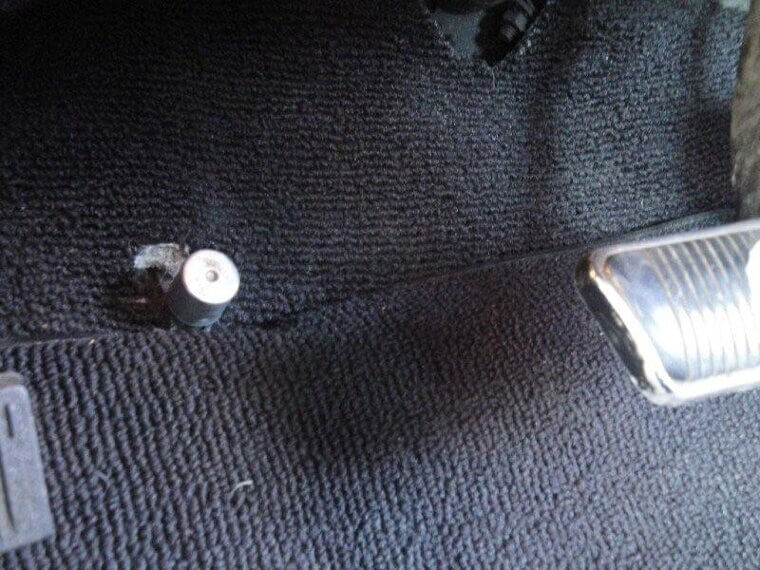
Headlight Dimmer Switch on Floor
Remember stepping on that little button on the floor to dim your high beams? It sat right there near the emergency brake, and you could flip between bright and dim with a quick tap of your left foot. Your hands never left the wheel. You didn't have to fumble around for a stalk or take your eyes off the road for even a second. It was simple, fast, and it worked. Modern cars moved the dimmer to a stalk on the steering column, which means you're reaching and looking away from what's ahead. The floor switch kept everything smooth and instinctive. You just pressed it when you saw headlights coming toward you, then tapped it again once they passed. No thinking required.
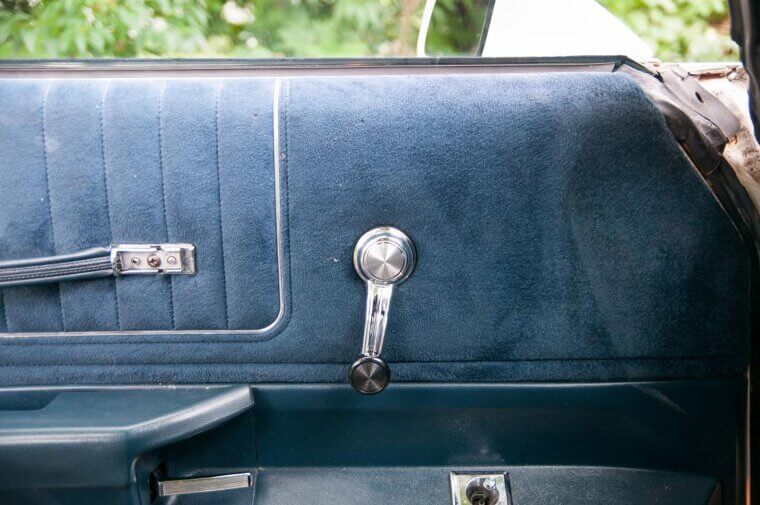
Manual Window Cranks That Never Failed
Remember rolling down your car window with that sturdy metal crank? You'd give it a few solid turns and the glass would glide down smooth as butter. Those manual window cranks were built like little pieces of machinery, with gears that meshed together perfectly. They never needed a motor, never drew power from your battery, and never left you stuck with a window halfway down in a rainstorm. If something went wrong, which was rare, you could usually fix it yourself with basic tools. Kids today press a button and hope the motor works. Back then, you had direct control. Turn the handle, window moves. Simple physics, no electronics to fail. And on a hot summer day, you could crank that window down faster than any power window could drop.
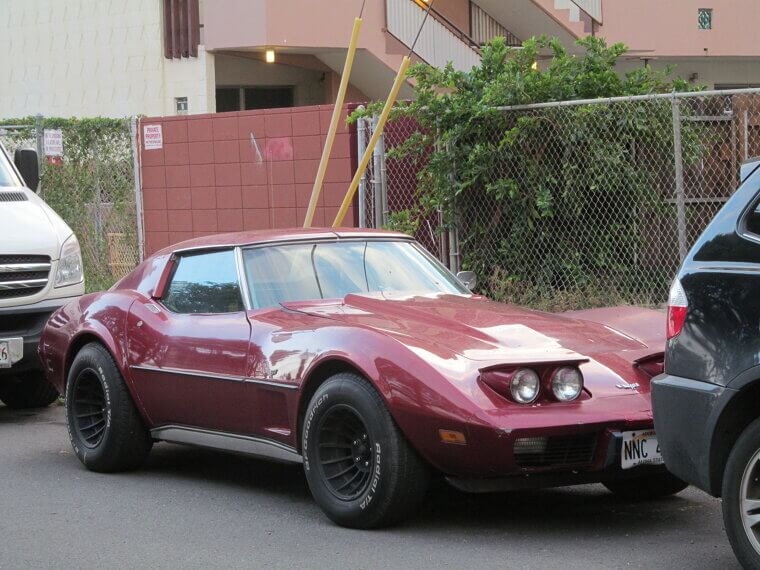
Pop-Up Headlights for Sleek Styling
You'd flip a switch and watch those headlights rise up from the hood like something out of a spy movie. Pop-up headlights weren't just functional—they were pure theater. During the day, your Corvette, Firebird, or RX-7 sat low and smooth, nothing breaking up those clean lines. Then at night, up they came, giving the car a completely different face. Modern cars can't pull off that trick anymore because of pedestrian safety rules. There was just nothing quite like the mechanical click and whir of those motors doing their job. Even parking lot conversations started because of them. They turned an ordinary feature into something you actually looked forward to using every time the sun went down.
Chrome Bumpers That Actually Protected
Remember when bumpers were actual steel beams wrapped in thick chrome? They stuck out from the car like a linebacker ready to take a hit. You could tap a shopping cart, nudge a parking barrier, or even survive a minor fender bender without cracking the whole front end. Those old bumpers weighed a ton, but they did their job. Today's bumpers are mostly plastic covers hiding foam and sensors. They look sleek and modern, sure, but one little parking lot mistake can cost you hundreds or even thousands in repairs. Back then, you might get a small dent you could live with. Now you're replacing entire assemblies because a sensor got knocked loose. There was something reassuring about that heavy chrome gleaming in the sun, knowing your car could take a punch.
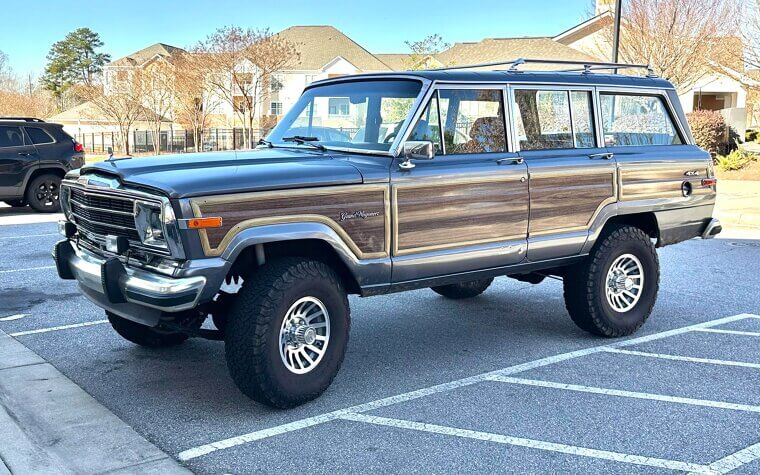
T-Tops for Open-Air Driving Freedom
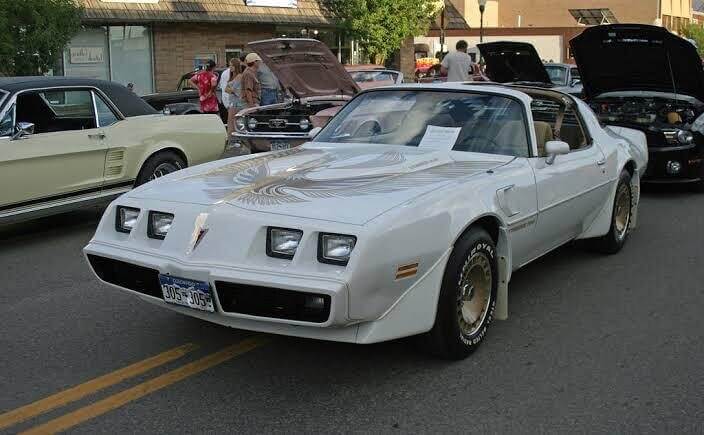
Remember pulling those two glass panels out of the roof and feeling the wind rush through your Firebird or Corvette? T-tops gave you that convertible experience without losing the structural strength of a solid roof. You could leave them in during winter, pop them out on sunny spring days, and store them in the trunk when you wanted that open-air feeling. They were practical too. No complicated motors to break down, no fabric top to tear or leak. Just lift, remove, and go. Modern cars went all-in on sunroofs and retractable hardtops, but those systems are expensive to fix when they fail. T-tops were simple, reliable, and gave you exactly the amount of open sky you wanted. Plus, they looked absolutely fantastic on muscle cars and sports coupes.
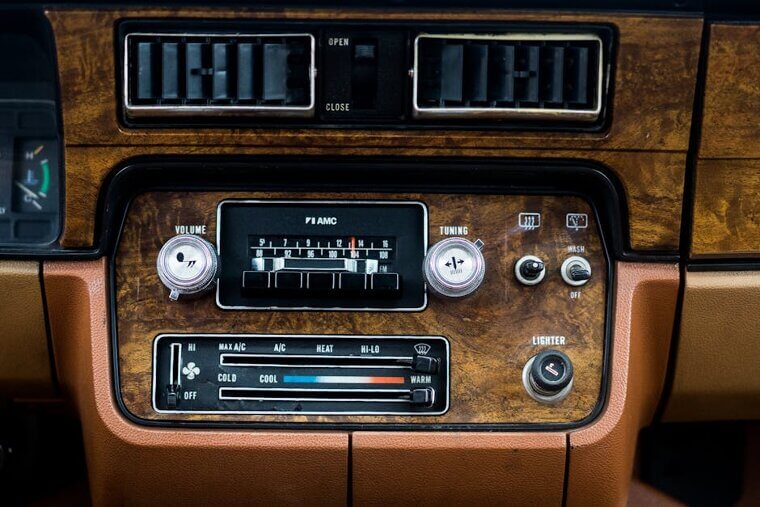
Simple Dashboard Without Touchscreens
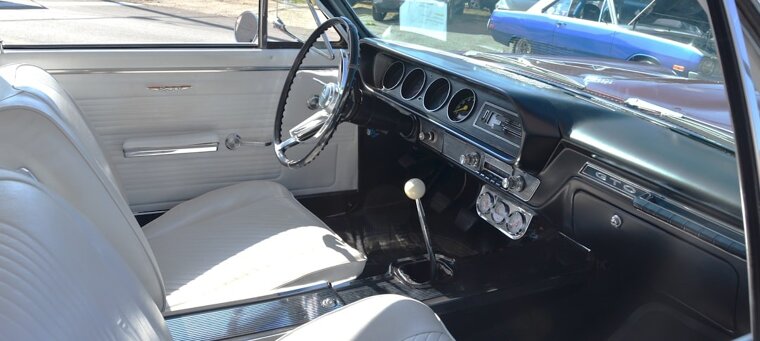
There was a time when you could adjust the heat or change the radio station without taking your eyes off the road. Those 1980s dashboards had real knobs and buttons you could feel with your fingers. You'd reach over, twist the dial, and know exactly what you were doing without looking down. Today's touchscreens force you to stare at a glossy panel, hunting through menus just to turn on the defroster. In winter with gloves on, forget about it. Those old tactile controls weren't fancy, but they worked every single time. No software updates, no frozen screens, no waiting for the system to boot up. You turned the key, everything was ready to go. There was something reassuring about a dashboard that didn't need instructions.
Cassette Players for Mix Tapes
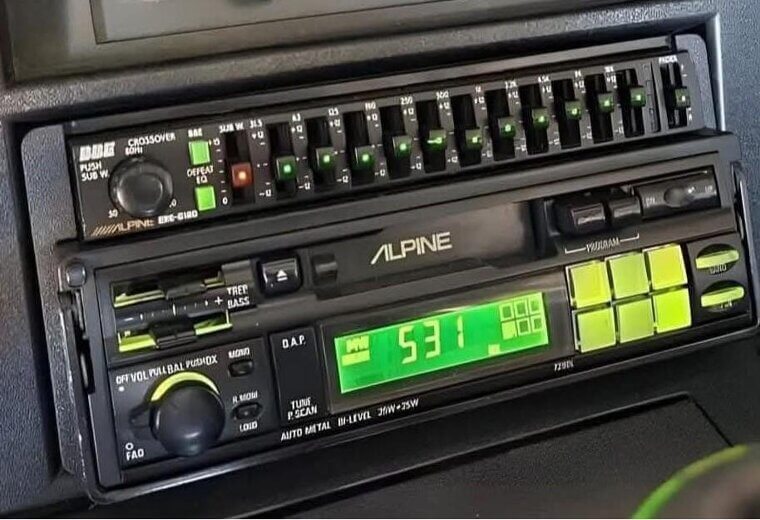
There was something magical about popping a mix tape into your car's cassette player and hearing those songs you'd spent hours recording. You'd sit by the radio, finger hovering over the record button, waiting for your favorite song to start. Then you'd label the tape with a marker, maybe draw a little design on it, and keep it in the glove box for road trips. The sound quality wasn't perfect, but that slight hiss was part of the charm. Today's streaming services give you millions of songs instantly, but they can't recreate the feeling of someone handing you a tape they made just for you. Those mix tapes were personal. They took effort. And playing them in your car while cruising down the highway felt like carrying a piece of home with you wherever you went.
Station Wagon Rear-Facing Third Seats
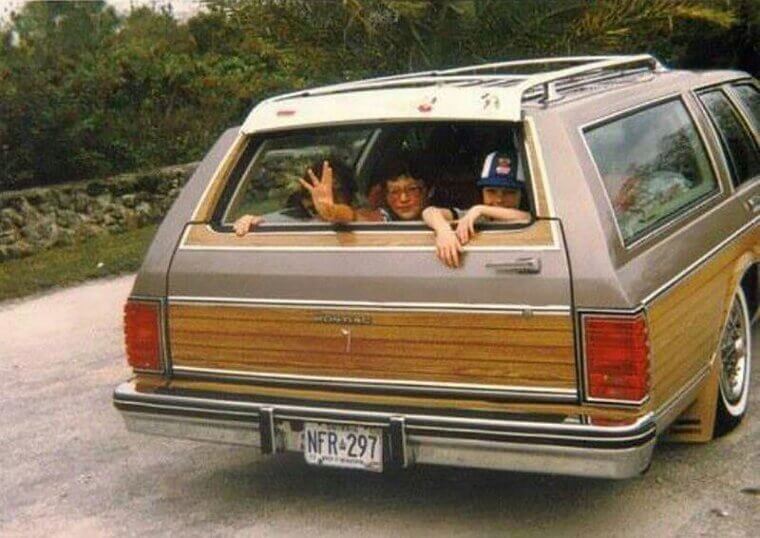
Riding backward in the very back of your family's station wagon turned every trip into an adventure. Those fold-up seats in the cargo area let you wave at drivers behind you, make faces at other kids, and watch the road disappear instead of appear. Parents loved them because they could pack in a couple extra kids without squeezing everyone into the middle row. The seats folded flat when you needed cargo space, popped up when you needed people space. Sure, they weren't the safest spot in a crash, but they made long drives way more fun. There's something about that backward view that made you feel like you were part of the scenery instead of just passing through it. Modern third rows just don't capture that same sense of adventure.
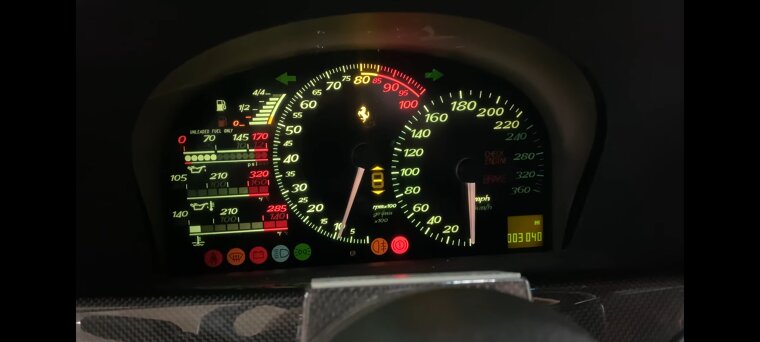
Analog Speedometers Easy to Read
Remember when you could glance down and instantly know your speed? Analog speedometers had a simple needle that pointed to a number. No guessing, no squinting at tiny digital displays. The big, clear numbers made sense at a quick look, even in bright sunlight or at night. Modern digital speedometers can be harder to read, especially when they use small fonts or fancy graphics that look cool but don't help you drive. Some newer cars have gone back to digital numbers that change color or flash when you're speeding, but that's just distracting. The old needle-and-dial setup worked because it was designed for one job: telling you how fast you're going. You didn't need to decode anything or wait for the display to refresh. Just a quick glance and you knew.
Cigarette Lighters as Power Outlets
Remember when that little round socket in your dashboard was actually useful? Before we all carried phones that needed charging, the cigarette lighter was just for lighting smokes. But once we figured out you could plug adapters into it, that 12-volt outlet became the most versatile thing in your car. You could run a portable vacuum, plug in a fan on hot days, or power a spotlight for roadside emergencies. Modern cars have USB ports now, which is fine for phones, but they can't handle anything that draws real power. That old cigarette lighter could run a small cooler to keep your drinks cold on a road trip. It was simple, reliable, and didn't need any special cables. You just pushed in the lighter, waited for the click, and you had heat or power right there.
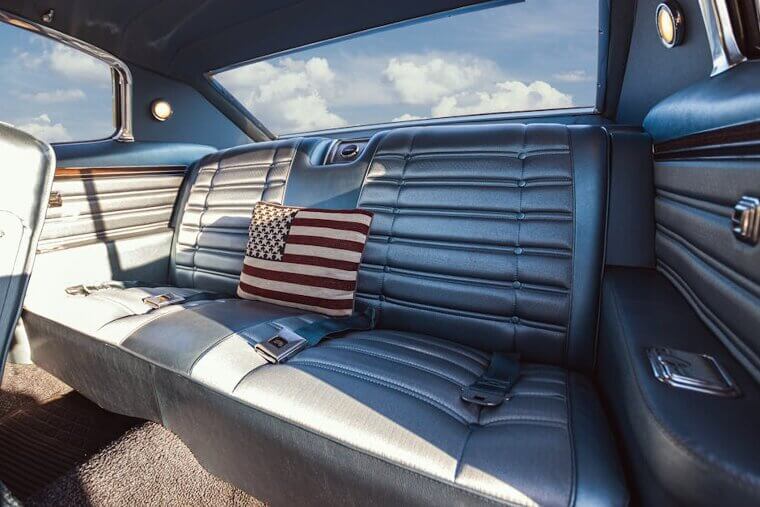
Vinyl Bench Seats Easy to Clean
Remember sliding across that vinyl bench seat in your Oldsmobile or Chevy? Those seats were practically indestructible. Spilled a milkshake or tracked in mud from the ballpark? No problem. You just wiped it down with a damp cloth and you were good to go. The smooth vinyl didn't trap dirt or stains the way today's cloth seats do. And if you had kids, you know how much easier life was without worrying about ground-in crackers or juice boxes ruining the upholstery. Modern cars push leather and fabric as premium features, but they require special cleaners and constant maintenance. Those old vinyl seats just asked for soap and water. They weren't fancy, but they made sense for real life. Sometimes the simple solution really is the best one.
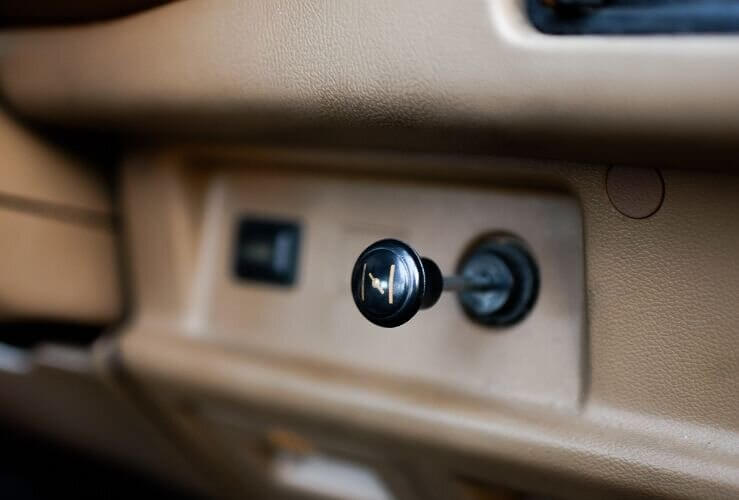
Manual Choke for Cold Starts
Starting your car on a freezing morning used to be a hands-on ritual. You'd pull out the choke knob on the dashboard, pump the gas pedal a couple times, and turn the key. The engine would cough and sputter before settling into a rough idle. As it warmed up, you'd gradually push the choke back in, listening to the engine smooth out. It gave you real control over the starting process and taught you how your car actually worked. Modern fuel injection handles all this automatically, which is convenient, but it also means you never really feel connected to what's happening under the hood. There was something satisfying about coaxing a cold engine to life with your own judgment and timing. You knew your car's personality and exactly what it needed on a January morning.
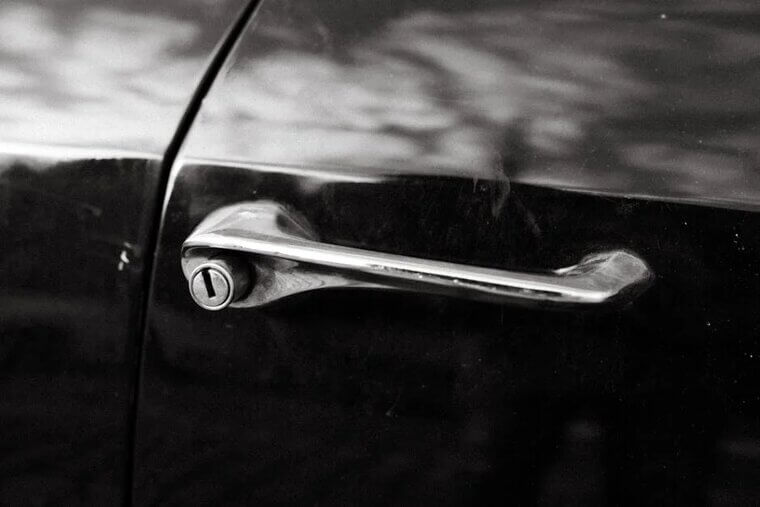
Simple Mechanical Door Locks
Locking your car meant actually pushing down a button or turning a key. Those mechanical door locks were straightforward. You could see whether the door was locked just by glancing at the button. No flashing lights, no beeping sounds, no wondering if the signal went through. If your battery died, you could still lock and unlock every door with the key. They never needed reprogramming or software updates. Modern keyless systems are convenient until you're standing in a parking lot with a dead fob, trying to figure out why your car won't recognize the key in your pocket. The old locks just worked. You turned the key, the door opened. Simple as that. No tech support required.