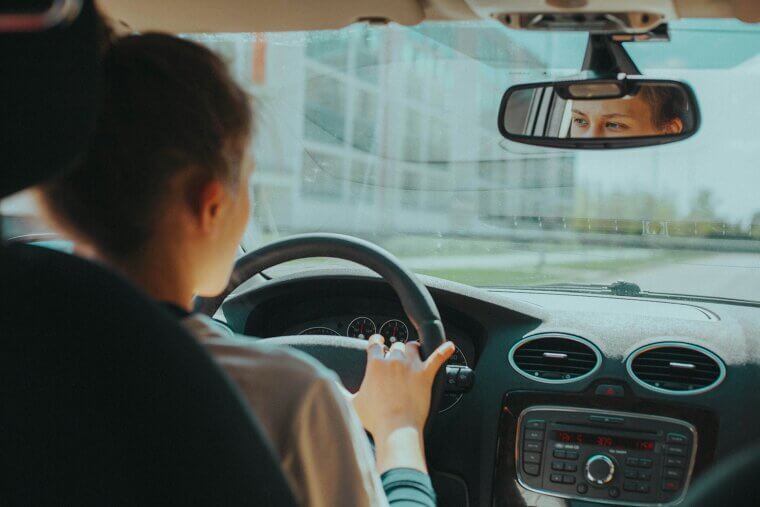
Not Wearing a Seat Belt
There was a time when seat belts were optional or only required for front seats. Plenty of people drove for years without buckling up and never thought twice about it. Today, seat belt laws are strict and apply to almost everyone in the vehicle. In many states, a police officer can stop and cite you for not wearing a seatbelt.

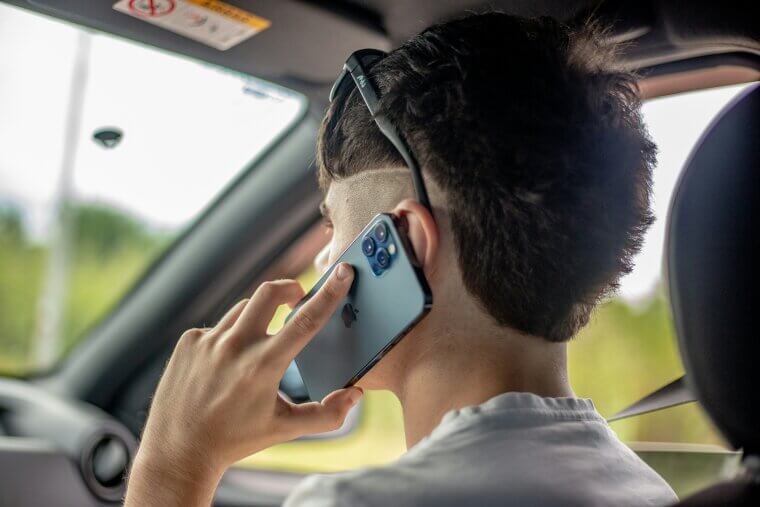
Holding a Phone While Driving
It used to be quite acceptable to drive with a phone in your hand. They were much simpler at that time and had fewer distractions. However, the times are different now.
Most states have enacted laws making it illegal to use a handheld phone while driving. Even making a brief phone call could lead to a citation. Hands-free technology is generally required. As phones became more distracting with texts, apps, and notifications, using them while driving became more dangerous.
Most states have enacted laws making it illegal to use a handheld phone while driving. Even making a brief phone call could lead to a citation. Hands-free technology is generally required. As phones became more distracting with texts, apps, and notifications, using them while driving became more dangerous.
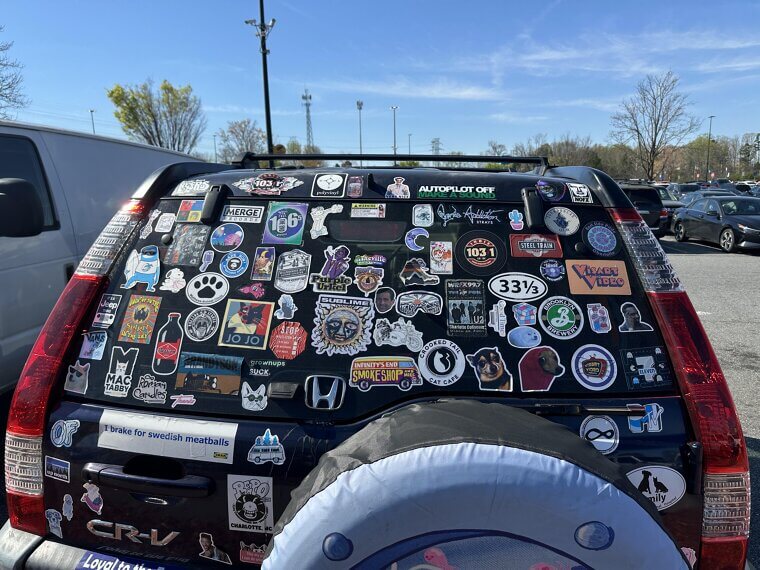
Driving With Objects Blocking the Rear Window
Many people drove with objects obstructing their rear windows. Boxes, furniture, and gear were stacked up to the ceiling, and no one cared. As long as the car was moving, people didn’t worry much about visibility.
However, in today's world, obstructing your rear view can get you pulled over. Although the side-view mirrors provide some help, there are limits to what a person can see when looking out a side mirror. Police consider blocked visibility a safety hazard. With denser traffic and faster speeds, being able to see behind you is critical. Convenience no longer outweighs visibility.
However, in today's world, obstructing your rear view can get you pulled over. Although the side-view mirrors provide some help, there are limits to what a person can see when looking out a side mirror. Police consider blocked visibility a safety hazard. With denser traffic and faster speeds, being able to see behind you is critical. Convenience no longer outweighs visibility.
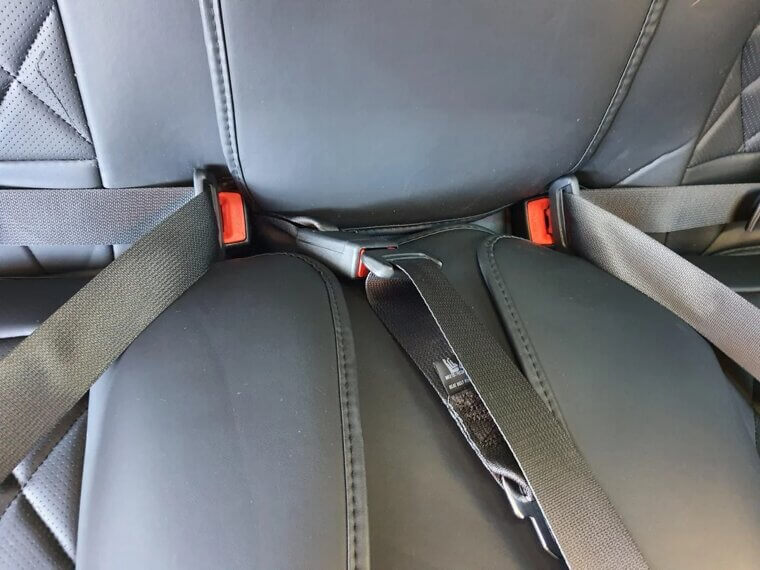
Riding in the Back Without a Seat Belt
For a long time, backseat passengers weren’t required to wear seat belts. Kids and adults alike piled in without restraints, especially on short trips.
Now, most states require seat belts for everyone in the car. Back seat passengers can be ticketed, and drivers can be held responsible. Studies showed unbelted rear passengers were dangerous not just to themselves, but to people in front of them. The law caught up with the science, even if the habit lingered.
Now, most states require seat belts for everyone in the car. Back seat passengers can be ticketed, and drivers can be held responsible. Studies showed unbelted rear passengers were dangerous not just to themselves, but to people in front of them. The law caught up with the science, even if the habit lingered.
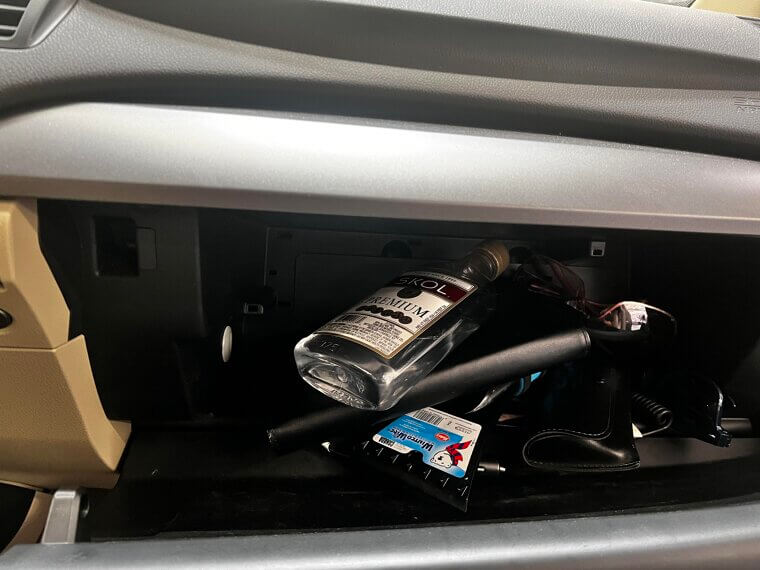
Drinking an Open Alcohol Container as a Passenger
There was a time when many states permitted passengers to drink alcohol while in a moving vehicle. It was all good as long as the person driving wasn’t drinking.
Open container laws changed that. Today, most states consider it illegal to have an open container of alcoholic beverages anywhere in a vehicle. This law was made to discourage drinking around drivers and reduce impaired driving overall. What once felt normal on road trips is now a guaranteed ticket.
Open container laws changed that. Today, most states consider it illegal to have an open container of alcoholic beverages anywhere in a vehicle. This law was made to discourage drinking around drivers and reduce impaired driving overall. What once felt normal on road trips is now a guaranteed ticket.
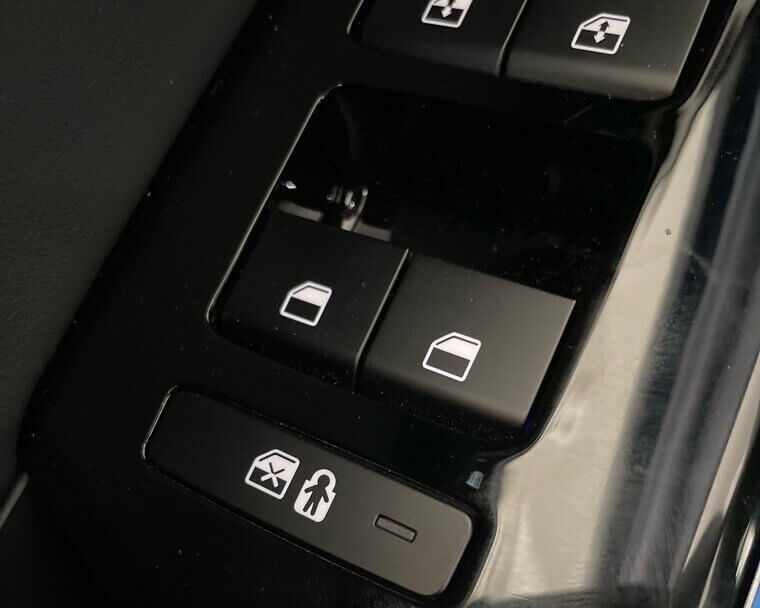
Driving Without Child Locking Rear Doors
Years ago, kids opening doors while the car was moving was treated as a parenting problem, not a legal one. Cars didn’t even have child locks. Now, if a child opens a door and creates a hazard, the driver can be held responsible.
Modern laws expect drivers to use built-in safety features, especially when kids are involved. Leaving doors unlocked with children inside can lead to fines or liability after an incident. What used to be shrugged off as “kids being kids” is now considered a preventable risk.
Modern laws expect drivers to use built-in safety features, especially when kids are involved. Leaving doors unlocked with children inside can lead to fines or liability after an incident. What used to be shrugged off as “kids being kids” is now considered a preventable risk.
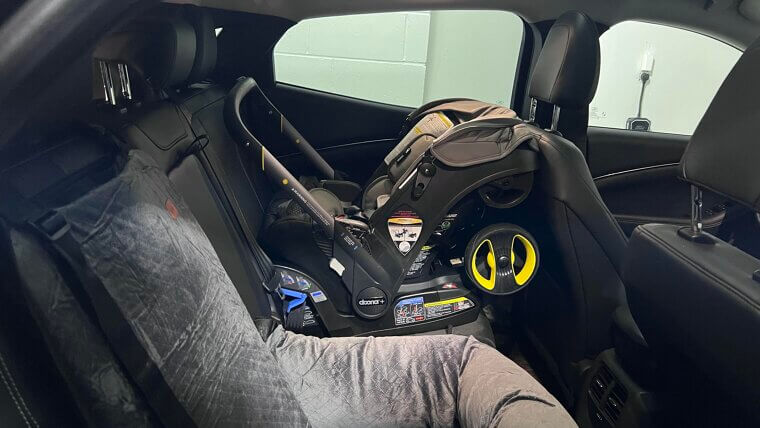
Letting Kids Ride Without Car Seats
There was a time when kids just sat wherever they fit. Maybe in the front seat, maybe standing, maybe bouncing around in the back. Car seats either didn’t exist or weren’t required.
Now, child restraint laws are very specific. Age, height, and weight all matter. Fines are steep, and enforcement is strict. This change came from hard data showing how vulnerable kids are in crashes. What felt normal then would get you pulled over immediately today.
Now, child restraint laws are very specific. Age, height, and weight all matter. Fines are steep, and enforcement is strict. This change came from hard data showing how vulnerable kids are in crashes. What felt normal then would get you pulled over immediately today.
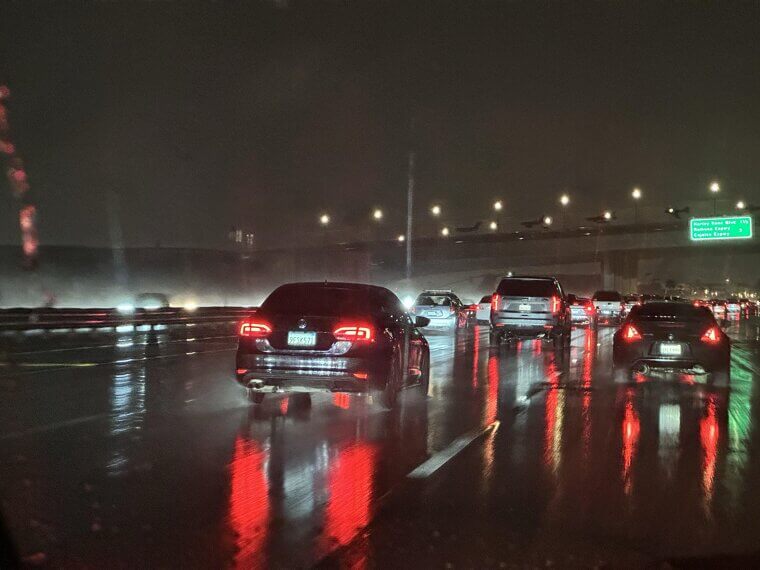
Driving Without Headlights at Dusk or in Rain
Decades ago, headlights were primarily used for seeing the road. People rarely turned them on to be seen. Drivers often waited for it to be completely dark before turning their headlights on, and rain or fog didn’t always trigger the habit.
Modern laws require that headlights be on at any time visibility drops, including during rain, snow, or dusk. In some states, headlights are tied to the use of windshield wipers. Driving without headlights when you should be is now a ticketable offense. The rule changed with the continued increase in the number of vehicles on the road and the increasing need for visibility to ensure roadway safety.
Modern laws require that headlights be on at any time visibility drops, including during rain, snow, or dusk. In some states, headlights are tied to the use of windshield wipers. Driving without headlights when you should be is now a ticketable offense. The rule changed with the continued increase in the number of vehicles on the road and the increasing need for visibility to ensure roadway safety.
Parking Facing the Wrong Direction
In many neighborhoods, it was quite common to see people park in the opposite direction of traffic flow. People parked wherever it was convenient without thinking much about direction, especially on streets that were quiet.
Parking laws are stricter than they were 30 years ago. You can be ticketed for parking facing opposite the flow of traffic, even on residential streets. Parking with your back to traffic affects a driver's ability to see oncoming traffic when pulling out and disrupts the normal flow of traffic. With more cars and tighter streets, it's essential that drivers can reasonably predict what other drivers are going to do. What once felt like no big deal is now considered a safety and traffic issue.
Parking laws are stricter than they were 30 years ago. You can be ticketed for parking facing opposite the flow of traffic, even on residential streets. Parking with your back to traffic affects a driver's ability to see oncoming traffic when pulling out and disrupts the normal flow of traffic. With more cars and tighter streets, it's essential that drivers can reasonably predict what other drivers are going to do. What once felt like no big deal is now considered a safety and traffic issue.
Letting Passengers Ride in the Back of Pickup Trucks
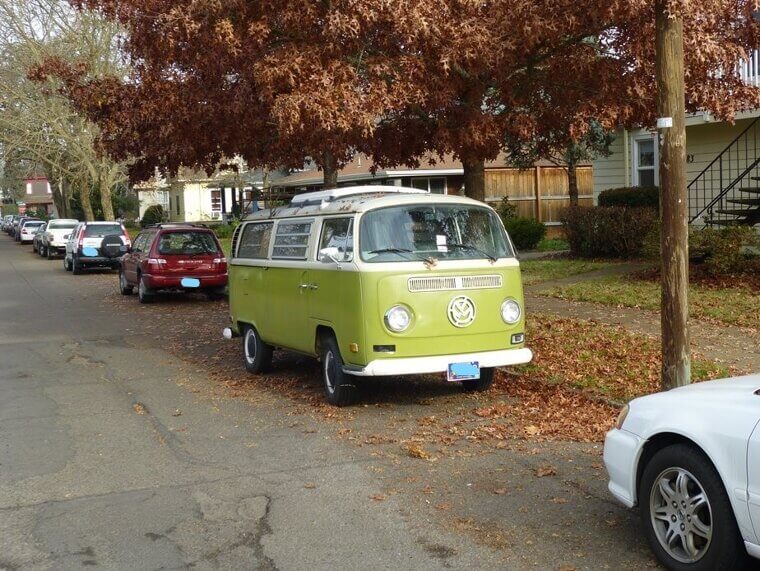
This was incredibly common, especially in rural areas. Kids and adults alike rode in truck beds for short trips without concern.
Now, it’s illegal in many states and restricted in others. Open truck beds offer zero protection in crashes. Laws tightened as awareness grew. What felt like freedom and convenience is now treated as an unnecessary risk. One bump or sudden stop can turn dangerous fast.
Now, it’s illegal in many states and restricted in others. Open truck beds offer zero protection in crashes. Laws tightened as awareness grew. What felt like freedom and convenience is now treated as an unnecessary risk. One bump or sudden stop can turn dangerous fast.

Driving Without Insurance Proof in the Car
There was a time when insurance paperwork wasn’t a big deal. If you were insured, that was enough. Many drivers didn’t bother keeping proof in the car and rarely got questioned about it.
Now, you’re required to show proof immediately, either on paper or digitally. Not having it can lead to tickets, fines, or even having your car towed in some places. It doesn’t matter if you are actually insured. If you can’t prove it on the spot, you’re considered noncompliant.
Now, you’re required to show proof immediately, either on paper or digitally. Not having it can lead to tickets, fines, or even having your car towed in some places. It doesn’t matter if you are actually insured. If you can’t prove it on the spot, you’re considered noncompliant.

Making a U-Turn Almost Anywhere
U-turns used to be pretty casual. If the road looked clear, you turned around. Unless there was a sign saying no, most people assumed it was fine.
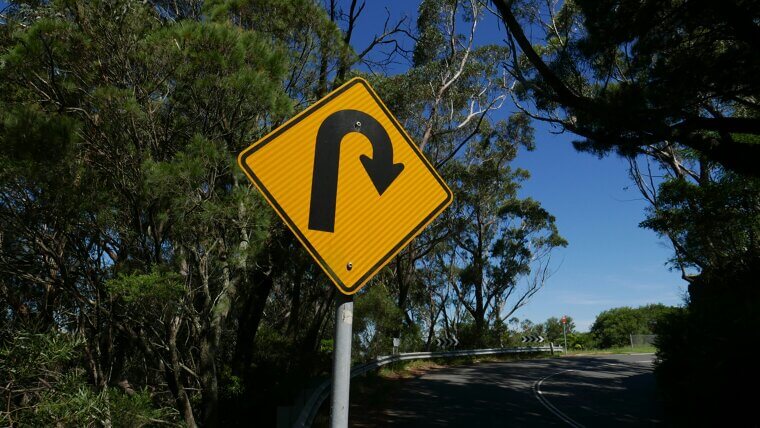
Today, U-turn rules are much tighter. Many intersections ban them entirely, even without obvious signage. Busy roads, traffic flow patterns, and safety studies changed how cities handle turns. Making an illegal U-turn now is an easy way to get pulled over. What once felt efficient is now often considered disruptive and dangerous.
Today, U-turn rules are much tighter. Many intersections ban them entirely, even without obvious signage. Busy roads, traffic flow patterns, and safety studies changed how cities handle turns. Making an illegal U-turn now is an easy way to get pulled over. What once felt efficient is now often considered disruptive and dangerous.
Driving With Burned-Out Brake Lights
If you had a burned-out brake light many years ago, it’d probably go unnoticed for weeks. Unless it was pointed out by a police officer, most drivers often didn’t know it was a problem.
There are now stringent laws in place regarding these lights. All brake lights, tail lights, and turn signals must function properly to be in compliance with the law. Having just one dead bulb is enough to warrant a traffic stop. Due to the speed of today's traffic and how closely packed vehicles are on the road, being able to see a vehicle’s lights is increasingly important. Keeping lights working is no longer optional maintenance. It’s a legal requirement.
There are now stringent laws in place regarding these lights. All brake lights, tail lights, and turn signals must function properly to be in compliance with the law. Having just one dead bulb is enough to warrant a traffic stop. Due to the speed of today's traffic and how closely packed vehicles are on the road, being able to see a vehicle’s lights is increasingly important. Keeping lights working is no longer optional maintenance. It’s a legal requirement.

Letting Kids Ride in the Front Seat
Children have always looked at front-seat rides as a privilege. If you got to ride in the front seat, it meant you were grown up enough. However, thanks to airbags, things have changed.
Airbags are extremely powerful and pose a significant danger to small children if they are riding in the front seat. Due to this danger, most states have passed laws that restrict children from riding in the front seat. Their ages, heights, and weights are factors that are considered. Laws have evolved to reflect how cars actually behave in crashes, not just how people feel sitting in them.
Airbags are extremely powerful and pose a significant danger to small children if they are riding in the front seat. Due to this danger, most states have passed laws that restrict children from riding in the front seat. Their ages, heights, and weights are factors that are considered. Laws have evolved to reflect how cars actually behave in crashes, not just how people feel sitting in them.

Honking for Anything Other Than Safety
Honking has traditionally been a way to greet people, ask someone to hurry up, or just express discontent. Short honks have long been part of a driver's means of communicating their feelings.
In recent years, many places have restricted horn use to safety warnings only. Technically, using a horn out of impatience can earn you a ticket. The roads have more noise, more traffic, and stress, and honking in non-threatening circumstances is considered a nuisance.
In recent years, many places have restricted horn use to safety warnings only. Technically, using a horn out of impatience can earn you a ticket. The roads have more noise, more traffic, and stress, and honking in non-threatening circumstances is considered a nuisance.