
These Car Manufacturers Are About to Shut Their Doors Due to Bankruptcy
While you may think that most car manufacturers are rolling in cash, many of them are actually struggling behind closed doors. Even some of the most well-known and iconic brands are dealing with severe financial struggles. Let’s take a closer look at car manufacturers about to go bankrupt. The automotive landscape is shifting faster than ever, driven by the massive and expensive transition to electric vehicles. Forcing companies to invest billions into new technology while maintaining traditional production lines has pushed several brands to their financial limits.
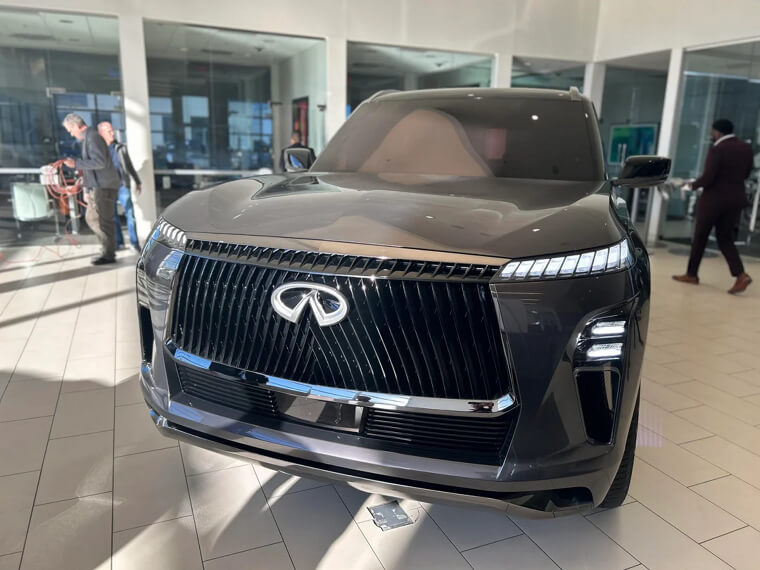
When you add persistent supply chain disruptions, rising material costs, and changing consumer demands into the mix, it becomes clear why some legacy names and overhyped startups are suddenly facing an existential crisis. Staying afloat in today's cutthroat market requires more than just history; it takes immense capital.
Jaguar
Over the years, Jaguar has been on a steady downward spiral in terms of its financial situation. It is only a matter of time until their reserves run dry. As of 2025, the company announced that it would only be making EVs in an attempt to boost its profits. This radical pivot led them to phase out traditional gas models, creating an inventory vacuum that caused a sharp drop in global sales. Their parent company is pouring billions into a complete clean-sheet reboot of the iconic brand. The high-stakes strategy involves launching ultra-luxury electric vehicles designed to compete with the highest tier of premium automakers.
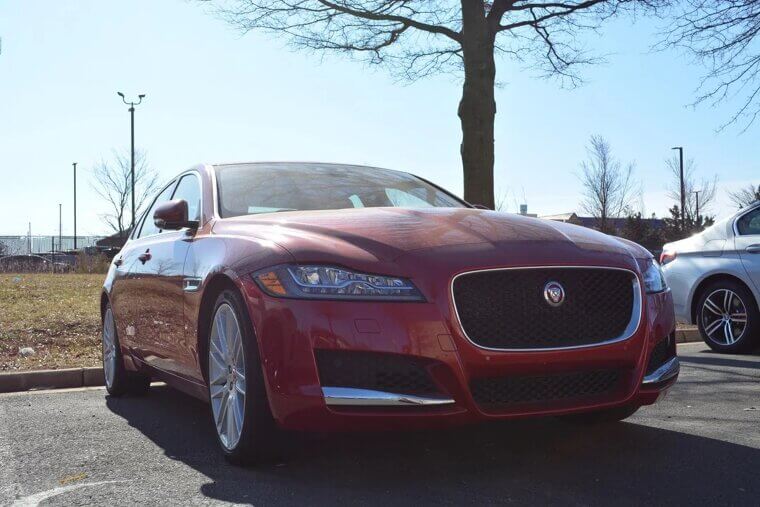
Dealers are left waiting through this dry spell for the new lineup to arrive. It is an all-or-nothing gamble that will either successfully save the legendary nameplate or break its bank.
Mazda
The Japanese market is likely to experience a rapid decrease in sales, and many experts believe that Mazda will be the first to go. In 2020, the company needed a $4.2 billion bailout just to prevent bankruptcy, but they have yet to release a successful model since. While they have tried to reinvent themselves by moving upmarket into premium crossover territory, this shift alienated some of their core, budget-conscious buyers. Heavy investments in fresh hybrid platforms and a slower transition to fully electric vehicles have heavily pressured their margins.
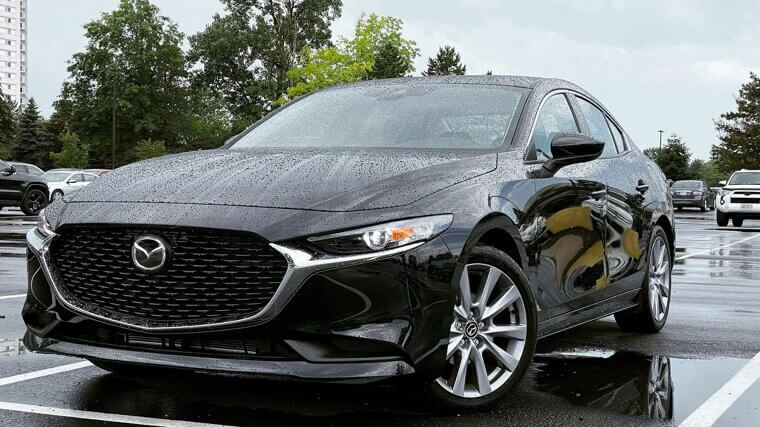
Competing against monolithic rivals with significantly deeper pockets makes it an uphill battle for an independent automaker of this size. It remains to be seen if their latest joint ventures can generate enough sustained cash flow to secure their long-term position in the global market.
Chrysler
In 2009, Chrysler initially filed for bankruptcy, and since then, they have been trying desperately to stay relevant. They only have 2 cars under production - a sedan and a minivan. However, neither model is particularly popular, exacerbating their financial struggles further. Their parent company, Stellantis, is giving its historic divisions a limited window to prove their long-term profitability. To turn things around, management is banking heavily on a total electric reinvention scheduled to roll out over the next few years. They plan to introduce an entirely new lineup of battery-powered crossovers designed to capture modern consumer interest.
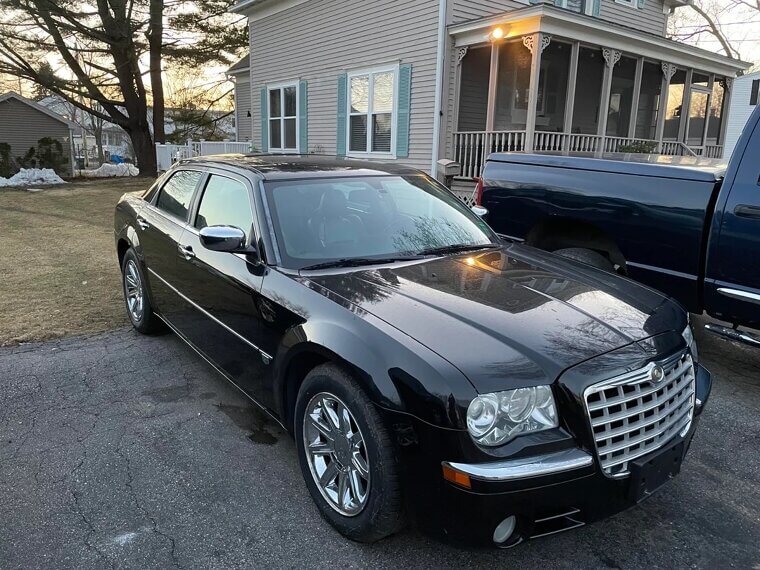
However, navigating this massive transition with a highly restricted current portfolio leaves the brand in a very vulnerable position. If these upcoming models fail to strike a chord, the parent company may choose to phase out the legendary nameplate entirely.
Cadillac
While Cadillac was once the epitome of American luxury, it has since fallen from grace. In fact, the company only narrowly missed filing for bankruptcy in 2009. Since then, they have tried to reignite their relevance, but with no success. They are currently manufacturing EVs in an attempt to rebrand. This aggressive shift toward total electrification, spearheaded by premium models like the Lyriq, represents a multi-billion-dollar gamble for their parent company, General Motors. They are pouring vast resources into advanced battery tech and fresh vehicle architectures to slowly phase out combustion engines.
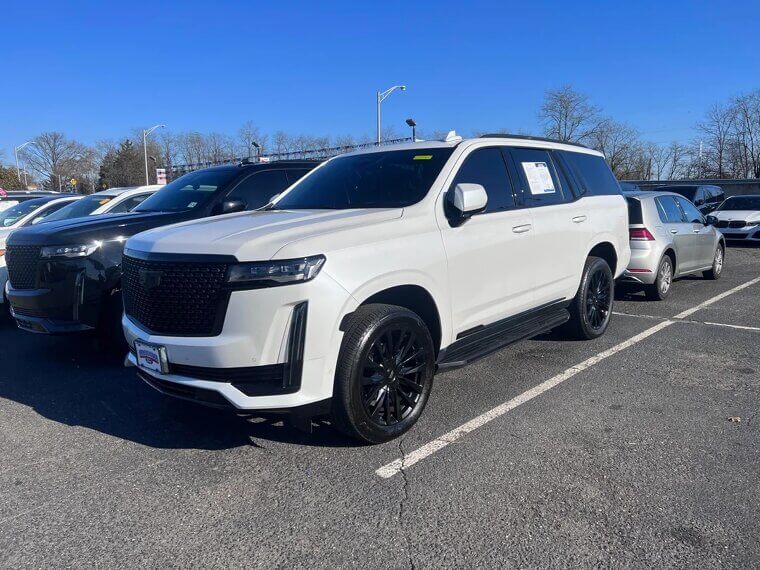
While these new luxury offerings generate decent media buzz, overall consumer adoption across the industry has been slower than anticipated. Dealers are finding it tough to move these high-priced electric options off showrooms quickly, leaving Cadillac's long-term financial future hanging in a delicate balance.
McLaren
Even though McLaren is known for creating luxurious supercars, the company has actually been under major financial strain. This mostly comes down to the fact that they only cater to the significantly wealthy - a relatively small target audience. Developing hypercars requires monumental research budgets, and low-volume sales make it incredibly difficult to recoup those massive upfront costs. Delays in launching key models, like their hybrid Artura, heavily impacted liquidity and triggered severe cash-flow issues. Over recent years, the British brand has had to rely on multiple financial lifelines and deep restructurings to keep operating.
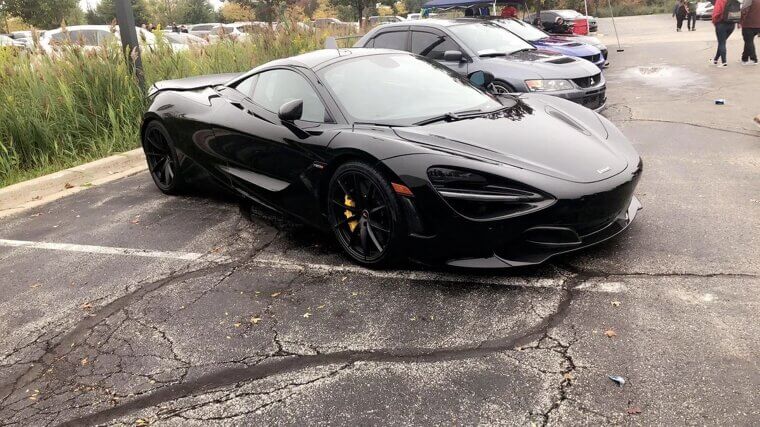
While sovereign wealth funds from Bahrain and Abu Dhabi stepped in with crucial capital injections and ownership buyouts, the automotive division continues to walk a thin financial tightrope as it tries to balance high-end engineering with sustainable commercial viability.
Mitsubishi Motors
While you may still see new Mitsubishi models on the road, its manufacturer, Mitsubishi Motors, is likely to crumble in the coming years. In fact, its best-selling model, the Outlander, only sold 33,000 models last year, leading to a massive financial loss. Discontinuing the highly affordable Mirage left the automaker without an entry-level vehicle to attract budget-conscious buyers. This move noticeably hurt their overall sales volume, especially while trying to compete against brands with much larger portfolios. Compounding the issue is an aging lineup and a shrinking dealer network, as multiple franchises have recently closed their doors due to low profitability.
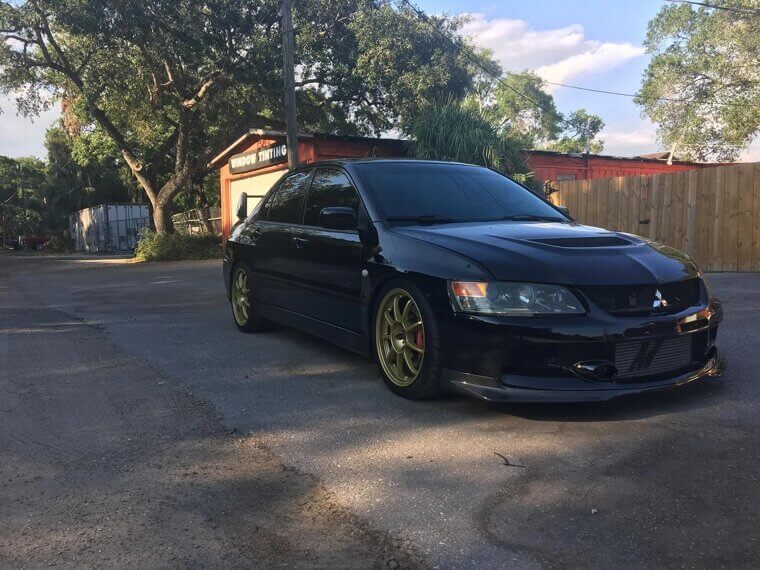
While the brand is trying to execute a fresh recovery strategy by rolling out updated hybrid options and upcoming electric models, catching up to the rest of the industry remains a massive uphill battle.
Volvo
EVs seem to be the future. However, Volvo is showing signs of struggling to keep up with this reality, as it recently cut off funding for Polestar, an EV-only brand. Their sales numbers are also low, with their top-selling car being a gasoline model. This strategic corporate shift allowed Volvo to protect its balance sheet while handing financial responsibility over to their parent company, Geely. Like many legacy manufacturers, they are finding that the global electric transition is far more capital-intensive and slower than expected.
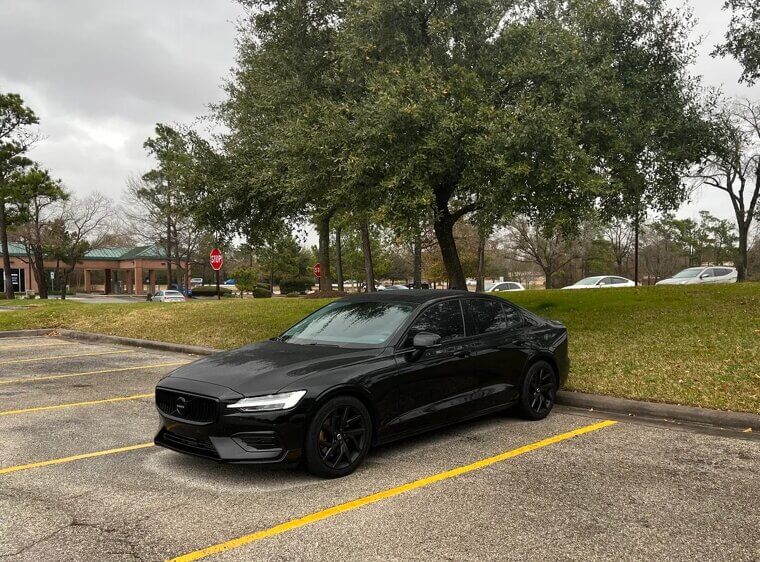
Facing intense pressure from international tariffs and cooling consumer demand, the brand even adjusted its ambitious goal of going fully electric by the end of the decade. They are now leaning back into their profitable plug-in hybrid options to stay competitive and secure stable cash flows in a highly volatile market.
Polestar
Polestar is a Swedish car company that is barely hanging on by a thread. In 2024, Volvo cut funding to the brand, which only made their financial situation that much worse. They have raised nearly $1 billion in debt financing. To secure its future, the brand turned to parent company Geely for deeper operational backing and fresh capital. They are navigating a tough global market heavily impacted by cooling EV demand and international tariffs on imported cars. To build momentum, management is rolling out an aggressive product offensive, launching new premium models like the Polestar 4 and 5.
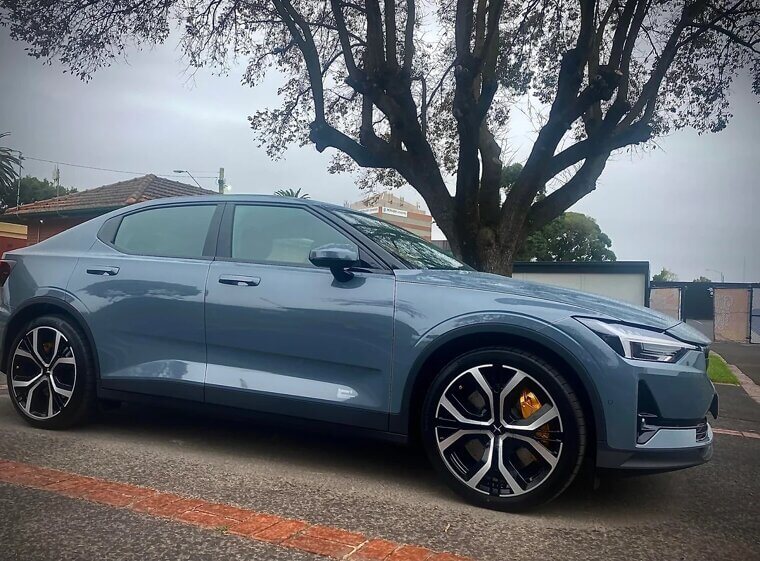
Shifting some manufacturing out of China to South Carolina should also help them bypass trade barriers. It is a high-stakes race to turn these investments into sustainable retail sales before their financial runway runs out.
Buick
Buick is likely nearing the end of its life, as its sales numbers have consistently declined over the past couple of years. They currently have only a handful of models available and plan to transition to a completely electric lineup in the near future—a shift that many are not yet prepared for. The brand completely abandoned traditional sedans in North America, betting entirely on a small lineup of premium crossovers. While this SUV portfolio captured some consumer interest, overall volume remains low in its domestic market. Compounding these struggles is a dramatic sales slowdown in China, a region that historically served as Buick's financial backbone and saved it during past corporate restructurings.
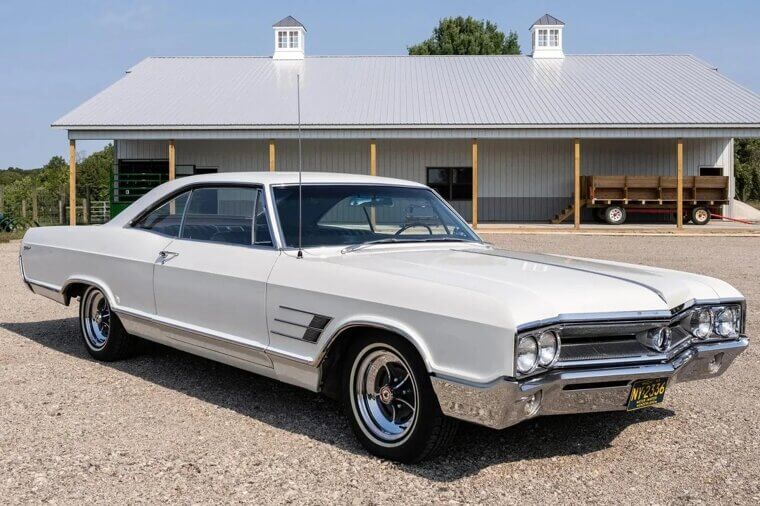
Facing intense competition from local EV startups overseas, the brand's primary profit engine is cooling off rapidly, leaving its future under General Motors looking highly uncertain.
Lucid
Lucid is likely to file for bankruptcy in the next few years. This EV company hasn’t quite made a lasting impact on the industry, especially when compared to giants such as Tesla. Of the 8500 vehicles produced by Lucid last year, only 6000 were actually sold. To stay afloat, the luxury automaker relies heavily on continuous multi-billion-dollar investments from Saudi Arabia's Public Investment Fund, which holds a majority stake. This sovereign backing provides a vital safety net that most other independent EV startups lack. However, producing low-volume, high-priced luxury vehicles has resulted in a staggering cash-burn rate for every single car delivered.
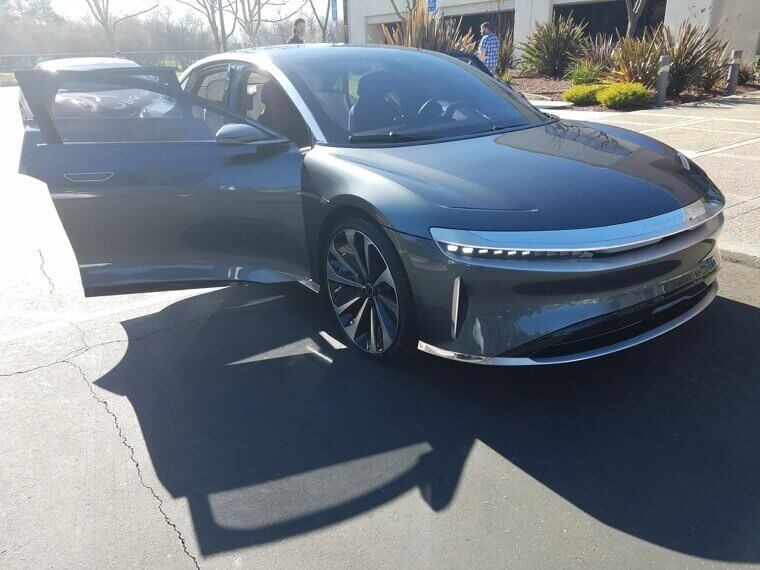
While management is pinning its long-term survival on the launch of their new Gravity SUV to capture a broader audience, the company must significantly accelerate its customer deliveries to achieve sustainable corporate stability.
Lotus
Lotus is currently navigating murky waters, as they are likely to experience major financial cuts in the next few years. The company has been steadily declining financially, and with no new models hitting the market, its situation isn’t expected to improve. The iconic British brand has been hit hard by changing global policies, including massive international import tariffs that drastically affect their profit margins on both Chinese-built electric vehicles and UK-assembled sports cars. In response to widening losses, the automaker recently enacted deep workforce restructurings and unveiled its fresh Focus 2030 strategy.

This updated business model marks a major pivot away from an all-electric lineup, adding super-hybrid powertrains to better match cooling global demand. Relying on deep corporate synergies with its parent company, Geely, is now the brand's primary path toward stabilizing its balance sheet.
Canoo
Canoo is known for its futuristic designs and EVs. However, they are facing some problems, mainly due to bad management within the company. While many think that Canoo will be revived, others believe that filing for bankruptcy is more likely. Ultimately, those pessimistic outlooks proved entirely accurate when the electric vehicle startup officially filed for Chapter 7 bankruptcy in January 2025. Despite securing high-profile vehicle partnerships with prominent organizations like NASA, Walmart, and the United States Postal Service, the startup simply couldn't secure the sustainable capital needed to scale production. Their inability to obtain critical loans from the Department of Energy ultimately sealed their fate, leading to an immediate shutdown of all operations.

Today, the once-promising brand is completely defunct, with a court-appointed trustee liquidating its unique manufacturing machinery and intellectual property to pay off outstanding creditors.
Toyota
This one may come as a bit of a surprise, but Toyota has actually been struggling financially in recent years. This comes as a result of a struggling automotive industry in the US. Massive international trade tariffs have completely erased their usually reliable profits in North America, turning their largest regional market into a loss-making sector for the first time in sixteen years. In addition to these trade pressures, skyrocketing research and development costs for electric platforms and record-high material inflation have heavily squeezed their global operating margins. The automotive giant also faces intense, localized price wars overseas and a rising breakeven volume across its manufacturing plants.
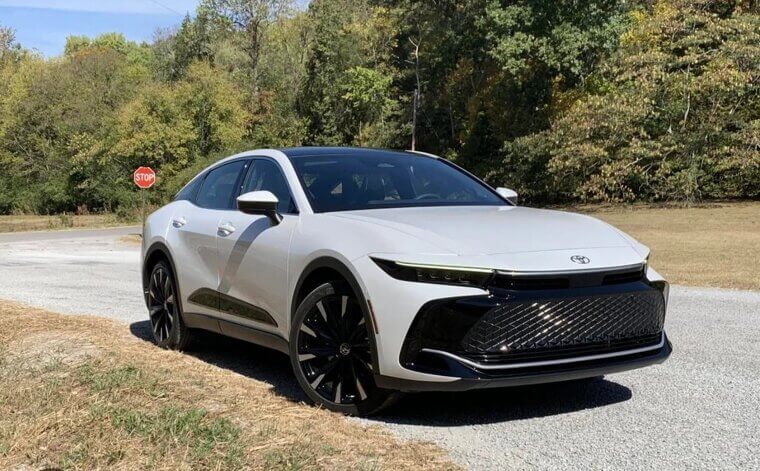
To combat these mounting financial headwinds, corporate leadership is actively trimming down their overly complex global vehicle lineup and implementing strict cost-reduction strategies to secure their massive balance sheet.
Nikola
Nikola, known for its version of the hydrogen fuel cell and electric trucks, is currently facing some severe financial issues. Their total income deficit currently sits at around $1 billion. Even though they had some great ideas in the past, it has become evident that their products simply don’t have what it takes to thrive in the automotive industry. In fact, those mounting pressures ultimately forced the company to officially file for Chapter 11 bankruptcy protection. After failing to secure a stable buyer or any fresh financial backers, they began an orderly wind-down of operations and sold off their core manufacturing assets.
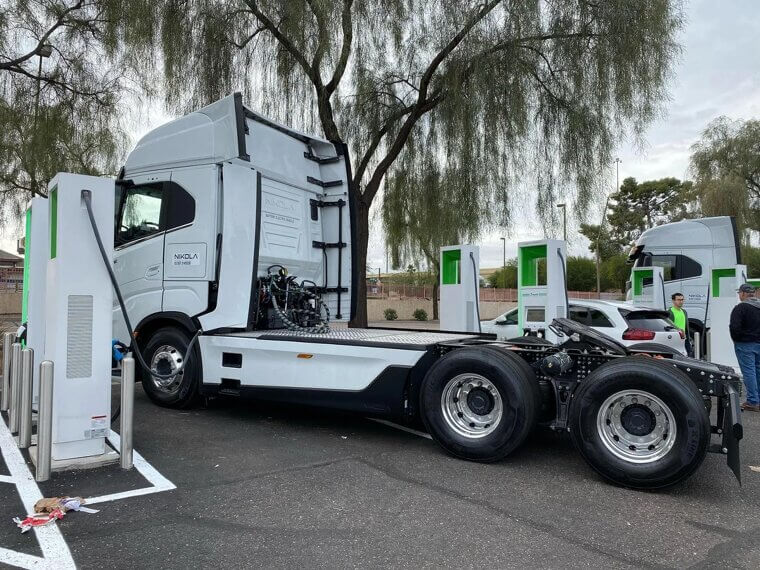
The brand's multi-billion-dollar valuation quickly evaporated as high development costs and recalls took a devastating toll. It stands as a prime example of how difficult scaling heavy electric vehicles can truly be.
Aptera
Aptera is yet another brand that is struggling to stay afloat. In recent years, they have encountered some severe financial challenges, including a complete liquidation in 2011. The current incarnation of the startup, now a public company, has spent years trying to bring its unique, three-wheeled solar electric vehicle to market. While they have secured tens of thousands of customer reservations and recently rolled their first few validation vehicles off a specialized assembly line in Carlsbad, California, capital remains incredibly tight. Operating with significant net losses every quarter, the firm relies heavily on continuous public stock offerings and retail crowdfunding campaigns just to stay operational.
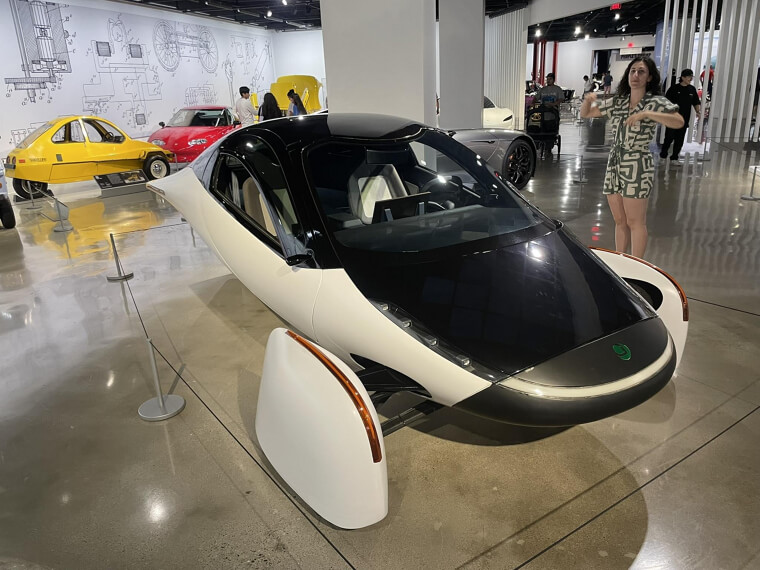
Management openly notes that they still require tens of millions in fresh funding to safely transition into true mass production, keeping this highly futuristic project in a very precarious financial state.
Infiniti
Infiniti stands as the premium product branch of Nissan. However, they have a rather bleak outlook for the future, with growing concerns that the company could close down entirely within the coming years. Their parent company, Nissan, recently initiated an aggressive global restructuring plan to stave off severe losses, heavily impacting the luxury arm's independence. To slash operational overhead, corporate leadership has even started merging standalone Infiniti showrooms back into mainstream Nissan dealerships. A decade-long sales decline has severely reduced the brand's market share, leaving it highly dependent on just a couple of updated SUV models to generate revenue.
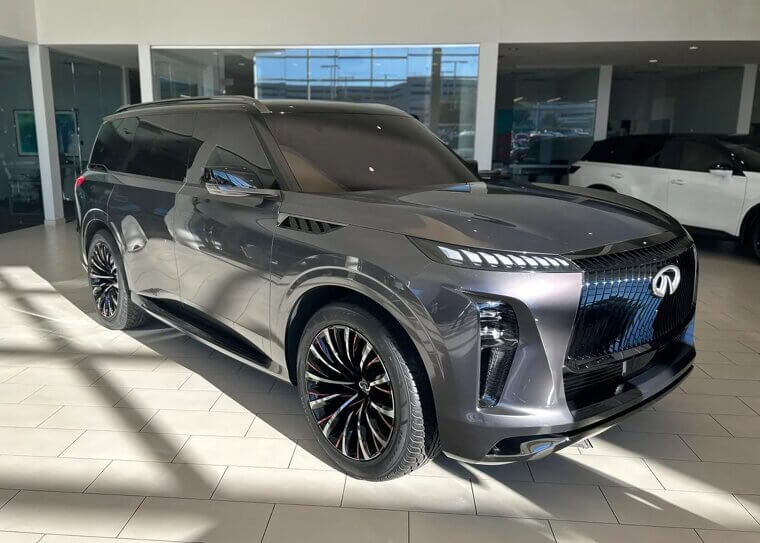
While management is attempting to breathe new life into the brand with a fresh product blitz and future electric vehicle platforms, the margin for error is razor-thin. It is a high-stakes race to reclaim relevance before resources dry up completely.
Nissan
Even though Nissan is an iconic automotive brand, they have failed to release anything innovative or groundbreaking in the past decade. As a result, people have started speculating their downfall - especially if newer, more creative models aren’t added to their lineup. Compounding these product issues, the company has faced severe financial headwinds, resulting in massive global restructurings and job cuts to protect their bottom line. They have struggled significantly in major markets like China and the United States, largely due to a lack of fresh hybrid options and slow adaptation to shifting consumer preferences.
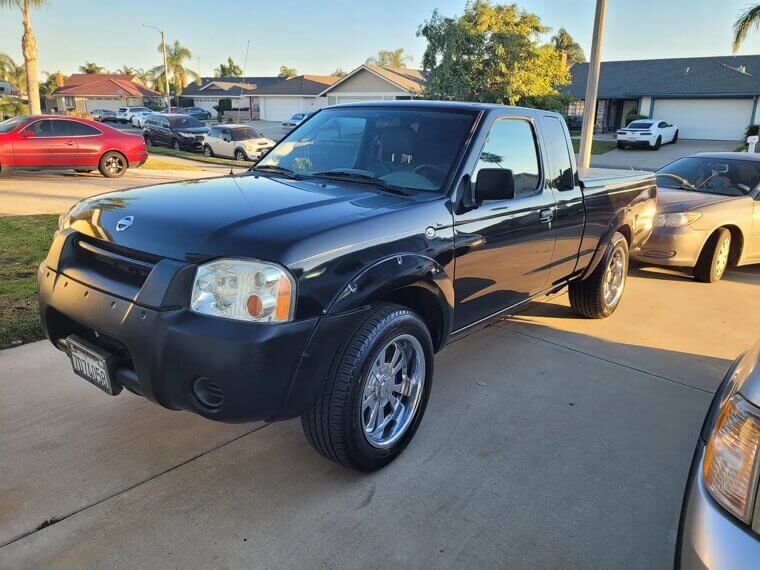
To mitigate losses and share skyrocketing research overhead, the automaker recently entered a concrete strategic partnership with Honda to co-develop future electric vehicle platforms. This collaborative survival strategy might be their best chance to stabilize the ship and rebuild a competitive market presence.
Ford
While Ford is safe for the time being, there are growing concerns that the automotive giant could experience significant financial struggles in the near future. This mostly comes as a result of a proposal set forth by the UAW, which includes significant wage increases, shorter work weeks and improved pension benefits. Beyond these labor costs, Ford is also navigating a complex transition to electric vehicles, where its Model e division has incurred billions in losses. To counteract this cash drain, the company relies heavily on the massive profits generated by its traditional gas-powered trucks and commercial fleet vehicles.
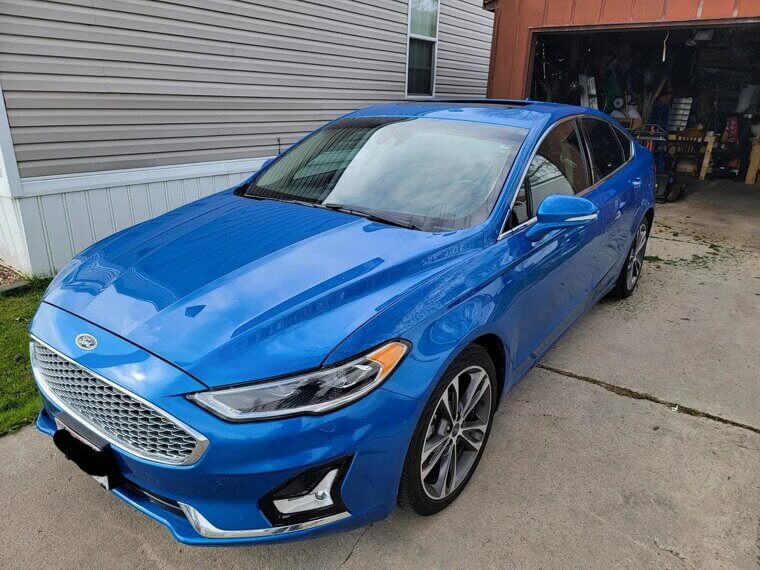
Balancing these high-stakes investments while adjusting to a shifting economic environment puts immense pressure on their overall margins. Corporate executives are continuously tweaking their production strategies, leaning much more into hybrids to keep the company on stable financial footing.
Fisker
Fisker is an EV startup. However, they are facing significant financial difficulties - so much so that many believe they are on their way to filing for bankruptcy. Their troubles became evident after they failed to make an $8.4 million loan payment, even after an extended grace period. Those widespread expectations were confirmed when the company officially filed for Chapter 11 bankruptcy protection in June 2024. After high-stakes rescue negotiations with a major legacy automaker completely fell through, they had no viable choice but to transition into an asset liquidation.
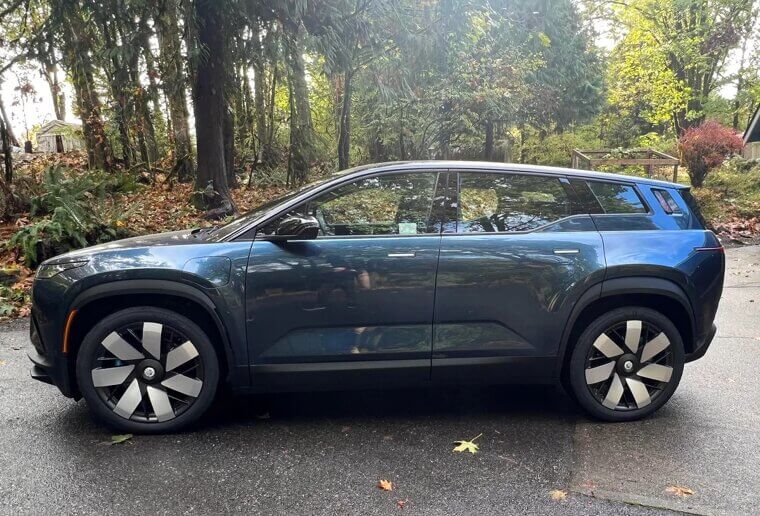
They soon reached a court agreement to sell off their remaining electric inventory to a fleet leasing firm at a steep discount. With production fully halted, the brand has ceased standard operations, leaving passionate vehicle owners to navigate software updates and part support independently.
Rivian
Rivian is currently struggling to keep up with the ever-evolving EV market. Simply put, they haven’t released any innovative or creative designs, leading to a low demand and sales numbers. Despite initially receiving massive industry hype, the electric startup continues to burn through billions of dollars in free cash flow while maintaining a flat delivery pace. Their expensive premium vehicles have historically limited their reach to a very niche luxury buyer pool, severely stalling their path toward structural profitability. To reverse this downward cash trajectory and avoid future insolvency, corporate leadership is forcing cost-cutting layoffs and putting immense pressure on the upcoming rollout of their cheaper R2 crossover.
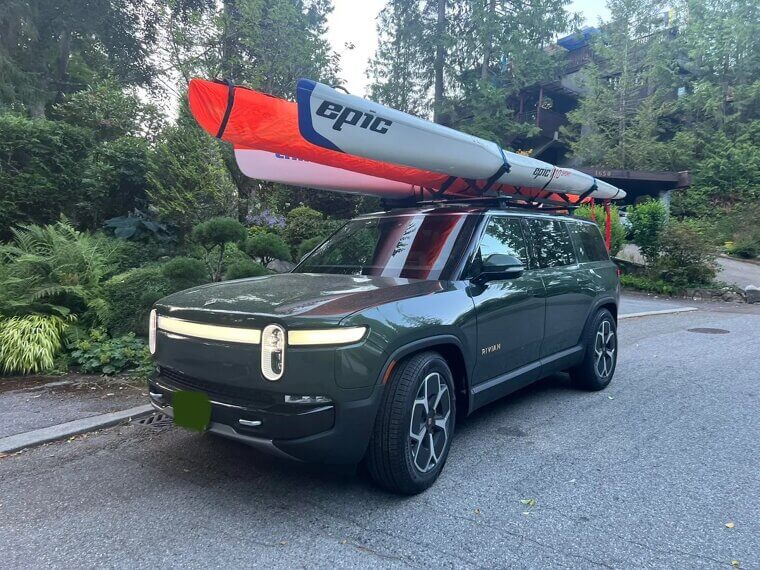
While deep financial lifelines from the Volkswagen Group provide a vital buffer, the independent automaker must successfully scale production before its remaining cash runway dries up completely.
Alfa Romeo
Alfa Romeo is a luxury car manufacturer, known for its world-class designs - in the past, that is. Nowadays, however, they have a weak presence in the US and poor brand recognition. As a result, they have failed to meet the necessary sales numbers, leading to some rather significant financial losses. Their parent company, Stellantis, closely monitors the brand’s overhead across a tough global market. While the new Junior crossover gave them a commercial boost in Europe, North American deliveries recently plummeted by over thirty percent. Compounding these regional struggles is the high cost of transitioning classic platforms to electric and hybrid options.
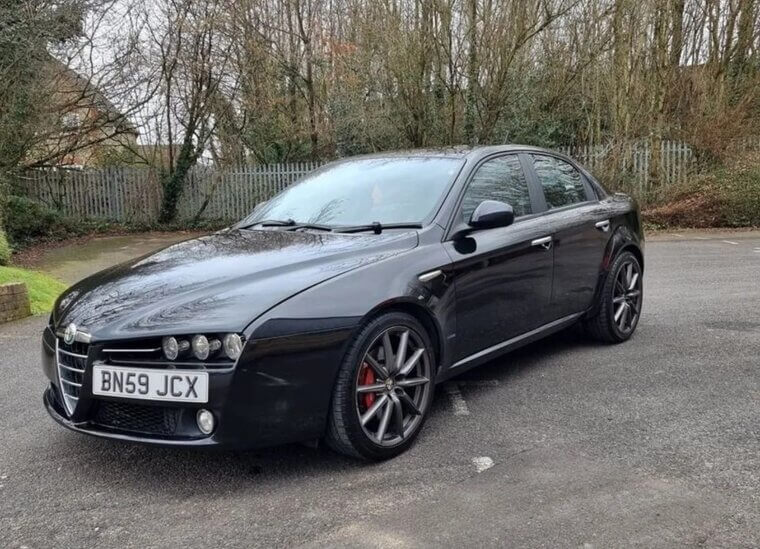
Facing heavy pressure from German luxury giants, corporate leadership is maximizing platform-sharing to protect tight operating margins. It remains to be seen if fresh European sales can fully offset their American deficits.
Lucid Motors
Lucid Motors has garnered significant praise for its luxury electric vehicles, showcasing impressive driving ranges and sleek, futuristic designs. However, the company is reportedly burning through cash at an unsustainable rate while trying to scale up its production. Despite receiving substantial financial backing from Saudi Arabia’s Public Investment Fund, industry experts suggest that the brand is facing an uphill battle due to high production costs and softer-than-expected demand for premium electric sedans. If the brand cannot increase its delivery numbers and lower its manufacturing expenses quickly, it could face a severe financial crisis.
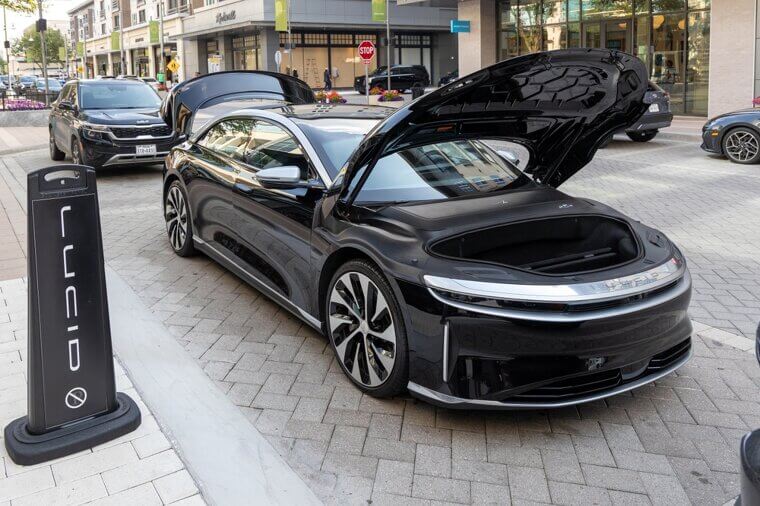
To mitigate these headwinds, the automaker recently secured a massive capital injection from the PIF and an expanded partnership with Uber to build future robotaxis. This fresh funding extends their survival runway into 2027 as they launch the highly anticipated Gravity SUV.
Sono Motors
Sono Motors made headlines with its innovative plans to produce a solar-powered electric vehicle designed for the masses, capturing the imagination of eco-conscious consumers worldwide. Unfortunately, the company allegedly ran into severe funding shortages that forced it to terminate its passenger car program entirely to focus solely on solar technology integration for commercial vehicles. Analysts note that this massive pivot highlights the immense difficulty small startups face when trying to compete with established manufacturing giants, leaving the company's long-term financial viability in serious question.
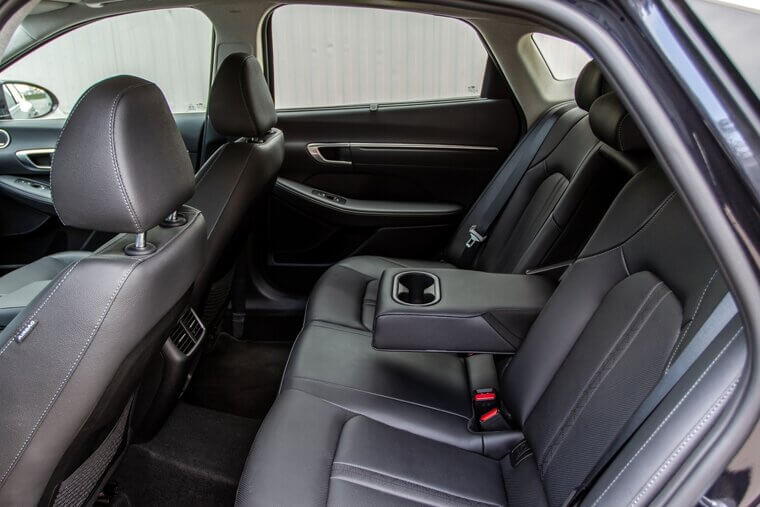
Following those struggles, the brand entered court-supervised insolvency proceedings before restructuring under a fresh hedge fund investment deal. Most recently, its parent company completely cut funding to exit legacy solar operations entirely and pivot to digital assets, leaving Sono Motors' independent management team to buy out the business to survive on its own.
Faraday Future
Faraday Future has spent years promising to revolutionize the ultra-luxury electric vehicle market with its high-tech, high-performance models. However, the company has reportedly delivered only a handful of vehicles after a decade of continuous fundraising and persistent operational delays. Financial analysts frequently point to the company’s massive capital burn and repeated regulatory warnings as indicators of extreme financial distress. While the leadership continues to seek new investment lifelines, the brand remains on shaky ground as it struggles to achieve consistent assembly line production.
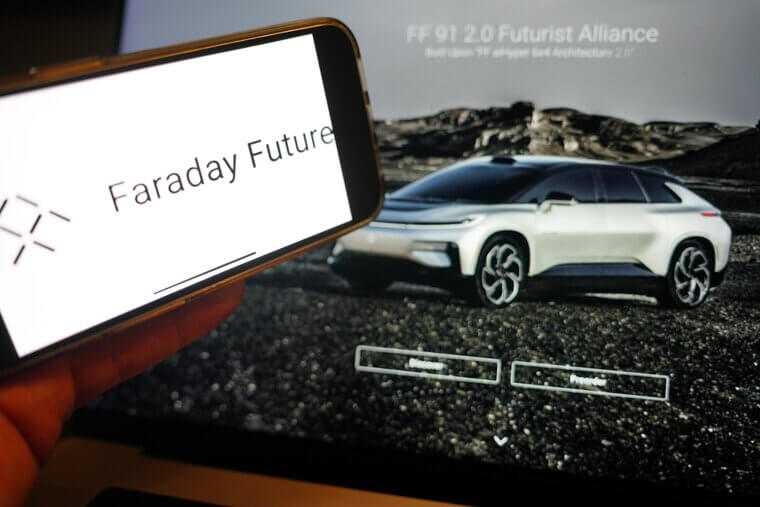
To maintain its Nasdaq listing, the automaker has had to execute multiple reverse stock splits and constantly issue new shares. They have also turned their focus toward new software-driven revenue streams and potential partnerships in the Middle East. Whether these tactics will give them enough runway to survive remains an open question.
Mullen Automotive
Mullen Automotive has attempted to secure a foothold in the competitive electric vehicle space by acquiring various manufacturing assets and proposing an array of commercial and passenger vehicles. Despite these ambitious announcements, the company has allegedly faced intense scrutiny over its actual production capabilities and a rapidly declining stock price. Observers in the automotive industry note that the firm is burning through its available cash reserves while facing potential delisting warnings, placing it in a highly precarious position if it cannot secure stable revenue soon.
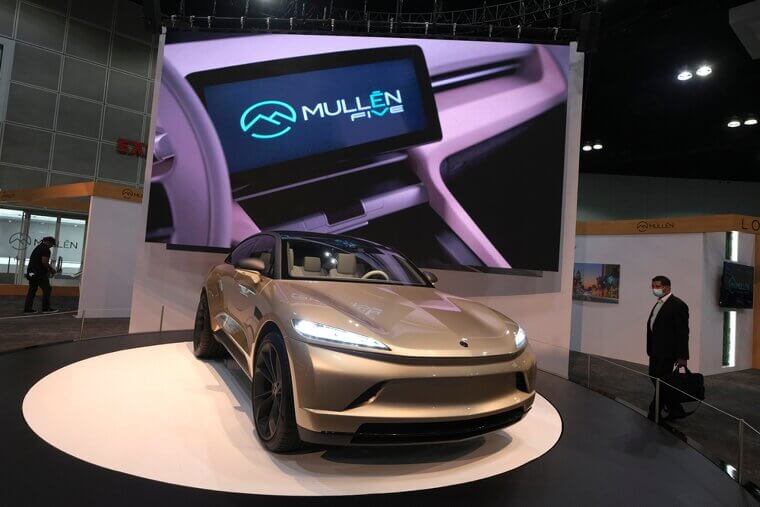
To combat these persistent market hurdles and comply with exchange requirements, corporate leadership has repeatedly executed dramatic reverse stock splits. While they have successfully delivered some commercial electric vans to select fleet customers, these low-volume sales have not yet generated enough structural cash flow to overcome their monumental net losses.
HiPhi
HiPhi, the luxury electric vehicle brand owned by Human Horizons, gained recognition for building highly advanced cars with futuristic designs and cutting-edge software. Sadly, the company entered pre-reorganization bankruptcy proceedings after severe cash flow shortages forced a total halt to its assembly lines. While recent reports indicate that new foreign investment groups are attempting a complex restructuring plan to resurrect the brand, the sheer volume of outstanding debt means its ultimate survival remains highly uncertain in this cutthroat market.
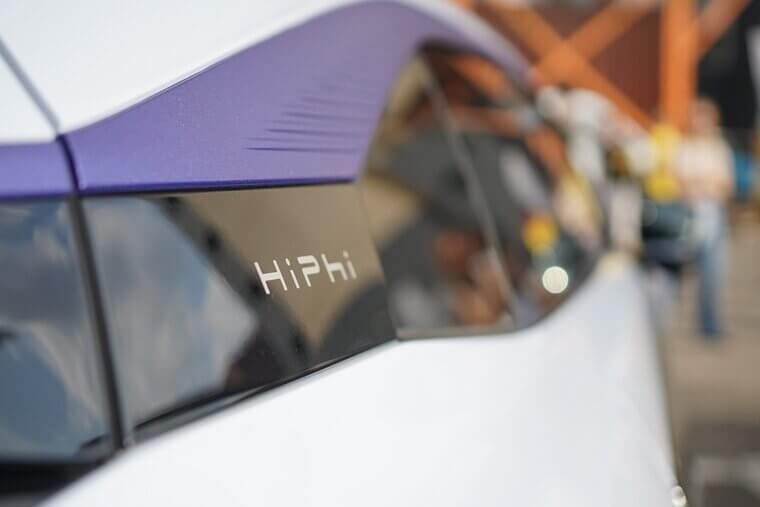
The court-appointed interim administrator recently made a major move by officially releasing a draft reorganization plan to all creditors. This highly anticipated blueprint outlines complex debt-repayment schemes, including a major debt-for-equity swap. Currently, a couple of unnamed prospective investors remain in active negotiations to inject the vital capital required to save the high-end electric automaker.
Lordstown Motors
Lordstown Motors, once celebrated for its ambitious plans to build an all-electric pickup truck in Ohio, has reportedly undergone an extensive corporate restructuring following its high-profile Chapter 11 bankruptcy filing. While the company emerged from bankruptcy protection under the new name Nu Ride Inc., it has allegedly abandoned its original automotive manufacturing dreams altogether to focus on wealth management and investment acquisitions. Industry experts note that the company’s dramatic shift highlights the immense financial pressures facing new vehicle manufacturers. For previous stakeholders and truck enthusiasts, the brand's complete departure from the automotive assembly line marks the end of its journey as a viable car manufacturer.
To advance this fresh corporate strategy, the company recently announced an agreement to acquire a majority stake in a wealth advisory firm, leveraging its remaining cash reserves far away from the automotive industry.
Arrival
Arrival set out to revolutionize the commercial electric vehicle market by introducing a unique concept centered around decentralized "microfactories" rather than massive, multi-million-dollar assembly plants. Unfortunately, the British van and bus startup reportedly ran into devastating cash flow issues and production delays, forcing its primary United Kingdom division into administration. Financial analysts note that the company’s physical assets and intellectual property were eventually auctioned off during liquidation proceedings to cover outstanding debts to secured creditors. Because the core operational business has been entirely dismantled, the company effectively exists only as a defunct corporate shell with no path back to vehicle production.
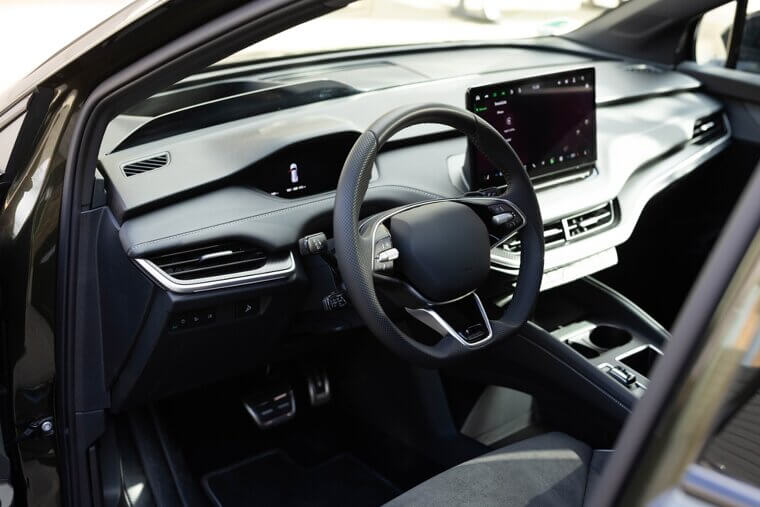
This dramatic collapse serves as a stark reminder of how incredibly difficult it is for alternative EV startups to scale up without massive institutional backing. Ultimately, their aggressive timeline simply outpaced their available capital.
WM Motor
WM Motor was once considered one of the brightest rising stars in the highly competitive Chinese electric vehicle market, attracting massive initial investments and building state-of-the-art manufacturing facilities. However, a combination of severe operational disruptions, intensifying domestic competition, and a sharp decline in capital reserves reportedly forced the company into a preliminary pre-restructuring bankruptcy process. Financial analysts frequently point out that the brand's rapid downfall left thousands of car owners completely stranded without access to critical software updates, digital navigation systems, or factory replacement parts.
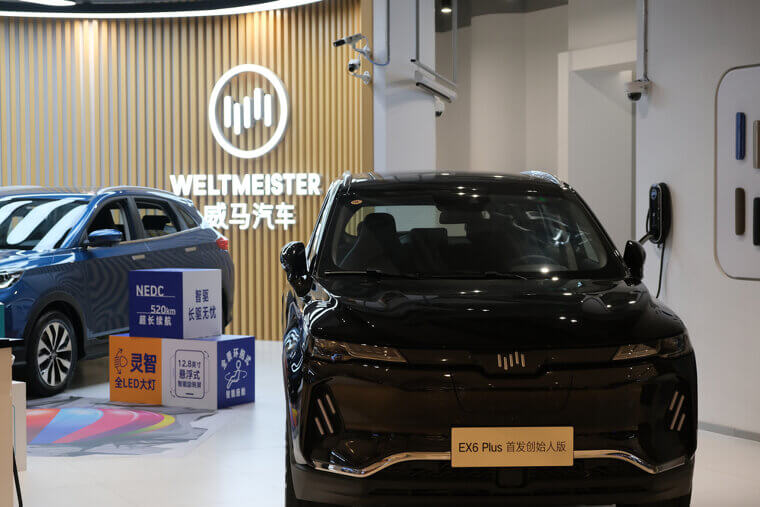
While recent corporate documents suggest that a new investment group has stepped forward with an ambitious multi-year plan to resurrect the assembly lines, the brand's long-term financial stability remains highly uncertain. The company's struggle highlights the immense pressure inside the world's largest automotive market, where only a few well-funded players manage to truly survive.
Proterra
Proterra established itself as a pioneering leader in the North American heavy-duty electric transit market, famously providing zero-emission buses, battery packs, and fleet charging infrastructure to major cities. Unfortunately, the company encountered devastating financial headwinds fueled by severe supply chain constraints and the inherently high capital costs of producing custom commercial vehicles. These immense pressures ultimately forced the manufacturer to file for voluntary Chapter 11 bankruptcy protection to preserve its primary corporate assets. Court filings indicate that the original operating business has since been dismantled, with its highly regarded battery technology and transit divisions auctioned off to completely separate entities.
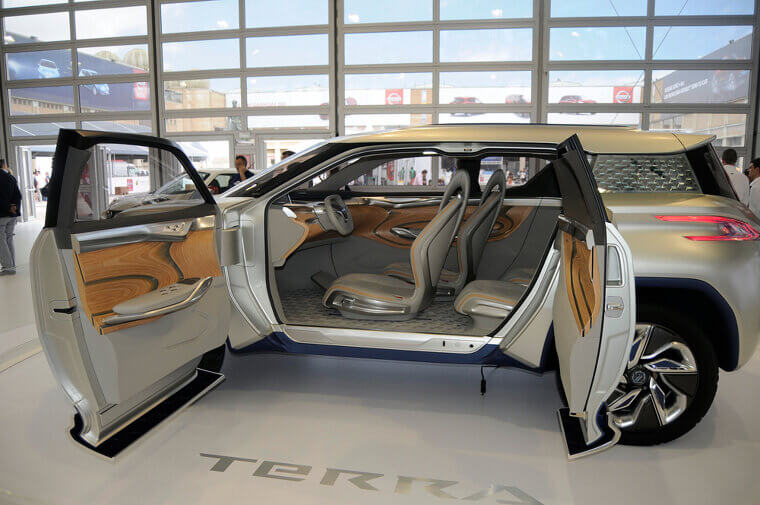
While its technology survives under new ownership, Proterra as an independent vehicle manufacturer is effectively no more. Specifically, Volvo acquired its battery assets, while Phoenix Motor took over the transit division to keep the electric buses rolling.
Lightyear
Lightyear captured the imagination of eco-conscious drivers around the world by engineering a breathtaking, highly aerodynamic solar-powered electric vehicle designed to charge directly from sunlight. Regrettably, the Dutch automotive startup faced immense manufacturing complexities and staggering production expenses that its initial funding could not sustain, leading to a swift production halt. The corporation’s primary manufacturing subsidiary reportedly plunged into bankruptcy proceedings just months after the first ultra-luxury vehicles rolled off the assembly line. Although the core leadership group fiercely attempted a strategic restructuring to focus on a more affordable mass-market successor, the company ultimately abandoned its vehicle production dreams entirely.
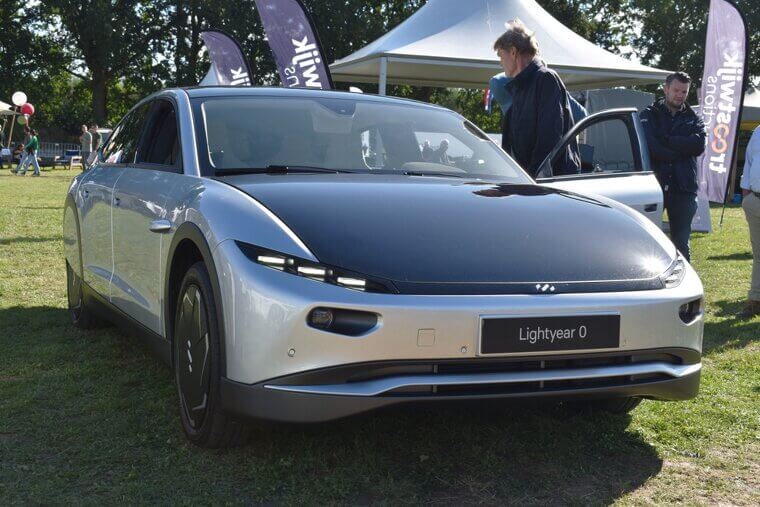
The brand has reportedly pivoted exclusively to producing solar panels for other automakers, leaving its standalone car brand defunct. This tactical shift highlights the brutal reality of how incredibly difficult it is to scale an independent solar vehicle.
Aiways
Aiways was founded with the grand ambition of bridging the gap between Chinese electric vehicle manufacturing and the highly lucrative European automotive market, initially launching sleek, affordable SUVs. However, the company reportedly suffered a major financial collapse due to a lack of brand awareness, intense local price wars, and a sudden interruption in its domestic financing channels. Industry reports indicate that the company was forced to halt its factory production lines, pause its official smartphone applications, and completely stop paying its office utilities.
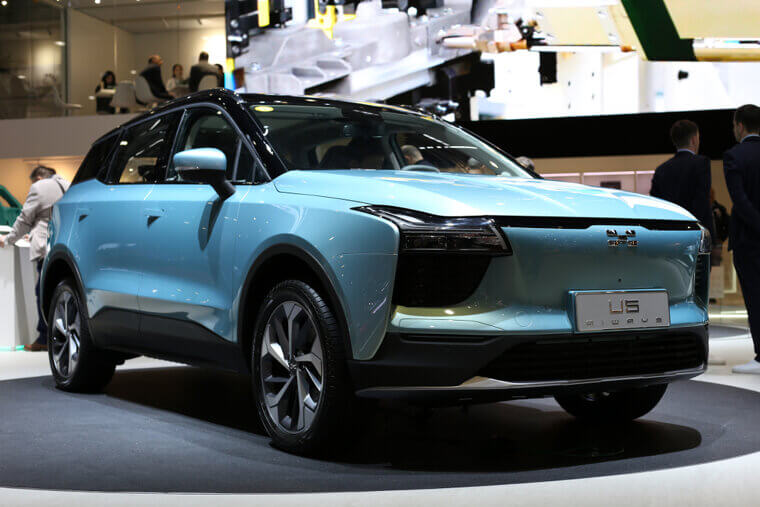
While executives have allegedly been working behind the scenes to secure fresh foreign capital injections and restructure their massive outstanding debts, the brand is widely considered by analysts to be on the absolute brink of total liquidation. In a final attempt to survive, management decided to completely exit China and focus entirely on European sales.
Neta Auto (Hozon Auto)
Neta Auto, a prominent electric vehicle brand operated under the umbrella of Hozon New Energy Automobile, achieved impressive early sales milestones by offering budget-friendly smart vehicles to everyday consumers. Sadly, the brand’s rapid expansion strategy allegedly led to a massive cash burn rate that far outpaced its actual profit margins, triggering severe financial strain. Reports from the automotive sector indicate that the manufacturer has faced significant production slowdowns, delayed employee salary payments, and a substantial reduction in its retail dealership footprint.
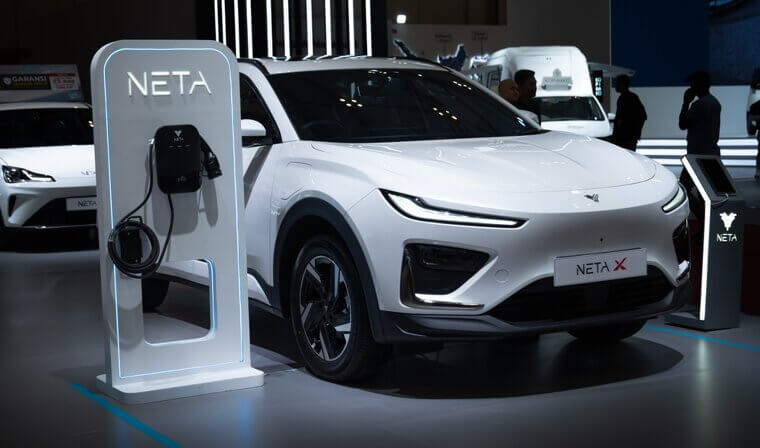
Although the company is reportedly looking toward aggressive overseas exports and potential public offerings to secure a permanent financial lifeline, it currently faces an incredibly treacherous road to economic recovery.