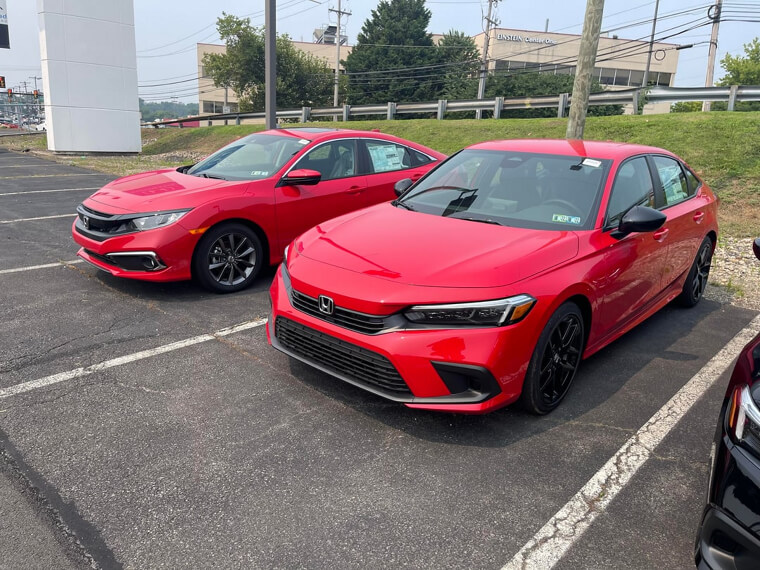
Honda Civic
The Honda Civic is one of the most popular cars on the road, and that popularity plays a big role in higher insurance rates. Civics are frequently stolen, heavily modified, and involved in claims more often than many drivers realize. Insurance companies track loss data closely, and the Civic consistently appears near the top of theft and accident statistics. Younger drivers often choose Civics as first cars, which increases risk exposure from an insurer’s perspective. Repairs can also add up due to high demand for parts and frequent collision claims. While the Civic has a reputation for reliability, insurers focus less on dependability and more on probability. A car that is everywhere is a car that gets hit, stolen, or damaged more often. Many owners are surprised when quotes come back higher than expected because the Civic feels sensible and familiar. That familiarity, however, is exactly what keeps insurance costs elevated year after year.
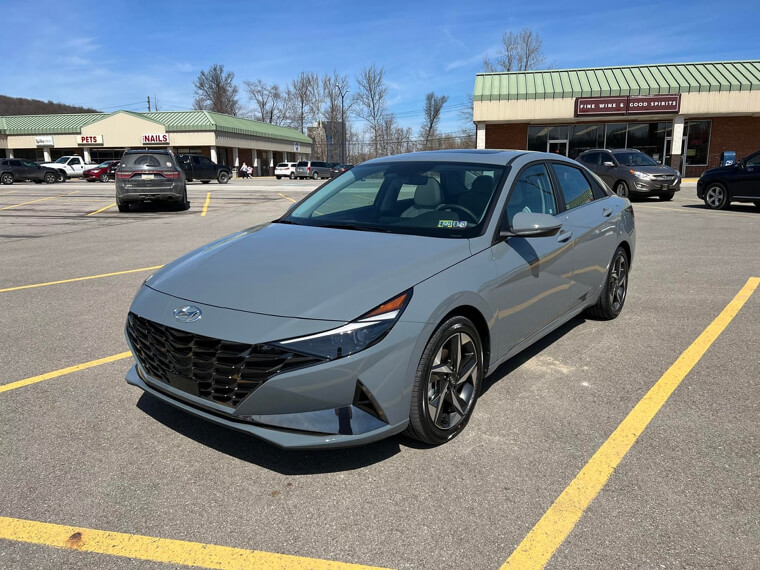
Hyundai Elantra
The Hyundai Elantra looks like an affordable, practical sedan, but insurers often rate it higher due to theft trends and repair data. Certain model years became targets for theft because of widely publicized security weaknesses. Even after fixes were introduced, insurance companies continued pricing policies cautiously. Claims data lags behind reputation changes, and insurers adjust slowly. Elantras are also popular among commuters, which increases time on the road and exposure to accidents. Replacement parts and labor costs have risen as well, especially for newer models with advanced features. Drivers often expect low insurance costs because of the Elantra’s modest price, only to be surprised by higher premiums. From an insurance standpoint, the combination of theft risk, accident frequency, and repair complexity outweighs the car’s budget friendly image. It is a reminder that sticker price and insurance risk are calculated very differently.
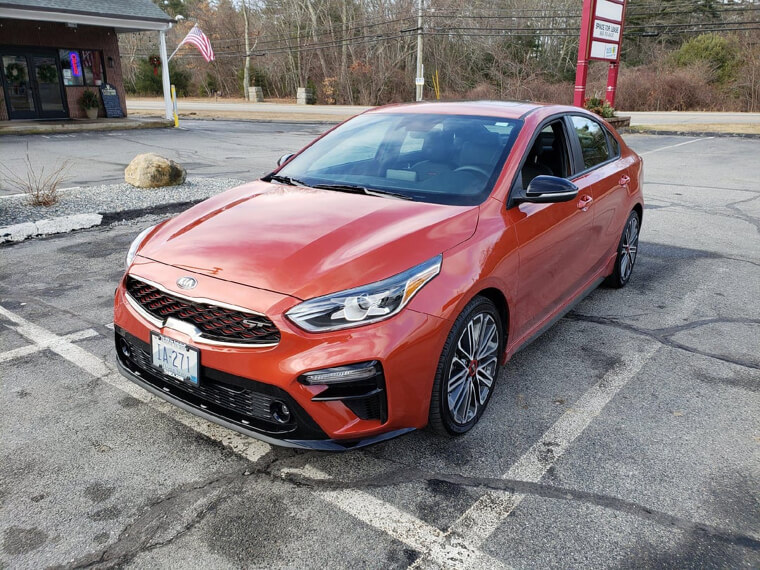
Kia Forte
The Kia Forte shares many of the same insurance challenges as other compact sedans, but with added concerns tied to theft and claims history. Certain years gained unwanted attention due to ease of theft, which insurers still factor into pricing. Even owners of newer Fortes with improved security can face elevated rates because insurers price by model history, not just individual vehicles. Fortes are also commonly driven in dense urban environments where minor collisions are frequent. Repair costs for modern safety and infotainment systems add to claim totals. While Kia has worked to rebuild trust, insurance pricing reflects long term data. Drivers who choose the Forte for affordability often find that insurance costs narrow the savings gap. It feels unfair, but insurers rely on trends, not intentions. The Forte’s quiet rise in premiums shows how past issues can follow a model long after fixes are made.
Subaru WRX
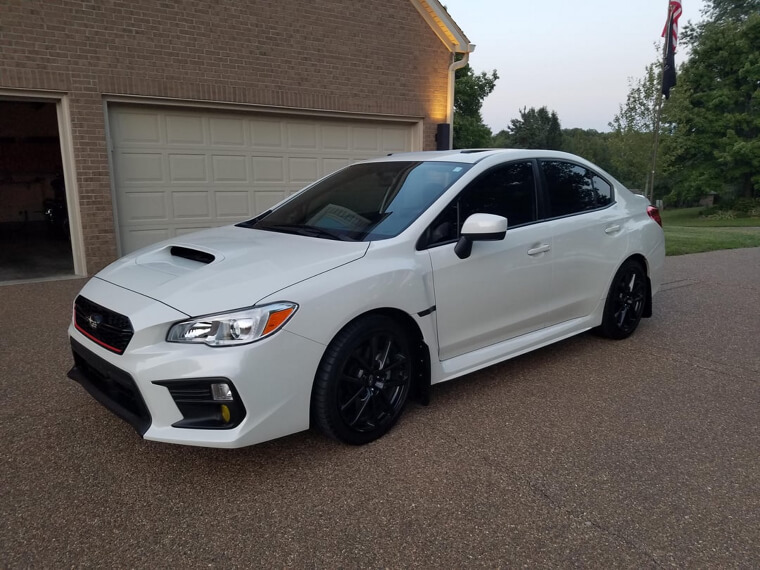
The Subaru WRX has a loyal fan base and a performance oriented image that insurers notice immediately. Turbocharged power, all wheel drive, and aggressive styling signal higher risk. Insurers associate the WRX with spirited driving, modifications, and higher speed accidents. Even responsible owners pay the price for that reputation. Claims involving WRXs often involve higher repair costs due to performance components and specialized parts. Theft risk is also higher because of demand for parts and resale value. While Subaru promotes safety, insurance companies focus on behavior patterns linked to specific models. The WRX has long been associated with younger drivers and enthusiast culture, which increases perceived risk. Owners are often shocked when premiums rival or exceed those of luxury cars. The WRX proves that performance branding alone can quietly raise insurance costs, regardless of how carefully the car is actually driven.
Ford Mustang
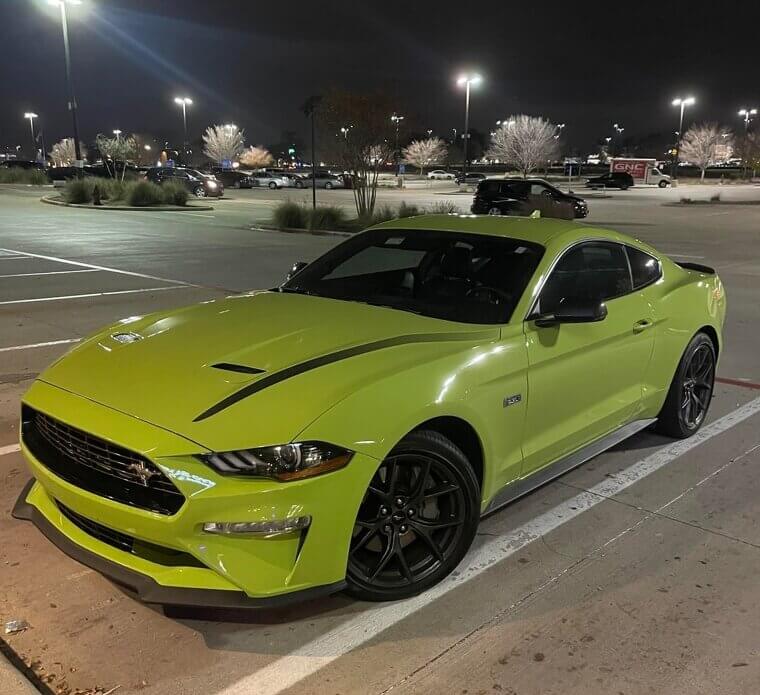
The Ford Mustang has decades of history, and insurers know exactly what to expect. Powerful engines, rear wheel drive, and frequent accident data push premiums higher. Mustangs appear often in single vehicle crash statistics, especially involving loss of control. The car’s popularity also makes it a target for theft and vandalism. Repair costs vary by trim, but performance versions drive averages upward. Even base models inherit the reputation of the badge. Insurance companies price based on patterns, not promises. A driver may plan to commute calmly, but the Mustang’s historical data suggests higher risk. Many owners accept the trade off, but some are surprised by the long term cost. The Mustang’s insurance premium reflects its legacy as much as its horsepower. It is a reminder that image and history never fully fade in insurance calculations.
Dodge Charger
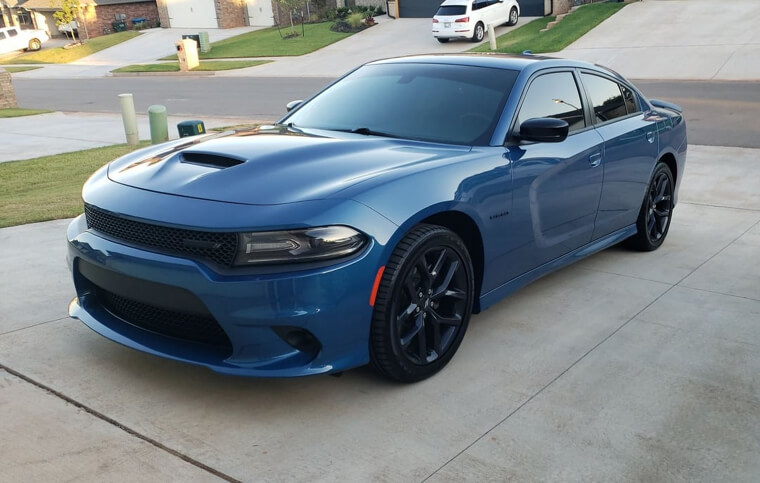
The Dodge Charger blends family sedan practicality with muscle car attitude, and insurers respond accordingly. V8 options, high horsepower trims, and aggressive styling influence risk models. Chargers are often involved in speeding violations and higher severity accidents, according to insurance data. Theft rates also factor in, as Chargers are frequently targeted. Repair costs climb quickly, especially for performance trims with specialized components. Even drivers who choose lower powered versions feel the effect of the model’s overall profile. Insurance companies group trims together more than buyers realize. The Charger’s blend of size and speed creates higher claim payouts when accidents happen. Owners may love the comfort and presence, but insurers see a vehicle with elevated exposure. The result is premiums that often exceed expectations for what feels like a practical four door car.
BMW 3 Series
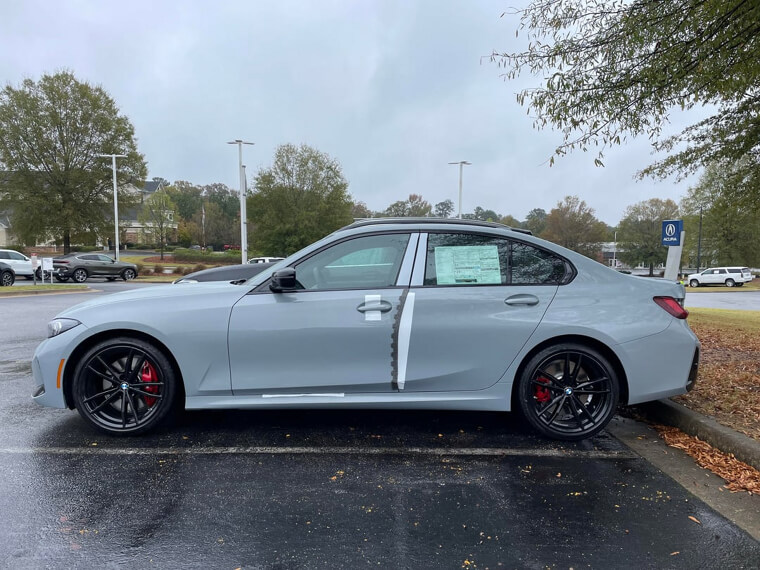
The BMW 3 Series carries a premium badge, and insurance pricing reflects that status. Repair costs are significantly higher than average due to specialized parts, labor rates, and technology. Even minor collisions can result in expensive claims. Insurers also factor in driving behavior data, which shows higher speed and claim severity among luxury sport sedans. Theft risk remains present because of brand desirability. While safety ratings are strong, insurance focuses on cost, not just crash avoidance. The 3 Series is also frequently leased, leading to strict repair standards that raise claim totals. Drivers often assume luxury equals safety and lower risk, but insurers calculate differently. The cost to fix a BMW matters more than how refined it feels. Premium ownership includes premium insurance, whether drivers anticipate it or not.
Tesla Model 3
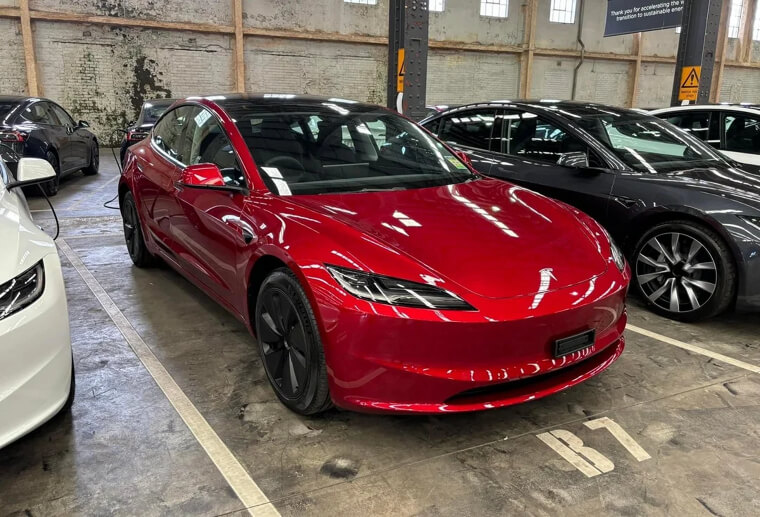
The Tesla Model 3 surprises many owners with higher insurance costs. Advanced technology, specialized repairs, and limited repair networks drive premiums up. Even small accidents can require recalibration of sensors and replacement of expensive components. Parts availability and labor rates remain concerns for insurers. Repair timelines are often longer, increasing rental car costs tied to claims. While safety scores are strong, insurance pricing focuses on claim expense. Teslas also face higher vandalism and repair complexity. The Model 3’s quiet performance still counts as performance. Insurers see rapid acceleration and costly fixes, not just efficiency. Many buyers expect lower premiums because of fewer mechanical parts, but the reality is different. The Model 3 shows how modern tech can quietly inflate insurance bills.
Jeep Wrangler
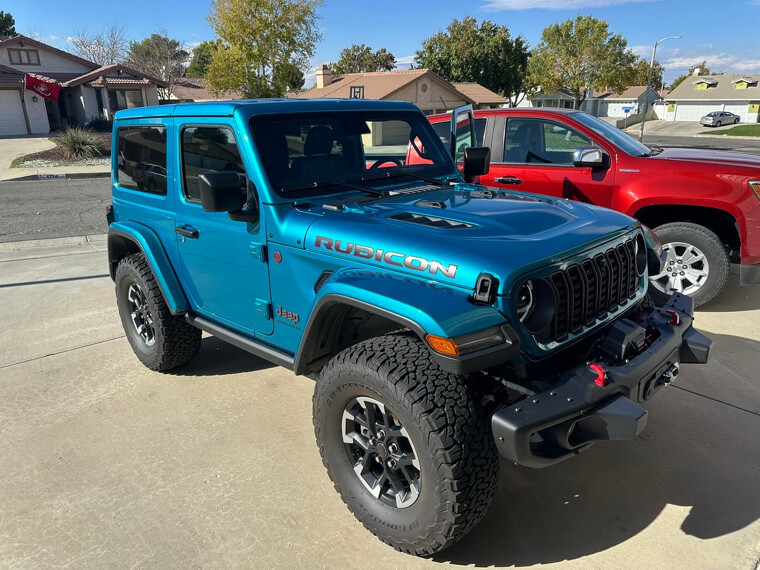
The Jeep Wrangler’s off road image affects insurance pricing more than owners expect. Wranglers are frequently modified, driven in challenging conditions, and involved in rollover claims. Insurers track those risks closely. Soft tops and removable doors increase theft and vandalism exposure. Repair costs rise quickly when suspension, drivetrain, or body panels are involved. Even daily driven Wranglers inherit the model’s adventurous reputation. Claims data shows higher severity when accidents occur. While Wranglers hold value well, that value increases claim payouts. Owners often see higher premiums compared to other SUVs of similar size. The Wrangler’s lifestyle appeal carries hidden costs that appear slowly, month after month, on insurance statements.
Nissan Altima
The Nissan Altima looks like a standard midsize sedan, but insurers often charge more due to accident frequency data. Altimas are common commuter cars, which increases time on the road and exposure to risk. Claims involving rear end collisions and urban accidents are frequent. Certain model years also faced theft concerns that still affect pricing. Repair costs for newer models with driver assistance systems raise claim totals. The Altima’s wide driver demographic contributes to varied risk profiles. Insurers price based on averages, not individual habits. As a result, careful drivers still pay for broader trends. The Altima’s insurance costs reflect usage patterns more than design. It is a reminder that ordinary cars can carry extraordinary insurance assumptions.