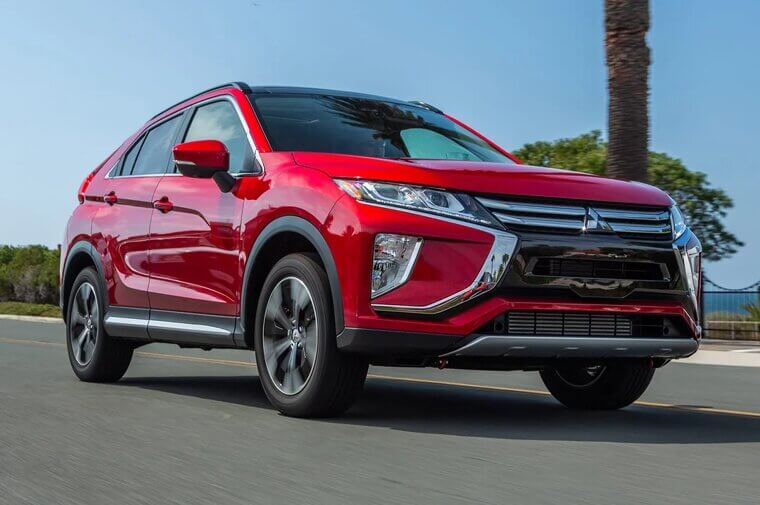
Mitsubishi Eclipse Cross (2017)
Mitsubishi generally makes solid, reliable cars, and the original Eclipse coupe built a loyal following through the 1990s and early 2000s as an affordable sports car with genuine driving excitement. In 2017, Mitsubishi released the Eclipse Cross to replace that predecessor, pitching it as a modern take on the old car. Key features like its turbocharged engine, sharp cornering, and crossover build were all marketed as upgrades for brand loyalists to enjoy. Unfortunately, those buyers soon realized the Eclipse Cross shared almost nothing with the sporty coupe it replaced. It was bigger and designed for families, which isn't inherently bad, but many felt deeply misled considering how heavily the Eclipse name was used in marketing. It lacked the speed, tight handling, and fun driving experience that made the classic Eclipse coupe worth remembering.
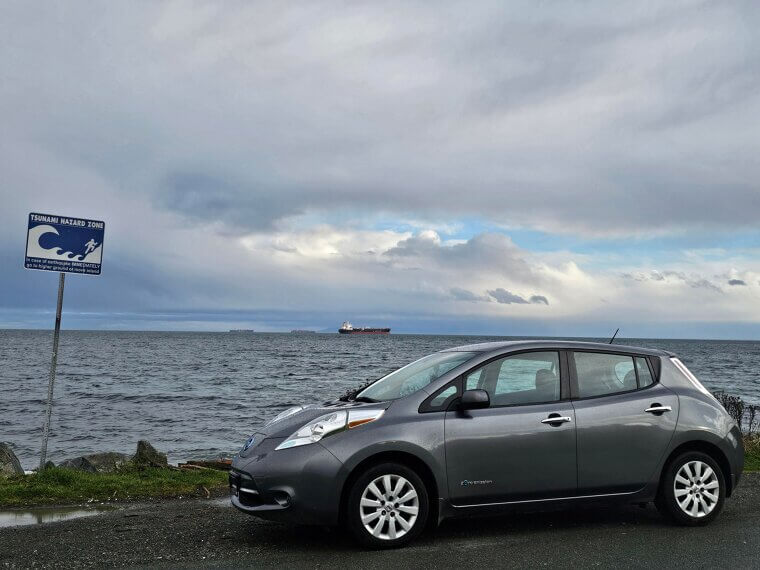
Nissan Leaf (2017)
The original Nissan Leaf had a troubled reputation for battery degradation and limited range, so many buyers were understandably skeptical when a second-generation version was announced in 2017. Nissan promised meaningful improvements that would address the original's well-documented shortcomings, and some buyers gave it the benefit of the doubt based on those promises. Unfortunately, the improvements fell short in real-world conditions. The range was modest compared to competitors, fast charging caused the battery to overheat, and the air-cooled battery pack degraded just as quickly as the original Leaf's. It was a decent facelift on paper, but felt like a downgrade in practice because it promised to fix the original model's core flaws while actually amplifying them for buyers who had waited years for a genuine improvement.
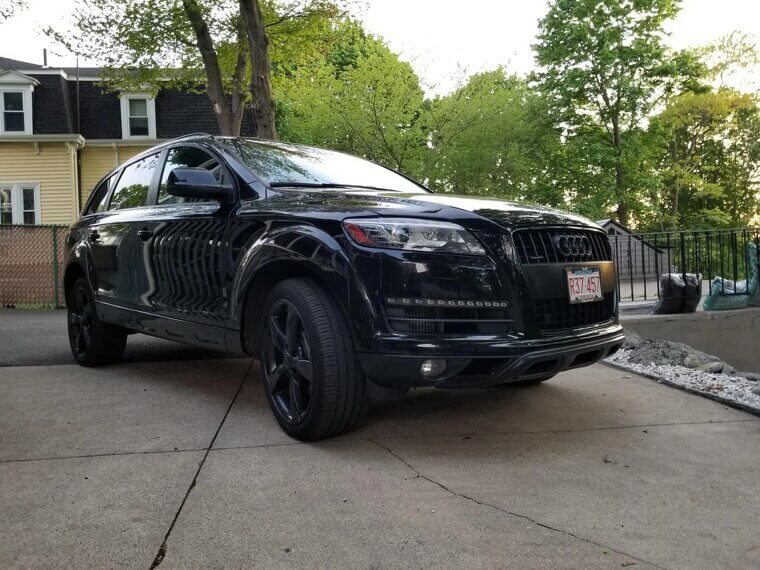
Audi Q7 (2015)
The first-generation Audi Q7 was chunky and imposing, built with the kind of overengineered solidity that Audi loyalists expected from the brand. A modernized successor was more than welcome, and Audi marketed it as a clear upgrade: significantly lighter, smarter, and far more technologically advanced. So what disappointed buyers? While it drove well and the weight reduction improved handling noticeably, owners quickly noticed cheaper-feeling interior materials compared to the original. Physical controls gave way to digital interfaces that felt less intuitive, frustrating drivers who valued the tactile feedback of traditional buttons and knobs. Audi leaned firmly into efficiency and digital sophistication, which worked for new buyers entering the brand. But longtime Q7 owners felt they were trading substance for style, getting a car that felt less substantial despite its premium price tag.
Volkswagen Tiguan (2024)
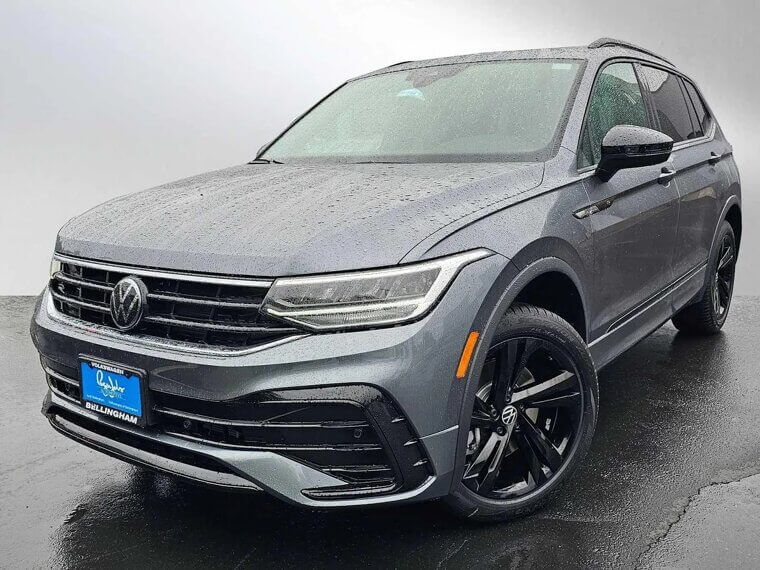
The 2024 Volkswagen Tiguan arrived with a major facelift building off the second-generation model, and Volkswagen promised a cleaner design paired with more tech-savvy interior features. The tech promises were delivered, but perhaps too enthusiastically. Buyers found touch-sensitive controls replacing nearly every physical button, creating an interface that required eyes-off-the-road interactions for basic functions like adjusting the climate. The quality of materials inside didn't justify the significant price increase that accompanied the new model. The previous Tiguan wasn't particularly exciting or innovative, but it was straightforward and suited most drivers' everyday needs without unnecessary complexity. In trying to modernize the Tiguan aggressively, Volkswagen created a car that felt more complicated without feeling more capable, turning what should have been a genuine upgrade into a frustrating ownership experience.
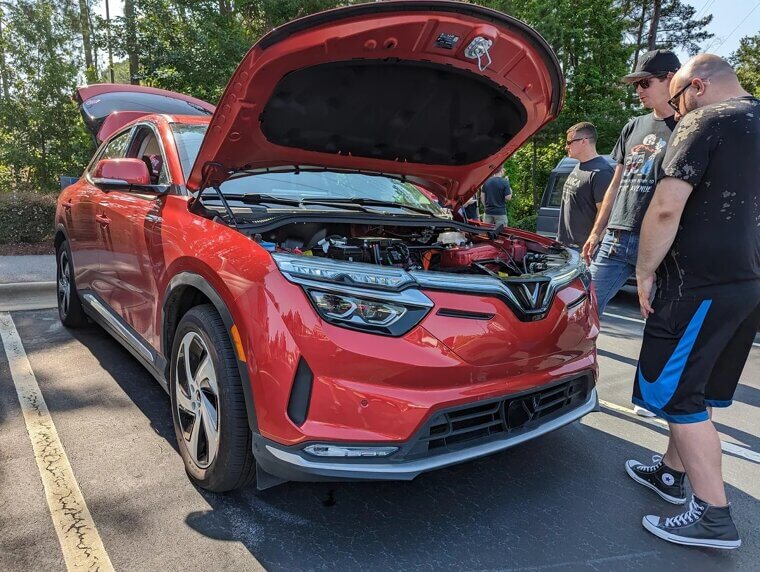
VinFast VF8 (2023)
VinFast is a Vietnamese automaker that launched its VF8 as a bold entry into the competitive premium EV segment, skipping the gradual development process most manufacturers follow. Without an older model to replace, the VF8 was positioned as a direct competitor to established names, effectively promising Tesla-level innovation from a brand with no track record in the market. That gap between promise and reality proved costly. Software glitches disrupted basic functions, build quality felt noticeably cheaper than rivals at similar price points, and the ride tuning made the car feel unfinished rather than refined. Competitors offered comparable vehicles for less money, frustrating early buyers who had paid a premium based on marketing promises. Without a predecessor to calibrate expectations, every shortcoming felt magnified and the VF8 came across more like a prototype than a finished product.
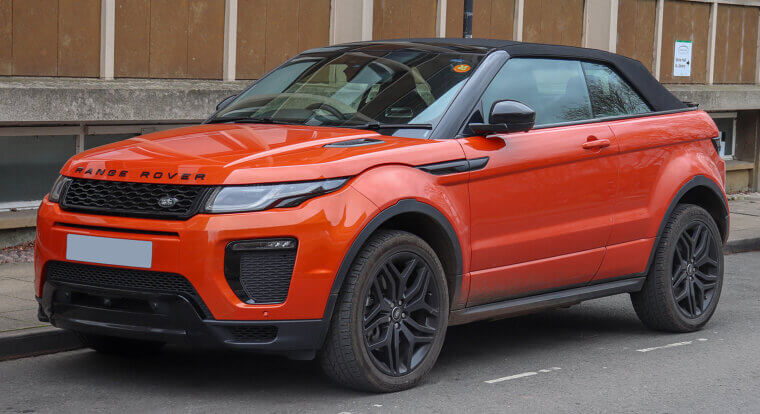
Range Rover Evoque (2018)
The original Range Rover Evoque developed a reputation for reliability concerns among owners, so buyers approached the second-generation model with cautious optimism. Land Rover marketed it as everything a driver could want, promising more luxury, improved technology, and a more sophisticated driving experience designed to address the original's well-documented problems. Unfortunately, the improvements didn't deliver on those promises consistently. Excessive touchscreen controls proved buggy in real-world use, some engines suffered oil consumption issues, and lengthy dealer repair times meant owners spent more time waiting than driving. Land Rover did refine the Evoque's distinctive styling successfully, and the interior felt more premium visually. But the lived experience of ownership remained frustrating for buyers who expected the new model to represent genuine progress rather than a cosmetic update wearing a higher price tag.
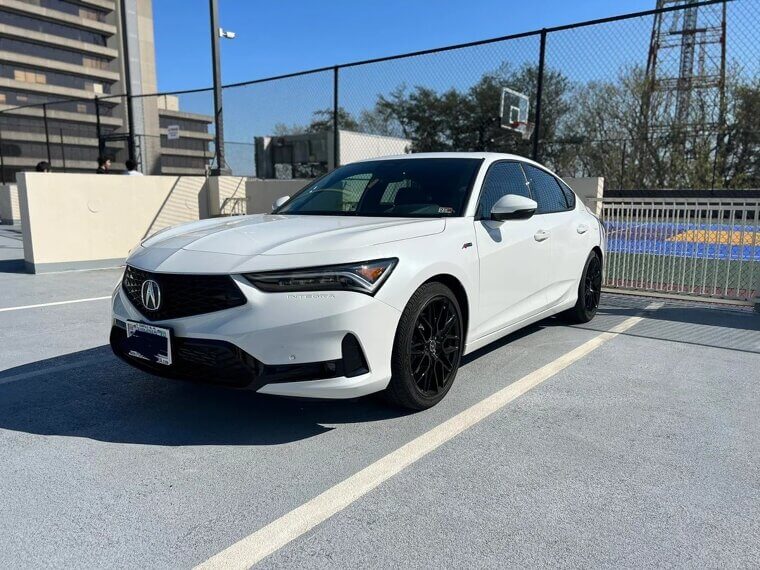
Acura Integra (2023)
The Acura Integra name carries significant weight among enthusiast drivers who remember the original as one of the most satisfying front-wheel drive sports cars ever built. When Acura revived the nameplate in 2023 to replace the discontinued ILX sedan, the brand leaned heavily on that nostalgia to generate excitement. The real-world driving experience, however, struggled to live up to the heritage being invoked. Many drivers felt the new Integra was essentially a rebadged Honda Civic with a premium price attached, since the two cars shared the same platform and engine. It wasn't a bad car by any objective measure, but it wasn't the meaningful upgrade buyers were promised. Instead of replacing the forgettable ILX with something genuinely exciting, Acura delivered a competent but uninspiring sedan wearing a legendary badge.
Chevrolet Blazer (2024)
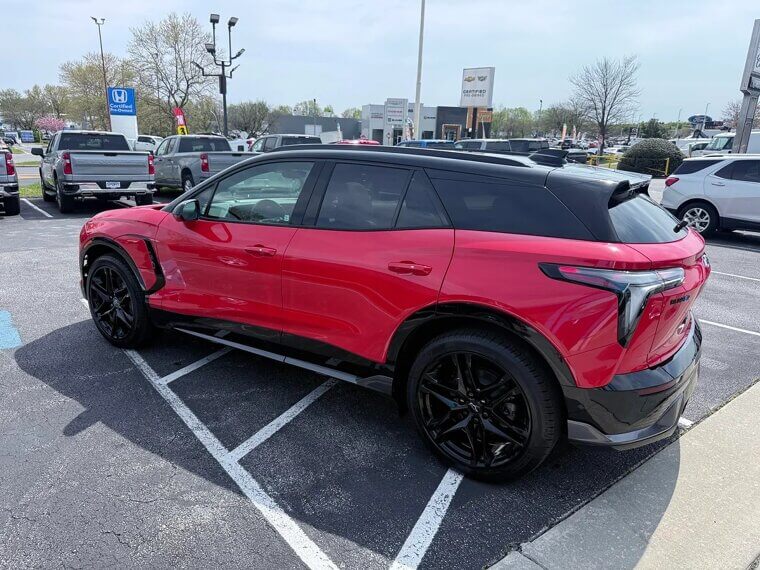
The original Chevrolet Blazer was a capable, rugged SUV that earned a loyal following through decades of dependable off-road performance and tough-truck credibility. When Chevrolet revived the Blazer name in the modern era, longtime fans expected something that honored that heritage. What they received instead was a stylish front-wheel drive crossover built for suburban commuting rather than trail work. It looked sporty and aggressive, with sharp lines that photographed well in marketing materials. But underneath that bold exterior was a car that shared little DNA with the Blazer name it carried. It drove competently enough for daily use, but felt completely disconnected from the rugged identity that made the original worth remembering. For buyers drawn in by the badge, the gap between expectation and reality was significant.
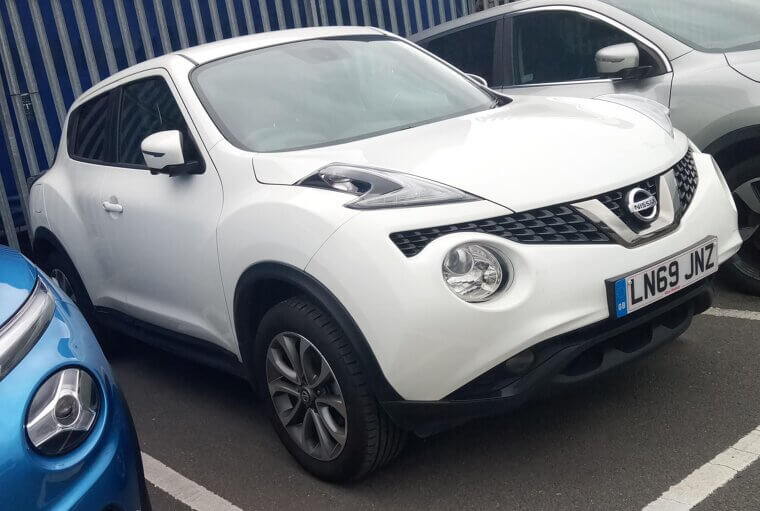
Nissan Juke (2019)
The Nissan Juke carved out an unusual niche as one of the most polarizing cars on the market, with its bulging headlights and unconventional proportions dividing opinion sharply. When Nissan replaced it in 2019, the brand promised better refinement, improved technology, and a more polished version of the quirky formula that had made the original memorable. The refinement improvements were modest at best. The cramped rear seating that drew consistent criticism in the original remained largely unchanged, and the awkward interior ergonomics that frustrated owners persisted into the new model. The original Juke earned forgiveness for its flaws because it felt genuinely fresh and bold. The second-generation version offered the same quirks without the same sense of novelty, making its shortcomings harder to overlook.
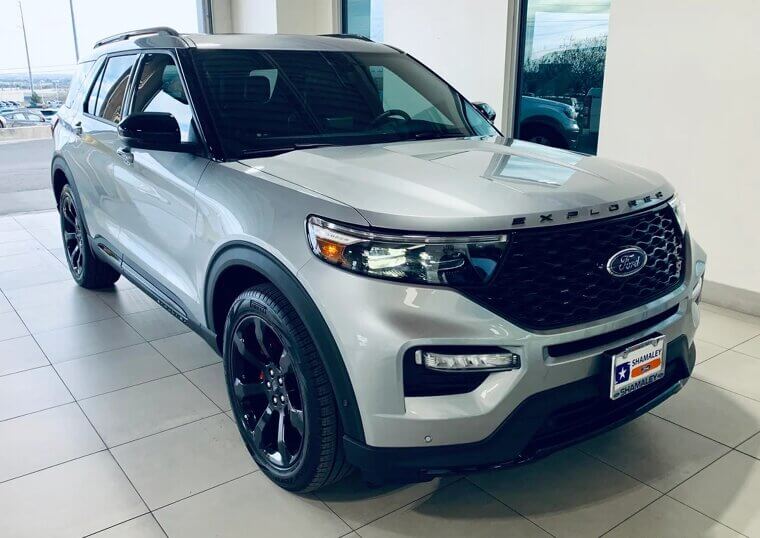
Ford Explorer (2020)
The 2020 Ford Explorer represented a significant engineering reset for the lineup, moving back to a rear-wheel drive platform and promising improved handling dynamics alongside a more refined interior. Ford marketed the sixth-generation model as a meaningful step forward for one of America's most popular family SUVs. Early buyers discovered a different story. Software glitches affected critical systems, exhaust fumes were reported entering the cabin in some vehicles, and build quality issues surfaced more frequently than expected from a major redesign. The previous Explorer wasn't a driver's car, but it was dependable and predictable in ways that mattered to families relying on it daily. When a promised upgrade introduces problems that weren't present before, it creates a trust deficit that better driving dynamics alone cannot overcome.
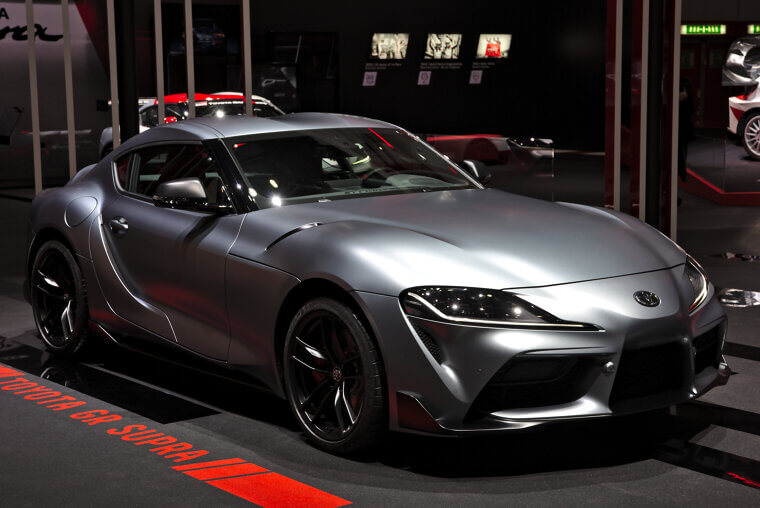
Toyota GR Supra (2019)
In 2019, Toyota released the A90 GR Supra to end a two-decade absence of one of the most iconic nameplates in sports car history. The performance numbers were strong, the styling was dramatic, and the marketing leaned heavily into the legendary A80 generation's reputation for tuning potential and driving purity. What buyers weren't prepared for was how thoroughly the new Supra felt like a BMW underneath, sharing its platform, engine, and many components with the Z4 roadster. As a standalone performance car the A90 was genuinely capable, but as a successor to the A80 it struggled to capture what enthusiasts had loved about the original. The raw character and tuning potential of the old engine couldn't be replicated, leaving many Supra fans with admiration for the numbers but little emotional connection.
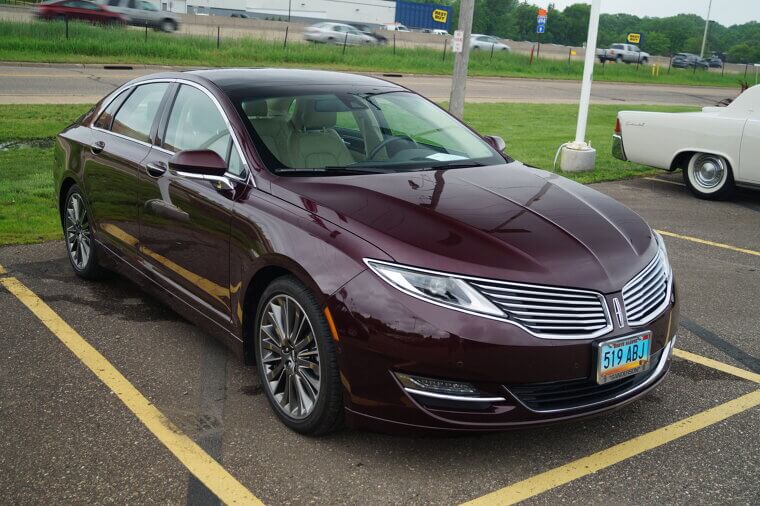
Lincoln MKZ (2013)
The Lincoln MKZ arrived for 2013 with bold promises of a luxury renaissance for a brand that had struggled to differentiate itself from its Ford parent for years. Lincoln marketed the MKZ aggressively as a genuine European luxury competitor, featuring striking styling, a panoramic roof, and available hybrid powertrain that seemed to signal serious intent. Buyers who stepped inside, however, quickly recognized much of what they found. The dashboard layout, switchgear, and fundamental driving experience closely mirrored the Ford Fusion that shared its platform, leaving luxury buyers feeling they had paid a significant premium for a redecorated mainstream car. The MKZ wasn't poorly built, but it struggled to justify its price against genuine luxury competitors from BMW and Mercedes. For Lincoln loyalists hoping for a real revival, it felt more like a missed opportunity than a meaningful step forward.
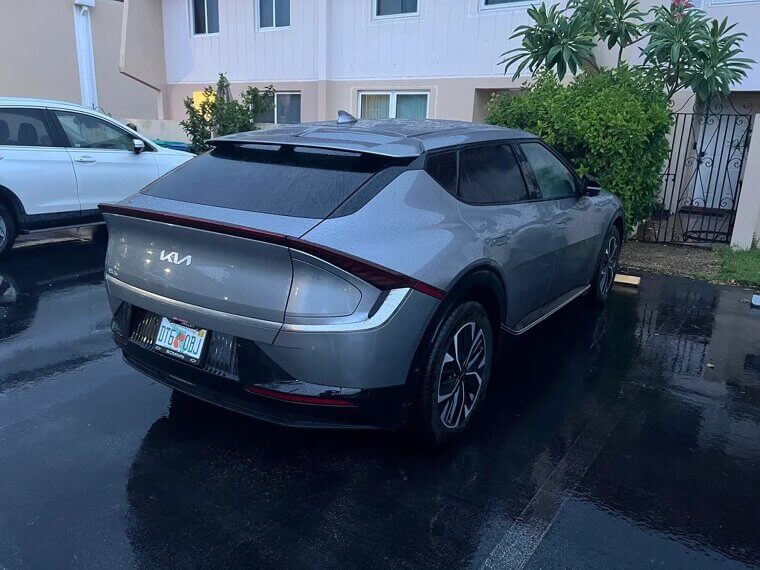
Kia EV6 (2024)
The original Kia EV6 was a genuine breakthrough when it launched, offering impressive range, fast charging capability, and a bold design that helped establish Kia as a serious player in the electric vehicle market. The 2024 facelift arrived with promises of smarter technology, a refined exterior, and better overall value. The updates were real but modest - refreshed headlights, revised interior trim, and software improvements that most existing owners could access through updates anyway. In a rapidly evolving EV market where competitors were delivering genuinely significant improvements, the changes felt incremental rather than meaningful. The original EV6 was strong enough that a light refresh wasn't necessarily wrong, but marketing it as a significant upgrade set expectations the facelift simply wasn't designed to meet.
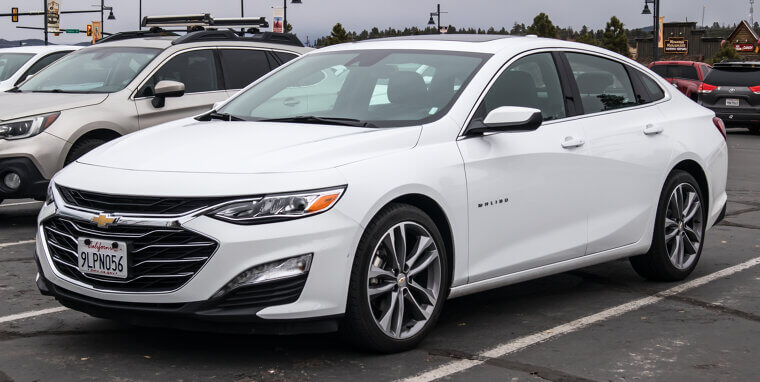
Chevrolet Malibu (2016)
By the time the ninth-generation Chevrolet Malibu arrived for 2016, the nameplate had gone through so many iterations that buyer enthusiasm was already worn thin. Chevrolet marketed it as a genuine step forward, highlighting a lighter body structure, more modern styling, and updated technology features aimed at competing with the segment's stronger performers. In practice, the improvements felt marginal. Interior materials remained a weak point compared to rivals like the Honda Accord and Toyota Camry, the driving experience offered little engagement, and reliability questions that had followed the Malibu for years lingered without clear resolution. Buyers hoping for a transformed car found a familiar one with minor updates instead. When a model has disappointed repeatedly, incremental changes aren't enough to rebuild confidence.
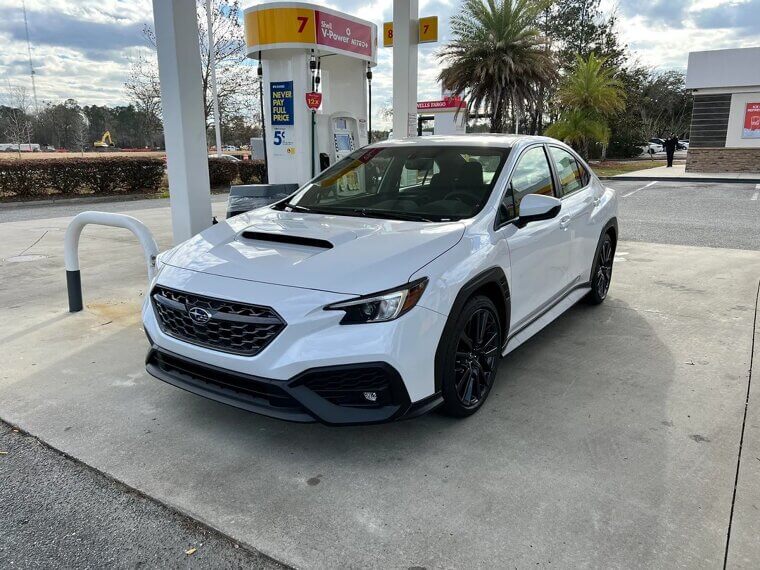
Subaru WRX (2022)
The Subaru WRX built its reputation as an affordable performance car with genuine rally-bred credentials, offering turbocharged power, symmetrical all-wheel drive, and a driving experience that rewarded enthusiastic inputs. When the fifth-generation model arrived for 2022, Subaru's stated goal was refinement and daily usability rather than outright performance - a direction that fundamentally misread what made the WRX valuable to its core buyers. The styling was sharper, and the new turbocharged engine produced competitive numbers on paper. But the driving character felt noticeably more muted than previous generations, with a focus on comfort over the raw feedback that enthusiasts expected. For buyers who chose a WRX specifically because it wasn't a refined commuter car, the refinement-first approach felt like Subaru had solved a problem that nobody who bought the WRX actually had.