Bigger Engines Are Always Faster
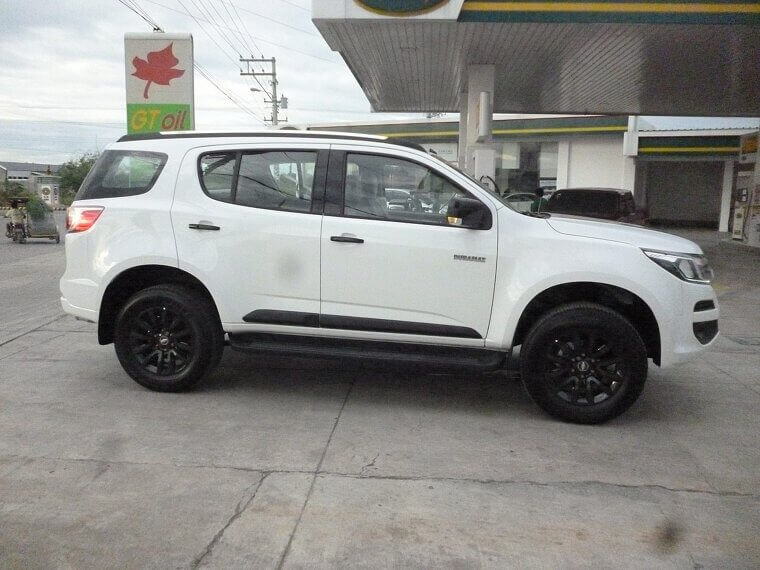
Contrary to popular belief, engine size does not always equal speed. Performance depends on a number of aspects, including design, weight and transmission. A smaller turbocharged engine can outperform a larger naturally aspirated one. In fact, modern 2.0-liter turbo engines often produce more horsepower than older V6s. Efficiency, aerodynamics, and technology are more important than size alone. Bigger engines may offer more torque, but this does not always allow for more speed. Lighter vehicles with well tuned powertrains often accelerate faster and handle better than heavier cars with large engines. Advances in engineering have shifted the focus away from sheer size and toward smarter, more balanced performance.
Premium Gas Always Improves Performance
Many drivers think that premium fuel increases power and efficiency. However, unless your car’s engine is specifically designed for high-octane fuel, using premium won't enhance its performance or mileage at all. All it does is cost more. Modern engines are optimized for regular unleaded, meaning that using premium without need is simply a waste of money. Be sure to always check your owner’s manual before choosing which fuel grade to use.
Idling Uses Less Fuel Than Restarting
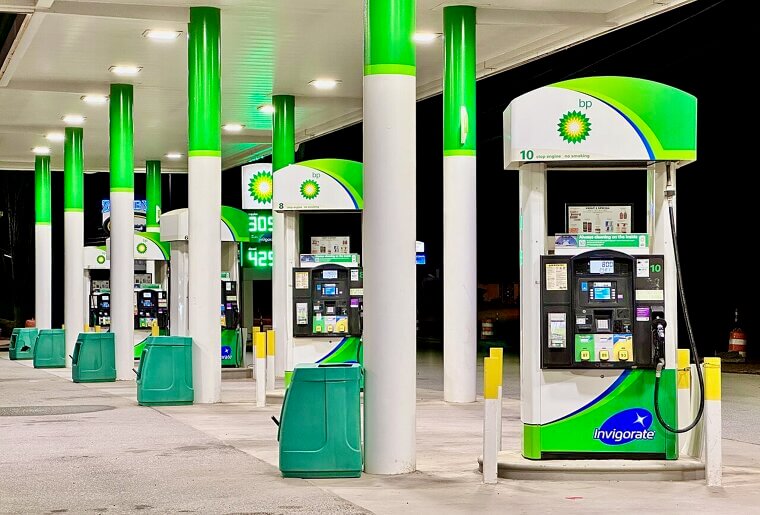
While older cars may use more fuel when restarting, modern engines are designed for optimal efficiency. Restarting your car uses very little fuel compared to idling for long periods. Idling also increases emissions and slowly wears down engine parts. That’s why stop-start systems are now so common in vehicles. Not only do they save fuel, but they also reduce pollution by turning off the engine when the car is not moving.

Manual Cars Are Always More Fuel-Efficient
While this may have been true decades ago, modern automatic transmissions are often more efficient than manual ones. Gearboxes, like CVTs and dual-clutch systems, optimize power delivery better than human shifting. Automatics can keep engines in their most efficient range, which improves fuel economy. Manuals may still be fun to drive, but they no longer always save fuel compared to automatics.
You Have to Let Your Warm up for Several Minutes Before Driving in Winter
Older carbureted engines needed warming up, but modern fuel-injected engines do not. In fact, driving gently after starting warms the engine faster and more efficiently than letting it idle beforehand. Extended idling not only wastes fuel, but it also increases emissions and can even cause wear and tear on components over time. The best option is to start the car, let it heat up for around 30 seconds and then drive slowly until the engine reaches its optimal operating temperature.

Oil Must Be Changed Every 3000 Miles
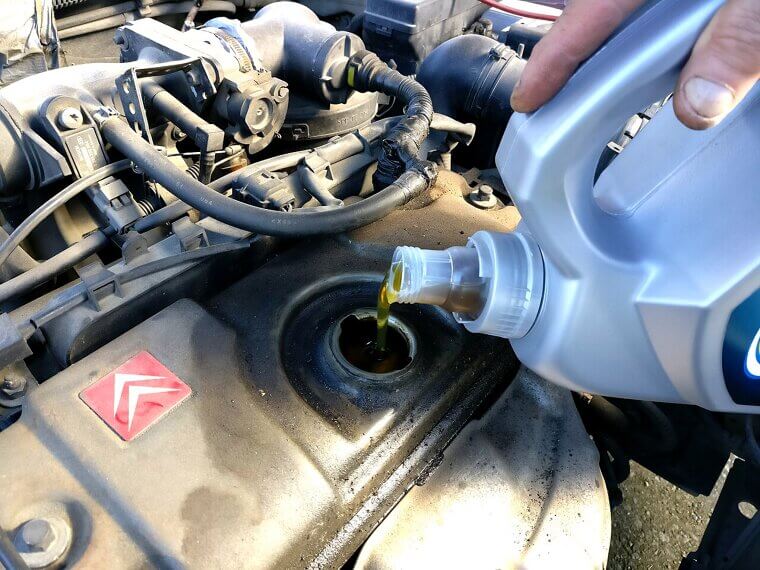
While many drivers preach the fact that oil should be changed every 3000 miles or so, this simply isn't the case. In fact, most modern engines and synthetic oils allow for up to 10 000 miles of driving before an oil change is necessary. If you change your oil too soon, you will only end up spending more on car maintenance every month. Oil life monitoring systems in newer cars even track driving conditions and let you know when a change is needed, making the old 3000 mile rule obsolete.
You Should Replace All Tires at Once
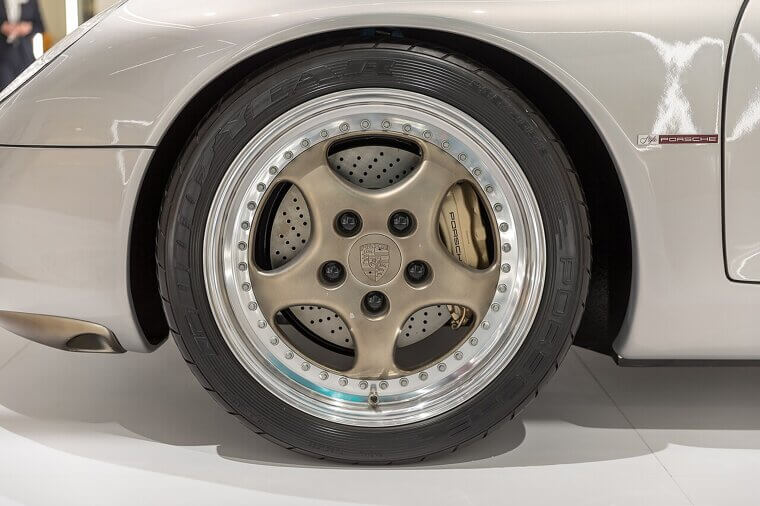
While replacing all four tires is often recommended, it is not always necessary. For example, if only two tires are worn, replacing them in pairs is perfectly acceptable - as long as the new tires are installed on the rear axle to maintain stability. Using a mix of old and new tires may influence handling, but proper installation reduces this risk. Overall, vehicle safety is maintained by proper tire balance and installation, rather than having completely identical tires.
Brake Fluid Never Needs Changing
Over time, brake fluid naturally starts to absorb moisture from the air, which can make it less effective and increase the risk of brake problems. Even if the fluid looks normal, water inside will lower the boiling point, resulting in soft or spongy brakes during heavy use. Most manufacturers advise replacing brake fluid every two to three years. If there is one vehicle component that you never want to take unnecessary risks with, it's the brakes.

Synthetic Oil Causes Leaks
For decades, drivers believed that synthetic oil brands actually caused their cars to leak. In reality, they are specifically designed to be compatible with modern-day seals and gaskets. Because of this, these oils reduce wear and tear on components and have even shown to improve overall performance. If leaks do occur, they are more than likely due to worn seals - not the oil itself.
Engine Flushes Are Always Necessary
While engine flushes are advertised as a way to clean out engine sludge, they aren’t actually needed and can even be harmful to older engines. Modern engine oils are made using detergents that keep everything clean inside. If you use a flush, it old desposits may end up blocking the oil passages. So, unless a reliable mechanic suggests it for a particular problem, sticking to routine oil changes is usually the way to go.
Red Cars Get More Speeding Tickets
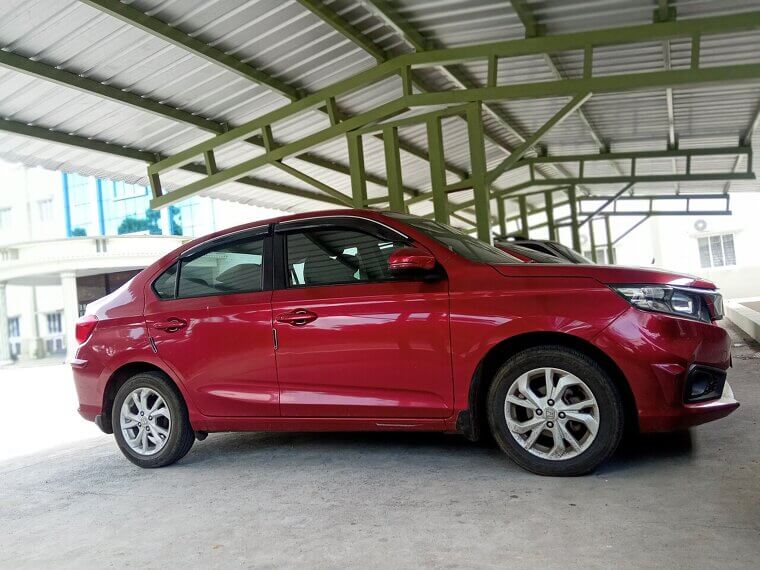
Even though this myth has been disproven, many people still believe that red cars receive more speeding tickets. The theory behind it is that traffic officer's are more likely to target red cars, as they stand out from the rest. However, in reality, officer's use speedometer's to monitor the speed of each passing car and only issue a ticket if the driver is going above the speed limit.
SUVs Are Safer Than Other Cars
While bigger cars may feel safer, they actually have a higher rollover risk. Overall, vehicle safety depends on design and materials used - not size. In fact, modern sedans actually outperform SUVs in crash tests, despite being much smaller.

Hands-Free Devices Eliminate Distracted Driving
Many drivers invest in hands-free devices, believing that they reduce physical distraction and, therefore, making multi-tasking while driving safer. However, this simply isn't true. While the driver may not be using their hands, their attention is still split, inceasing their chances of making a mistake on the road. Studies show that reaction times are much slower when drivers are engaged in conversations - whether it be in person or via a cell phone.
Four-Wheel Drive Makes You Invincible in Snow
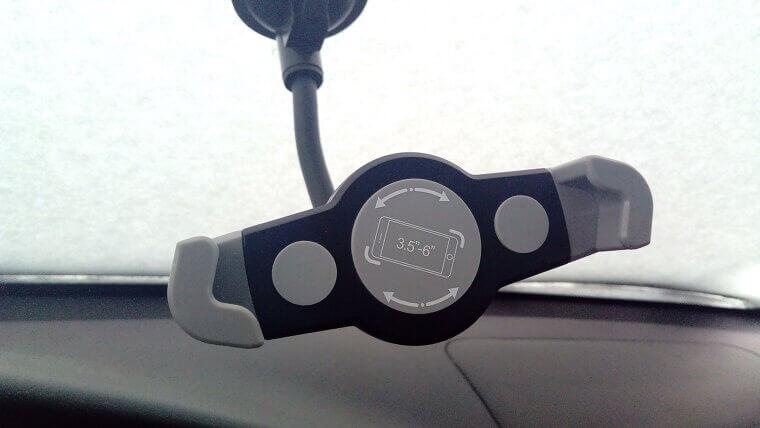
While four-wheel drive does improve traction when accelerating, it doesn’t help with braking or cornering. Drivers often overestimate its abilities, which can be dangerous on the open road. It's important to note that the stopping distance of 4WD vehicles remains the same - especially in slippery conditions. Winter tires are much more important when it comes to driving in the snow.
You Should Drive Downhill in Neutral to Save Fuel
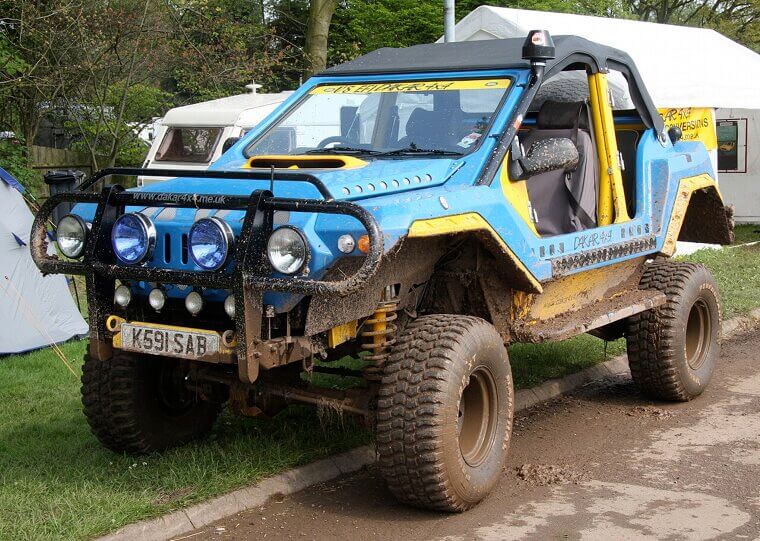
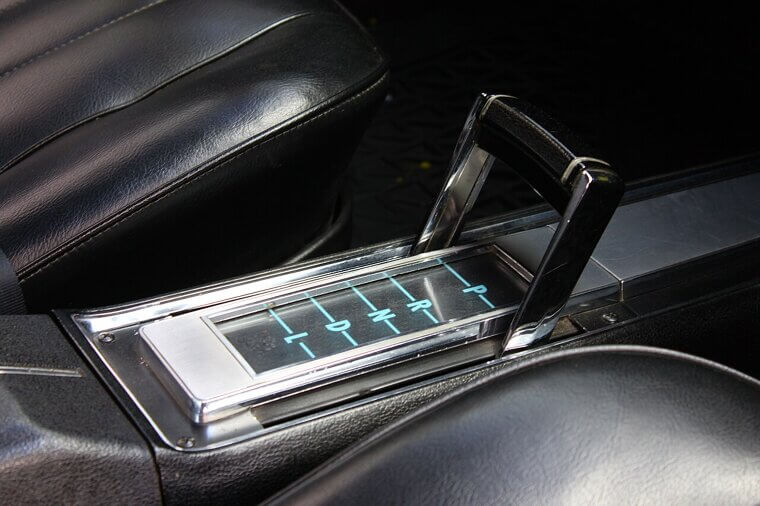
While coasting downhill in neutral may save you money in fuel, it also reduces control and disables engine braking - which can be extremely dangerous. Modern cars are already designed to minimize fuel usage while in gear, making this additional risk completely unnecessary. On top of this, any money that you save on fuel will end up going into brake repair, as coasting in nuetral places additional wear and tear on the components.
A Car Battery Lasts Forever if Unused
Many people believe that car batteries will last forever if they go unused. However, all batteries degrade over time, with chemical reactions inside causing gradual loss of capacity. As a result, leaving a car for months can drain the battery completely, while regular driving actually keeps it charged for longer.
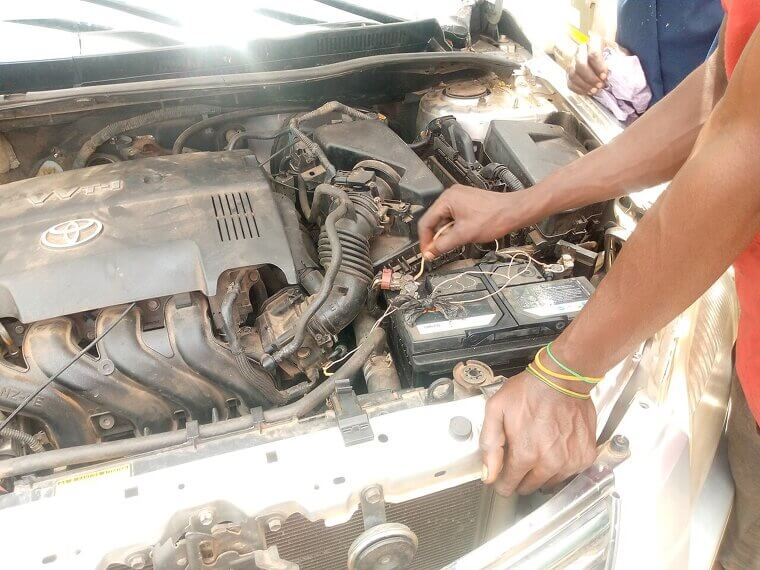
Rust-Proofing Is Always Necessary
Back in the day, rust-proofing may have been a mandatory chore in vehicle maintenance. However, nowdays, modern cars are built with advanced corrosion protection, including galvanized steel and protective coatings. In the long run, this will keep your vehicle looking shiny and new for longer - despite whether or not it has been taken in for rust-proofing.
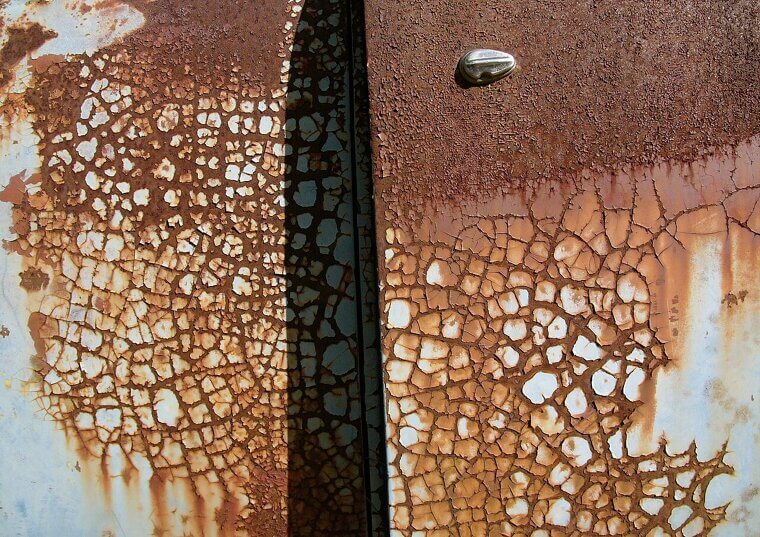
Washing Your Car Too Often Damages the Paint
If done correctly, washing your car frequently won't cause any damage to its paint. In fact, the dirt, pollutants and road salt are more likely to cause paint damage if left for too long. Regular washing preserves shine and prevents rust, leaving it looking better for longer.
Tires Should Be Inflated to the Number on the Sidewall
It;s important to note that the number on the sidewall is the maximum pressure the tire can handle, not the recommended level. Overinflating can be extremely dangerous, while also increasing the overall wear and tear placed on the tires.

All-Wheel Drive Improves Fuel Economy
Many believe believe that AWD vehicles have superior fuel economy. In reality, the system adds weight and mechanical drag, reducing the overall fuel efficiency of the car.