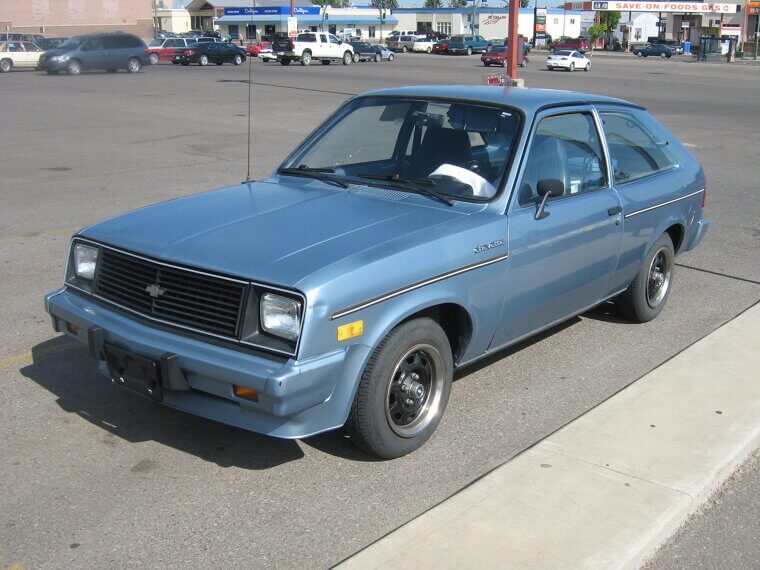
Chevy Chevette
The Chevy Chevette was marketed as a no‑frills, economical solution for drivers who simply needed basic transportation. Buyers felt smart choosing something inexpensive, easy to park, and cheap to run (but that didn’t last long!) For a while, the Chevette fulfilled that mission well enough. But its slow performance, bare‑bones interior, and aging design quickly became apparent as competitors improved. Owners who initially felt financially savvy sometimes found themselves wishing for just a bit more refinement. While the Chevette wasn’t a disaster, it also wasn’t the long‑term value many hoped for.,
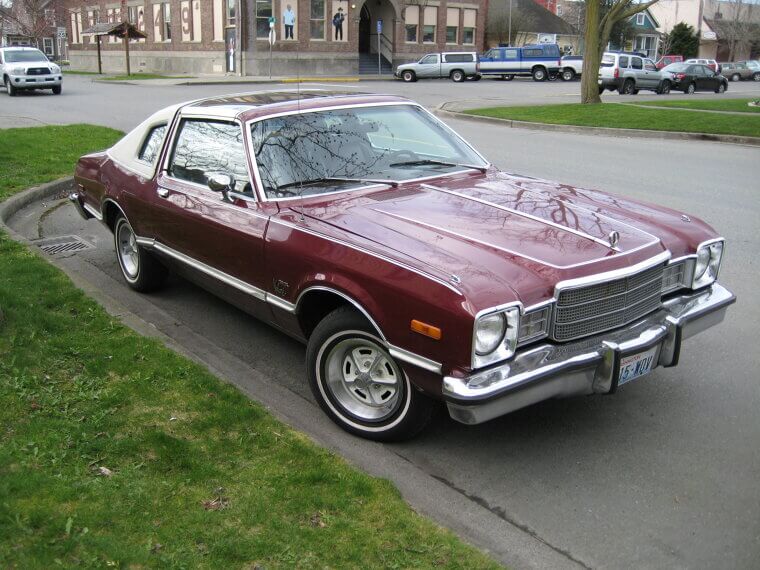
Plymouth Volaré
When the Plymouth Volaré launched, it arrived with strong marketing, a comfortable ride, and even a Motor Trend Car of the Year award. Buyers felt confident choosing a car that seemed modern, practical, and well‑regarded. For a brief moment, it looked like a genuinely smart purchase. But rust issues, recalls, and quality issues quickly surfaced, leaving many owners disappointed. What began as a promising, award‑winning sedan turned into a symbol of unmet expectations.
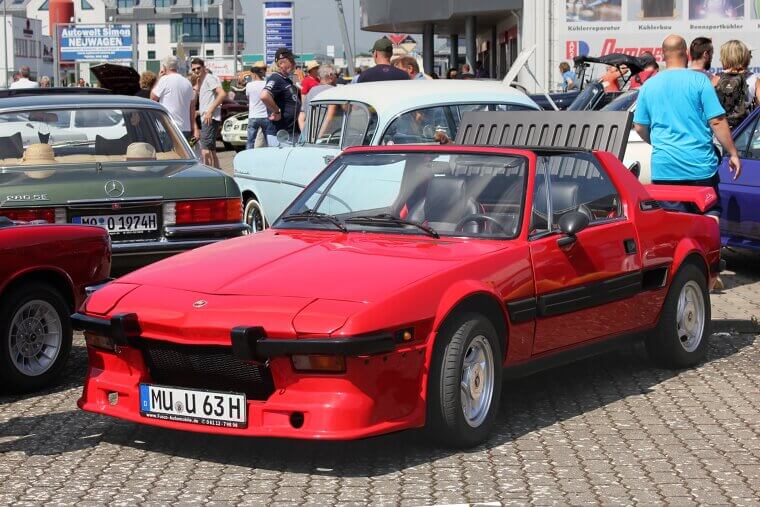
Fiat X1/9
The Fiat X1/9 offered something rare in its price range: a mid‑engine layout, sharp handling, and a genuinely fun driving experience. Buyers felt clever choosing a car that delivered sports‑car thrills without sports‑car prices. For a while, it lived up to that promise beautifully; But rust issues and electrical problems gradually dimmed the excitement. Owners who once bragged about their savvy purchase eventually found themselves juggling repairs and chasing parts. The X1/9 remains beloved by enthusiasts who appreciate its charm, but for many everyday buyers, it became a reminder that affordable performance often comes with hidden costs.
Chevrolet Vega
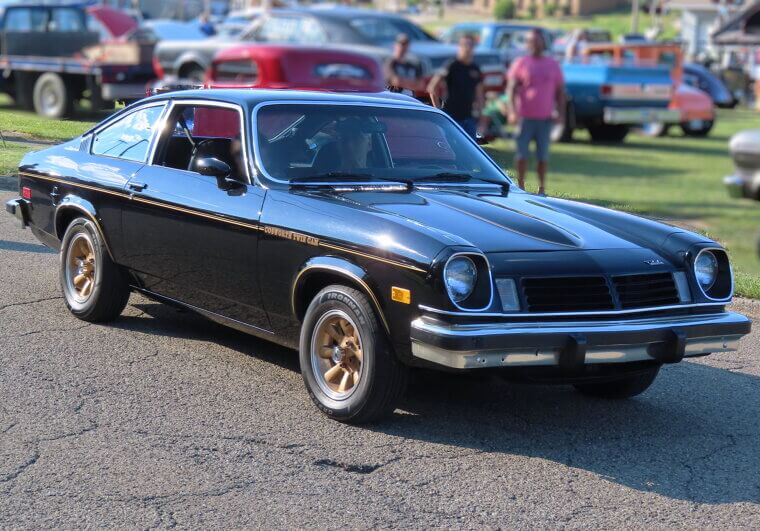
When the Chevrolet Vega debuted, it looked like GM had finally cracked the formula for a stylish, lightweight, fuel‑efficient compact. Early buyers felt ahead of the curve, choosing a modern American small car instead of an import. The sleek design and promising engineering made the Vega seem like a smart, almost progressive purchase. But reality crept in quickly. Engine issues, rust problems, and quality inconsistencies turned enthusiasm into regret. Owners who once bragged about their savvy choice soon found themselves dealing with repairs they never expected. The Vega remains a classic example of great intentions undone by execution.
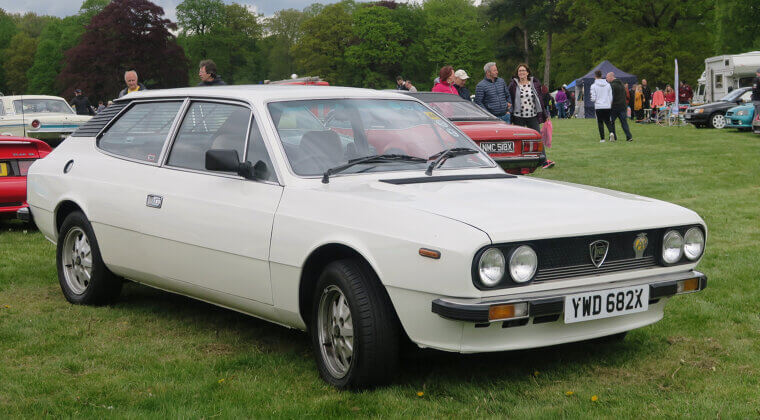
Lancia Beta
The Lancia Beta arrived with sharp styling, lively handling, and a reputation for European sophistication. Buyers felt clever choosing something more refined than mainstream compacts, and early reviews supported that confidence. For a moment, it seemed like a smart, stylish purchase that delivered real driving pleasure. Then the rust issues appeared - quickly and dramatically. Many Betas deteriorated far faster than owners imagined, turning pride into disappointment. Today, the Beta is remembered as a car that drove beautifully but couldn’t outrun its corrosion problems.
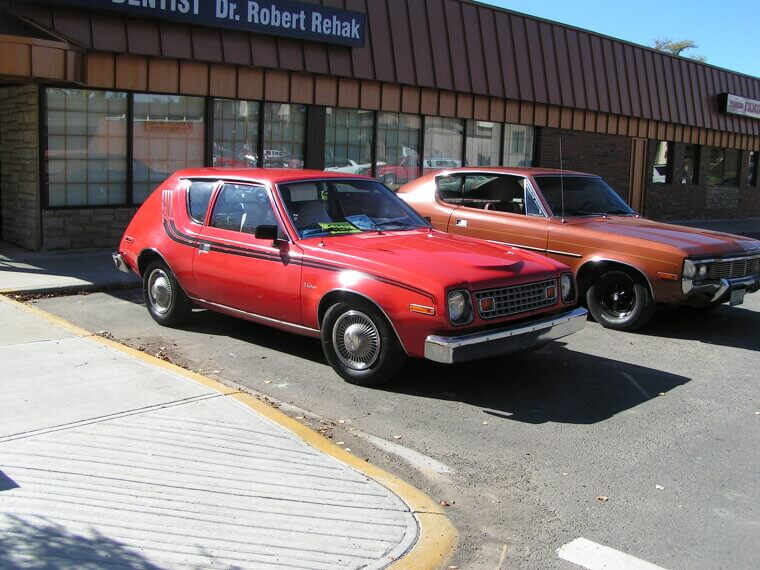
AMC Gremlin
The AMC Gremlin was quirky, affordable, and surprisingly appealing to buyers who wanted something different without spending much. Its strange shape gave it personality, and many owners felt clever choosing a car that didn’t blend into traffic. For a moment, it seemed like a fun, practical decision that broke from convention. But the Gremlin’s appeal faded as build‑quality issues and aging components made ownership less delightful. What once felt like a smart, unconventional pick slowly turned into a lesson in the risks of bargain hunting. Still, the Gremlin’s weirdness has earned it a nostalgic cult following today.
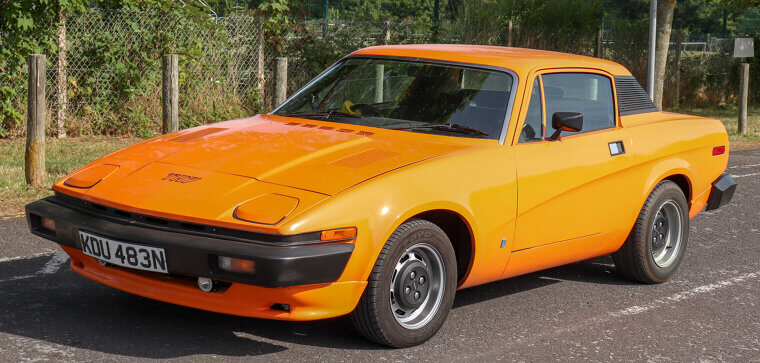
Triumph TR7
Triumph pitched the TR7 as “The shape of things to come,” and buyers genuinely believed it. The wedge styling looked futuristic, and the idea of owning a sporty British coupe at a reasonable price felt like a win! For a while, it delivered on that promise with fun handling and head‑turning design. But reliability problems soon overshadowed the excitement. Electrical gremlins, mechanical quirks, and inconsistent build quality left many owners feeling more frustrated than fashionable. The TR7 remains a car people wanted to love, and for a brief moment did, before realizing that bold styling doesn’t always equal smart ownership.
DeLorean DMC‑12
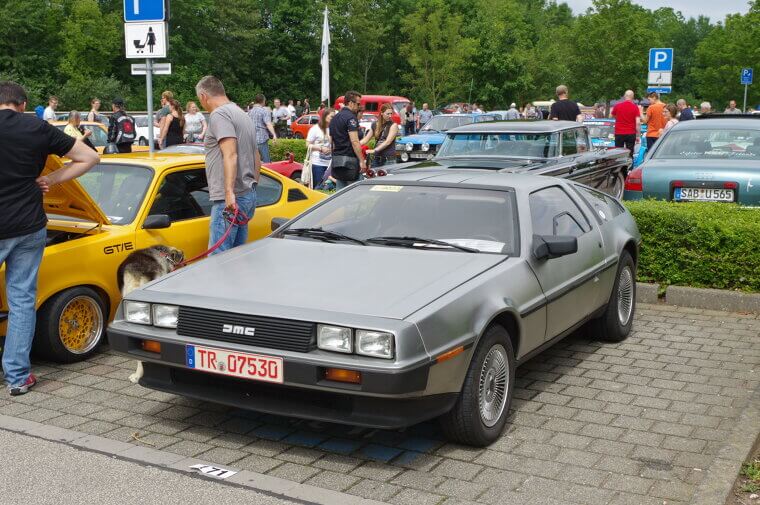
Few cars have ever launched with as much hype as the DeLorean DMC‑12. Stainless steel bodywork, gullwing doors, and inventive vibes made early buyers feel like they were stepping into tomorrow. This car seemed like the ultimate smart purchase for anyone wanting something unique and forward‑thinking. But once the novelty faded, owners discovered an underpowered engine, quality issues, and a company unraveling behind the scenes. What felt like a brilliant, almost visionary choice quickly became a maintenance challenge. Still, the DeLorean’s cultural legacy ensures that even those who regretted the purchase can say they owned a true automotive icon.
Cadillac V8‑6‑4
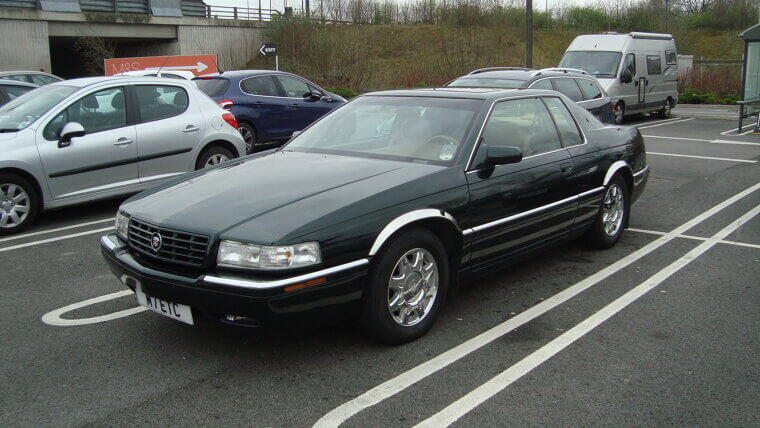
Cadillac’s V8‑6‑4 engine sounded like genius in the early 1980s: a big, smooth V8 that could shut down cylinders to save fuel. Buyers loved the idea of cutting‑edge technology wrapped in classic Cadillac comfort. On paper, it was a smart, forward‑looking purchase. In practice, the system was ahead of its time - and not in a good way. The electronics struggled to keep up, leading to rough transitions and reliability headaches. Owners who thought they were buying innovation ended up visiting mechanics far more often than expected.
Ford Pinto
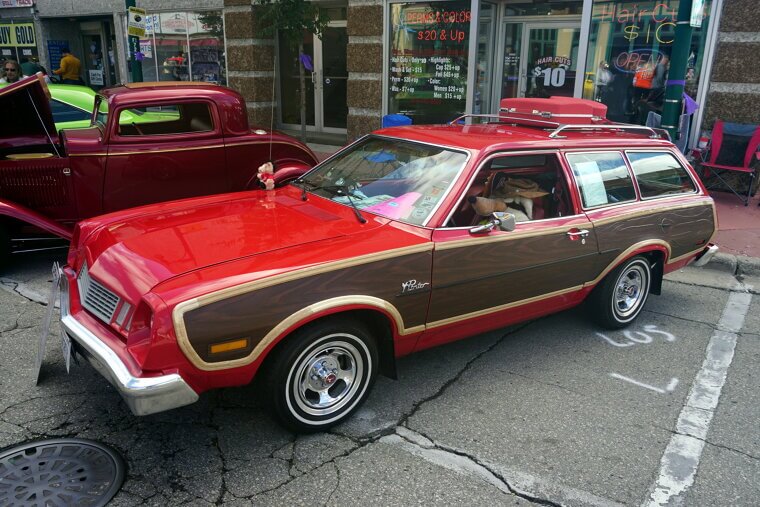
The Ford Pinto arrived at exactly the right moment in American car culture: small, affordable, and refreshingly simple. Buyers loved the idea of a no‑nonsense commuter that didn’t gulp fuel like the big sedans of the era. For many, it felt like a smart, forward‑thinking purchase that fit changing times. Unfortunately, the Pinto’s reputation didn’t age nearly as well as its sales brochures. Safety controversies overshadowed its practical charm, and owners who once felt savvy suddenly found themselves defending their choice. Today, the Pinto stands as a reminder that a clever buy can turn complicated in hindsight.
Maserati Biturbo
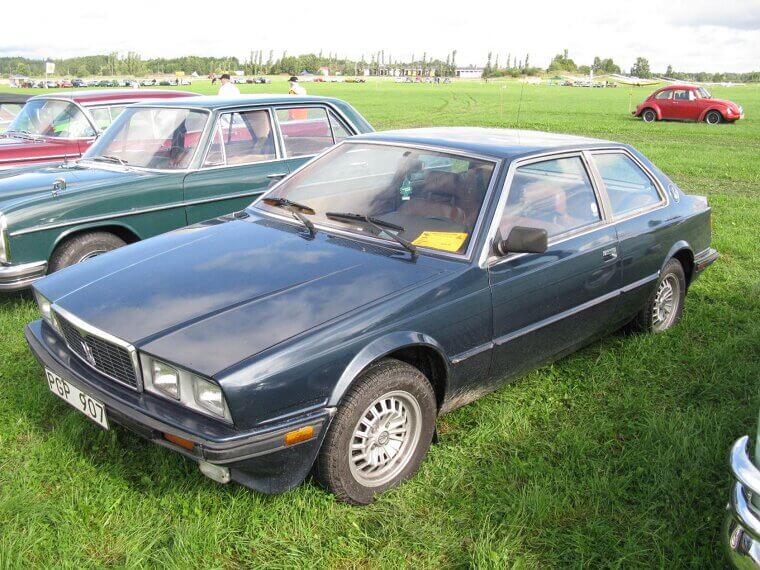
The Maserati Biturbo tempted buyers with an irresistible promise; exotic Italian performance at a price within reach. For many, it felt like a brilliant shortcut into luxury and speed without the usual financial leap. The twin‑turbo V6 and elegant interior made early ownership genuinely exciting. But the honeymoon didn’t last. Reliability issues, complex maintenance, and fragile components turned the Biturbo into a demanding partner. What once felt like a smart, indulgent purchase quickly became a costly lesson in the realities of owning an affordable exotic.
Renault Le Car
Renault’s Le Car arrived in the U.S. with European charisma and impressive fuel economy, making it seem like a smart, practical choice during changing automotive times. Buyers appreciated its simplicity and friendly personality, and for a while, it delivered exactly what was promised. But American roads and expectations proved tougher than anticipated. Durability issues, limited power, and parts availability challenges gradually eroded the initial enthusiasm. Owners who once felt clever for choosing something different eventually found themselves dealing with frustrations they hadn’t planned for.

Jaguar XJ6 Series III
The Jaguar XJ6 Series III exuded elegance, offering buyers a taste of British luxury at a price that felt surprisingly attainable on the used market. Many felt they were making a smart, sophisticated choice - getting timeless styling and smooth performance without the premium cost. But the reality of ownership often told a different story. Electrical issues, finicky components, and maintenance demands turned the dream into a challenge. Owners who once felt proud of their refined purchase sometimes found themselves overwhelmed by upkeep.

Oldsmobile Diesel V8 Models
Oldsmobile’s diesel V8 models seemed like a brilliant idea during fuel‑conscious times: big American cars with impressive fuel economy. Buyers felt ahead of the curve, choosing efficiency without sacrificing comfort or size. Unfortunately, the engines weren’t ready for real‑world demands. Mechanical failures, contamination issues, and widespread reliability problems quickly emerged. Owners who once felt clever for embracing diesel technology soon found themselves dealing with costly repairs and disappointing performance. The concept was forward‑thinking, but the execution missed the mark.
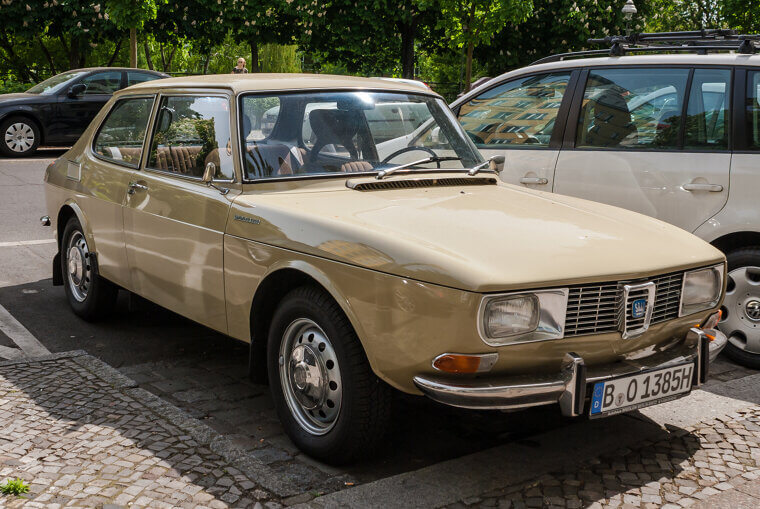
Saab 99 Turbo
The Saab 99 Turbo was genuinely ahead of its time, offering turbocharged performance in a practical, uniquely styled package. Buyers felt smart choosing a car that blended innovation with everyday usability. For a while, it delivered thrilling acceleration and a sense of Scandinavian cool that set it apart. But maintaining early turbo technology proved challenging, and parts availability wasn’t always ideal. Owners who once felt clever for embracing something different sometimes found themselves navigating unexpected complexities. Still, the 99 Turbo’s influence on modern performance cars is undeniable, making it a fascinating mix of brilliance and burden.