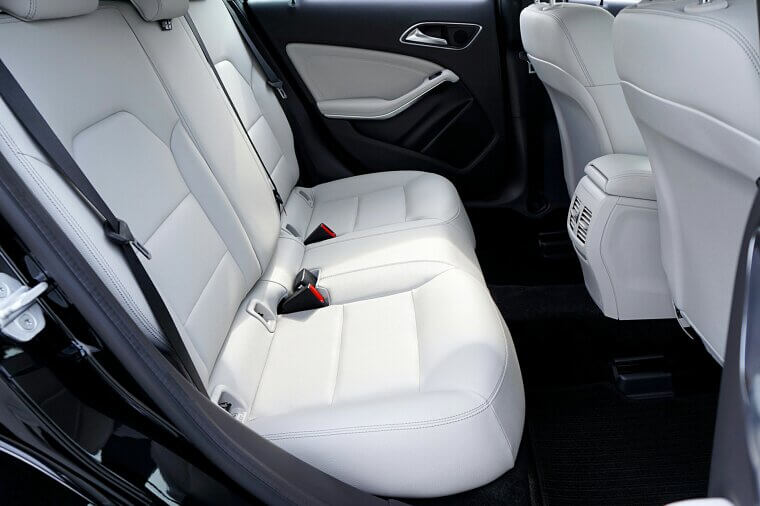
Rear Seat Belt Reminder Requirements
For decades, that incessant "dinging" was a solo performance that was reserved strictly for the driver. You could have a literal circus troupe unbuckled in the back, and the dashboard wouldn't blink. However, federal regulators have recently decided that the silence was too dangerous. New mandates now require cars to feature visual and audible alerts for front passengers, and by 2027, the back seat will get the same treatment. Whether this new chorus of cautionary beeps will harmonize with family road trips or become a cacophony of nagging remains to be heard. This shift reflects a broader trend of using technology to enforce safety rules that were once left to personal choice. While these alarms save lives, they also change the quiet atmosphere of the modern car cabin forever.
Backseat Seat Belt Laws Expanded
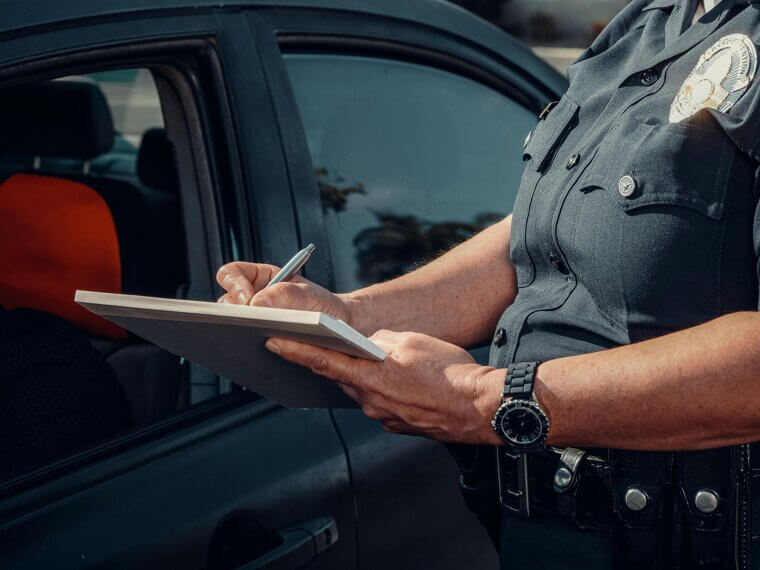
If you grew up in the '90s, the backseat was the "Wild West" where belts were optional suggestions. That’s no longer the case. States like New York have overhauled their statutes to mandate that every person in the vehicle, regardless of age or seating position, must be buckled in. Drivers who have been driving for a long time often assume that once they hit 18, the backseat is a freedom zone, but the police think otherwise. So next time you slide into that rear seat, remember the only thing that should be left loose is the conversation.
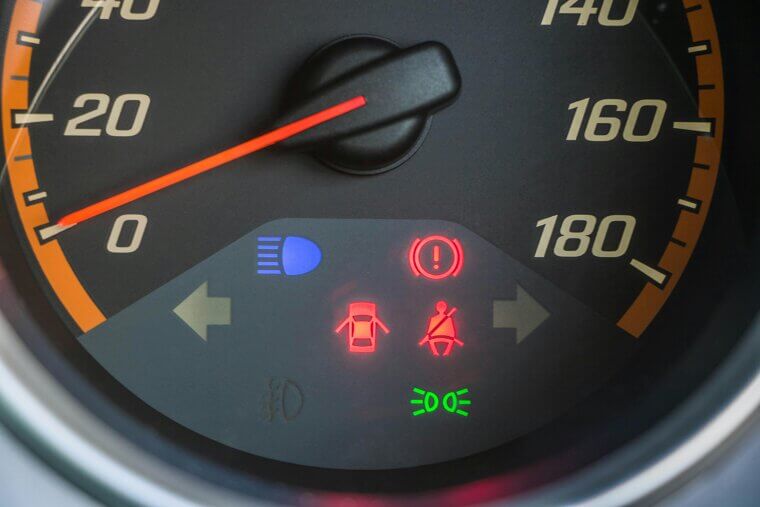
Mandatory Enhanced Warnings for Seat Belts
It’s not just about whether your car warns you anymore; it’s about how aggressively it does it. Federal safety standards have recently improved, specifying the duration and persistence of seatbelt chimes. We’re moving away from the polite "two-second chirp" and toward a relentless auditory assault that won't stop until the sensor is satisfied. The car's patience for unbuckled passengers has officially hit zero. Is it annoying? Yes. But is it necessary? Also yes.
Mandatory Event Data Recording
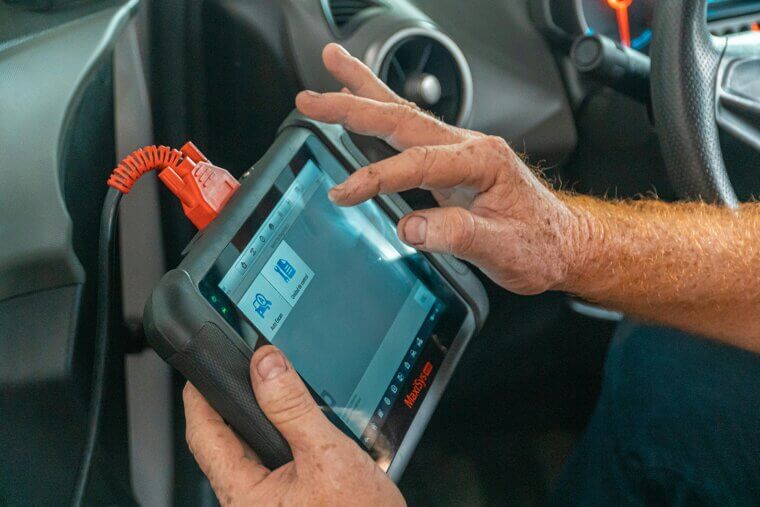
Most modern vehicles are now equipped with what is essentially a "black box," similar to what you’d find on a commercial airliner. While the tech has existed for a while, federal regulations have recently standardized how this data is captured and who can access it after a crash. These devices record your speed, steering angle, and braking force in the seconds leading up to an impact. It’s a massive regulatory shift that removes the "he-said, she-said" from accident reporting, effectively making your own car a witness against you (or for you) in court.
Increased Speeding Penalties
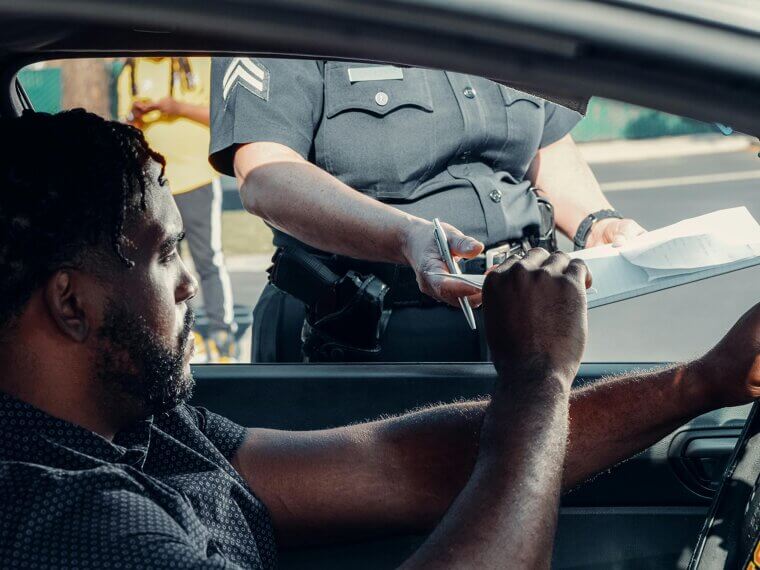
The cost of having a "lead foot" just went through the roof. Many states and provinces have quietly updated their fine schedules for 2025, with a particular focus on excessive speeding. If you’re caught doing 20 mph over the limit, you aren't just looking at a higher fine; you’re looking at mandatory court appearances and much steeper insurance hikes. Some areas have even introduced "super-speeder" categories that add a flat surcharge on top of the base fine. This is an aggressive (and understandable) push to slow down traffic as road fatalities have hit record highs in recent years.
No Handheld Devices Even at Red Lights
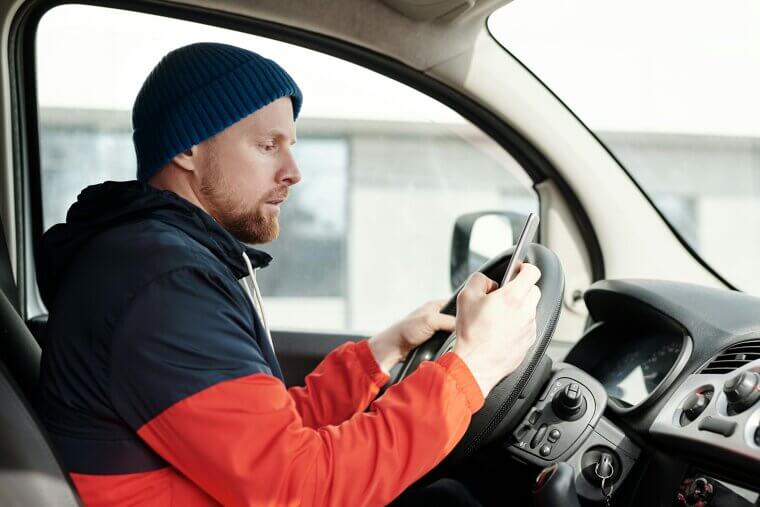
This is the "stoplight trap" that catches thousands of well-meaning drivers. There’s a common misconception that if your foot is on the brake and the car isn't moving, the "hands-free" rules don't apply. In reality, modern statutes in several states define "driving" as being in physical control of the vehicle on a public roadway, which includes waiting for a green light. Cops often stake out busy intersections specifically to catch people looking down at their laps. Remember, just because the wheels aren't spinning doesn't mean you can use your phone. If you’re in the car, hands off.
Child Safety Law Updates for Rear‑Facing Seats
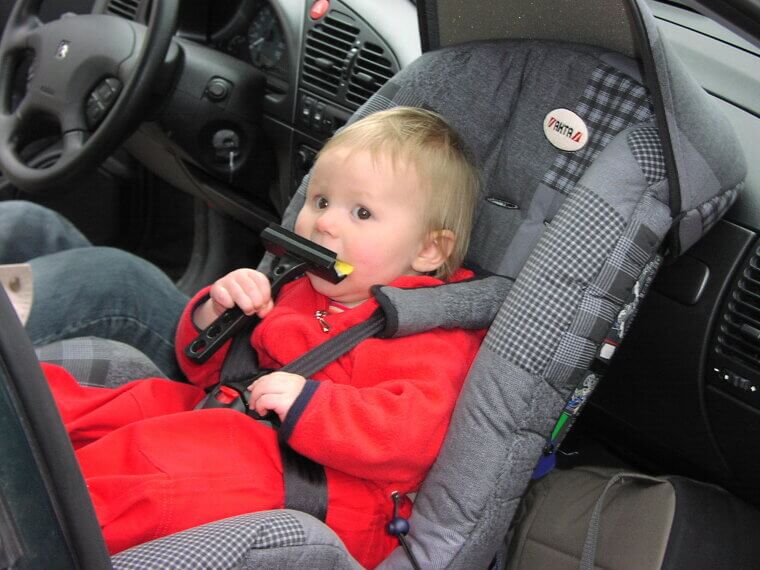
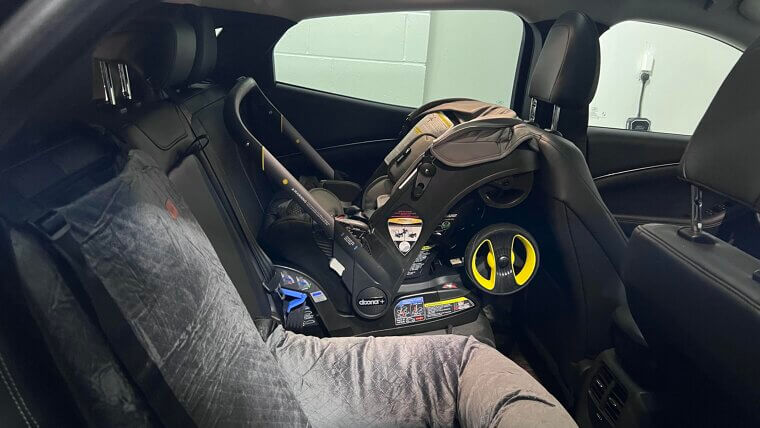
The "graduation" from rear-facing to forward-facing used to be a celebrated milestone for parents, often happening right around the first birthday. But the science shifted, and the law followed suit. Many states now strictly mandate that children remain rear-facing until at least age two, or until they reach specific height and weight milestones. It’s a move toward the "Swedish model" of safety, which prioritizes neck protection. That means the days of rushing to turn the car seat around are over. The new rule of thumb is simple: the longer they stay rear-facing, the safer they are.
“Move Over/Slow Down” Rule Expansions
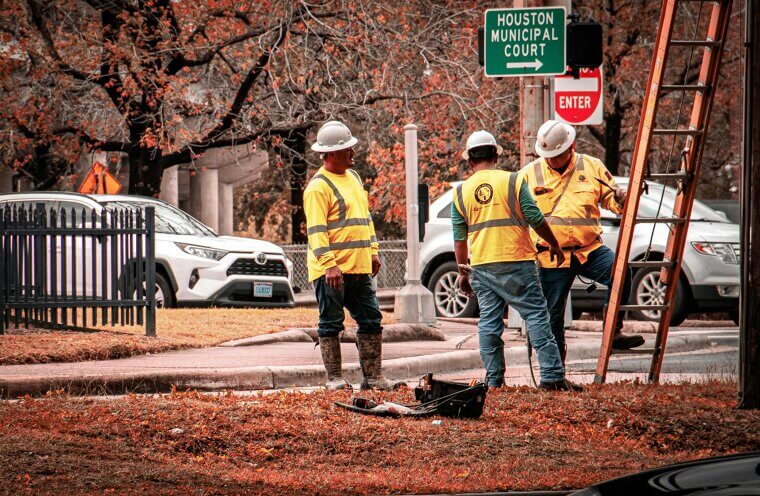
We all know to get over for a state trooper with a car pulled over. However, the "Move Over" laws have quietly expanded to include almost any vehicle with amber lights, including tow trucks, utility crews, and even municipal trash trucks. Many drivers are still under the impression that these protections only apply to emergency "first responders." Getting caught zooming past a utility worker fixing a power line can now result in a significant fine and heavy points. This will protect anyone working on the side of the road, not just cops.
Automated Enforcement Zones
Speed cameras and red-light cameras have moved from the "experimental" phase into a permanent fixture of urban life. Unlike a human officer who might give you a warning, these systems are binary and tireless. What’s changed is the density of these zones. Many cities are now nesting them in "school zones" that operate even when school isn't in session, or in "work zones" where no workers are present. The fact that it’s a silent form of enforcement that arrives in your mailbox weeks after you’ve forgotten the drive makes it a very effective (and frustrating) revenue generator.

Child Car Seat Quality Standards
Federal safety standards for child car seats have been steadily upgraded to include things such as side-impact protection and more rigorous crash testing. These aren't optional upgrades, but baseline legal requirements. Under these rules, manufacturers must prove that their seats can handle crashes from multiple angles, not just head-on collisions. So, while you might not notice the difference on the store shelf, the engineering inside has changed. The constant ratcheting of standards is annoying, but it makes modern seats far safer than those from a decade ago, and that gives parents one less thing to worry about.
Traffic Law Penalty Inflation
The cost of a "simple" speeding ticket has skyrocketed over the last decade, but it’s not just the base fine. "Surcharges" and "court costs" have been tacked on so aggressively that a $50 ticket can easily end up costing $250. This "penalty inflation" has happened under the radar in almost every state. And forget just paying it and moving on. In many places, a speeding ticket now triggers mandatory fees for things such as court security or emergency services. The total bill can become a serious budget hit, which is likely the point.
Increased Penalties for Repeat Violations
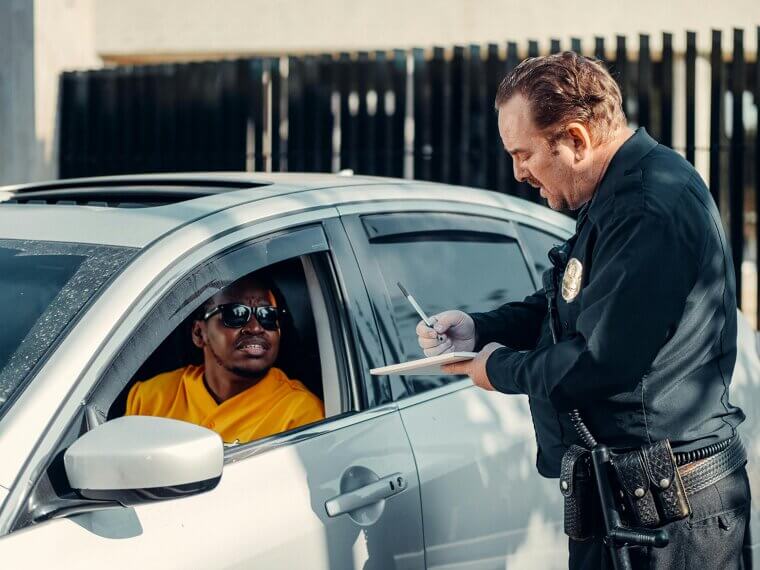
The legal system is losing its patience with "frequent flyers." New "graduated" penalty structures mean that if you get caught for the same infraction twice within a three or five-year window, the consequences escalate exponentially. A second speeding ticket might carry a fine four times higher than the first, along with a mandatory license suspension. This "strike" system is intended to weed out habitual offenders who treat traffic fines like a "pay-to-play" fee. By the third offense, you could be looking at vehicle impoundment or even short-term jail, you know, to ‘get the point across.’
Speeding Enforcement Crackdowns
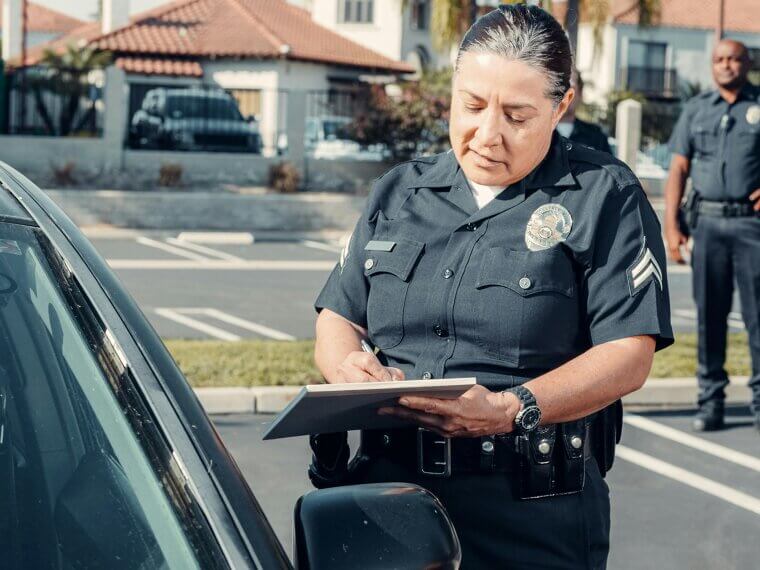
The days of "nine you're fine, ten you're mine" are feeling like a relic of the past. Certain states have redefined what's considered a crime compared to a traffic ticket. There has been a sharp rise in "super-speeder" laws, where going 20, 30, or 50 mph over the limit will result in an immediate license suspension or even jail time on the first offense. This makes it more than just a pricey piece of paper; it turns it into a potential criminal record, and most drivers don't realize that the threshold for "reckless driving" has become much lower and much more punitive.
Stricter Reckless Driving Provisions
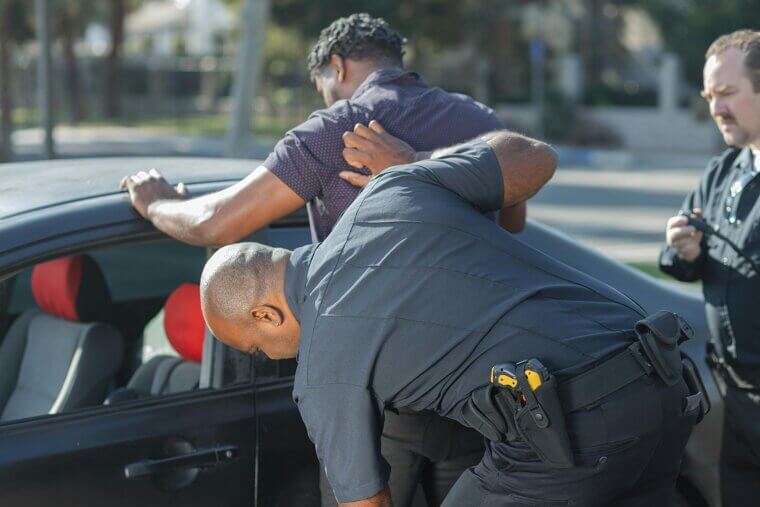
The legal definition of "reckless" has expanded to include behaviors that were once considered just "annoying." Specifically, many 2025 updates have officially classified street racing, "donut" exhibitions, and even excessive lane weaving as high-level misdemeanors or felonies. These are more than just tickets; they are criminal charges that come with immediate vehicle seizure and potential prison time. Lawmakers are taking a zero-tolerance approach to "clout-chasing" driving behaviors often seen on social media, ensuring that one night of showing off can lead to a lifetime of legal consequences and a revoked license.

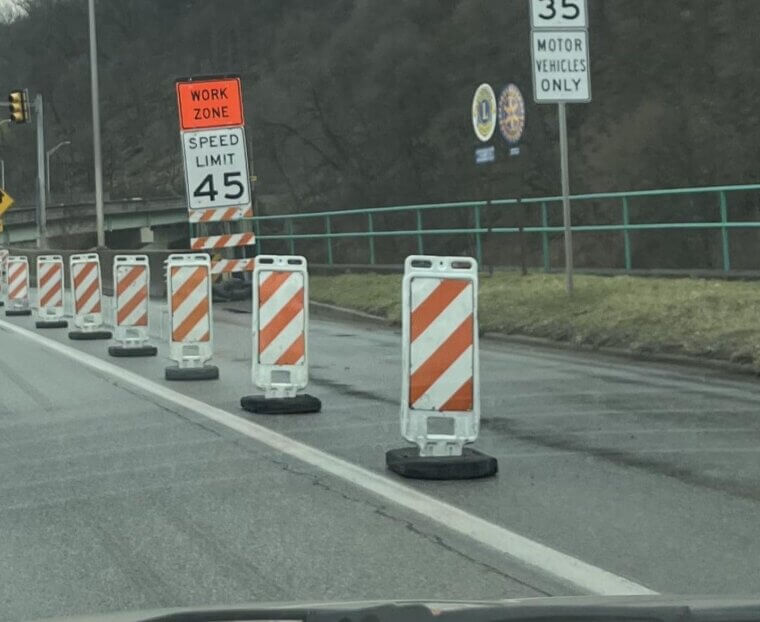
Expanded “Slow Down in Construction Zones” Enforcement
Across the U.S., construction and work zone enforcement has quietly tightened in the past year. More work zones now use automated cameras that catch drivers exceeding the posted speed limit and mail fines to vehicle owners. Penalties for speeding in active construction areas are increasing, with steeper fines for higher speed violations and repeat offenses. These changes aren’t usually obvious while you’re driving past orange cones and flaggers, but they’re part of a growing effort to slow motorists in work zones and protect highway workers.