
Adaptive Cruise Control
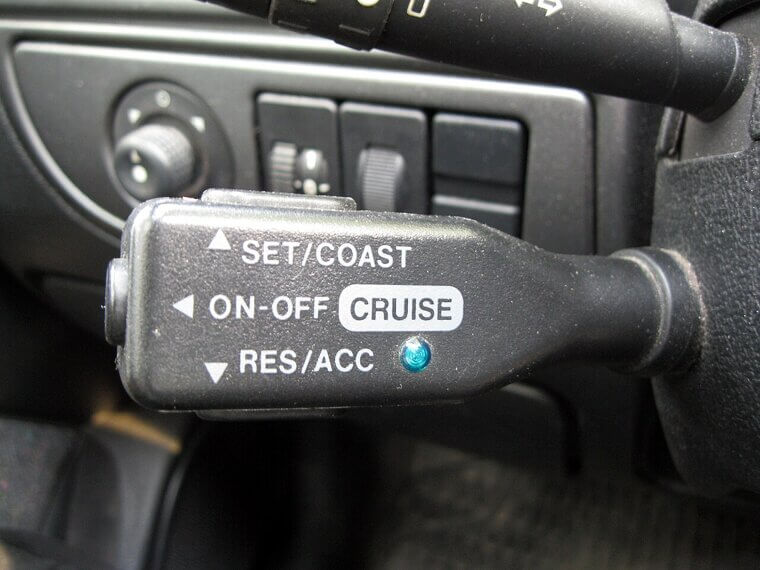
Adaptive cruise control can be helpful on long, quiet drives, but this system definitely shouldn't be used on busy roads. It essentially lulls the driver into complacency and reduces their reaction time. Moreover, the system may cause the vehicle to maintain its speed even when moving traffic is around it, increasing the risk of a rear-end collision.
Lane Departure Warning System
Lane departure warning systems are designed to alert the driver if a car is approaching while changing lanes. While this may sound like a good safety feature, it is often triggered falsely, which only confuses drivers further. More so, this system promotes overreliance and causes drivers to lose focus.

Automatic Emergency Brake System (AEB)
An automatic emergency brake system is exactly what it sounds like: it causes the car to slow down without any driver interference if an obstacle is detected. However, it doesn't always work as intended, often misinterpreting situations and braking suddenly when unnecessary. As a result, it can actually cause a safety hazard on the road.

Rear Cross Traffic Alert
This safety feature is designed to alert drivers to any traffic approaching from behind. While it may sound helpful in theory, it often misses fast-moving traffic, making it somewhat useless. It also causes drivers to rely on the system rather than remain alert themselves, which can be dangerous.
Blind Spot Detection
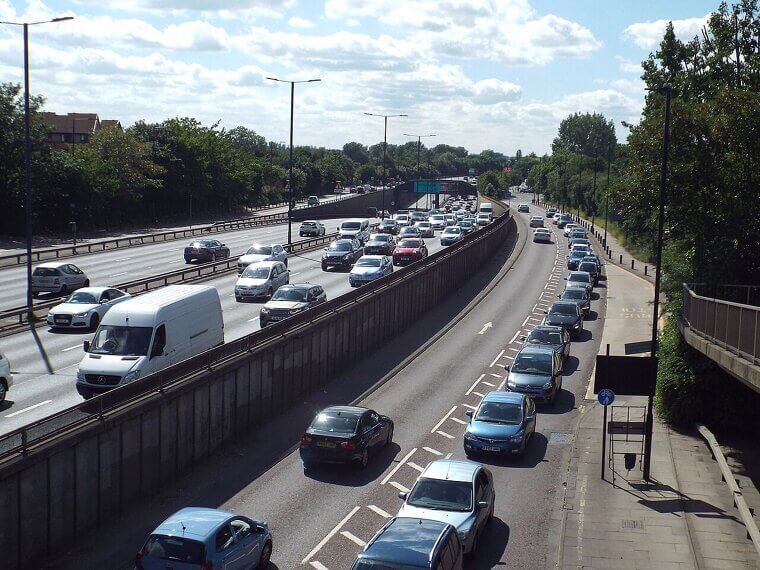
When learning to drive, we are always taught to check our blind spots before changing lanes. However, with the new blind-spot detection safety feature, many drivers have gotten into the habit of forgetting to do just that. Instead, they rely primarily on their vehicle to do the work for them.

Pedestrian Detection
While it is nice to have a pedestrian detection system in place for additional security, it's important that drivers don't rely on it primarily. These systems aren't always entirely accurate, and when there are objects blocking the sensors' view, pedestrians can be missed entirely.

Drowsiness Detection
Drowsiness detection systems are relatively new and, although they may sound helpful in theory, they are rarely accurate. This system relies on cues such as sudden steering corrections, which happen all too often while driving. As a result, the system is often more of a hindrance than anything else.

Forward Collision Warning
Forward collision warning systems are becoming increasingly obsolete as drivers tend to ignore them. This results from frequent false positives. So, even when the system is correct, drivers will overlook the warnings, leading to preventable collisions.
Parking Sensors
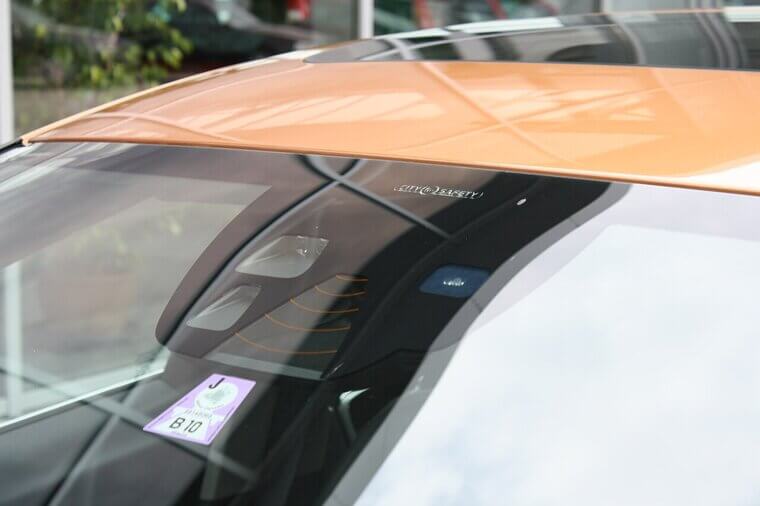
Many people find parking sensors to be helpful. However, it is worth noting that these systems aren't always entirely accurate, especially with smaller objects. More so, over time, drivers become over-reliant on the sensors and forget how to park on their own. To be safe, it's always better to use your mirrors as well.

Automatic High Beams
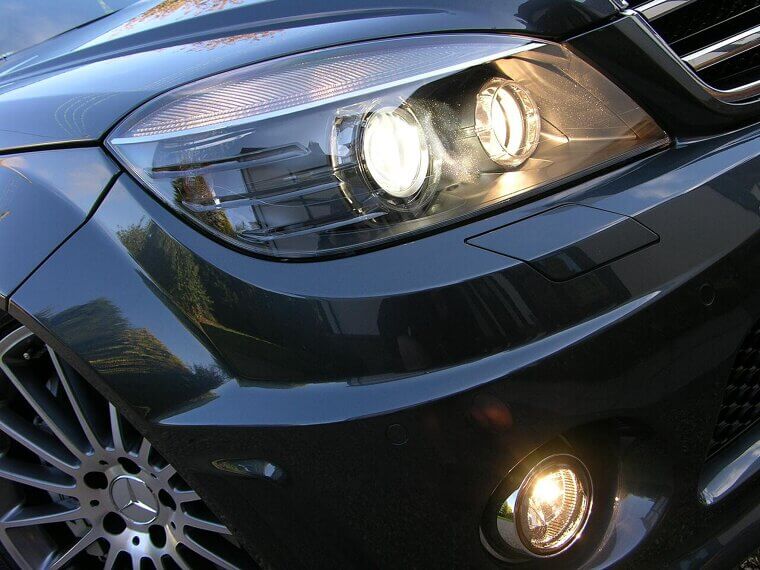
Automatic high beams are designed to switch on in poor visibility conditions and when the road ahead is clear. When there is a car approaching, they will turn off automatically. However, sometimes, the sensors will miss oncoming traffic, which can not only make it difficult for them to see, but also increase the likelihood of a collision.
Head-Up Display (HUD)
A head-up display, or HUD, is a system located on the vehicle's dashboard that projects information onto the windscreen. This way, drivers won't have to look down in order to know how fast they are driving, how much fuel they have, etc. In reality, the lights serve only as a distraction.

Automatic Wiper Systems
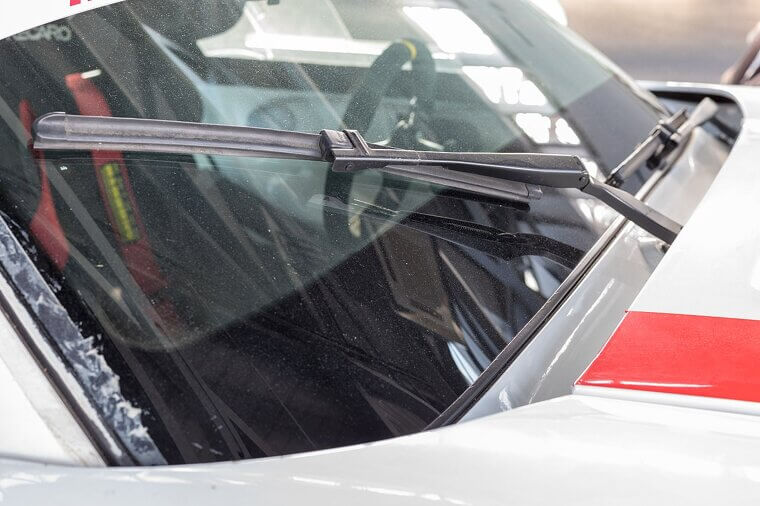
As the name suggests, automatic wiper systems are designed to activate in rainy conditions without driver intervention. In many cases, however, they activate unnecessarily or take too long to switch on, which can be dangerous in extreme weather conditions.
Driver Attention Monitor
A driver attention monitor is very similar to a drowsiness detection system. As a result, it also faces similar problems with its design. A lot of the time, the monitor is inaccurate because it relies on sudden steering corrections as its main input.

Surround View Cameras
While surround-view cameras may sound like a nice tool to have available, they often do more harm than good. These cameras massively distort perspective, making objects look further away than they actually are. As a result, they may even increase the risk of collision.
Night Vision Assist
The night vision assist feature was designed to help drivers see in the dark. However, it is rarely used effectively and doesn't actually work all that well. It does, however, add a whole lot to the vehicle's price tag, which many drivers find completely unnecessary.

Traffic Jam Assist
As the name suggests, the traffic jam assist feature is designed to make driving in traffic easier. In reality, it only serves as a major distraction, leading many drivers to simply turn it off.

Remote Start
The remote start feature allows drivers to start their car from any location, as long as they have their phone with them. While it is marketed as both a convenience and a safety feature, it actually provides little to no protection for drivers while costing an absolute fortune.
Tire Pressure Monitoring System (TPMS)
One aspect of vehicle safety that many people overlook is tire pressure. This is exactly why tire pressure monitoring systems have become so popular. However, while the idea is nice, these systems are often inaccurate or delayed, leading drivers to feel a false sense of confidence.

Voice-Controlled Features
In general, voice-controlled features pose a safety risk to drivers. While they may allow drivers to get work done without using their phones, they also distract them, especially when commands fail or speech is misinterpreted, which often happens. On top of this, having a voice-controlled feature in the car adds thousands to its overall price tag, which many drivers simply don't find worth it.

Automatic Door Locks
It's pretty self-explanatory as to why automatic door locks can be so dangerous. While they are designed to boost driver safety by preventing hijackings, they can also trap passengers in the car, leaving them with no way out during emergencies. So, instead of having an expensive safety feature, all passengers should simply remember to lock their doors manually after getting in a car!
