Age and Height-Based Booster Seat Rules
Once car seats became a thing, the rules were still loose and mostly based on vibes. Nobody was measuring kids, checking birth certificates, or pulling out a height chart before a car ride. A child “graduated” from whatever restraint existed when they felt uncomfortable, or when a parent decided they looked big enough. That was it. Today’s specific requirements (keeping kids in booster seats until they hit around 4'9" or reach a certain age) are incredibly recent and would have been “too much work” for a boomer parent. Safety decisions were guided more by convenience and intuition than by written guidelines or expert advice. The idea that a child’s body needed to meet precise standards before moving to the next stage simply was not part of the conversation.

Mandatory Seat Belt Use
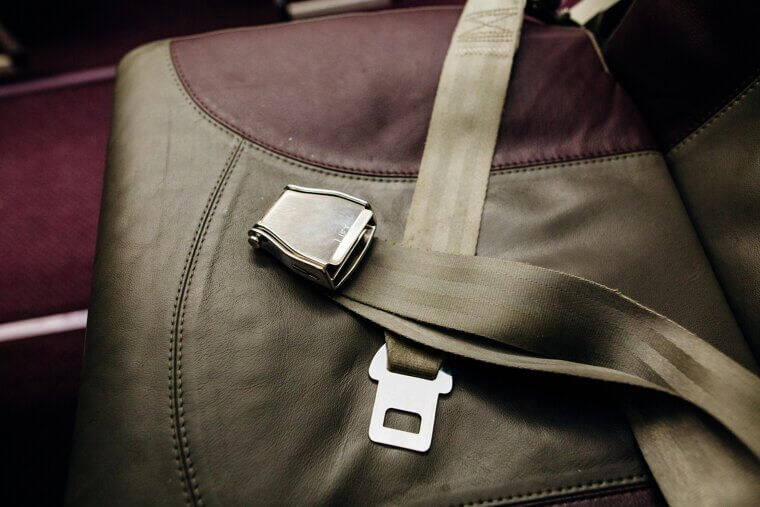
Our parents technically had seat belts in their cars, but they treated them more like optional accessories than lifesaving gear. People draped them behind the seat, sat on them, or ignored them entirely. Basically, anything other than actually using them. For a long time, no law actually required drivers or passengers to buckle up. That only started changing in the late 1970s and into the 1980s, when governments began mandating the use of seat belts. The idea of a law forcing you to click that buckle seemed ridiculous back then.
Seat Belt Laws for Back-Seat Passengers
Even after the seatbelt laws took effect, they mostly focused on the front seat. The back seat stayed the Wild West for years. The thinking was simple: if you were sitting behind someone, you were automatically safer, so restraints didn’t really matter. Kids sprawled across benches, adults rode unbuckled, and nobody thought twice about it. What lawmakers eventually realized (decades later) was that physics doesn’t take a break just because you’re behind the driver’s headrest, and that an unbelted rear passenger becoming a projectile shooting through the windscreen is not what anyone wants.
Child Safety Seat Laws
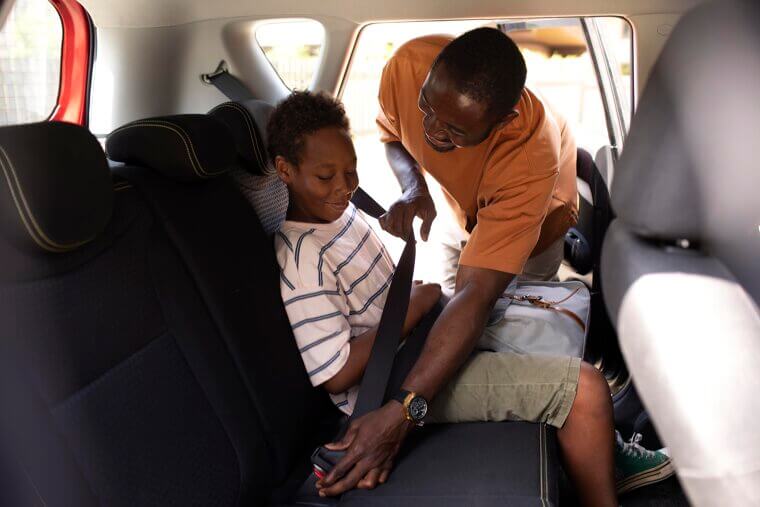
Babies rode on laps. Toddlers stood on seats. That wasn’t reckless parenting by the standards of the time; it was just normal. There were no car seat requirements because, honestly, proper child car seats barely existed. Parents held infants in their arms, sometimes even in the front seat, fully convinced that their grip alone was enough to keep a child safe. The idea that a human body couldn’t overpower crash forces hadn’t really sunk in yet. The first child restraint laws didn’t start appearing until the 1980s, and even then, they were far looser than today’s standards.

Graduated Driver Licensing (GDL)
Your parents turned sixteen, passed a test, and that was it. Full driving privileges immediately. Day or night, highway or back roads, with a car full of friends and zero supervision. There was no learner’s permit phase stretching over months, no nighttime driving restrictions, and no limits on teenage passengers. Once you had a license, everyone considered you a fully experienced driver. The graduated licensing systems we know today (complete with staged permissions and built-in guardrails) didn’t begin appearing until the 1990s. Before that, new drivers were essentially tossed the keys and sent straight into traffic.

Zero-Tolerance Alcohol Laws for Young Drivers
For a long time, the “legal limit” was the same for everyone. It didn’t matter if you were a seasoned driver or someone who had just gotten their license last week. But that didn’t last long once the crash data made one thing clear: even small amounts of alcohol could dramatically increase the risk of an accident for inexperienced drivers. Reaction times slow, judgment slips, and mistakes multiply much faster when you’re new behind the wheel. If you’re a new driver now, even a single sip can be a legal deal-breaker, no debate required.

Hands-Free / No Mobile Phone Use While Driving
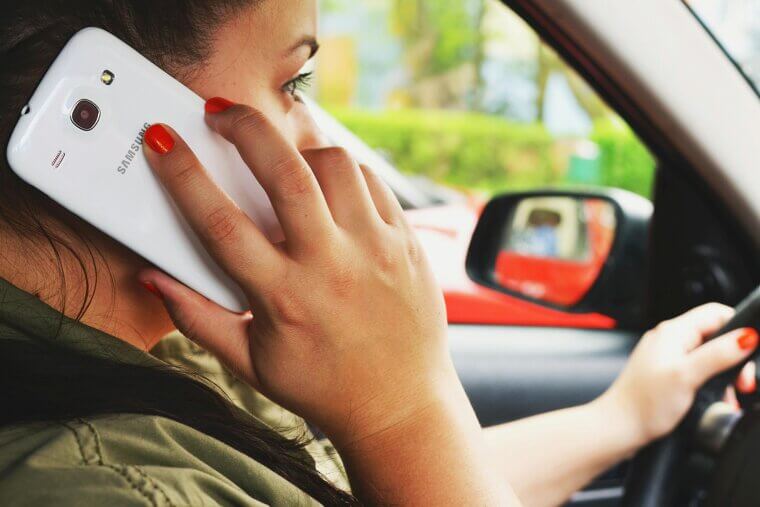
Our parents only had to worry about changing a cassette tape or adjusting the radio while driving. Cell phones didn’t exist, so distraction wasn’t a legal concern in the way it is now. Once phones became common, the problem escalated fast. What started as a luxury turned into a major safety hazard, backed by mounting accident data. Lawmakers responded with strict bans on holding a phone while the car was in motion. Today, in many places, even briefly picking up a device can result in fines or points. If your hands aren’t on the wheel, you’re likely breaking a serious modern safety statute.
Texting While Driving Laws
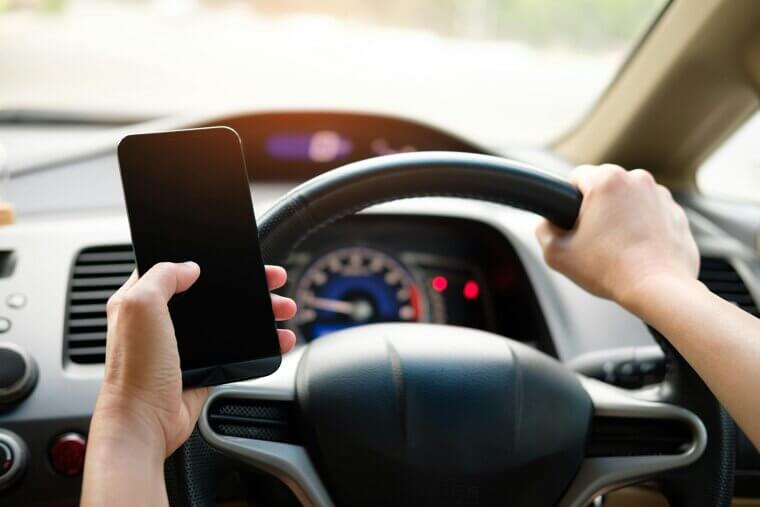
Texting bans are even more recent than laws against phone calls while driving. Before smartphones became part of everyday life, this wasn’t even a conceivable problem, let alone something lawmakers were worried about. Once texting took off, though, the danger became impossible to ignore. Drivers were taking their eyes off the road, their hands off the wheel, and their attention off traffic for several seconds at a time. Today, many regions treat texting while driving as its own category of offense. It often carries heavier penalties than talking on the phone, reflecting just how risky that behavior really is.
Primary Enforcement Seat Belt Laws
Here’s a strange one: even after seat belt laws were on the books, police often couldn’t stop you just for not buckling up. They needed a separate reason (perhaps you were speeding, ran a stop sign, or had a broken taillight) before they could add a seatbelt ticket as a secondary offense. For years, that meant lots of people drove around unbuckled, technically breaking the law but facing little immediate consequence. Today, things are very different. In many places, a missing seat belt is all a police officer needs to pull you over.

Mandatory Use of Child Locks & Window Locks
Car doors didn’t automatically lock themselves, and window controls were simple crank handles that anyone could spin. Back then, there were no laws requiring child safety locks because the feature barely existed. Kids could (and did) open doors while cars were moving. Parents constantly had to remind children not to touch the handles or lean out of the car. Thankfully, modern vehicles come with child locks, powered windows, and other safety systems that physically prevent kids from accidentally doing something dangerous.

Drunk-Driving Checkpoints & Random Breath Testing
Sobriety checkpoints as we know them (where police set up roadblocks and check every driver) weren't standard practice until the 1980s, and in many countries, even later. The suggestion that police could stop you without suspicion and demand you blow into a device seemed like government overreach to people. Sobriety checkpoints weren't a standard police tactic, and many people drove home after "one too many" with little fear of a roadblock. Before these became normalized, you'd really have to be driving erratically to get pulled over for suspected drunk driving.

Daytime Headlight / Visibility Laws
Back in the day, headlights were something you turned on at night. If it was sunny, rainy, foggy, or even if you were driving through a tunnel, most people still kept them off. Turning them on during the day seemed wasteful, unnecessary, or even a little strange. Modern safety standards have completely flipped that thinking. Today, many regions require headlights to be on during rain, fog, or even broad daylight on certain roads, improving visibility for everyone. It’s one of those rules that feels obvious now, but back then, no one would have imagined it as a legal requirement.

Lower Legal Blood Alcohol Limits
In the 1960s and '70s, many places had blood alcohol limits of 0.15% or even higher, which is nearly double today's standard of 0.08%. Some jurisdictions had no specific number at all; police used their judgment and decided whether someone was "too drunk." The push to lower these limits came from advocacy groups like MADD in the 1980s. As we learned more about impairment, that number dragged down globally, making it much easier to cross the line into "criminal" territory after just a couple of drinks.

Mandatory Use of Turn Signals
While the "blinker" has been around for a long time, the legal requirement to use it for every single lane change or turn wasn't always strictly codified or enforced. Early traffic laws were surprisingly vague about signaling intent, and you could just stick your hand out the window to ‘indicate’ where you were going. However, nowadays, forgetting your signal isn't just rude; it's a moving violation that can lead to a very real fine. Your grandparents, on the other hand, could probably get away with never even touching their blinker if they felt like it.

Speed Limits Based on Road Type
Speed limits used to be vague and general. Authorities often loosely enforced the single number that might have indicated the speed limit for an entire town or stretch of road. The idea that different roads, like residential streets, school zones, and highways, would each have their own carefully calculated limit didn’t really exist. Drivers largely relied on their own judgment, and “speeding” was more about what felt safe than what the law said. Modern rules, however, are far more detailed, with tiered limits designed to protect pedestrians and children.