
A Faded and Grimy Exterior
If a car stays dormant in particularly sunny conditions, its exterior will suffer — sooner or later! The paint job can fade and become discolored due to the sun's relentless rays. On top of that, dust, dirt, droppings, and tree sap may build up on the surface as well.
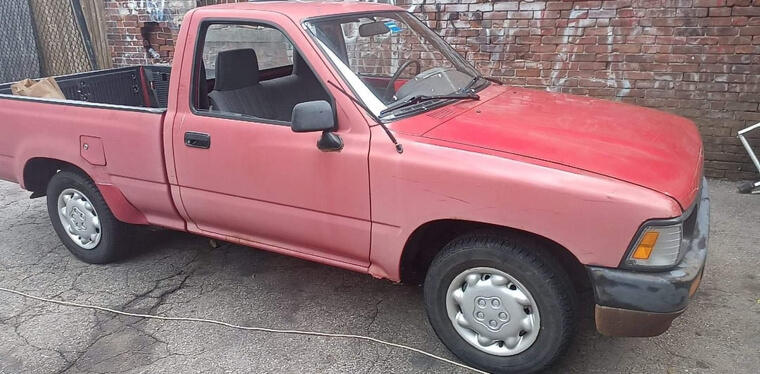
But it gets worse, folks. Iffy appearance aside, this exposure to the elements can also affect the motor's weather stripping. That could lead to leaks via the windows and doors. Oof!
Mold and Mildew
In the main, cars are excellent at holding in cold and heat. That's great when you're on the road! But it's not so good if a vehicle is left sitting for a prolonged period of time. The temperatures can wreak havoc on interior materials, especially plastic surfaces. They retain a lot of moisture, folks.
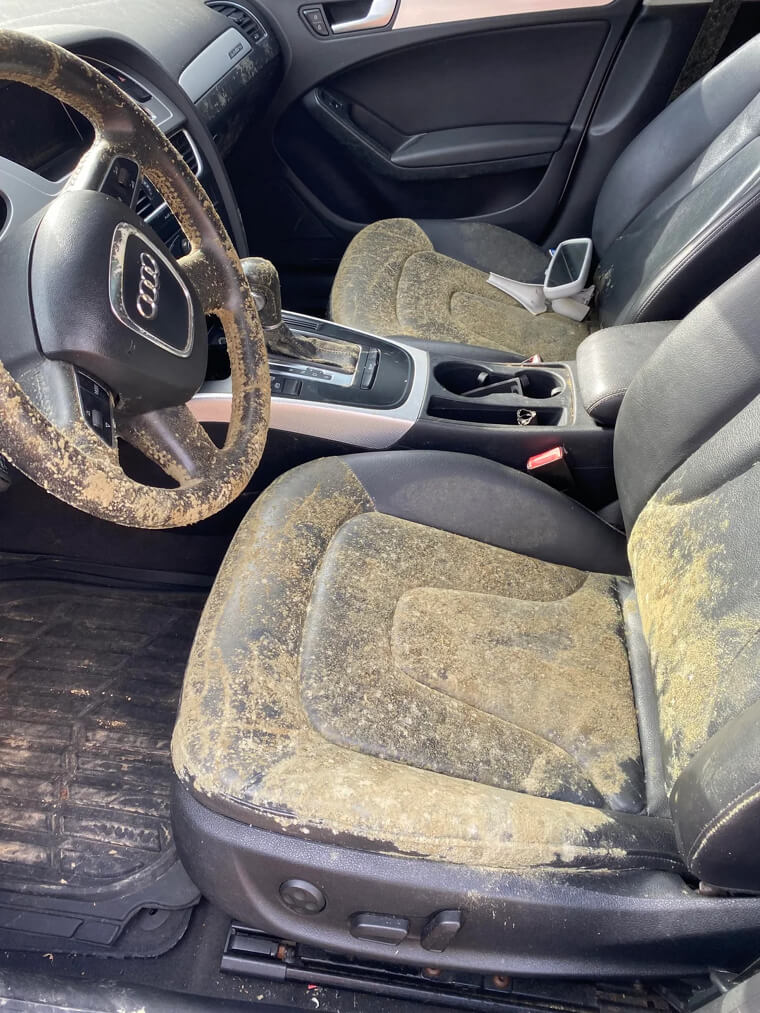
So, what happens when you combine cold or hot air with a moisture magnet? You get mold and mildew! This is a sure-fire way to tell if a used motor hasn't been touched for a while.
Flat Spots
Do you thoroughly examine a car before buying it? You should! It's probably the best way to make sure that everything's alright. But even so, this issue can still be easily missed. Identifying a flat tire is simple enough. A flat spot, though? That requires closer inspection.

When a tire stays in one place for a lengthy period, it'll develop a flat spot on the bottom of the tread. That's due to the weight of the car pressing down on it. Tires in this state aren't safe, folks.
Rusty Brake Rotors
When a car is left sitting for too long, don't be surprised if the brake rotors develop a thick layer of rust. That's not cool, man! Mind you, this is more than an aesthetic issue. Driving a vehicle in that state is pretty risky, as we're about to discover.
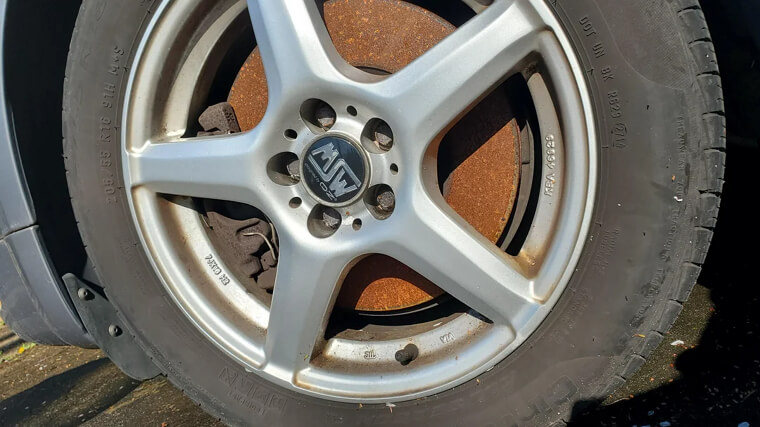
Rusty brake rotors affect stopping distances, overall braking effectiveness, and can cause major vibrations in the cabin. On top of that, there's also a chance that the brake system could completely fail on the road. Yikes!
A Rusty Undercarriage
Parking a car on grass every so often isn't a problem. But storing one there for a lengthy period? Oh boy. Due to the moisture, the vehicle's undercarriage will become extremely rusty. That's a great way to tell that it hasn't been touched for a long time! Is it safe to drive, though?
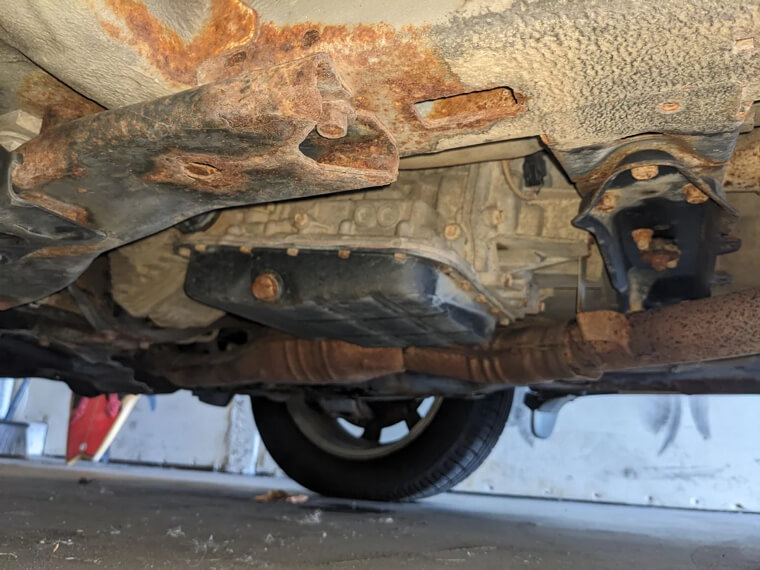
We'll be blunt here — no way! Rusty undercarriages compromise a car's structural integrity. Parts can break off quite easily, while the frame itself is in danger of fracturing, too.
Dry-Rotted Rubber
Flat spots aren't the only thing that you have to worry about when looking at a car's tires, folks! Dry-rotted rubber is another big concern for vehicles that sit too long. Due to their lack of use, chemicals inside the rubber begin to eat away at it, causing it to degrade.
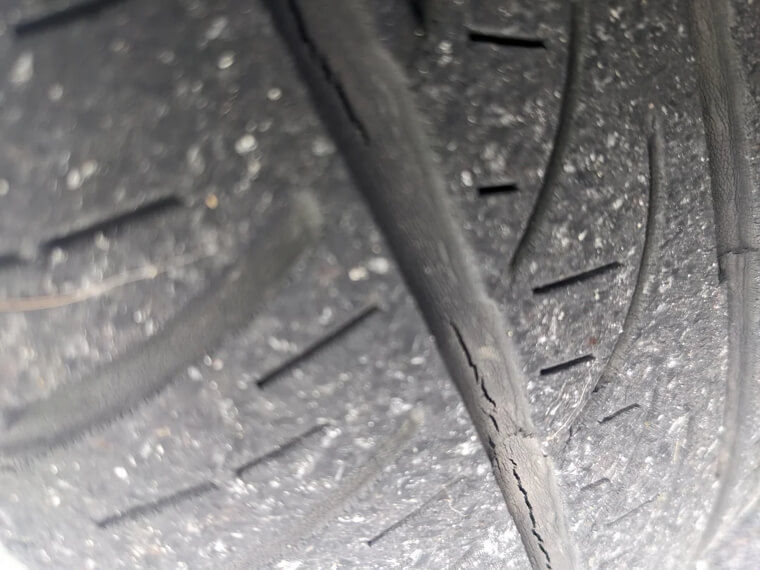
Now, driving on these tires is a huge no-no. You run the risk of a blowout, for one. But that's not all. Air leaks and a serious loss of traction are quite likely as well.
Animal Nests
When a vehicle is in constant use, animals won't even think about making it their home. But a dormant car? That's a different story. The conditions become ideal for small critters to build nests. Would you buy an old motor in that state? We didn't think so!
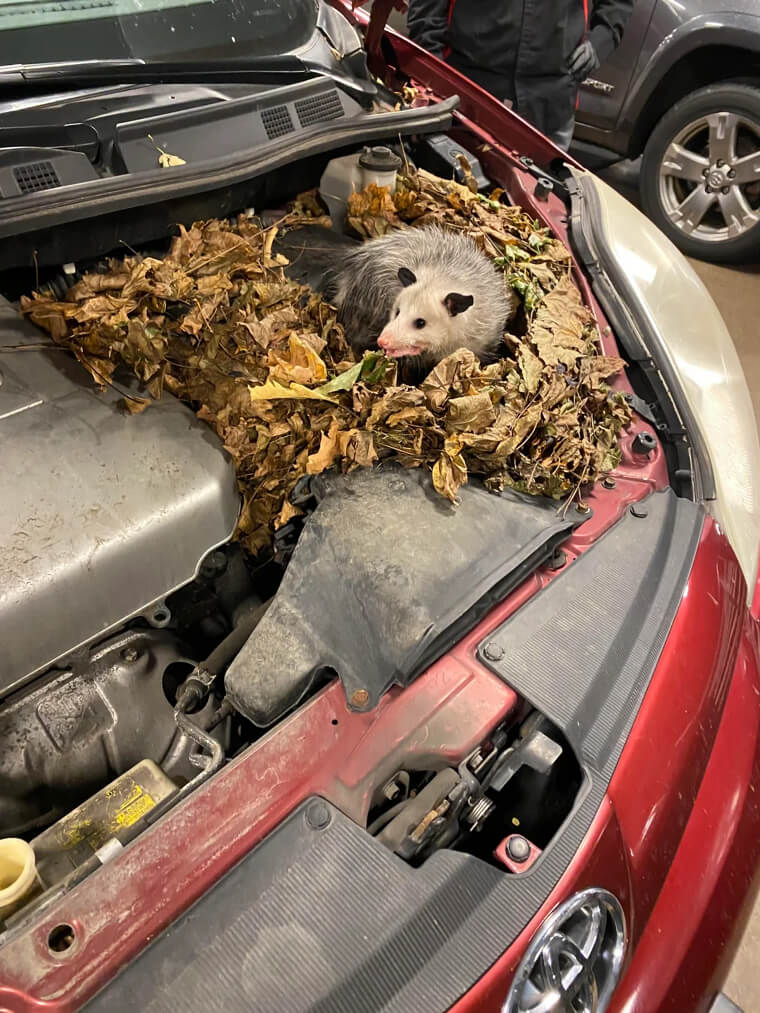
If you're considering it, though, keep this in mind. There's a pretty good chance that the animals might've damaged parts of the car, such as the internal wiring. And then there's the smell. It won't be pleasant!
Smelly Gas
It's fair to say that gas has a pretty distinctive smell. Everyone recognizes it! How about degraded fuel, though? In those instances, it takes on a scent that resembles furniture varnish. That usually starts to happen when a car hasn't been touched for around six months.
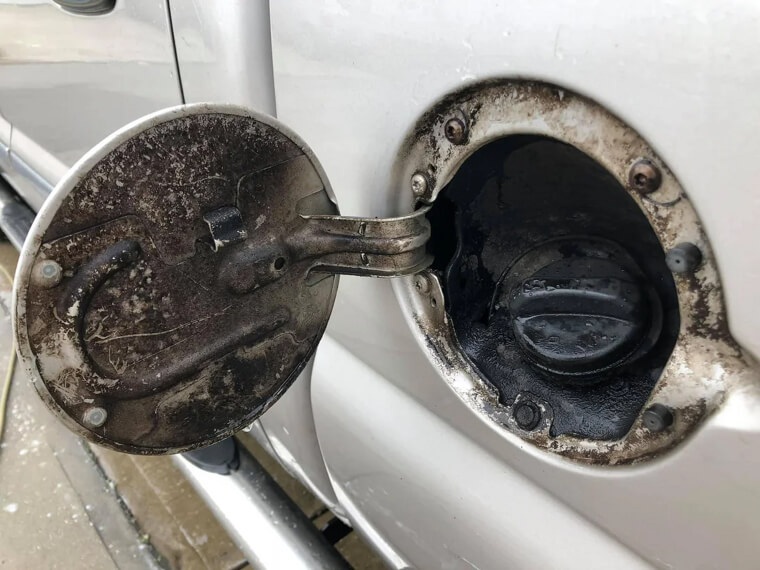
Should you drive a vehicle with degraded gas? Please don't! Poor performances will be the least of your worries. It can cause serious damage to the engine and other important components.
A Flat Battery
If you're finding it tough to tell how long a car has been sat dormant, take a closer look at the battery. That'll give you all the information you need! When a vehicle is running consistently, the battery won't lose its charge. The alternator keeps it ticking over.
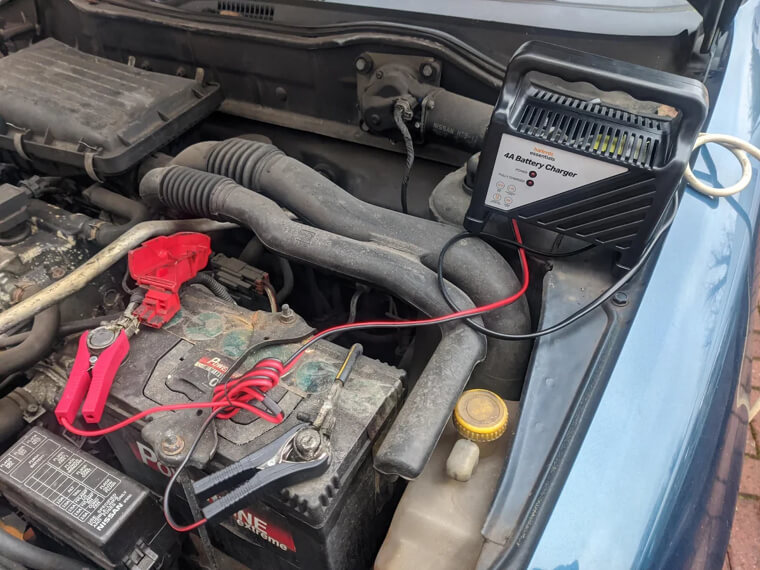
If you let a car sit for too long, though, it can't recharge. The battery will be as flat as a pancake after a while. That doesn't help its lifespan, either.
Rusted Fuel Tank
As we've already touched on, gas degrades in cars that don't get any use. Yet here's the flipside — empty fuel tanks don't benefit from sitting too long, either! They soon begin to rust due to the moisture inside the tank. It's quite grim, guys.
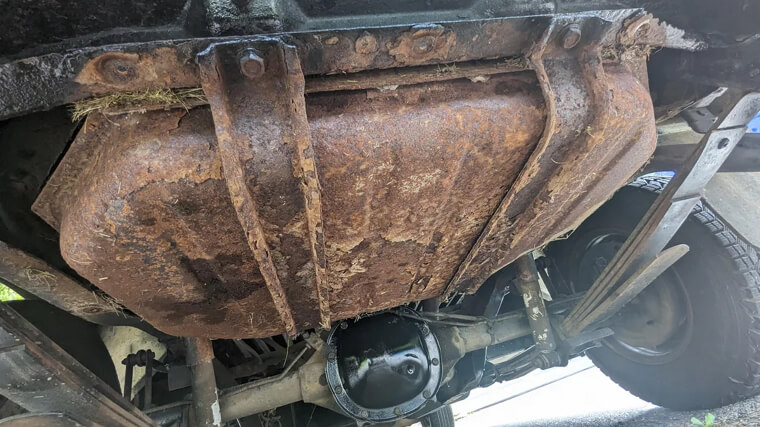
But are these tanks safe to use? Not really. They can leak and become structurally unstable on the road. Plus, rust particles can also block filters and fuel lines, hurting the engine's performance.
Fluid Degradation
Unsurprisingly, the body and interior get most of the attention when you're inspecting a car. But don't forget to look at the internal makeup, folks — especially if the vehicle's been sitting for a long time. Checking the fluids isn't the worst idea.
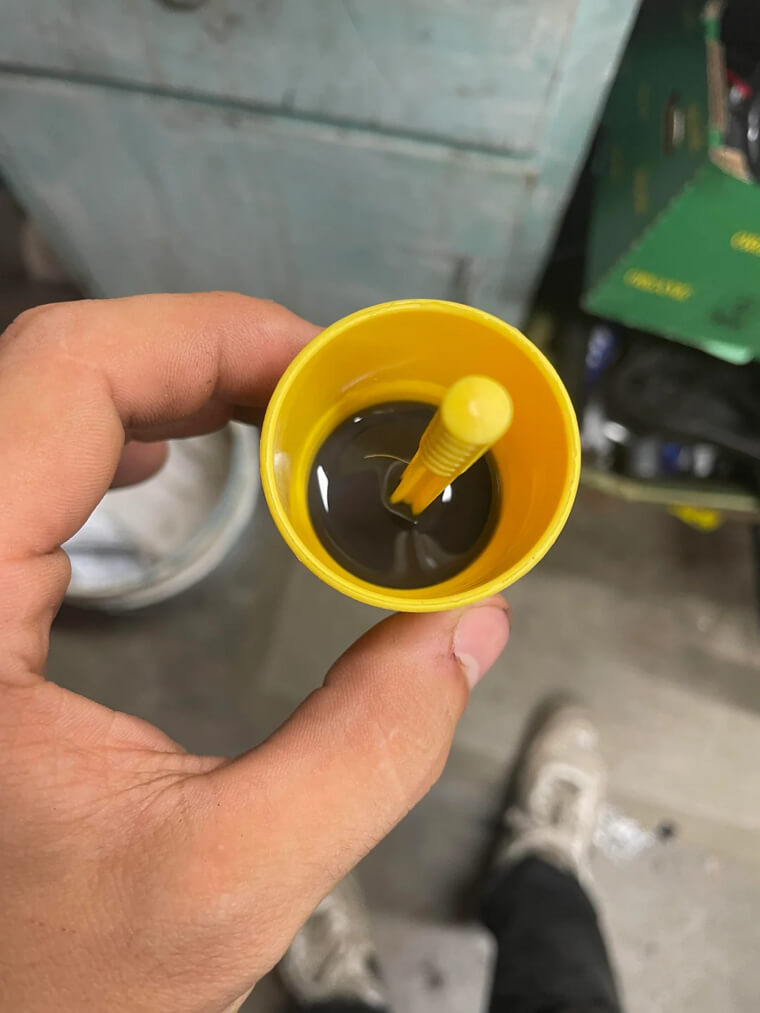
Much like gas, the brake fluid, engine oil, and coolant will degrade if they're left to sit for a lengthy spell. They become far less effective and can damage the car quite significantly.
Electrical System Issues
We're just going to come out and say it. A car's electrical system doesn't benefit from sitting too long. So many different components can degrade when they're not getting used. Modules, connectors, wiring — that sort of stuff. Humid temperatures don't help, either.
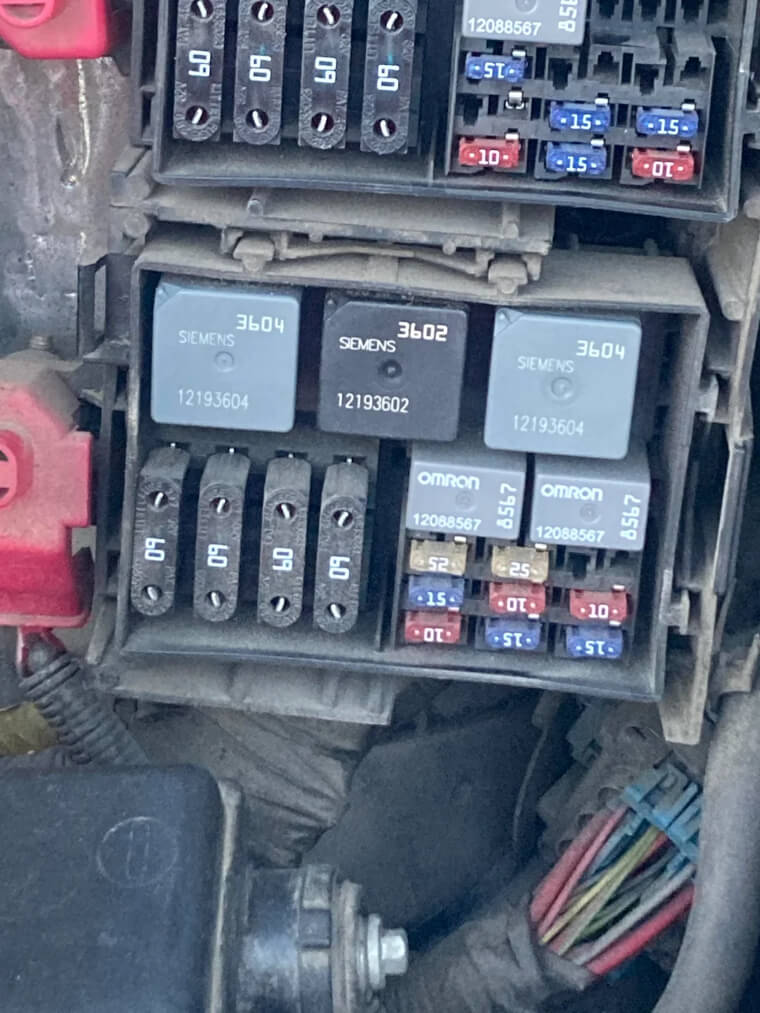
That can lead to oxidation, which isn't great for conductivity. As a result, the car's sensors, lights, and other important features won't work properly. Ugh. Do you really want to wade into that mess?
Seized Parts
What happens when the moving parts of a car are left untouched for months on end? It's not good, folks! The suspension components and door hinges begin to seize up due to a lack of lubrication, while the steering system suffers a similar fate.
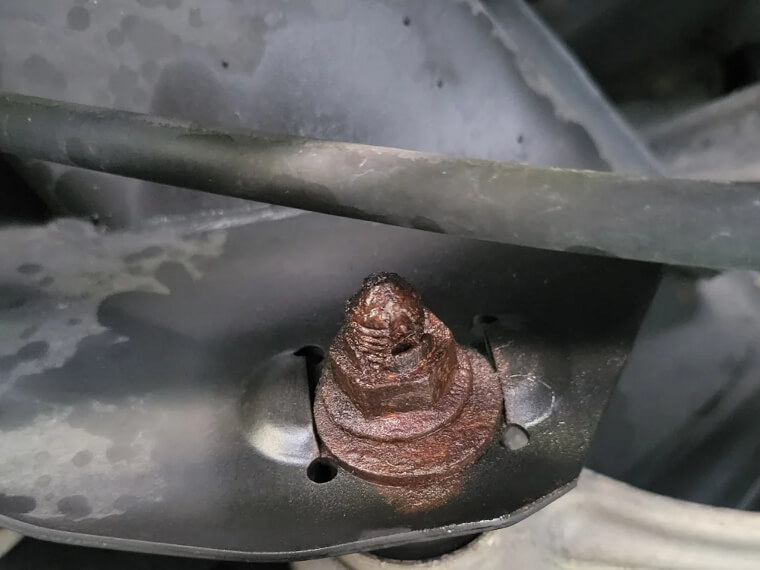
Now, we wouldn't advise driving a vehicle with seized steering. It's not safe at all! If it feels too stiff, you'll struggle to control the car on any type of surface.
Interior Damage
As we've already seen, mold and mildew is a big problem for dormant cars. But the interior can suffer damage in other ways, too. For instance, intense sunlight can absolutely ruin the upholstery, causing it to crack and peel.
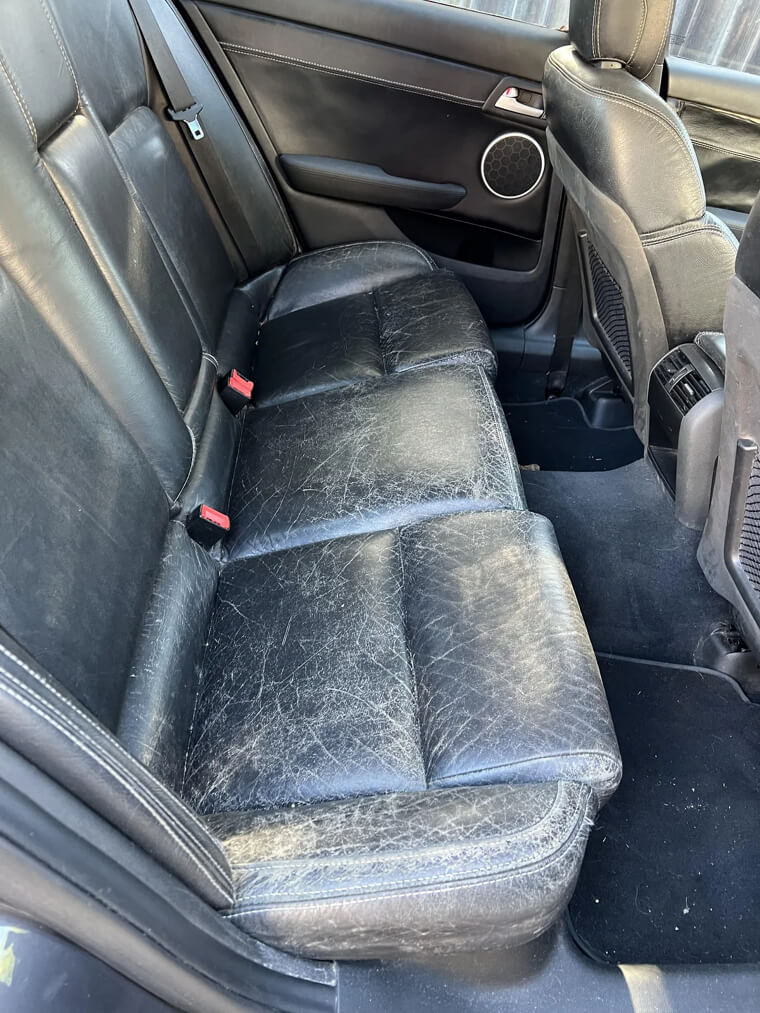
The dashboard plastics aren't immune to this, either. They can warp and fade over time. So buying a used vehicle in this state isn't very appealing, right? You'd have to overhaul the entire interior!
Brittle Air Filters
The two air filters inside your car work pretty dang hard. The engine air filter stops muck and grime from drifting into the combustion chamber, while the cabin air filter freshens up your interior. Do they suffer in dormant vehicles, though? You bet.

When a car sits too long, the air filters can become brittle and clogged. There's also a chance that they'll develop mold, depending on the temperature. Not ideal, right?