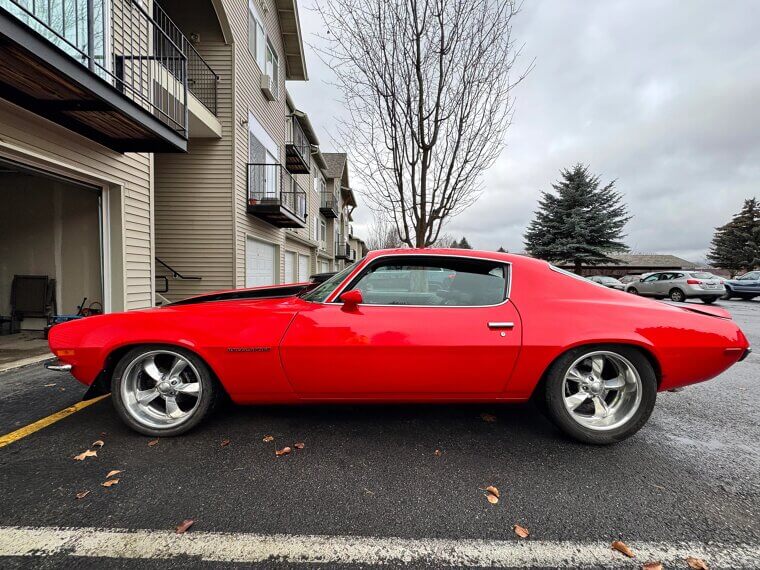
Chevrolet Camaro Z28
The Camaro Z28 was the car you bought when you wanted people to know you loved speed, noise, and attitude. This wasn’t a quiet, polite car. It looked mean just sitting still. The long hood, wide stance, and racing stripes made it feel ready to race anything at a stoplight. Even as the 1970s moved on and engines got weaker, the Z28 still felt like a real muscle car. It handled better than most big American cars and felt tight and sporty. For a lot of people, this was the dream car parked in the driveway… or on the bedroom wall as a poster.
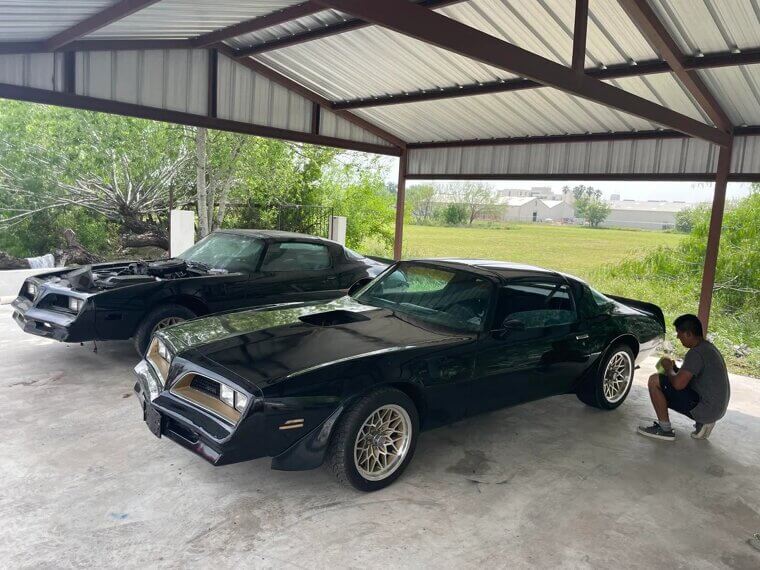
Pontiac Firebird Trans Am
This car didn’t just look cool - it became famous. The Trans Am exploded in popularity after Smokey and the Bandit. Everyone wanted that giant firebird decal on the hood, often called the “screaming chicken.” It was loud, flashy, and proud of it. The wide fender flares and gold wheels made it impossible to ignore. Even people who didn’t care about cars knew this one. It felt rebellious and fun, like it broke the rules just by driving past. In the late 1970s, owning a Trans Am meant you were officially cool, even if you were just heading to the grocery store.
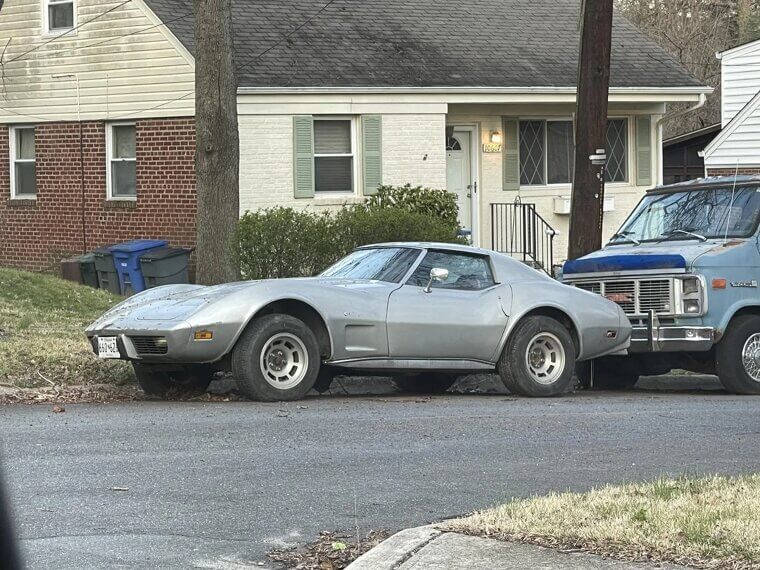
Chevrolet Corvette Stingray C3
The Corvette Stingray was America’s sports car, and in the 1970s, it still felt special. The long, sharp body looked futuristic, almost like a spaceship. Pop-up headlights and a low seating position made you feel important the moment you climbed inside. Even when engines lost power later in the decade, the Corvette still had style in spades. This was the car people bought when they wanted to feel young, fast, and successful. It wasn’t practical, and it didn’t try to be. The Stingray existed to make driving feel exciting, and it did that job very well.
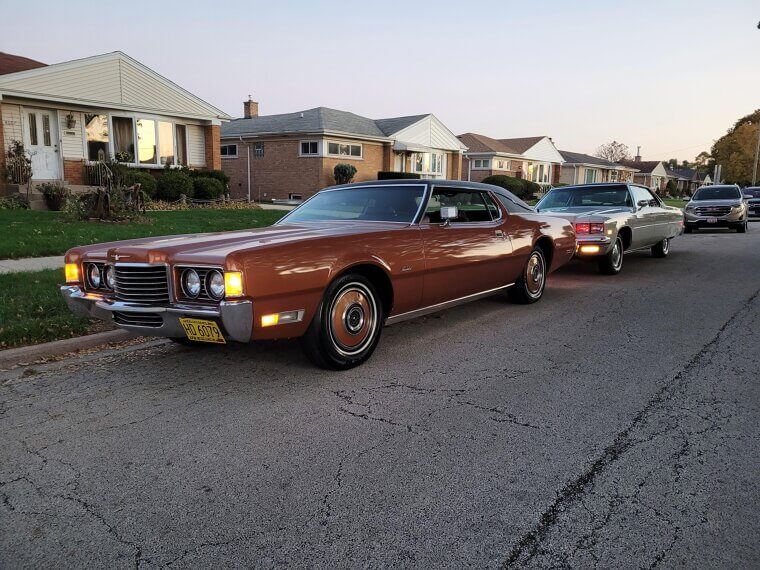
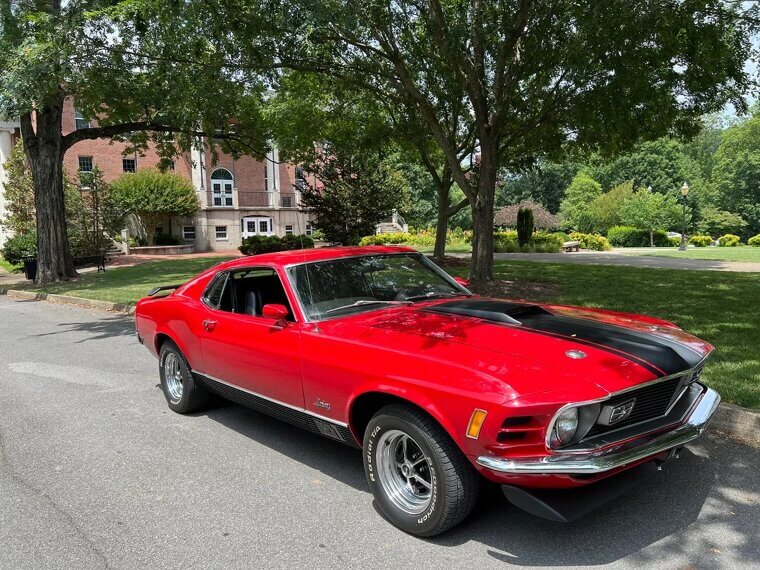
Ford Mustang Mach 1
The Mach 1 Mustang was big, bold, and very 1970s. It had a long hood, a fastback roof, and plenty of attitude. This wasn’t the small Mustang from the 1960s. This one felt heavier and more serious. Inside, you got sporty seats and a cockpit-style dash that made you feel like a racer, even if you weren’t. People loved the Mach 1 because it looked fast without trying too hard. It was the kind of car that made you turn around and look back after parking it, just to admire it one more time.
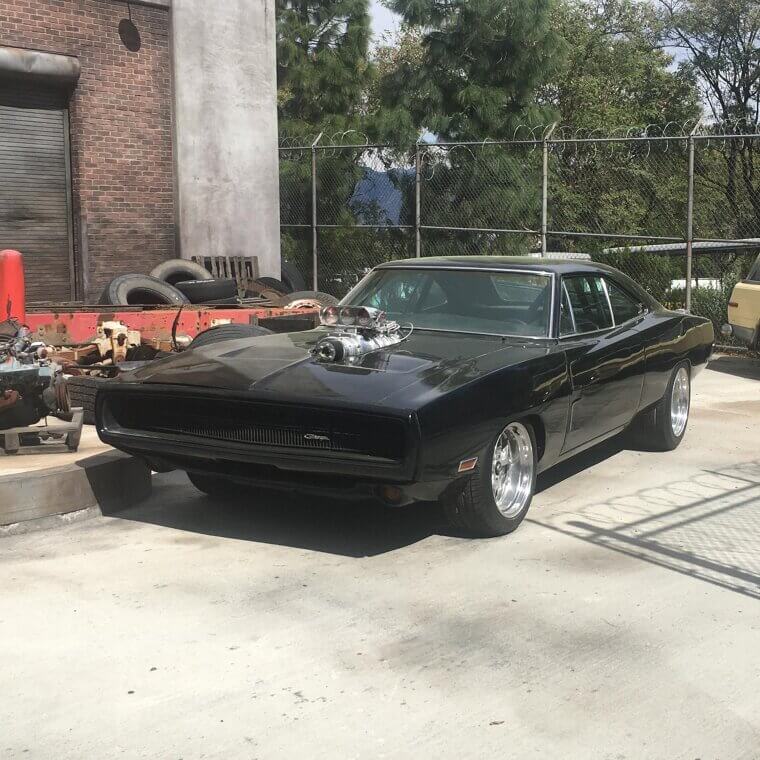
Dodge Charger SE
The Dodge Charger SE was big, long, and dramatic. It had hidden headlights, a wide body, and a presence you could feel coming down the road. This car became unforgettable thanks to TV shows and racing, which made it feel larger than life. Even the more comfort-focused SE models still looked tough. Inside, it felt more like a luxury lounge than a race car, which many buyers loved. The Charger wasn’t subtle, and it didn’t want to be. It was the kind of car that made a statement without saying a single word.
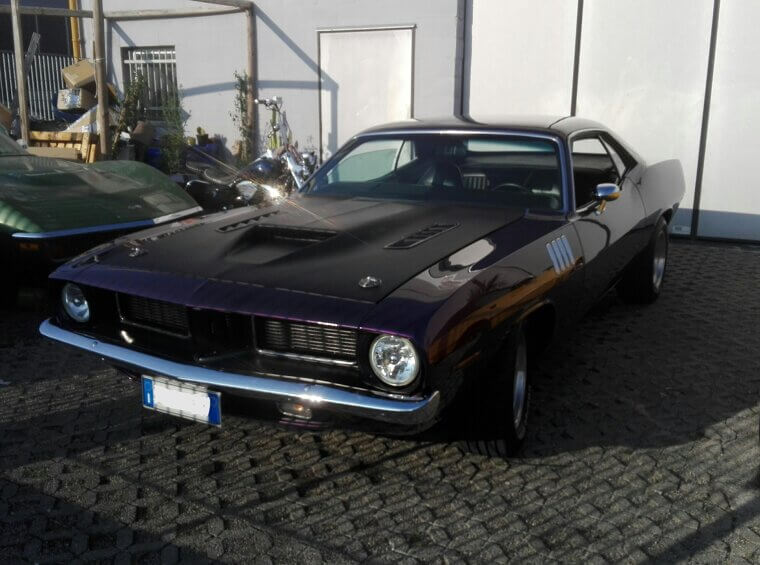
Plymouth Barracuda
The Plymouth Barracuda, especially the ’Cuda versions, was pure muscle car madness. It looked aggressive from every angle, with a wide stance and bold styling. The high-performance models were fast, loud, and rare, which made them even more desirable. In the 1970s, this car felt wild and a little dangerous, in a fun way. Not many people could afford the top versions, but everyone wanted one. Today, these cars are legends, but even back then, people knew they were something special. Owning one meant you were serious about performance.
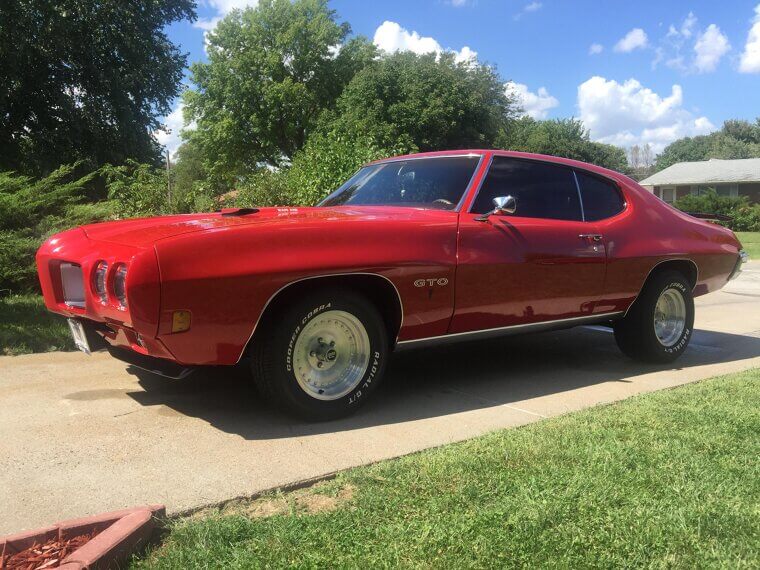
Pontiac GTO
The Pontiac GTO started the muscle car craze, and in the early 1970s, it still carried that reputation. It looked tough, sounded strong, and felt important. Even as rules and fuel concerns changed the market, the GTO name still meant power. Buyers loved the bold front end and the confident stance. This was the car you bought if you wanted respect from other car fans. It wasn’t flashy in a silly way. It was proud, strong, and confident, like it knew exactly what it was and didn’t need to prove it.
Chevrolet Chevelle SS 454
The Chevelle SS 454 was a monster. It was one of the most powerful muscle cars ever sold, and people knew it. The car looked simple, but that was part of the charm. Under the hood was serious power, and it could surprise a lot of other cars on the road. In 1970, this was the kind of car that made headlines and legends. People talked about it at diners and gas stations. Even if you didn’t own one, you definitely knew someone who wished they did. It was raw, fast, and unforgettable.
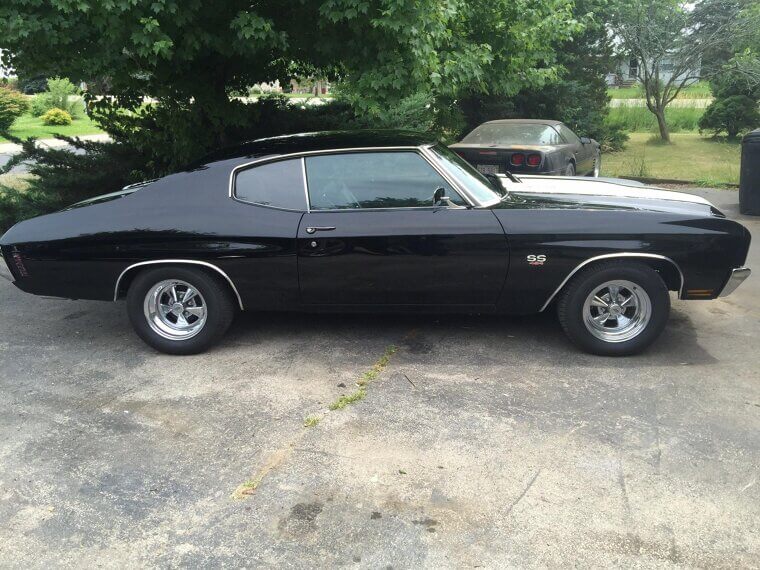
Oldsmobile Cutlass Supreme
The Cutlass Supreme was everywhere in the 1970s, and that’s because it did everything pretty well. It looked stylish without being loud. It felt comfortable without being boring. Families loved it, commuters loved it, and even car fans respected it. The interior felt plush, and the ride was smooth. This was the car you could drive every day and still feel good about owning. It didn’t shout for attention, but it didn’t disappear either. The Cutlass Supreme became America’s best-selling car for a reason because it just worked.
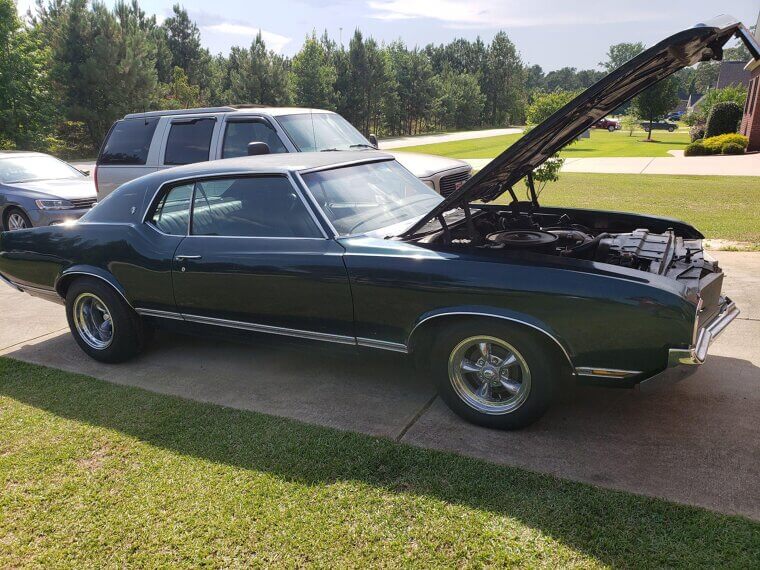
Buick Riviera
The “boattail” Riviera looked like nothing else on the road. The rear end curved in a smooth, dramatic shape that people either loved or couldn’t stop staring at. This was Buick being bold, and it paid off. The Riviera felt luxurious inside, with soft seats and a quiet ride. It wasn’t about racing. It was about style and comfort. Owners liked feeling different, and this car definitely delivered that. Even today, people recognize it instantly. In the early 1970s, this was luxury with personality that everyone wanted.
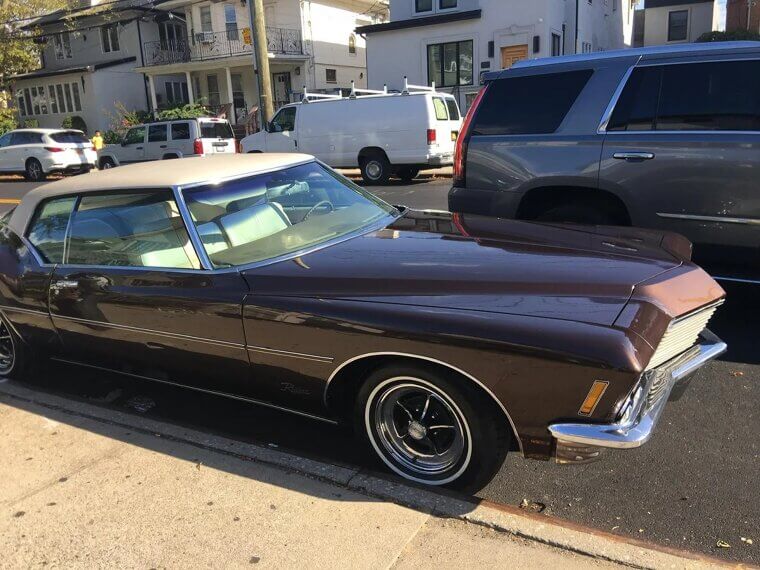
Cadillac Eldorado
The Cadillac Eldorado was not a car you bought by accident. You bought it on purpose, usually after deciding you had officially “won” at life. This thing was massive, shiny, and impossible to miss in a parking lot. The front-wheel drive made it feel smoother than you’d expect for something this big, which surprised a lot of people. Inside, everything felt soft, quiet, and expensive, like sitting in a high-end lounge. The seats felt more like couches than car seats. You didn’t drive an Eldorado fast - you floated. Every trip felt slow, calm, and confident, like the world could wait while you cruised by in comfort.
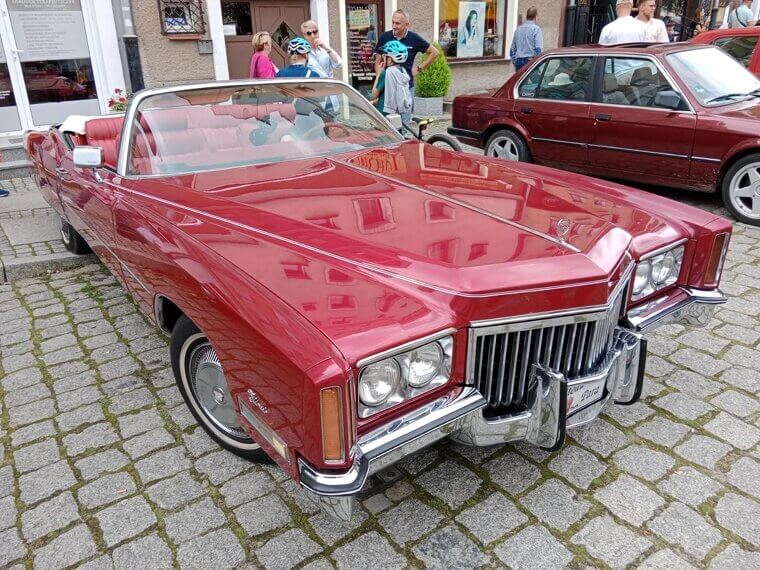
Lincoln Continental Mark IV
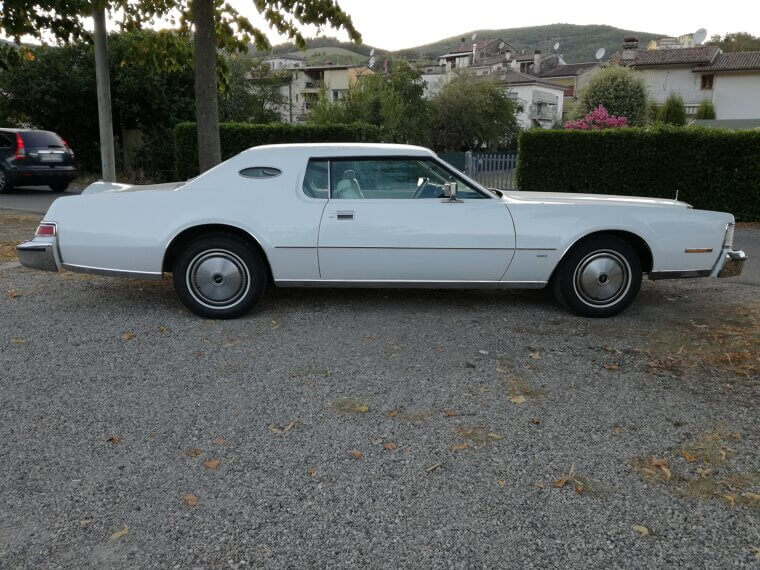
The Lincoln Continental Mark IV was peak 1970s luxury turned all the way up. It was long, wide, and proud of every inch. The opera windows and vinyl roof screamed class in that very specific 1970s way. Inside, it felt like a fancy living room that just happened to move. Thick seats, plush carpets, and a quiet ride made everything feel relaxed. This car didn’t care about speed or sharp handling. It cared about comfort and style. Driving one made even simple errands feel important. The Mark IV didn’t try to be modern or small and fully embraced being big and bold.
Jeep CJ-5
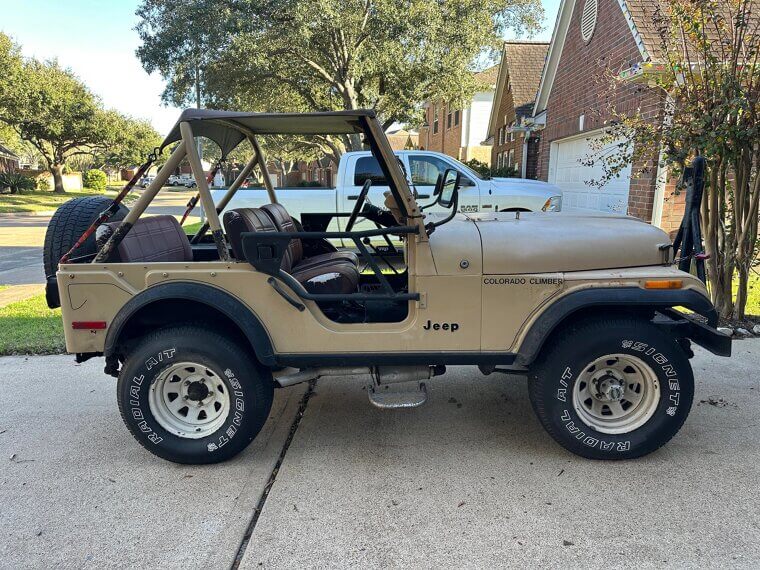
The Jeep CJ-5 was the complete opposite of big luxury cars, and that’s why people loved it. This Jeep was simple, tough, and built to get dirty. It didn’t try to be quiet or smooth. It just wanted to go places other vehicles couldn’t. You could take the doors off, feel the wind, and head straight for dirt roads without a second thought. Inside, it was basic, but that felt honest. The CJ-5 made people feel adventurous, even on short drives. It helped turn off-roading into a lifestyle, not just a weekend thing. Owning one in the 1970s was the epitome of freedom.
Chevrolet Monte Carlo
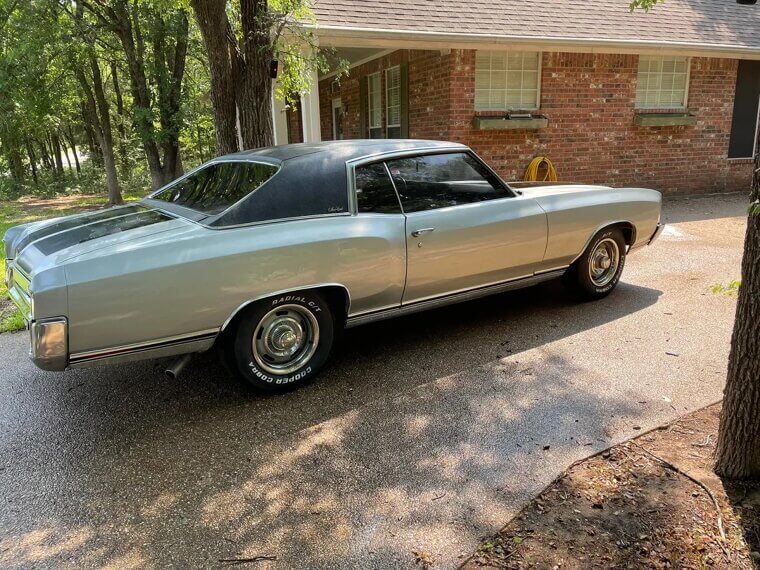
The Chevrolet Monte Carlo was the kind of car that fit perfectly into everyday American life. It looked stylish without trying too hard and felt comfortable without being boring. The long hood gave it a confident look, while the smooth ride made it easy to live with. Inside, there was plenty of space, soft seats, and a relaxed feel that made driving enjoyable. Families loved it, commuters trusted it, and weekend cruisers appreciated it. This was the car you bought when things were going well, and you wanted something nice but sensible.
Ford Thunderbird
By the 1970s, the Ford Thunderbird had fully grown into a comfortable cruiser. It was no longer trying to be a sporty two-seater. Instead, it focused on smooth rides and stylish looks. The long body and bold lines gave it a solid, confident presence on the road. Inside, everything felt calm and quiet, making it great for long highway drives. This was a car for enjoying the journey, not racing to the destination. Buyers liked the mix of comfort, style, and a well-known name. In a decade full of big cars, the Thunderbird still managed to stand out.