Toyota Hilux (1984–1988)
Top Gear tried their absolute hardest to kill one, but it simply wouldn't die. They drowned it in seawater, set it on fire, dropped a caravan on it, put it on top of a building which they then demolished, and the thing still ran. And they weren't just TV stunts either; real Hiluxes of this era became the vehicle of choice in war zones, deserts, and disaster areas as they could take punishment that would total any other truck. Rust was about the only enemy this generation feared, and even then, you'd see oxidized examples still hauling loads.

Mercedes-Benz G-Class (G-Wagon)
Before rappers and Real Housewives made it a status symbol, the G-Wagen was a legitimate military vehicle built to standards that would bankrupt most manufacturers today. Three locking differentials, portal axles, and enough ground clearance to drive over small boulders made this the vehicle that armies genuinely trusted. There is a reason the door latches sound like a bank vault closing. But what made it truly indestructible wasn't just the hardware, but the obsessive German engineering that went into ensuring every component could survive conditions that would break lesser vehicles.

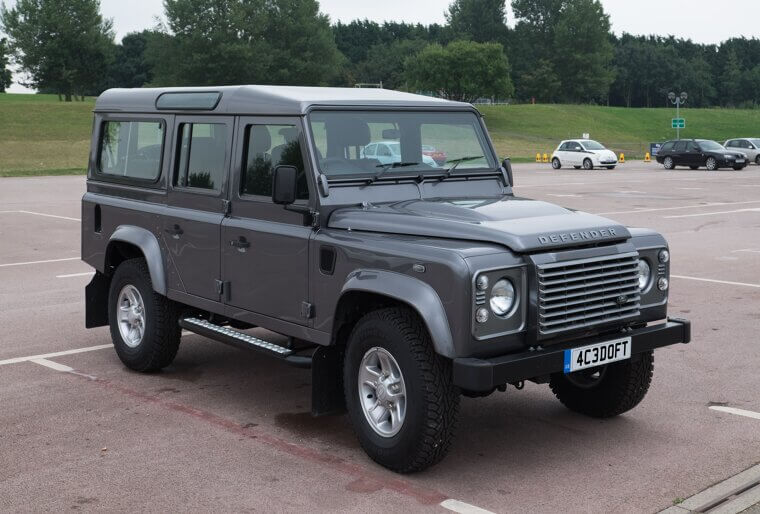
Land Rover Defender (1983–2016)
The Defender basically said "screw it" to modern automotive trends and kept its separate chassis, solid axles, and utilitarian design for over three decades. Safari companies, aid organizations, and military units continued to buy them (because reliability in the middle of nowhere is more important than cup holders. Sure, they leaked, rattled, and offered the aerodynamics of a garden shed, but that aluminum body wouldn't rust, and the mechanicals were simple enough that you could fix them with basic tools.
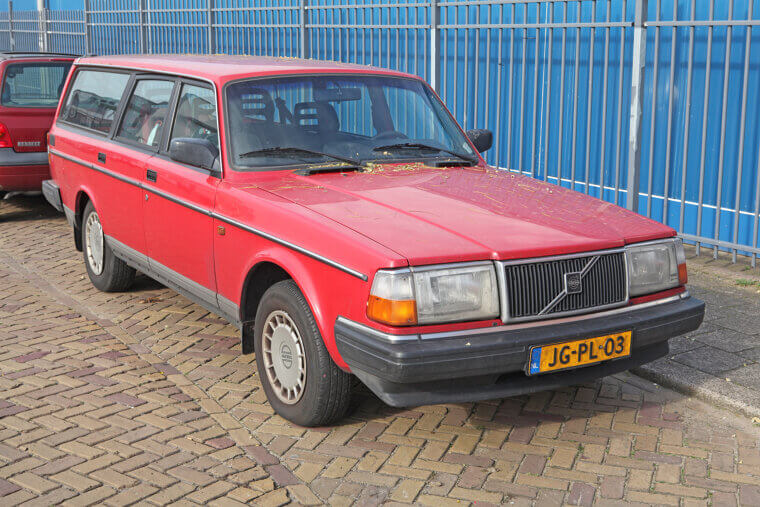
Volvo 240 Series (1974–1993)
The 240 genuinely looked like someone drew a car using only a ruler, and that boxy simplicity extended to everything mechanical. Volvo built the B230 engine with tolerances that meant it basically couldn't wear out under normal use. People routinely got 300,000 miles out of the car without needing any major work. Yes, it drove like a refrigerator on wheels and had the performance of said refrigerator, but owners didn't care because nothing ever broke. Taxi fleets loved them, families passed them down through generations, and they became the default choice for anyone who valued function over fashion.
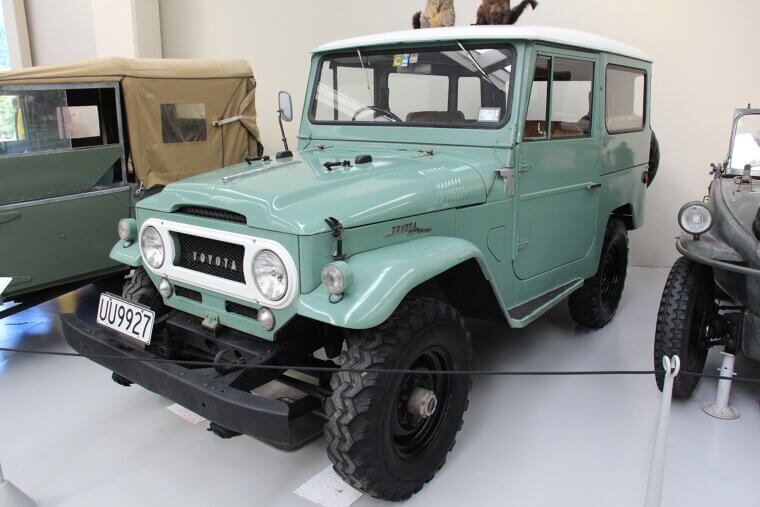
Toyota Land Cruiser FJ40 (1960–1984)
Before the Land Cruiser became a luxury SUV for wealthy suburbanites, the FJ40 was the tool that opened up remote regions of every continent. Mining companies, ranchers, and expedition teams picked these up by the dozens. It had no computer modules, no sensors that would fail in extreme heat or cold. What it did have was metal and gasoline doing exactly what physics dictated. You'll still find FJ40s working in places where the newest vehicle is from the 1990s. Go figure.
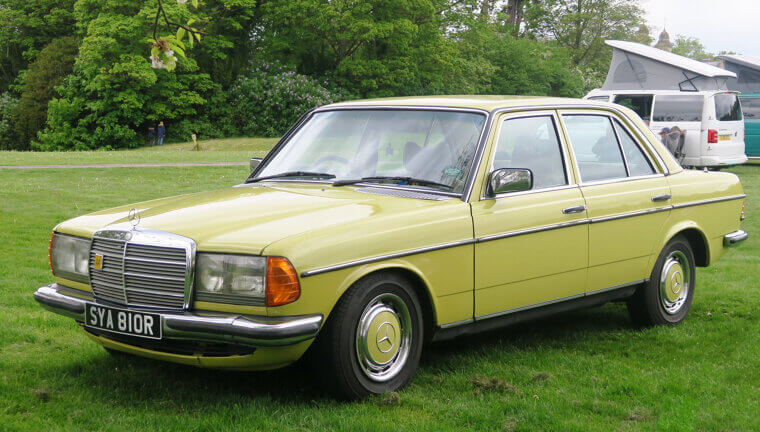
Mercedes-Benz W123 (1976–1986)
This was before the accountants at Mercedes discovered cost-cutting and planned obsolescence. The W123 had sound deadening so thick it added hundreds of pounds, paint so durable it still shines decades later, and mechanical components engineered as if they were going into industrial equipment. Taxi drivers in Germany would rack up 500,000 kilometers and consider that barely broken in. People documented million-mile examples where the only maintenance required was mostly just oil changes. This was the car that made Mercedes' reputation for durability, and it's the standard they've been chasing ever since.
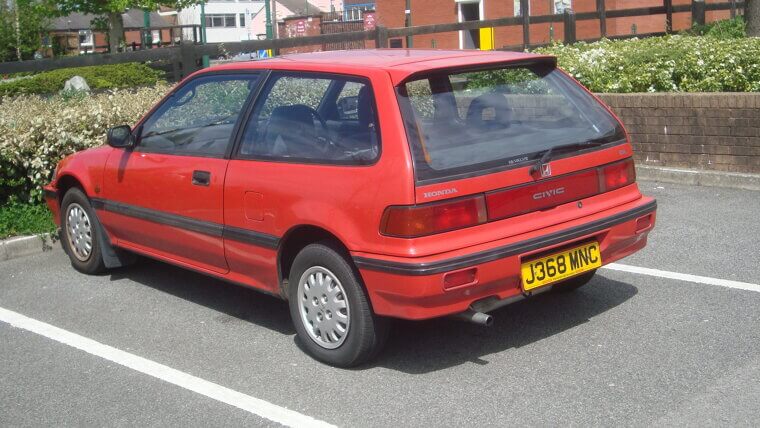
Honda Civic (1972-1991)
The first few generations of the Civic were irrefutable proof that the Japanese reliability wasn't just marketing hype. This was a small, economical runabout that kept running long after other American and European subcompacts had rusted away entirely. D-series engines achieved simple efficiency and only required regular oil changes; they could run over 200,000 miles without drama. And mechanically, they just didn't quit. As long as you kept some oil in them, the little four-cylinders would scream to redline day after day without a hint of protest. It was the ultimate "set it and forget it" vehicle.
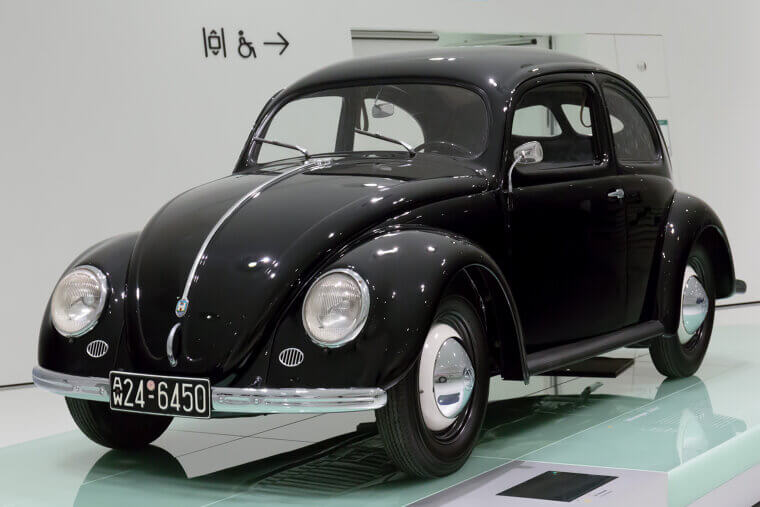
Volkswagen Beetle (Type 1, 1945–1979)
Ferdinand Porsche designed the Beetle to be maintained by farmers with basic tools, and that philosophy created something nearly unkillable. There was no water pump to malfunction, no coolant to boil over, and no radiator to leak in the air-cooled flat-four engine. All it required was oil and sporadic valve adjustments. And since the design was so successful, VW kept the Type 1 going for decades with few modifications. The Bug demonstrated that a clever, simple design could endure nearly any environment, whether it was commuting in Berlin or hiking through mud in Brazil.
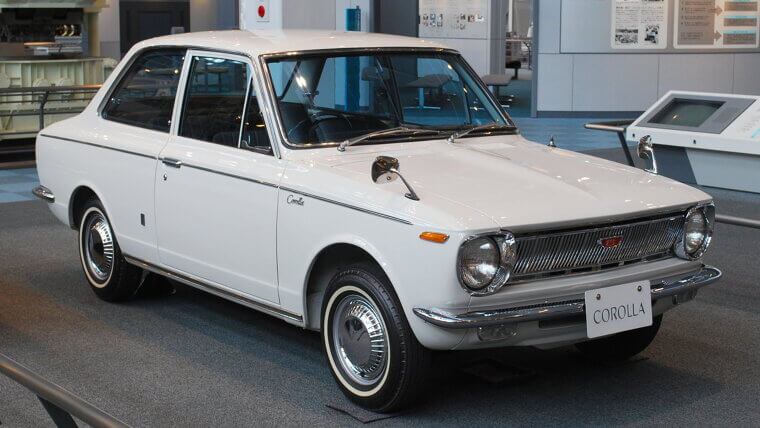
Toyota Corolla (1966–1997 Models)
There's a reason the Corolla became one of the best-selling cars in human history, and it wasn't exciting styling or thrilling performance. These cars simply refused to break. The entire philosophy behind the Corolla was to make something so dependable that ownership became forgettable. You'd do your oil changes, replace brake pads occasionally if you felt like it, and the car would just keep transporting you for decade after decade. In countries with harsh climates and terrible roads, the Corolla became the default choice because it could handle anything. The later models added more features, but those early generations truly set the template for what automotive reliability could actually mean.
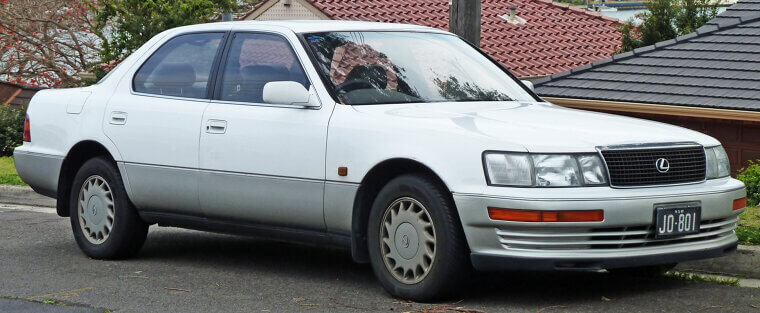
Lexus LS400 (1990s)
Toyota desperately wanted to prove that it could build a luxury car that would rival the Germans, so it created something that combined S-Class comfort with Land Cruiser reliability. They didn't just compete; they overcompensated. The 1UZ-FE V8 became legendary among mechanics for being close to indestructible. Not "rarely breaking" but genuinely never having major failures even at ridiculous mileages. People documented LS400s running past 500,000 miles with nothing more than routine maintenance. While BMWs and Mercedes from this era developed electrical gremlins and expensive failures, the LS400 just quietly accumulated miles, setting a new benchmark for what reliability in a luxury car could mean.
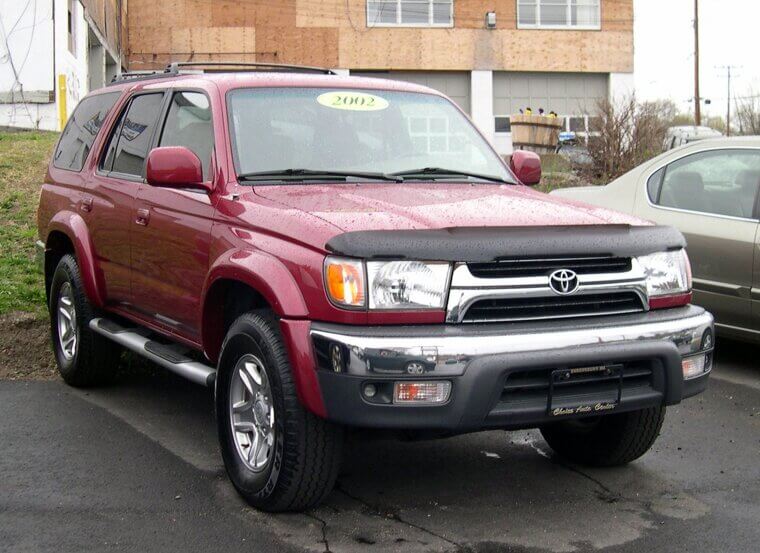
Toyota 4Runner (1984–2002)
Built on the same platform as the Hilux and later Tacoma, the 4Runner inherited all that pickup truck toughness in SUV form. The body-on-frame construction meant it could handle abuse that would twist unibody crossovers into pretzels. Off-road enthusiasts loved them because you could hit trails hard without worrying about breaking something expensive. The naturally aspirated engines were bulletproof, the manual transmissions in earlier models were agricultural in their toughness, and the entire vehicle felt overbuilt for what most people needed. When you needed to tow, haul gear, or navigate terrible roads, that extra toughness paid dividends.
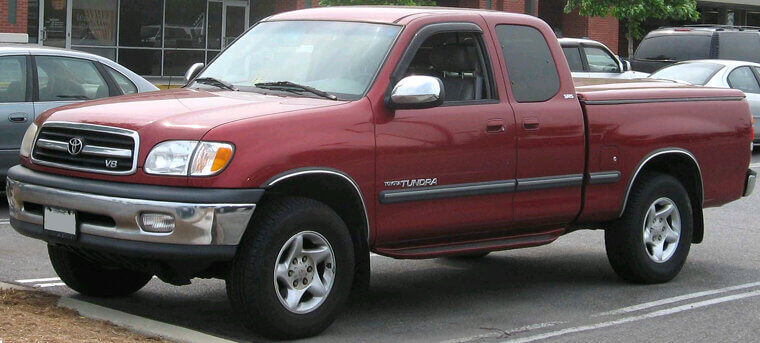
Toyota Tundra (2000–2006)
When Toyota decided to build a full-size American truck, it studied what killed domestic pickups and engineered around every weakness. The first-generation Tundra used the same bulletproof 2UZ-FE V8, which shared DNA with the LS400 engine. Frame rust did become an issue, but Toyota actually recalled and replaced them, which said something about their commitment to longevity. The trucks themselves were built to a higher standard than the market required. That's how you create longevity. Additionally, the interior materials held up better than domestic competitors, and the mechanical components simply didn't wear out at the rate people expected.
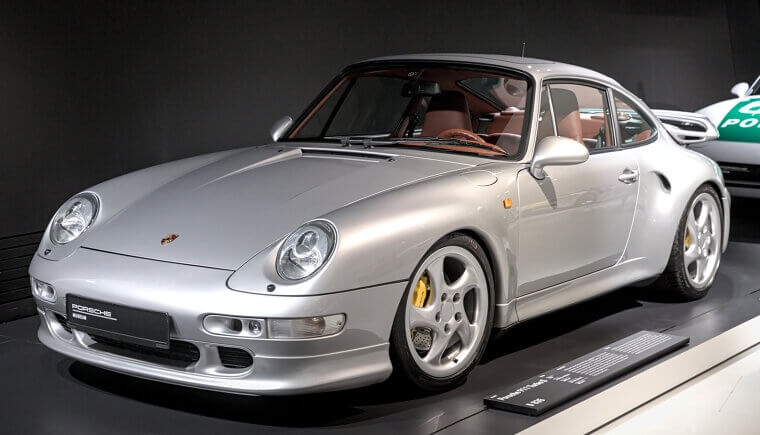
Porsche 911 (Air-Cooled Models, 1964–1998)
Most sports cars are high-strung and temperamental, but the air-cooled 911 was built like a piece of industrial machinery. The air-cooled 911 from the pre-1998 era became legendary for its performance and incredible durability. These were sports cars that people genuinely drove daily for decades without major failures. The flat-six engines were expensive to rebuild when they eventually needed it, but "eventually" often meant after hundreds of thousands of miles of hard driving. Porsche engineered these cars to survive racing abuse, and that is exactly what they did. This was German over-engineering at its finest.
Ford F-150 (1970s–1980s)
There is a reason these trucks are still the backbone of rural America. The seventh and eighth-generation F-Series trucks represented Detroit iron at its simplest and toughest. The seventh and eighth-generation F-Series trucks represented Detroit iron at its simplest and toughest. These were basic work trucks with carburetted V8 engines that produced modest power but could run for decades with minimal maintenance. The 300 cubic inch inline-six became legendary for its durability, happily chugging along for hundreds of thousands of miles while sipping fuel. These trucks didn't have the refinement of modern pickups, but they'd outlast three modern trucks with basic care.

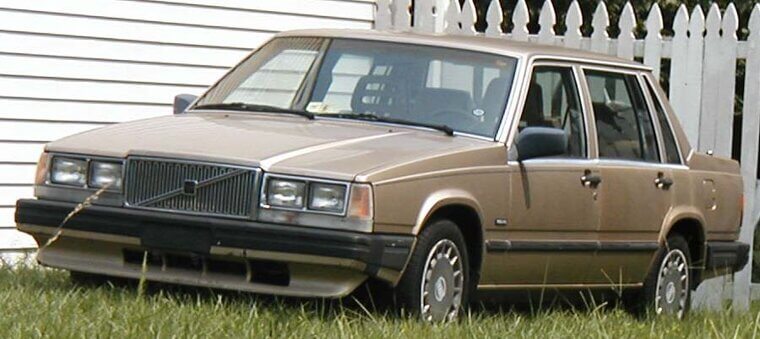
Volvo 700/900 Series
Following in the footsteps of the 240, the 700 and 900 series took the "safety first" Swedish philosophy and added a bit more comfort. However, they didn't lose any of that legendary toughness. The turbocharged inline-four engines produced decent power and were built with enough margin that even the boost didn’t stress them. The electrical systems remained simple and reliable, the interiors held up beautifully, and the body panels resisted rust better than competitors.