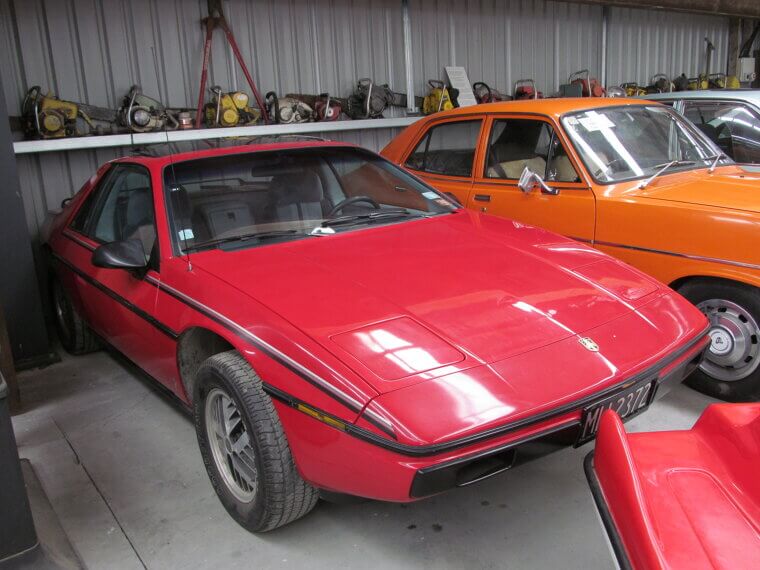
1968 Chevrolet Corvette C3
Few shapes scream “American sports car” like the early C3 Corvette. Its dramatic curves, pinched waist, and shark‑inspired nose make it look fast even when parked. But those first years of the C3 were more about attitude than execution. The cabin felt cramped, the visibility was questionable, and the chassis didn’t quite live up to the promise of the bodywork. It’s a car that photographs like a superstar yet drove like it was still figuring out who it wanted to be. Even so, the C3’s presence is undeniable - proving that charisma can carry a lot of weight.
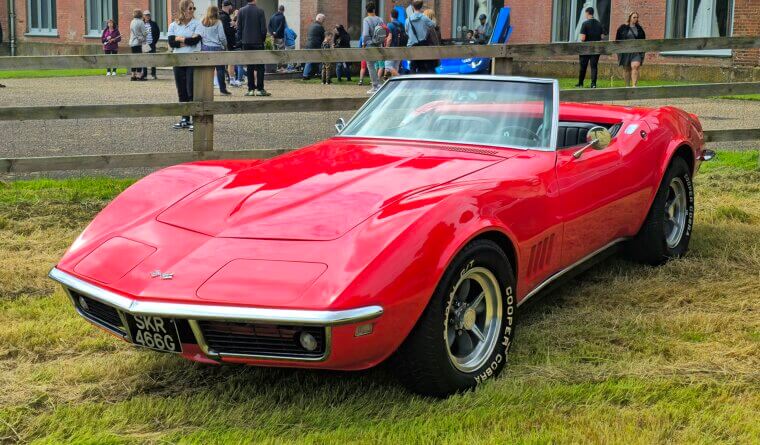
1961 Ford Thunderbird “Bullet Bird”
The “Bullet Bird” is one of those cars that looks like it should glide across the pavement with jet‑age confidence, all afterburners and optimism. In photos, its long, low body and pointed front end feel like a promise of effortless cruising. Behind the wheel, though, the Thunderbird was more boulevard cruiser than rocket ship. Its weight dulled the excitement, and the soft suspension made spirited driving feel like a suggestion rather than an invitation. Still, it’s hard not to admire how photogenic it remains to this day.
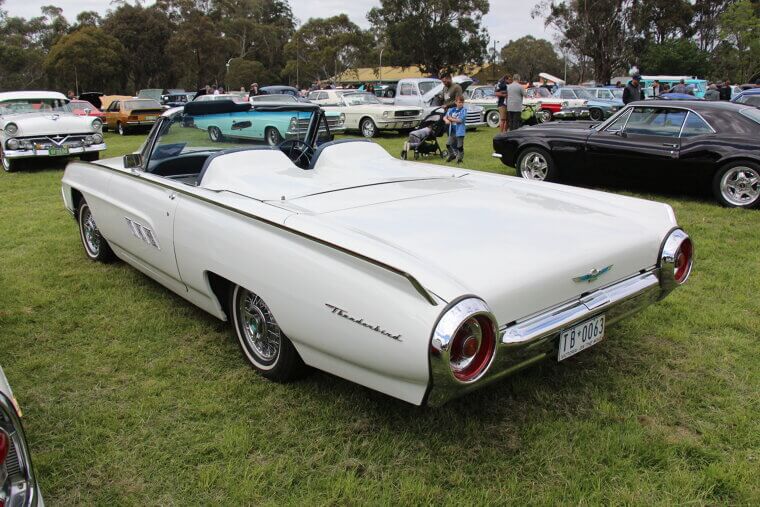
1969 Opel GT
The Opel GT is a masterclass in looking the part. This car’s mini‑Corvette silhouette, pop‑up headlights, and tidy proportions make it seem like a European sports car ready to take on the world. Then you drive it, and the illusion softens. With modest power and a chassis tuned more for charm than excitement, the GT never quite delivered the thrills its styling suggested. Still, it’s impossible not to smile at its retro‑cool personality. The Opel GT remains a car that wins hearts in photographs, even if it never quite stole the show on the road.
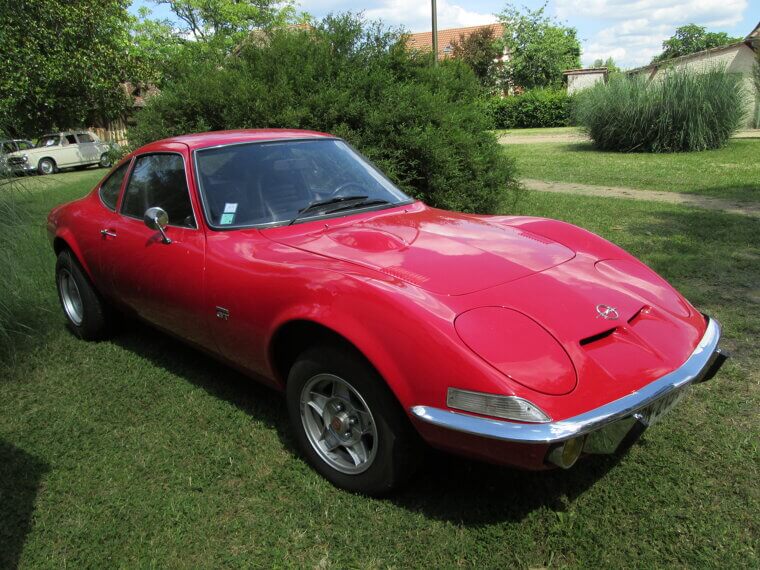
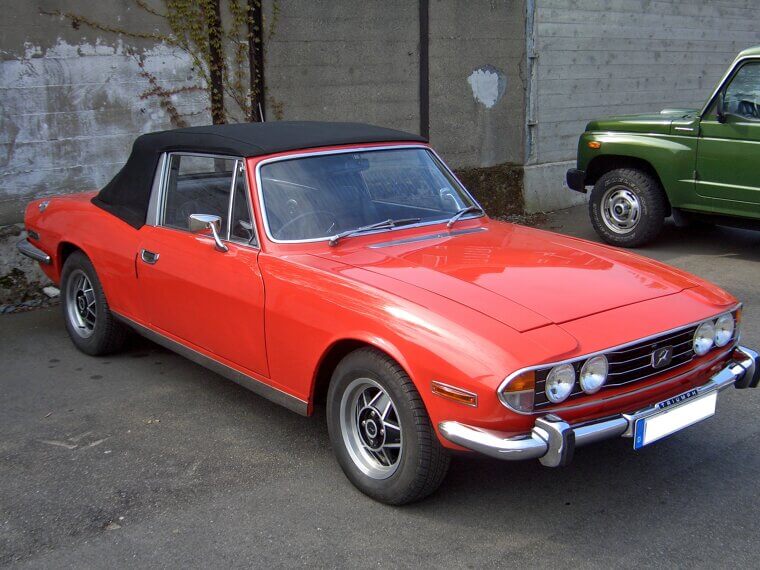
1970 Triumph Stag
The Triumph Stag is one of those cars that looks like it should have been a grand touring hero. The crisp lines, T‑bar roof, and confident stance make it appear ready for glamorous continental road trips. Unfortunately, its famously temperamental V8 had other ideas. Overheating, reliability quirks, and inconsistent build quality meant many Stags spent more time in garages than on highways. Yet the design still holds up beautifully in old photos, capturing a moment when British motoring seemed poised for something great. The Stag remains as an example that ambition and execution don’t always meet in the middle!
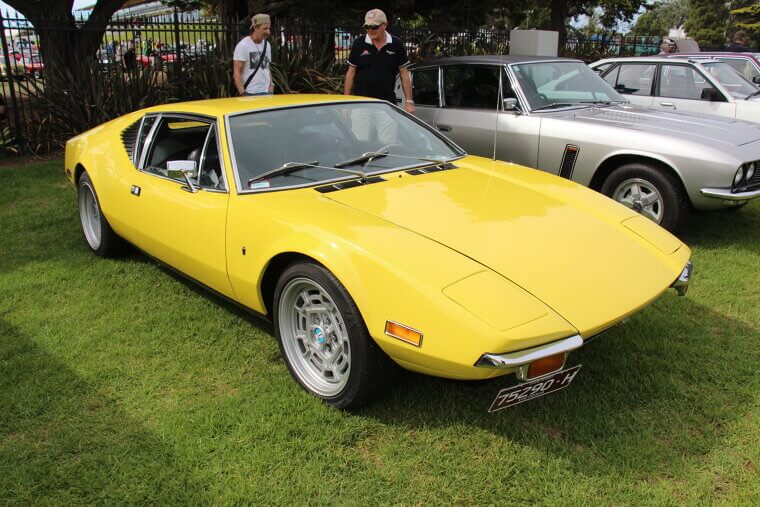
1971 De Tomaso Pantera
The Pantera’s wedge‑shaped body and exotic Italian presence make it look like a supercar ready to dominate any road. In pictures, it’s all drama and promise; but early Panteras were notorious for inconsistent build quality, awkward ergonomics, and a driving experience that didn’t always match the visual fireworks. The Ford V8 provided plenty of power, but the rest of the car sometimes felt like it was trying to keep up. Still, the Pantera’s styling is timeless - a snapshot of an era when bold lines and big dreams defined the supercar world.
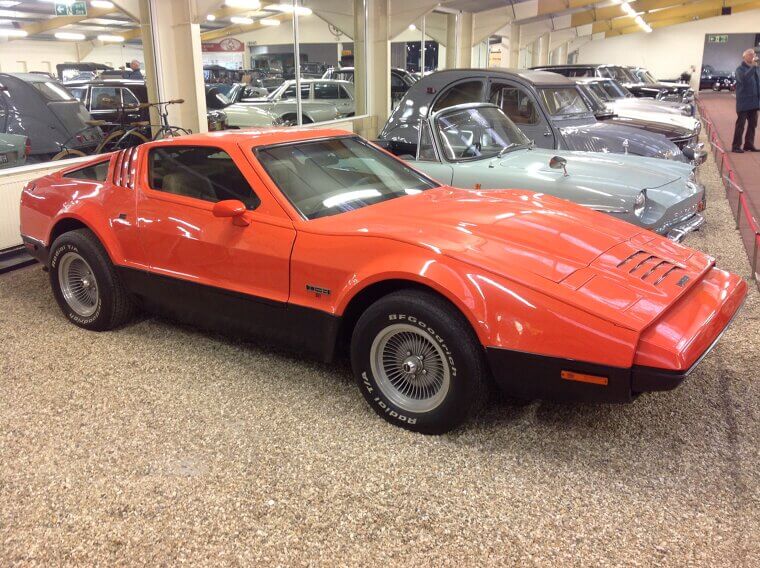
1974 Bricklin SV‑1
The Bricklin SV‑1 is a car that photographs like a futuristic experiment - gullwing doors, bright colors, and a shape that feels straight out of a sci‑fi film. On the road, though, the experience was far less dramatic. Heavy construction, modest power, and quality issues kept it from living up to its visual promise. The SV‑1 was more interesting than it was enjoyable to drive, but its quirky charm remains undeniable. In old photos, it still looks like a bold idea that deserved a better execution, and that’s part of its mass-remembered American appeal.
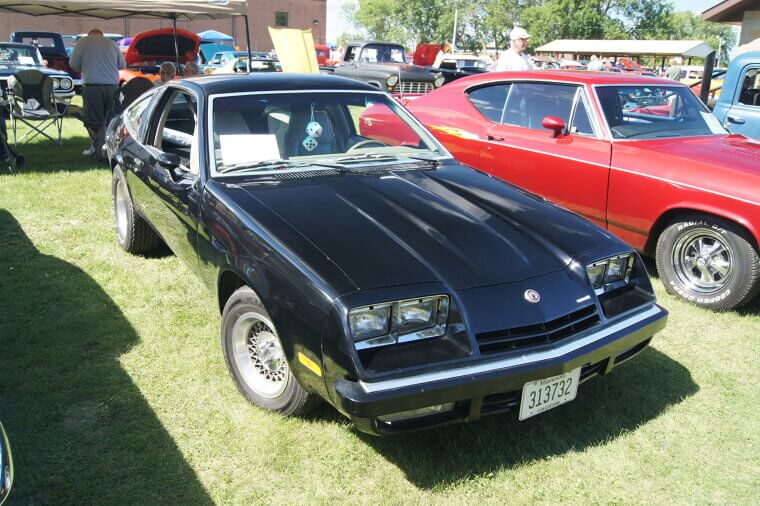
1975 Chevrolet Monza
The Chevrolet Monza had the clean fastback profile of a sporty compact ready to take on the world. In images, it looks agile and eager, the kind of car that should have been a lively driver’s companion. In reality, the Monza’s performance rarely matched its appearance. Underpowered engines and cost‑cutting compromises left it feeling more ordinary than its styling suggested. Still, the Monza captures a moment in American automotive design when even economy‑minded cars tried to look exciting.
1976 Aston Martin Lagonda
The Lagonda’s angular, evolved design still looks like something from a concept‑car runway. Its sharp lines and digital‑era ambition make it a standout in any vintage photo (but driving one was a different story.) The early electronic systems were notoriously fragile, and the car’s complexity often overshadowed its luxury intentions. Behind the wheel, the Lagonda could feel more like an experiment than a refined grand tourer. So, the Lagonda is a perfect example of a car whose visual daring outshines its real‑world performance.
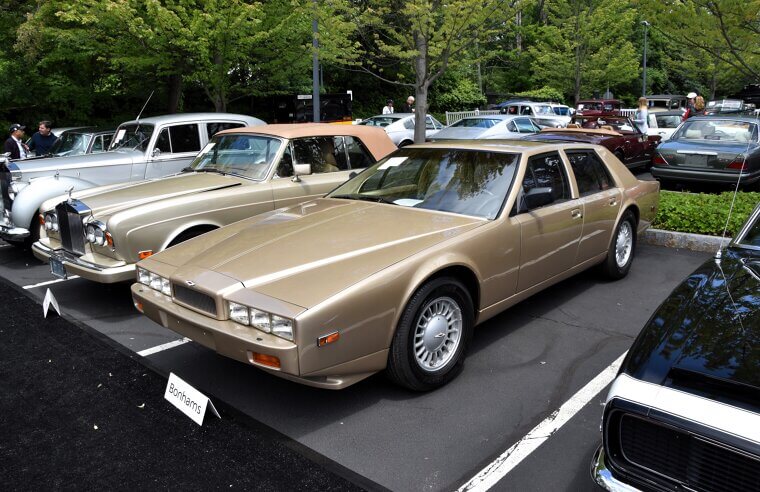
1977 Pontiac Firebird Esprit
The Firebird Esprit looks like pure 1970s “cool” - long hood, low stance, and a presence that feels ready for a movie chase scene. But the base Esprit models didn’t deliver the muscle their styling implied. With modest power and a focus on comfort over performance, the driving experience was far more relaxed than the visuals suggested. Still, the Esprit photographs beautifully, capturing the swagger of the era. It’s a car that proves sometimes the image is what sticks with us, even if the drive didn’t quite match the attitude.
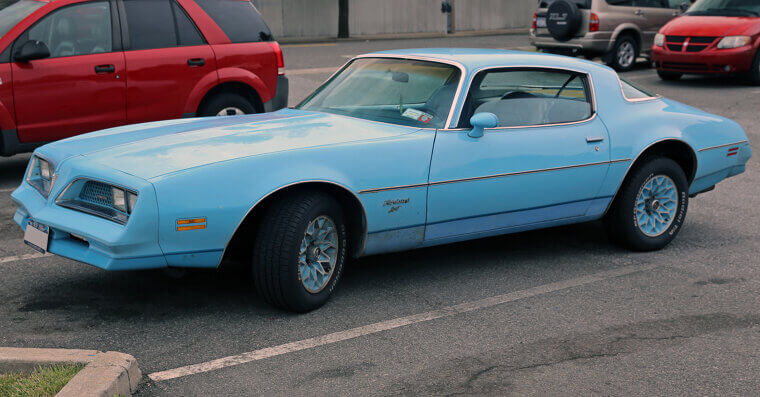
1978 Maserati Merak
The Merak’s exotic profile, flying‑buttress rear, and unmistakable Italian style make it a star in any vintage photo - how can it not? It looks like a real mid‑engine sports car ready to thrill. But the reality was more complicated. With Citroën‑sourced hydraulics and engines that didn’t always deliver the excitement the styling promised, the Merak could feel more delicate than daring. Even with this, there’s no denying that this car continues to visually win the hearts of enthusiasts. In the end, the Merak may not have driven like a supercar, but it certainly looked like one!
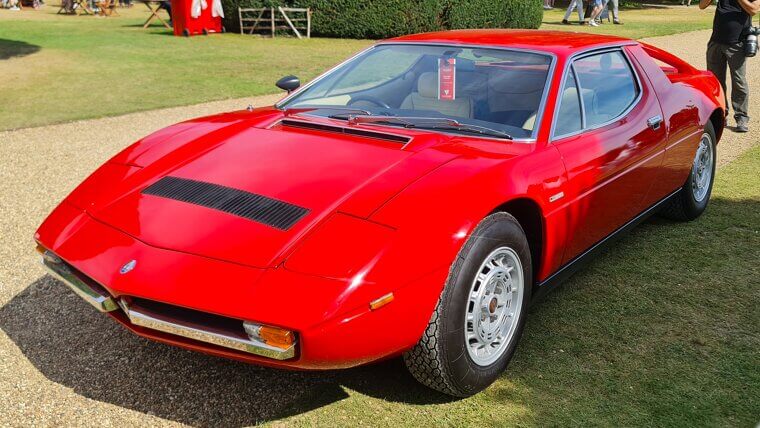
1979 Ford Mustang II Cobra
The Mustang II Cobra had the graphics, the stance, and the attitude to look like a performance revival. In photos, it appears ready to reclaim the Mustang’s muscle‑car legacy. But under the bold striping and spoilers, it was still a product of the fuel‑crisis era - meaning modest power and economy‑car roots. The driving experience rarely matched the visual drama. Yet the Cobra remains a fascinating snapshot of its time, a car that tried to keep the flame alive even when circumstances made it difficult.
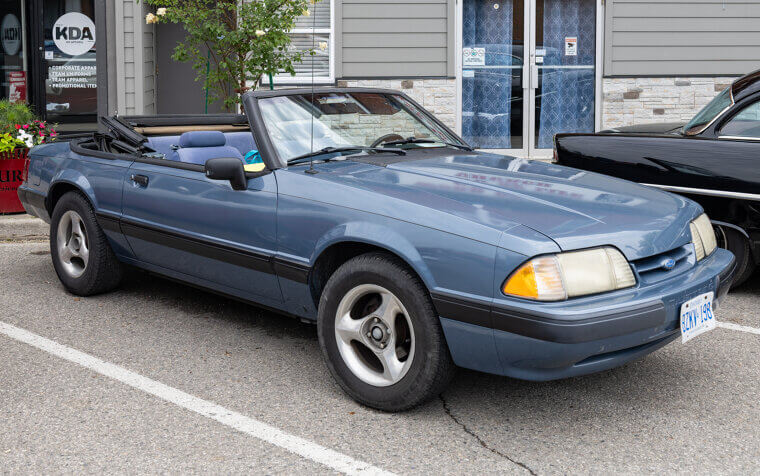
1980 Triumph TR7
The TR7’s wedge shape and sharp lines make it look like a forward‑thinking sports car, especially in period photography. It had a distinctive presence that suggested agility and modernity. But the driving experience was often overshadowed by inconsistent build quality and reliability issues. The TR7 never fully lived up to its futuristic appearance, though it certainly captured the imagination. Today, it stands as a reminder of a bold design direction that didn’t quite translate to road performance. Still, the TR7 remains visually striking, proving that style can outlast reputation.
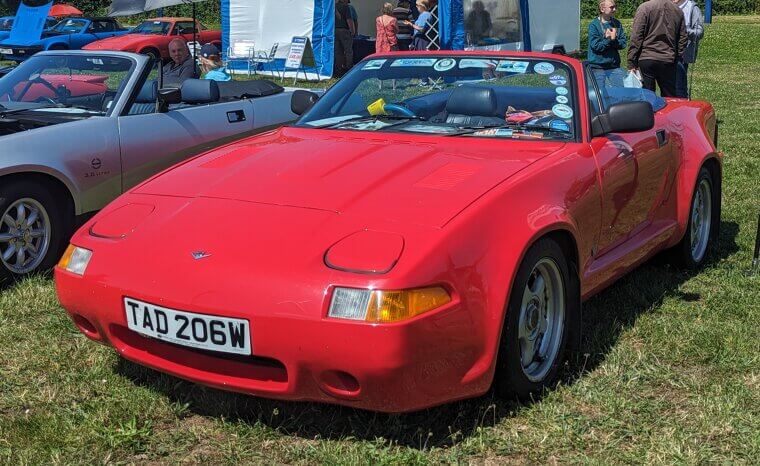
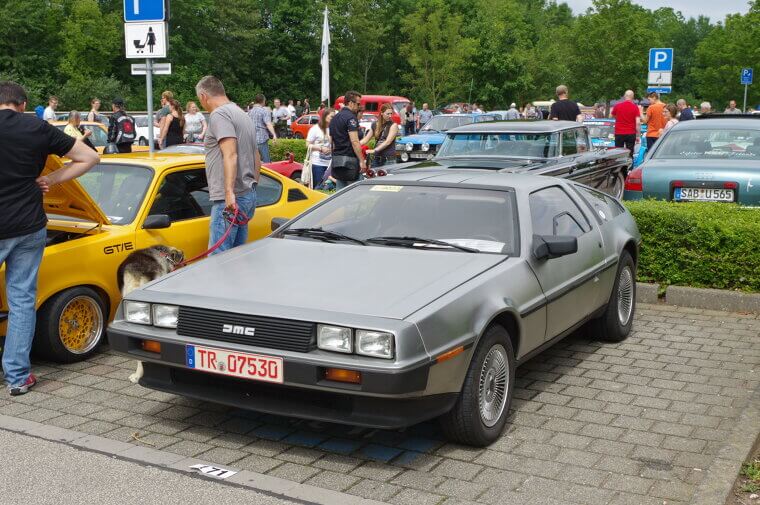
1981 DeLorean DMC‑12
Few cars photograph as well as the DeLorean. The stainless‑steel body, gullwing doors, and clean lines make it look like a time‑traveling icon even without Hollywood’s help! But behind the wheel, the DeLorean’s modest power and somewhat awkward dynamics didn’t match its futuristic appearance. It was more about presence than performance. Still, the DMC‑12 remains one of the most recognizable cars ever built, and its visual impact is undeniable. It’s a perfect example of a car whose legend was shaped more by how it looked than how it drove.
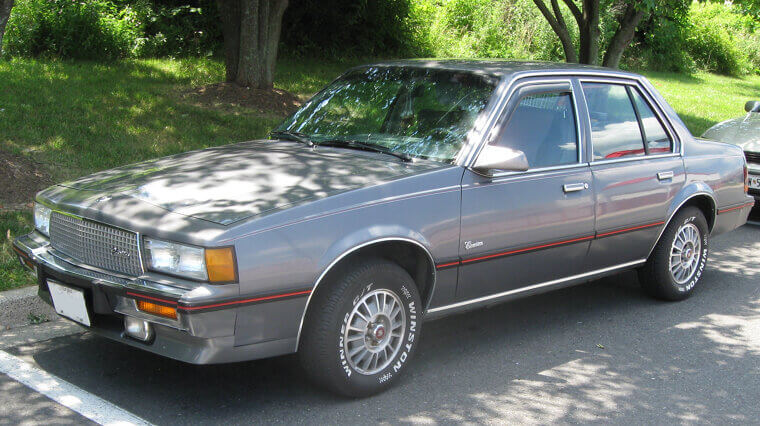
1982 Cadillac Cimarron
The Cimarron’s tidy proportions and upscale detailing make it look like a respectable compact luxury sedan in period photos. But driving one revealed its true nature - a lightly dressed‑up economy car that struggled to justify its premium positioning. The performance, refinement, and overall feel never matched the expectations set by the Cadillac badge. Yet the Cimarron remains an interesting artifact of its era; in pictures, it still carries a certain charm, even if the driving experience didn’t quite follow through.
1984 Pontiac Fiero
The Fiero’s mid‑engine layout and sporty shape made it look like an affordable exotic, especially in early promotional shots. It promised excitement and innovation. But the first‑generation models were held back by modest power and compromises made for fuel economy and safety. The result was a car that looked faster than it felt. Still, the Fiero’s design has aged surprisingly well, and its ambition remains admirable. It’s a car that shines brightest in photographs, capturing the optimism of a time when even mainstream brands were willing to take risks.