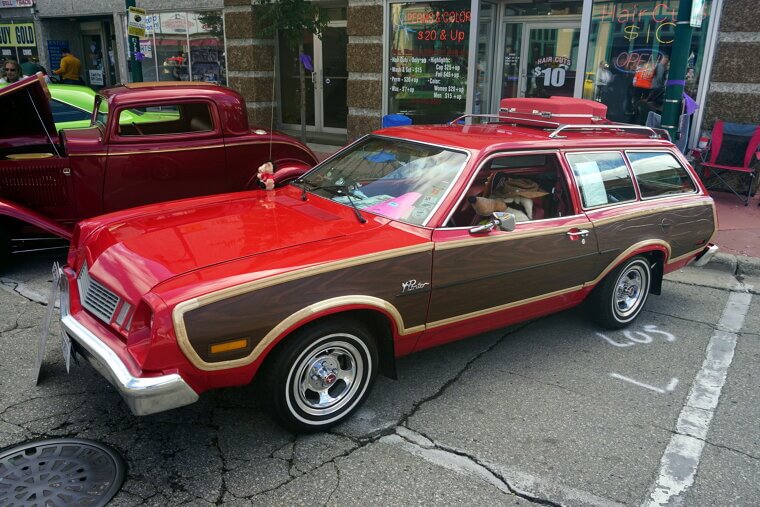
Ford Pinto
The Ford Pinto was a hero of affordability in the 1970s, giving countless drivers their first taste of independence. This car was small, cheap to run, and easy to park - three things that mattered a lot during fuel‑crisis America. But today, the Pinto’s appeal evaporates faster than you can say “boo”. Its cabin feels cramped, the ride is jittery, and the build quality leaves modern drivers wincing. Add in its infamous safety reputation, and it becomes clear why this once‑beloved little runabout wouldn’t stand a chance in today’s world of airbags, crash tests, and expectations that a car shouldn’t feel like a tin can on wheels!
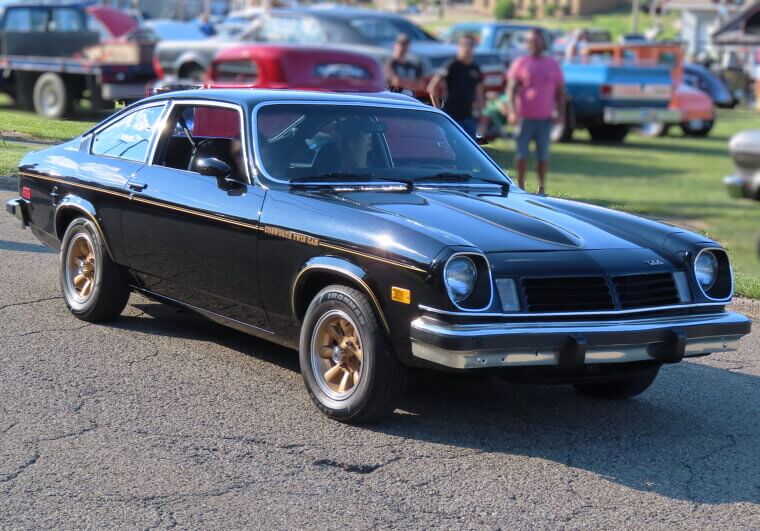
Chevrolet Vega
The Chevrolet Vega arrived with big promises: clean styling, impressive fuel economy, and a price tag that made it accessible to young buyers. For a moment, it looked like Chevrolet had cracked the code on the perfect small car. But time hasn’t been kind. The Vega’s aluminum engine was notoriously fragile, and its body panels rusted faster than owners could wash them. Slide into one today and you’re greeted with a buzzy engine, vague steering, and a general sense that the car is trying its best but simply wasn’t built for longevity. Nostalgia aside, it’s a tough sell in 2025.
AMC Gremlin
The AMC Gremlin was the black sheep that (somehow) became cool. Its chopped‑off rear end and quirky personality made it a standout in the 1970s, especially for drivers who wanted something different without spending much. But modern expectations expose its flaws instantly. The interior feels like a collection of plastic leftovers, the ride is bouncy, and the ergonomics seem designed by someone who had never actually sat in a car. While the Gremlin still has a cult following, driving one today feels more like a retro endurance test than a fun throwback. It has charisma, yes - but also undeniably uncomfortable.

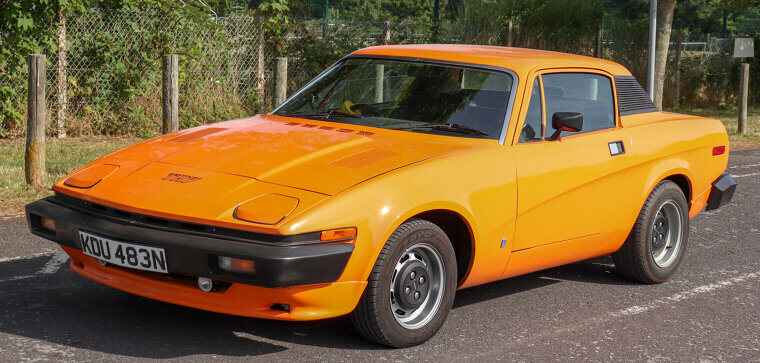
Triumph TR7
The Triumph TR7 was marketed as “the shape of things to come,” and its wedge design certainly turned heads. In the ’70s, it felt futuristic and sporty, offering an affordable way to enjoy open‑top motoring. But behind the styling was a car that struggled with reliability and build quality. Today, those issues feel even more pronounced. The TR7’s engine is underwhelming, the cabin is tight, and the electrical system has a reputation for mischief. Driving one now requires patience, mechanical sympathy, and a sense of humor.
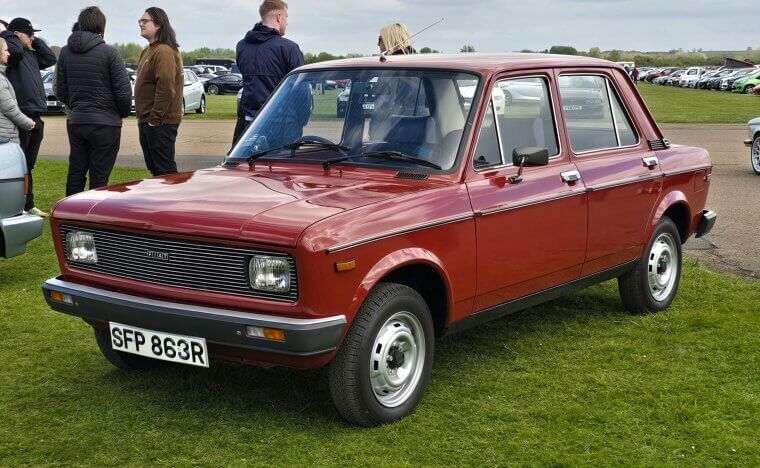
Fiat 128
The Fiat 128 was a revelation when it debuted, proving that front‑wheel drive could be practical, efficient, and fun. It handled well, sipped fuel, and offered a level of agility that many competitors lacked; but modern drivers would struggle with its flimsy build, constant rust battles, and a cabin that feels more like a metal box with seats than a proper interior. The 128 demands frequent tinkering, and its modest power makes merging onto today’s highways an exercise in optimism.
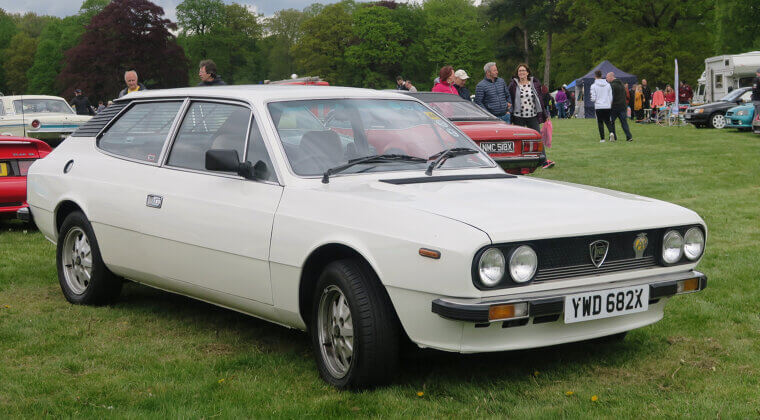
Lancia Beta
The Lancia Beta delivered sharp handling, elegant styling, and a premium feel that made it a standout in the 1970s. For a brief moment, it seemed like Lancia had built the perfect sporty sedan. Unfortunately, rust became its downfall - so much so that entire batches were recalled. Today, surviving Betas are rare, and driving one feels like tiptoeing around a fragile antique. The interior is dated, the mechanicals require constant attention, and the fear of corrosion never quite leaves your mind. Sure, it’s a beautiful piece of history, but hardly a car you’d want to rely on for daily use.
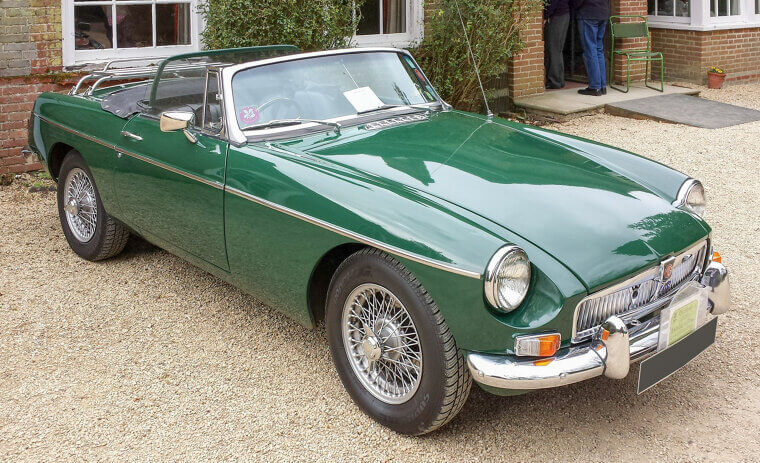
MGB
The MGB was the quintessential affordable roadster, beloved for its simplicity, charm, and open‑air driving experience. In the ’70s, it offered a taste of British motoring that felt accessible and fun. But by modern standards, the MGB is slow, noisy, and cramped. The steering is heavy at low speeds, the suspension feels vague, and the electrical system has a reputation for unpredictability. While it’s still a delightful weekend toy, using one as a daily driver today would feel like stepping back into a world where comfort and convenience were optional.
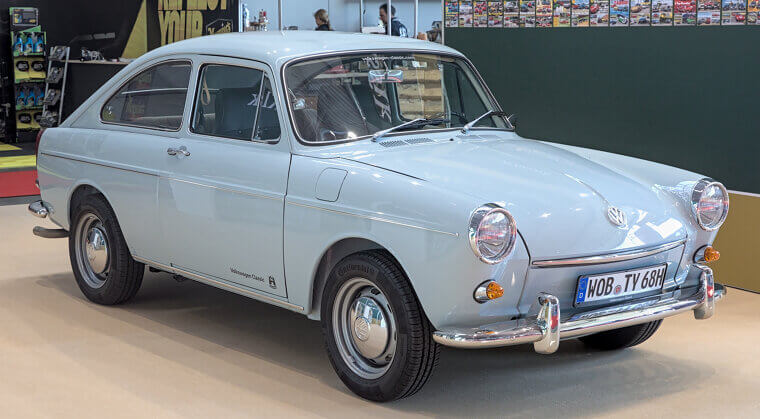
Volkswagen Type 4
The Volkswagen Type 4 was practical, roomy, and dependable enough for families who needed something sensible during the 1970s. It offered a comfortable ride and a reputation for durability. But today, its air‑cooled engine feels painfully underpowered, especially in modern traffic. The interior is sparse, the ergonomics are awkward, and the driving experience is more agricultural than automotive. While it has a certain retro charm, the Type 4 simply can’t keep up with modern expectations for refinement, safety, and performance. It’s a nostalgic reminder of simpler times - though not a car most people would want to revisit.
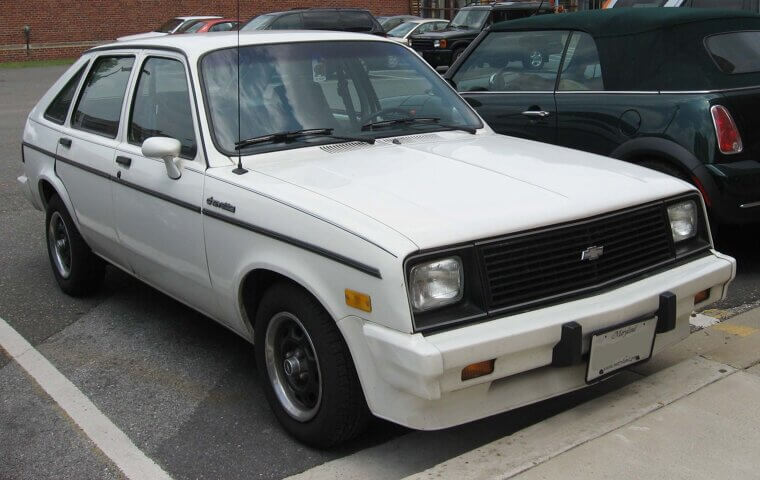
Chevrolet Chevette
The Chevrolet Chevette was the definition of basic transportation. It was cheap, easy to maintain, and did exactly what it needed to do - no more, no less. In the ’70s and early ’80s, that was enough to win over millions of buyers. But driving one today feels like stepping into a time capsule of compromises. The engine feels like a mechanic glitch, the interior is bare, and the ride quality borders on punishing. Modern drivers accustomed to even the simplest economy cars would be shocked by how primitive the Chevette feels.
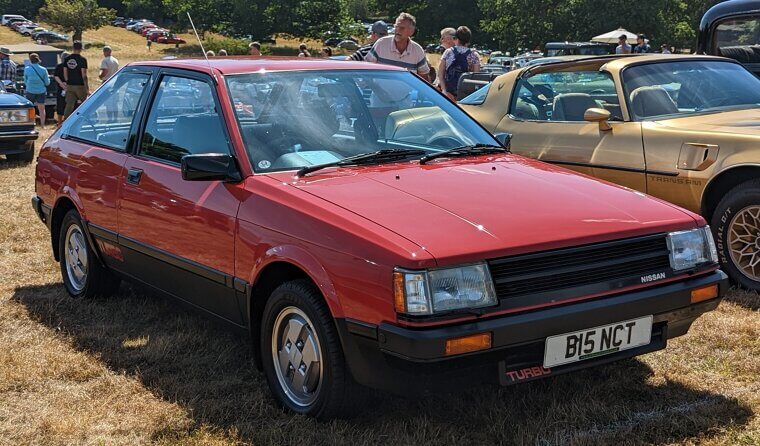
Datsun F10
The Datsun F10 was one of the earliest front‑wheel‑drive Japanese cars sold in America, and its quirky styling made it instantly recognizable. It was efficient, reliable, and surprisingly practical for its size. But by modern standards, the F10 feels painfully slow, with an engine that struggles to keep pace with traffic. The interior materials are thin, the seats lack support, and the overall driving experience feels more like piloting a sewing machine than a car.
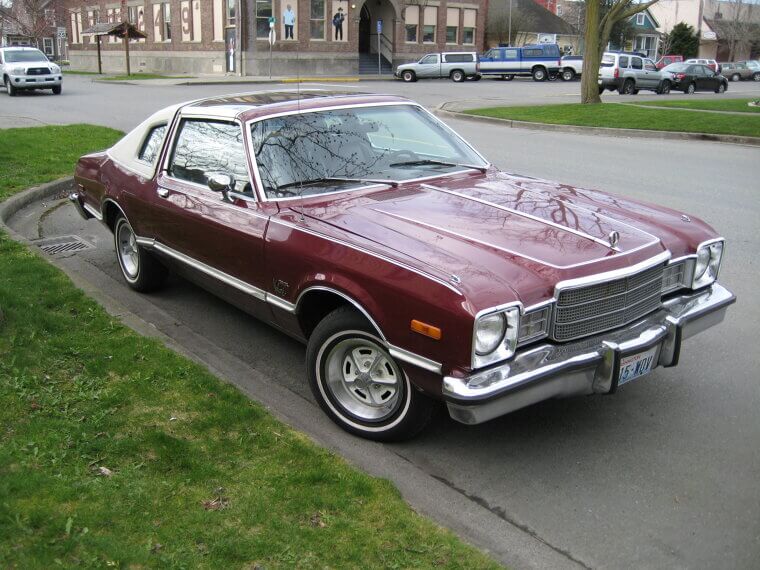
Plymouth Volaré
The Plymouth Volaré arrived with fanfare, even winning a ‘Car of the Year’ award. Buyers loved its smooth ride, roomy interior, and traditional American styling. But the honeymoon didn’t last. Reliability issues quickly surfaced, and rust became a persistent enemy. Today, the Volaré feels soft and disconnected from the road. Its handling is vague, the interior materials haven’t aged well, and the overall driving experience lacks the precision modern drivers expect.
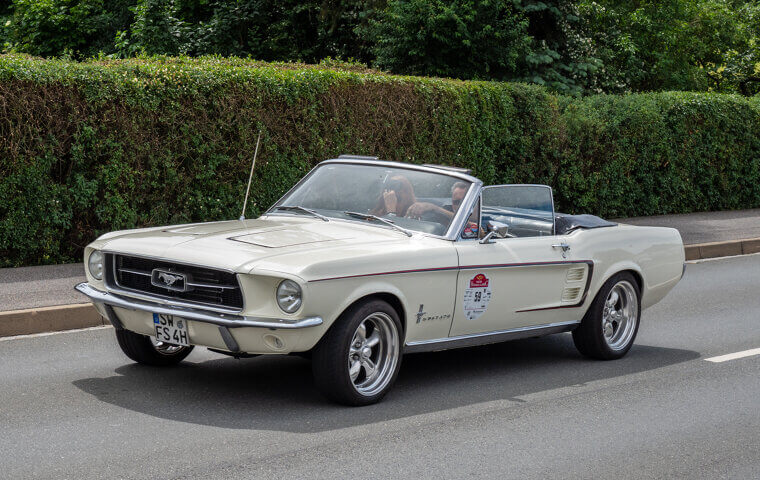
Ford Mustang II
The Mustang II was a hit in the ’70s, offering a smaller, more fuel‑efficient take on the iconic pony car. It arrived at the perfect moment, just as gas prices were rising and big engines were falling out of favor. But today, its modest power and economy‑car underpinnings make it feel like a shadow of the Mustang name. The handling is uninspiring, the interior feels dated, and the performance is nowhere near what modern drivers expect from a car wearing a galloping horse badge. It’s an interesting chapter in Mustang history - but not one many would want to relive.
Renault Le Car (R5)
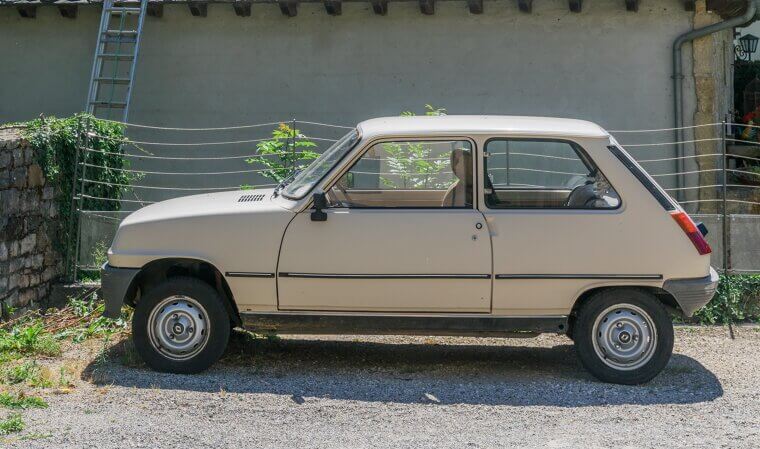
The Renault Le Car was adored for its simplicity, efficiency, and unmistakably French personality. It was cheap to buy, cheap to run, and surprisingly roomy for its size, how can you not be tempted to buy? Well, continue reading as modern drivers would struggle with its slow acceleration, minimal safety features, and feather‑light construction. The cabin feels sparse, the ride is choppy, and the overall experience is more “quirky village runabout” than “daily commuter.” While the Le Car still has a certain appeal, it’s hard to imagine anyone choosing it over even the most basic modern hatchback.
Subaru 360
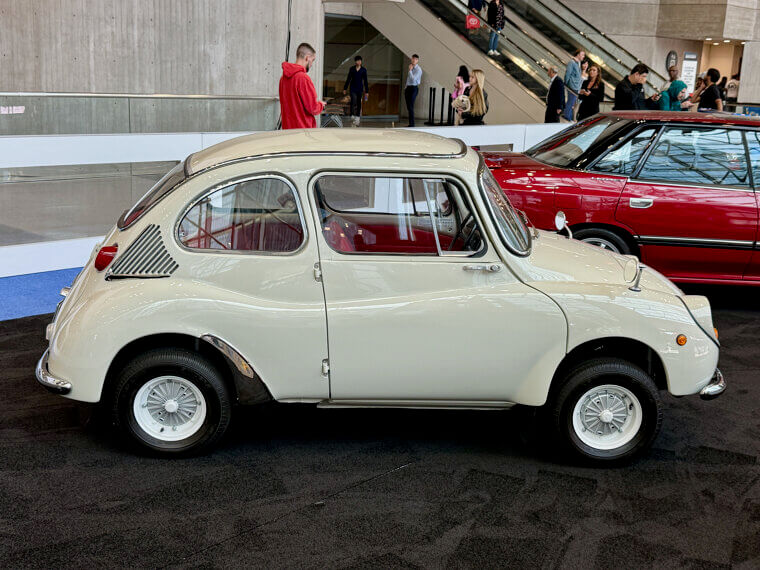
The Subaru 360 was tiny, adorable, and incredibly affordable, making it a popular choice for budget‑minded drivers in the ’70s. Its lightweight design and two‑stroke engine gave it a unique personality, and it played a key role in Subaru’s early success. But by today’s standards, the 360 feels dangerously slow and alarmingly fragile; and the lack of safety features is impossible to ignore! While it’s a fascinating piece of automotive history, it’s not a car most people would feel comfortable driving today.
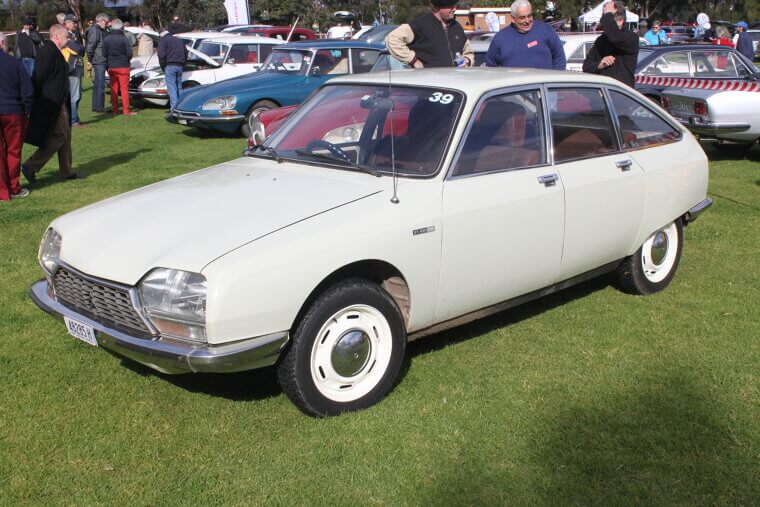
Citroën GS
The Citroën GS was admired for its advanced hydropneumatic suspension, aerodynamic design, and smooth ride. It felt revolutionary in the 70’s, offering comfort and innovation at an accessible price. But maintaining that complex suspension today is a challenge, and the GS’s modest power makes it feel sluggish on modern roads. The interior, while stylish for its time, now feels dated and delicate. Driving one requires a certain appreciation for French eccentricity - and a willingness to accept that comfort sometimes comes with quirks.