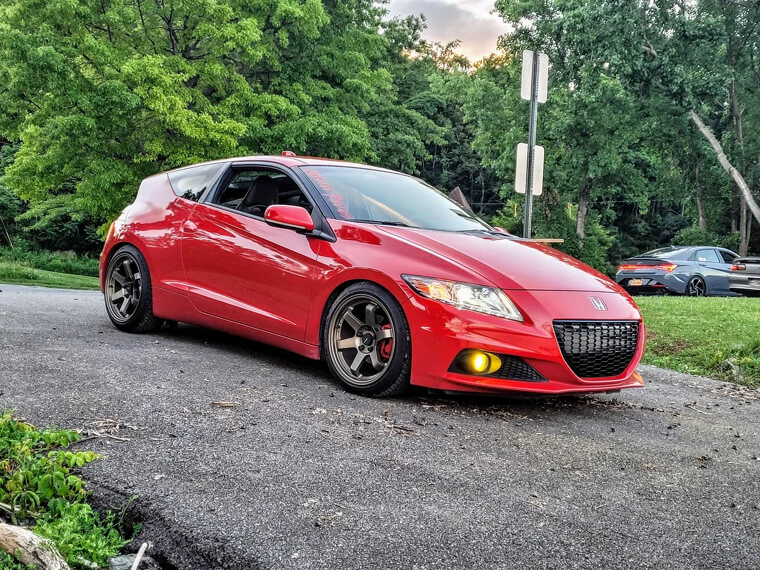
Honda CR-Z
The sporty hybrid coupe undoubtedly looked great, but it was a masterclass in compromise, which led to many buyers feeling regretful over its practicality. The car ditched the Civic's usefulness for a tiny, pseudo-rear seat area and minimal cargo space, resulting in a vehicle that was underpowered for a sports coupe and impractical for a daily hatchback. Owners quickly realized the rear seats were more symbolic than usable, making errands and passengers a constant challenge. The hybrid system promised efficiency, but the modest performance left drivers wishing for more power in everyday driving. Over time, the limited interior space and narrow purpose made the CR-Z feel like a car that tried to please everyone and ended up pleasing very few.
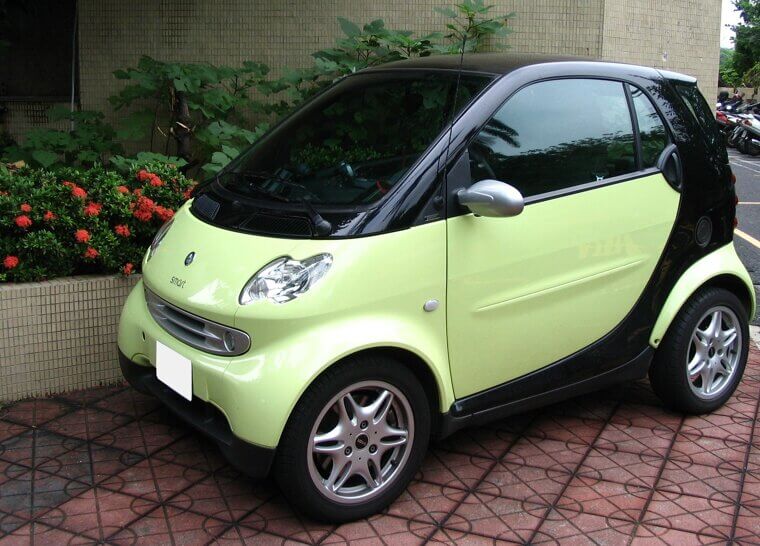
Smart Fortwo
The ultimate city runabout, the Fortwo often makes owners realize that "city-only" truly means city-only. Buyers quickly hit the wall of two major compromises: a laughably tiny luggage area and zero flexibility for carrying more than one passenger, making spontaneous trips to the furniture store or airport an absolute impossibility.
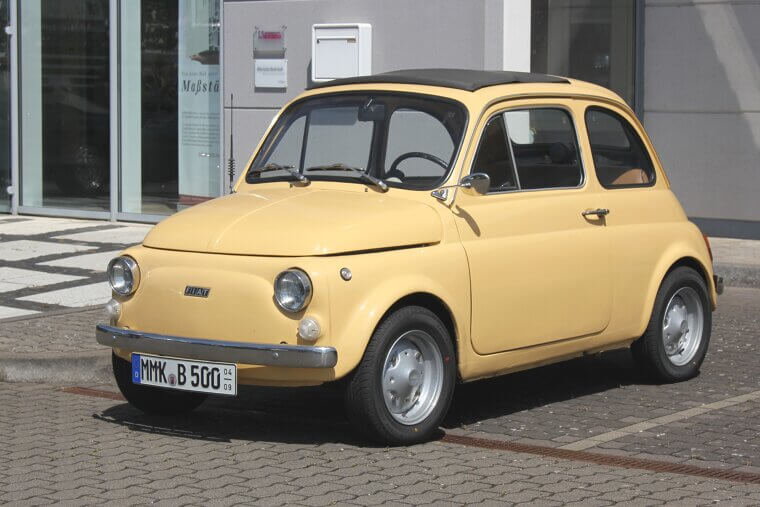
Fiat 500
While utterly charming and undeniably cute, the 500's initial appeal fades when everyday life demands real utility. Owner forums are littered with threads from disappointed drivers who lament the cramped cabin, the awkward rear-seat access, and the fact that its small boot makes even a moderate grocery trip a difficult game of Tetris.
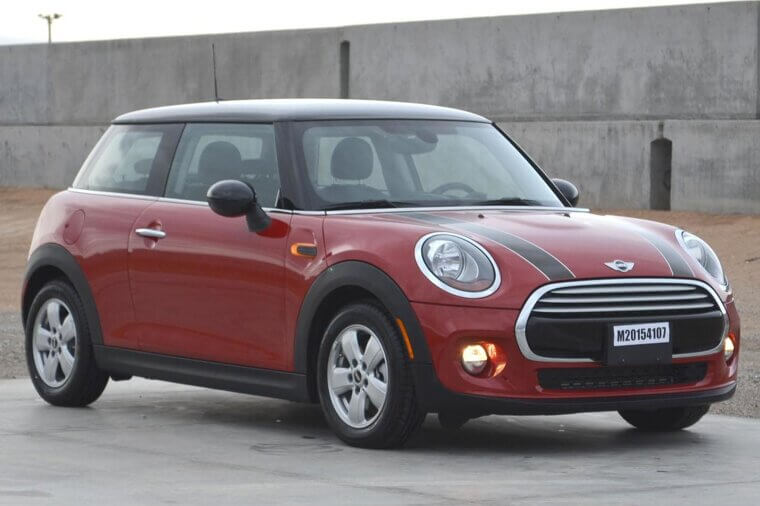
Mini Cooper (2-Door)
This iconic hatch prioritizes go-kart handling over passenger comfort, a trade-off many owners eventually regret. The cabin feels notably narrow, and the rear seats offer minimal legroom, making them virtually unusable for adult passengers. There is a slightly larger, more practical four-door version, and most buyers often wish they had gone for that option.
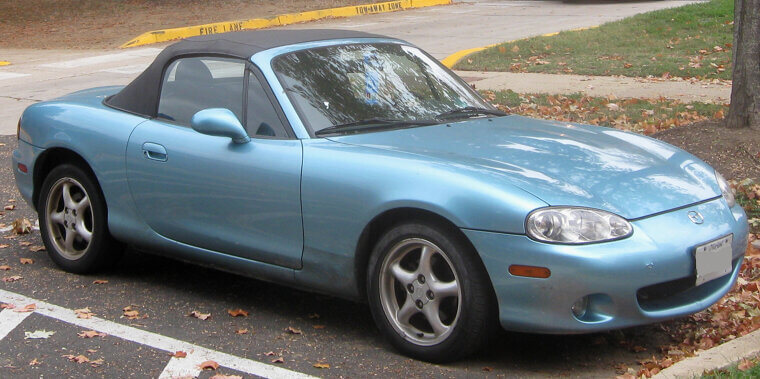
Mazda MX-5 / Miata
The Miata is pure driving brilliance and the definition of a great weekend car, but it’s a constant source of regret if it's your only vehicle. Two seats and a trunk designed for a couple of soft bags mean owners must constantly borrow or rent a larger car for anything beyond a spirited drive. The car’s novelty eventually wears off over time.
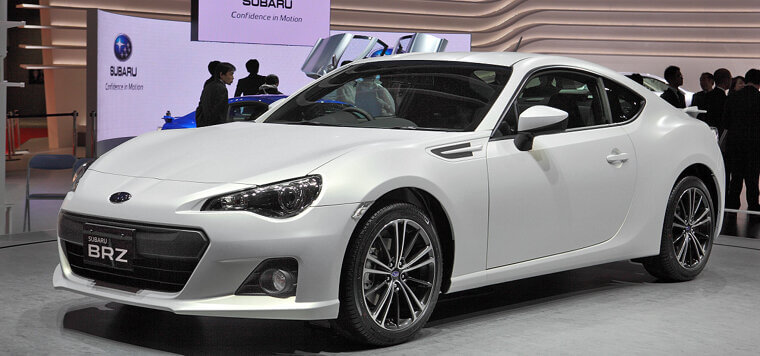
Subaru BRZ
The BRZ is a fantastic driver's coupe, yet its "2+2" seating arrangement is a frequent source of complaint. Most BRZ drivers confirm that the rear seats are largely decorative, forcing people sitting in the front to compromise their seating position.
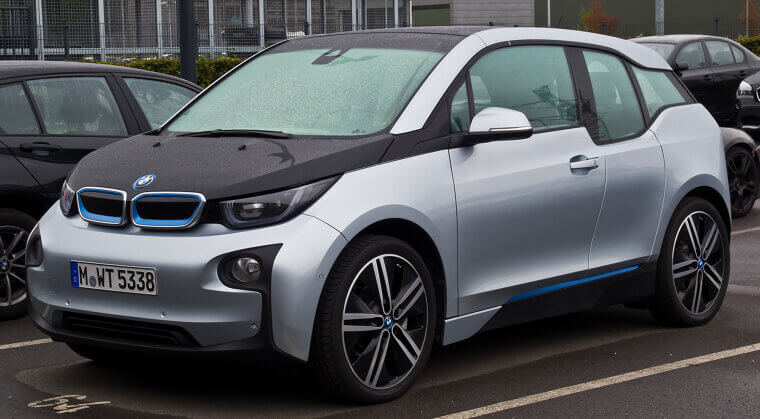
BMW I3
The i3’s radical, compact design and innovative cabin packaging (especially the rear 'suicide' doors) turned out to be too limiting for many owners. While the interior feels airy, the actual footprint means luggage space is modest, and the odd, narrow cabin shape can be tricky for fitting bulkier items.
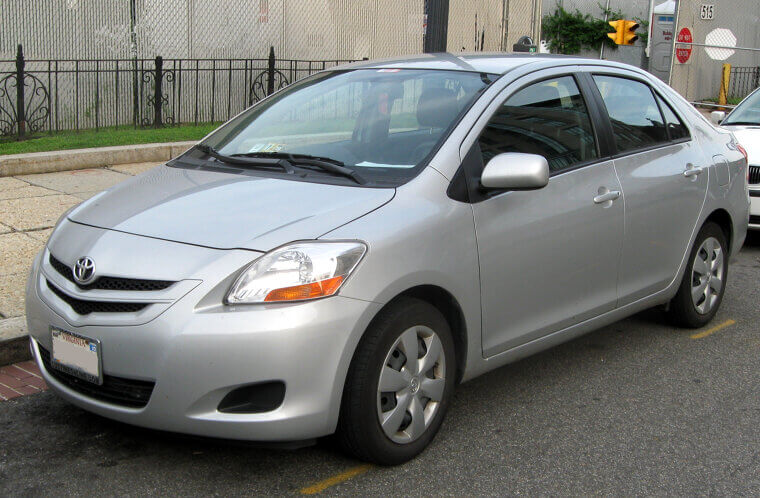
Toyota Yaris
Renowned for its legendary Toyota reliability and low running costs, the Yaris often lures buyers in before they've truly compared its interior dimensions to those of its rivals. Buyers frequently complain about the genuinely small boot volume and a very tight rear passenger area that quickly becomes uncomfortable on longer trips or with taller people.
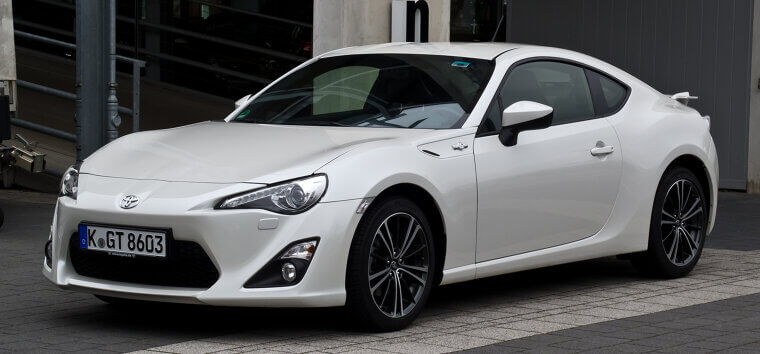
Toyota 86 / GT-86
Built on the same compact, sporty platform as the BRZ, the 86 shares the same Achilles' heel: extreme rear-seat and cargo limitations. While the sporty handling is genuinely a blast, people do get frustrated with the fact that the lack of practical space compromises its usability for certain tasks.
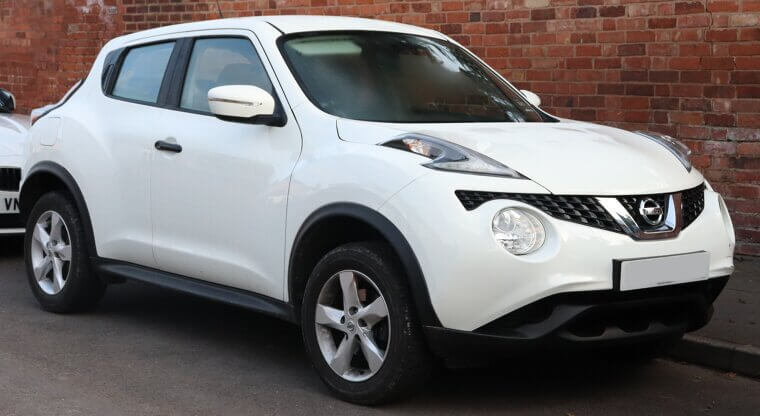
Nissan Juke
Polarizing from day one, the Juke made its mark with quirky, bulbous styling that prioritized fashion over function; a choice many buyers came to regret. The interior packaging is constrained by the exterior shape, leaving the luggage area and rear passenger headroom surprisingly limited for a compact crossover and often falling short of expectations.
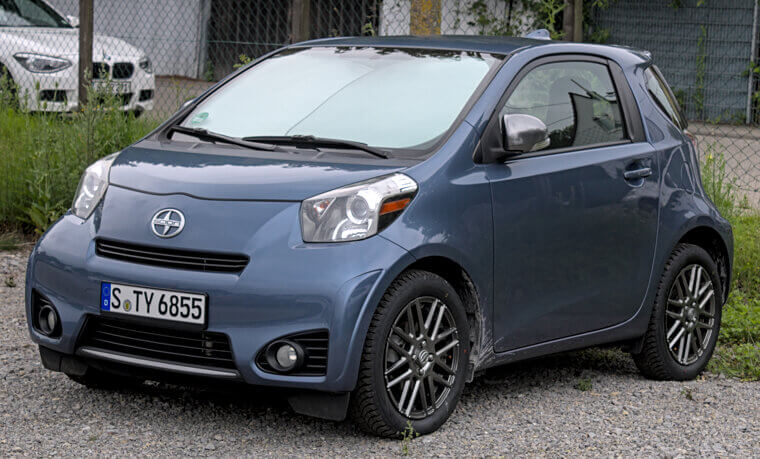
Scion IQ (Toyota IQ)
An ultra-compact marvel designed to rival the Smart, the iQ’s minimal dimensions were simply too much of a real-world compromise for many owners. The sheer lack of size made it great for parking and maneuvering, but many people realized the sacrifice in interior volume was not really worth it.
Chevrolet Spark
As a straightforward, entry-level city car, the Spark’s value is undeniable, but it requires a significant compromise in terms of practical space. The city-car-only dimensions are a constant source of struggle, and the boot is too shallow to handle more than a couple of bags, making a long weekend trip or airport pickup a major logistical challenge.
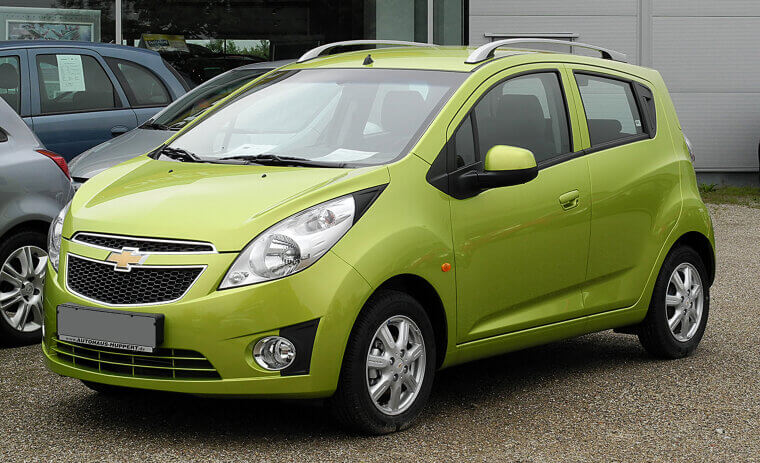
Mitsubishi I-MiEV
This compact electric vehicle was intended for short urban duty, and many owners quickly realized it wasn’t meant for much broader purposes. The combination of a cramped, rudimentary interior and a tiny cargo capacity meant the i-MiEV was deemed impractical for anything other than specific, highly localized commuting.
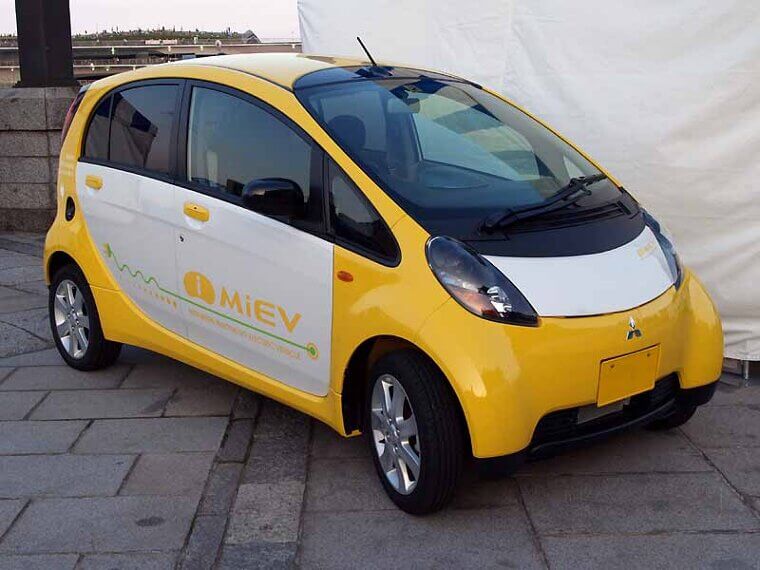
Renault Twingo
The rear-wheel-drive Twingo prioritizes a small turning radius for urban maneuverability, but the clever packaging doesn’t do a great job at fully concealing the overall small volume. Owners say the interior feels overly compact, and the car's general limitations make long-distance highway travel with luggage a journey you don’t want to look forward to.
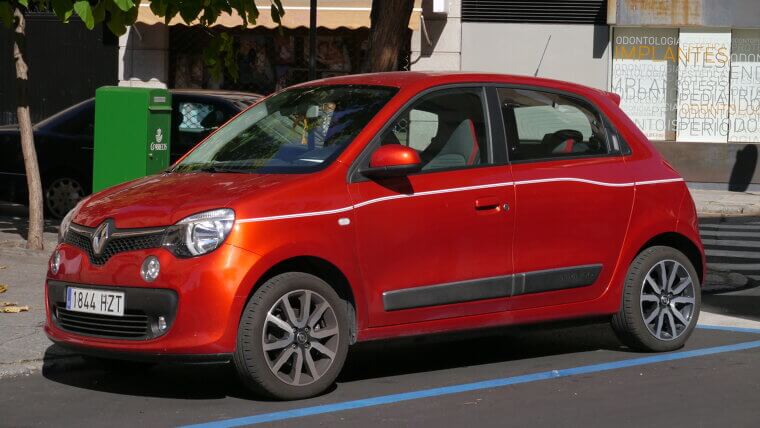
Kia Picanto
The cozy Picanto offers fantastic value, but its affordability comes with unavoidable trade-offs in interior volume that many owners eventually flag. The rear legroom is exceptionally tight for average-sized adults, and the boot provides limited storage space, making it a difficult choice if you frequently have rear passengers or need to pack for a short trip.
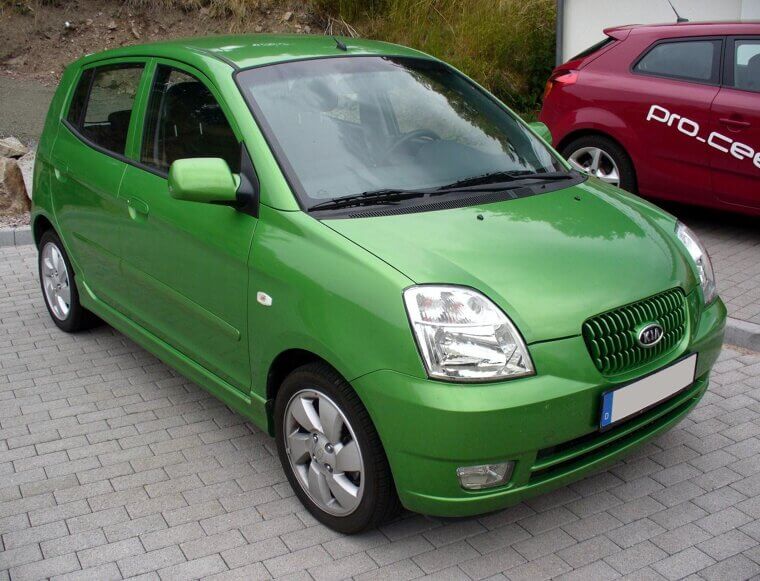
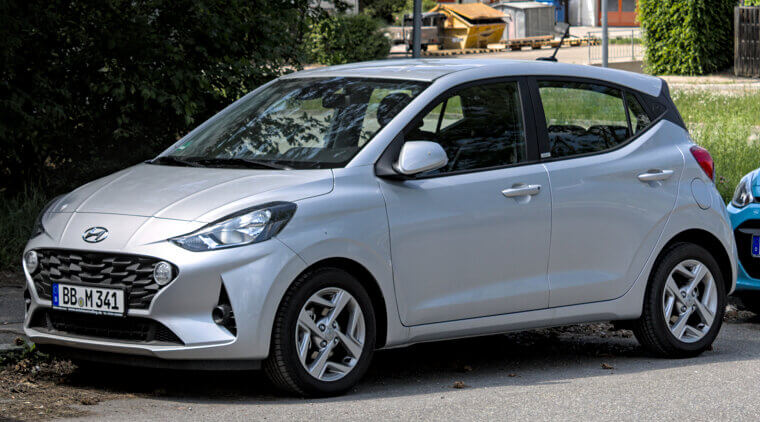
Hyundai I10
While the i10 is often celebrated for being a class leader in the city car segment, its genuine overall size still catches some buyers out. While the cabin is smart, the small boot and restricted rear-seat room feel disappointing compared to slightly larger hatchback alternatives available on the market.
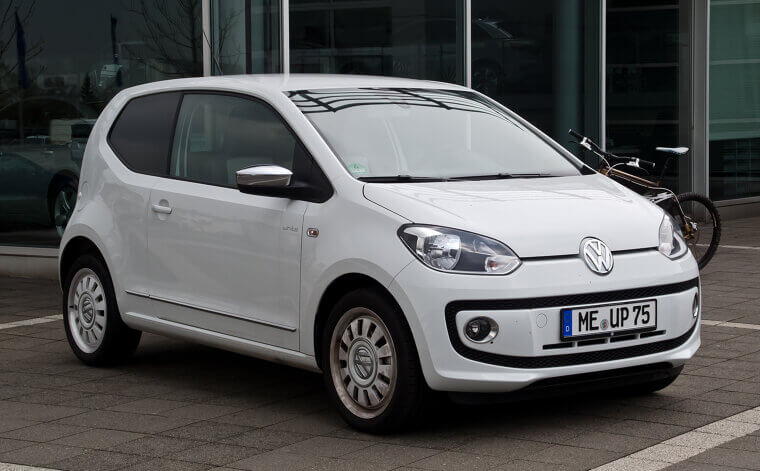
Volkswagen up!
The Up! is one of the most compact and well-driving city cars, but its size is non-negotiable for buyers whose needs evolve beyond city driving. It has been praised by many for its driving capabilities, but people bemoan the tiny boot and the limited amount of usable rear-seat space, saying it’s too cramped for weekend road trips or bulky shopping hauls.
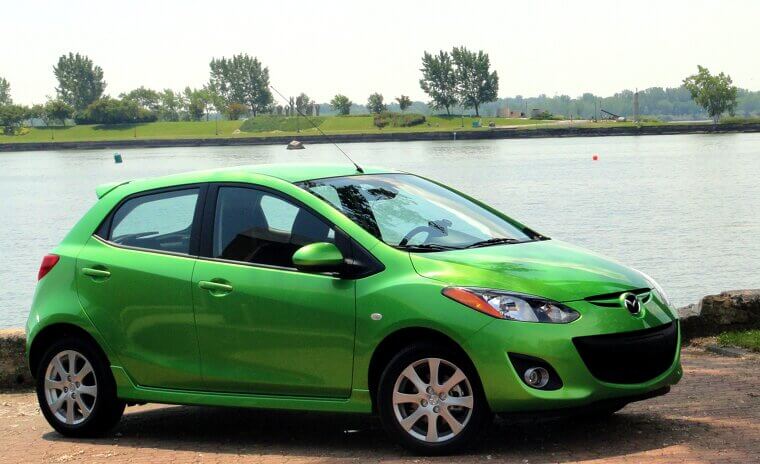
Mazda2 / Demio
The Mazda2 is a great little handler, but owners and reviewers have consistently called out its lack of rear practicality compared to competitors. It has a limited boot aperture, making it difficult to load bulky items. To add to the misery, the rear-seat space is just adequate, which may not be appreciated by people who need to maximize interior flexibility.
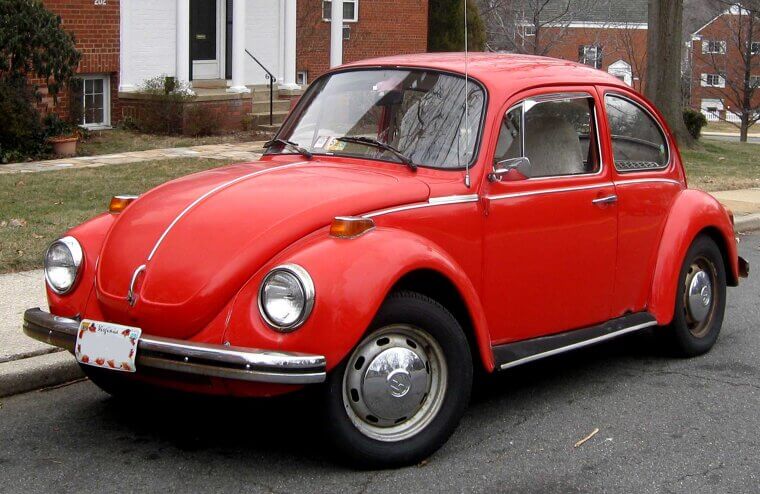
Volkswagen Beetle
The Beetle's unique, stylish silhouette is its main selling point, but that iconic design severely compromises functional space, which is frustrating for many owners. The curved roofline creates an awkward cargo area that swallows luggage and restricts headroom, while the rear seats are cramped. Not exactly a ‘family vehicle’.
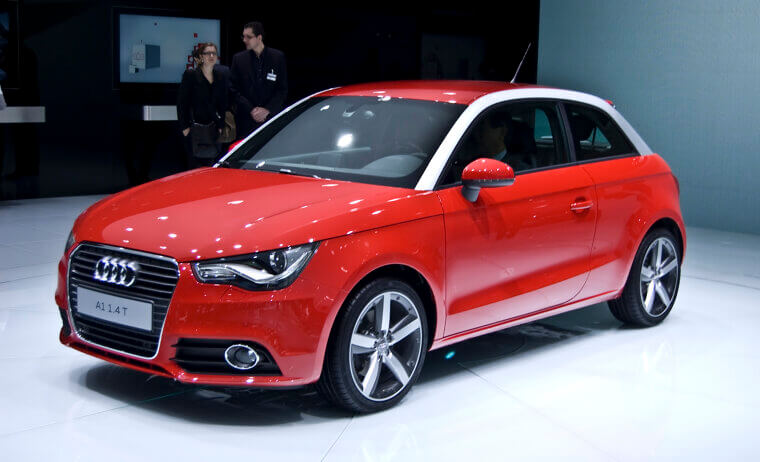
Audi A1
While the Audi A1 offers premium quality along with that luxurious four-ring badge, it is ultimately restricted by its subcompact dimensions, which can lead some buyers to feel betrayed. The rear is quite noticeably cramped, and the boot space is only modest. The car is great in itself, but if you’re looking for greater practicality for the price premium, you won’t find it here.