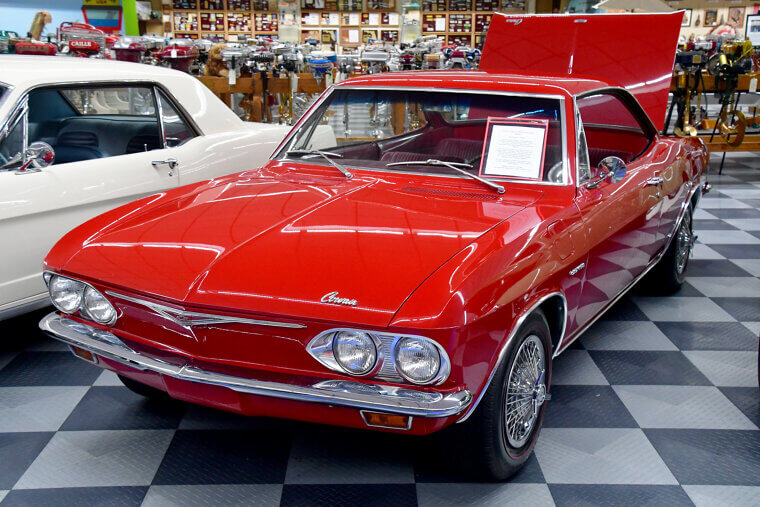
Chevrolet Corvair (1960–1969)
The Corvair was the kind of car that made young enthusiasts stop and stare, mostly because it looked nothing like anything else on the road. A rear‑engine American oddball felt exotic in an era of big V8s, and that alone made it desirable. But driving one today reveals why the romance fades quickly. The handling feels vague, the power is modest, and the build quality reminds you how far engineering has come. Sure, it’s still charismatic in its own quirky way, but the dream of a sporty, European‑feeling American coupe doesn’t quite match the reality once you’re behind the wheel.
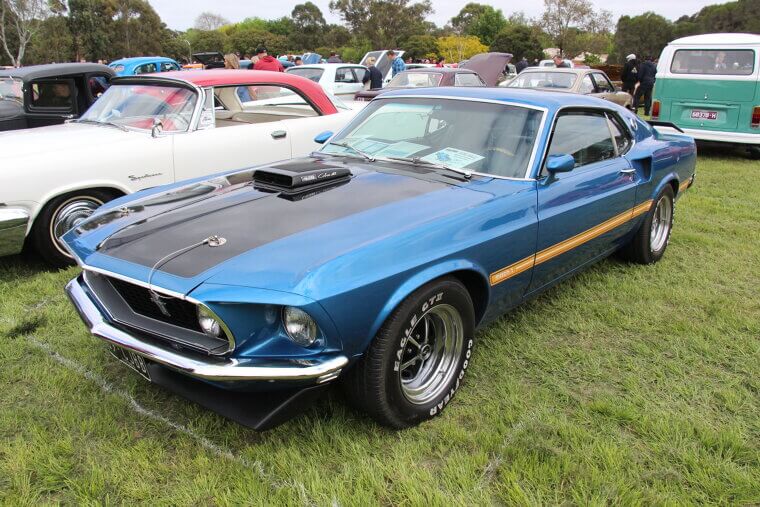
Ford Mustang (Base Models, 1964-1969)
Everyone wanted a classic Mustang at some point, and who could blame us? The long hood, the galloping horse badge, the sense of freedom - it all felt larger than life. But the base models, especially the six‑cylinder cars, don’t deliver the performance our memories promised. They look fast standing still, yet driving one today feels surprisingly gentle and almost delicate. The steering is vague, the brakes require planning, and acceleration is more “eventually” than “immediately.” The magic is still there visually, but the driving experience reminds you that not every Mustang from the era was a tire‑shredding icon.
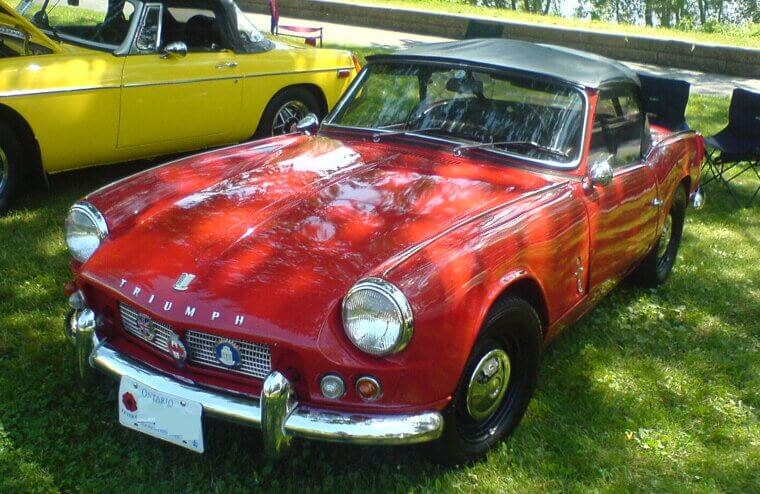
Triumph Spitfire (1962–1980)
The Triumph Spitfire always looked like the perfect little sports car - low, clean, and just cheeky enough to feel special. As kids, we imagined carving through country roads with the wind in our hair. Then adulthood introduced us to the reality of 60‑ish horsepower, constant tinkering, and a cabin that feels like it was designed around someone much smaller. It’s still adorable and undeniably fun at low speeds, but the fantasy of a spirited British roadster fades when you realize modern hatchbacks could outrun it without breaking a sweat.
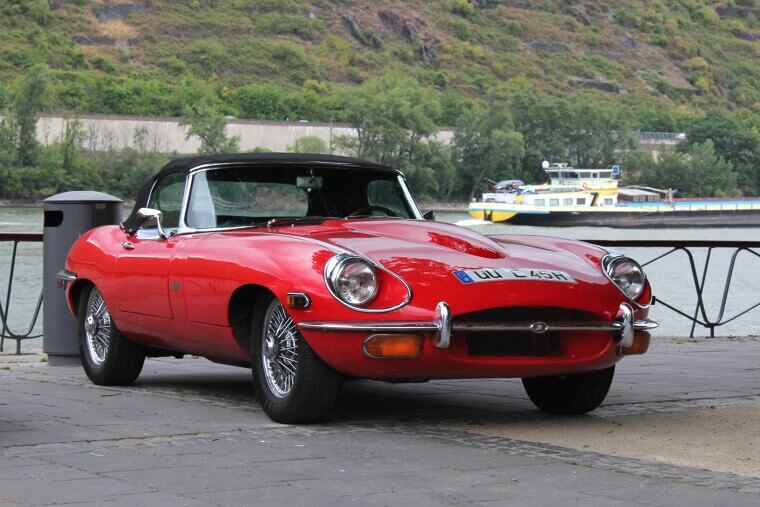
Jaguar E-Type Series 2 (1968–1971)
The E-Type is still one of the most beautiful cars ever made, and that’s not up for debate. As youngsters, we saw it as the ultimate symbol of speed and sophistication. But the Series 2, while gorgeous, doesn’t always deliver the experience its shape promises. The ergonomics are awkward, the cooling system can be temperamental, and the driving position feels like it was designed by someone who’d never actually sat in a car.
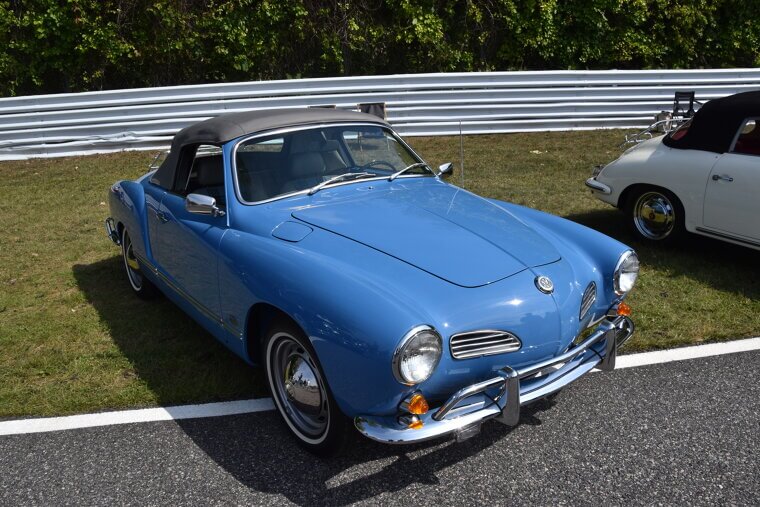
Volkswagen Karmann Ghia (1955–1974)
The Karmann Ghia is the definition of “looks faster than it is.” As kids, we admired its elegant curves and European appeal, imagining it as a secret sports car hiding under a VW badge. Then we grew up and discovered it shares its soul with a Beetle - including the leisurely acceleration and modest handling. It’s still a delightful car to admire and cruise in, but anyone expecting a spirited driving experience will be gently disappointed.
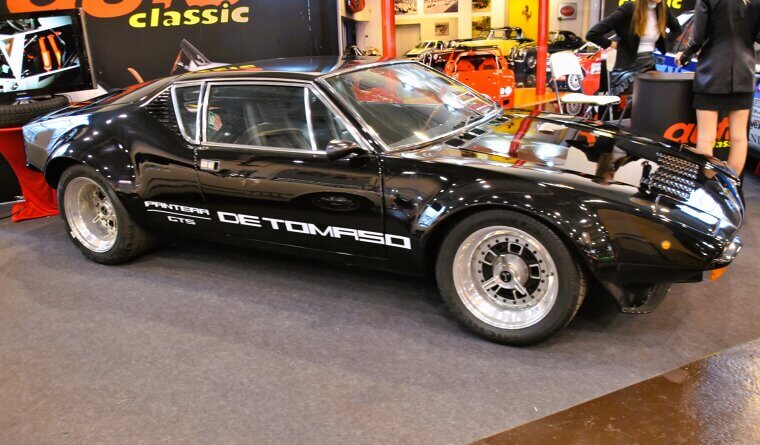
DeTomaso Pantera (1971–1992)
The Pantera was a poster‑car legend - Italian styling with American muscle sounded like the perfect combination. And visually, it still delivers that exotic, wedge‑shaped drama. But driving one today reveals the compromises beneath the fantasy. The build quality can be unpredictable, the ergonomics are awkward, and the cabin feels like it was assembled on a tight deadline. The performance is strong, but the overall experience lacks the polish you’d expect from something that once felt so aspirational. It’s still a head‑turner, but the reality doesn’t quite match the dream we built around it in our younger years.
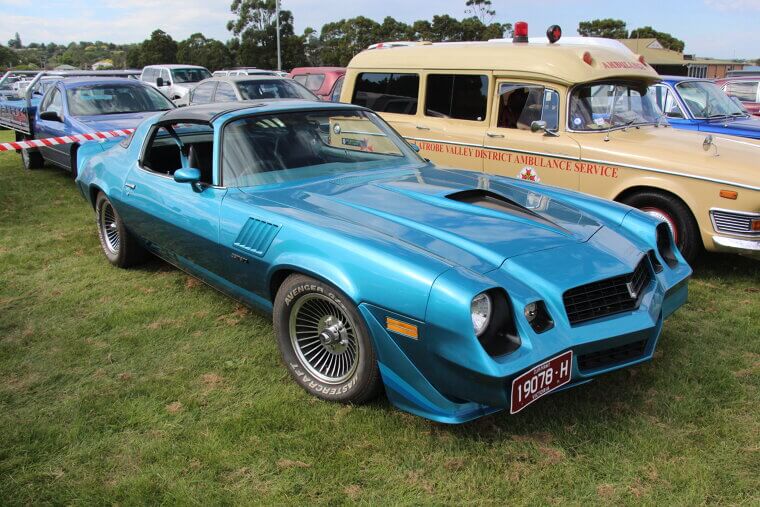
Chevrolet Camaro (1974–1979)
The second‑gen Camaro of the mid‑to‑late ’70s looked tough, loud, and ready to rumble; at least in our imaginations. But emissions regulations and tightening fuel standards left these cars with more bark than bite. The styling still holds up, but the engines feel sleepy, the handling is heavy, and the interior plastics haven’t aged gracefully. As kids, we saw them as muscle‑car royalty; as adults, we realize they were victims of their era. They’re still fun in a nostalgic way, but the performance gap between expectation and reality is wide enough to make you smile and sigh at once.
Pontiac Firebird Trans Am (1977–1981)
Thanks to movies and TV, the late‑’70s Trans Am became a cultural icon. We imagined ourselves sliding across the hood, aviators on, engine roaring. But the real car doesn’t quite match the Hollywood version. The styling is fantastic, but the performance is surprisingly tame, and the handling feels more floaty than fierce. Inside, the plastics and ergonomics remind you that this was a car built during a challenging era for American performance. It’s still a fun piece of nostalgia, but the driving experience doesn’t deliver the swagger its image promised.

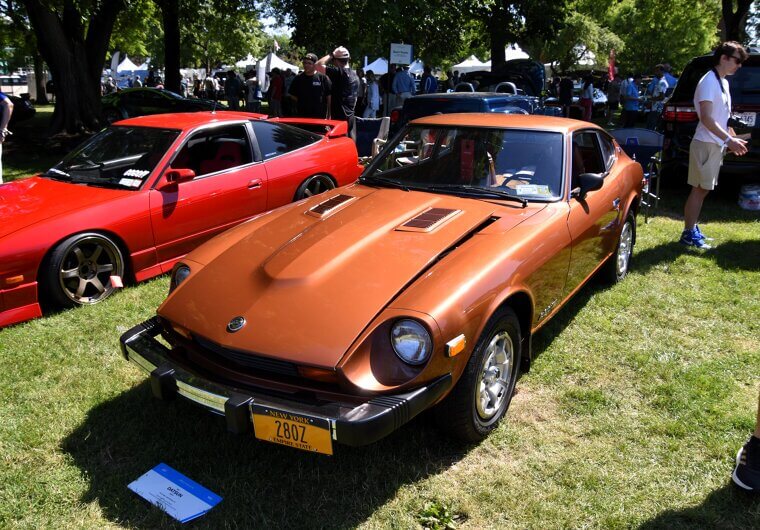
Datsun 280Z (1975–1978)
The 280Z carried the legacy of the beloved 240Z, and as kids, we assumed it was just as exciting. But emissions equipment, added weight, and softer tuning dulled the sharpness that made the original so special. It still looks great, and it’s certainly enjoyable, but the purity and liveliness we imagined aren’t quite there. The engine feels more restrained, the handling less crisp, and the overall experience more relaxed than sporty. It’s a good car, just not the thrilling machine our younger selves pictured.
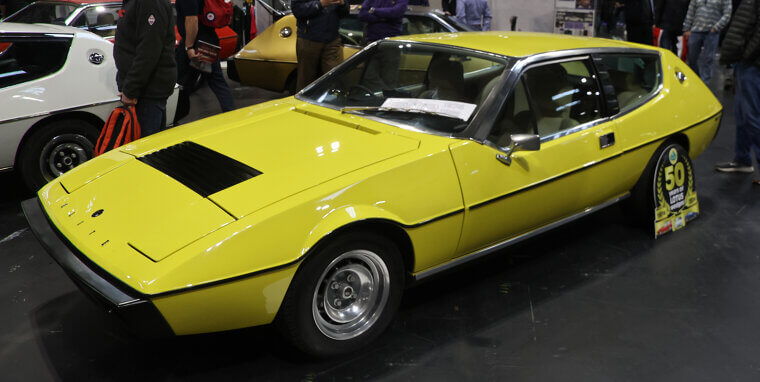
Lotus Elite (1974–1982)
The wedge‑shaped Elite looked futuristic and sophisticated, the kind of car that made you feel like you were glimpsing into tomorrow. When you're young, that alone makes it irresistible. But driving one today reveals the quirks beneath the styling. The engines can be fragile, the interiors feel delicate, and the build quality varies wildly. It’s lightweight and nimble, but also demanding and occasionally frustrating. So, this is a car you admire from a distance, remembering the excitement it once inspired without needing to relive the reality.
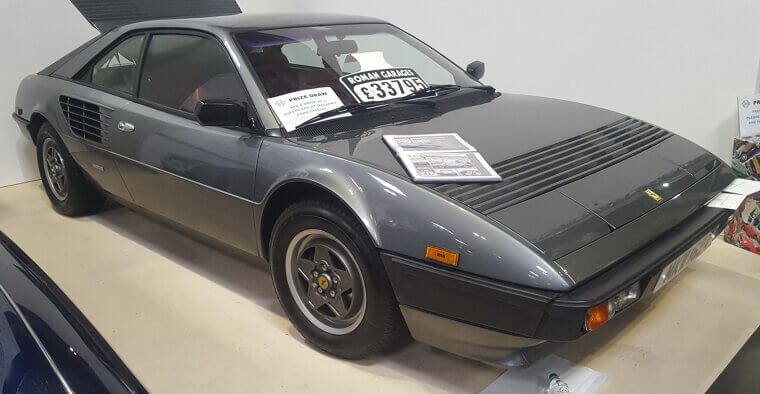
Ferrari Mondial 8 (1980–1982)
The Mondial 8 was the “attainable Ferrari” many of us dreamed about, imagining ourselves cruising with that prancing horse badge gleaming. But reality is less glamorous! The early Mondial is one of the slowest Ferraris ever made, and its weight dulls the responsiveness you expect from the brand. The maintenance demands are still very much Ferrari‑level, though, which makes the performance feel even more underwhelming. The Mondial 8 is a reminder that not every Ferrari is a fire‑breathing exotic - some are just… fine.
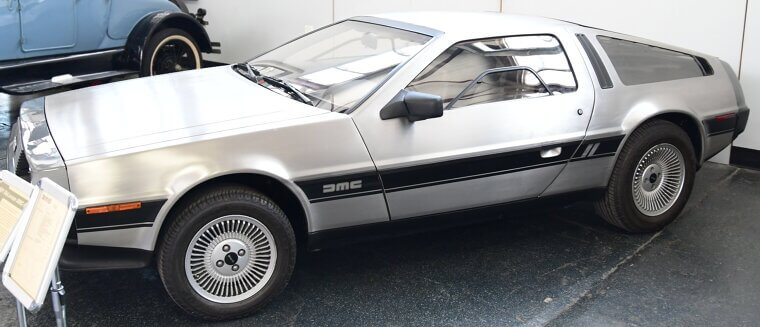
DeLorean DMC‑12 (1981–1983)
The DeLorean is a cultural icon, and for many of us, it was the ultimate dream car growing up. Stainless steel body, gullwing doors, futuristic everything - it felt like a portal to another world. But driving one today reveals a very different story. The PRV V6 is modest at best, the ergonomics are awkward, and the build quality varies from charmingly odd to genuinely frustrating. It’s still a conversation starter and a piece of automotive history, but the driving experience doesn’t match the legend. The DeLorean is more about presence than performance, and that’s okay - just different.
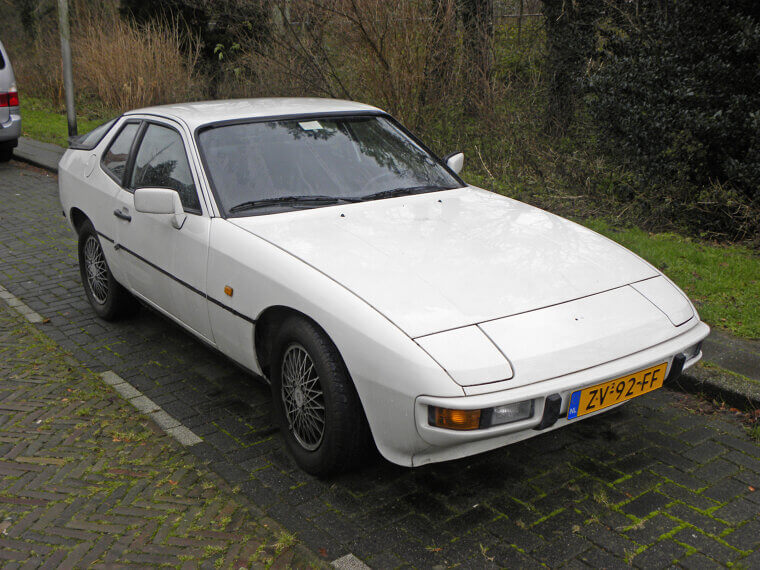
Porsche 924 (1976–1988)
The 924 looked like a proper sports car, and as kids, that was enough to make it desirable. But the reality is more subdued. With its VW‑sourced engine and modest power, the 924 feels more like a stylish commuter than a true Porsche performance machine. The handling is balanced and pleasant, but the acceleration won’t raise your pulse. It’s still a well‑designed car with a clean, timeless shape, but it doesn’t deliver the excitement its badge suggests.
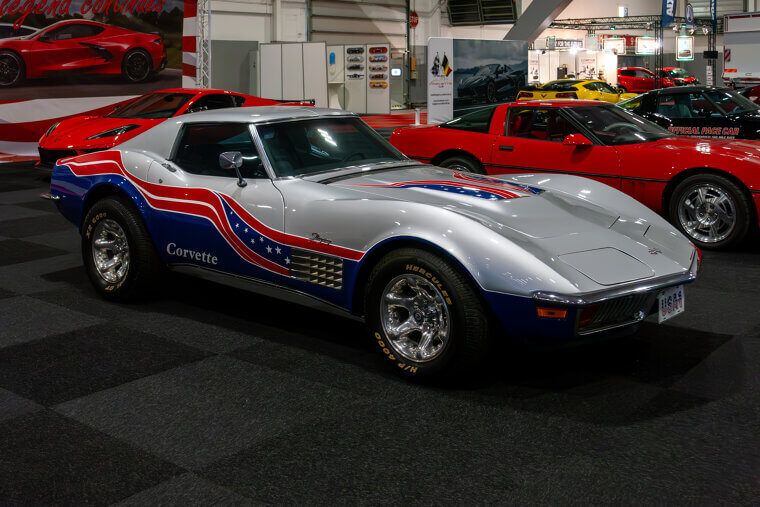
Chevrolet Corvette C3 (Late 1970s–1982)
The C3 Corvette is one of the most dramatic shapes ever put on the road, and as kids, that alone made it irresistible. But the late‑’70s and early‑’80s models suffered heavily from emissions restrictions, leaving them with engines that looked powerful on paper but felt sluggish in practice. The interior quality is hit‑or‑miss, and the driving experience can feel more grand tourer than a sports car. It’s still a head‑turner, but the performance doesn’t match the promise of those sweeping curves. The C3 remains iconic, but the later versions remind us that beauty doesn’t always equal excitement.
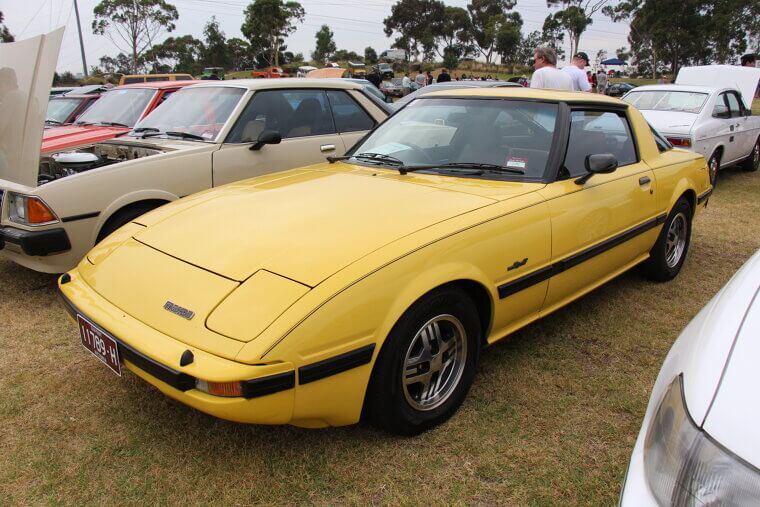
Mazda RX‑7 (Early 1980s Base Models)
The early RX‑7 was a dream car for many young enthusiasts - lightweight, sleek, and powered by a mysterious rotary engine that sounded exotic. But the base models, while charming, don’t deliver the punch we imagined. The power is modest, the torque is nearly nonexistent, and the rotary requires careful attention to keep it happy. It’s still a fun, balanced car to drive, but the performance feels gentler than the legend suggests. The RX‑7 remains lovable, but the early versions remind us that not every childhood hero turns out to be the powerhouse we once believed.