
1986-92 Oldsmobile Toronado
The Oldsmobile Toronado entered its fourth and final generation in 1986, bowing out around six years later. Did it end with a bang? Not by today's standards! While other cars from that era still have the power to stand out now, this version of the Toronado really struggles. It's super generic. These days, it mostly blends into the background—if you even spot one. Its front-wheel-drive setup and forgettable styling haven't aged well, and it lacks the charm or punch of its earlier models. When comparing this downsized coupe to the legendary muscle-bound versions of the sixties, it feels entirely disconnected from its roots.
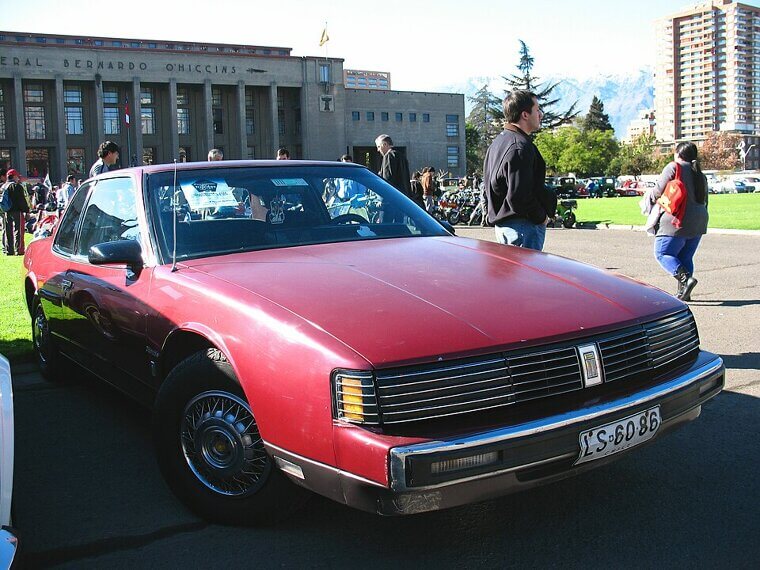
The digital instrument cluster, once seen as highly futuristic, now resembles a cheap vintage calculator. It perfectly highlights an era where prioritizing cost-cutting unfortunately erased a classic car's unique personality.
1980-83 Toyota Cressida
Performance-wise, the Toyota Cressida had a lot going for it. It was a fun car to drive thanks to its engine. Mind you, nearly everything else about it has aged pretty poorly. The exterior's sharp angles? The velour upholstery? The fake-wood accents? It just screams early 1980s. And not in a good way! Nostalgia can only carry it so far. While it once held promise as a sporty, upscale sedan, today it feels more like a time capsule of design missteps. While the inline-six engine provided respectable reliability, modern drivers expect far more refinement and cabin technology than this vintage model can offer.
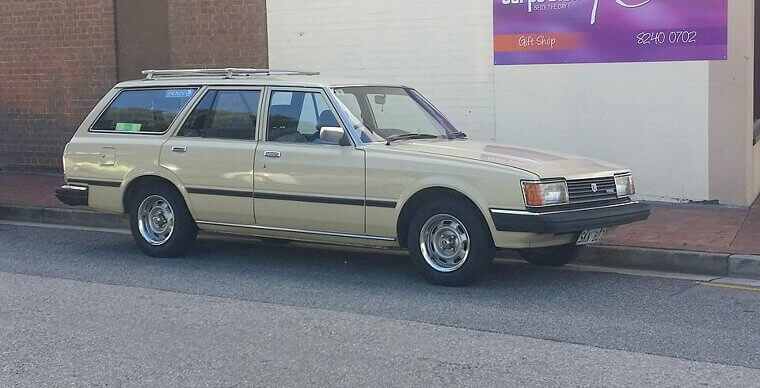
Attempting to navigate current traffic in one highlights the loose steering and squishy suspension. Ultimately, this boxy classic remains an interesting piece of automotive history rather than a practical daily driver.
1985-91 Oldsmobile Calais
Released during a period when aerodynamic designs started to gather pace, the Oldsmobile Calais was a smaller alternative to the Cutlass Supreme. Has it aged well, though? Unfortunately not. It doesn't have the greatest proportions compared to today's motors, while its reduced size isn't a plus. What a bummer! Once seen as a practical and sporty compact, it now comes off as uninspired and underpowered. Few people remember it fondly, and even fewer are racing to preserve or restore one today. Driving one now reveals a surprisingly loud cabin and basic ride quality that falls incredibly short of modern compact standards.
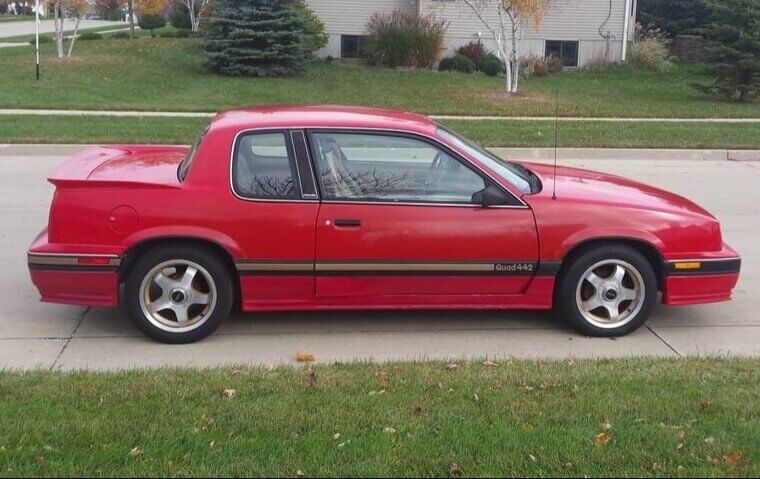
The interior plastic components frequently crack over the years, making finding replacement parts a frustrating chore. It simply exists as a mundane reminder of a transitional design phase that most automotive enthusiasts would rather ignore.
1989-2001 Geo Metro
There's something quite charming about the Geo Metro. It's certainly had its detractors over the years, but some folks absolutely loved this little motor. Having said that, it doesn't really hold up today. It's both underpowered and unreliable. Good luck trying to maintain one! Its featherweight build and fuel economy once made it a budget-friendly choice. But by today's standards, it feels flimsy and outdated. Safety, comfort, and longevity were never its strong suits—and now that really shows. Taking it on the highway can genuinely feel terrifying when massive modern SUVs easily breeze right past you.
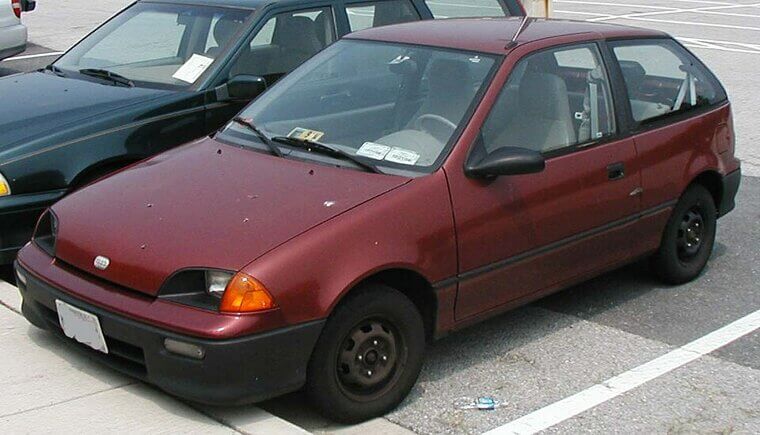
The three-cylinder engine struggles on mild inclines, demanding constant gear shifting just to maintain decent momentum. While it undoubtedly saved owners plenty of cash at the gas pump originally, finding a mechanic willing to source parts today is incredibly difficult.
2005 Ford Mustang S197
At a time when retro-futurism was the in-thing, the Ford Mustang S197 really embraced that with its design. It was arguably one of the coolest cars to roll out in 2005. Today, though? Oh boy. That style has come and gone, leaving the S197 in the dust. The interior materials were never top-tier, and the performance doesn't quite match modern expectations. What once felt bold and nostalgic now feels a little clunky, stuck between eras with styling that hasn't aged gracefully. The live rear axle suspension means handling on twisty roads feels remarkably unrefined compared to the independent setups found on newer sports coupes.
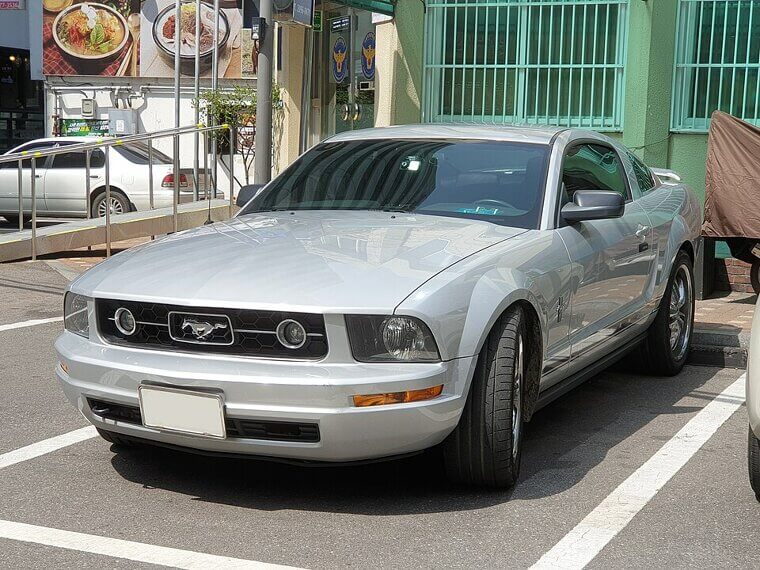
Hard plastics dominate the cabin, often rattling loudly over rough pavement. It certainly initiated a massive muscle car revival, but driving one today highlights exactly how much automotive engineering has dramatically improved since.
1983-88 Dodge 600
When the Dodge 600 first came out in 1983, it was the perfect-size sedan for lots of motorists. Aesthetically, it fit the decade like a glove! But that hasn't helped the car today. At all. The 600 looks its age, and that's not a compliment in this instance. Its boxy lines, uninspired performance, and bland interior haven't stood the test of time. While it once blended into suburban streets, today it mostly fades into obscurity—unless someone's pointing it out ironically at a car meet.
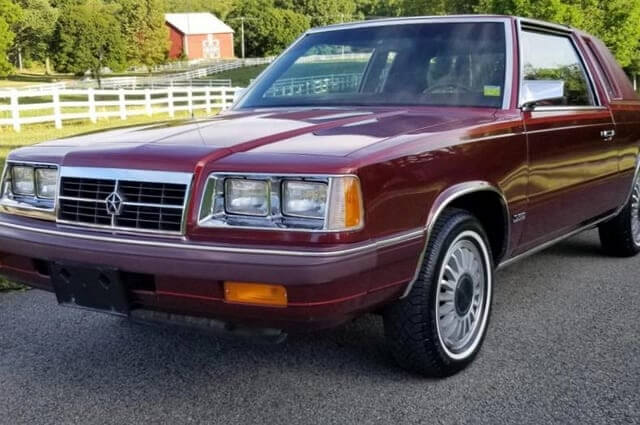
Underneath the hood, the K-car platform roots deliver an incredibly sluggish driving experience that modern commuters would find completely unbearable. The electronic voice alert system, which famously talked to drivers back then, now just feels incredibly cheesy. It stands as a fascinating artifact of an era focused on cheap mass production.
1990-2000 Mitsubishi 3000GT
The Mitsubishi 3000GT still has the ability to grab your attention. From the slick body to its powerful engine options, it's an easy car to gawk at. Overall, though, it hasn't aged particularly well. The engine bay is an absolute nightmare to deal with now, while its weight also adds to the maintenance challenges. Cool to look at—sure. But to own? That's another story entirely. Once considered cutting-edge with its tech and performance, it now feels overcomplicated and costly to keep running. The active aerodynamics and four-wheel steering were wildly futuristic initially, but those complex systems break down frequently and cost an absolute fortune to repair.
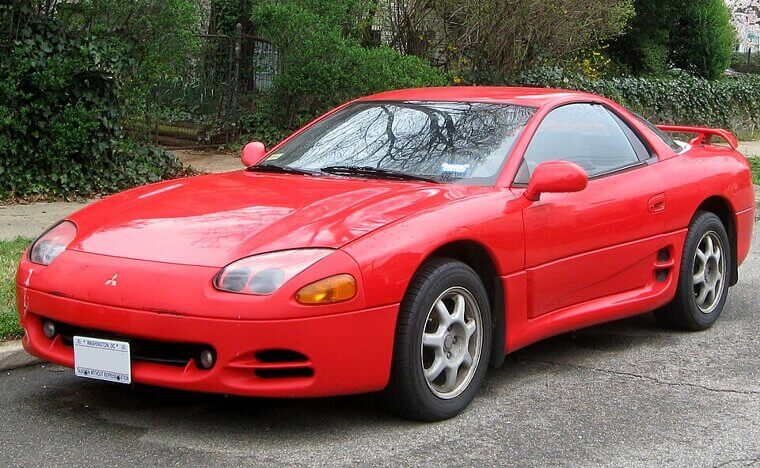
Heavy curb weight severely hampers its agility around tight corners compared to lighter modern sports cars. Nostalgia quickly fades the moment you actually receive the mechanic's massive repair bill.
1987 Ferrari F40
An icon of the late '80s, the Ferrari F40 was a stunning motor. It looked amazing and boasted a powerful V8 engine. But unfortunately for the F40, it pales in comparison to the supercars of today. The interior looks cheap by modern standards, while its power just isn't as impressive. It was built for rawness, not refinement, and that no-frills approach hasn't aged well for everyone. Compared to today's tech-packed hypercars, the F40 now feels more like a beautiful, blistering antique. Without power steering or anti-lock brakes, wrestling it through tight canyon roads requires intense physical effort and incredible focus.
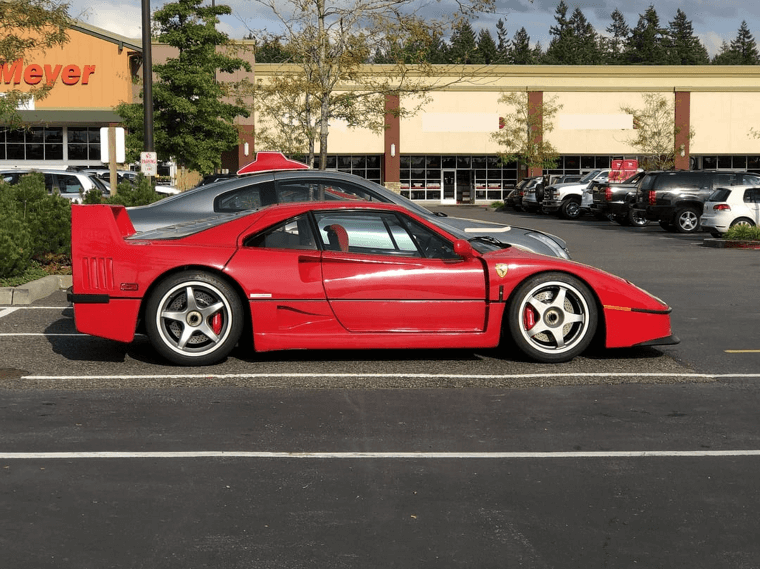
The exposed carbon kevlar panels and basic pull-string door handles feel remarkably barebones given its legendary status. While pure enthusiasts certainly admire the unfiltered driving connection, everyday millionaires generally prefer modern luxury and safety.
1980-91 Volkswagen Vanagon
The Volkswagen Vanagon made its bow back in 1980, and quickly impressed minivan fans around the country. It scratched the itch for lots of folks. But it hasn't aged gracefully. The Vanagon is often seen as a lesser vehicle than the Chrysler minivans that came out in the mid-'80s. Its boxy styling, underpowered engine, and quirky rear-engine layout haven't helped its case over time. While it still has a cult following, it's far from practical or impressive by today's family vehicle standards. Attempting to merge onto a busy highway requires serious patience, as acceleration is famously sluggish and completely lacking in urgency.
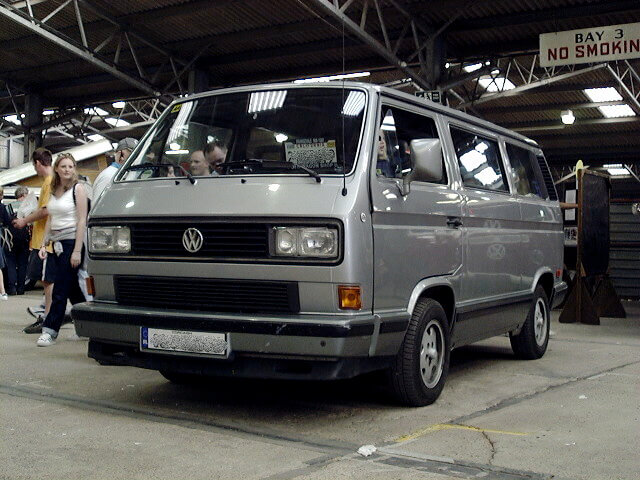
The lack of basic modern safety features like curtain airbags or advanced crumple zones makes it a questionable choice for hauling a family today. Ultimately, it serves better as a quirky weekend camper.
2004-10 BMW M5 E60
For the most part, the BMW M5 E60 looks pretty good for its age. The same can't be said about its engine, though. Yes it's a V10, but this thing is nowhere near as powerful as similar engines today. On top of that, the E60 is a proper gas guzzler, too. It also has high maintenance costs, a finicky SMG transmission, and aging electronics. With all of that in mind, the ownership experience becomes less thrilling. What was once cutting-edge now feels like a high-risk, low-reward gamble. Replacing essential components like the infamous rod bearings requires deep pockets and an incredibly specialized mechanic.

The complex iDrive infotainment system feels hopelessly clunky and slow compared to intuitive modern touchscreens. Driving it daily simply invites endless stressful repair bills rather than delivering pure unadulterated enjoyment.
1988-97 Ford Probe
The story surrounding the Ford Probe is still as fascinating today as it was back in the late '80s. This model was set to replace the Fox Body as the latest version of the Mustang. But due to its commuter car set-up, fans stopped that from happening. The motor eventually came out under the Probe name. Today, it's seen as a very dated car. Its front-wheel-drive layout, plasticky interior, and lack of lasting performance chops have left it largely forgotten—except by irony-loving collectors. While it initially promised futuristic aerodynamics and pop-up headlights that excited buyers, driving one now reveals severe understeer and cheap trim pieces that easily snap off.
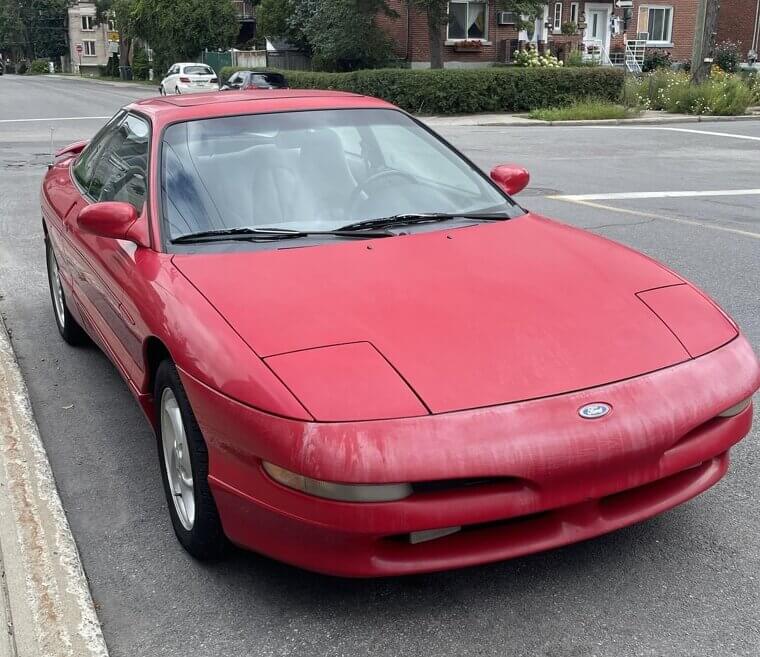
Enthusiasts ultimately dodge this coupe entirely when seeking a retro project. It stands as a quirky reminder of a near-disastrous corporate decision rather than a beloved classic.
1984-86 Nissan 300ZX
It's fair to say that the Nissan 300ZX stood out from the crowd upon its release. Just look at that design! From the hidden headlights to the sloping hood, it was quite the effort. But its unique appearance doesn't really hold up today. Later versions of the 300ZX are far more palatable to modern motorists. The early Z31 models now feel boxy and underpowered compared to their successors. While they have nostalgic charm, they lack the refinement and wow factor of newer Z-cars. The digital dashboard that once looked incredibly futuristic now frequently fails, leaving owners battling endless electrical headaches.
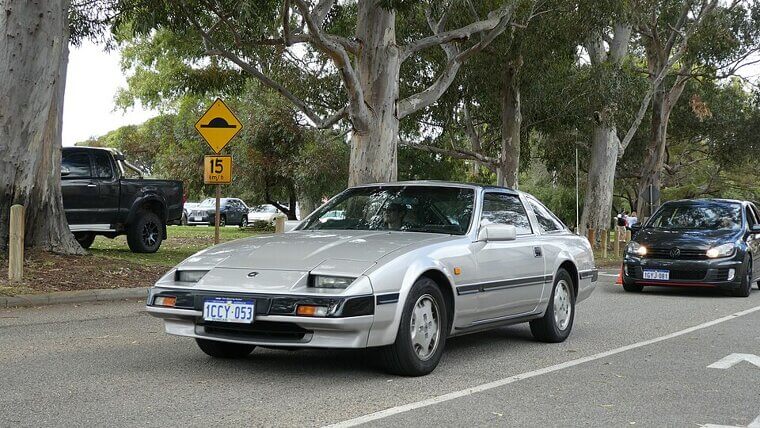
Its suspension prioritizes a soft, floating ride over actual sports car handling, making sharp cornering feel somewhat terrifying. It ultimately serves as an awkward stepping stone toward the genuinely legendary performance models that followed.
1981-83 DeLorean DMC-12
A car made famous by the iconic Back to the Future trilogy, the DeLorean DMC-12 won't be forgotten any time soon. How does the motor hold up today, though? Well, it's not good news. The V6 engine is ridiculously underpowered, while the overall build quality leaves a lot to be desired. Great Scott indeed! As a time machine? Iconic. As a car? Not so much. Beyond its stainless steel skin and gullwing doors, the DeLorean struggles with reliability, sluggish performance, and awkward ergonomics. Taking it onto a modern highway quickly highlights its frustratingly slow acceleration, making merging feel like a genuinely dangerous chore.
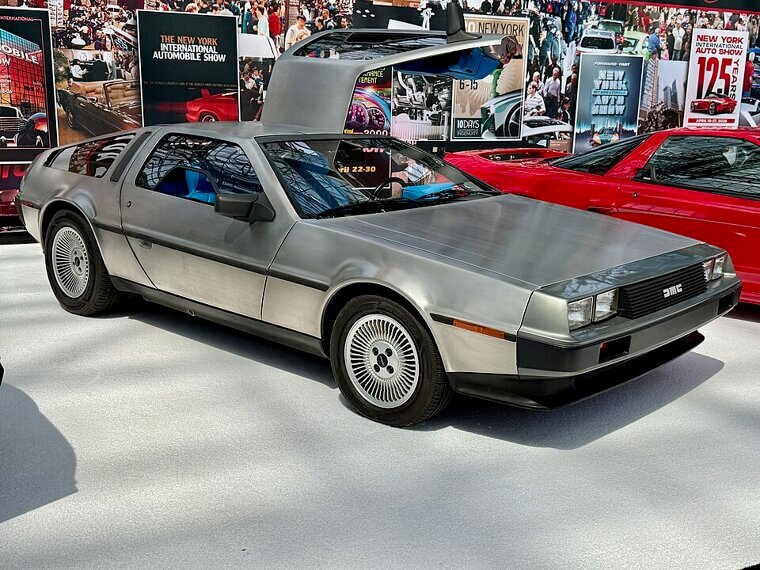
The heavy doors frequently suffer from failing struts, trapping frustrated drivers inside. Despite the immense cinematic glory, everyday motoring reveals a desperately compromised vehicle that requires constant mechanical attention just to remain roadworthy for weekend cruises.
1981-83 Imperial
Following a six-year hiatus, the Imperial was brought back by Chrysler at the start of the 1980s. And boy, does it look its age now! The digital features, the engine controls, and the bustleback exterior immediately date this version of the Imperial. It doesn't feel that impressive anymore. What once seemed cutting-edge now comes off as clunky and overly complicated. The styling feels more awkward than elegant, and its performance specs don't do much to elevate the nostalgia. The electronic fuel injection system was so notoriously unreliable that the manufacturer eventually offered retrofits to replace it with a traditional carburetor.
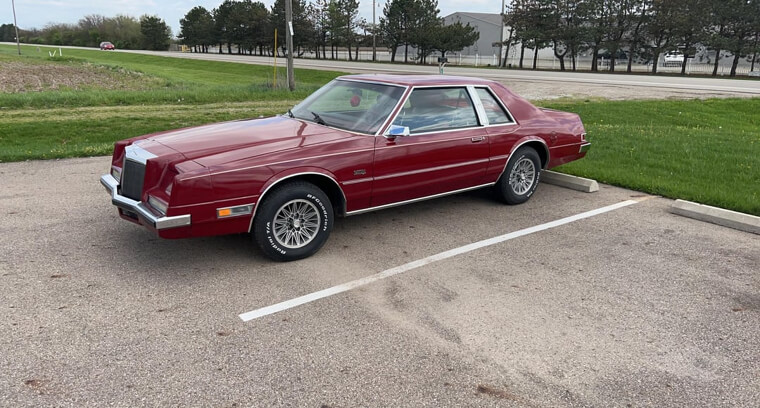
Cruising along modern roads highlights a terrifyingly floaty suspension that disconnects the driver entirely from the pavement. The faux crystal hood ornament perfectly captures an era focused heavily on superficial luxury rather than genuine driving dynamics.
1981-94 Subaru BRAT
What happens if you cross a coupe with a pick-up truck? Well, say hello to the Subaru BRAT! This unusual motor turned a lot of heads back in the 1980s. Today, though? Not so much. The BRAT pales in comparison to Subaru's more modern crossover vehicles. Its quirky appeal isn't quite enough to make up for its dated styling, limited practicality, and odd proportions. While once fun and unique, it feels like a relic of a very specific automotive experiment. Those notoriously dangerous rear-facing jump seats located directly in the cargo bed highlight a massive departure from basic safety standards we expect today.
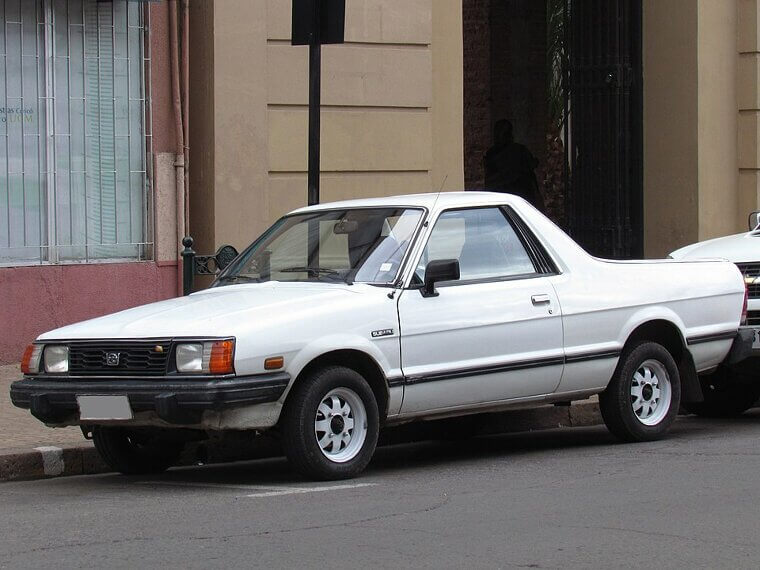
The incredibly sluggish powertrain makes hauling even a tiny load feel like a miserable struggle on slight inclines. It undeniably retains vintage charm, but attempting to use one as a practical workhorse proves entirely frustrating.
1992 Ford Taurus
When it comes to naming popular cars from the 1990s, we've got to mention the Ford Taurus. It was a huge hit back then. Unfortunately, though, it hasn't aged all that well. By today's standards, the '90s Taurus is a pretty boring vehicle with a bloated body and uninspired styling. Even at its peak, it wasn't exactly thrilling to drive. And compared to today's sleeker, more efficient sedans, it feels downright sluggish and outdated. Nostalgia only takes it so far. The infamous oval design language eventually transitioned from looking vaguely futuristic to resembling a massive jellybean rolling down the street.
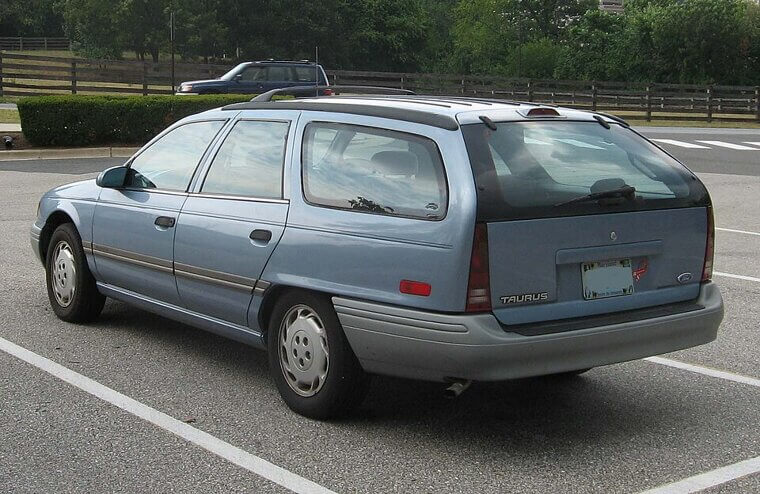
Inside the cabin, incredibly cheap plastics dominate the dashboard, fading and cracking heavily after just a few hot summers. Finding any joy behind the steering wheel proves impossible, cementing its legacy as an easily forgotten daily commuter appliance.
1989-91 Chrysler’s TC By Maserati
Chrysler's TC by Maserati has always been an interesting vehicle. Built on a K-car platform, it included a Maserati grille and interior design, alongside a Thunderbird-style hardtop. Visually, it could be argued that the car still holds up today. But the engine gets no defense! It's very weak. The powertrain choices were underwhelming, especially compared to what the Maserati name might suggest. In hindsight, it was a confused collaboration with more flash than actual driving substance. Paying a massive premium for an Italian luxury badge completely backfired when buyers realized the driving dynamics matched an average rental car.
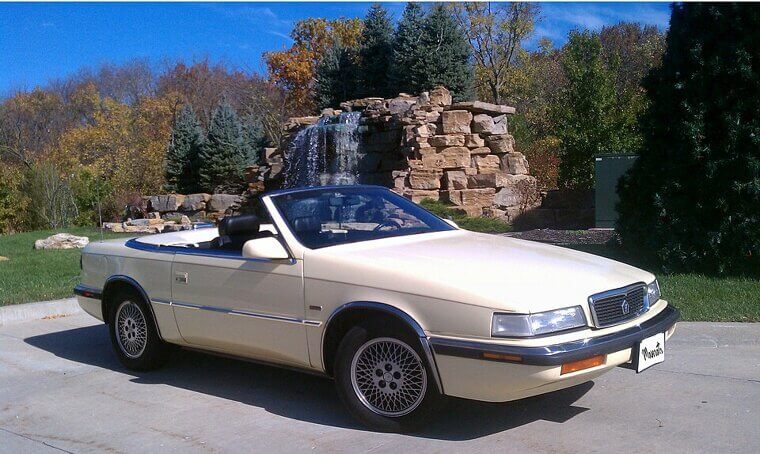
The confusing blend of exotic hand-stitched Italian leather paired with cheap, flimsy American switchgear creates a highly disjointed interior experience. It unfortunately stands as a prime example of cynical corporate badge engineering completely failing to fool consumers.
1980-85 Cadillac Seville
At the start of the '80s, Cadillac rolled out the second-generation Seville. It looked pretty luxurious for the time, standing out thanks to its eye-catching size. Yet certain features have really dated this car today. The biggest is probably the bustleback exterior. You can't look past it! While the design was meant to evoke classic elegance, it now comes off as oddly shaped and impractical. Combined with outdated electronics and a sluggish ride, its charm has definitely faded. The infamous V8 engine option from this era became completely notorious for constant stalling and catastrophic mechanical failures, leaving many owners stranded.
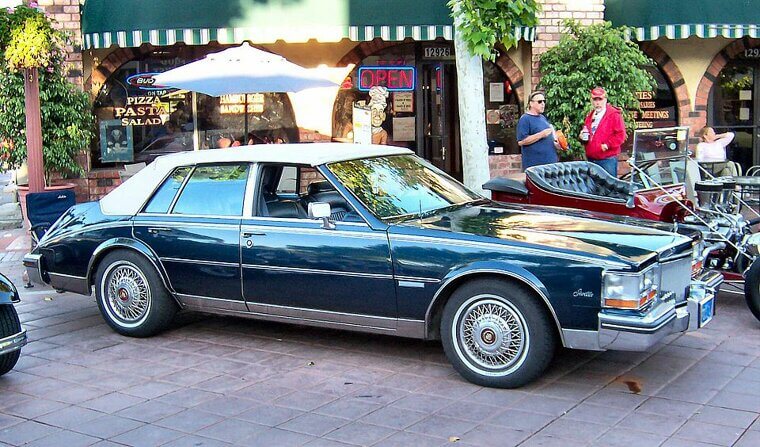
Steering feels remarkably vague, requiring constant minor corrections just to maintain a straight line on modern highways. That highly controversial rear trunk design ultimately alienates vintage car enthusiasts rather than drawing them in for a closer look.
1985 Subaru XT
The Subaru XT made its bow back in 1985, and quickly drew a lot of attention thanks to its unique look. There's sharp edges everywhere! But it doesn't feel as impressive now. The steering wheel's strange design is a big hang-up, while the weak turbocharged engine isn't much better. Even the once-futuristic dashboard layout now feels clunky and overengineered. While it tried to push design boundaries, the XT ultimately sacrificed function for form—and it hasn't aged gracefully as a result. That bizarre asymmetrical steering wheel often forces drivers into awkwardly uncomfortable hand positions during basic maneuvering.
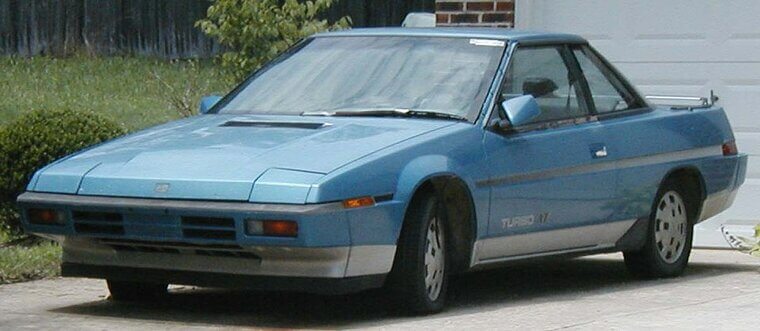
The deeply complex digital instrument cluster looks like a cheap retro video game, offering terrible visibility under direct sunlight. Driving one today highlights tremendous wind noise and a stiff ride, completely ruining any genuine hope for a pleasant highway cruising experience.
1989-97 Ford Thunderbird
One of the car industry's most iconic names, the Ford Thunderbird entered its tenth-generation in 1989. Are those models seen as classics today, though? Not really! By modern standards, these Thunderbirds are frustratingly cumbersome. They haven't aged well in the slightest. The bulky proportions and forgettable styling fail to inspire nostalgia. Compared to earlier versions that oozed personality, this generation feels like a missed opportunity. It's too big, too bland, and ultimately outpaced by nearly everything that came after it. The incredibly heavy doors sag constantly, while the interior plastics squeak and rattle continuously over slight road imperfections.
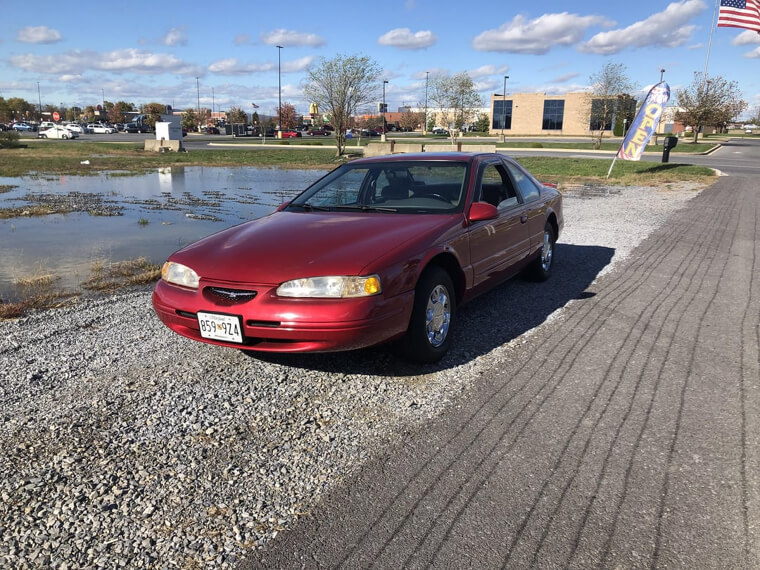
Its bloated curb weight significantly diminishes any joy from the larger engine options, resulting in sluggish, uninspiring acceleration. Ultimately, this specific iteration completely abandoned the thrilling elegance that originally made the historic moniker a highly respected automotive legend.
1988-89 Merkur Scorpio
In a bid to compete against the likes of the BMW 5-series, Ford rolled out the Merkur Scorpio in the late 1980s. Its aerodynamic design was hard to ignore. Mind you, it feels a lot less special now. The Audi A7 is arguably a better modern version of the Scorpio. The Scorpio had charm in its day. But it's now remembered more as a failed experiment. Its styling and tech haven't aged gracefully, leaving it overlooked by today's standards. Tracking down simple replacement parts today frequently turns into an absolute nightmare since the brand was short-lived and unpopular.
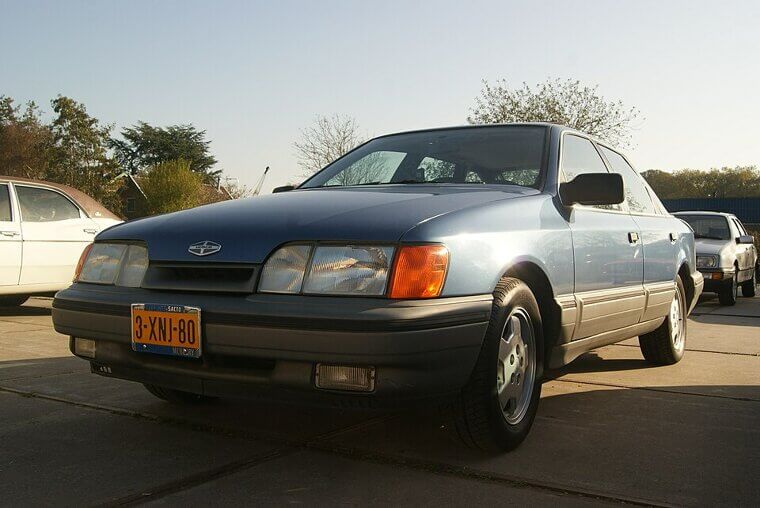
The remarkably soft suspension creates an incredibly floaty driving experience that completely fails to match the precise handling of its original European rivals. Most collectors entirely ignore this obscure hatchback, preferring significantly more reliable luxury sedans from that specific decade.
1989-98 Land Rover Discovery
Making its debut in 1989, the Land Rover Discovery gained plenty of fans across its first-generation, which ended in 1998. How's it aged, though? Not too well, unfortunately. These models have terrible fuel efficiency by today's standards. Plus, they're incredibly hard to maintain. Parts are expensive, and reliability was never a strong point. Even when well-kept, they suffer from outdated tech, electrical gremlins, and aging components. What once felt rugged and adventurous now feels like an impractical money pit best left to collectors. Attempting a daily commute guarantees a constant stream of frustrating warning lights and mysterious fluid leaks.
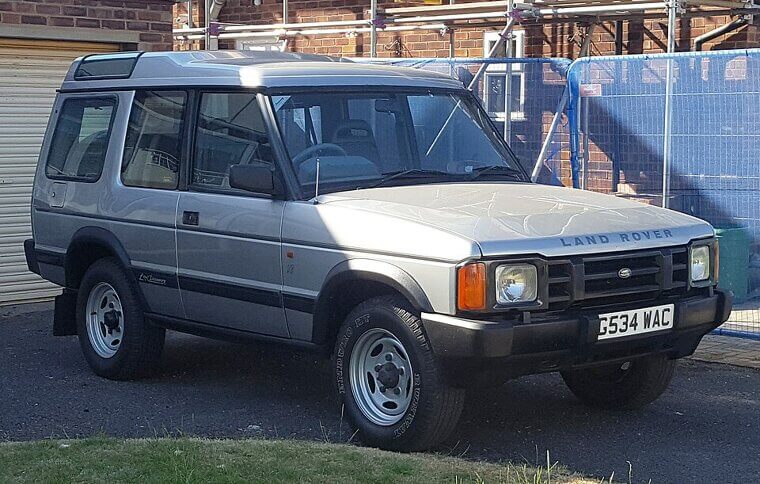
The interior cabin plastics degrade severely, while the weak headliner inevitably sags directly onto passengers. Modern adventure vehicles easily provide superior trail performance without the massive repair bills attached, making this classic completely obsolete for practical everyday use.
2003 Mazda RX-8
The Mazda RX-8 certainly looked the part when it rolled out in 2003. Sports cars didn't get much cooler! But that exterior design can't hold a candle to the fast motors of today. And the same can be said about the engine, too. It's a weak gas guzzler with limited long-term reliability. The rotary engine was innovative, but it lacked longevity. It also demanded constant upkeep, and burned oil excessively. Nowadays, the RX-8 feels more like a stylish money pit than a legitimate modern performance vehicle. The severe lack of low-end torque makes simply accelerating from a traffic light feel surprisingly sluggish compared to modern economy sedans.
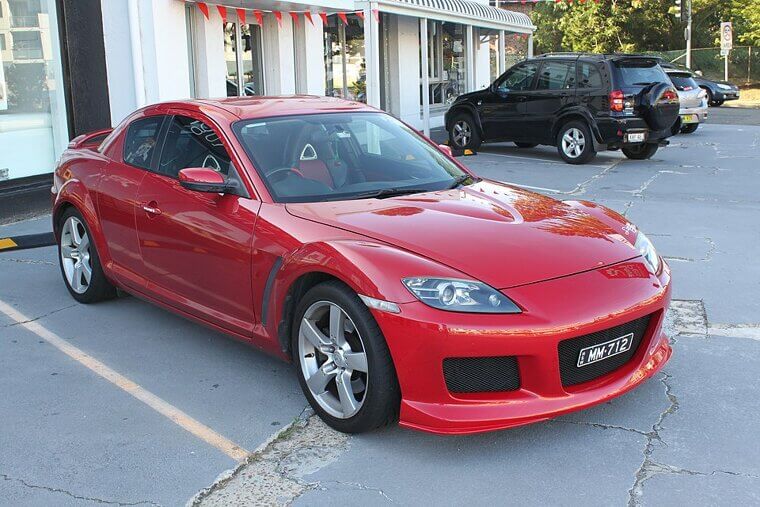
Furthermore, those famous rear suicide doors frequently create annoying rattling noises over rough pavement. You essentially pay massive maintenance costs for an underwhelming driving experience that rarely delivers genuine thrills.
2008 Ferrari California
The Ferrari California made a big splash when it came out in 2008. It was unapologetically unique for its time. How about now, though? Well, it's still unique — but certain aspects have aged pretty badly. The weird roof? The head-scratching exhausts? It doesn't look great. It also wasn't the most thrilling Ferrari to drive, with handling that felt more cruiser than corner carver. Today, it's remembered more for its awkward styling than its actual track performance. The incredibly heavy folding hardtop mechanism severely compromised the vehicle's overall agility, completely failing to deliver the razor-sharp precision expected from an exotic Italian sports car.
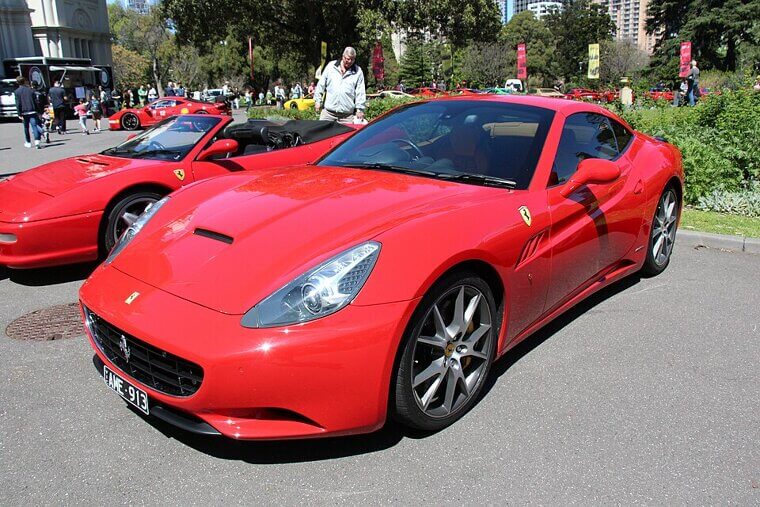
The infotainment system feels laughably outdated, sharing highly noticeable components with basic commuter vehicles from the exact same era. It ultimately serves as a remarkably uninspiring entry-level model that struggles to maintain genuine collector prestige.
2007 Nissan GT-R
The gorgeous exterior. The turbocharged V6 engine. The speed? Yes, there was a lot to like about the Nissan GT-R when it was first unveiled in 2007. But it feels pretty dated today — especially compared to more modern sports cars. The GT-R can't compete with their specs. Even with periodic updates, the GT-R's tech and design haven't evolved enough to keep pace. What once was a game-changer now feels like a powerful machine stuck in the past. The dual-clutch transmission clunks heavily during urban commuting, lacking the absolute smoothness found in current high-performance setups.
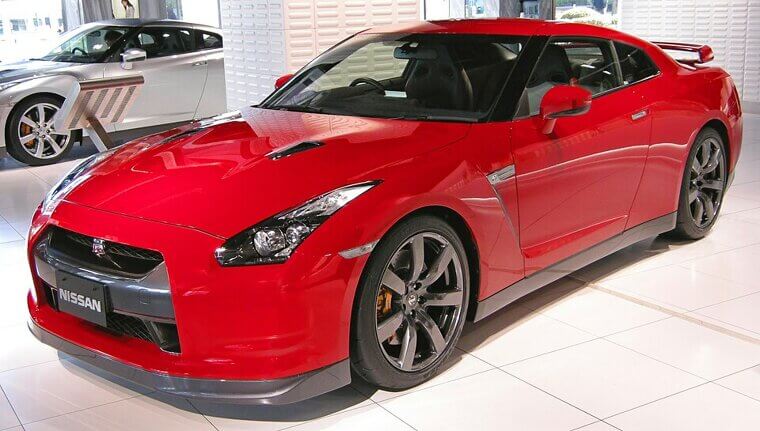
Its heavy weight is also more apparent now when pushed on twisty roads compared to newer, nimbler sports cars. While its historical importance as a supercar killer remains secure, the harsh ride and noisy cabin feel unrefined by today's standards.
1988-91 Buick Reatta
The Buick Reatta has always been seen as something of an oddity in motoring circles. It's a proper cult car! But could it find a larger fanbase today? It seems unlikely. Is anyone clamoring for a cramped hardtop two-seater with a V6 engine at the moment? Today, the Reatta feels more like a footnote than a future classic. It also lacked the performance chops to back up its sporty looks, and interior space was an ongoing issue. The high-tech touchscreen interface, which was revolutionary for the late eighties, is notoriously prone to complete failure and is incredibly difficult to repair now.
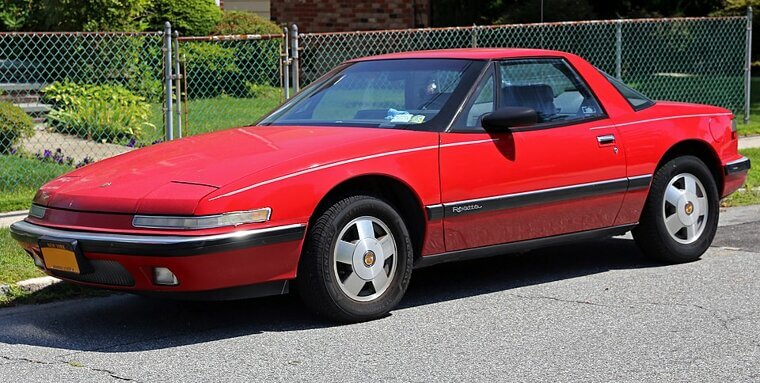
Its soft ride mimics a floating luxury sedan rather than an agile sports car, leading to uninspired handling on winding roads. It stays an interesting conversation piece, but it rarely delivers a genuinely engaging driving experience.
1990-2001 Chevrolet Lumina
The Chevrolet Lumina was a solid car for its time — but boy, it hasn't aged well. To say the exterior is outdated would be a major understatement! And that's not the only issue. The Lumina is also really cumbersome by modern standards. It'll struggle to impress anyone. While it once filled a gap in Chevy's lineup, nostalgia alone can't save it now. Its bulky frame, uninspired styling, and forgettable performance place it firmly in the "meh" category today. The squishy suspension setup guarantees plenty of body roll through normal corners, taking away any sense of driving confidence.
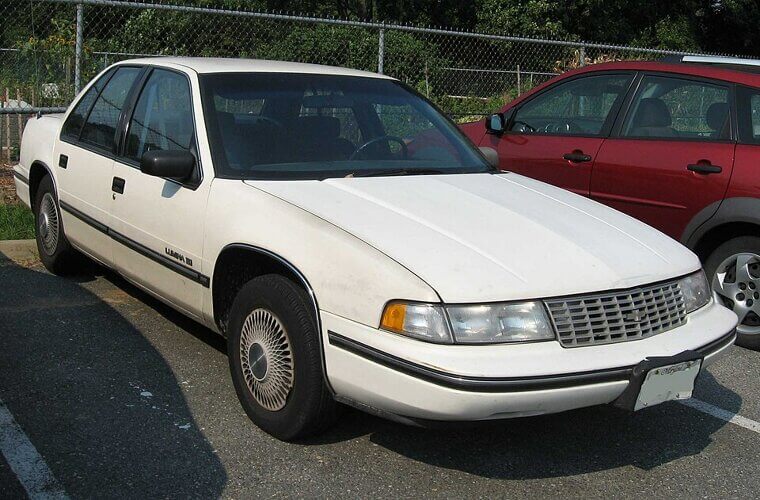
Step inside, and you are greeted by generic fabric and a completely uninteresting dashboard layout that screams rental fleet vehicle. It functioned perfectly fine as basic transportation decades ago, but it lacks the distinct character needed to hold anyone's attention today.
2001 Aston Martin Vanquish
We'll be blunt here, folks — the Aston Martin Vanquish is still a beautiful vehicle to look at. It's so stylish! The V12 engine isn't anything to be sniffed at, either. So why's it on this list? Well, the car isn't perfect. The biggest offender is the transmission. It's horribly outdated and hurts the Vanquish's overall performance. Even die-hard Aston fans admit the clunky paddles ruin the driving experience. Gorgeous? Yes. But sadly, it's more frustrating than fun today. That early automated manual gearbox jerks awkwardly at lower speeds, transforming simple parking maneuvers into stressful tasks.
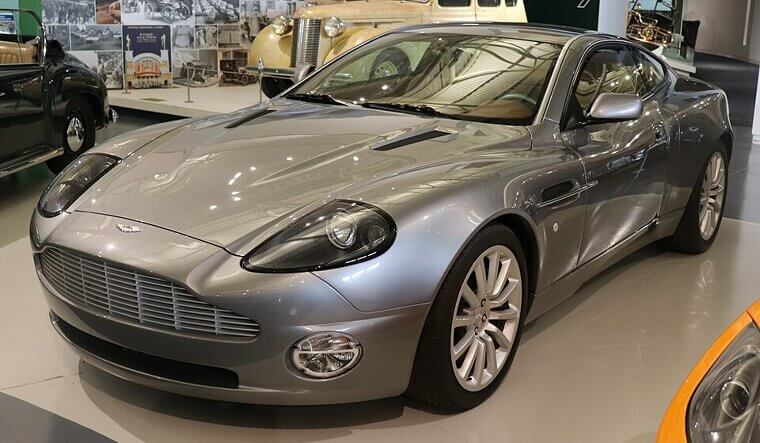
Additionally, the interior switchgear was famously lifted straight from contemporary Ford parts bins, which feels cheap for a premium exotic car. While the roaring exhaust note remains absolutely incredible, the headache of maintaining its complex electronics keeps many collectors from actually driving it.
2010 Nissan Leaf
At a time when electric cars were becoming more mainstream, the Nissan Leaf stood out as an exciting option. But comparing it to today's modern motors? Yikes! The 2010 Leaf could only manage about 100 miles before it needed to be recharged. That's nowhere near good enough now. EVs have come a long way — and left it behind. Its limited range, aging battery tech, and lack of modern features make it feel more like a stepping stone than a keeper. Early models also lacked thermal management for the battery pack, leading to noticeable capacity degradation over just a few years of regular use.
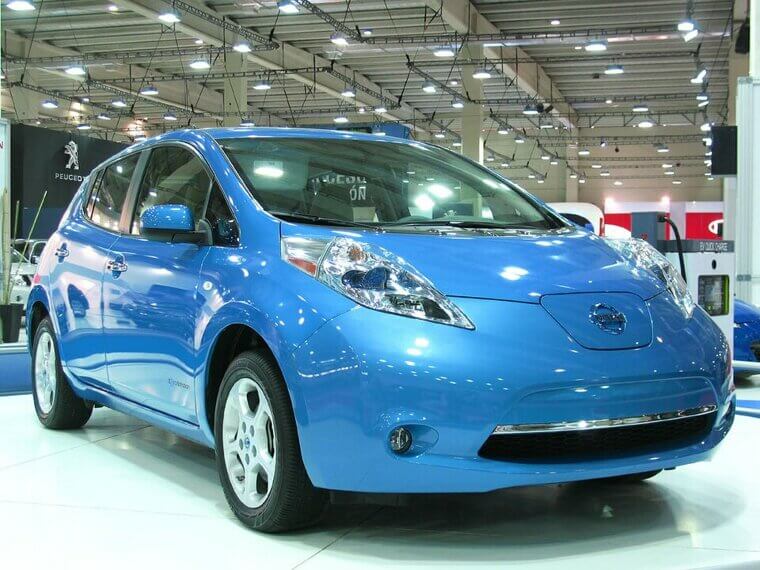
The interior cabin feels basic and cheap, dominated by hard textures and a slow infotainment display. While it deserves credit for pioneering the affordable electric movement, current drivers will find its real-world usability incredibly frustrating.
1961-79 MG Midget
Visually, the MG Midget has aged quite gracefully. Not all retro cars are that lucky! Under the hood, though? That's a different story. Across its lifespan, the Midget did adopt larger engines to improve performance. But they're extremely underpowered compared to the motors of today. Modern drivers would likely find it sluggish and impractical, especially on highways. Charming as it is, the Midget's performance feels more suited to nostalgia than to real-world driving in the 21st century. The tiny cabin offers virtually no protection or modern safety features, making a trip in current traffic feel rather intimidating.
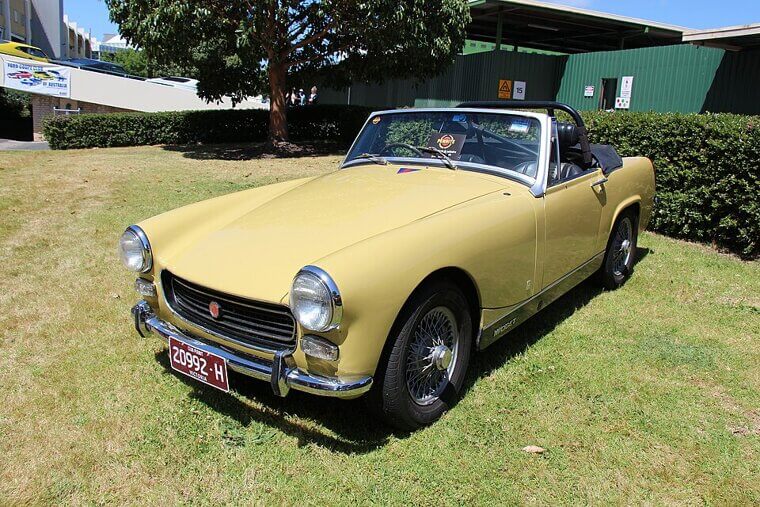
Mechanical upkeep is a constant requirement, with oil leaks and electrical gremlins frequently testing an owner's patience. It is an undeniable blast to drive on quiet, winding country backroads, but it simply cannot handle the hectic demands of a modern daily commute.
1998 BMW Z3 Coupe
While it may not look it, the BMW Z3 Coupe can pack a mighty punch. Some of the engine options are super powerful. But it's hard to be impressed with the car today due to its strange exterior. It's nicknamed the "clown shoe" for a reason, folks! Even BMW loyalists are divided on the design. While some appreciate its uniqueness, many see it as awkward and dated. Performance aside, it's a visual oddball that's tough to love. The older semi-trailing arm rear suspension layout can feel surprisingly tricky to manage when pushing hard through tight corners compared to modern setups.
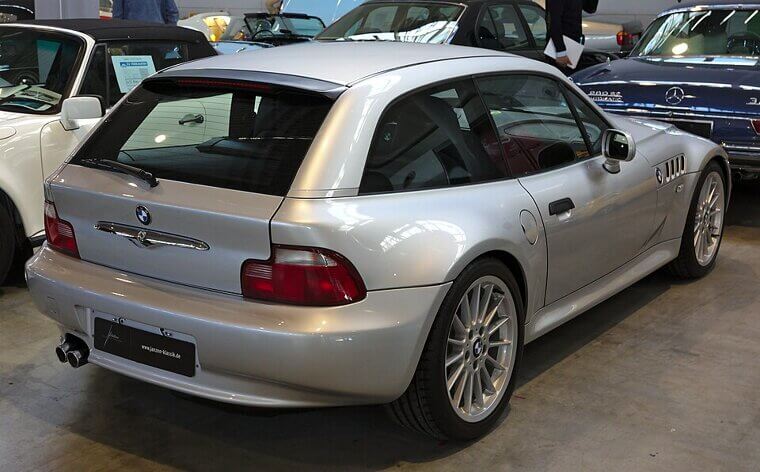
Inside, the early layout of the dashboard and simple layout feel quite antiquated, lacking the intuitive comfort of current sports cars. While a dedicated group of enthusiasts fiercely protects its legacy, general car shoppers usually look elsewhere.
1989-97 Mercury Cougar
Arguably the best alternative to the Ford Mustang, the Mercury Cougar still has its fans today. Mind you, the seventh-generation vehicles will struggle to find many defenders! Compared to modern motors, those Cougars are horribly dull. Nothing about them stands out. The performance was passable for its time, but today, the styling feels dated and the driving experience is completely forgettable. You'd be hard-pressed to find anyone actively seeking one out—unless they're chasing nostalgia and don't care about speed. The heavy platform makes handling feel remarkably lazy, lacking any of the sharp precision found in current sports coupes.
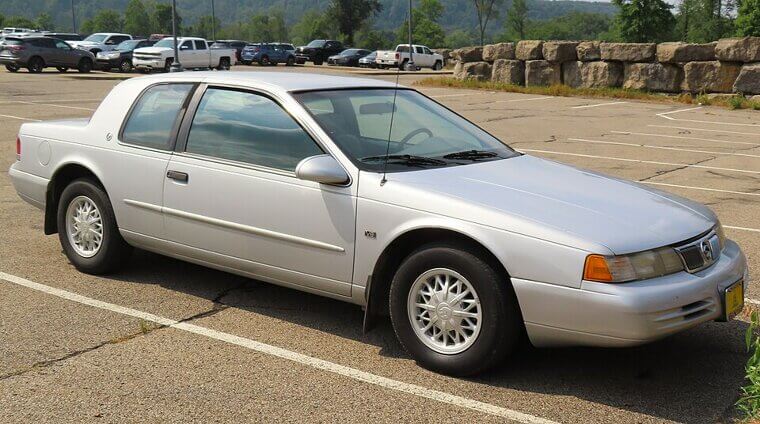
Inside, a sea of cheap, fading plastics and unsupportive seating makes extended road trips feel like a chore. It serves well as a simple reminder of nineties automotive design, but it lacks the necessary star power to become a highly sought-after classic.
1994-2000 Mitsubishi FTO GR
The Mitsubishi FTO GR came out in the mid-1990s, looking to take the coupe market by storm. Is it highly thought of today, though? It's tough to make a case for it! The FTO GR's V6 engine isn't anything special, while the exterior leaves much to be desired. In the end, it feels more like a relic than a hidden gem. It lacks the performance to compete with modern coupes and doesn't have the visual appeal to draw in collectors. Inside, the heavily plastic cabin lacks the refinement buyers expect from a proper sports car, and finding replacement parts can turn into a serious headache.
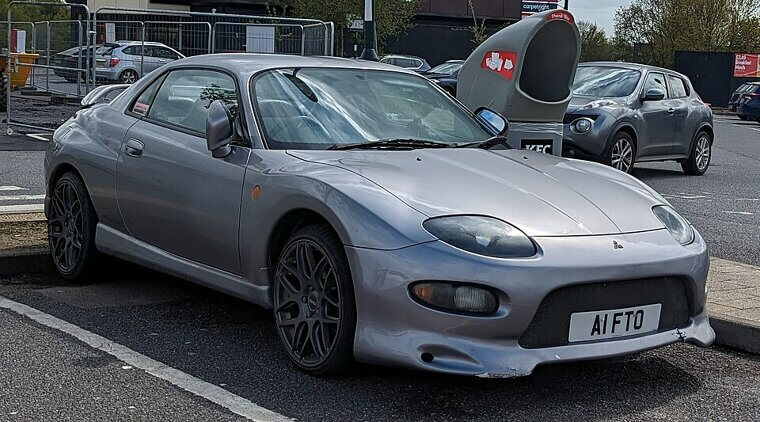
While the front-wheel-drive handling was praised back in its glory days, it simply fails to excite anyone raised on modern turbocharged machinery. It remains a quirky piece of history rather than a true automotive icon.
1997-2002 Plymouth Prowler
It's hard to keep your eyes off the Plymouth Prowler. What a unique motor! It just oozes retro vibes. Unfortunately, though, the engine has always stopped it from becoming a modern classic. The V6 under the hood is grossly underpowered. This mismatch between looks and performance left many enthusiasts disappointed. It had all the flash and none of the fury. These days, the Prowler feels more like a novelty than a serious contender in the classic car scene. Borrowing a standard four-speed automatic transmission directly from Chrysler’s minivan family certainly did not help its street reputation either.
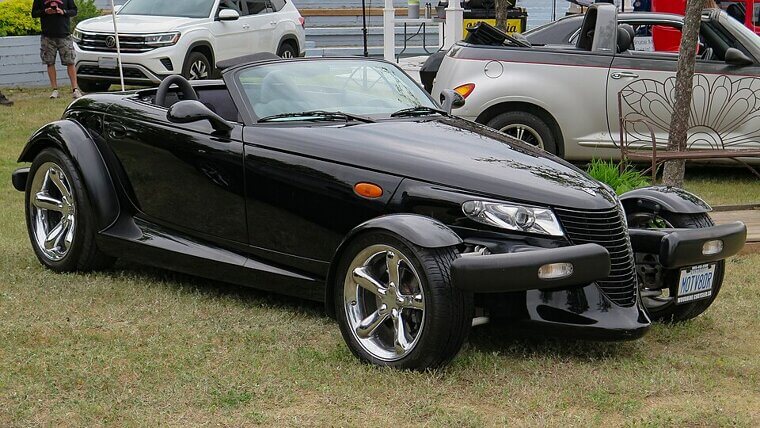
The incredibly cramped interior and microscopic trunk space mean it is highly impractical for anything beyond a short weekend cruise. It remains an interesting piece of automotive art, but it completely fails to deliver the true hot-rod driving dynamics that its wild exterior promised.
Through: Bull-Doser