Use Multiple Online Comparison Tools
Gather offers from a few reputable valuation platforms, and don’t treat the first quote that pops up like gospel. These tools scrape market data and spit out a figure based on age, mileage, and desirability, but no two calculate value the same way. Think of yourself as a detective cross-checking witnesses; if one site claims your car is worthless and another thinks it’s pure gold, the real number is usually lounging somewhere in the middle.
Compare Similar Cars for Sale in Your Area
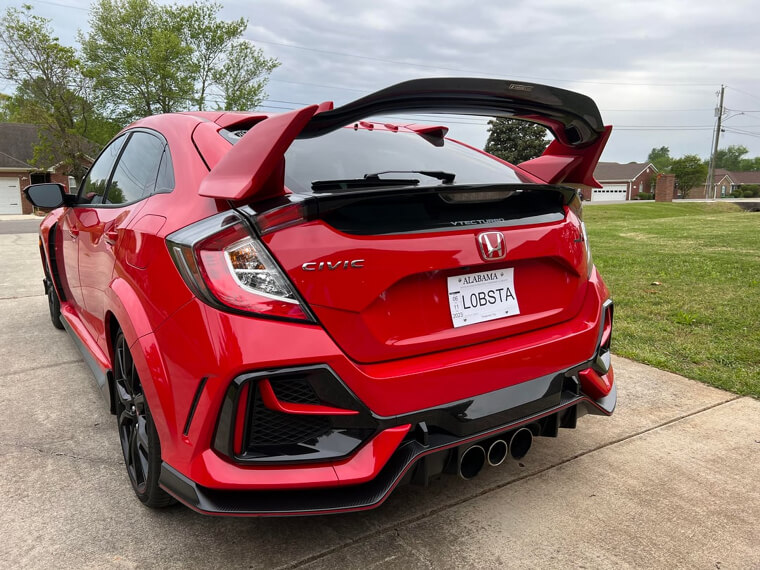
A valuation tool can only guess so far - real listings tell you what buyers are actually paying! Spend a little time browsing dealer forecourts and online marketplaces, filtering by age, trim, and mileage so you’re comparing like with like. You may find your car’s doppelganger sitting two suburbs away with a price that makes your eyebrow twitch. Local demand, fuel prices, and trends can all nudge numbers up or down.

Dealer Vs Private Sale Prices
Two paths diverge in the automotive woods: trade-in and private sale. Dealers will naturally offer less - not because they’re villains, but because they need to clean, repair, warranty, and profit from your set of wheels. Private buyers expect a lower price than a dealership, but they’ll usually still pay more than a trade-in allows. Knowing the gap between these options keeps disappointment at bay and arms you with context so you’ll understand the maths behind the handshake.
Review Recent Sales
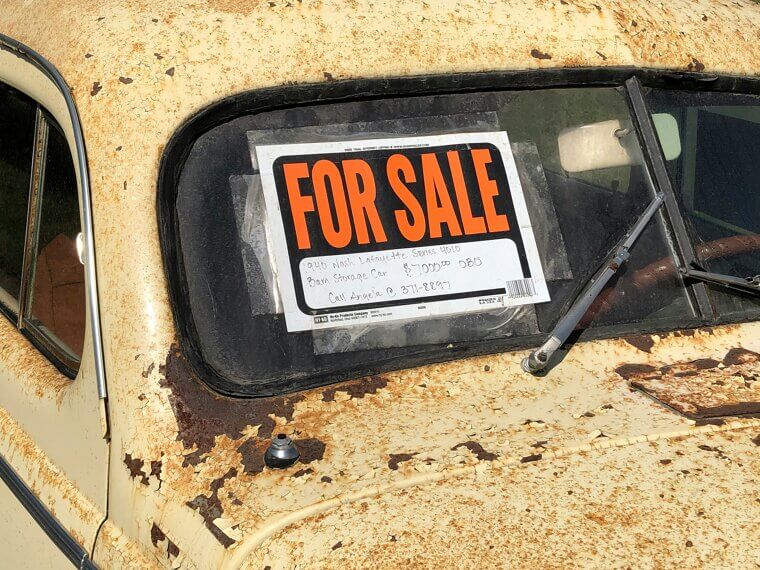
Listings show ambition, completed sales show reality. A car might sit online for months wearing a price tag that sparkles with hope, but unless it’s selling at that number, the tag is just decoration. Sites that show “sold” prices are your best friend here, because they anchor your expectations to what people actually exchanged money for. When you see a pattern (for example, your model consistently closing lower than people list it) you’ll know to adjust your expectations.

Consider Your Car’s Current Market Desirability
Some cars are hot property for months, only to fall out of fashion as quickly as last season’s hairstyle. Fuel-efficient hatchbacks and trustworthy hybrids might fetch premium offers when petrol prices soar, while thirsty V8s might sulk in the corner waiting for their moment. A dealer’s offer reflects how quickly they think they can flip your car on. If demand is high, you hold the power; if not, you may need sharper negotiation skills.

Evaluate Condition Honestly
It’s tempting to see your car through rose-tinted windshields (we all do it) but trade-in assessments rely on blunt reality. A dealer isn’t buying nostalgia or memories of that flawless road trip; they’re buying what’s in front of them, scratches and all. Compare your vehicle with others in similar condition, not showroom-fresh examples floating in premium listings. If the upholstery is held together by goodwill and a prayer, factor that into your expected price.

Factor Mileage Into Pricing
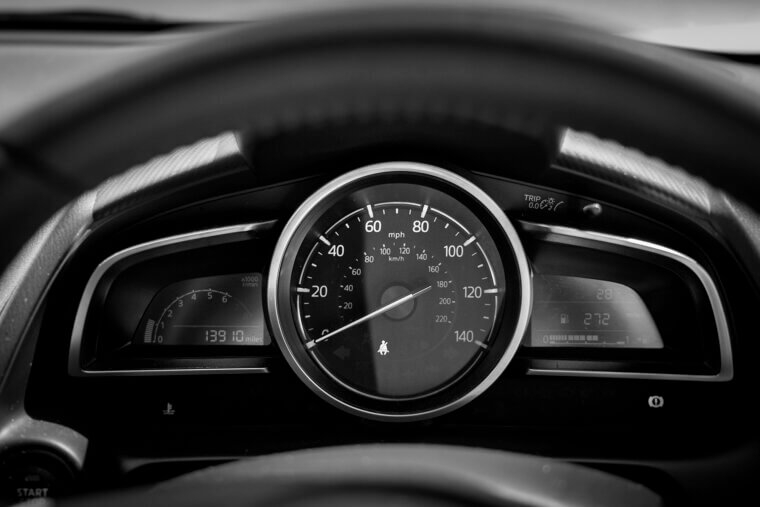
Mileage doesn’t tell the whole story, but it certainly introduces the plot. High odometer readings can drop value quicker than a lead balloon, especially if they stretch beyond yearly averages. On the flip side, a gently-driven car with respectable servicing can hold value well into its later years. Compare your mileage to similar models being sold, because even a great-running car may be treated like well-worn shoes if the numbers are high.
Check for Clean Accident Records
A spotless history lifts value like a tailwind, while accident reports tend to weigh things down, even if repairs were expertly handled. Dealers read vehicle history reports with the same energy you’d use inspecting a rental property; every scuff tells a tale. If there’s a past collision, come armed with receipts and documentation showing the repairs were done properly. Transparency helps you maintain leverage. A shadowy history invites suspicion; a neat paper trail often steadies the numbers back into your favour.

Gather Maintenance and Service Records
Buyers love certainty, and nothing whispers reassurance quite like a fat folder of receipts. Regular services show care, reliability, and responsibility (all attractive qualities, even in machines). If you’ve kept oil changes, brake work, timing belt replacements, and dealership stamps neatly archived, you’re essentially presenting evidence of good ownership. Cars without records often default to lower trade-in brackets, not because the vehicle is bad, but because dealers must assume the worst. Proof of love makes value bloom!

Assess Tire Condition, Brakes, and Consumables
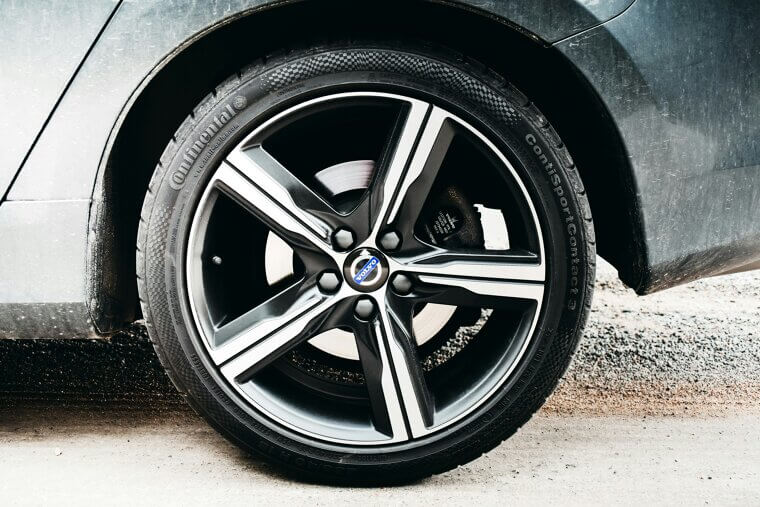
Tires with barely-there tread, squeaky brakes, and worn wipers can knock a surprising chunk off your offer. Dealers subtract future repair costs from valuation like mathematicians with calculators they’re far too proud of. Before appraisal, check whether consumables are nearing the end of their lifespan and decide if pre-trade replacements make financial sense. Sometimes a small spend saves a big deduction; other times, it’s better to accept the downgrade and move on.
Look at Modifications Realistically
Not all upgrades send value soaring - that subwoofer you lovingly installed makes your morning commute feel like a nightclub, but a dealer may only hear “needs removal.” Mods that enhance safety or economy can pay off, while cosmetic or performance tweaks often appeal to a smaller crowd. The rule of thumb: if a mod narrows your buyer pool, it narrows your valuation. Admire your personal touches, but know the difference between tasteful refinement and the automotive equivalent of loud wallpaper.

Get Written Appraisals From Multiple Dealerships
Verbal estimates are like dreams - nice to hear, impossible to hold! A written appraisal, however, is concrete enough to lean on during negotiation and collecting several lets you compare like a pro. Different dealers have different inventory needs, so one might value your vehicle higher simply because it fills a gap on the lot. Walk in politely, walk out with paperwork, and keep your poker face handy.

Strategically Time Your Trade
The calendar can be surprisingly persuasive. End-of-month and end-of-quarter periods often motivate dealers to hit targets, and a hungry salesperson is suddenly generous. Seasonal timing helps too - convertibles sparkle in summer, all-wheel drives look saintly in winter. If you’re not in a hurry, timing your trade-in can transform a lukewarm offer into something pleasantly toasty. A little patience is sometimes worth hundreds and occasionally thousands.

Detail the Car Before Appraisal
You don’t need to polish it within an inch of its life, but a clean vehicle creates an atmosphere of care. Fresh vacuum lines, a crumb-free console, and windows that look unsneezed on can subtly lift perceived value. Dealers are human; first impressions nudge judgement more than anyone admits. A tidy car whispers “reliable” far louder than a dirty one shouts “chaos.”

Fix Cheap Visual Issues
Some problems cost a fortune to repair - leave those. But small faults like missing badges, dull headlights, or a wiper that smears like a toddler’s painting? They’re worth addressing if the fix is quick and inexpensive. Minor improvements tighten presentation and remove excuses for price cuts. You’re not renovating a classic for auction; you’re eliminating the easy deductions a dealer will gleefully point out. A few low-cost tweaks can turn “it needs work” into “it looks well kept.”
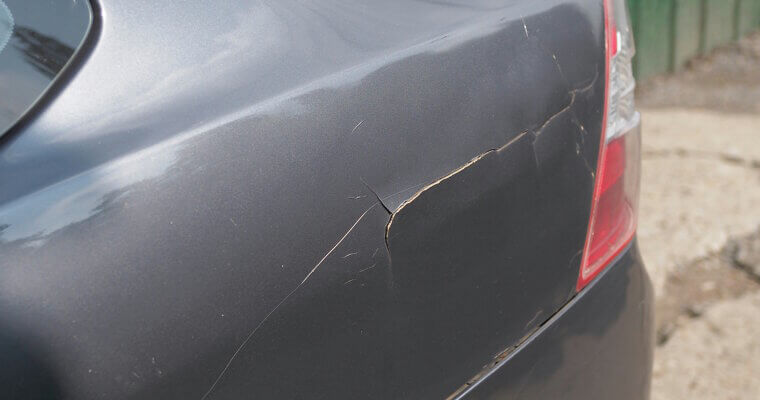
Check for Upcoming Servicing or Repairs Deductions
Dealers don’t just look at what a car is - they look at what it’s about to cost them. If tires are close to done, brakes are a few squeaks away from mutiny, or a major service looms on the calendar, expect it to show up as a deduction. Get quotes for the work so you know whether fixing it first is cheaper than letting the dealer mark you down.
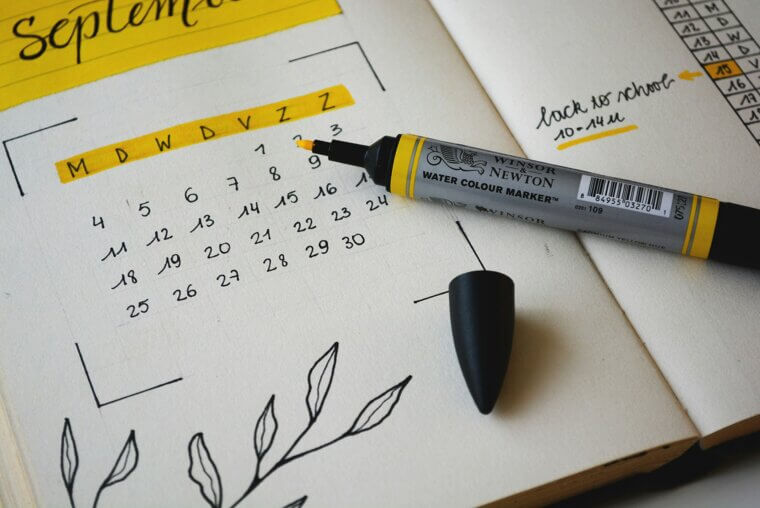
Understand Your Car’s Depreciation
Depreciation isn’t a straight slide downhill - it’s more like a rollercoaster with a dramatic opening drop and a long gentle coast. Newer cars lose value quickly in the first few years, then level out before descending at a slower pace. If your vehicle has already weathered its biggest decline, you may be closer to its “value plateau” than you think. Understanding where you sit on that curve helps you judge whether an offer is reasonable.
Review Recall History and Open Repairs
A car with unresolved recalls can spook buyers and trim value, even if the fix is simple and free. Dealers must address recalls before resale, so those jobs become bargaining chips they’re happy to throw at the price. Check whether your car has outstanding recalls and, if possible, get them sorted before trade-in day. Repair paperwork shows responsibility and saves the dealer hassle.

Calculate Tax Benefits and Incentives
A trade-in offer isn’t just a dollar figure; it’s part of a larger financial puzzle. Some regions reduce sales tax when you trade in a car, meaning a slightly lower offer might still leave you better off when numbers settle. Check incentives, rebates, and tax structures before assuming a rival dealership’s cash value is superior. The headline price is rarely the whole story, and the best deal is the one that leaves the most money in your pocket.
Know When to Walk Away
Even with research, polish, paperwork, and charm, some offers will miss the mark. The most powerful negotiation tool of all is simply the ability to leave. If the valuation feels low and you have data to back your disagreement, stepping away can bring surprising results - urgency has a way of correcting itself. But more importantly, walking protects your bargaining position.