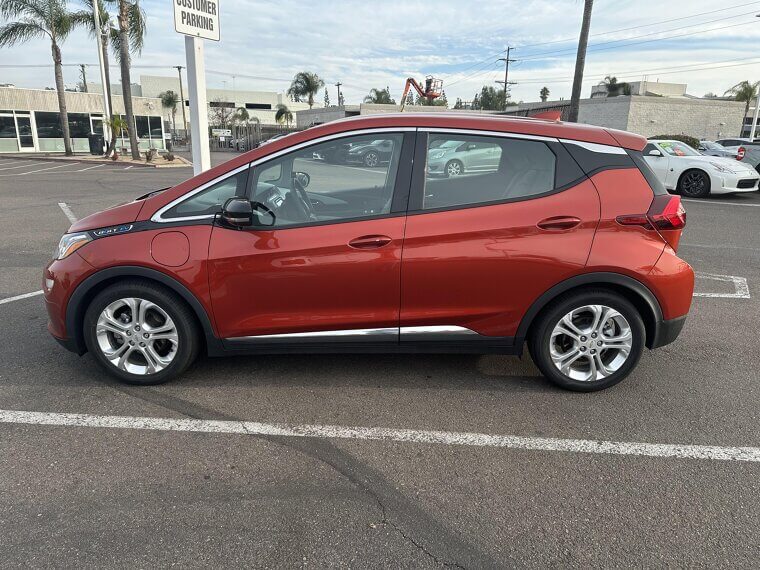
Chevy Bolt
The Bolt makes sense financially and environmentally, at first. However, after owning it for a year, some owners express frustration with charging speed, range anxiety, and planning long road trips, since it can be difficult to find charging stations along the way. Some also report that the interior quality isn't up to par, given the price of the car. While it works well for commuting, it may not be the best fit for everyone’s lifestyle long-term. Owners feel disappointed when they finally realize that their driving habits don't align with what the Bolt does best. It’s not a bad car; it’s just very specific, and many people do not recognize this fact until after they make their purchase.
Chevy Camaro
While the Camaro offers a great deal of joy initially, some owners lose interest after using it as their main vehicle for a year. Camaro owners often talk about rough visibility, a stiff feel to the ride, and limited room inside the vehicle. It will work great for weekend fun, but may struggle if it’s used for everyday life.
Many owners are shocked to discover the high cost of insuring a Camaro and realize that they love how it looks more than how it fits into their routine. After the excitement of owning it has worn off, the most common regret of owners is wishing they had bought a more comfortable and practical car instead.
Many owners are shocked to discover the high cost of insuring a Camaro and realize that they love how it looks more than how it fits into their routine. After the excitement of owning it has worn off, the most common regret of owners is wishing they had bought a more comfortable and practical car instead.

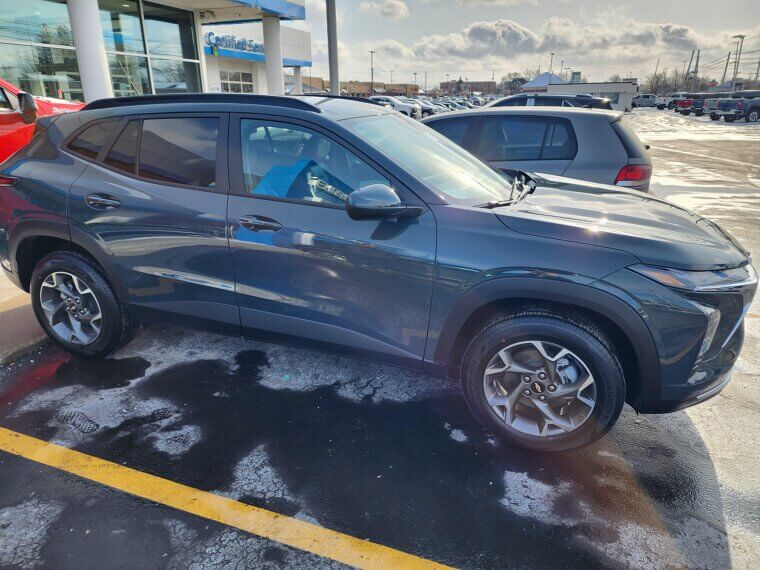
Chevy Trax
Although the Trax looks like a mini SUV, it doesn’t really deliver the SUV experience. Owners often complain about how cramped it feels inside, especially when you have passengers. The engine struggles, merging feels stressful, and the fuel economy does not meet the expectations for a vehicle this small. The longer you use the vehicle, the more noticeable road noise becomes, and the ride quality feels cheap on longer drives. People usually buy it expecting versatility and end up with something that feels more like a lifted economy car with compromises everywhere.
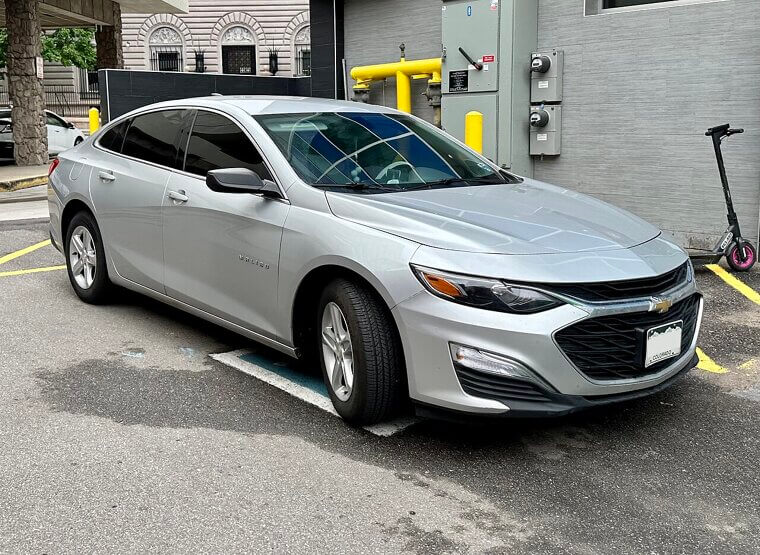
Chevy Malibu
The Malibu sells well because it looks stylish and feels comfortable on a test drive. However, after one year of ownership, most Malibu owners start noticing build quality issues. Interior materials wear quickly, the tech malfunctions, and resale values drop significantly. The driving experience is fine but forgettable, which becomes a problem when problems start costing money. It doesn’t feel special enough to justify repairs. A lot of people say they don’t hate it, but they don’t love it either.
Chevy Equinox
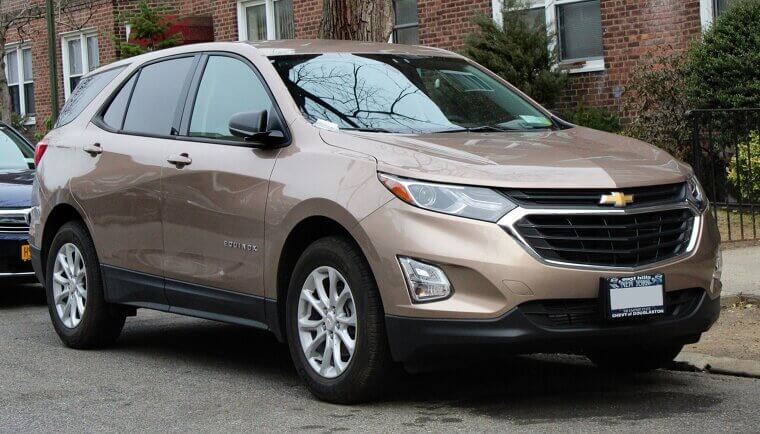
The Equinox is one of those cars that feels like a safe choice. Owners eventually realize that safe does not mean satisfying. The Equinox, especially older models, has engine and transmission complaints that surface over time. Fuel economy disappoints, and the interior starts rattling sooner than expected. It also feels sluggish when loaded with people or cargo. What gets people is the value drop. You realize you paid a lot for something that now feels very average and not especially reliable.
Chevy Spark
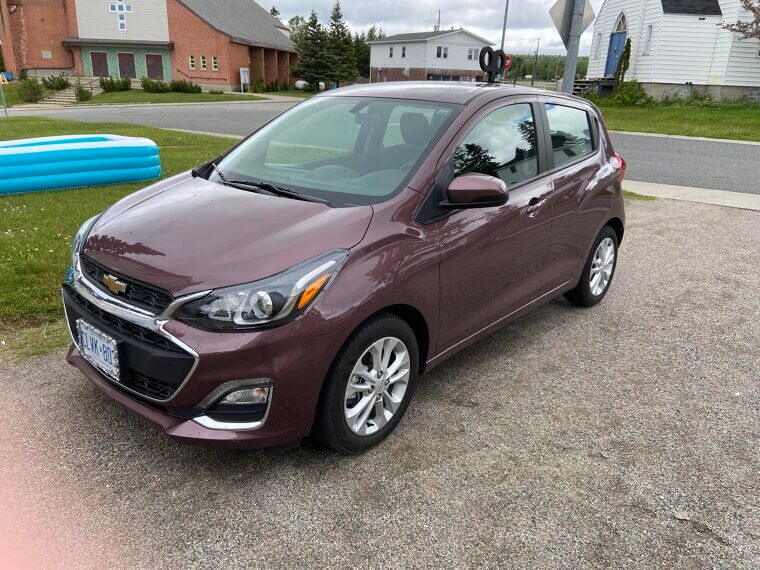
Many people love the Spark because it’s affordable and easy to park. However, this charm fades after about one year. The tiny engine struggles, highway driving feels exhausting, and safety concerns start to sink in. Owners also realize that the interior materials feel worn quickly, and road noise is constant.
Many say they feel limited by the size more than they expected. While the car may be a good option for a short-term city car, people regret buying it, assuming it would be more versatile. After twelve months, most are already planning their exit.
Many say they feel limited by the size more than they expected. While the car may be a good option for a short-term city car, people regret buying it, assuming it would be more versatile. After twelve months, most are already planning their exit.
Chevy Sonic
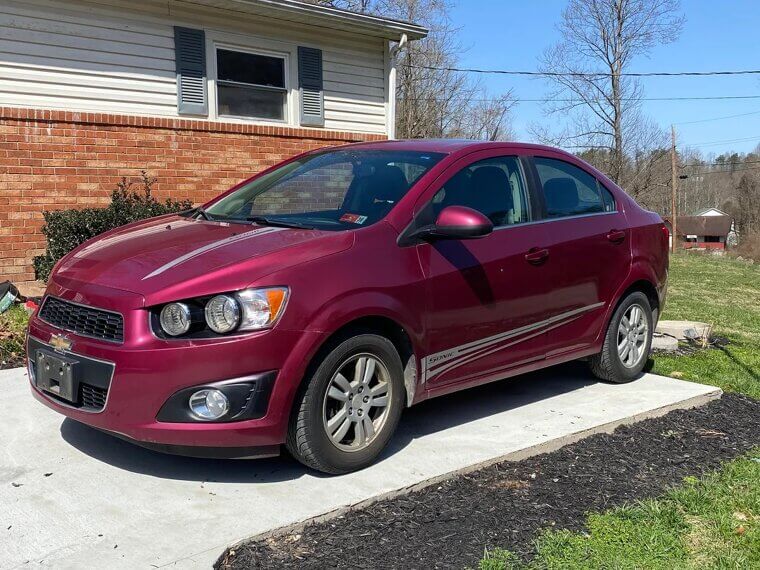
When the Sonic was released, many people were excited about its affordability. However, after using it for a year, many people have cooling and turbo issues on some versions. Drivers also report that the vehicle has poor ride quality, creates excessive amounts of noise when driving, and that the interior quickly shows signs of wear. Although it works well for short trips, longer commutes can be tedious. Many people think it’s a solid purchase for daily driving, but find themselves spending more money on repairs and problems than they expected from such a small vehicle.
Chevy Captiva
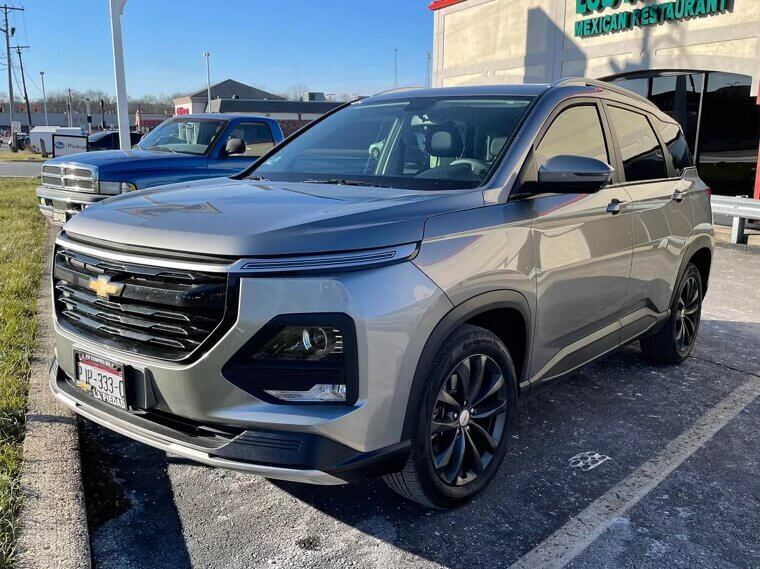
The Captiva came back quietly, mostly as a fleet-style vehicle, and buyers often regret not digging deeper. After a year, people complain about weak acceleration, dated tech, and cheap interior materials. It doesn’t feel refined, and the driving experience is pretty forgettable. Reliability concerns also pop up early, which is frustrating for something that’s supposed to be practical. A lot of regret comes from realizing it feels more like a rebadged economy car than a true Chevy SUV. The value just doesn’t hold up.
Chevy Blazer
The Blazer looks fantastic, and that’s what pulls people in. After owning it for a short while, you may feel pretty disappointed with the interior space, as it’s tighter than expected, especially for families. Fuel economy disappoints, and the price feels high for what you get. Some people also mention build quality issues and tech glitches showing up early. Most people seem to regret their decision after realizing that the Blazer is more about style than substance
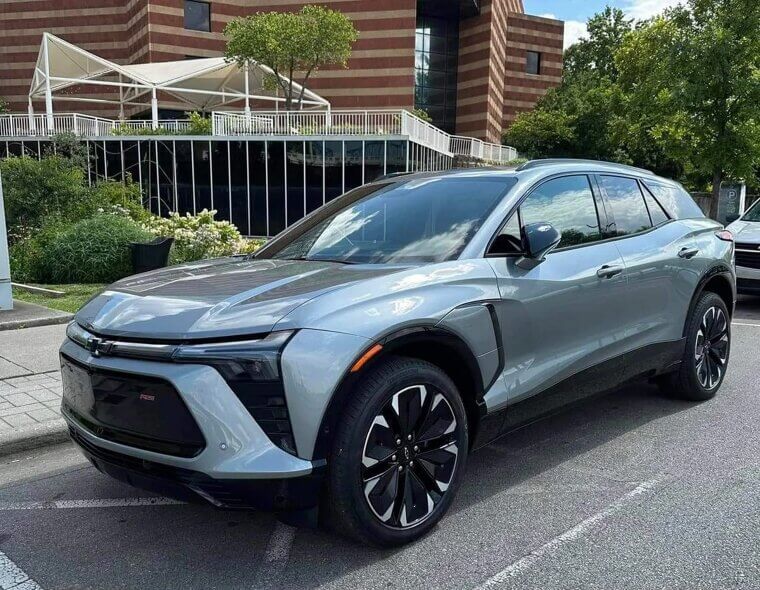
Chevy Traverse
While the Traverse offers ample room for families and plenty of space, many owners express concerns over reliability after using it for a while. Some report problems with transmissions, electrical issues, and concerns regarding the overall build quality of the vehicle, which take away from the comfort. In addition to these issues, the size and heavy weight of the Traverse make it feel clumsy in daily driving, while the fuel costs add up. Many believe that they would have been better off choosing something more reliable in the long run. It’s great when it works, but the stress of wondering what might go wrong next really sticks with owners.
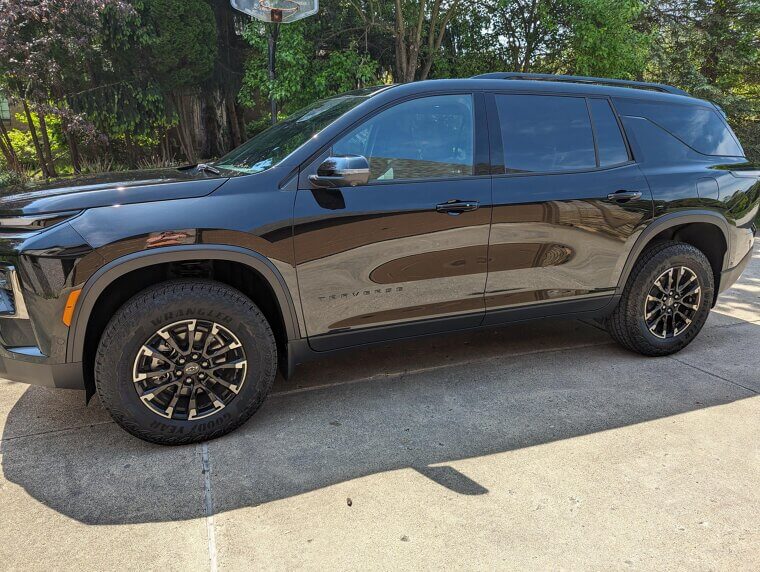
Chevy Colorado
People think of the Colorado as the perfect midsize truck until they realize it falls short in some areas. Owners say the ride can be rough, especially if you’re not hauling or towing. The interior technology becomes dated quickly, and there are many complaints about reliability issues. Fuel economy is also a letdown for its size. People often realize they paid too much for a truck that does not feel comfortable enough for everyday use.
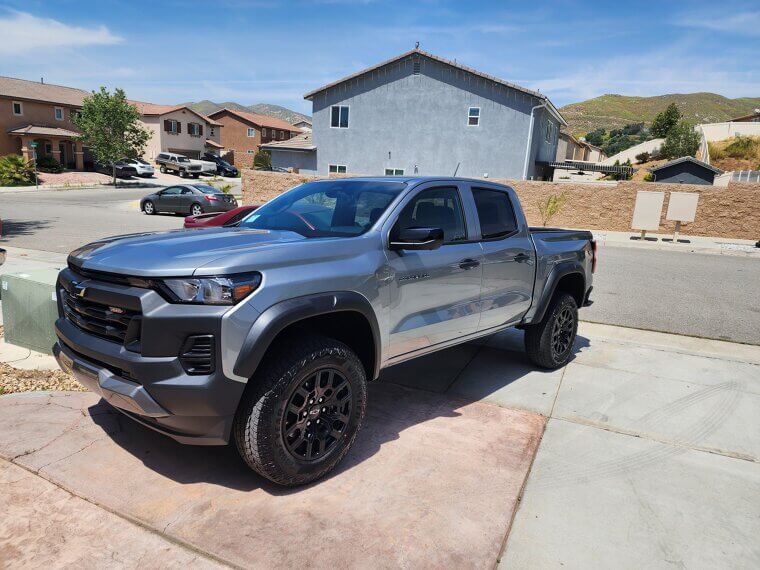
Chevy Silverado 1500
The idea of owning a Chevrolet Silverado appeals to many. For the first few months, owning one feels great. However, after a year, some owners notice issues with reliability and build quality, especially in certain model years. Transmission complaints come up a lot, and the cost of repairing them has proven to be quite expensive. Fuel costs also hit harder than expected if you use it as a daily driver.
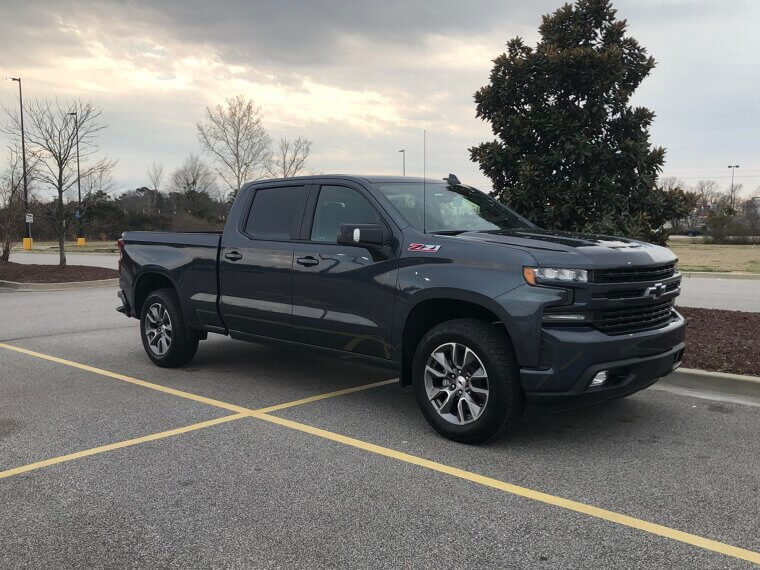
Chevy Suburban
The Chevrolet Suburban offers an enormous amount of space, excellent comfort, and is great for road trips. The reality of owning this vehicle, however, comes into play after about a year of ownership. Fuel costs are constant, parking is a hassle, and maintenance costs quickly become a nightmare. Some owners also deal with issues with the suspension and electrical systems that don’t feel acceptable for the price. While it is a perfect vehicle for a large family, many people often find themselves wondering why they own such a large vehicle.
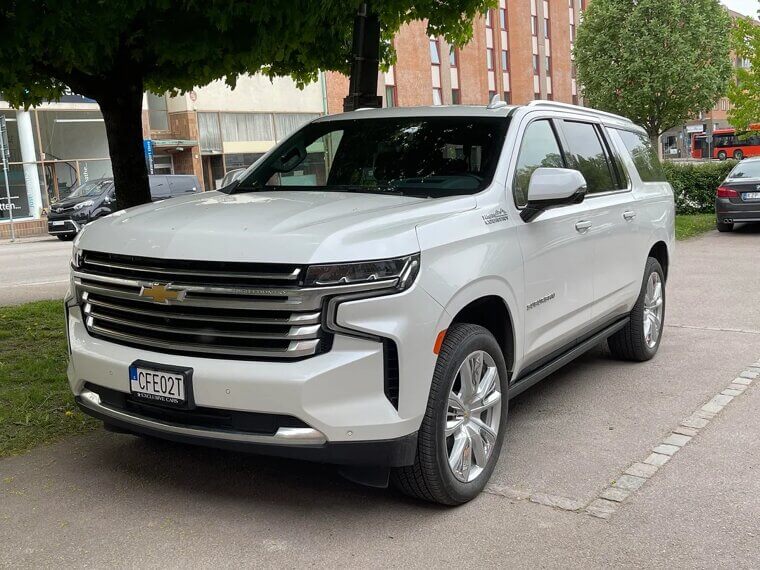
Chevy Tahoe
The Tahoe feels like the perfect balance of size and luxury when you buy it. A year later, similar issues to the Suburban start creeping in. Fuel economy is rough, maintenance costs surprise people, and reliability complaints appear. Although the Tahoe is comfortable and offers excellent off-road capabilities, it comes with an excessively high cost of ownership, which wears most people down. A lot of owners end up admitting they didn’t really need something this big.

Chevy Aveo
When people buy an Aveo, it's usually because it's inexpensive. After a year, however, the low price no longer seems to be a good trade-off. Build quality is poor, reliability issues show up early, and the safety ratings are a cause of concern. The driving experience is basic at best, and highway trips feel tiring. Many buyers wish they had invested a little more money and purchased something better built.