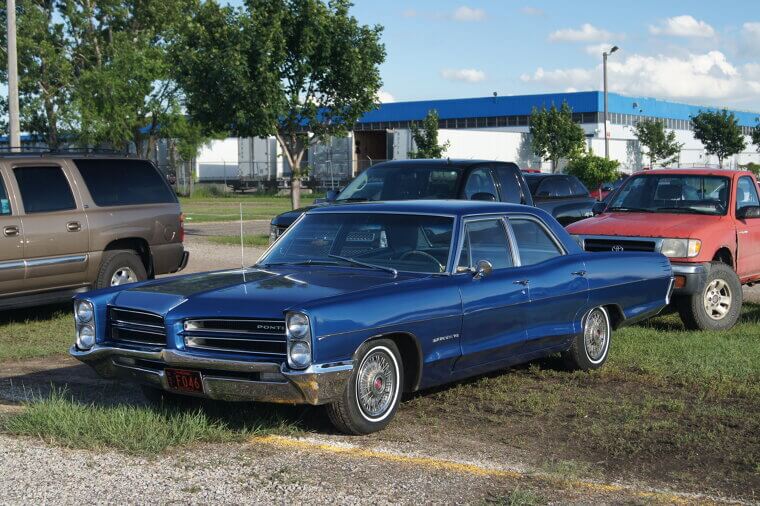
GTO Judge Still Commands Respect
The Judge arrived in 1969 wearing wild colors and bold stripes, and it never apologized for being loud. Under that hood sat a 400 cubic inch Ram Air engine that could push out 366 horsepower in stock form. But most owners didn't keep them stock for long. The Judge wasn't trying to be subtle or refined. It was built for straight-line speed and turning heads at stoplights. Today, these cars still show up at cruise nights and drag strips across the country. Owners who bought them new in their twenties are still behind the wheel in their seventies. The paint might have been refreshed and the engine rebuilt a time or two, but the attitude hasn't changed one bit. That's what keeps them alive.
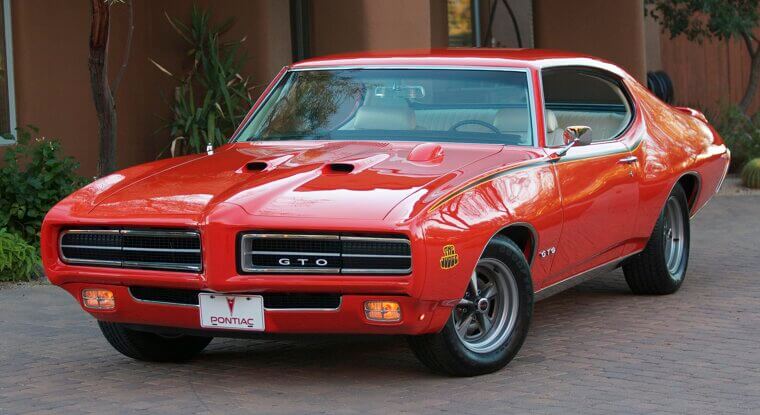
Firebird Trans Am Racing Heritage
The Firebird Trans Am didn't just show up to look pretty. It earned its name on the track, competing in the Sports Car Club of America's Trans-American Sedan Championship. That racing pedigree wasn't just marketing talk. Pontiac built these cars to handle, not just go fast in a straight line. The suspension was tuned tight, the engines were built to breathe, and the whole package felt alive when you pushed it through a corner. You could feel the difference between a Trans Am and a regular muscle car the moment you got behind the wheel. That racing DNA is why so many of them are still being driven hard today instead of sitting in museums. They were built to be driven, and people still can't resist.
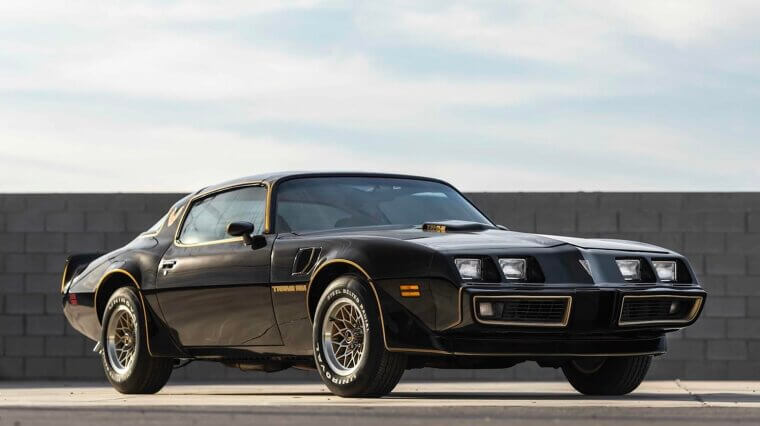
Catalina's Full Size Luxury Appeal
The Catalina was Pontiac's answer to buyers who wanted a big, comfortable car without the price tag of a Bonneville. It had plenty of room for the whole family, a trunk that could swallow a week's worth of luggage, and enough chrome to catch every bit of sunlight on the block. Under the hood, you could get anything from a mild 389 to a serious 421 that turned this family cruiser into something surprisingly quick. The interior featured wide bench seats covered in vinyl or cloth that actually held up over time. Today, Catalinas from the sixties are still out there running strong. They're not as flashy as GTOs, but they're easier to find, cheaper to buy, and just as reliable. That's why you still see them at car shows and cruise nights.
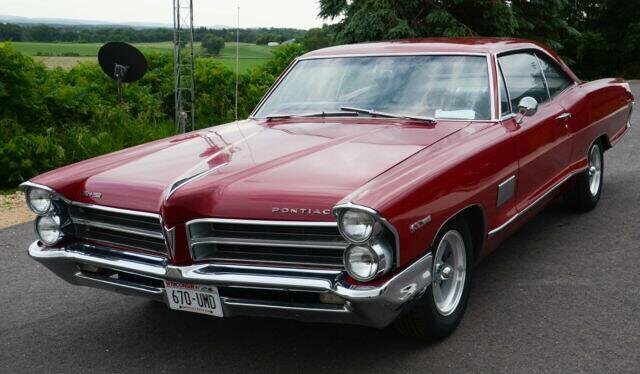
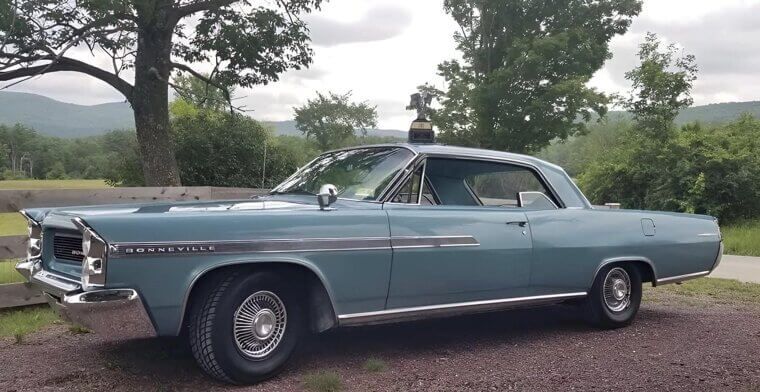
Bonneville's Premium Performance Package
The Bonneville wasn't just Pontiac's flagship — it was their statement car. Under that long hood sat some serious muscle, usually a 389 or 421 cubic inch V8 that could move all that luxury weight without breaking a sweat. What made these cars special was how they balanced comfort with performance. You got leather seats, power everything, and enough chrome to blind someone, but you also got an engine that could embarrass smaller muscle cars at a stoplight. The wide-track stance gave it stability that other big cruisers couldn't match. Pontiac knew their buyers wanted to arrive in style and get there fast. That's exactly what the Bonneville delivered, and that's why so many are still on the road today, looking just as commanding as they did back then.
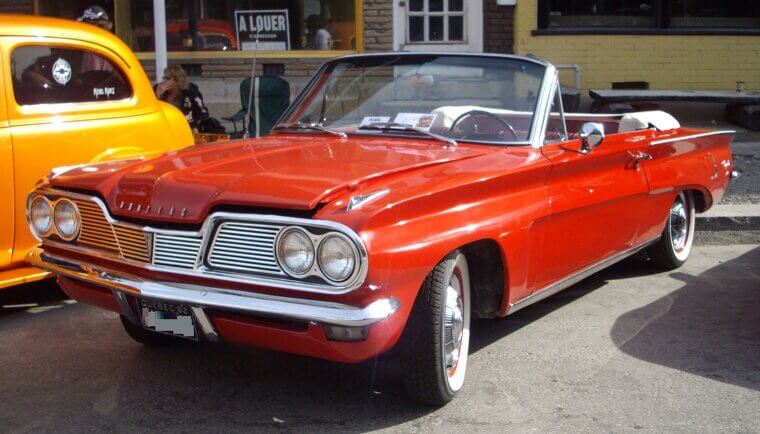
Tempest Compact Power Revolution
The Tempest arrived in 1961 with something no other American car had — a rear transaxle and an innovative "rope drive" flexible driveshaft that gave it near-perfect weight distribution. The base engine was a 194 cubic inch four-cylinder that was literally half of Pontiac's 389 V8. By 1963, you could get a proper 326 V8 that turned this compact into a genuine performer. The platform eventually evolved into the GTO, but the original Tempest earned its own following among buyers who wanted something different. It handled better than most American cars of its era thanks to that balanced layout. The engineering was ahead of its time, even if the marketing never quite caught up. That's why collectors who know the story still chase clean examples today.
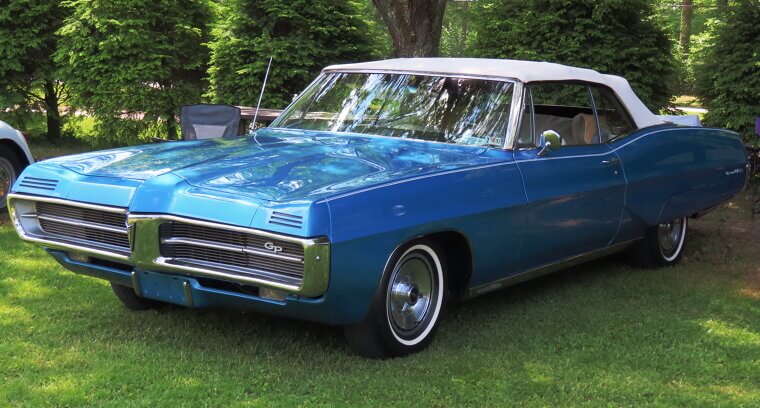
Grand Prix Personal Luxury Leader
The Grand Prix redefined what a personal luxury car could be in 1962. Pontiac took their performance reputation and wrapped it in long hood, short deck styling that made every drive feel special. The split grille and hidden headlights gave it a face you couldn't forget. Under that sculpted hood sat a 389 V8 that could move when you wanted it to. The interior felt more like a living room than a car, with bucket seats and a full console running down the middle. These cars were built for people who wanted luxury without giving up power. Today, you still see them at car shows and cruising main streets on summer evenings. The combination of style and substance keeps them relevant decades later.
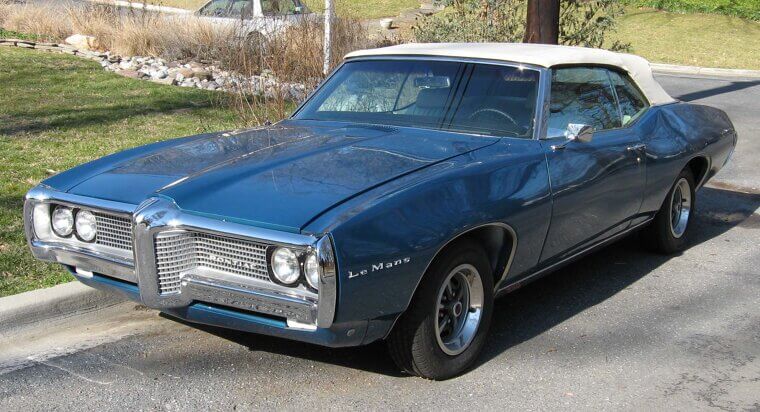
LeMans Mid Size Muscle Machine
The LeMans hit showrooms in 1962 as Pontiac's answer to buyers who wanted performance without the size of a full-size car. It sat right in that sweet spot between a compact and a boat. The base model was practical enough for daily driving, but the real magic happened when you ticked the right boxes on the order sheet. Drop in a 326 or 389 V8, add the heavy-duty suspension, and suddenly you had a car that could run with anything on the street. By the mid-sixties, the LeMans had earned serious respect at drag strips and stoplight showdowns across America. What made it special was that balance. You could take your family to church on Sunday and still embarrass a Chevy at the traffic light on Monday. That versatility kept these cars on the road long after flashier models rusted away in junkyards.
2+2 High Performance Option
The 2+2 wasn't a standalone model—it was a performance package you could order on your Catalina or Grand Prix. Pontiac launched it in 1964, and it turned a full-size cruiser into something that could genuinely move. You got a 421 cubic inch V8, heavy-duty suspension, and bucket seats that meant business. The hood scoops weren't just for show either. They actually fed air to the engine. By 1966, you could spec it with a Tri-Power setup that made 376 horsepower. That's serious grunt in a car that could still haul the family to church on Sunday. The 2+2 never got the same love as the GTO, but the ones that survived are absolute beasts. They're big, they're fast, and they don't apologize for either. Finding one today feels like discovering a secret the muscle car world tried to forget.
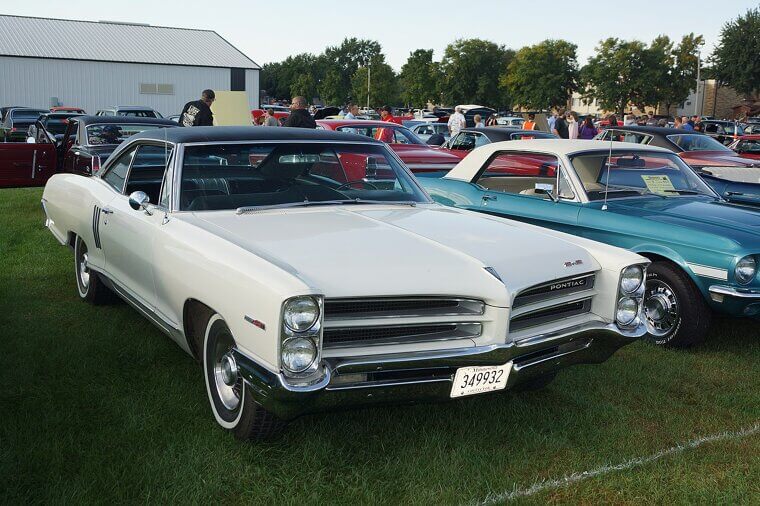
Royal Bobcat Factory Tuning
Royal Pontiac in Royal Oak, Michigan wasn't just a dealership. It was the place where factory cars got turned into street legends. The shop's head mechanic, Ace Wilson, developed a tuning package that squeezed extra horsepower out of GTOs and other models right off the showroom floor. Buyers could order a Royal Bobcat package that included blueprinted engines, modified carburetors, and tweaked exhaust systems. These weren't backyard modifications. Royal Pontiac had a direct relationship with the factory, and the work came with a warranty. The cars were faster, louder, and meaner than anything you could get from a standard dealer. Pontiac knew what was happening and looked the other way because the wins at the drag strip sold cars. Royal Bobcat GTOs became the stuff of legend, and survivors with original documentation still command serious money today.
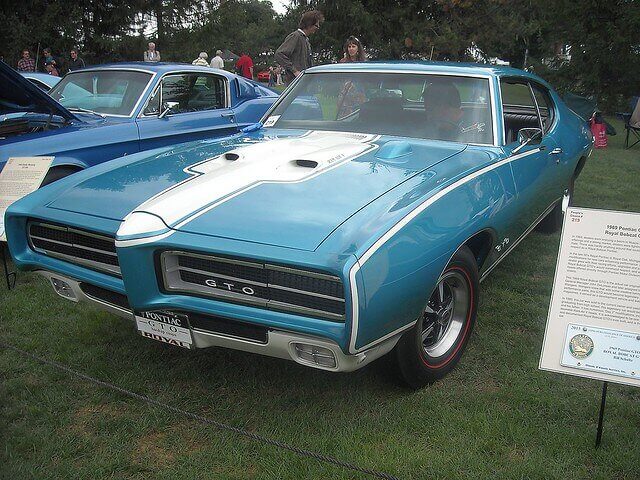
GTO Started the Muscle Car Era
Before the GTO, nobody thought you could drop a big engine into a midsize car and sell it to young buyers. Pontiac did it anyway in 1964, stuffing a 389 cubic inch V8 into the Tempest LeMans and creating something entirely new. The factory rated it at 325 horsepower, though most people believed the real number was higher. What made the GTO different was the whole package — the engine, the suspension, the styling, and the attitude all worked together. Other manufacturers scrambled to catch up, but Pontiac got there first. The GTO wasn't just a car. It was the start of an era. Every muscle car that followed owes something to what Pontiac proved in 1964: young buyers would pay for power, and dealers couldn't keep them on the lot.
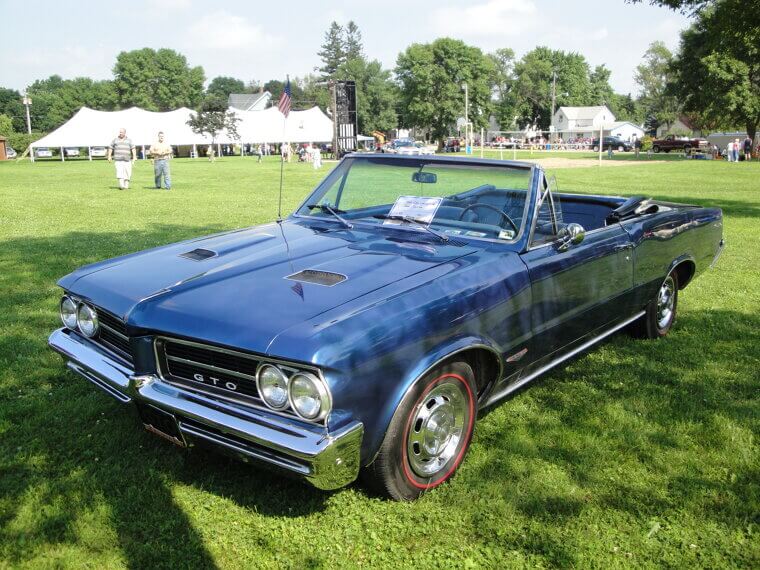
Firebird 400 Brought Accessible Muscle
The Trans Am got the glory, but the Firebird 400 put serious power within reach of more buyers. Launched in 1967, it packed a 400 cubic inch V8 that made 325 horsepower in base form. You didn't need the full racing package to feel like you were driving something special. The long hood and short deck proportions looked right from every angle. Inside, the cockpit wrapped around the driver in a way that made the car feel smaller and more responsive than it really was. These weren't stripped-down strippers either. You could get air conditioning, power steering, and a decent stereo while still having enough muscle to embarrass most things at a stoplight. That combination of livability and performance is why so many Firebird 400s are still being driven today instead of just admired.
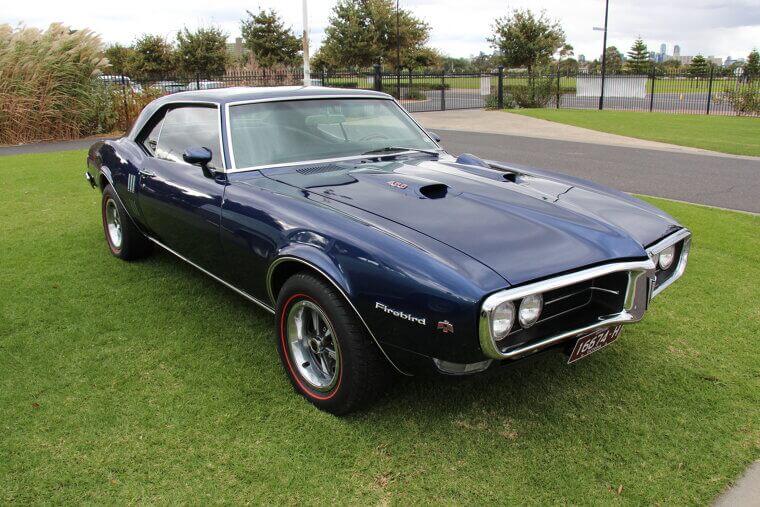
Safari Wagon Hauled More Than Groceries
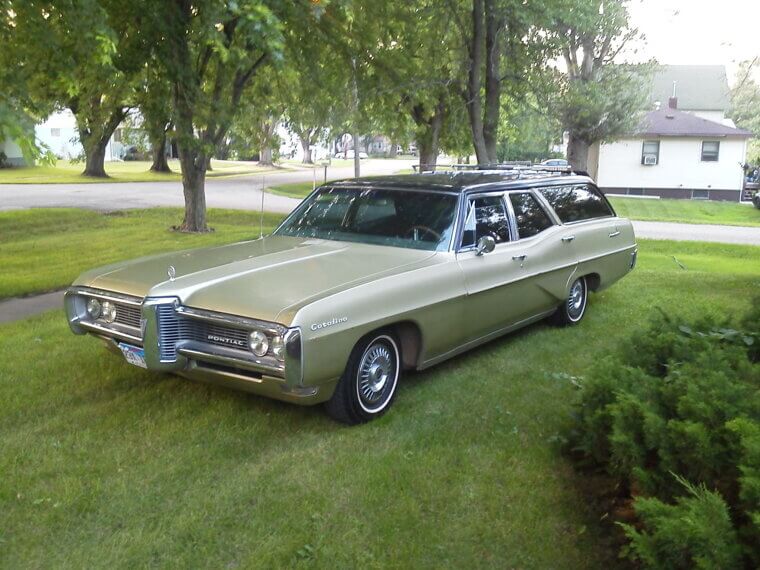
The Safari proved that station wagons didn't have to be boring. Pontiac took their full-size platform and added a long roof, but they didn't forget what made their cars special. Under that hood sat the same 389 or 421 V8 options you could get in a Catalina or Bonneville. That meant you could haul the whole family, all their luggage, and still have enough power to merge onto the highway without embarrassing yourself. The tailgate folded down or swung open depending on what you needed to load. Inside, three rows of seats meant nobody got left behind. These wagons were workhorses that could cruise at highway speeds all day long without complaint. Today, the survivors are perfect for car shows and road trips alike. They're practical, powerful, and a lot more interesting than whatever crossover is parked next to them.
Star Chief Defined Pontiac Elegance
Before the Bonneville took over as Pontiac's flagship, the Star Chief held that position through most of the fifties and into the early sixties. It was the car you bought when you wanted everyone to know you'd made it. The chrome was generous, the interiors were plush, and the engines were big enough to move all that luxury with authority. A 389 V8 came standard by 1959, and the ride quality matched anything from Buick or Oldsmobile. The Star Chief didn't try to be sporty. It focused on comfort, presence, and the kind of quiet confidence that came from knowing you were driving something substantial. Production ended in 1966, but the ones still on the road carry that same dignity. They're big, they're smooth, and they remind you what American luxury used to mean.