Frozen Fuel Lines
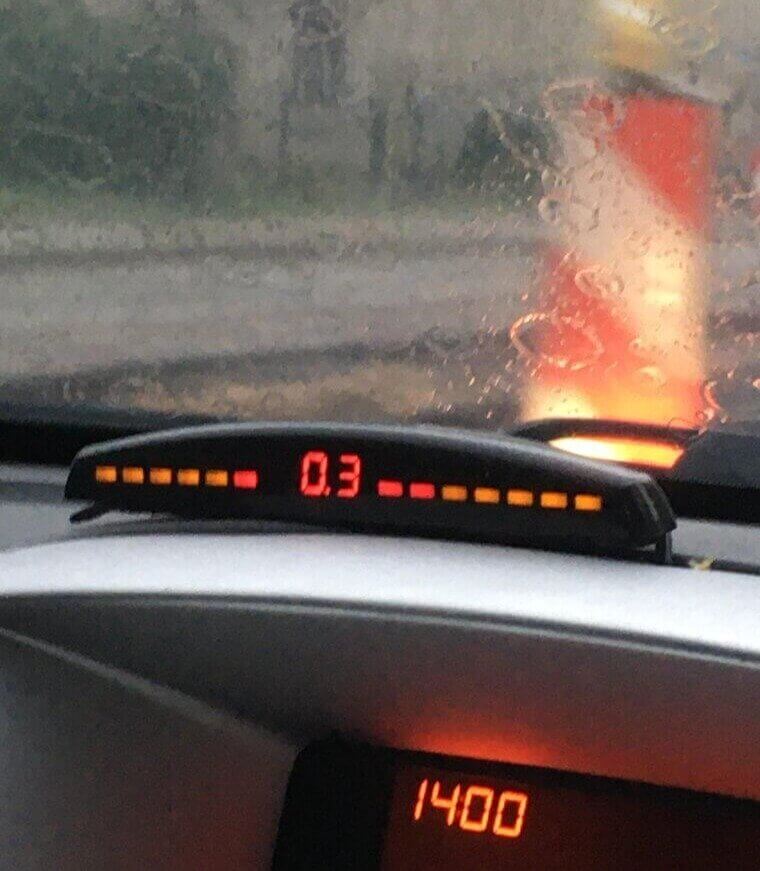
Think of the fuel lines within your car as a network of highways that all lead to one place. They’re responsible for transporting fuel from the gas tank to the engine, allowing your vehicle to function. Unfortunately, during the winter months, the extra moisture in the fuel lines can cause them to freeze, blocking the delivery of fuel and preventing the engine from starting entirely.
Weak (or Dead) Battery
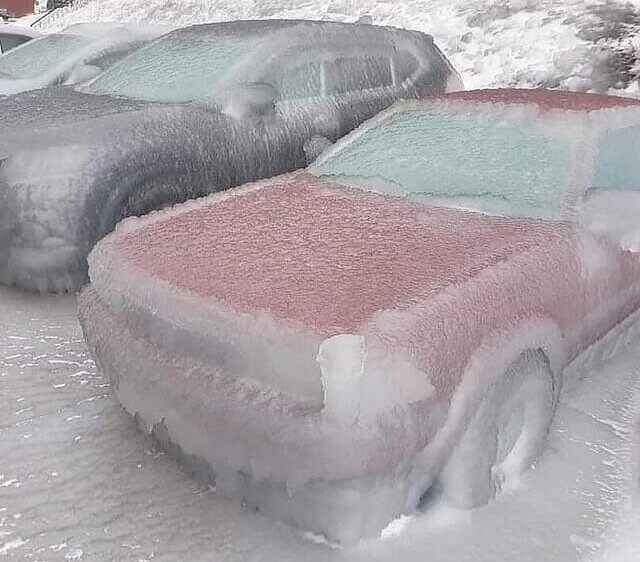
Of course, your car needs more than just an engine to operate. Your vehicle’s battery is responsible for providing the spark necessary to start the engine. Unfortunately, under cold weather conditions, batteries can lose up to 50% of their cranking power. Older batteries, on the other hand, may fail completely.
Thickened Engine Oil
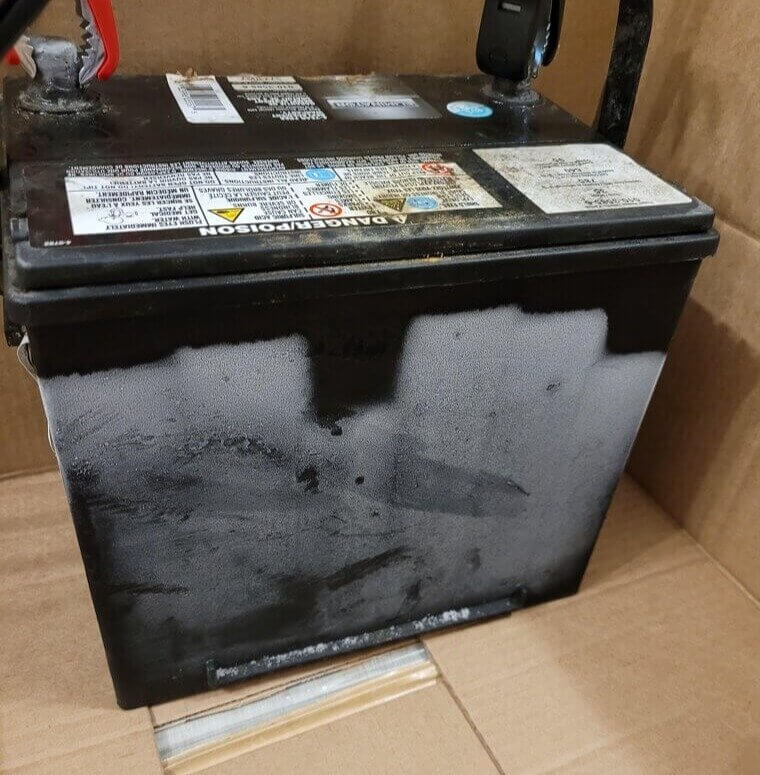
The oil in your engine is essential for many crucial functions. It lubricates the moving parts within your engine while also ensuring that it remains cool and clean by getting rid of any contaminants. This oil is typically slick, but in cold weather, it thickens into a more viscous fluid that forces the starter motor to work extra hard to warm up.

Reduced Tire Pressure
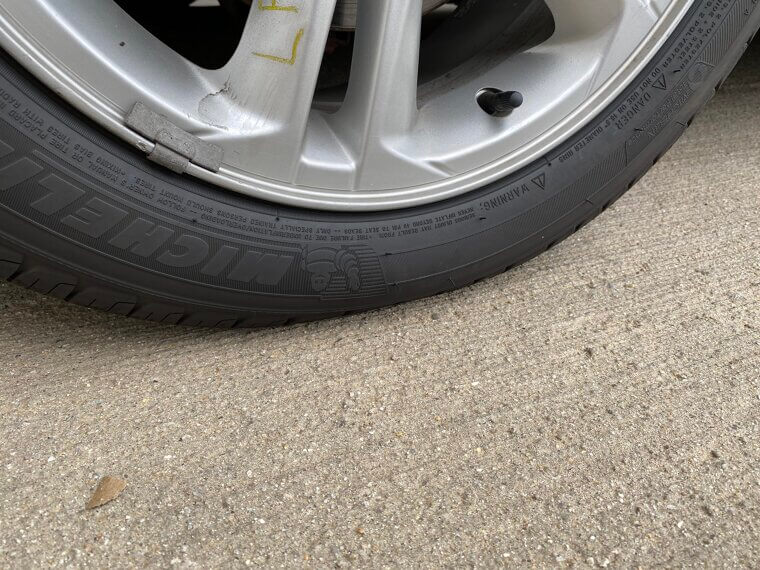
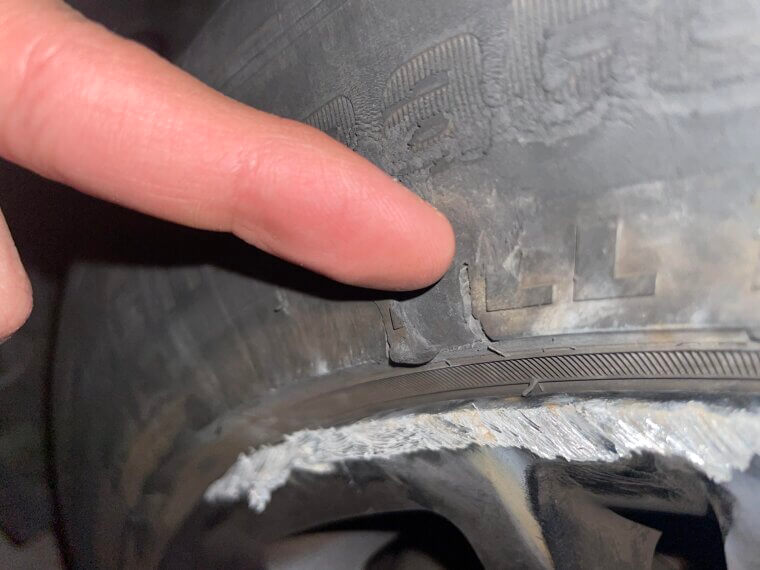
It goes without saying that you should always ensure your tires are properly pressurized. However, this is not merely to prevent blow-outs - low tire pressure can also decrease traction and throw off your vehicle’s fuel economy… which you’ll likely have to deal with come winter, since every 10°F drop in temperature actually reduces your tire pressure by 1 PSI.
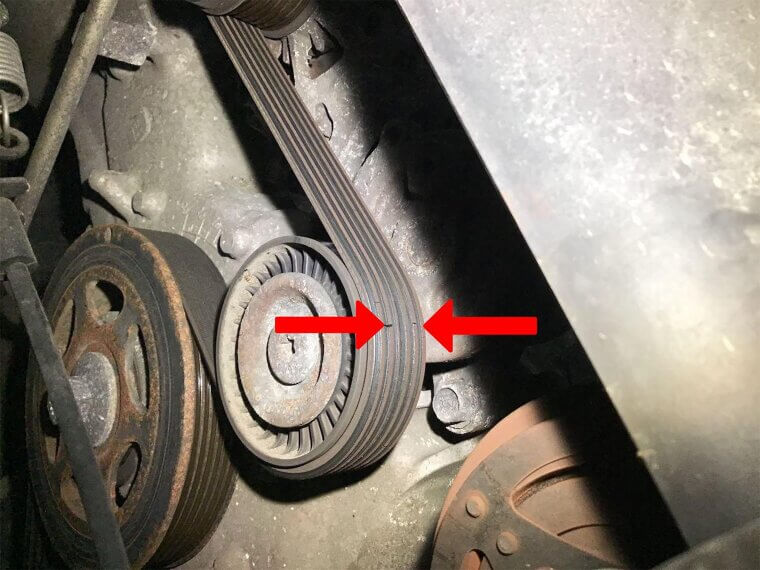
Brittle Belts
A car may seem like a simple steel death trap on wheels, but it’s actually far more complex than that. Among the many, many components that make up your vehicle, the rubber ones - such as your serpentine belt - are particularly vulnerable to cold weather, since they become stiffer and therefore much more prone to cracking and breaking.
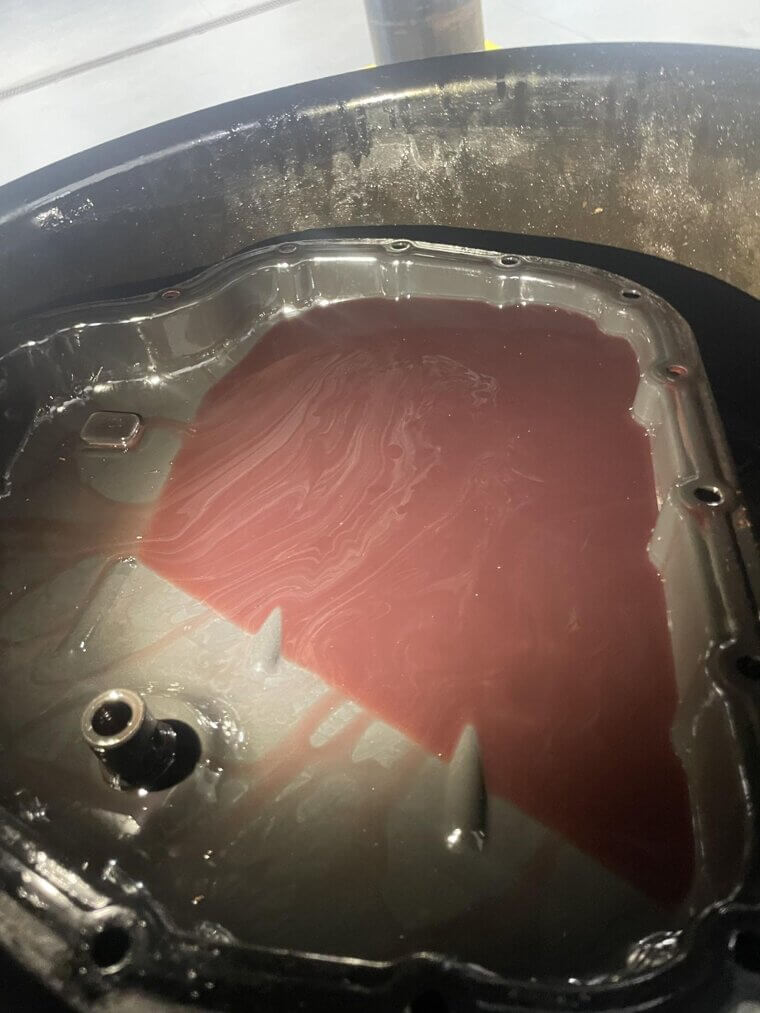
Thickened Transmission Fluid
Transmission fluid is the stuff that’s responsible for making your gearbox feel buttery smooth to handle. It’s a special type of lubricant that tends to last pretty long, typically up to 60,000 miles, before needing to be replaced. That is, unless you live in an extremely cold climate which can cause the transmission fluid to thicken, much like engine oil.
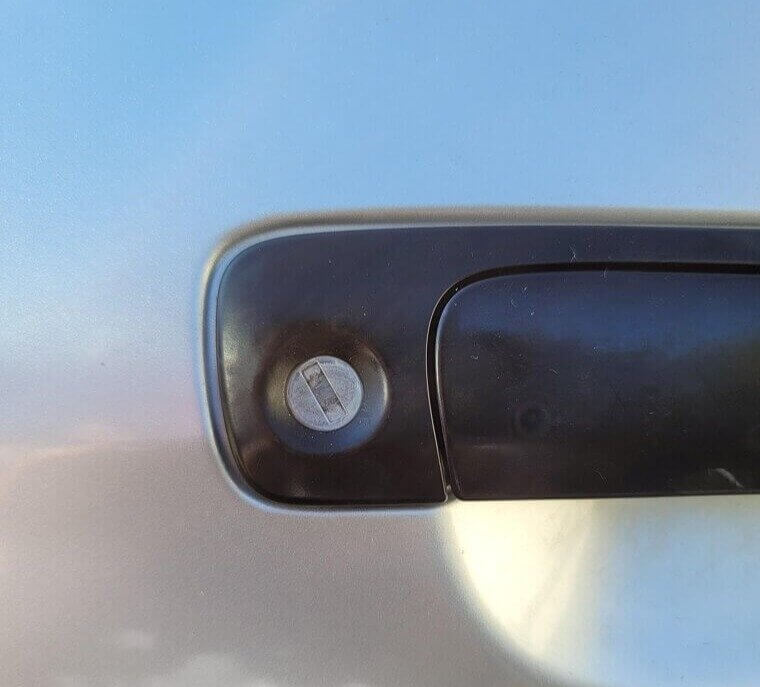
Frozen Door Locks
It’s not just the mechanical guts and organs of your car that you need to be worried about. Even components as simple and innocuous as your door locks can be affected by the cold weather, since the excess moisture can cause your lock cylinders to freeze.
Hard Starting
During the winter months, attempting to drive your car as normal becomes an exercise in futility. Though the cold weather can and will affect almost every inch of your vehicle, arguably the gravest of these components to be affected is your engine. You’ll likely have a very, very hard time getting your car started - if you manage to at all.
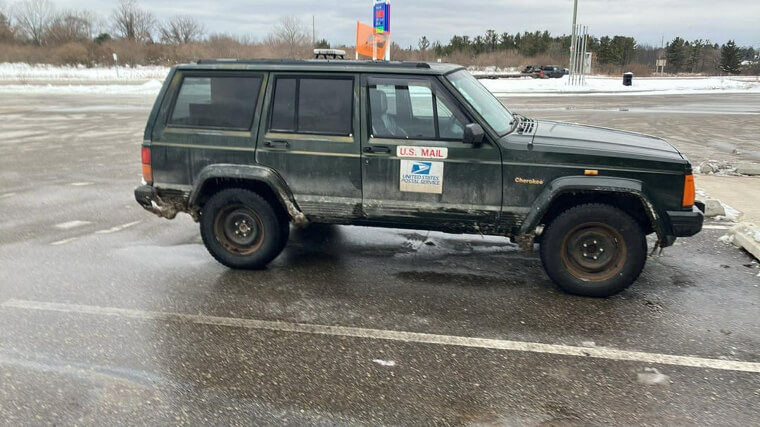
Frozen Door Seals
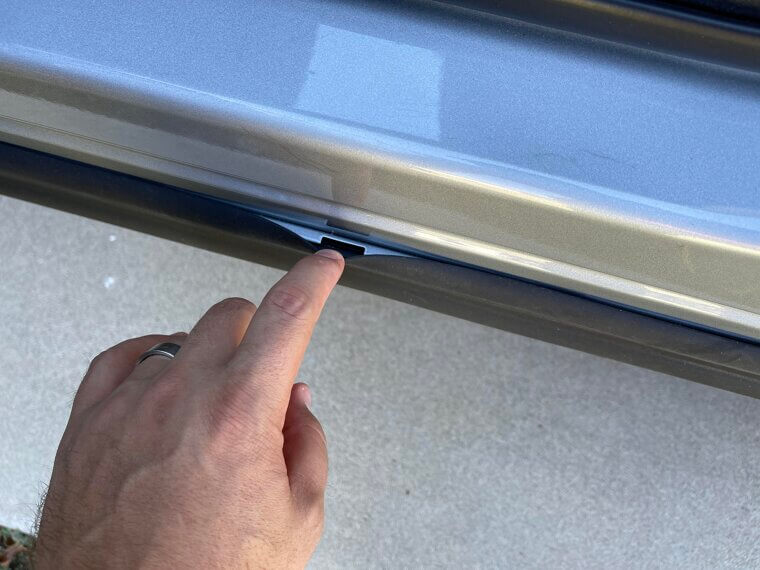
And it’s not just the locks, either! Even if you manage to jimmy your keys in and pop the lock open, the rubber seals along the edge of your car doors may also prove troublesome. They’re prone to freezing, which can prevent you from opening them, and may be damaged if you do manage to pry them open!
Reduced Defroster Efficiency
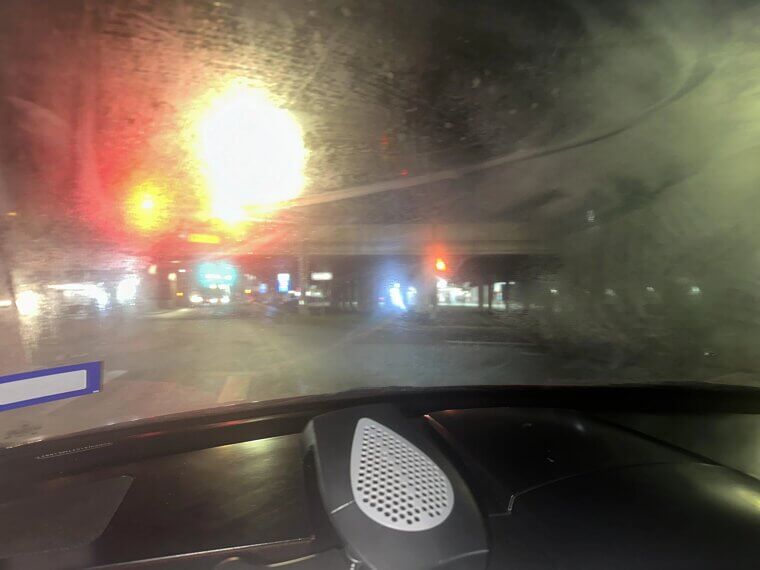
Under normal conditions, your car’s defroster can come in handy for clearing up any mist on your windshield. During the cold months, however, coolant levels lower and your car’s heating system may become ineffective, which also reduces the efficacy of your defroster and leads to poor visibility.
Cracked Windshields
Even if you park your car inside a warm and well-ventilated garage, it’s likely your windshield will still experience some degree of frosting. This can actually worsen any existing cracks or chips, while any extra heat can make the windshield become brittle and prone to shattering entirely.

Weak Windshield Wipers
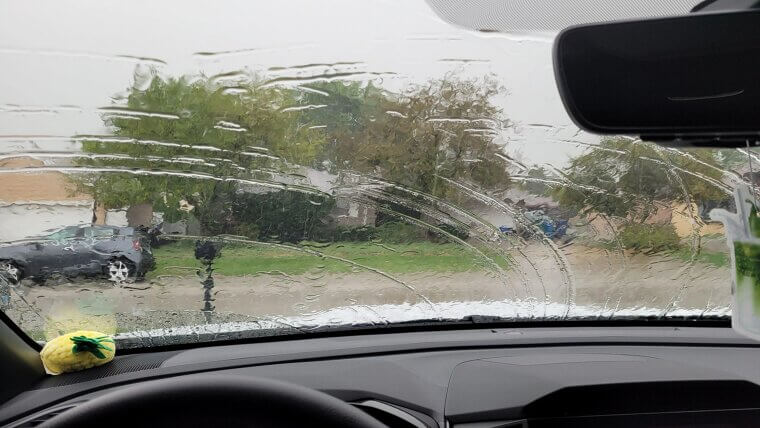
Even if you’re able to successfully combat the effects of cold weather on your windshield, you may still have to deal with a decrease in your wipers’ effectiveness. The cold weather can stiffen the blades, while also making the motor sluggish, all of which makes clearing your windshield a difficult task.
Freezing Washer Fluid
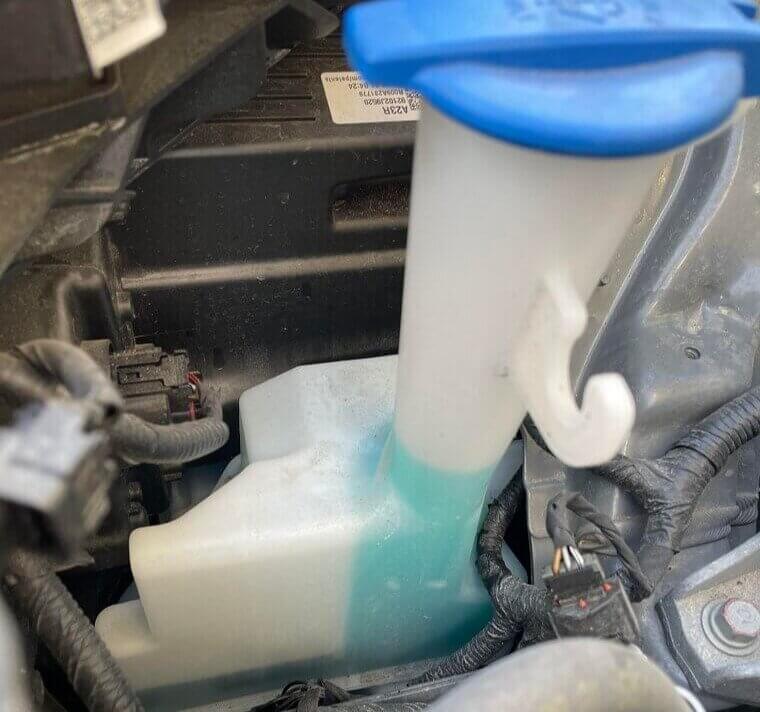
In order to combat moisture or dirt on your windshield while under cold weather conditions, you’ll need some winter-grade washer fluid. Many people make the mistake, however, of using a generic or summer-grade fluid, which may freeze in the reservoir, rendering your wipers completely useless.
Iced-Over Parking Brake
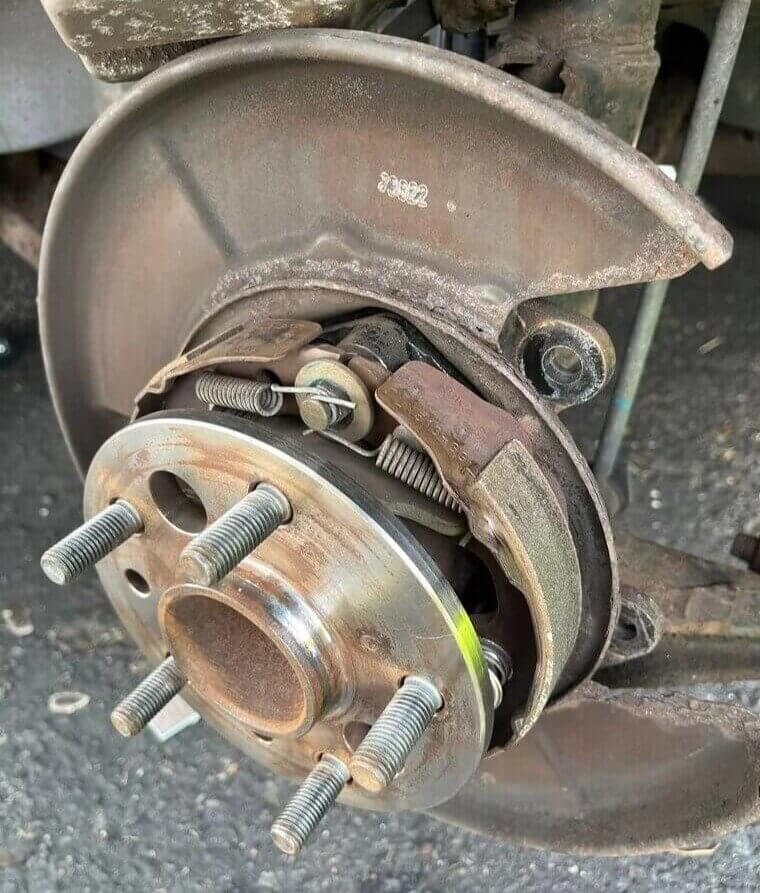
If it isn’t clear already, the cold has a way of making your driving experience an extremely painful one - even parking under cold weather conditions can cause you unnecessary headaches, since your parking brake’s cable can become frozen, locking it in place and preventing you from taking off.
Salt Corrosion
Rust is something your car will battle against all year round, not just during the winter months. That being said, the salt on the road (caused by cold weather conditions) can actually accelerate the rust already building on your undercarriage, brake lines, and exhaust systems.

Reduced Tire Traction
We’ve already discussed how cold weather conditions can cause your tires to lose pressure, but that’s not the only thing you’ll have to worry about. Cold temperatures also harden the rubber, which reduces their grip even on completely dry roads. For this reason, it’s a good idea to invest in some winterized tires.
Frozen Radiator or Coolant
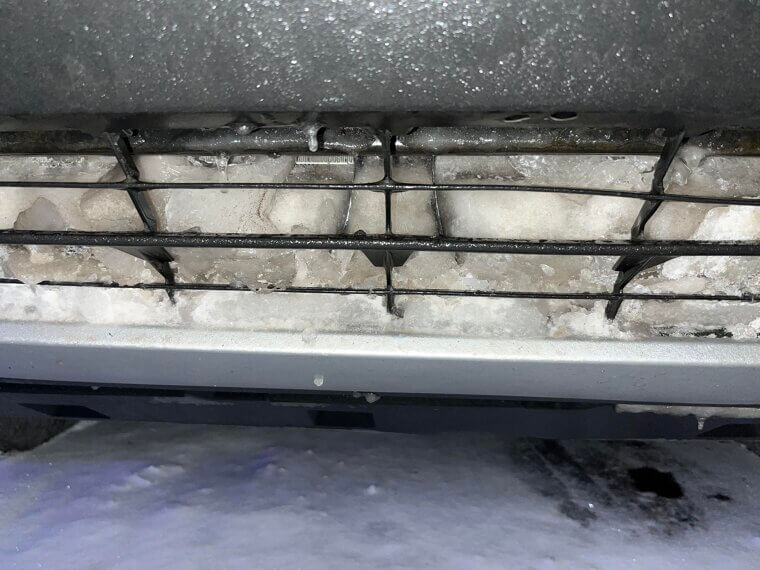
Your car’s radiator is essential for keeping your engine sufficiently cool, but it can’t do it alone. You’ll need some antifreeze to keep it functional, but using too little can cause it to freeze and eventually crack.
Struggling Alternator
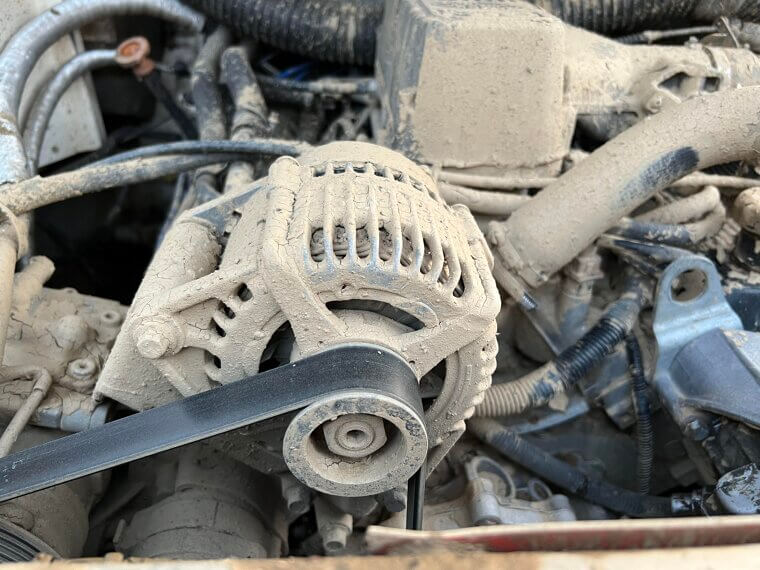
Your car’s alternator is what transforms the vehicle’s mechanical energy into electrical energy, thereby charging the battery and powering every electrical system in your car - from the lights to the radio - while your engine runs. Needless to say, it’s a pretty vital component, but one which is also weak to cold weather conditions which thickens the lubricants in the alternator’s bearings, and forces it to work harder.
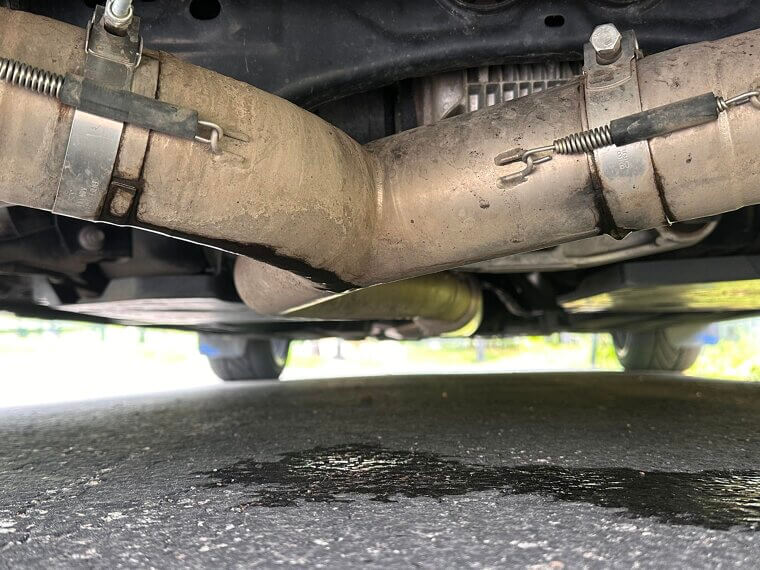
Exhaust Condensation Buildup
Even if you only plan on making very short trips in your car during the winter months, there’s still a risk to your vehicle’s exhaust system. Specifically, rust builds up more quickly, while the muffler can potentially become frozen.
Sensor Malfunctions
Most modern cars feature a plethora of electrical sensors and doohickeys, all of which are highly susceptible to the effects of cold weather. The cold has a way of triggering these sensors prematurely, leading to temporary errors and forcing you to contend with excessive warning lights.