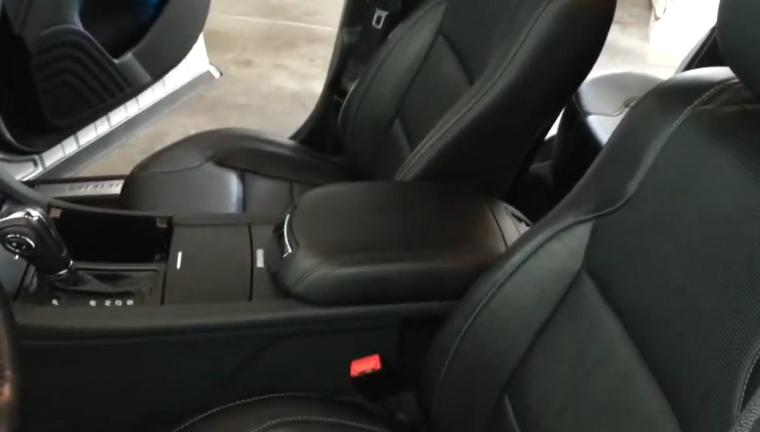
Jeep Wrangler (JK) (pre-2011)
Wrangler fans will defend the exterior until the end of time, but even they admit the JK’s pre-2011 cabin felt like it was designed by someone who thought comfort was optional. The interior is rugged… if it’s defined as “spartan enough to make camping gear look fancy.” The plastics are tough, scratchy, and mostly indifferent to your feelings. Owners joked it was like sitting in a durable shipping crate with cup holders.
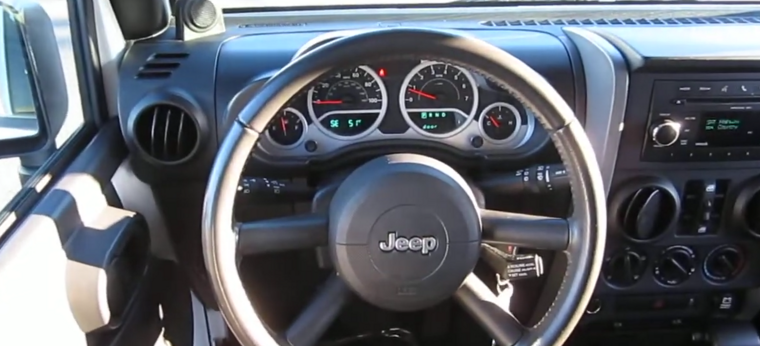
Chevrolet Spark (early Generations)
The early Chevy Spark’s interior felt like it had big dreams but a very small allowance. There was plastic everywhere - the kind that sounded hollow enough to echo your regrets - and controls that looked like an ’80s toy robot. Owners often joked it felt like driving inside a brightly colored lunchbox. Still, there was a quirky charm buried in there if you squinted, tilted your head, and imagined ambience. Mostly, though, it left folks longing for something less… kindergarten chic.
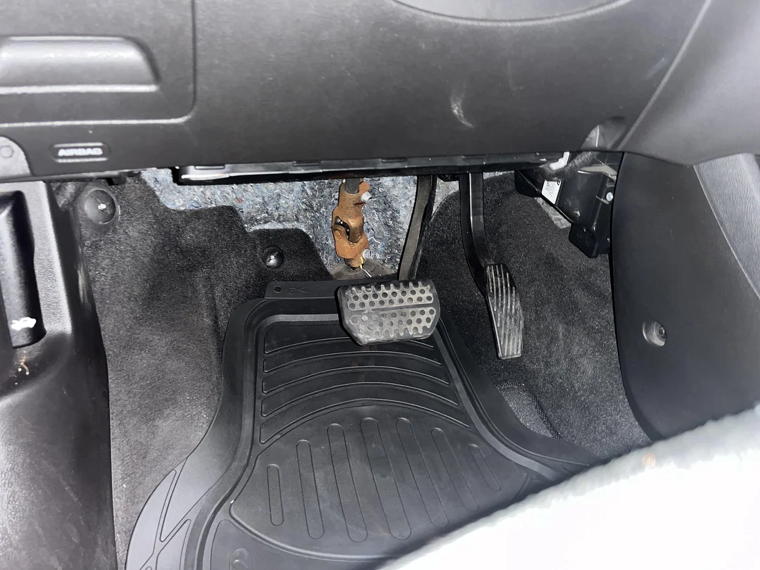
Dodge Caliber (2007-2012)
Sliding into a Dodge Caliber’s cabin was a bit like entering a room someone forgot to finish. The panels rattled like they were trying to communicate in Morse code, and the dashboard plastics somehow managed to be both dull and shiny at the same time (a talent, just not a flattering one). Owners frequently described the vibe as “rental car on its worst day,” with ergonomics that felt chosen at random. It wasn’t hostile, exactly… just oddly noncommittal.
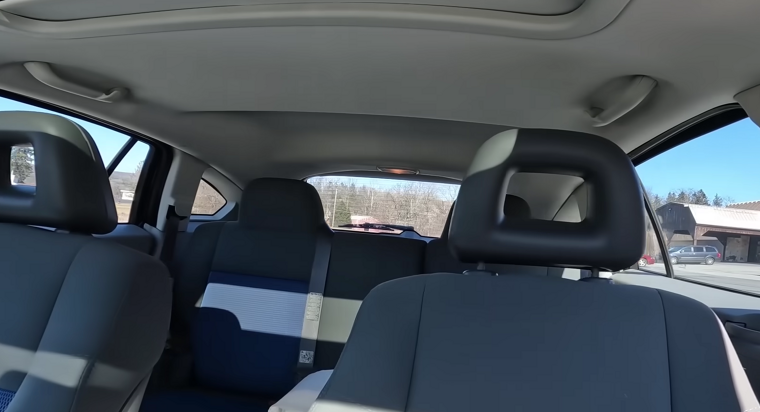
Mitsubishi Mirage (2014-Present)
The Mirage’s interior is infamous for doing the absolute bare minimum, and doing it with the confidence of a cat that knocked your cup off the counter. Sparse materials, a featherweight build, and knobs that feel like they’re auditioning for a puppet show… they all add up to a cabin that many owners say lacks both comfort and charisma. You don’t sit in the Mirage so much as perch inside it, hoping nothing creaks at the wrong moment.
Chevrolet Aveo (T200, Mid-2000s)
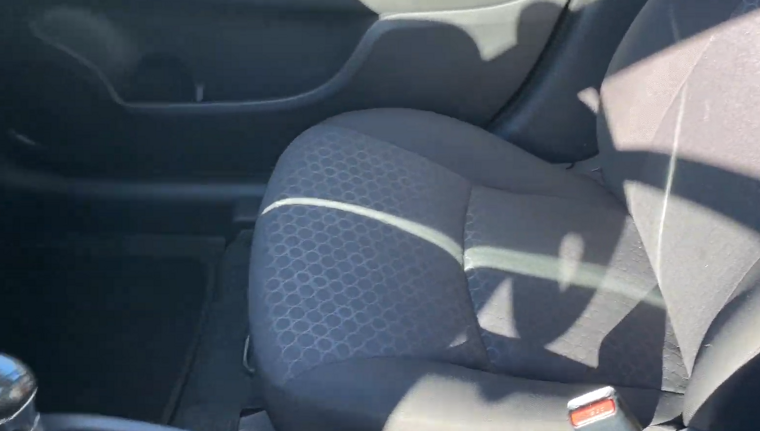
If the Aveo’s interior had a motto, it might be: “Function over fun (and maybe over comfort, too.)” The T200 generation became notorious for its hard plastic expanses, each panel sounding like it might double as a percussion instrument. The seats offered the emotional support of a folding chair, and the design language felt oddly surprised to be in a car at all. Owners often described it as durable but depressing, the sort of place where dreams of better cabins were born.
Nissan Versa (1st Generation)
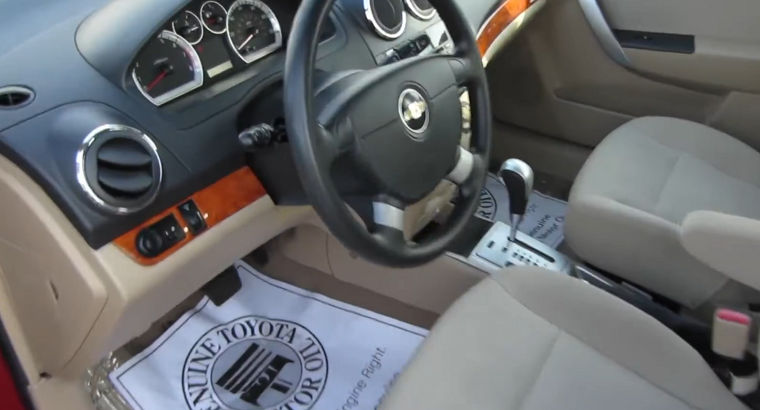
The first-gen Versa had space - tons of it - but somehow still felt like a budget motel lobby that hadn’t been updated since dial-up internet. The materials gave off “cost-cutting chic,” and the textures seemed chosen specifically to challenge your sense of optimism. The layout was fine, technically, but owners mentioned that it felt like Nissan started designing an interior, got distracted, and just… sent it to production. Still, it was practical, even if it wasn’t exactly poetry in plastic.
Suzuki SX4 (2007-2013)
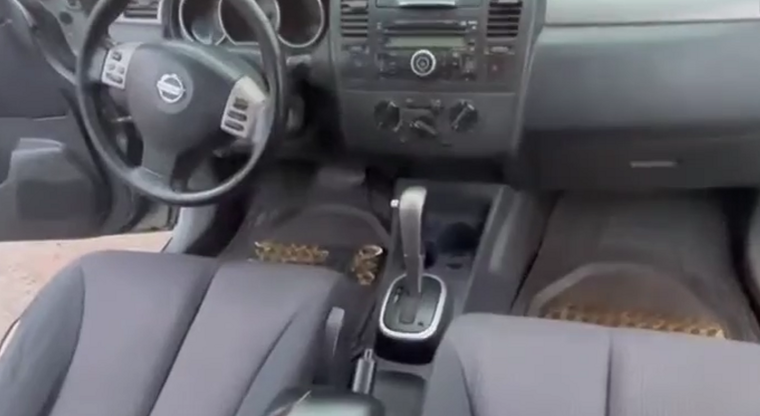
Owners of the SX4 compared the cabin to stepping into a refrigerator that had ambitions of being a car. There’s a chill plainness to everything - hard plastics, echoey panels, and a dashboard design that seems like it was sketched during someone’s lunch break. The layout technically works, but never really sings. It’s the culinary equivalent of plain toast: reliable but uninspired. Still, the SX4 is earnest in its simplicity, even if it leaves you craving a little flavor.
Dodge Avenger (2008-2014)
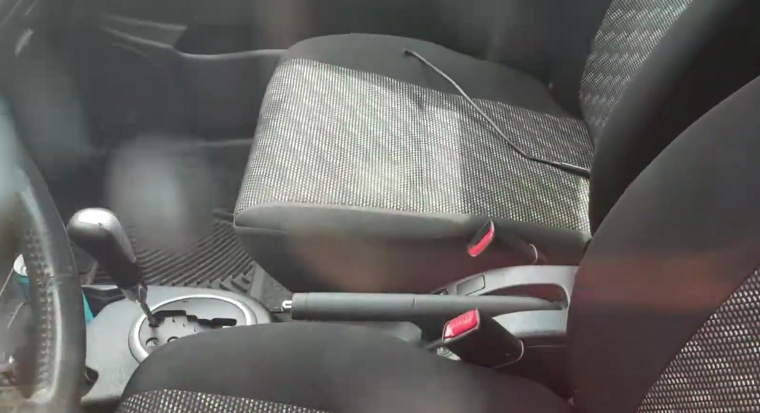
The Avenger’s interior was known for feeling like it was assembled on a Friday afternoon, right when the team’s minds were already on weekend plans. Panels didn’t just misalign; they flirted with creative geometry. The plastics had all the warmth of a tax office, and owners joked that the steering wheel felt like it was carved out of sadness. Still, the Avenger looked tough on the outside… you just had to pretend the cabin wasn’t quietly sighing at you.
Toyota Yaris (1st Gen, 2005-2011)
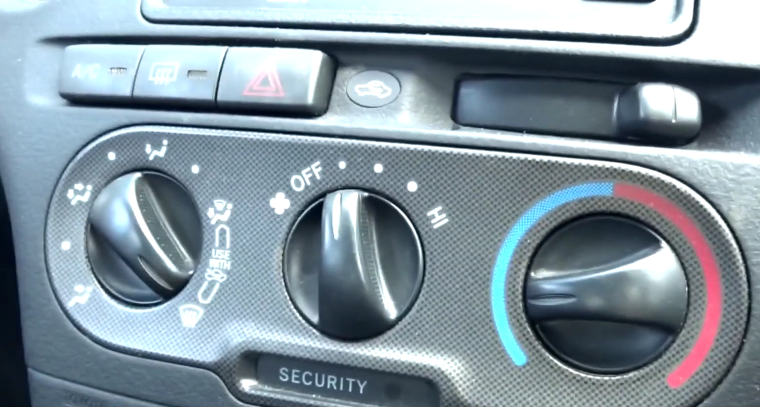
Step inside the first-gen Yaris and you’re greeted by a dashboard that sits dead-center like it’s trying to avoid choosing sides. The materials were utilitarian, with textures that could double as exfoliators if you rubbed too hard. Owners opined that the cabin was designed for maximum quirk and minimum comfort, like a minimalist art piece that never got a curator. Still, the Yaris’s interior has a certain cheerful stubbornness - it knows it’s simple, and embraces that.
Chrysler 200 (2011-2014)
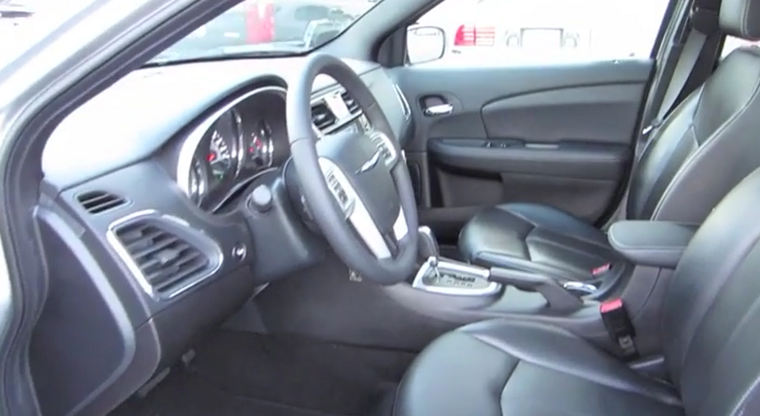
The early Chrysler 200’s interior often felt like it wanted to be a luxury lounge but only had the budget for a community center. The plastics were unintentionally glossy, and the layout seemed slightly confused about its own identity. Owners complained about squeaks, rattles, and seats that felt deeply ambivalent about long drives. It wasn’t a disaster; just persistently underwhelming, like the automotive equivalent of a shrug.
Chevrolet Sonic (first Generation)
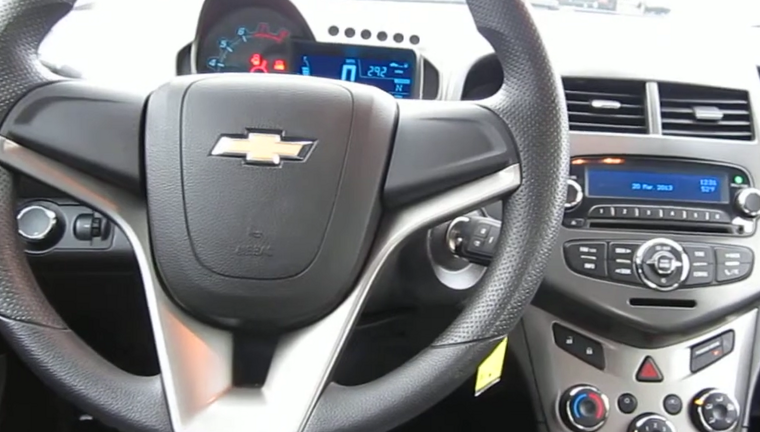
The first-gen Sonic had a dashboard that looked like it was inspired by a gaming console from the bargain bin - bold, but not always in the way owners hoped. The mix of angles, textures, and plasticky enthusiasm made the cabin feel a bit like a teenager’s DIY bedroom makeover. Some loved the quirk; many felt it tried too hard. The gauges were cool, though, even if the surrounding materials seemed to mutter, “We did our best.”
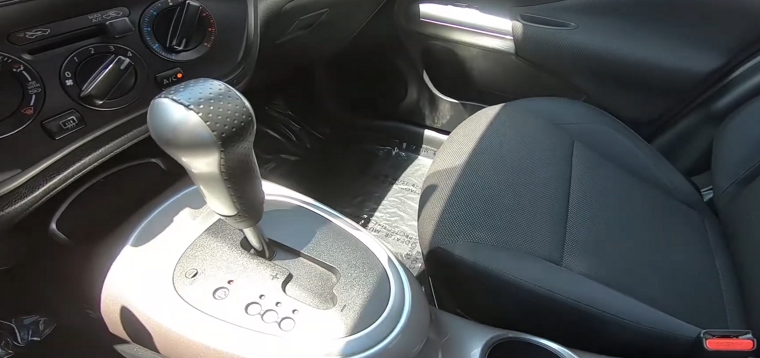
Nissan Juke (2011-2013)
Ah, the Juke, a car that dressed its interior like it was heading to a costume party. The center console’s glossy “motorcycle tank” styling got applause from some but side-eye from many. Add in plastics that felt just slightly sticky to the touch and you had an interior that was… memorable. Owners remarked how it looked futuristic but felt discount-bin. Still, there’s an undeniably playful heartbeat in there, like the car is trying to cheer you up even when the materials won’t.
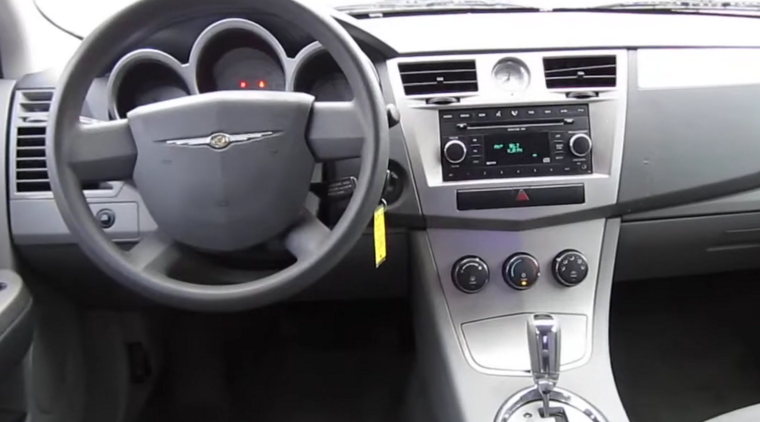
Chrysler Sebring (2007-2010)
Step into the Sebring and you’re immediately greeted by a cabin that whispers, “We had a deadline.” The interior plastics were so famously low-rent that owners joked they could hear them aging. The layout felt dated the day it launched, with shapes and seams that rarely lined up, like old coworkers who never really liked each other. Even the steering wheel seemed a little embarrassed. But underneath all that, the Sebring meant well… it just never quite stuck the landing.
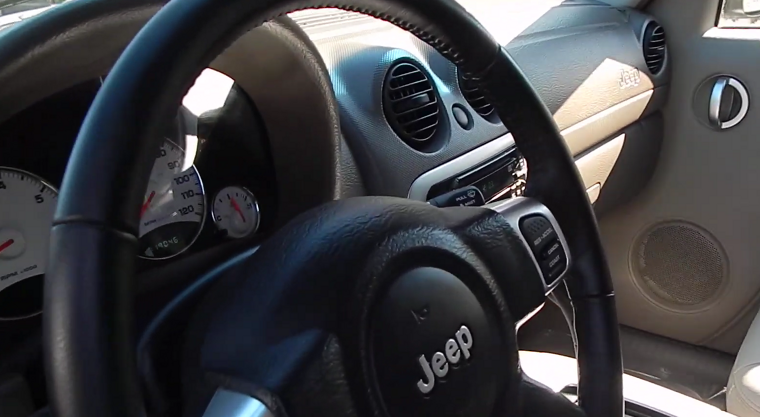
Jeep Liberty (2002-2012)
The Liberty’s interior had the charm of an off-brand toolbox: sturdy, but unbothered by concepts like refinement or softness. Owners often described it as “aggressively functional,” with plastics that looked carved from recycled picnic tables. The switchgear felt like it might survive a minor earthquake, even if it didn’t always feel nice to the touch. It wasn’t trying to impress anyone; it simply existed, rugged and unapologetically bland.
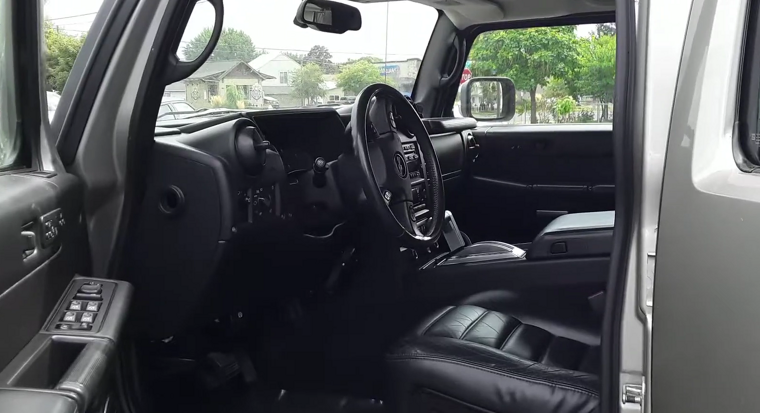
Hummer H2 (2002-2009)
For a vehicle that strutted around like a celebrity bodyguard, the H2’s interior felt oddly… borrowed. Drivers famously complained that it looked like GM raided a parts bin from cheaper models and hoped no one would notice. The dashboard was massive but strangely plain, and the plastics felt like they were chosen because they were “good enough.” The cabin wanted to shout luxury but mostly managed a gruff mumble.
Chevrolet Malibu (2004-2007)
The mid-2000s Malibu interior felt like it was designed by someone who’d only seen car cabins described in text form. The plastics were famously drab, the shapes oddly lumpy, and the whole layout seemed to quietly apologize for itself. Owners said it felt like a space where someone would whisper, “We’ll renovate next year,” and then never follow through. It wasn’t offensive, just forgettable in a way that almost took effort.
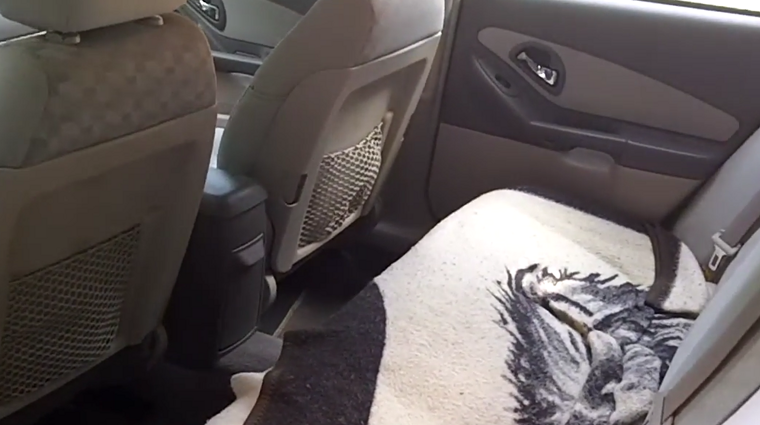
Pontiac Sunfire (1995-2005)
The Sunfire’s cabin was a time capsule of ’90s bravado wrapped in materials that aged faster than a discount banana. The dashboard swooped dramatically, but the textures made it feel like a theme park ride that needed maintenance. Drivers remarked that the plastics could shatter if you sneezed too hard, and the panel gaps sometimes looked ready to draft their own escape plan.
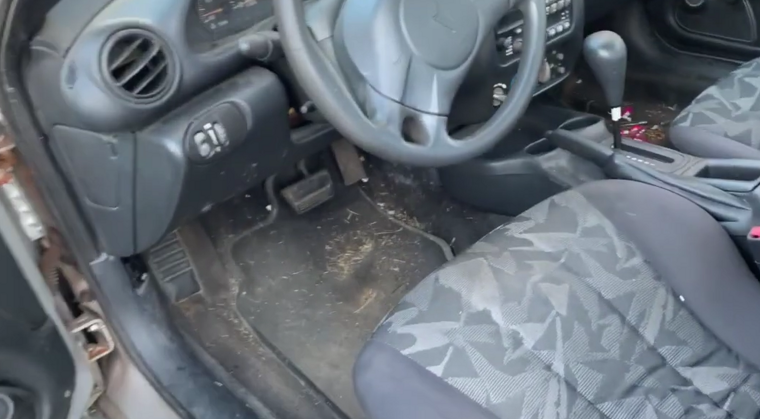
Subaru Tribeca (2006-2014)
The Tribeca’s interior was bold, strange, and destined to confuse people. That swooping center stack looked like someone melted a sculpture and decided it was modern art. Owners were split: some admired its ambition, while others felt they had landed inside an avant-garde toaster. The materials were decent, but the layout made the cabin feel cramped despite its size. It’s the kind of interior you remember… though half the time you’re not sure why.
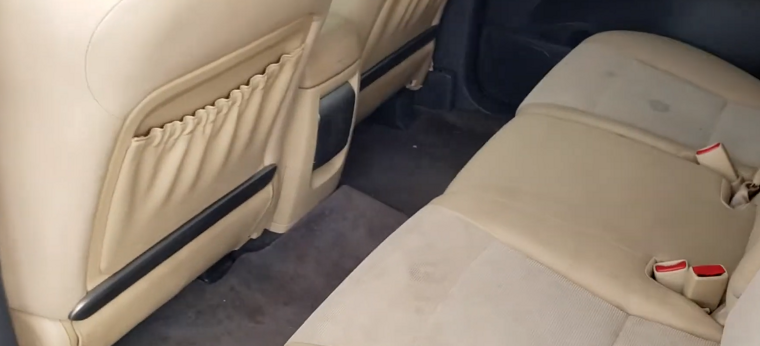
Ford Fiesta (early-To-Mid 2000s Versions)
If you ever wanted to know what it felt like to sit inside a novelty alarm clock, the early 2000s Fiesta is ready to educate you. Buttons everywhere, textures that felt busy just for sport, and plastics that didn’t attempt subtlety in any form. Owners said it looked energetic but felt flimsy, like it drank too much caffeine and jittered itself into existence. Still, it had a friendly (if chaotic) personality.
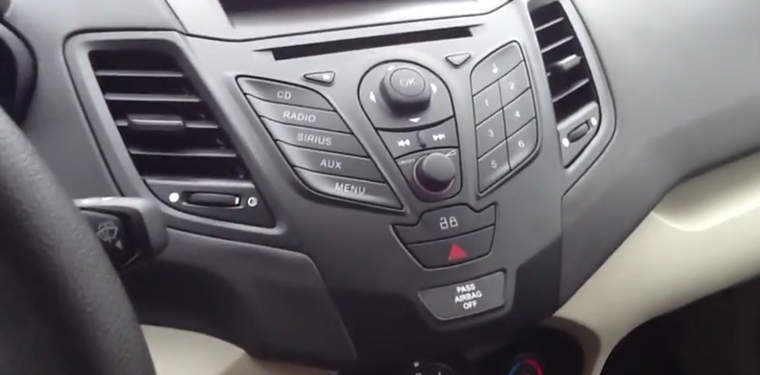
Ford Taurus (pre-2019 Models)
While later models improved dramatically, the older Taurus interiors were beige in spirit even if they weren’t beige in color. The cabin felt like it was designed by a committee that only met at 6 a.m., Panel gaps wandered like they were sightseeing and the materials seemed chosen for durability rather than delight. Owners often described the vibe as “government fleet energy” - functional but utterly uninspired.