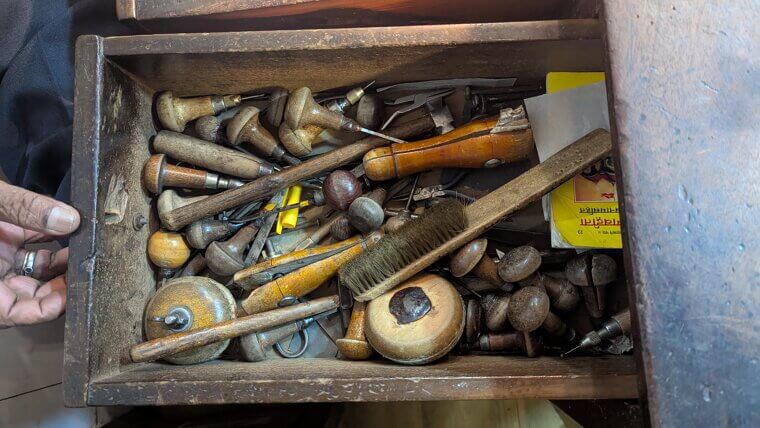
Topping up Coolant With Plain Water
Grabbing plain water to top up coolant feels harmless, especially when the level looks low. Younger drivers often do it to get back on the road fast, not realizing coolant is about more than temperature. It also protects against corrosion, lubricates components, and handles freezing and boiling extremes. Water dilutes those protections. It might work for a short drive, but repeated top ups can lead to overheating, rust, and expensive cooling system repairs later down the line for many owners.
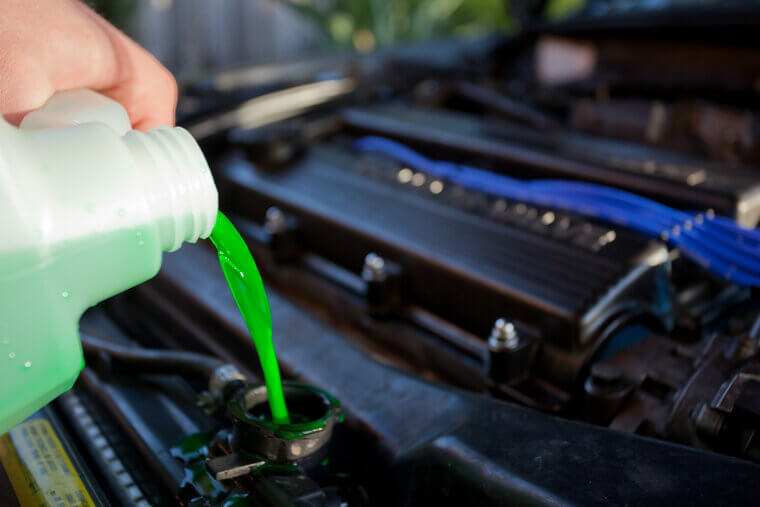
Over‑tightening Wheel Nuts
Young drivers often assume firmer is always better, but cranking wheel nuts with all your strength can warp brake rotors and damage studs. It’s one of those small mistakes that snowballs into expensive repairs. A torque wrench may not feel “DIY‑hero” enough, but it’s the difference between safe wheels and a vibrating steering wheel at 60 mph.
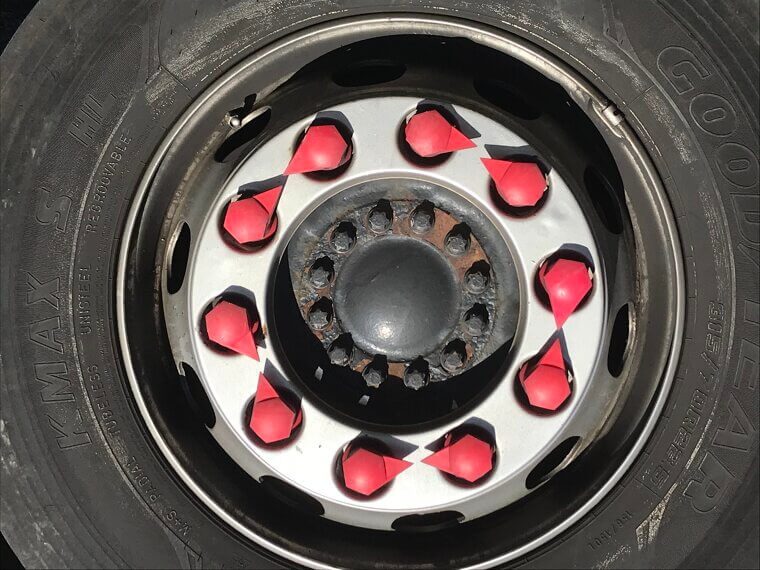
Using the Wrong Engine Oil
Choosing oil by whatever’s cheapest on the shelf is a classic rookie move; engines rely on the correct viscosity to stay healthy, and using the wrong type can cause rough running or long‑term wear. This is a simple oversight that feels harmless until the engine starts sounding like it’s clearing its throat.
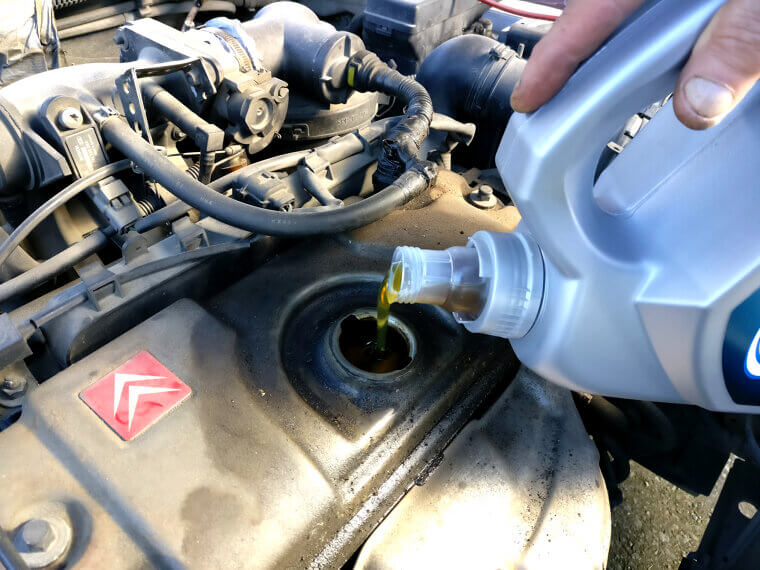
Ignoring Torque Specs
“Hand‑tight” isn’t a measurement, but many new drivers treat it like one. Skipping torque specs can lead to loose bolts, warped parts, or stripped threads. It’s a confidence‑driven shortcut that backfires fast. Manufacturers publish those numbers for a reason, even if they seem annoyingly precise.
Mixing up Brake Fluid Types
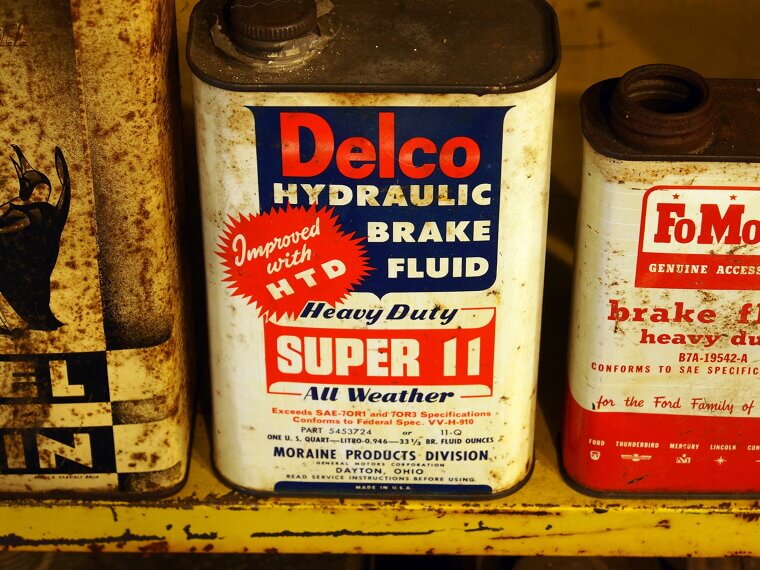
Brake fluid isn’t interchangeable, but young DIYers sometimes treat it like topping up washer fluid - big mistake! Mixing DOT 3 and DOT 4 can cause spongy brakes or internal corrosion. It’s a tiny label detail that makes a huge difference in stopping power - and in avoiding a very tense moment at a red light.
Jack‑stand Misuse
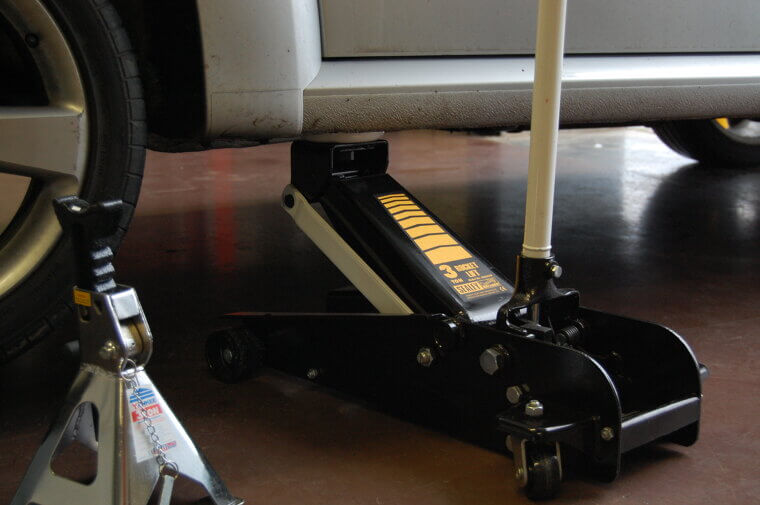
Improvising with the wrong lifting points or skipping jack stands is a mistake experts see far too often. Cars are incredibly heavy, and gravity doesn’t give second chances. What starts as a simple repair can become genuinely dangerous in seconds. Using proper lifting gear isn’t an optional extra - it’s the basic safety foundation every DIY mechanic needs.
Disconnecting the Battery Incorrectly
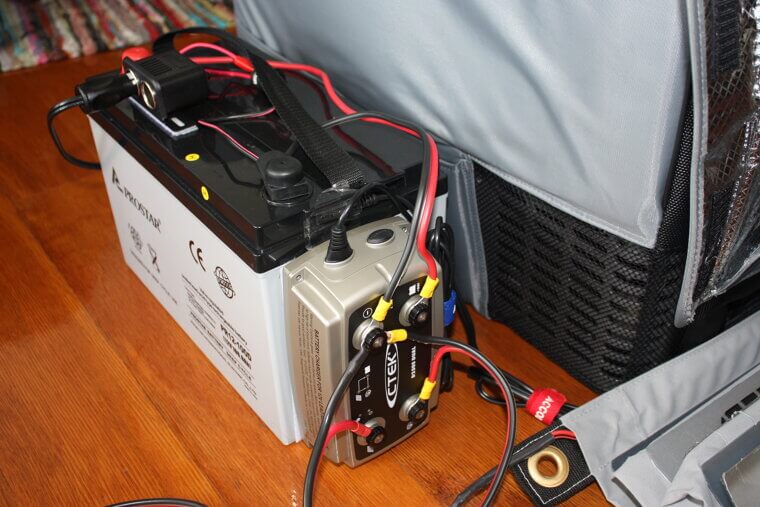
Pulling the positive terminal first might seem harmless, but it can easily create sparks that damage sensitive electronics or make a startled DIYer drop a wrench. It’s a classic rookie electrical mistake that’s completely avoidable by disconnecting the negative terminal first. Following the proper order may feel minor, but it prevents a whole lot of unnecessary drama.
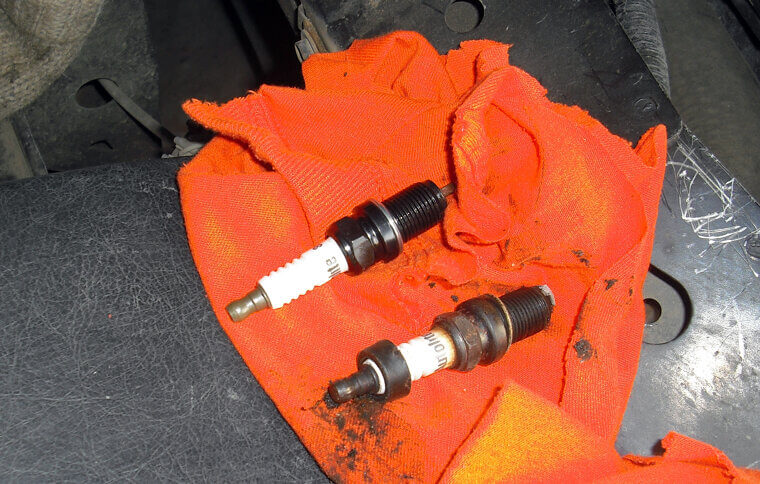
Cross‑threading Spark Plugs
Spark plugs require finesse, not force. Young drivers sometimes rush the job, turning a simple tune‑up into a cylinder‑head nightmare. Cross‑threading is a classic haste error that leads to costly repairs. Starting threads by hand is slower, but far cheaper than fixing stripped aluminum.
Using Cheap No‑name Parts
Budget parts can be tempting, especially when money’s tight. But bargain‑bin brakes or suspension components rarely perform well. This is a false‑economy choice that often ends with premature failures or unsafe handling - spending a little more upfront usually saves a lot later, so don’t be afraid to spend some cash!
Overfilling Engine Oil
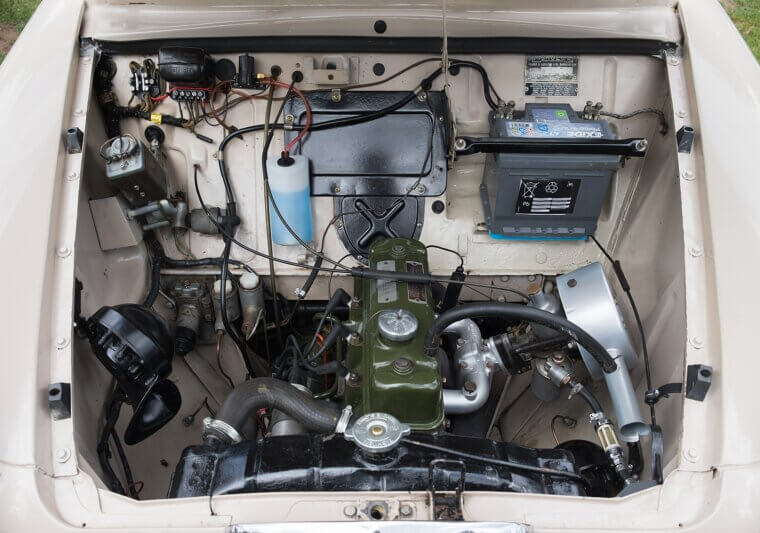
More oil doesn’t equal more protection, even though many young DIYers assume it does. Overfilling can lead to foaming, pressure spikes, and messy leaks that create bigger problems than the ones they were trying to prevent. So, this is a well‑meant mistake rooted in wanting to care for the engine, but the dipstick’s guidance is there for a reason.
Under‑tightening Drain Plugs
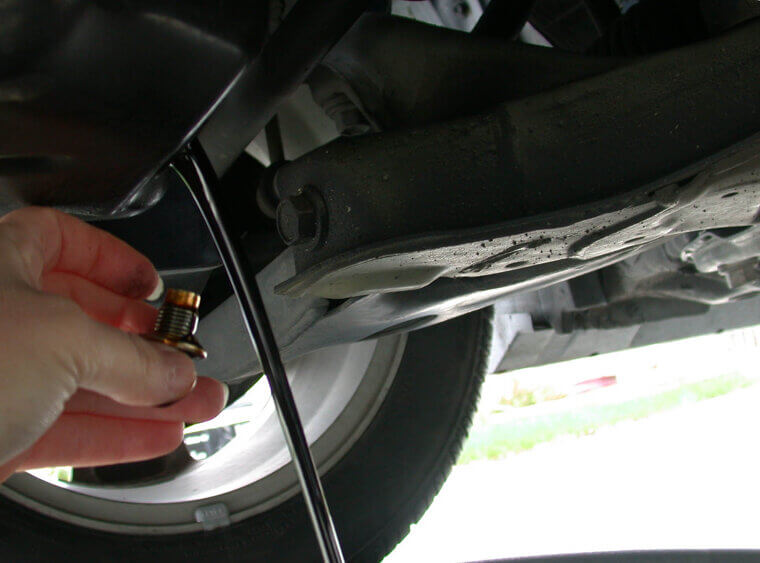
Finishing an oil change and forgetting to fully tighten the drain plug is a rite of passage for many young DIYers. A slow leak can quietly drain the engine dry. It’s a tiny oversight with massive consequences. Double‑checking torque saves engines - and pride!
Spray‑painting Body Panels at Home
A can of spray paint feels like a quick fix, but uneven coats, mismatched colours, and overspray are almost guaranteed. It’s a DIY enthusiasm trap that leaves the car looking worse than before. Bodywork is one area where professionals really do earn their keep.

Incorrect Jump‑start Polarity
Mixing up positive and negative leads is surprisingly easy, especially when you’re working in dim lighting or rushing through a jump‑start. One wrong connection can instantly blow fuses or even damage the alternator, turning a simple task into a costly repair - it’s a split‑second mistake, and taking an extra moment to double‑check is always worth it.

Replacing Brake Pads Without Greasing Hardware
Skipping the slide‑pin grease or anti‑squeal compound is a common oversight. The brakes will technically work, but they’ll squeal, drag, or wear unevenly. It’s a half‑done repair that creates more problems than it solves. A little grease makes a big difference, so don’t be afraid to get your hands a little dirty!
DIY Headlight “restoration” With Toothpaste
Toothpaste might make headlights look clearer for a day, but it actually scratches the plastic and speeds up yellowing. It’s one of those viral hacks young drivers love to try, only to regret it later. Proper restoration kits exist for a reason, offering longer‑lasting results without the hidden damage - and without the strange minty scent.

Using Sealant Instead of Fixing a Gasket
Slathering sealant on a leaking gasket can feel like a clever shortcut, especially when you’re trying to save time or avoid a bigger job. But that thick layer often clogs passages, creates new leaks, or makes the eventual repair even messier. It’s a quick‑fix impulse that almost never ends well. Replacing the gasket properly takes longer, but it’s the only solution that truly lasts.
Cutting Springs to Lower the Car
Lowering a car with an angle grinder might look impressive on social media, but it completely ruins handling and safety. It’s the kind of style‑over‑sense decision experts warn young drivers about again and again. Cutting springs may seem like a quick way to achieve that low look, but proper lowering springs exist for a reason - and they won’t make the car bounce like a trampoline.
Installing Aftermarket Electronics Poorly
Messy wiring, loose connections, and overloaded circuits are common when young drivers add stereos or lights. It’s a tangled‑wire problem that can drain the battery or even cause fires. Clean wiring isn’t glamorous, but it’s essential.

Ignoring Torque Sequence
Whether you’re tightening wheels or engine components, the sequence genuinely matters. Ignoring the recommended pattern can warp parts, create uneven pressure, or lead to leaks that don’t show up until much later. This is a pattern‑blind mistake that feels harmless in the moment but often ends in frustration.
Using Household Tools Instead of Automotive Ones
Pliers, butter knives, and random screwdrivers aren’t substitutes for proper tools. Young drivers often improvise, only to strip bolts or damage parts. It’s a makeshift‑tool habit that leads to frustration. The right tool really does make the job easier.