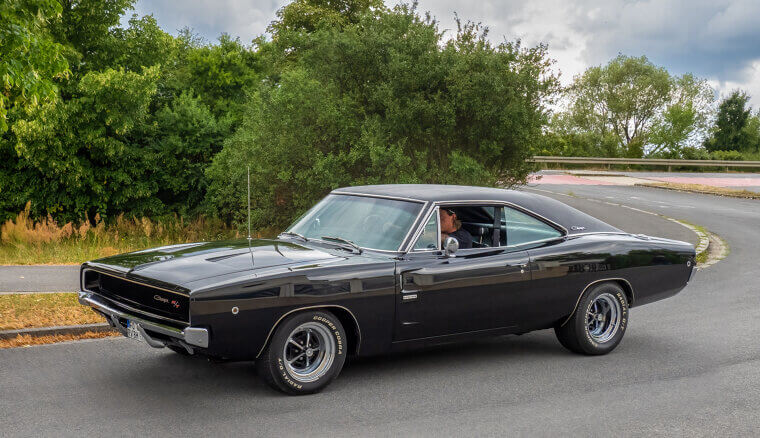
Dodge Caliber
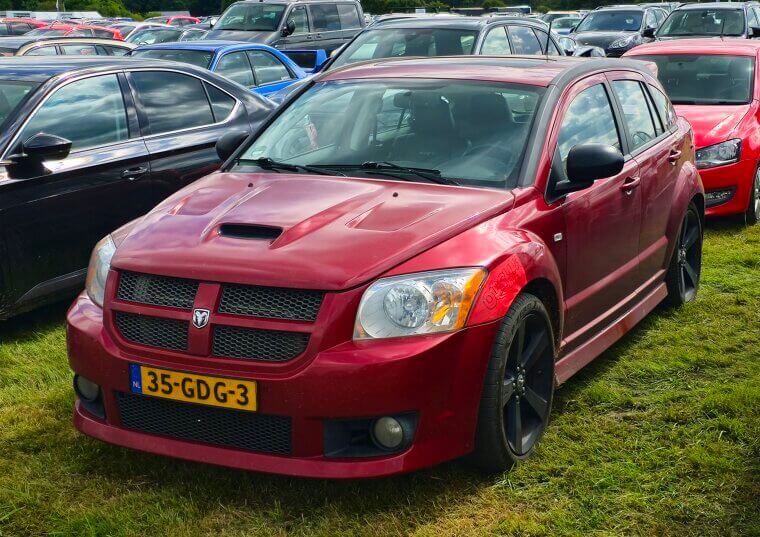
The Dodge Caliber is one of those cars people bought with hope in their hearts and practicality on their minds, only to discover that neither quite worked out. On paper, it promised a unique style, hatchback versatility, and decent fuel economy. In reality, owners often found themselves battling a droning CVT, an interior that felt like it was built from recycled lunch trays, and performance that never quite matched its sporty looks. The Caliber wasn’t terrible so much as it was underwhelming, leaving many drivers wishing they’d stretched their budget just a little further for something a little more refined.
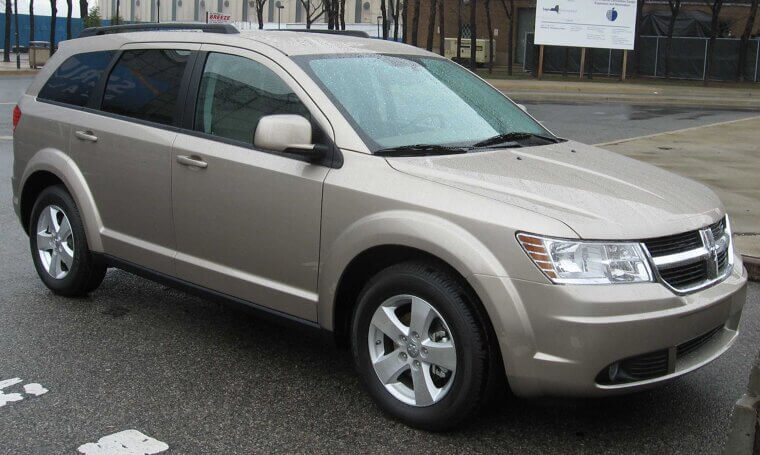
Dodge Journey
The Dodge Journey had all the ingredients to be a family favorite: three rows, a friendly price tag, and that familiar Dodge badge. But once the new‑car smell faded, many owners realized they’d essentially bought a time capsule from the late 2000s. The outdated platform, sluggish engines, and unimpressive safety scores didn’t age gracefully. Even the interior tech felt like it was trying its best but never quite caught up.
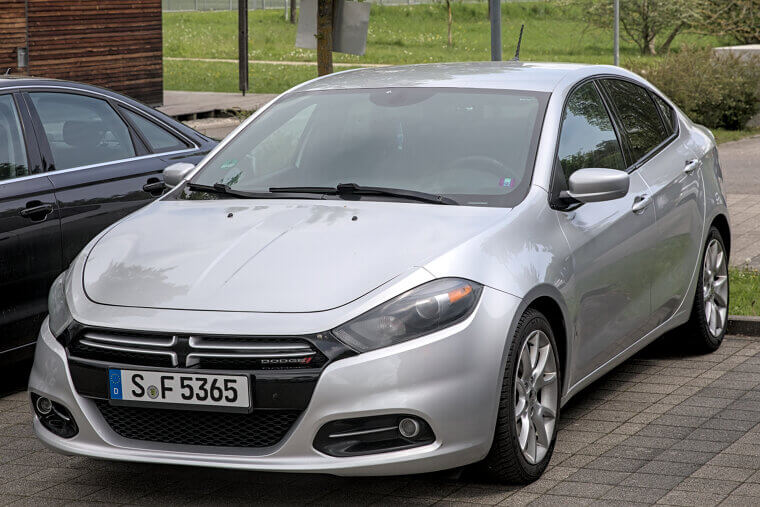
Dodge Dart
The Dodge Dart arrived with big expectations, marketed as the stylish comeback of a compact sedan with attitude. Unfortunately, the reality didn’t match the hype. Owners frequently ran into transmission quirks, underpowered engines, and resale values that dropped faster than enthusiasm at a Monday morning meeting. The Dart wasn’t without appeal - it handled decently and looked sharp - but it never found its footing in a crowded segment. Many buyers walked away wishing Dodge had spent a little more time polishing the mechanicals instead of the marketing, leaving the Dart as a car people wanted to love, but couldn’t quite commit to.
Dodge Avenger
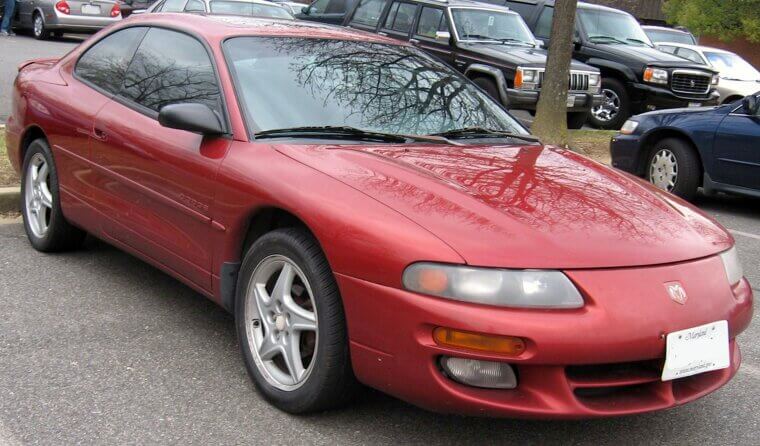
The Dodge Avenger always looked tougher than it drove, which became part of the problem. Its muscular styling suggested a bold, confident sedan, but behind the wheel, owners often found coarse engines, dated interiors, and reliability that felt more like a gamble than a guarantee. Over time, many drivers realized the Avenger’s appeal was mostly skin‑deep, and the ownership experience didn’t quite match the promise of its aggressive design. Regret often followed once reality set in.
Dodge Nitro
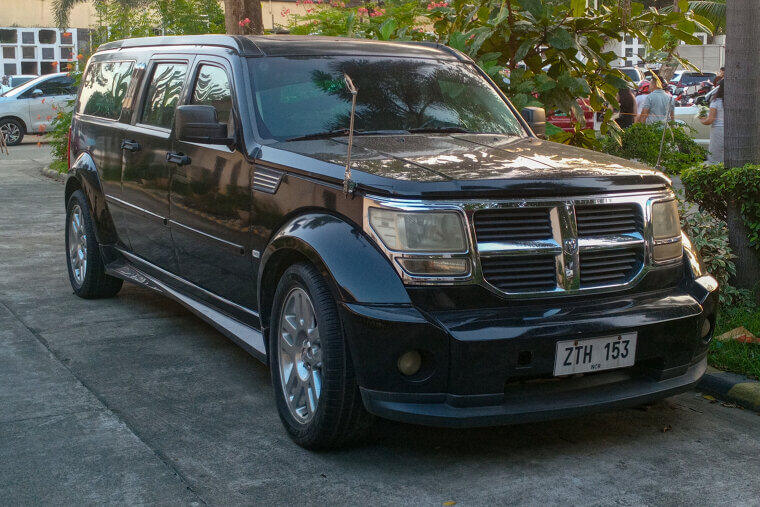
The Dodge Nitro had presence - boxy, bold, and unmistakably Dodge. Unfortunately, its personality behind the wheel didn’t quite match its confident stance; owners frequently complained about a harsh ride, thirsty engines, and interior materials that felt more rugged than refined. While the Nitro looked ready for adventure, it wasn’t particularly comfortable or efficient for everyday driving. Many buyers were drawn in by its styling only to discover that living with it required more patience than expected.
Dodge Neon
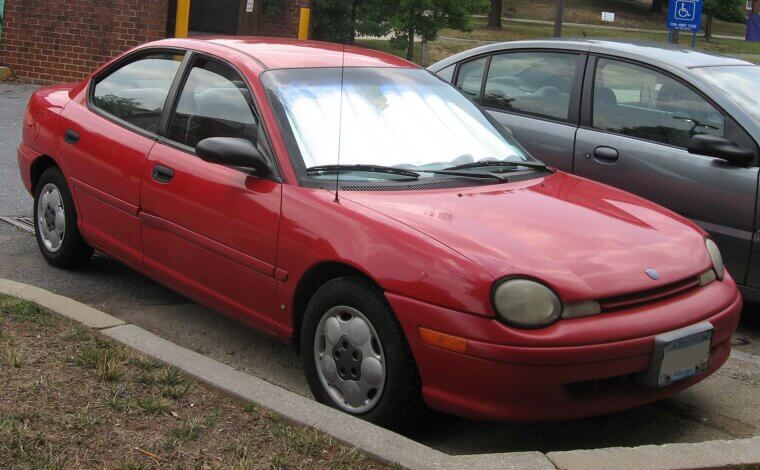
The Dodge Neon was affordable, cheerful, and everywhere - until owners started dealing with the quirks that made it memorable for the wrong reasons. Mechanical issues, cheap interior materials, and rapid depreciation turned what seemed like a smart budget buy into a long-term headache for many drivers. The Neon had charm, especially in its early years, but it never quite shook its reputation for being fragile. Owners often found themselves spending more time at repair shops than they’d planned, wishing they’d invested in something a bit sturdier.
Dodge Intrepid
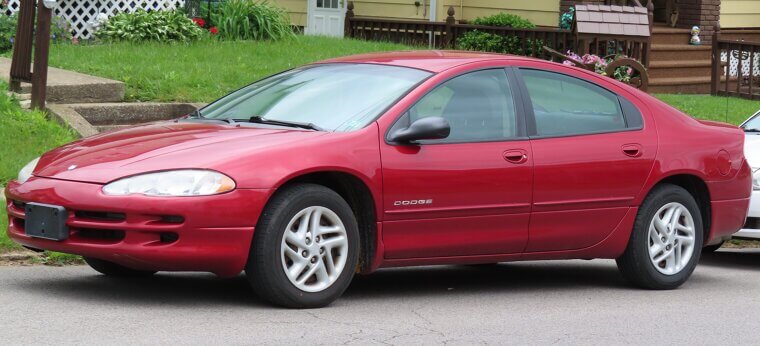
The Dodge Intrepid was roomy, comfortable, and stylish for its time, but it’s best remembered for one notorious flaw: the 2.7‑liter engine. This powerplant became infamous for sludge buildup and catastrophic failures, leaving many owners stranded and frustrated. The rest of the car wasn’t bad (it handled well and offered plenty of space) but the engine issues overshadowed everything else. Buyers who thought they were getting a solid family sedan often ended up regretting the purchase once repair bills started piling up.
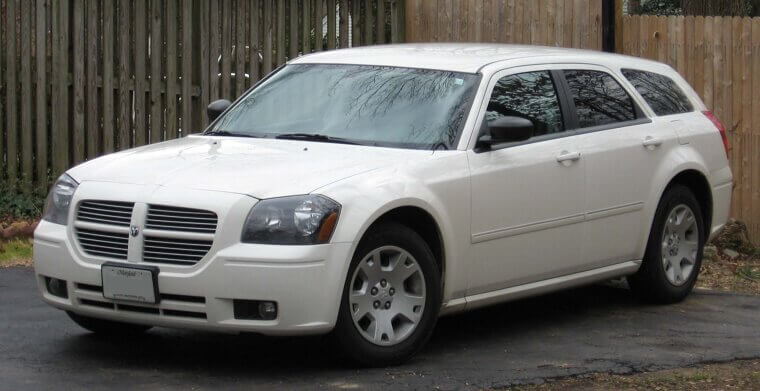
Dodge Magnum (V6 Models)
The Dodge Magnum turned heads with its long, low wagon profile and muscle‑car attitude. But while the HEMI versions delivered on that promise, the V6 models left many owners wanting more. Underpowered and thirsty, they struggled to match the bold styling with equally bold performance. The interior felt dated quickly, and fuel economy wasn’t exactly a selling point. Many buyers who chose the V6 for affordability later regretted not stepping up to the V8 - or choosing a different wagon altogether. So what have we learned from this? That great design can’t always compensate for mediocre power.
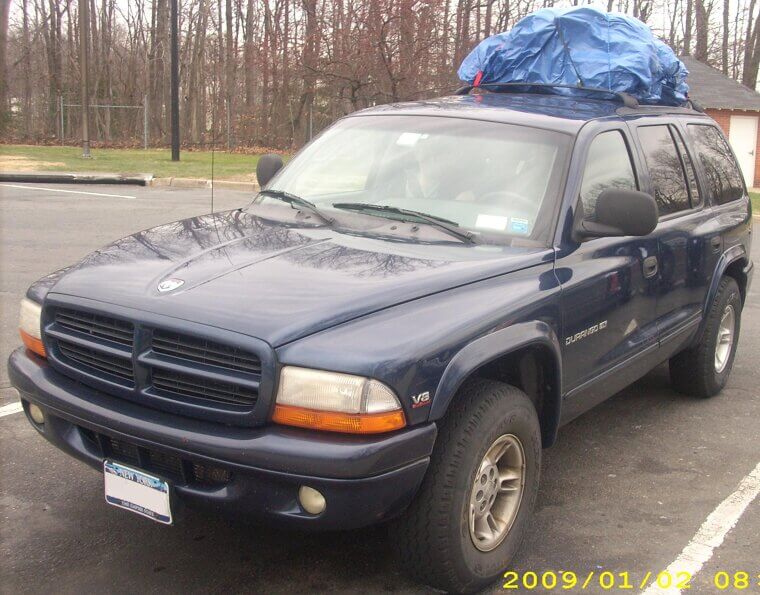
Dodge Durango (early 2000s)
Early‑2000s Dodge Durangos were big, capable, and undeniably cool-looking, but they came with a list of issues that made long-term ownership challenging. Transmission failures, rust problems, and heavy fuel consumption were common complaints. While the Durango excelled at towing and hauling, it wasn’t always the most reliable companion for daily driving. Many owners found themselves juggling repair costs and declining resale value, wishing they’d chosen something a bit more dependable. Sure, it might’ve had its unique selling points, but they don’t quite make up for the bank-breaking maintenance costs of this vehicle!
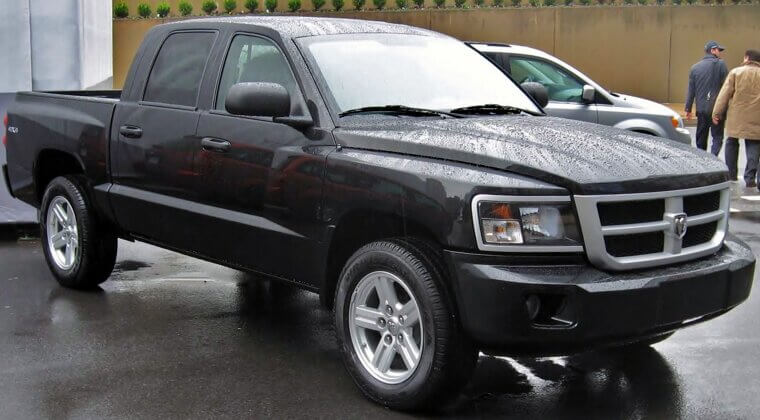
Dodge Dakota (late Models)
The Dodge Dakota was once a standout in the midsize truck world, but its later years weren’t as kind. Build quality declined, fuel economy lagged behind competitors, and the driving experience felt increasingly dated. Owners who expected a versatile, modern truck often found themselves disappointed by rising repair needs and “meh” refinement. While the Dakota still had its strengths - towing ability and a comfortable cabin - it struggled to keep up with evolving rivals. Many buyers ended up regretting the purchase once they realized the segment had moved forward while the Dakota stayed stuck in the past.
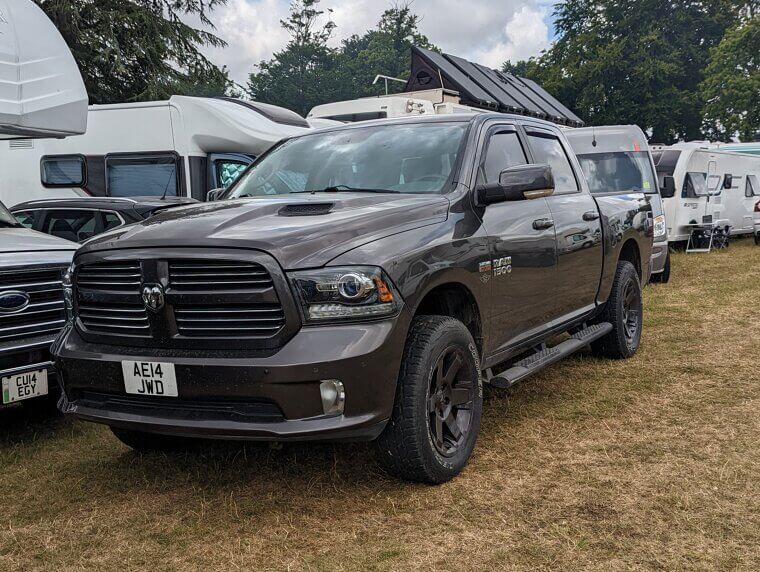
Dodge Ram 1500 (2000s Models)
Yes, the 2000s Dodge Ram 1500 had undeniable charisma with head-turning styling and strong capability, though owners often discovered that the truck’s good looks came with a few mechanical strings attached. Suspension issues, transmission problems, and rust concerns were common, especially as mileage climbed! While the Ram could work hard, it didn’t always age gracefully, leaving many drivers facing repair bills that overshadowed the truck’s initial appeal. For buyers who expected long-term durability, the ownership experience sometimes fell short, turning what seemed like a solid investment into a source of regret once the honeymoon phase ended.
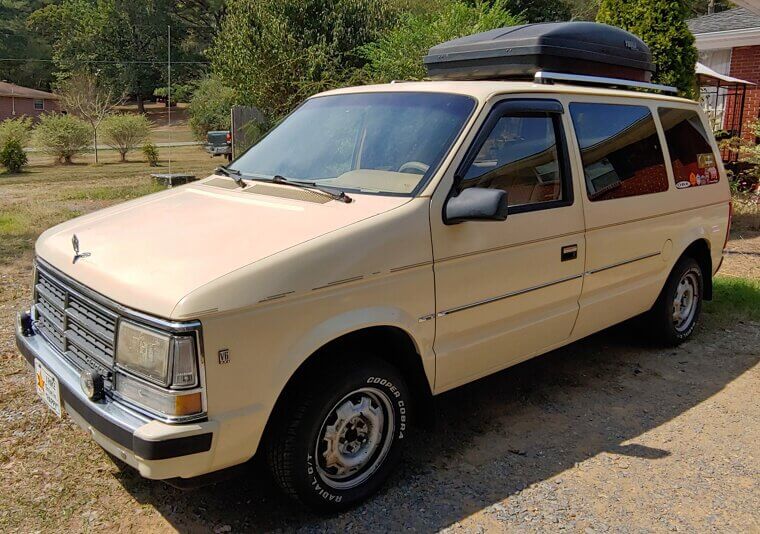
Dodge Caravan
The Dodge Caravan helped define the minivan segment, but high‑mileage examples often tested owners’ patience. Transmission failures were a recurring theme, and aging components made maintenance more frequent than many expected. While the Caravan was practical, comfortable, and family-friendly, it didn’t always hold up well over the long haul. Those unfortunate buyers who picked up older or heavily used models often found themselves dealing with repairs that outweighed the vehicle’s low purchase price. It’s a minivan that served countless families well, but for many second or third owners, the experience came with (unsurprisingly) more headaches than happy memories.
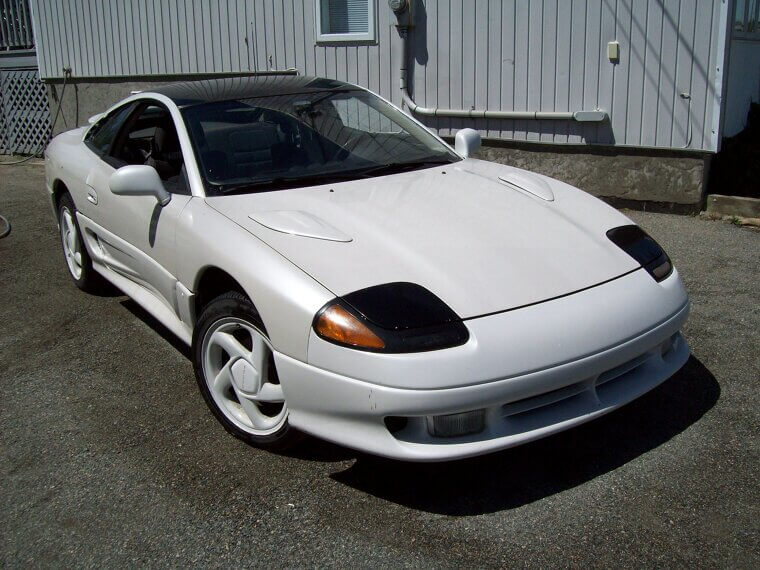
Dodge Stealth
The Dodge Stealth looked like a futuristic sports car and, in many ways, drove like one - but owning it was another story. Parts were expensive, repairs were complex, and finding knowledgeable mechanics became increasingly difficult as the years passed. While enthusiasts appreciated its performance and unique styling, everyday owners often found the maintenance demands overwhelming. The Stealth was a car you bought with passion, not practicality, and many drivers eventually regretted the commitment. This car just shows that some vehicles are better admired from afar than lived with day to day, especially when upkeep becomes a full-time hobby.
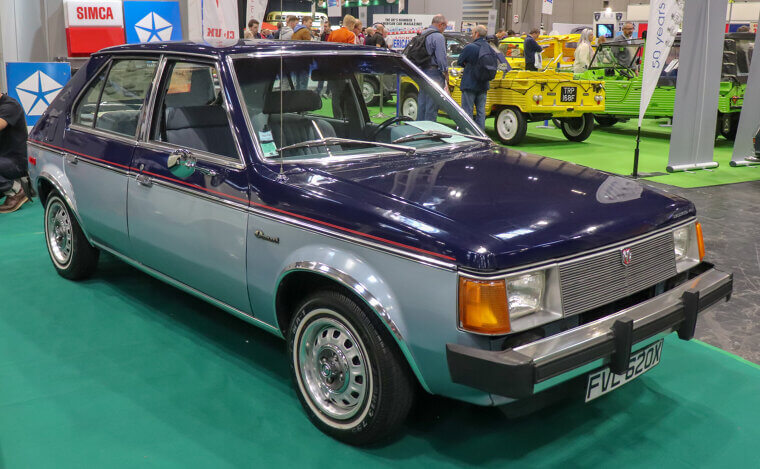
Dodge Omni
The Dodge Omni was a product of its time - simple and built with economy in mind. While it offered affordability and decent fuel efficiency, it also came with reliability concerns and a driving experience that could generously be described as “basic.” Owners often found themselves dealing with mechanical quirks and aging components that didn’t stand the test of time. The Omni wasn’t designed to impress, but even by modest standards, it sometimes fell short. Many buyers eventually wished they’d chosen something a bit more durable, especially as maintenance needs grew and nostalgia couldn’t quite make up for the hassle.
Dodge Charger (V6 Fleet-Spec Trims)
The Dodge Charger is iconic, but the V6 fleet-spec versions often left private buyers underwhelmed. While the exterior promised muscle-car excitement, the base V6 models felt more like rental counter leftovers than performance sedans. Owners frequently cited lackluster acceleration, basic interiors, and heavy depreciation as reasons for regret. The Charger’s appeal is undeniable, but in these lower trims, it struggled to deliver the thrill people expected. Many buyers later realized they’d have been happier stepping up to a higher-performance version - or choosing a different sedan entirely - once the novelty of the aggressive styling wore off.