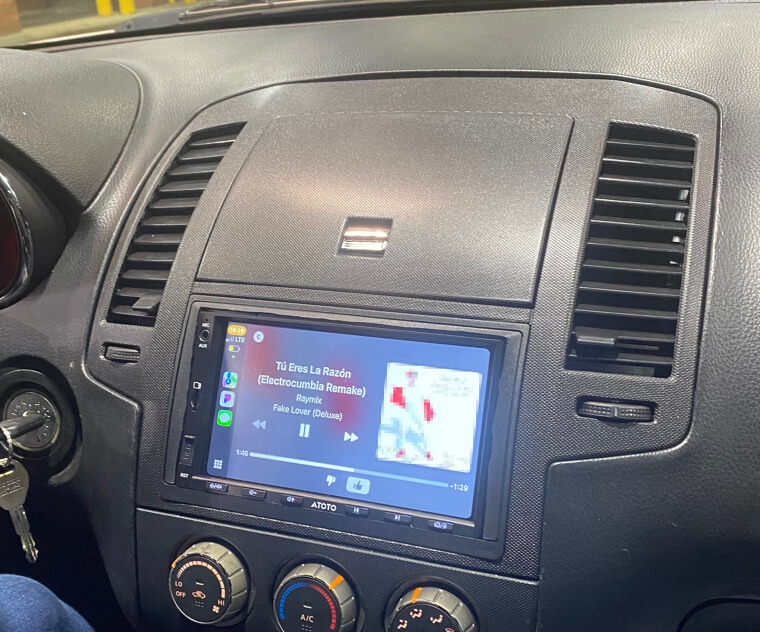
“Parallel Parking Is Optional - Just Get Close Enough”
Older drivers sometimes shrugged off precise parking, especially when streets were wider and enforcement was looser. But today’s cities demand accuracy. Tight spaces, bike lanes, and pedestrian areas leave little room for “close enough.” Learning to park properly isn’t about perfection; it’s about respect for shared space. What once felt harmless now causes frustration for other drivers and pedestrians alike. Scraped bumpers, blocked sidewalks, and angry notes on windshields are common consequences. Modern cars even come with cameras and sensors to remove the guesswork. The days of half parking and walking away without consequences are long gone, even if some drivers still wish they were not.

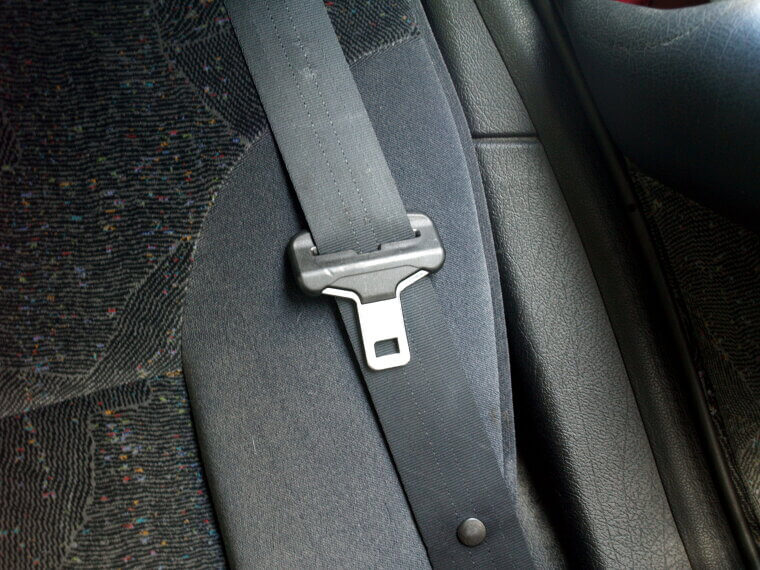
“Wearing Your Seatbelt Is Optional”
For years, some drivers treated seatbelts like a personal choice rather than a basic safety tool. It came from a time when cars were slower, roads were emptier, and people assumed nothing truly bad would happen. Today, we certainly know better. Modern traffic, higher speeds, and decades of crash data make it clear: buckling up isn’t optional, it’s essential.
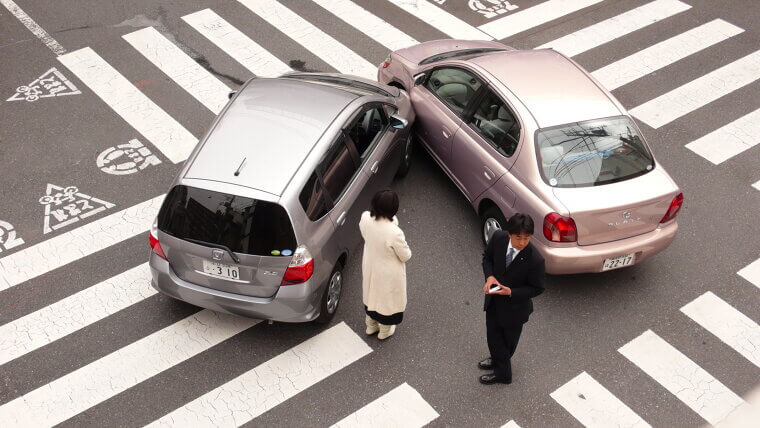
“Two Seconds of Following Distance Is Plenty”
Older drivers often swore that sticking close behind another car kept traffic moving smoothly. In reality, it just reduced reaction time and increased the odds of a rear‑end collision. Today’s roads demand patience, not pressure, and giving yourself room to react is one of the simplest ways to stay safe.
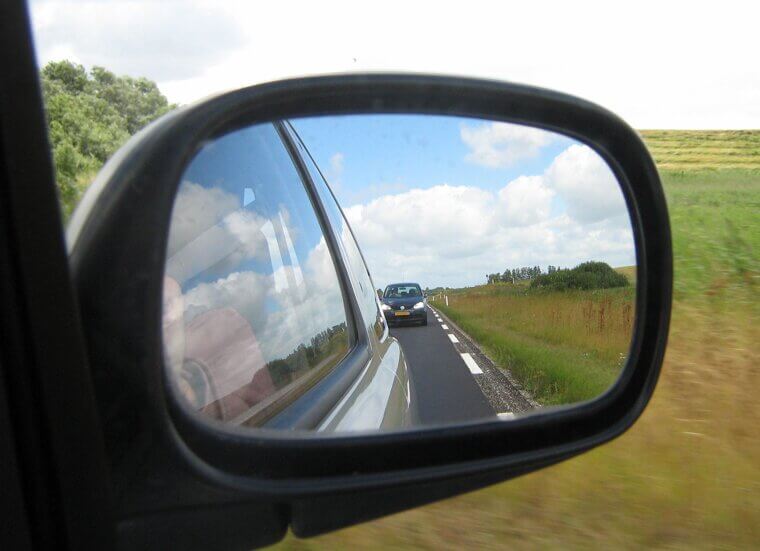
“Mirrors Are Just for Decoration”
There was a time when drivers barely glanced at their mirrors, relying instead on instinct or a quick shoulder check. But with today’s crowded roads, blind spots, and faster lane changes, mirrors are essential tools, not ornamental features. Decorative or not, they’re there for a reason - and that reason matters!
“Indicators Ruin the Element of Surprise”
Some drivers genuinely believed signaling was optional, as if keeping others guessing made them better behind the wheel. But modern driving has no room for mystery. Indicators exist to communicate clearly and prevent confusion, especially in busy traffic. Using them isn’t just courteous - it’s a basic part of safe road behavior.
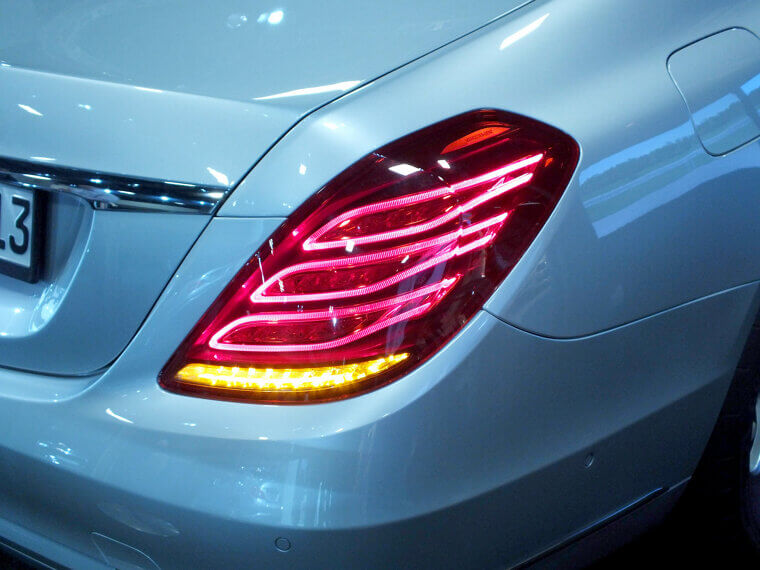
“Brakes Last Longer if You Never Use Them”
This old idea came from a desire to save money, not improve safety. Drivers were told to coast, anticipate, and avoid braking whenever possible. While smooth driving is still smart, refusing to use the brakes is not. Today’s vehicles are built with advanced braking systems designed for (necessary) frequent use.
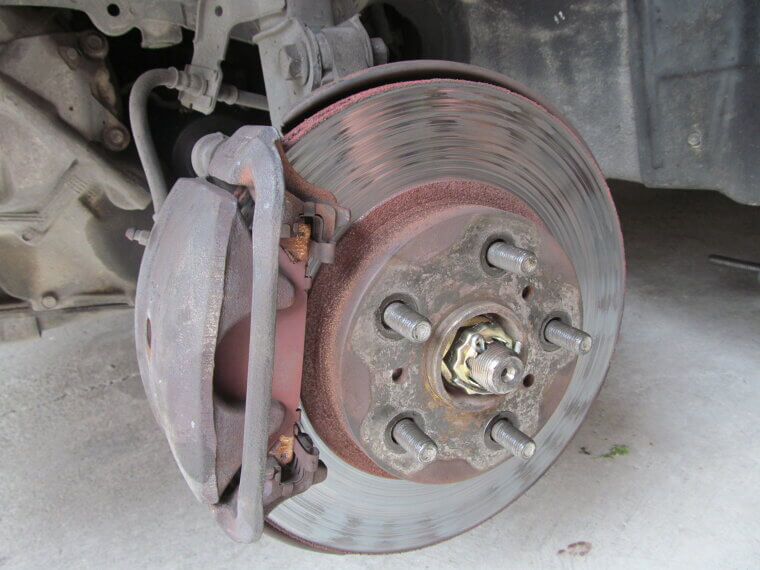
“Hands-Free? Just Use Your Knees”
Once considered a quirky skill, knee‑steering was treated like a harmless shortcut for multitasking. But modern traffic, higher speeds, and distracted‑driving awareness have shown just how dangerous it really is. Today, knee‑steering belongs firmly in the past, right next to cassette adapters and paper road maps.
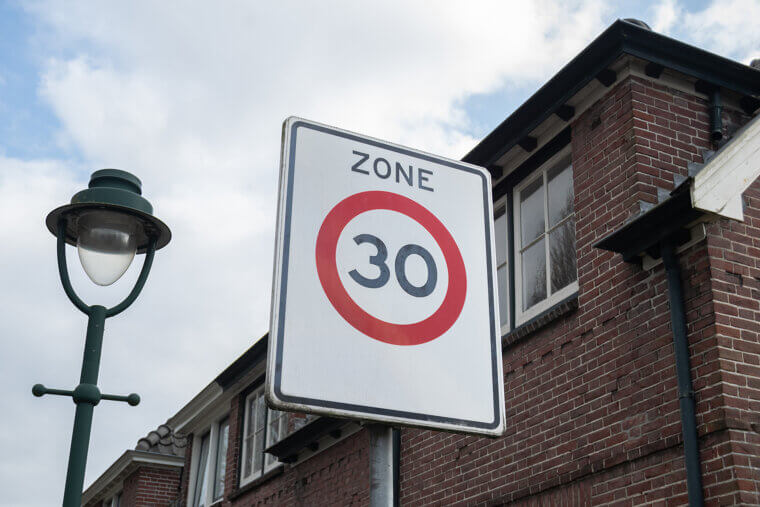
“Speed Limits Are Only Suggestions”
Some drivers treated speed limits as flexible guidelines rather than rules. It came from quieter roads and cars that felt slower even at higher speeds. But with modern congestion, they’re designed for safety, not inconvenience, and respecting them keeps everyone on the road a little safer.
“Headlights Are Optional Unless It’s Pitch Black”
There was a time when drivers only switched on their headlights at night, ignoring rain, fog, or dim conditions. But now, we know visibility is everything. Modern cars even turn lights on automatically because it’s that important. And remember, using headlights isn’t just about seeing - it’s about being seen!
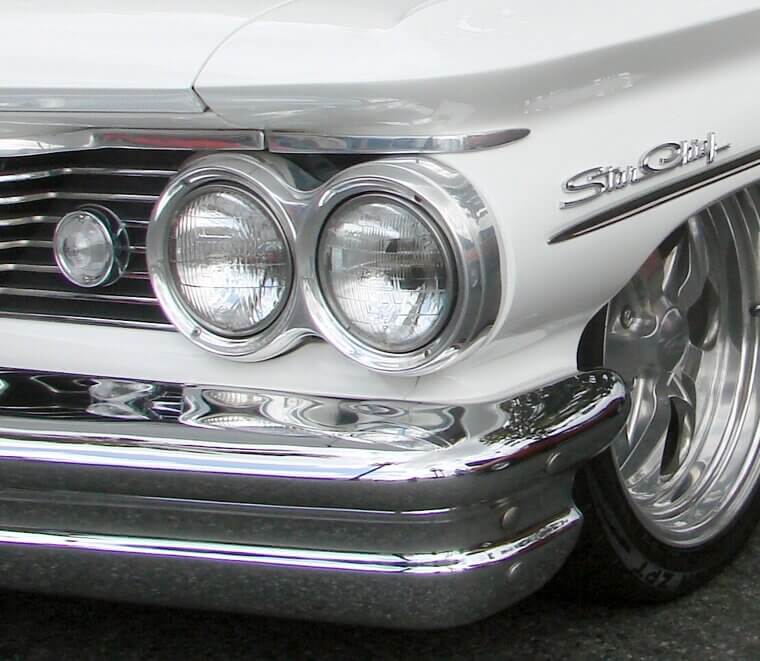
“Tailgating Shows Confidence”
Some drivers believed staying inches from the car ahead proved skill and assertiveness. In reality, it only proved impatience. Tailgating reduces reaction time, increases stress, and raises the risk of collisions. Confidence comes from control, not closeness, and giving others room is one of the simplest ways to drive smarter.
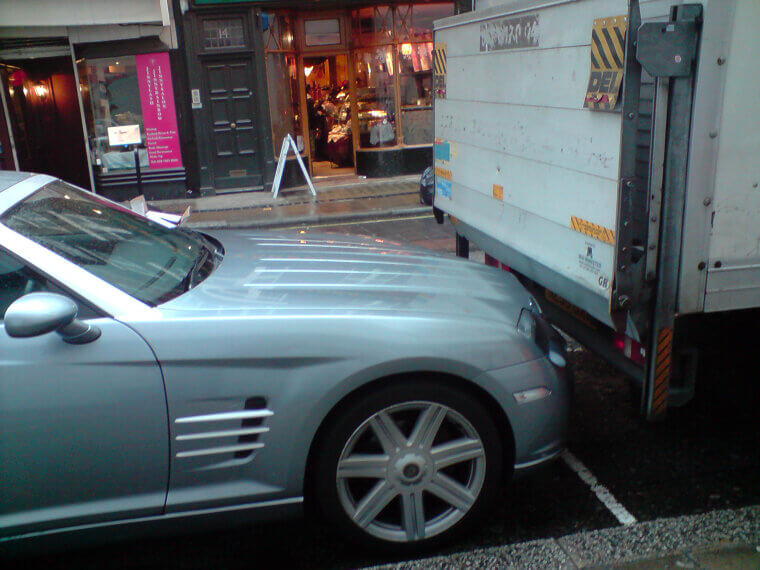
“Checking Blind Spots Is for Nervous Drivers”
Older advice suggested that experienced drivers didn’t need to check blind spots - they could just “feel” when it was safe, apparently. Today, with larger vehicles, faster traffic, and more lane‑changing, blind‑spot checks are essential. Even with modern sensors, a quick glance can prevent a dangerous mistake.
“Oil Changes? Only When the Engine Gives Up”
Some drivers waited for noises, smells, or warning lights before thinking about oil changes. But engines don’t like being ignored; modern cars are more advanced, but they still rely on clean oil to stay healthy. Regular maintenance prevents expensive repairs and keeps everything running smoothly. Waiting for the engine to “speak up” is advice best left in the past.
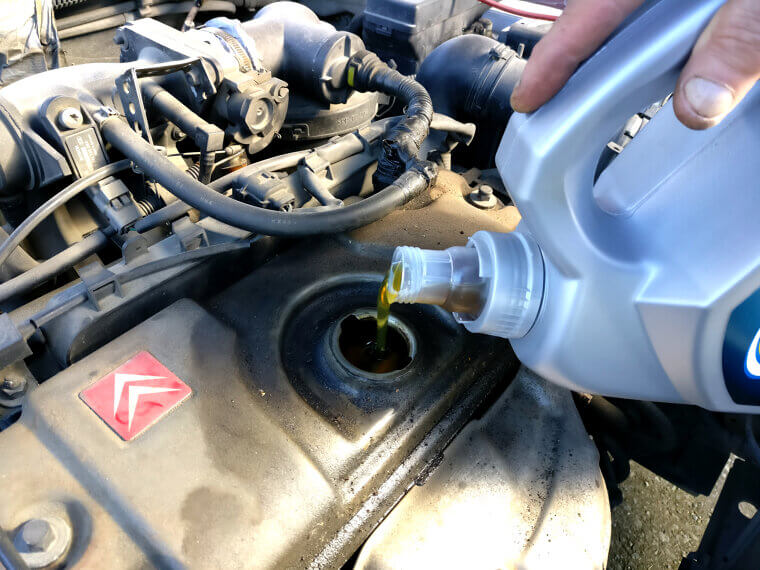
“ABS Means You Can Brake However You Want”
When anti‑lock brakes became common, some drivers assumed they could slam the pedal without thinking. ABS helps, but it doesn’t replace good judgment. Modern safety systems are designed to support skilled driving, not compensate for bad habits. Understanding how ABS works - and driving responsibly - keeps you safer than relying on technology alone.

“Snow Tires Are a Marketing Scam”
Many drivers once believed all‑season tires were enough for every condition. But winter driving demands grip, flexibility, and traction that regular tires simply can’t provide. Snow tires aren’t a luxury; they’re a safety tool in cold climates. Today’s data makes it clear: the right tires make winter roads far more manageable, and the old skepticism doesn’t hold up.
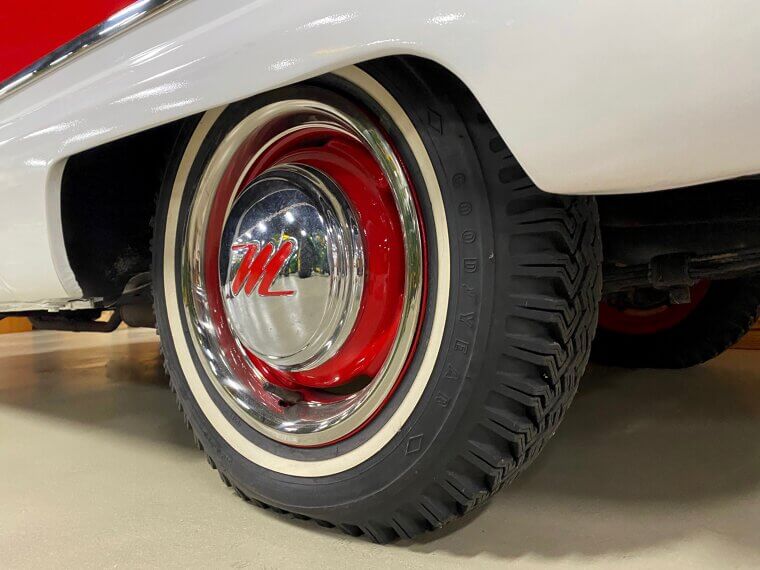
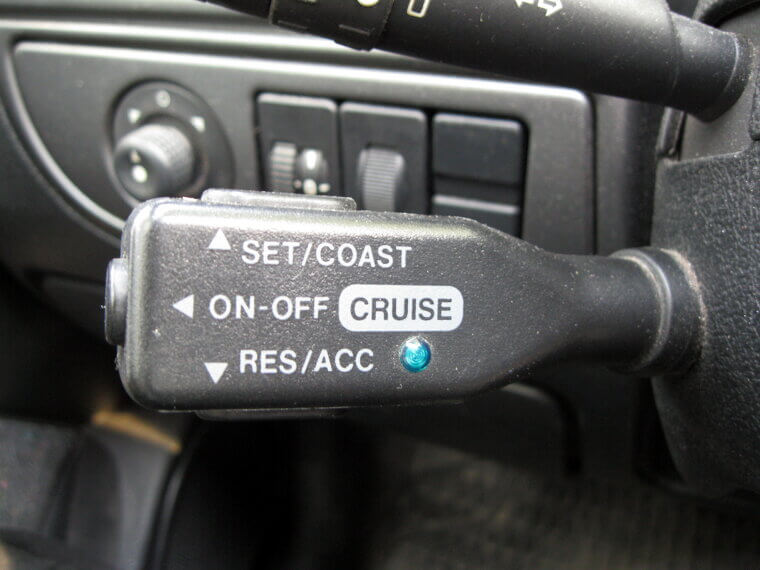
“Cruise Control Works Fine in the Rain”
Some drivers treated cruise control as a convenience for any weather. But wet roads reduce traction, and maintaining steady speed can increase the risk of hydroplaning. Turning off cruise control in rain gives you more control and quicker reactions.
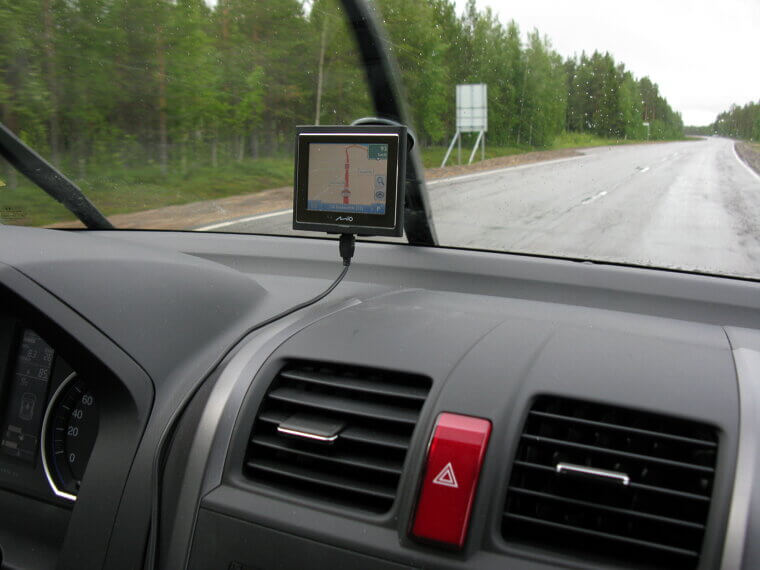
“If the GPS Disagrees, Floor It and Hope”
Before navigation became reliable, drivers sometimes trusted instinct over technology - even when it led them astray. Today’s GPS systems are far more accurate, but the idea of ignoring guidance still lingers. Slowing down, reassessing, and staying calm beats speeding into uncertainty every time.
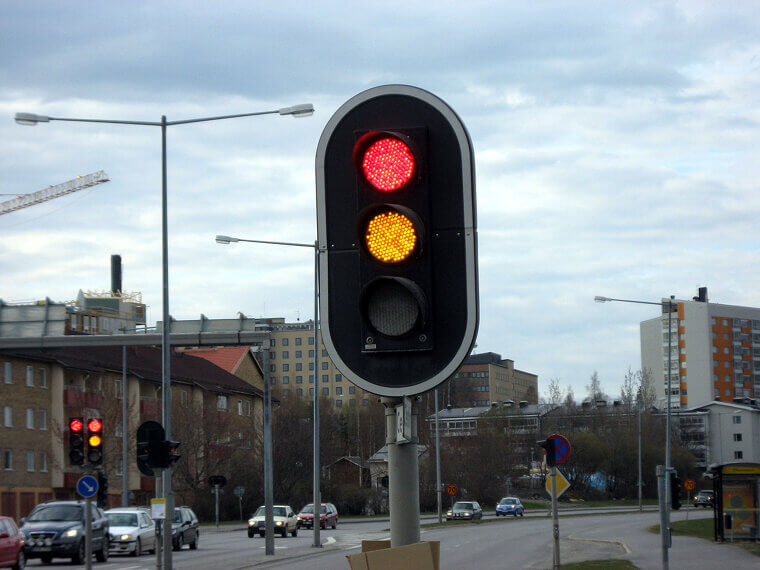
“Yellow Lights Mean Accelerate Aggressively”
For years, some drivers treated yellow lights as a challenge rather than a warning. But rushing through intersections is one of the most common causes of accidents. Modern traffic patterns and busier roads make caution more important than ever. Yellow means prepare to stop, not race the clock. Slowing down keeps everyone safer - and reduces stress, too.
“You Don’t Need to Warm up the Car, Ever”
Some drivers insisted that modern engines needed no warm‑up time at all. While today’s cars don’t require long idling, giving the engine a moment to stabilize still helps, especially in cold weather. A brief pause before driving off keeps everything running smoothly without wasting fuel.
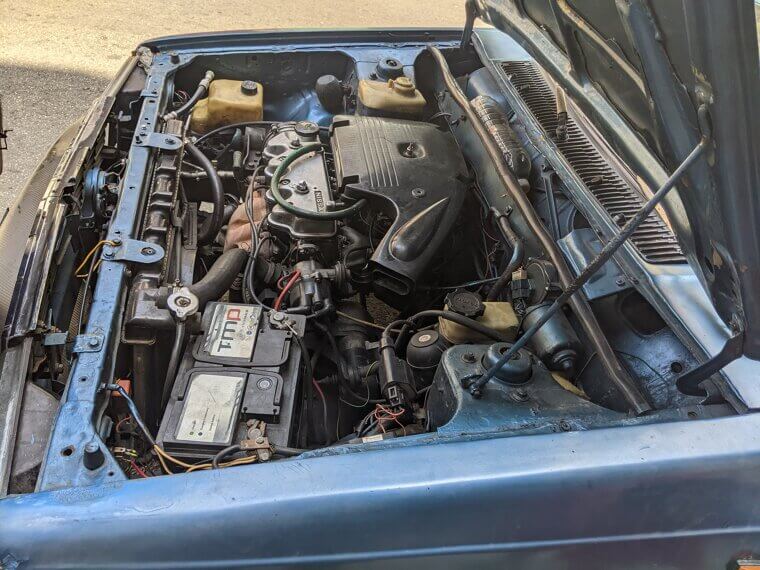
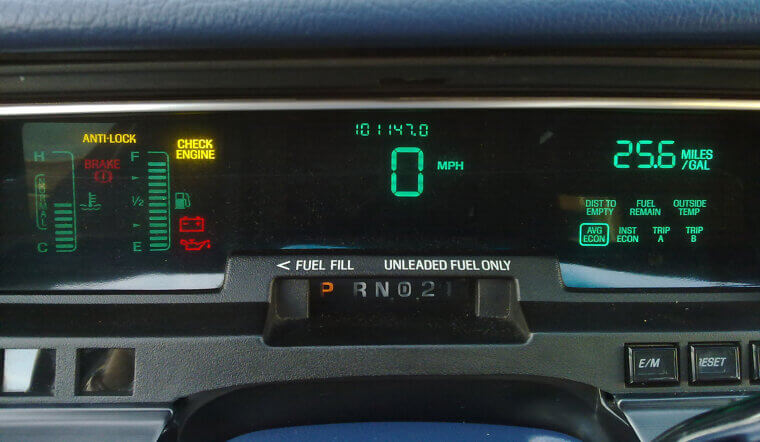
“If the Check Engine Light Is On, Cover It With Tape”
This classic shortcut was meant to reduce stress, not solve problems. But brushing off warning lights never ends well. Modern vehicles rely on sensors to catch issues early, and covering them up only delays necessary repairs. Addressing problems promptly keeps your car healthier and prevents bigger headaches later.
“Turn the Music up to Hear Mechanical Problems Better”
Certain drivers joked that loud music made strange noises disappear. But masking problems doesn’t fix them. Cars are now quieter and more complex, making unusual sounds even more important to notice. Listening carefully helps catch issues early and keeps your vehicle running smoothly. Turning the volume down is a small habit that pays off in the long run.