Double-Parking Disasters
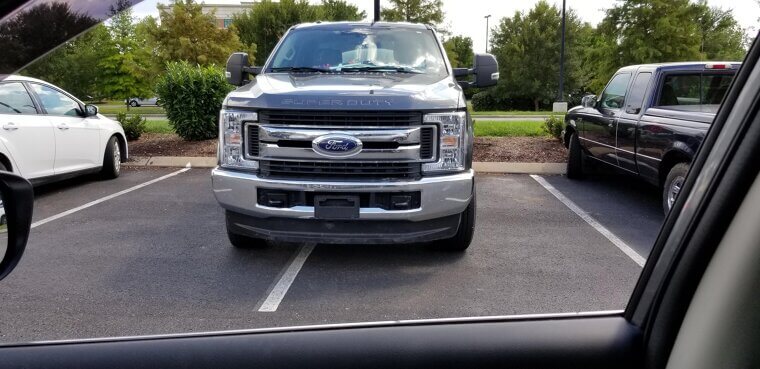
Parking across two spaces is the worst move you can make. It wastes room and sparks instant side eye. In busy lots, it creates traffic jams and forces others to circle longer. Most double parkers claim they are protecting their car, but all they really protect is their ego. Parking lines exist for a reason. Staying between them is not hard. If your vehicle does not fit, find a bigger spot or park farther away. Walking a few extra steps beats becoming the villain of the parking lot and earning silent curses from strangers. What feels like a small decision to one driver quickly turns into frustration for everyone else nearby. Over time, this habit earns a reputation, and people remember the car long after they forget the license plate.
Bumper Huggers
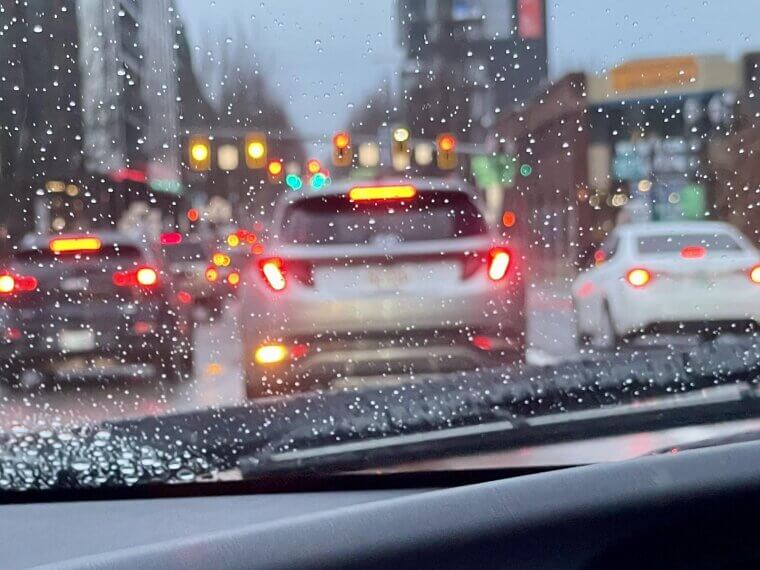
Tailgating feels like someone breathing down your neck while you drive. It raises stress fast and leaves zero room for mistakes. One sudden stop and boom - everyone’s day gets ruined. The tailgater thinks they’re sending a message, but the only message received is panic. Most drivers don’t speed up anyway. They slow down out of nerves or stubbornness. Keeping distance isn’t weak or slow. It’s smart. You still arrive at the same place, just without clenched teeth, sweaty palms, or a near heart attack because you don’t know if you’re safe on the road.
Mystery Blinkers
Not using turn signals turns driving into a guessing game nobody asked to play. Are you turning? Changing lanes? Just drifting? No one knows. Signals exist to share plans, not secrets. When drivers skip them, traffic hesitates, and tempers rise. One tiny flick of a lever can prevent sudden braking, honking, or near misses. It’s such a small effort with a big payoff. Using your signal doesn’t make you predictable in a bad way. It makes you polite, clear, and way less annoying to everyone around you. Use your blinkers, people!
The Cut-Off King
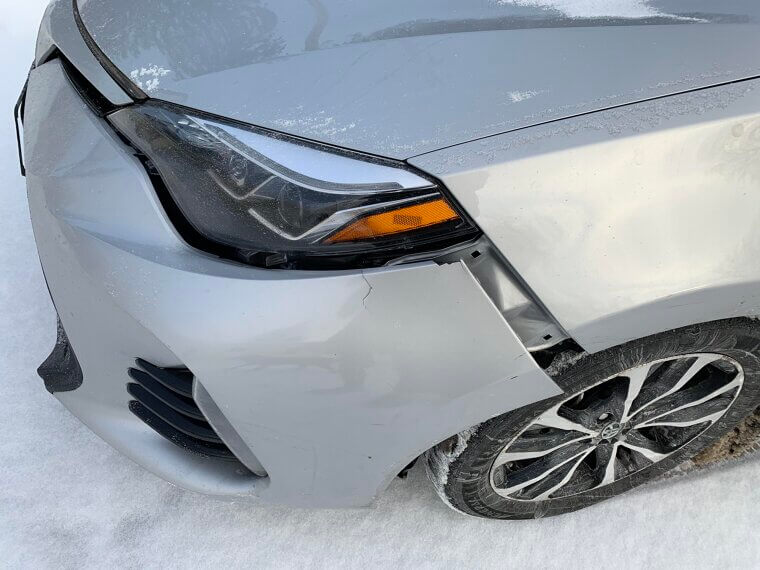
Cutting someone off feels rude because it is rude. Swerving into a lane without space or warning forces others to slam on brakes or swerve. That’s how chain reactions start. Most cut-offs save maybe two seconds, if that. Meanwhile, everyone else gets jolted awake with a shot of anger. Waiting for a proper gap costs nothing. Using a signal helps too. Traffic flows better when drivers stop treating lanes like prizes. You’re not winning a race. You’re just trying to get home without drama or dented bumpers.
Fast Lane Turtles
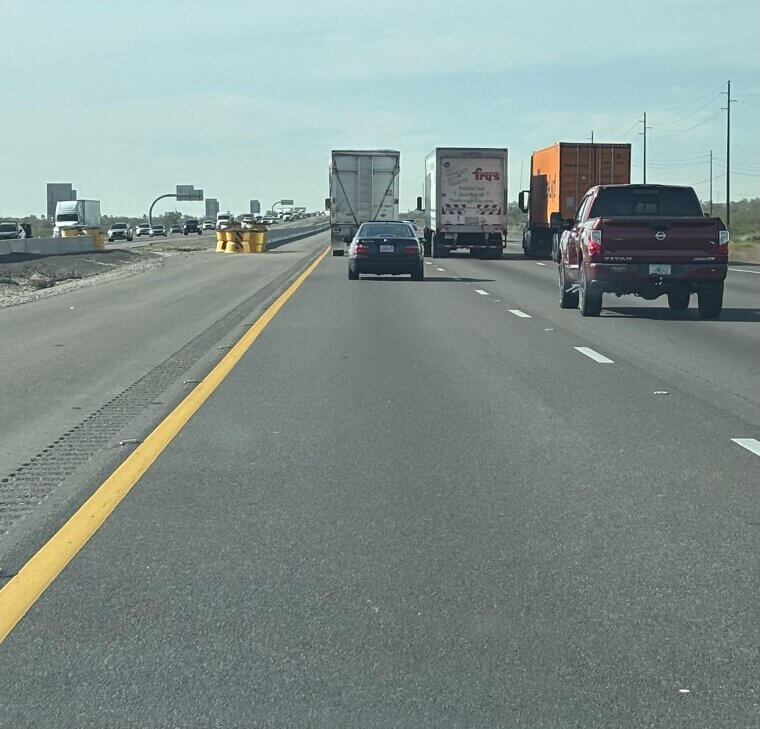
The fast lane isn’t a sightseeing route. Driving slowly there blocks traffic and sparks instant frustration. Cars pile up, tempers flare, and risky passes begin. Even careful drivers feel trapped. If you’re not passing, that lane isn’t for you. It’s not personal. It’s traffic math. Slower cars belong to the right, faster ones pass and move over. That simple flow keeps things calmer and safer. Staying put while everyone stacks up behind you doesn’t make you cautious. It makes you the main character in everyone’s road rage story.
Angry Horn Symphonies
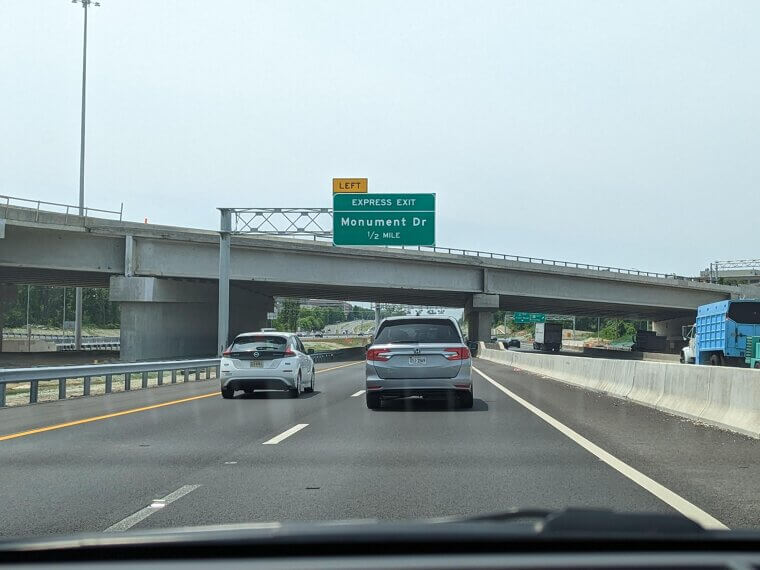
Horns exist for danger, not emotional release. Excessive honking turns streets into stress concerts. Someone hesitates for half a second, and suddenly it’s a full performance. Honking rarely fixes the problem. It usually escalates it. The other driver gets flustered, defensive, or angry. That makes things worse, not better. A quick tap for real danger is fine. Leaning on it like a stress toy is not. Silence often works better. Take a breath. Everyone gets where they’re going without the noise pollution and bad vibes that you’re putting out by blowing your horn.
Phone Zombies
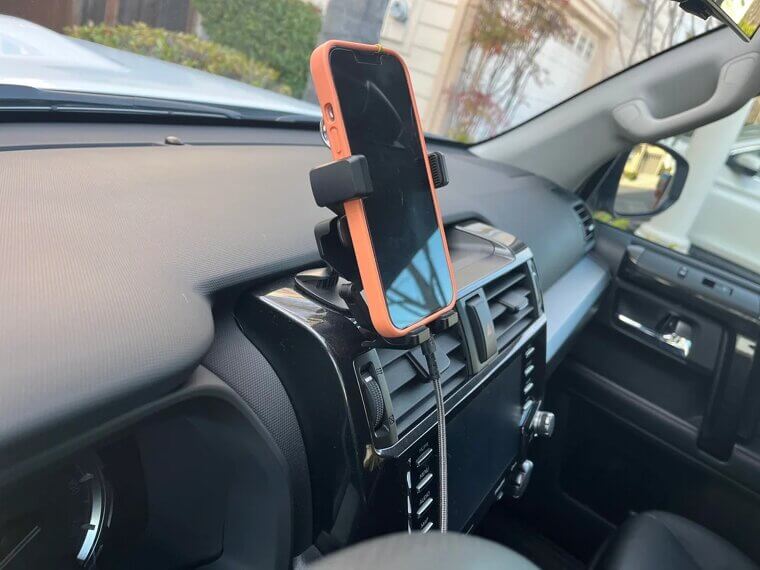
Texting or scrolling while driving is like blindfolding yourself and hoping for luck. Reactions slow. Lanes drift. Brakes come late. Everyone nearby can tell, and nobody likes it. One message isn’t worth a crash, a ticket, or hurting someone. The road needs your eyes and hands, not your thumbs. If something feels urgent, pull over. Otherwise, it can wait. Most notifications aren’t emergencies. Staying focused keeps traffic smooth and predictable. Plus, you avoid being that driver everyone complains about the second you swerve even a little out of your lane.
Lane-Weaving Daredevils
Weaving through traffic looks reckless and usually ends badly. Constant lane hopping creates chaos. Other drivers can’t predict your moves, which raises collision risks fast. Each quick merge forces braking waves behind you. Ironically, weaving rarely saves real time. It just feels busy. Staying steady often gets you there just as fast, with less stress. Aggressive weaving also screams impatience, not skill. Traffic isn’t a video game. There’s no bonus for squeezing through tiny gaps. Calm, consistent driving keeps everyone safer and your blood pressure much lower.
Lane-Merging Malarkys
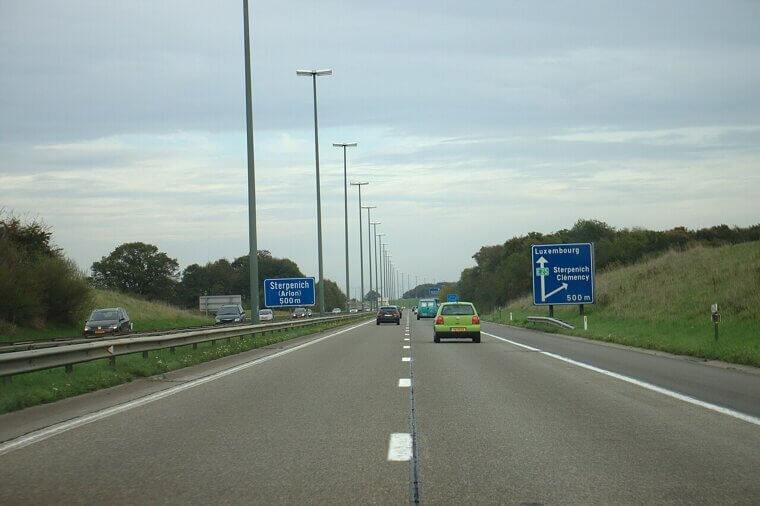
Merges aren’t battles, but some drivers treat them like one. Refusing to let others in or forcing your way through breaks traffic flow. Everyone loses. Smooth merges depend on cooperation. One car lets one car in. That’s it. Blocking or bullying causes braking, swerving, and tension. It also slows things down more than letting someone in ever would. The road works best when drivers remember it’s shared space. You’re not giving up your spot forever. You’re just helping traffic keep moving without turning a simple merge into a showdown.
Red-Light Roulette
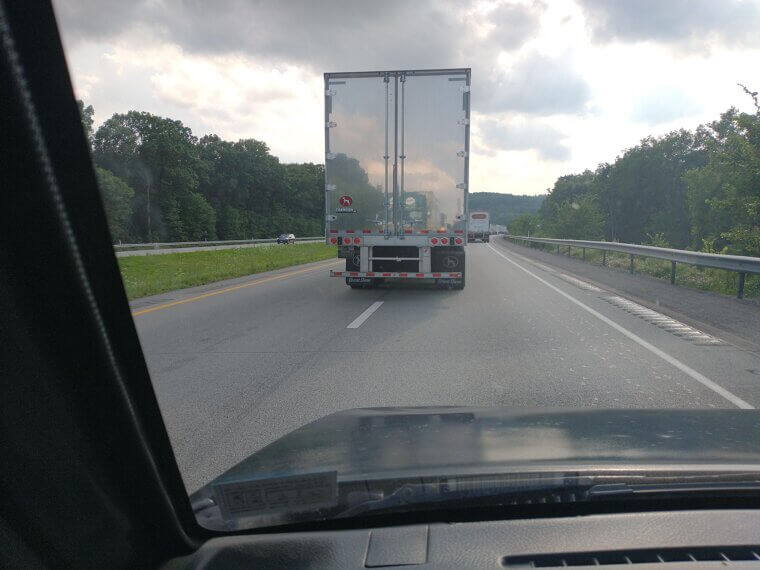
Running red lights is dangerous, full stop. It puts drivers, cyclists, and pedestrians at risk. Most red-light runners convince themselves they “almost made it.” Meanwhile, cross traffic is already moving. That split-second gamble can cause massive damage. Being late by one light cycle is annoying, but crashes are worse. Red lights mean stop, not speed up and hope. Respecting them keeps intersections predictable and safe. Everyone counts on others following the same rules. When someone ignores them, they don’t look bold. They look reckless and wildly inconsiderate to other road users.
Random Brake Check Chaos
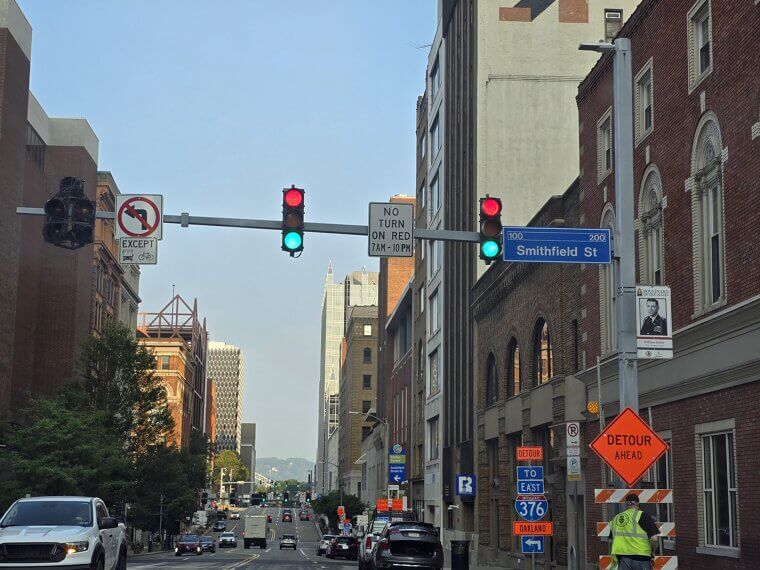
Sudden braking without reason sends panic rippling backward through traffic. Everyone behind you scrambles. Coffee spills. Horns blare. Accidents happen. If there’s real danger, brake smoothly and early. If not, ease off the gas instead. Many drivers brake out of habit, distraction, or nerves. That unpredictability stresses everyone else. Consistent speed makes traffic calmer. Random stops don’t make you safer. They make you confused. Look ahead, plan early, and keep movements smooth. Driving shouldn’t feel like a surprise quiz for everyone following behind you wondering if you’re going to slam on the brakes.
High-Beam Horrors
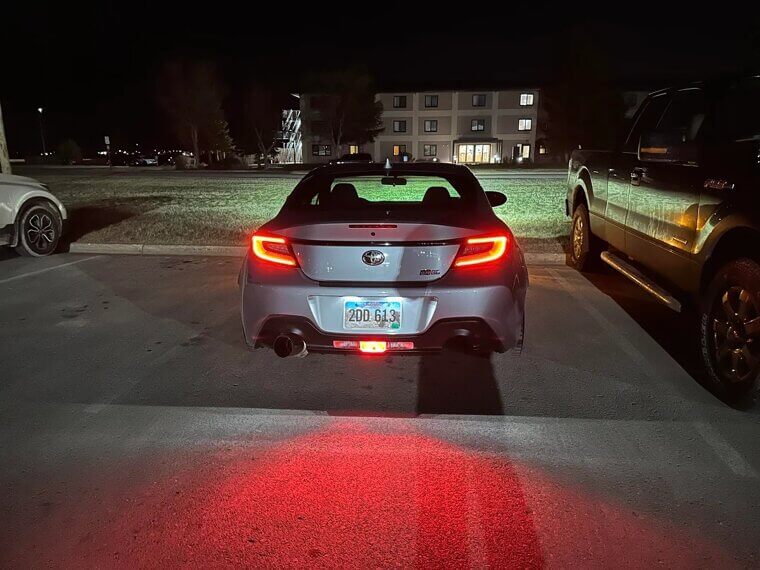
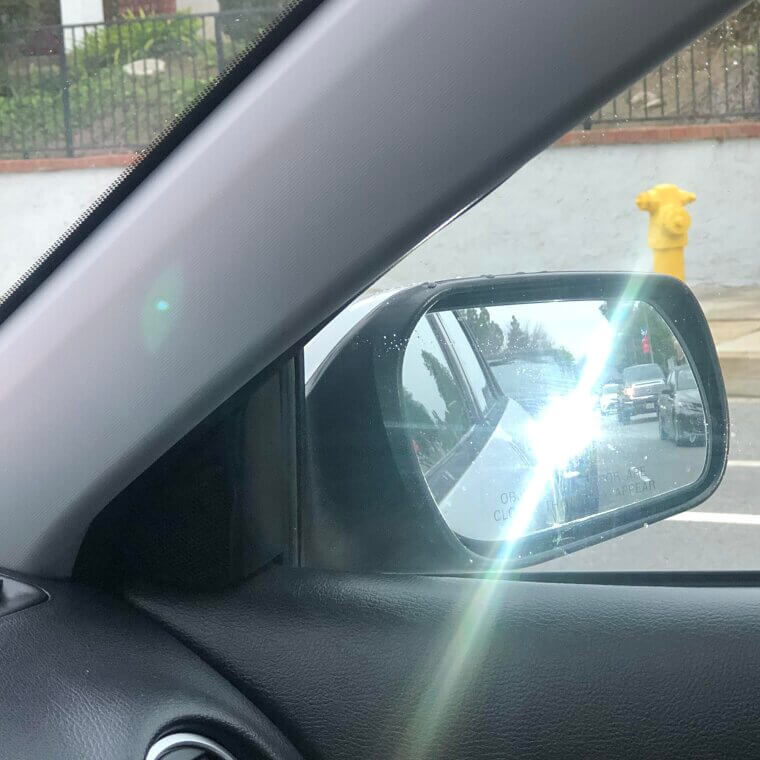
Leaving high beams on feels like staring into the sun at midnight. It blinds oncoming drivers and even those ahead through mirrors. That split-second of blindness is risky. High beams have a place—dark, empty roads. They don’t belong in traffic. Switching them off takes zero effort and shows basic awareness. Some drivers don’t even realize they’re doing it, which makes it more annoying. If other drivers flash you, it’s not a compliment. It’s a plea for you to dim the lights and stop turning the road into a laser show.
Intersection Blockers
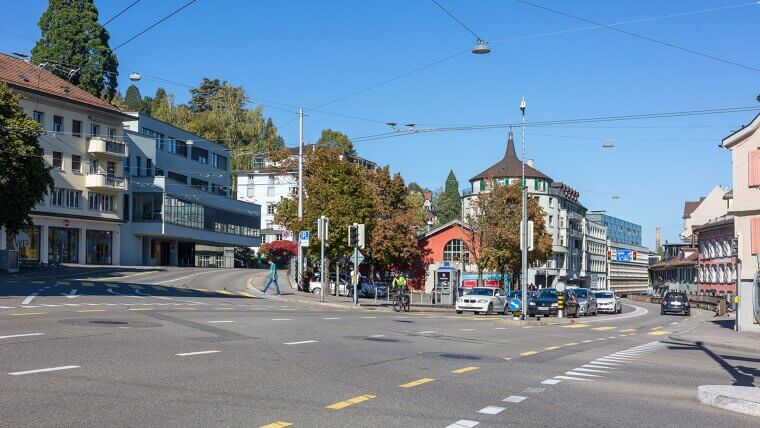
Blocking intersections creates gridlock fast. Drivers creep forward, hoping the light stays green, then get stuck when it changes. Suddenly, nobody can move. Cross traffic stalls. Tempers rise. The rule is simple: don’t enter unless you can clear it. Waiting feels slow, but blocking is worse. It turns one mistake into a chain reaction. Being patient keeps intersections flowing. You won’t lose your place forever. Another green light always comes. Staying back shows awareness and helps everyone move instead of trapping the whole junction in a mess they didn’t sign up for.
Green Light Snoozers
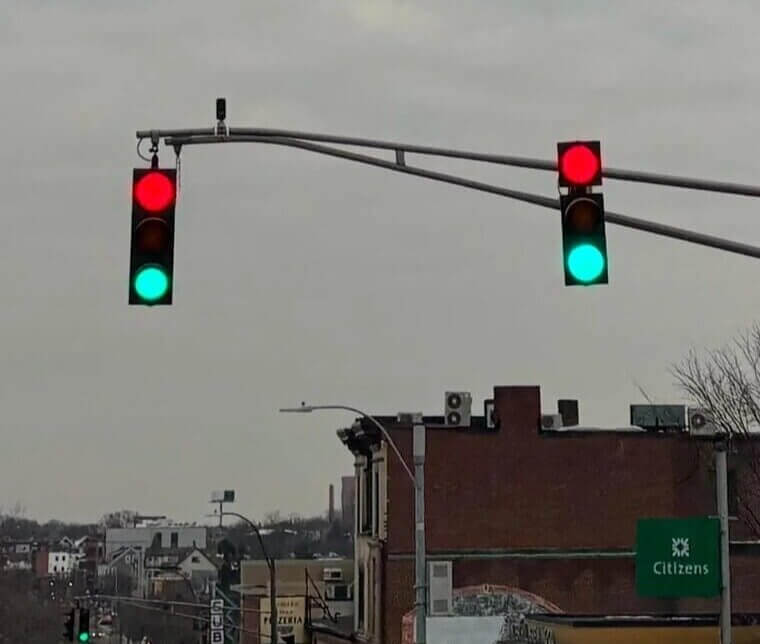
Slow reactions at green lights drive everyone nuts. The light changes, and nothing happens. People behind you wait while you daydream. That hesitation reduces how many cars get through and causes unnecessary backups. Most delays come from phone checking or zoning out. Staying alert helps traffic move smoothly. You don’t need to launch like a rocket, just move promptly. A few seconds matter during busy times. Paying attention at lights is one of the easiest ways to be a good driver. Plus, you avoid the gentle honk that says, “Hello, wake up.”
DJ Debacles
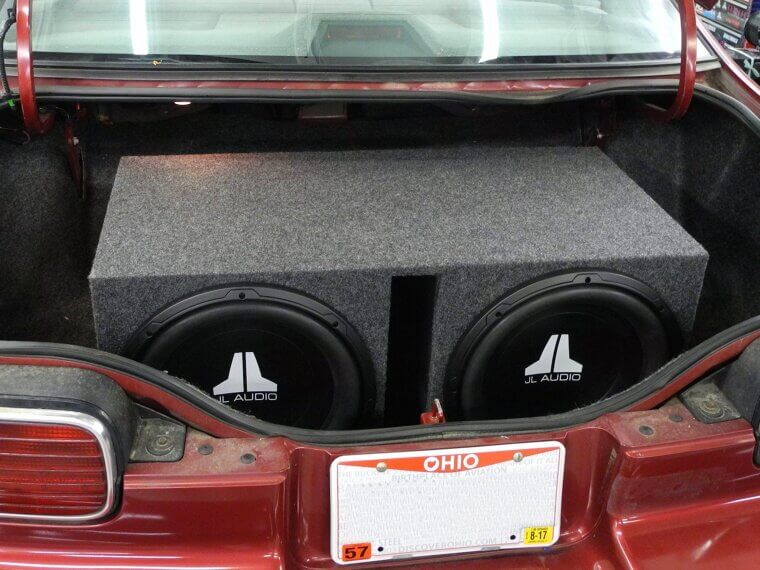
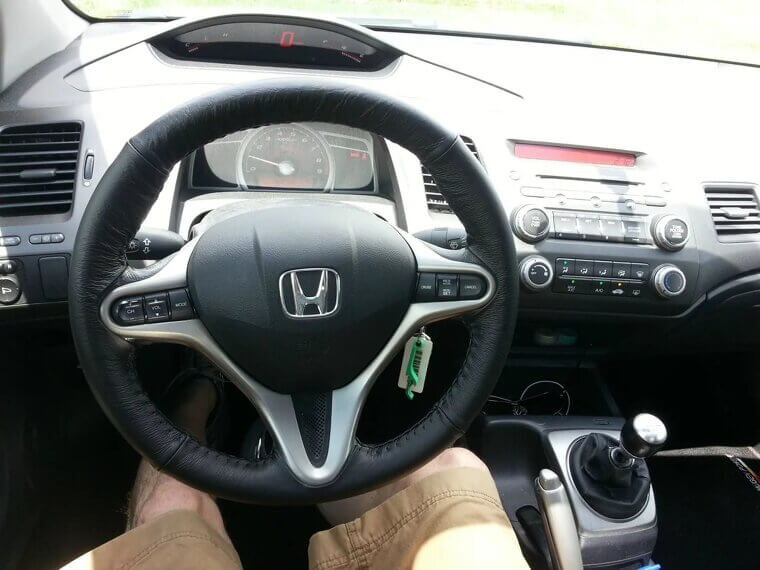
Blasting loud music turns your car into a rolling noise complaint. Everyone nearby hears it, whether they want to or not. At lights and in neighborhoods, it’s especially annoying. Loud music also hides sirens and horns, which matters for safety. Enjoying music is great. Forcing it on others is not. Volume control exists for a reason. Keeping it reasonable shows awareness and respect. You can still vibe without shaking windows. Save the concert levels for headphones or empty roads. The rest of us didn’t buy tickets to your playlist.