Speeding Up to Beat a Merge
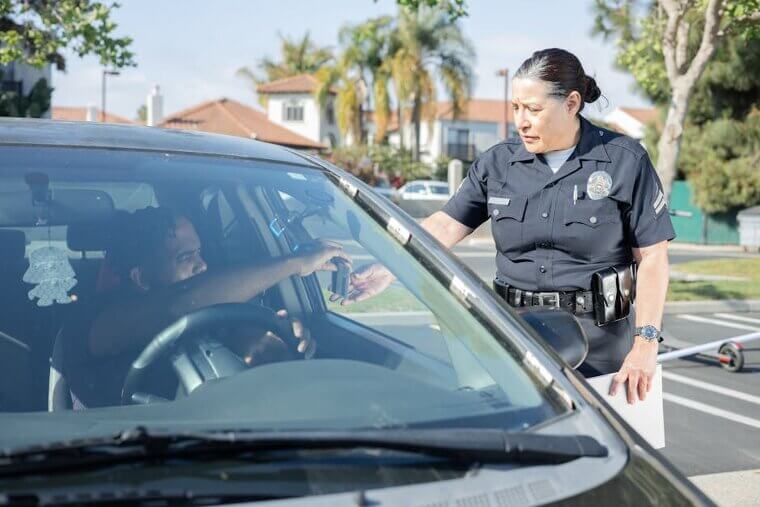
Merging used to be a little competitive, with drivers attempting to merge as fast as possible and keep traffic flowing. Today, merging aggressively is under increased scrutiny. If a driver speeds up to merge in front of another vehicle, they may be cited for unsafe lane changes or speeding. There are dash cams, traffic cameras, and patrol officers monitoring the roadways, so violators are caught more often than people think. Many drivers may not even realize they are merging too fast until they see flashing lights behind them. What you consider confident and assertive driving is now considered risky behavior and will often result in a ticket.
Driving Five to Ten Over Everywhere
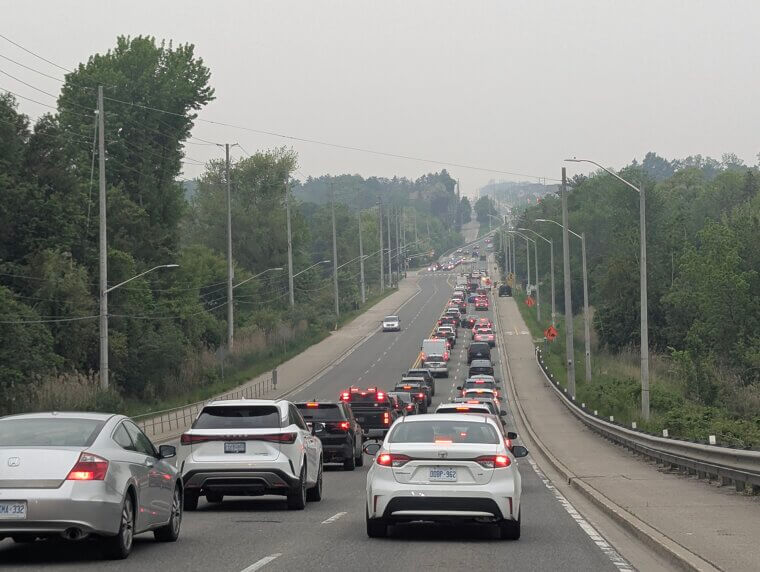
We grew up watching drivers exceed the speed limit by a small amount. Everyone did it, and it seemed like an acceptable behavior. However, that assumption can be costly depending on where you drive. Speeding laws are now enforced more strictly, and limits are treated more literally. Getting caught doing five over can result in being stopped by law enforcement, especially for those driving through school zones or smaller towns. Speed cameras make it worse because they do not consider the situation of why a driver may have been speeding. You learn quickly that casual speeding adds up to fines, points, as well as increased insurance costs.
Letting Passengers Break the Rules
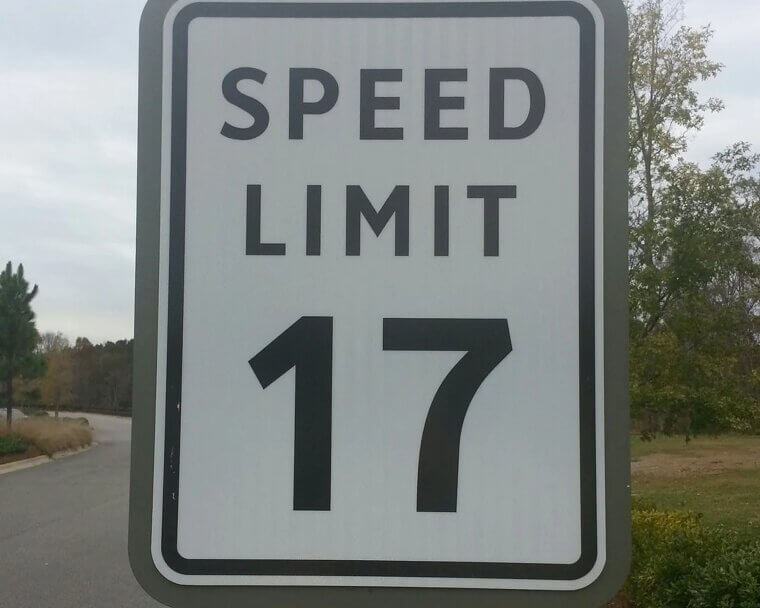
Growing up, many drivers were relaxed about what passengers did inside the car. Seatbelts were ignored, kids climbed around freely, and nobody thought twice about it. While driver responsibility for passengers was always part of traffic law, enforcement has become significantly stricter. If you have unbuckled passengers, kids seated incorrectly, or people hanging out of windows, the consequences fall on you. The police do not care who made the decisions - they care about the person behind the wheel. You may feel you are following all traffic regulations yourself, but a passenger's unsafe behavior can still result in fines and points on your license.
Not Using Turn Signals for Small Moves
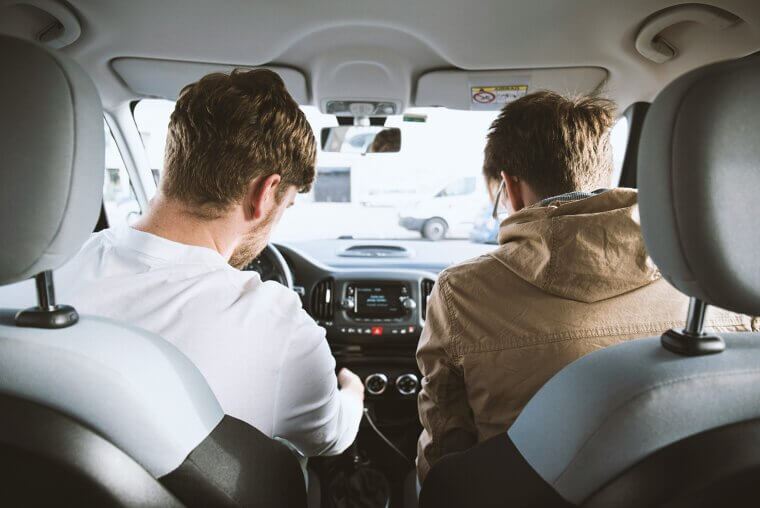
When many of us were younger, we thought turn signals were only necessary for big lane changes or turns. People didn't signal when sliding into a nearby lane or pulling around someone slowly. These days, police officers notice that kind of behavior. Failing to signal is an easy reason to get pulled over and is often a starting point for additional tickets once you are stopped. It also creates legal complications in accidents - without a signal on record, fault becomes harder to dispute. Traffic laws require signaling for every lane change, no matter how small. Every movement on the road is expected to be communicated clearly to other drivers.
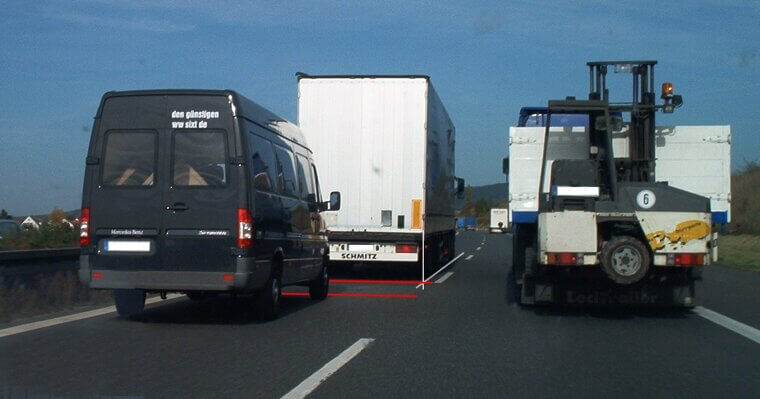
Following Too Closely in Traffic
Tailgating has always been illegal, but enforcement has become far more aggressive in recent years. In many areas, you will get a ticket for following too closely, especially in heavy traffic or on highways. Most states require maintaining at least a two to three second following distance, a rule that is now taken seriously by patrol officers and monitored by traffic cameras. With dash cams, aggressive driving crackdowns, and increased highway patrols, this habit gets noticed more than ever. Even if you feel in control, the law sees reduced following distance as dangerous behavior. The fine and insurance consequences make keeping your distance the smarter choice.
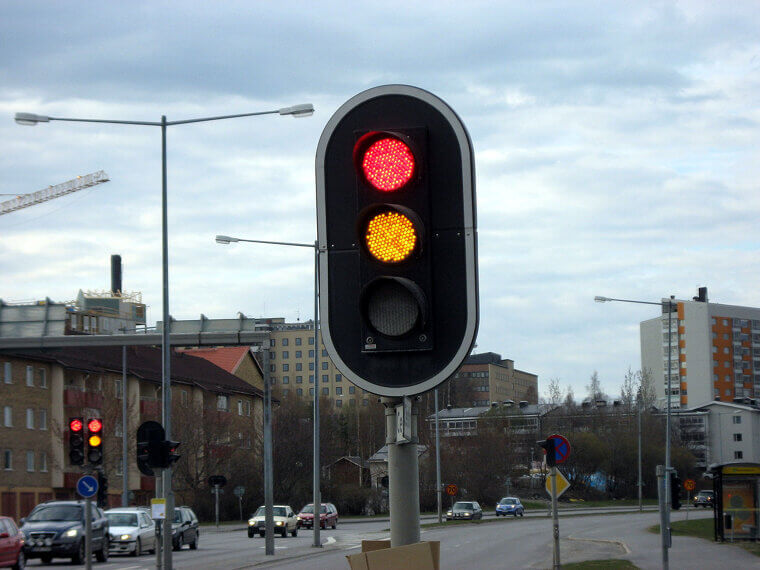
Coasting Through Yellow Lights
We were taught that yellow means hurry up and go. If you can make it, you should. These days, that mindset gets expensive. Many intersections have red light cameras that trigger if you cross too late. What feels like a normal coast can get interpreted as running the light. Timing is tighter, and enforcement is less forgiving. Even if you swear it was yellow, the camera does not care. Generally, entering the intersection on yellow is generally not considered running a red light. But if you choose to accelerate to catch a yellow is illegal in some areas. You learn quickly that slowing down is cheaper than trusting your instincts from years ago.
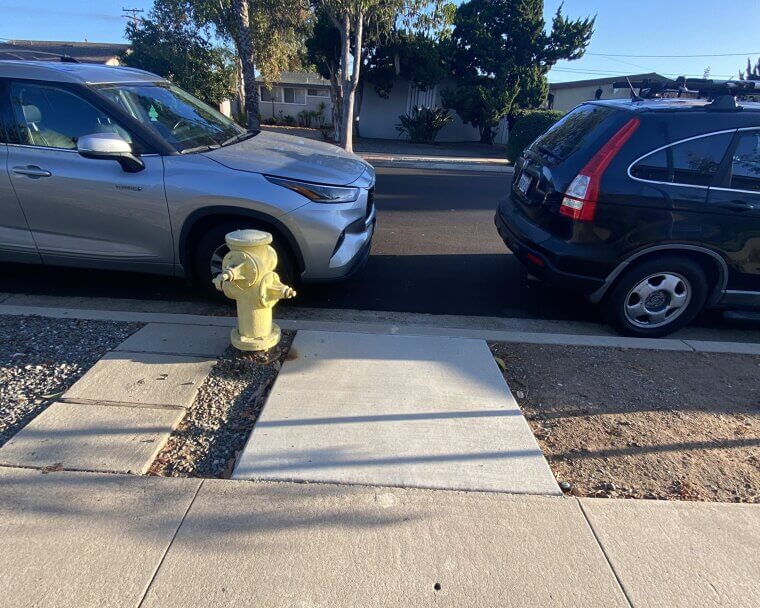
Parking Too Close to Corners or Fire Hydrants
Growing up, people parked near corners, fire hydrants, or crosswalks without thinking much about it. However, cities have become stricter about enforcing these rules. Most states require parking at least 15 feet from a fire hydrant and 20 to 30 feet from an intersection, depending on local ordinances. Curb markings, distance rules, and visibility laws are taken seriously. You can get ticketed even if your car only barely crosses the limit. It feels harsh until you realize enforcement officers measure, not eyeball. That spot you have parked in for years could suddenly cost you more than you expect.
Rolling Past the Stop Line
We grew up seeing cars pull forward past the stop line to see better. That was normal. Now, stop lines, crosswalks, and bike lanes are enforced hard. Rolling even a little past the line can trigger red light cameras or get you stopped and ticketed. Cities want cars to fully stop behind the line until it is safe. What feels like cautious positioning is now a technical violation. It is one of those habits that seems harmless until you see the ticket and realize how exact the rules have become.
Driving With One Headlight Out
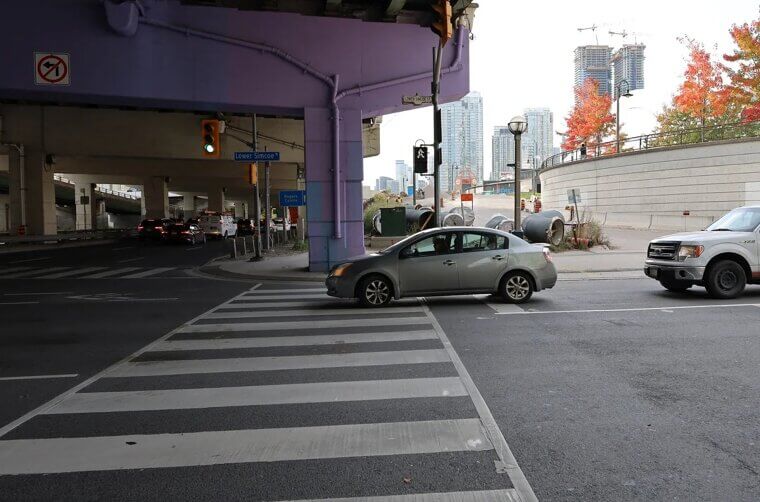
This used to feel like something you could put off for a few days. You would notice it, shrug, and plan to fix it later. Now it is an easy reason to get pulled over. Many places treat it as a safety violation, not a warning. Even if the other light works, you can still get ticketed. Police use it as a legitimate stop, especially at night. That one burnt-out bulb can result in a fine and points on your license - consequences that far outweigh the cost of a replacement bulb that takes ten minutes to install.

Not Fully Stopping Before Right on Red
Right turns on red became widely permitted across the United States only after the late 1970s, making it a relatively modern driving rule that many learned without fully understanding. From the beginning, the law required a complete stop before proceeding - it was never meant to be a rolling turn. However, many drivers picked up the habit of slowing rather than fully stopping, especially at quiet intersections. Red light cameras enforce this strictly, and photo tickets often arrive weeks after the moment, catching drivers completely off guard. This law is especially strict around intersections with bike lanes and crosswalks. Coming to a full stop every single time is the only safe approach.
Using the Shoulder to Slip Past Traffic
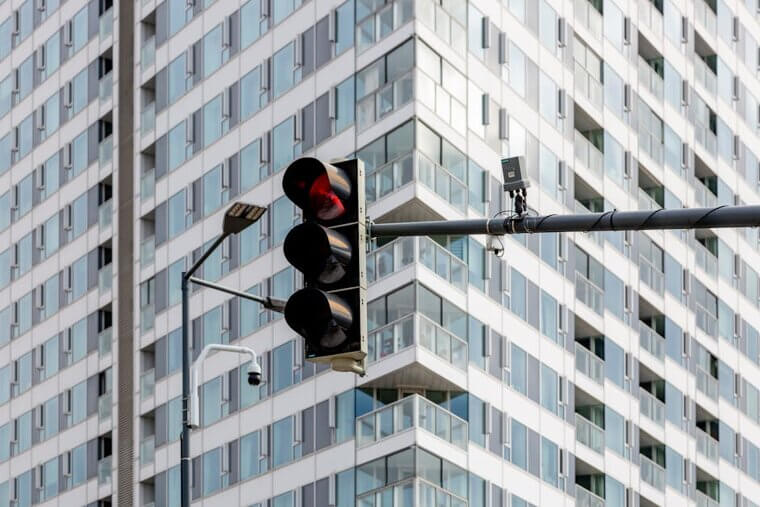
There was a time when using the shoulder briefly seemed like a smart move when exiting the highway or making a turn. However, it is no longer acceptable in many areas. Shoulders should only be used during emergencies, not because it is convenient. Cameras, highway patrols, and even other drivers report it. The fines for this violation are hefty, and some jurisdictions will even assign points. The same action that you witnessed your parents perform growing up is now considered aggressive and illegal.
Leaving the Car Running Unattended
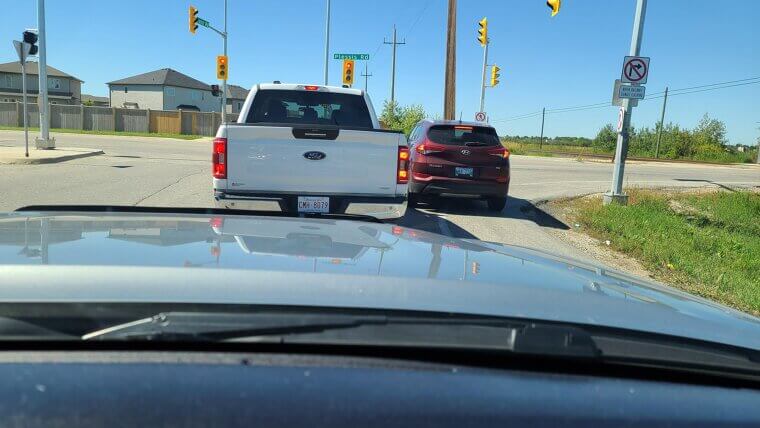
Leaving your vehicle running while briefly stepping into a store felt harmless for decades, and in many places it still goes unnoticed. However, a growing number of states and cities have enacted anti-idling laws that can result in fines, particularly in urban areas with emissions restrictions. Beyond legal issues, an unattended running vehicle is a leading target for opportunistic theft - something insurers take seriously when processing claims. People are often caught off guard by tickets they never expected. Whether the concern is emissions enforcement or theft prevention, the habit of leaving your engine running unattended carries more risk today than it ever did before.
Ignoring Temporary Speed Limit Changes
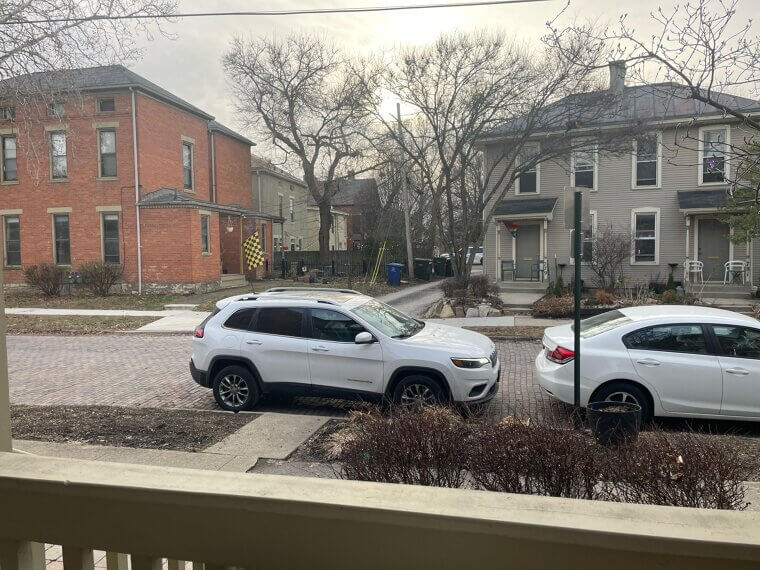
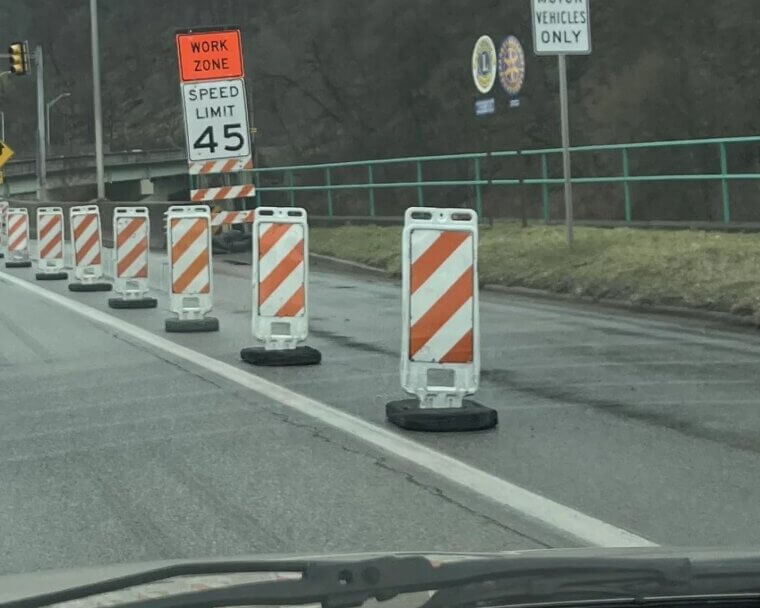
Construction zones used to feel flexible when there were no workers around. Now, temporary speed limits are enforced full-time regardless of whether workers are present. Cameras and patrols do not care if it is midnight or the site looks completely inactive. What makes this especially costly is that fines in active construction zones are often doubled compared to standard speeding violations in most states. People rely on old habits and muscle memory instead of watching for updated signs. One stretch of road you have driven for years may suddenly carry a lower limit, and missing that sign can prove very expensive.
Making Quick U-Turns Where You Always Did
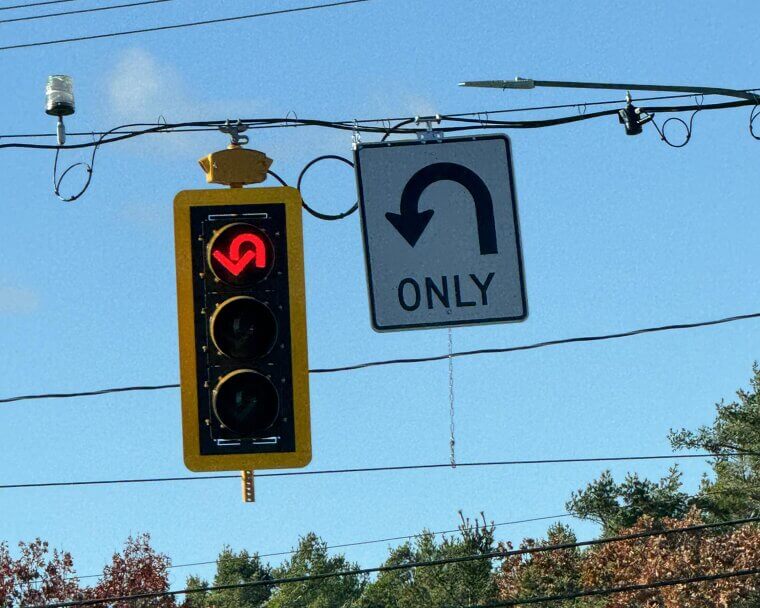
Some drivers have favorite spots where they always made U-turns without issue, and for years nobody seemed to care. However, traffic patterns change and cities quietly update signage without much fanfare. A U-turn that was perfectly legal last year may now carry a sign prohibiting it that many drivers simply haven't noticed. You may not realize anything has changed until you see police lights in your mirror. What was once a normal shortcut becomes a violation that costs real money. It pays to actively look for updated signage rather than relying on routes and habits from years past.
Assuming Warnings Come Before Tickets
This is the biggest mindset shift for experienced drivers. As new drivers, many of us assumed that law enforcement would always issue a warning before writing a ticket. That gave people a sense of buffer - a chance to correct behavior before facing real consequences. Now, enforcement increasingly relies on cameras, zero-tolerance policies, and automatic fines with no human interaction at all. There is no warning, no explanation, only a ticket that arrives in the mail weeks after the moment. The system prioritizes enforcement over education now, and driving by old assumptions is an expensive way to learn that lesson.