Brake… Eventually
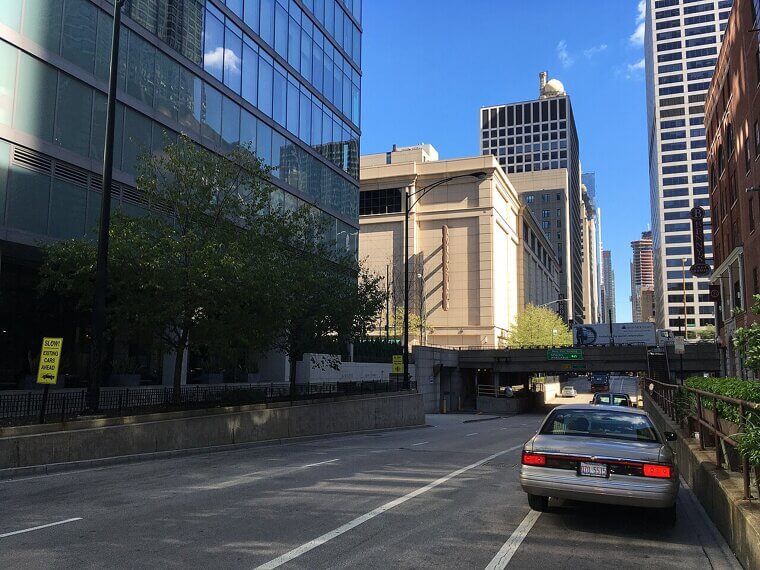
Reaction time slows with age, and braking often comes a beat too late for older people. It’s not intentional. It’s just biology doing its thing and slowing everything down. Cars ahead stop suddenly, and there’s less time to respond. Older drivers may think they’re leaving enough space, but traffic today stops fast and often, and that delay adds up. Earlier braking and extra distance help cover that gap and keep everyone going. Think of it as buffering time, like your brain needs a second to load before hitting pause and hitting the brakes. When the road gets crowded, that tiny biological lag can feel like an eternity. By widening your safety net, you outsmart the clock and give your senses the breathing room they need to stay in control.
The Sunday Stroll
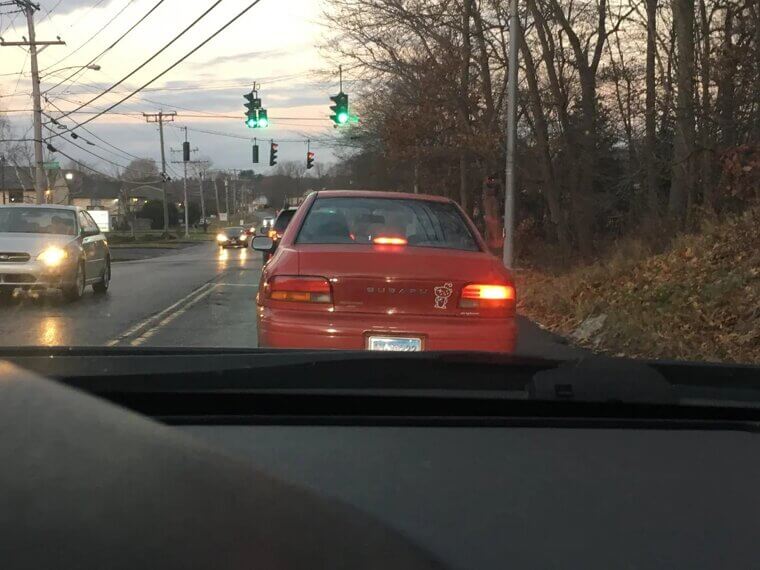
Driving too slowly sounds harmless, right? Wrong! When one car crawls along below the speed limit, everyone has to react. The result? Cars bunched up, annoyed drivers, and someone taking a risky chance to try to get past the slow driver. Older drivers seem to think slower is always safer, but traffic really needs everyone to move at a steady pace. When speed doesn’t match the flow, confusion starts. That confusion quickly leads to sudden braking, angry moves, and a few near misses. Going too slow can turn a calm road into a stressful and chaotic one quickly.
Intersection Indecision
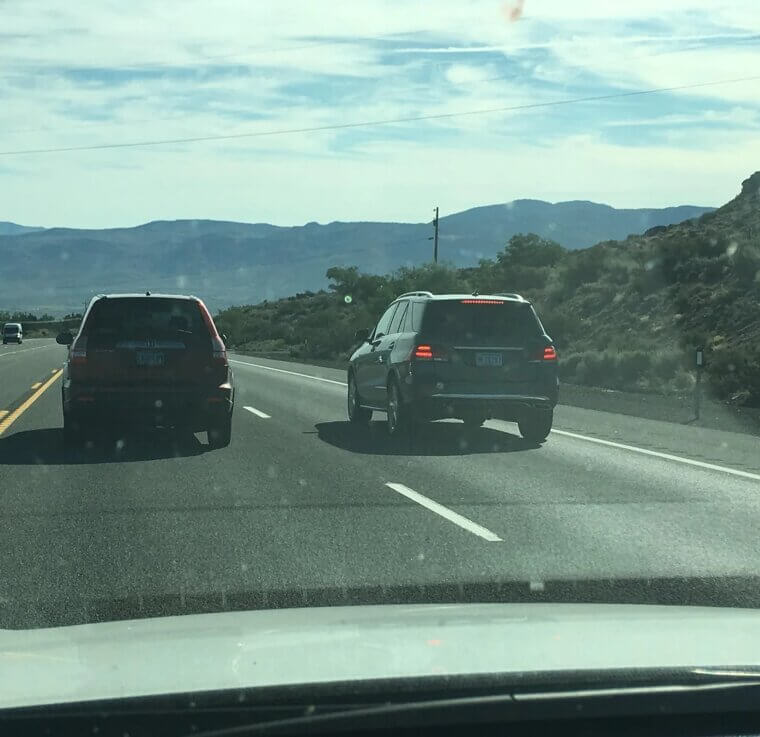
Intersections are stressful, especially when there’s a lot happening at once. Some older drivers pause too long, second-guess themselves, or misread who should go first. Others assume another car will stop when it won’t. That hesitation confuses everyone. Cars behind don’t know what’s happening, and cars crossing may move at the wrong time. Intersections already carry a higher risk, and slow decisions make them riskier. Clear, confident moves keep traffic flowing and help everyone stay safe, and it helps if everyone knows the rules of the road.
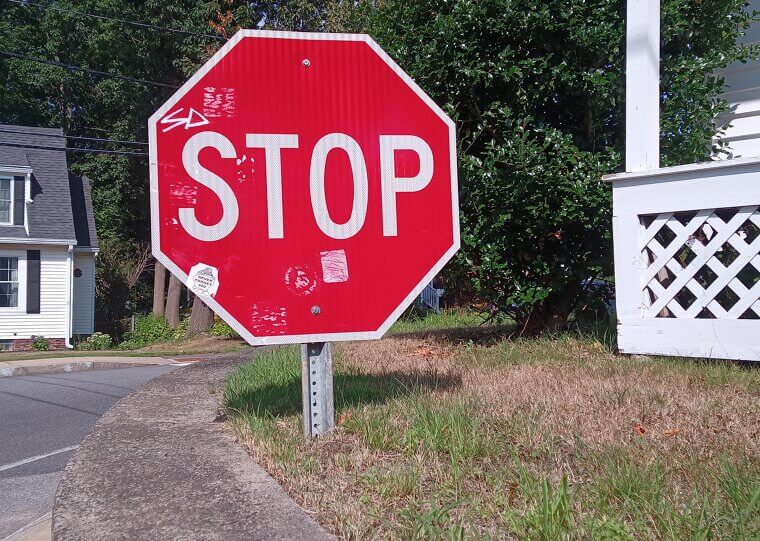
The “I Slowed Down” Stop
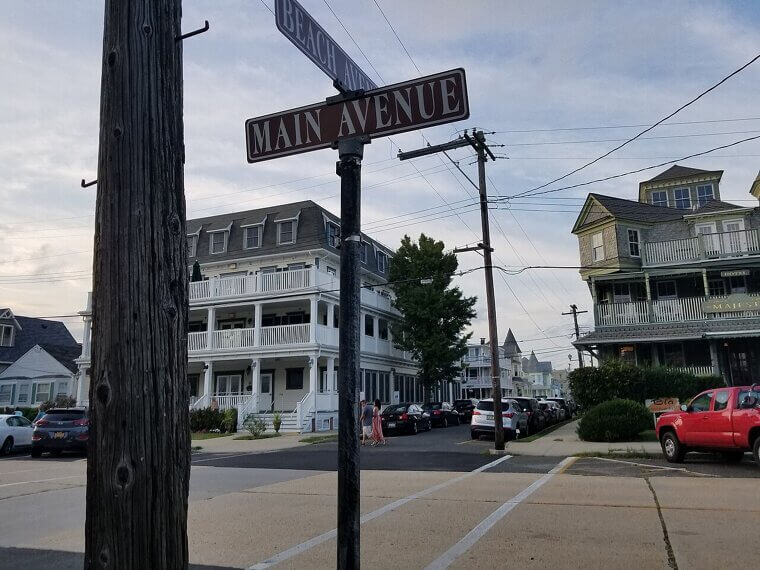
Did you know that rolling through stop signs used to be pretty common back in the day? Older adults would slow down, look both ways, and keep going. But, and this is a big but, roads aren’t the same anymore. There are more cars, more bikes, more pedestrians, and, of course, more distractions. Slower reflexes make it harder to react if something suddenly appears, and that quick look just isn’t enough anymore. A full stop, on the other hand, gives you enough time to see what’s happening. Skipping it saves seconds but increases the risk, so those seconds matter more than ever.
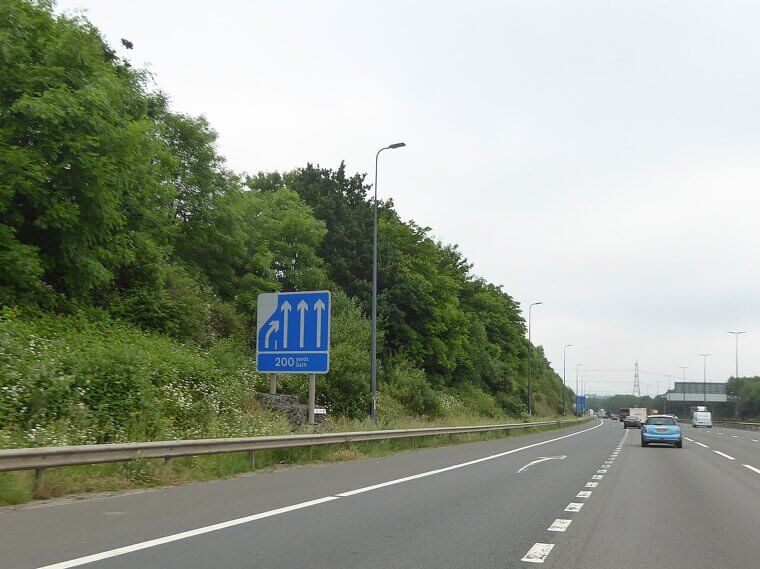
Merging Panic
Highway merging makes many older drivers a bit nervous. Instead of speeding up, they slow down or hesitate. And that’s where the danger starts. Cars behind expect steady movement, while cars on the highway don’t expect someone creeping in. The result? Sudden braking and close calls. Highways work best when drivers match their speed and move confidently. Hesitation does nothing more than throw everything off. Being careful doesn’t mean stopping or crawling, but rather timing your move and committing to merging when it’s safe.
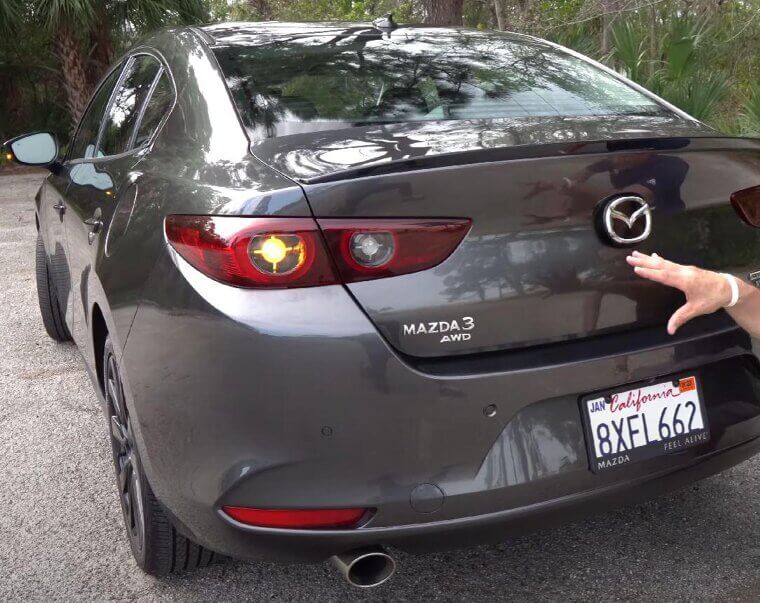
Signal and Go
Turn signals are super important. But, they don’t do all the work. Some older drivers signal and change lanes without turning their head. The big problem is blind spots. Mirrors don’t show everything, especially smaller cars and motorcycles. A signal tells others what you want to do, not whether it’s safe, and a quick shoulder check makes all the difference. One quick head turn can prevent a whole lot of honking, swerving, and panic. We think it’s safe to say that this is one driving habit we wish would be forgotten, and fast.
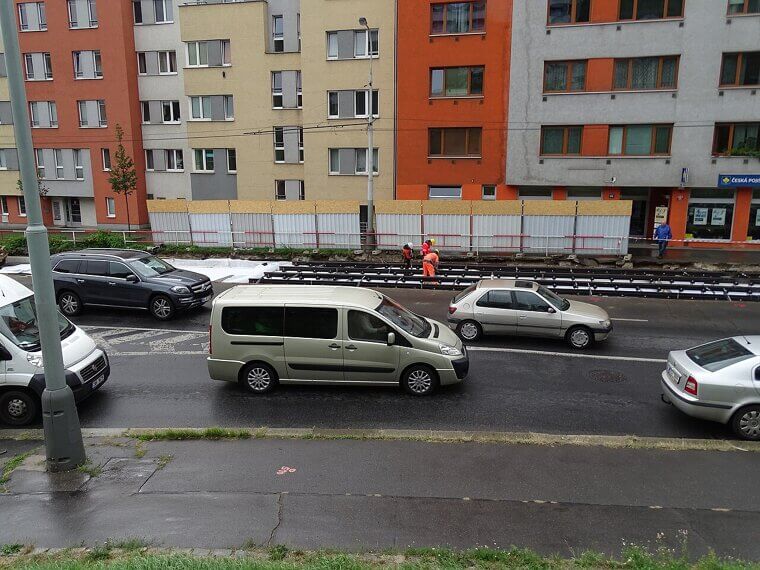
The Lane Wanderer
You always get that one person - usually older - who drifts onto another lane without signaling. Other drivers watch in confusion, wondering if you’re changing lanes or avoiding a ghost. Sadly, older drivers don’t always realize they’re drifting, especially on long roads. Years ago, traffic was lighter and more forgiving, so it wasn’t a big problem. Today, however, drifting makes roads dangerous. Clear lane changes help others know what’s going on. Busy roads definitely aren’t the places for surprises, so it would be way better if everyone could just drive properly.
Night Driving Roulette
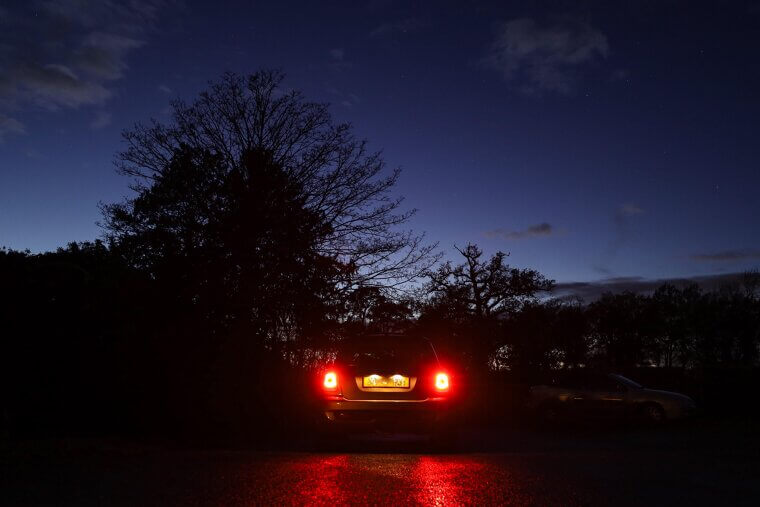
Night driving hits differently with age. Headlights feel like laser beams, signs suddenly shrink to half their size, and depth perception plays tricks. Even roads you’ve driven for years become unfamiliar at night. Some older drivers power through it anyway, gripping the wheel and squinting like that will fix it. Spoiler alert: it won’t! Night driving isn’t just uncomfortable; it’s risky, even when you think you know the roads well. We suggest skipping night trips when you can and sticking to daytime driving. It’s all about choosing safety over unnecessary stress.
Driving Through the Pain
Getting older comes with a few things that’ll set you back - arthritis, stiff necks, and sore knees. And, none of these belong in a car, but here we are. Older drivers often push through their aches and pains like champs. The problem is that pain limits movement. Turning the wheel hurts. Checking blind spots feels like yoga. And braking quickly isn’t so quick anymore. Driving needs a body that can move freely and a mind that reacts fast. PSA: Ignoring physical limits behind the wheel doesn’t make you tough - it just makes driving harder.
When Did Roads Get So Weird?
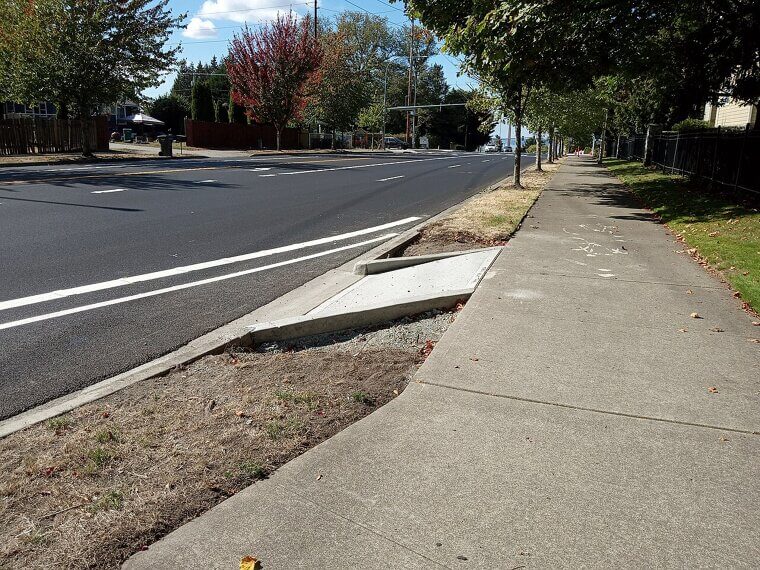
Modern roads feel like they changed overnight. Suddenly, we’ve got roundabouts, bike lanes, and signs that look different. Older drivers who learned to drive on simpler layouts can feel lost. And that confusion leads to sudden stops, missed yields, and a few awkward moments. Using old rules on new roads creates chaos fast. Traffic keeps evolving, so staying familiar with changes helps reduce stress and keeps everyone moving smoothly. And for older folks, it’s important to remember that roads aren’t getting stranger - they’re just changing to meet the times.
Too Many Distractions
As people get older, handling distractions while driving becomes harder. Talking with passengers, adjusting the radio, or fiddling with controls can pull attention away faster than before. The brain takes longer to switch focus. When something unexpected happens, reaction time slows. This doesn’t mean someone isn’t paying attention—it just means multitasking isn’t as easy. Driving needs steady focus. Fewer distractions make it easier to notice changes in traffic and respond in time. Keeping things quiet and simple in the car helps reduce risk for everyone.
Not Adjusting for Weather
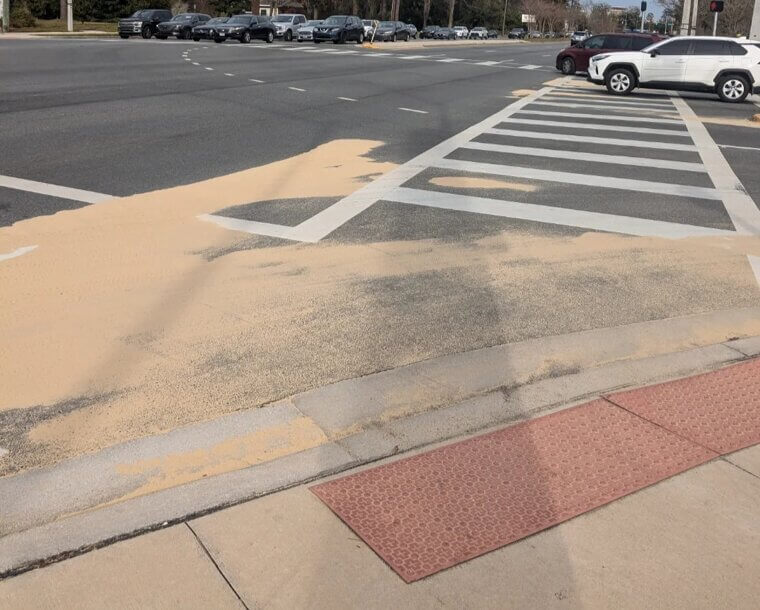
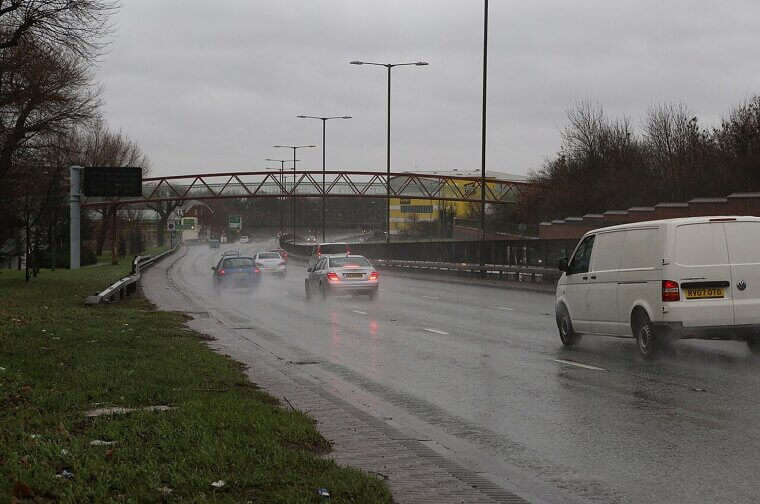
Weather changes how a car behaves. Rain increases stopping distance. Fog limits visibility. Wind affects steering. Some older drivers keep the same habits no matter the conditions because that’s what they’re used to. But roads don’t respond the same way in bad weather. Continuing at normal speed reduces reaction time and control. Slowing down and leaving extra space helps prevent sudden stops and loss of control. Adjusting driving for weather isn’t fear, but rather about basic safety and good judgment on the road and in a car.
Experience?
Years of driving build confidence, sure, but confidence can’t hide change and adapting to busier roads and more traffic. Reflexes slow, vision shifts and changes, and decision-making takes longer. Experience helps, but it doesn’t stop aging. Some drivers rely on past habits instead of adjusting to their current abilities. Not accepting this can lead to risky situations. Safe driving means noticing changes and adapting by making small adjustments, like driving less at night or avoiding busy roads, which helps maintain safety without giving up independence right away.
Following Too Closely
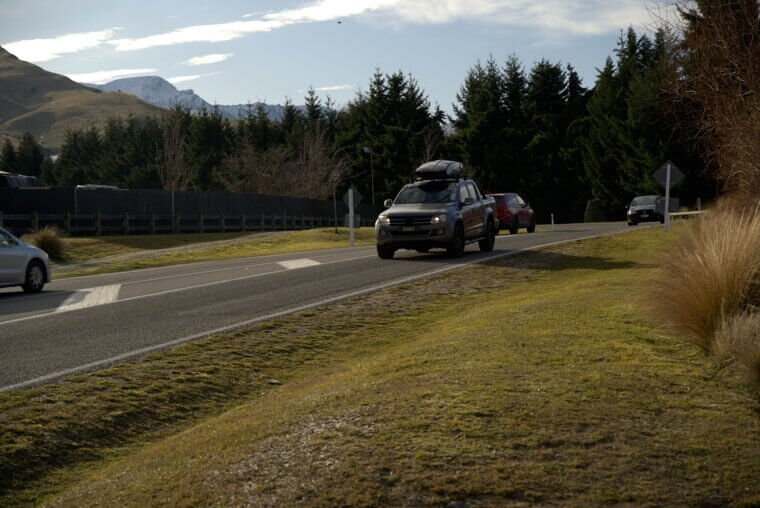
Judging distance is just another thing that becomes harder with age. Some older drivers follow other cars more closely than they realize. Traffic pressure can make this worse. When the following distance is too short, there’s little time to react if the car ahead stops suddenly or if there’s an accident ahead. That increases the risk of rear-end collisions. Leaving more space allows for extra reaction time and smoother braking, while backing off improves safety and lowers stress. Space on the road is one of the simplest ways to prevent accidents.
Ignoring the Warning Signs
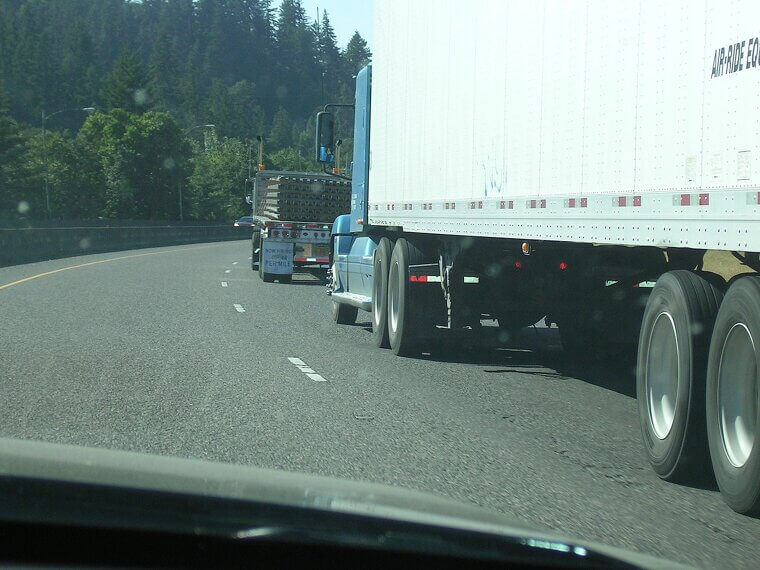
Stopping or reducing driving is a very difficult decision that we all have to face at one stage or another. It often feels like losing independence. Because of that, some older drivers ignore the warning signs like frequent close calls, confusion, or health concerns. Family members and doctors may notice problems before the driver does. Continuing to drive when your ability declines only increases the risk for everyone else on the road. Slowly reducing driving, avoiding difficult conditions, or finding other transport options helps protect your safety while still maintaining a quality of life.