Riding Without a Seatbelt
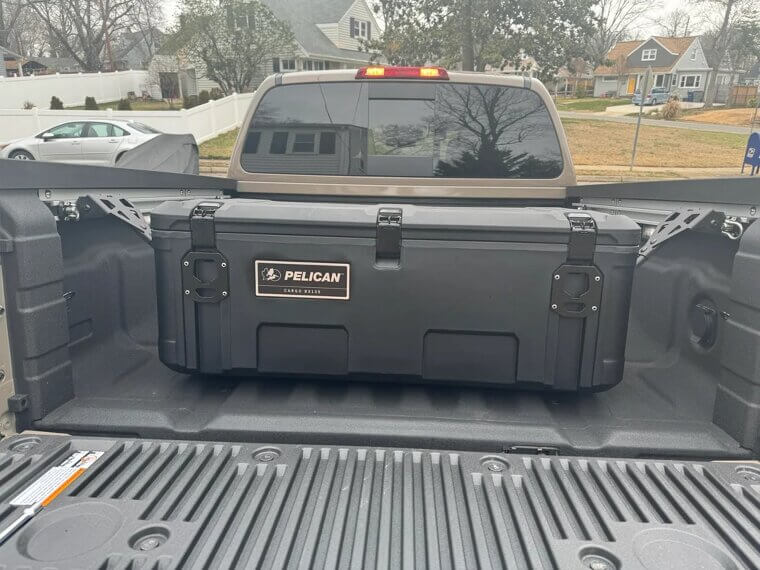
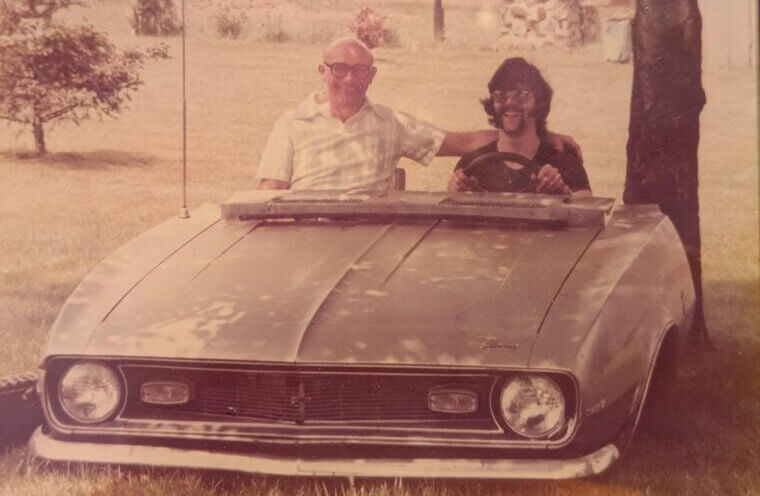
This is a classic old driving habit that your grandparents have doubtless mentioned, but driving or riding without a seatbelt is now very much illegal. By 1995, almost the entire US enforced seatbelt laws, so there’s no excuse for older drivers not to follow them, even with their fond daredevil memories.
Rolling Through Stop Signs
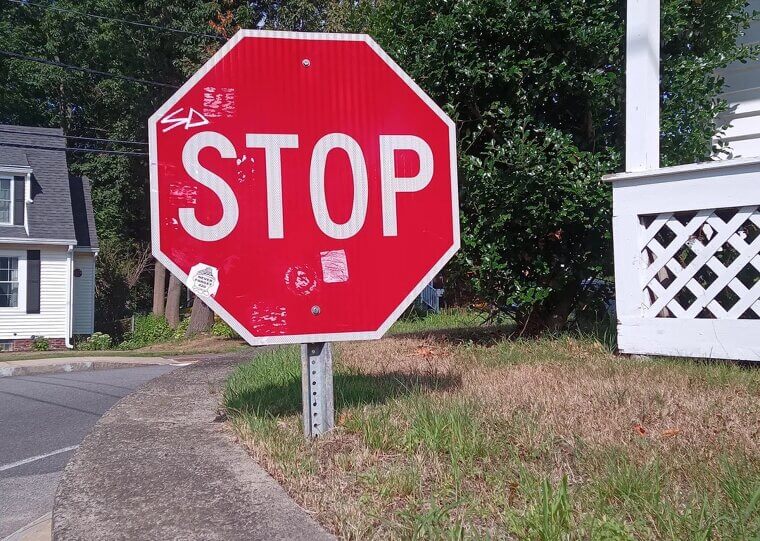
Stop signs exist for a reason, but drivers used to be able to perform a “California stop” without any consequences. However, they are now required to come to a complete stop, even if no other cars or pedestrians are present, and risk a penalty if they don’t. For older drivers, this has been a difficult adjustment.
Left-Lane Cruising
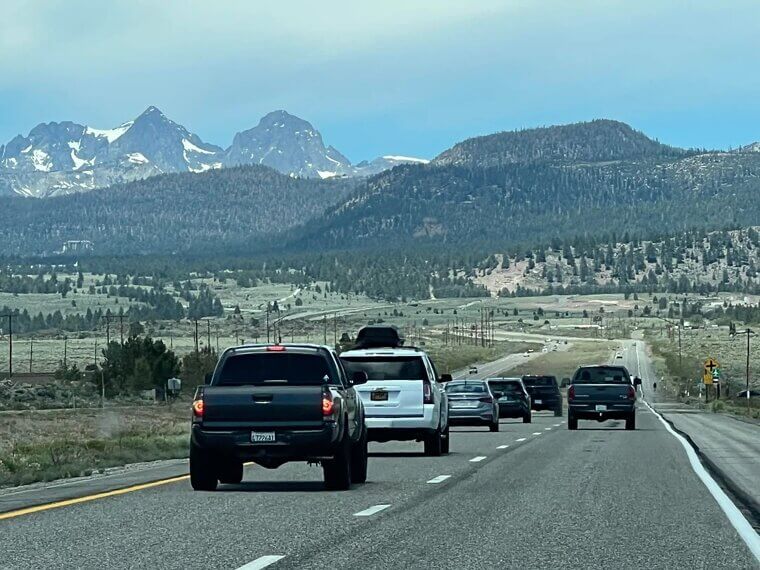
Everybody hates to see another car cruising in the left lane without speeding up or overtaking, yet some older drivers don’t understand the frustration. Decades ago, lane road enforcement wasn’t as strict, so people could get away with left-lane cruising. Now, roads are far busier, so drivers must keep to the right.
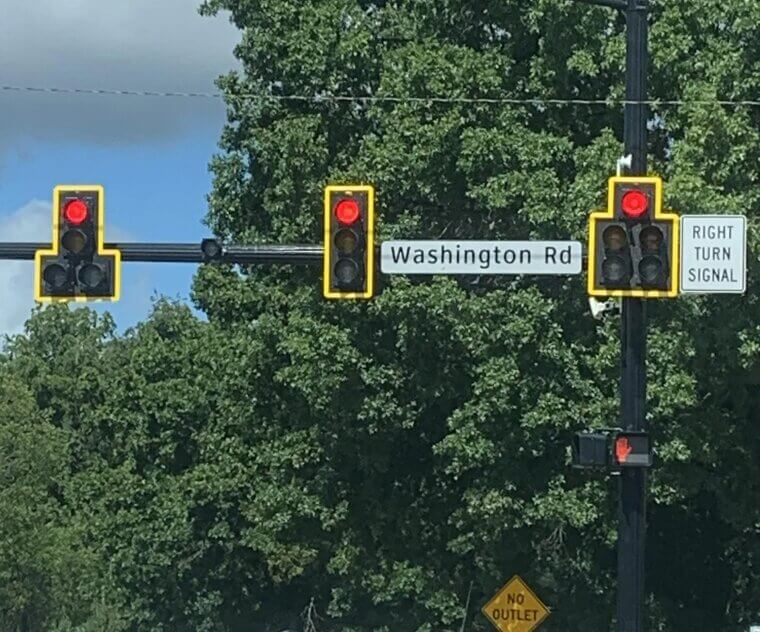
Turning Right on Red Without Stopping
It’s still legal to turn right on red, but back in the day, drivers could get away with a quick glance. Nowadays, a complete stop is required before the car moves off, just in case another car is coming. This is done to decrease the likelihood of a collision, though it annoys some older drivers.
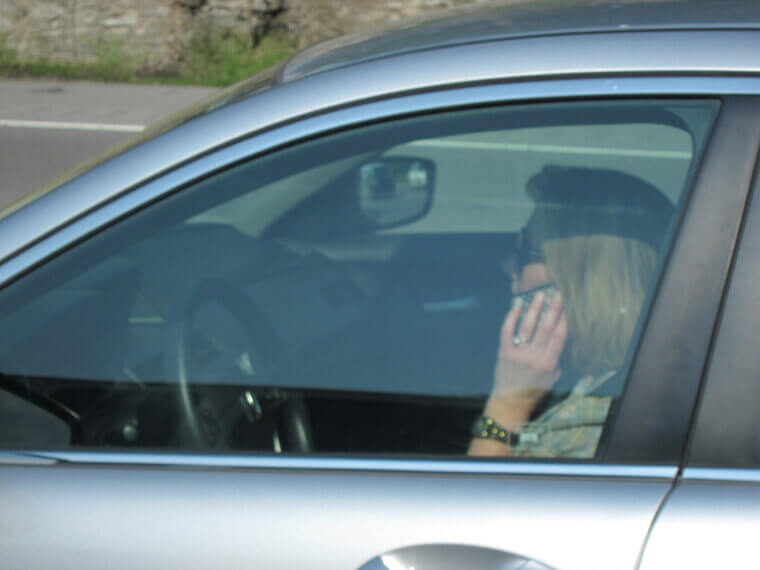
Using a Handheld Phone
It’s horrifying to think of now, but years ago, there used to be loopholes that allowed drivers to use handheld phones for certain reasons, like selecting songs. Drivers of all ages are caught using phones while driving now, but it’s less concerning for the older generation who remember old road rules.
Passing on the Right Via the Shoulder
Passing on the right is a big no-no now, but it used to be common for drivers to use the shoulder to overtake, primarily on rural roads. If you were caught trying that now, you’d be swiftly pulled over. There are some emergency exceptions to this rule, but it should generally never be done.
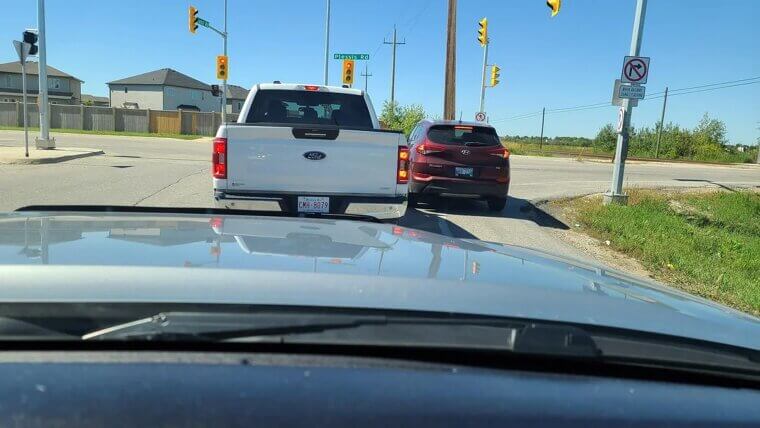
Tailgating at Low Speeds
There’s nothing worse than being tailgated on lower-speed roads, but many older drivers don’t realize they’re doing it. Some of them remember days when the roads were quieter and slower, and there was no “two second rule” to follow. Today, tailgating is a sign of road rage, so even low-speed cars must keep their distance.
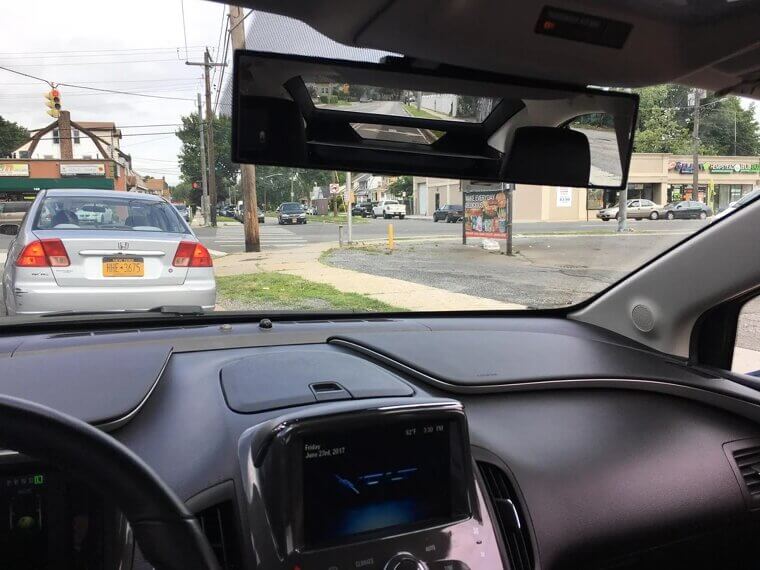
Turning Across Multiple Lanes at Once
Wide turns aren’t unheard of, but there are so many cars on the road now that they’re often unsafe manoeuvres. Modern traffic laws require drivers to turn into the nearest legal lane, then change lanes later, but things weren’t always so specific. That’s why older drivers are generally more likely to make wide turns.
Parking Facing Against Traffic
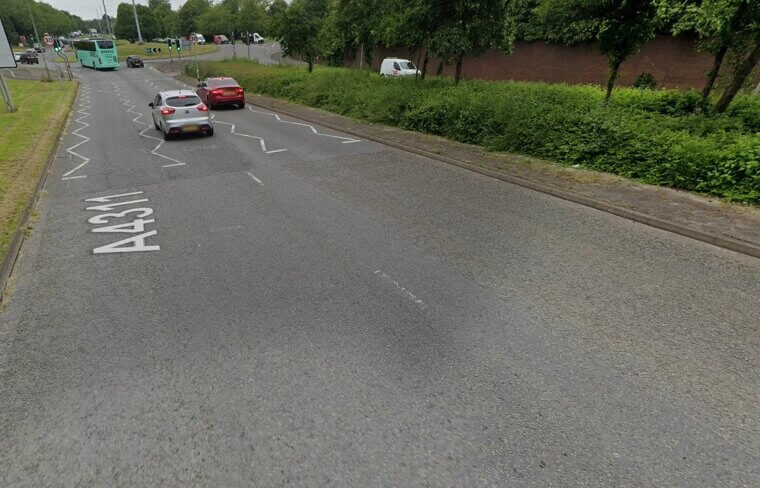
Even if it wasn’t illegal in the US, most people would still park facing the direction of traffic because it makes pulling out much easier. However, past neighborhoods were full of cars parked in the opposite direction, creating poor visibility and potential hazards. Some older drivers still take the risk now.
Smoking With Minors in the Car
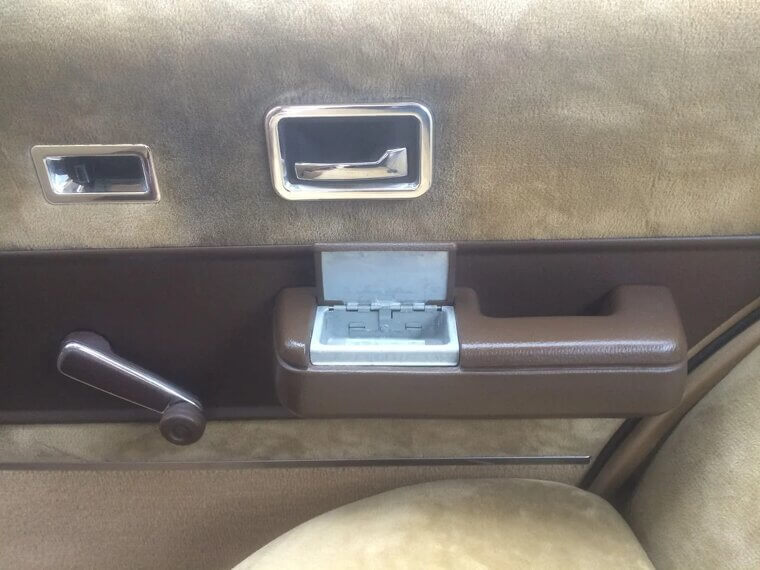
Smoking in the car is generally frowned upon now, but it’s unthinkable with children present. It’s still legal in some states, but most strongly discourage parents from doing this because of the adverse health effects. Older people might cling onto this habit, but it’s thankfully dying out.
Not Using Child Restraints For Grandchildren
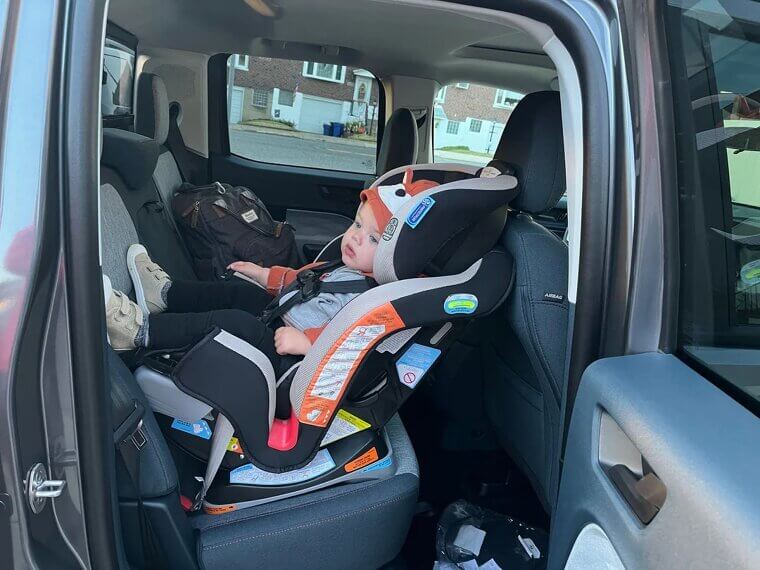
This driving habit goes back to seatbelt-flouting, but it’s even more dangerous. Many American grandparents struggle with modern child restraints because they didn’t use them for their own children, leading to several educational campaigns to increase child safety in cars. It’s extremely (and rightly) illegal not to use proper car seats for children now.
Yielding Unnecessarily
Almost every driver will have shouted “go!” at a car for yielding unnecessarily, but why do they do it? Courteous driving was encouraged in the past, so drivers would happily let others go instead of following right-of-way, and some still do it now. Obviously, it’s both an accident waiting to happen and highly irritating.
Driving With a Headlight Out
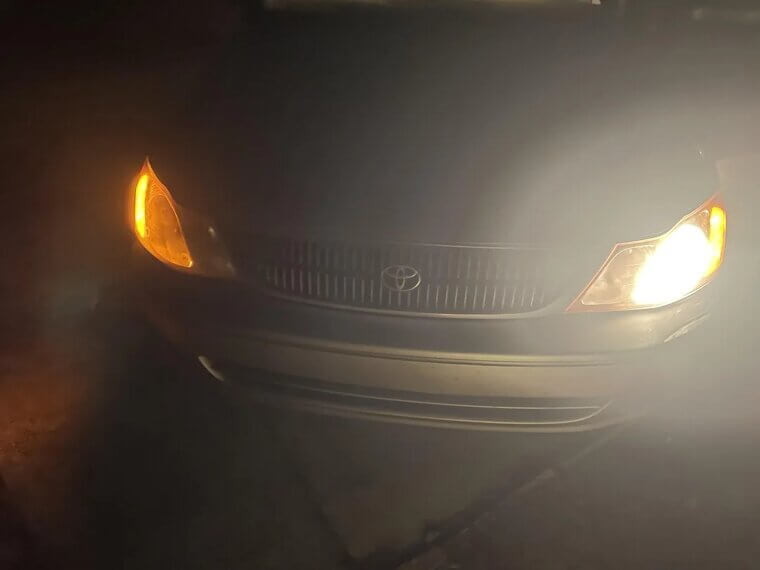
If your car has anything less than two working headlights, you’ll face strict penalties on the road, but it wasn’t always that way. It wasn’t necessarily legal, but most people often overlooked it if a car had one headlight out, and they generally took a more lax approach to driving. In a few decades, that’s all changed!
Making U-Turns Wherever
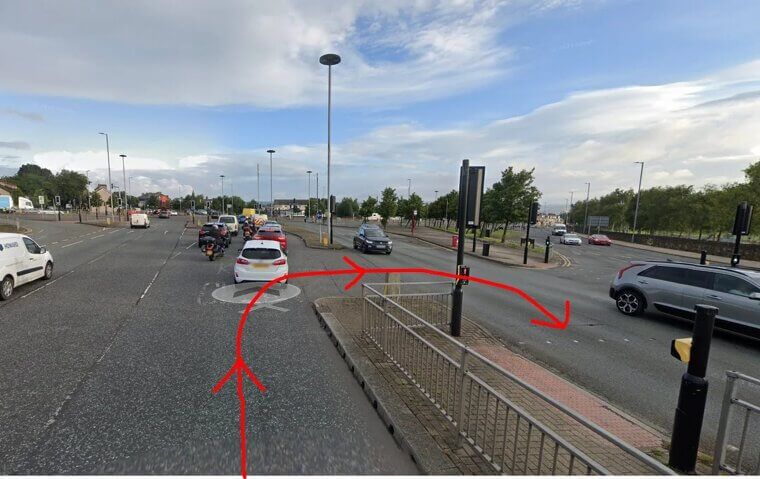
There are two rules for making U-turns in the US: do them when it’s safe and there are no prohibitive signs. But drivers used to make U-turns wherever, forcing other traffic to yield. Many interactions and districts prohibit U-turns entirely to prevent this from happening, and it’s taken some adjustment for older drivers.
Backing Up to Catch a Missed Turn
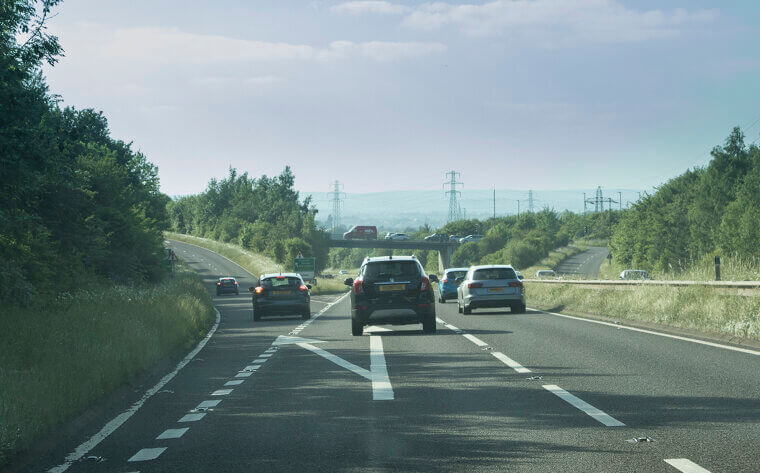
Most of us can’t imagine backing up on a moving road to catch a missed turn, but people didn’t think twice about it a few decades ago. There was far less enforcement, so they could get away with it, but the same can’t be said for today. It’s a dangerous habit that’s better off being broken.
Using High Beams in the City
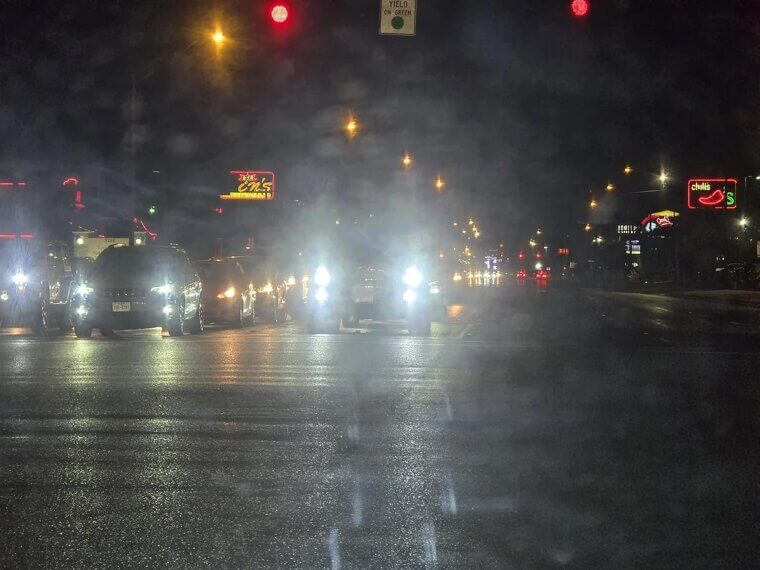
High beams are the bane of nighttime driving, but that’s because they’re so much brighter now. In the past, halogen bulbs could be put on high-beam mode in the city to improve visibility, but those rules changed for safety reasons. However, some older drivers still haven’t broken the habit.
Honking in Greeting
Some people still do this today, but it’s mainly those from the older generation. Honking to say hello or issue a courtesy on the road is strongly discouraged because it’s misleading and contributes to road rage. Horn use is now limited to warnings only, for everybody’s safety on the road.
Turning From the Wrong Lane
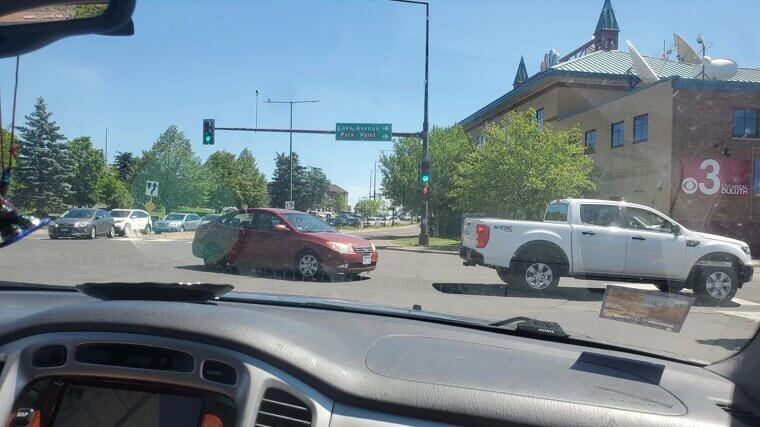
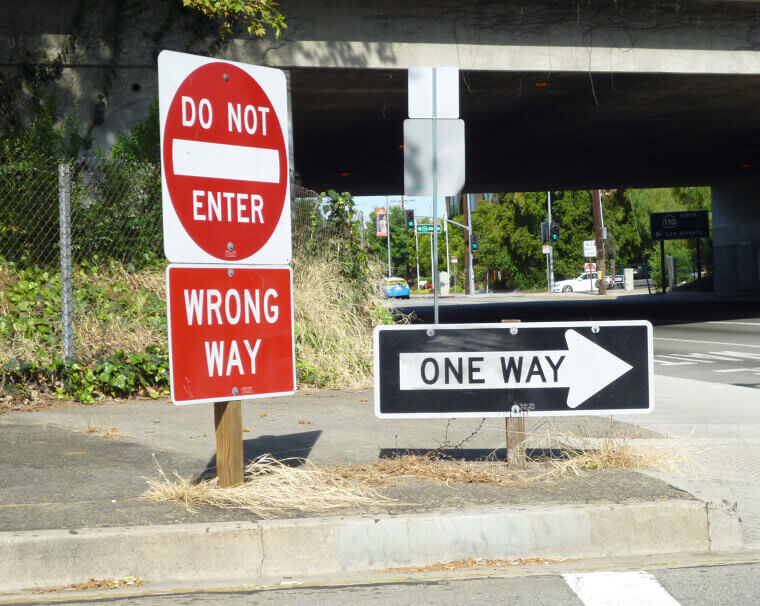
Sometimes, you find yourself in the wrong lane and need to make a turn, but do you risk it? Many younger drivers wouldn’t because they’ve been taught not to and fear getting caught, but older drivers are bolder. They recall roads having greater flexibility, which makes them more likely to attempt a risky turn.
Not Yielding to Pedestrians on Crosswalks
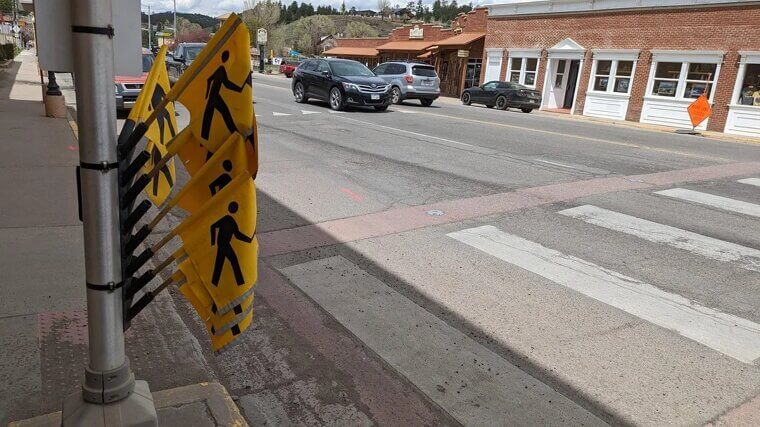
Back in the day, there was a simple hierarchy on the road: cars before pedestrians. Those on foot would wait until the cars had passed before crossing the street, even at crosswalks. Now, drivers must yield to pedestrians on marked and unmarked crosswalks, and may face fines if they don’t.
Driving With Unsecured Cargo
Whether it was people without belts, work boxes, or vacation bags, many drivers used to drive with unsecured cargo in their truckbeds. They didn’t see it as a risk and embraced a more relaxed approach to transportation. Now, people of all ages must secure their cargo to prevent a potential accident.