Age Has a Say Now
Getting older now affects how often you renew your license. This rule changed quietly, but it matters. Years ago, many older drivers renewed just like everyone else. That is no longer the case. As people age, their eyesight can slowly change. Reaction time can slow down, too. Health issues can appear without warning. Governments noticed this and stepped in. Older drivers now renew more often. Some places also ask for eye tests or medical checks. This is not about punishing anyone. It’s about keeping everyone safe on the road.
License Validity
License validity is no longer a one-size-fits-all deal. Just a few decades ago, you renewed your license and forgot about it for ages. Now, many countries are changing how long licenses last. Some have shortened the time, while others, like South Africa, have extended it. It sounds great until you forget to renew, and a cop pulls you over with an expired license. Governments want safe drivers, so fewer renewals might be a good idea. But, no matter what, your license is no longer a set thing, and you will need to check when yours is due for renewal.
Miss the Date, Lose the License
License renewal dates are now serious business. In the past, forgetting to renew was not a big deal. You paid a small fine and carried on. That has changed. Today, missing your renewal date can cancel your license automatically. No warning letter. No friendly reminder. Just suspension. That means you can't drive legally, and your insurance may also become invalid. That can cause huge problems if you get stopped or have an accident. Governments want fewer expired licenses on the road. They want up-to-date records. So they made the system stricter.
Points Hurt More Than Before
Demerit points used to feel harmless. You got a few and forgot about them. That is no longer true. Point systems are much stricter now. Speeding adds points quickly. Using your phone adds more. Running a red light adds even more. These points stack up fast. Once you reach the limit, your license can be suspended. In some cases, you must attend driving classes before you can drive again. This change is meant to change behaviour. It makes drivers stop and think. Every mistake now has a lasting effect.
Speeding Hurts Your Bank Account
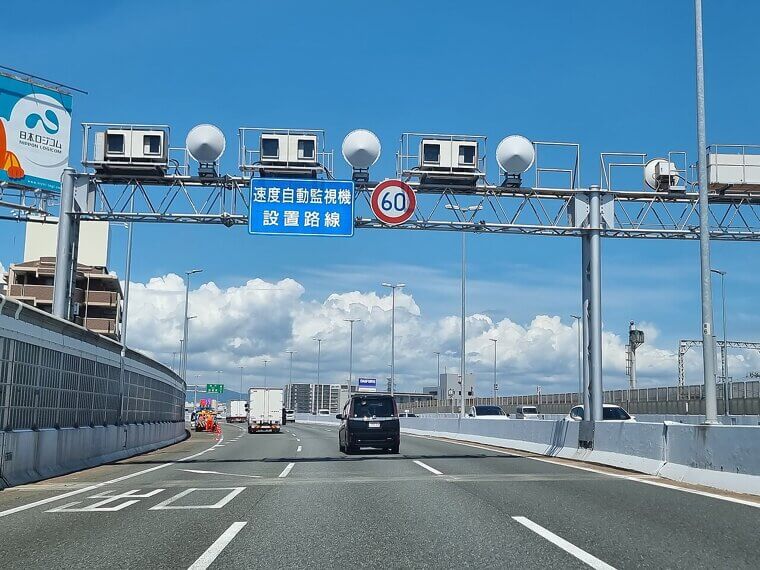
Speeding used to feel harmless. You got a ticket, sighed, and moved on. Those days are gone. Speeding fines are now much higher, and they sting. Governments realised small fines did not scare anyone. People treated them like a parking fee. Now speeding hits your wallet hard and adds points to your license. Speed too often, and you could face court or lose your license. Roads are busier. Cars are faster. Crashes are worse. The new message is simple. Slow down or pay up. And yes, people are definitely slowing down.
One Drink Is No Longer “Fine”
Drinking and driving rules tightened a lot. In many places, even one drink can put you over the limit. Alcohol limits dropped, and punishments got tougher. Fines are bigger. Bans last longer. Jail time is now a real risk. Police also test drivers more often. Random roadblocks are common. The old excuse of “I feel okay” doesn’t work anymore. Authorities want zero guessing and zero risk. If you drink, you don't drive. You plan a lift, or you call a ride. This rule changed because drunk driving still kills people. Simple as that.

Back Seat? Better Buckle Up!
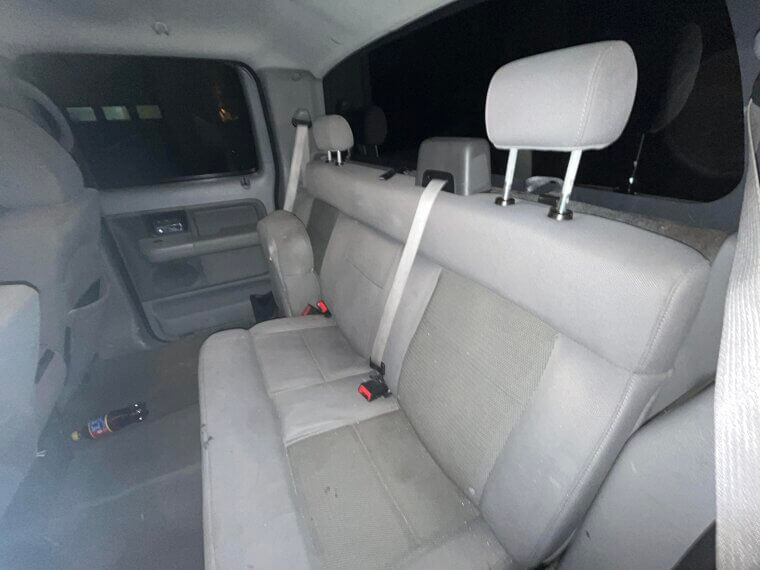
Seatbelts are no longer just a front-seat thing. Everyone in the car must buckle up now, including people in the back. Many drivers still forget this rule. In a crash, unbelted passengers can fly forward and seriously injure others. That is why the law changed. Police now fine drivers if passengers are not wearing seatbelts. It is no longer “your own risk.” Safety is shared inside the car. Buckling up takes seconds and saves lives. Front seat or back seat, the rule is the same. Click it or pay for it.
Kids Get the Safety Treatment
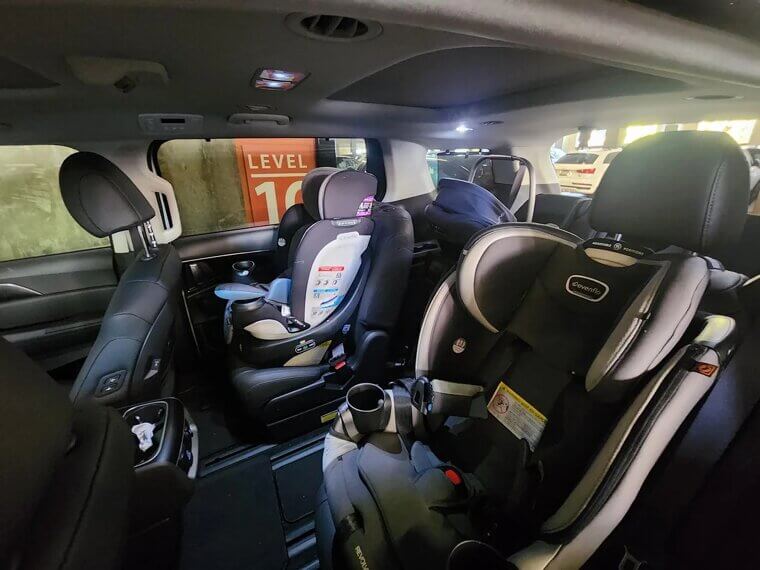
Child car seat rules have become much stricter than they were a few years ago. Age alone no longer decides anything. Weight and height matter too. Many children must stay in rear-facing seats longer than before. Booster seats are required until kids are bigger. These rules can feel confusing and expensive. But they exist for a good reason. Kids are fragile. Adult seatbelts don't protect them properly. Proper seats reduce serious injuries. Yes, installing them is annoying. Yes, they cost money. But they save lives and keep the little ones safe.
Put the Phone Down!
Using your phone while driving is now a fast way to get fined. Holding your phone is illegal in many places - even at traffic lights. Texting while driving can lead to fines, points, or license suspension. Hands-free is often the only allowed option. Authorities finally accepted what drivers already knew, and that’s that phones distract you badly. Your eyes leave the road, and your reaction time disappears. Accidents happen fast, and new laws reflect this reality. The rule is simple: Drive first, scroll later. Your message can wait. Your life shouldn't.
Cameras Never Blink
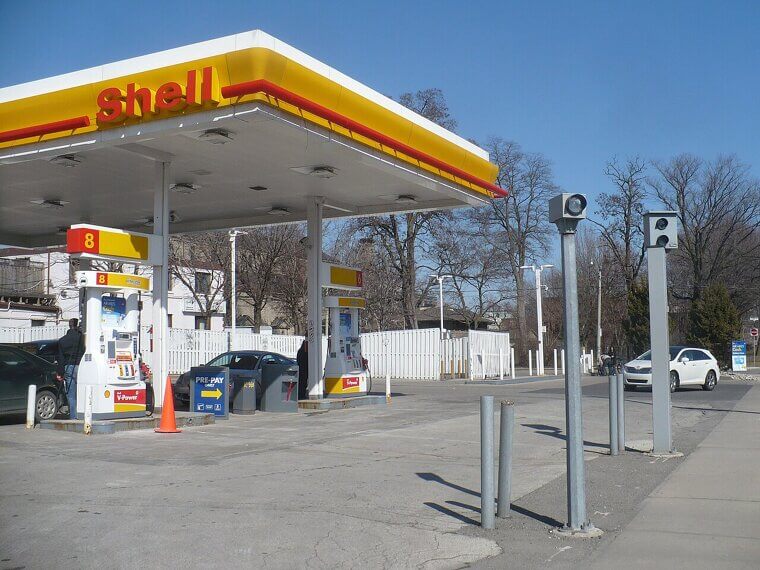
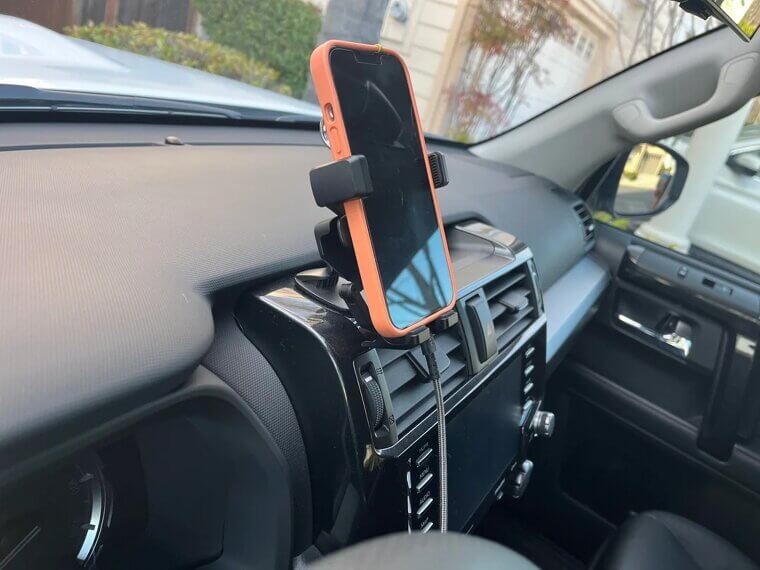
Traffic enforcement has gone pretty high-tech. Police no longer rely only on pulling drivers over. Cameras now watch intersections, highways, and school zones. AI systems catch speeding and red-light jumping. Dashcam footage appears in court. Other drivers can even submit evidence. This surprised a lot of people. You can't argue with video because it doesn't forget details. You might never see a traffic officer, but the camera saw everything. This change made breaking rules much riskier. The roads got quieter, but enforcement got sharper. Big Brother doesn't need to chase you anymore.
Drugs Count Too
Driving laws now cover more than alcohol. Police also test for drugs. This includes cannabis, illegal substances, and some prescription medications. Even certain cold medicines can affect your driving. Many drivers did not expect this change. Saying “I’m not drunk” no longer helps. If something slows your reactions, it matters. Roadside testing improved a lot. Saliva tests are quick and common. Penalties often match drunk driving penalties. The goal is safety, not punishment. If you feel impaired, you shouldn't drive. Your body doesn't care what caused it.

Driving School for Everyone
Some drivers must now take refresher driving courses. This mostly affects professional drivers like truck, bus, and taxi drivers. Repeat offenders may also be forced back into class. These courses were rare before. Now they are common. They refresh skills and fix bad habits. Governments realised that passing a test once doesn't mean perfect driving forever. People get lazy. Training reminds drivers how to spot danger and react fast. It also reduces accidents. This rule focuses on prevention. It helps drivers improve before something goes seriously wrong.
Cleaner Cars
Cities quietly changed driving rules to protect the environment. Low-emission zones block older vehicles. Congestion charges make city driving expensive. Diesel cars face more restrictions. Many drivers felt caught off guard. These rules aim to reduce pollution and improve air quality. Cities want fewer cars and cleaner traffic. If your vehicle doesn't meet standards, you may pay extra or stay out. These changes frustrate drivers, but they are spreading fast. Love them or hate them, green driving rules are becoming normal city life in countries across the world.

Your Car Gets Judged More Often
Vehicle inspections are way stricter now than they used to be. Inspectors check more than before. Brakes, tyres, lights, emissions, and rust all matter. Things that once passed may now fail. These tests happen more often, too. The goal is safer roads and cleaner air. Older cars feel the pressure most. Regular maintenance matters more than ever. Ignoring small problems can get expensive fast. One unsafe vehicle can cause serious accidents. Stricter inspections push drivers to fix issues early instead of hoping nothing goes wrong.

Goodbye Lines
License renewals went digital. Long queues are slowly disappearing. Many places now use online booking systems. Some offer drive-through renewals. Forms and payments moved online. This change saves time and reduces stress. It also cuts down on paperwork mistakes. But it means drivers must stay organised. Emails matter. Online reminders matter. If you ignore the system, you fall behind fast. Digital renewals are now normal. Most drivers don't miss standing in line at dawn. They just had to learn a new way.