
Warm the Engine for Several Minutes Before Driving.
The ritual of letting your car sit in the driveway for ten minutes is a relic of the era of the carburetor. Back then, engines needed to reach a specific temperature just to stay running without stalling. Modern fuel-injected systems, however, are significantly smarter. They adjust the air-fuel mixture instantly. In fact, idling is the slowest way to reach operating temperature and can actually cause fuel to wash oil off the cylinder walls. The best move is to start the car, wait about thirty seconds for the oil pressure to stabilize, and then drive gently until the needle moves.

Change the Car Oil Every 3,000 Miles, No Exceptions.
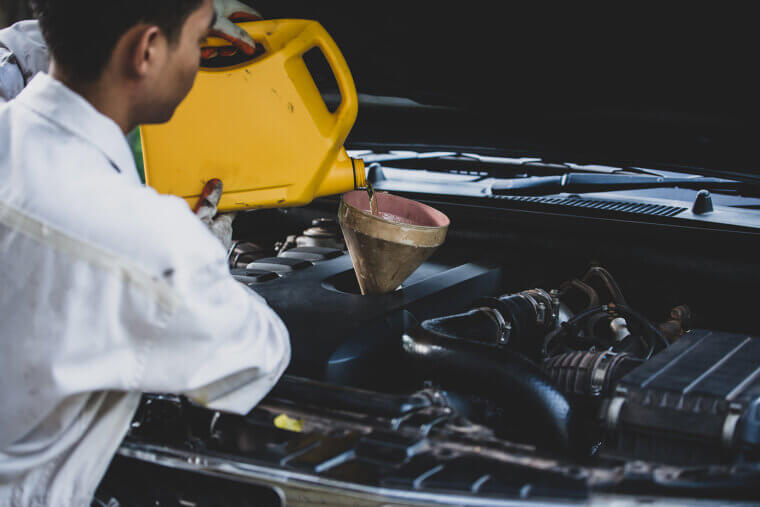
If you are still rushing to the shop every 3,000 miles, you are likely giving money away to the oil companies. Advances in synthetic chemistry and tighter engine tolerances have changed that. Most modern vehicles are perfectly happy going 7,500 or even 10,000 miles between changes. Your car probably has an oil life monitor that calculates wear based on your actual driving habits rather than just distance. It’s probably best to trust the manual and the sensors instead of the sticker on your windshield.
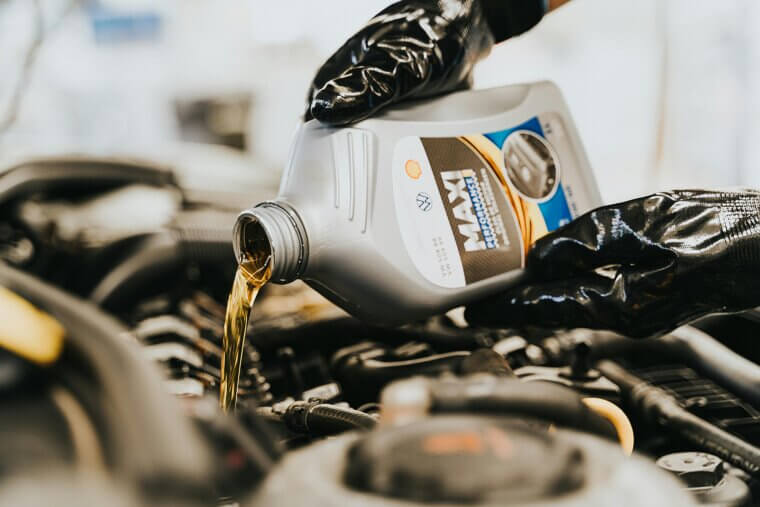
More Oil Is Better Than Less.
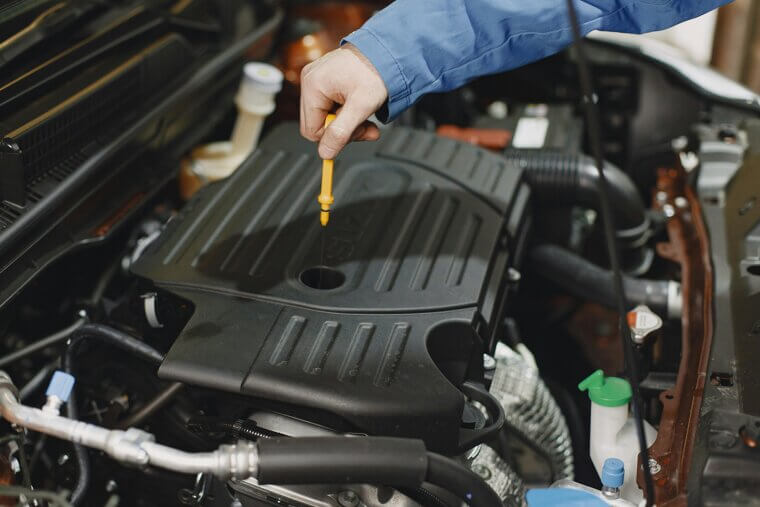
There is a "Full" mark on the dipstick for a specific reason. Some drivers think adding an extra quart is like an insurance policy, but it is actually a recipe for disaster. When you overfill the crankcase, the spinning crankshaft can whip the oil into a frothy foam. And guess what? Air bubbles don't lubricate moving parts very well. This increased pressure can blow out seals and send oil where it doesn't belong, such as your intake or that expensive catalytic converter. Keep it between the lines unless you’re looking for a major engine reseal.
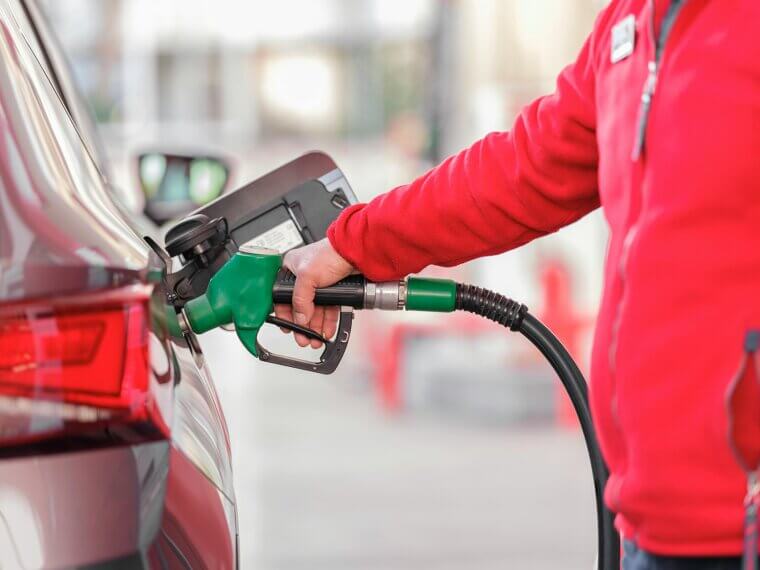
Premium Fuel Makes Any Car Run Better.
High-octane fuel isn’t "higher quality" or "cleaner" than regular; it is simply more resistant to pre-ignition, also known as knocking. If your car’s computer is tuned for 87 octane, pumping 93 won’t grant you extra horsepower or better gas mileage. It is a total placebo effect. The engine won't even be able to utilize the higher combustion threshold. Unless you see "Premium Required" on your gas cap or you're driving a high-compression performance machine, save those extra cents per gallon for your next road trip.
Let the Car Coast in Neutral to Save Fuel.
This old trick actually backfires on modern vehicles. That’s because when you coast in gear with your foot off the accelerator, the engine’s ECU recognizes the wheels are turning the engine and cuts fuel flow to the injectors almost entirely. If you pop the shifter into neutral, however, the engine has to keep burning fuel just to maintain an idle. Not only are you wasting gas, but you are also losing the ability to accelerate quickly if an emergency happens. Keep it in "Drive" and let the computers do the math for you.

Brakes Squeak Because They Are Wearing Out.
High-pitched squeals don't always mean you are grinding metal on metal. Often, it is just a vibration between the pad and the caliper, or perhaps a bit of surface rust that has built up after a rainy night. Some high-performance ceramic pads are naturally noisier until they get some heat in them. So, while you should never ignore a new sound, don't panic and demand a full brake job the second you hear a chirp. A technician might just need to apply some anti-seize lubricant or blow out some trapped brake dust.

You Should Always Downshift When Slowing.
Back when drum brakes were prone to fading and failing on long hills, engine braking was a literal lifesaver. Today, brake components are incredibly robust and much cheaper to replace than a clutch or a transmission synchronizer. Constantly clicking through the gears to slow down puts unnecessary wear on the drivetrain. It is a classic case of using an expensive component to save wear on a $200 set of pads. Use your brakes to stop and your gears to go. Your transmission will pay you back by lasting more miles than it would have otherwise.
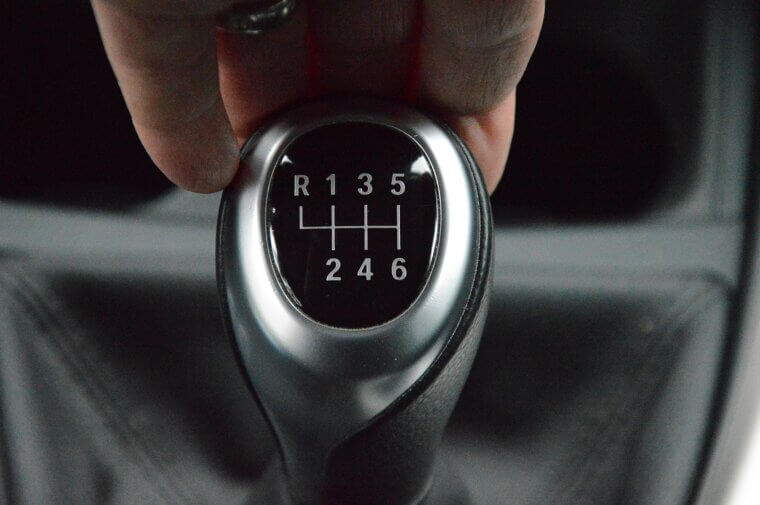
Manual Transmissions Don’t Need Fluid Changes.
There is a persistent myth that manual gearboxes are "sealed for life." While they are simpler than automatics, they still contain gears that mesh together, eventually creating microscopic metal shavings. The oil inside eventually shears down and loses its ability to protect the delicate brass synchronizers. If your shifts are starting to feel "notchy" or stiff, a simple fluid swap can make the car feel brand new. Ignoring this, however, can lead to gear whine and, eventually, a gearbox that sounds like a blender full of marbles.
All Dashboard Warning Lights Can Wait.
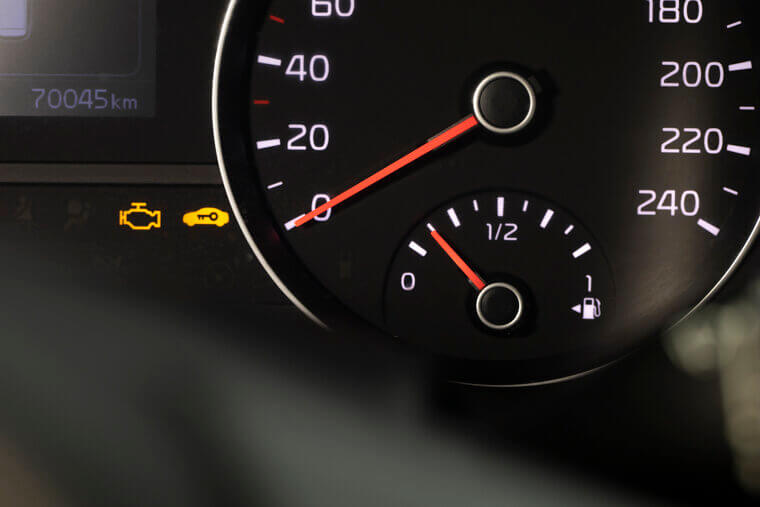
We have all seen the person who treats the check engine light like a piece of ambient interior lighting. While a loose gas cap can trigger a light, so can a failing cooling fan or a misfiring cylinder. Ignoring a minor light often leads to a "major" repair bill because the car gets forced to run in a "limp" or sub-optimal mode. This puts extra stress on the exhaust system, which kills your fuel economy. When the car is trying to communicate with you through those weird signs on the dashboard, please listen.
It’s Fine to Drive on a ‘nearly Flat’ Tire for a Bit.
Driving even a few miles on a tire with 10 PSI is a death sentence for the rubber. The sidewalls flex excessively when the tire is low, which results in the generation of massive amounts of heat. This compromises the internal structure. You might pump it back up and think it looks fine, but the inside of the tire is likely shredded into "rubber dust." A mechanic can't patch a tire with a heat-damaged sidewall, meaning you'll be buying a brand new tire instead of paying for a simple $20 plug. Pull over and use the spare.

Engines Are Tough, and Redlining Occasionally Is Healthy.
There is a grain of truth here regarding "blowing out the carbon," but many people take it too far. Modern engines are built with tight tolerances that don't like being pushed to the absolute limit of their RPM range daily. While an occasional spirited merge onto the highway is fine, treating every stoplight like the start of a drag race causes heat soak and stresses the valve train. Eventually, those high revs lead to stretched timing chains and worn bearings. There is reliability in the middle of that tachometer, not at the red edge.
Cold Weather Kills Batteries Overnight.
The cold gets all the blame, but summer heat is the real masked killer. Heat can dry out a battery and damage it. The cold simply reveals the damage that was already done. When the temperature drops, the oil in your engine thickens, making it harder to turn over, and the weakened battery just doesn't have the "oomph" left to fight back. If your car struggles to start on the first frost, the snow is not to blame; it’s the heatwaves from the previous July.
Jump-Starting a Car Is Harmless if Done Quickly.
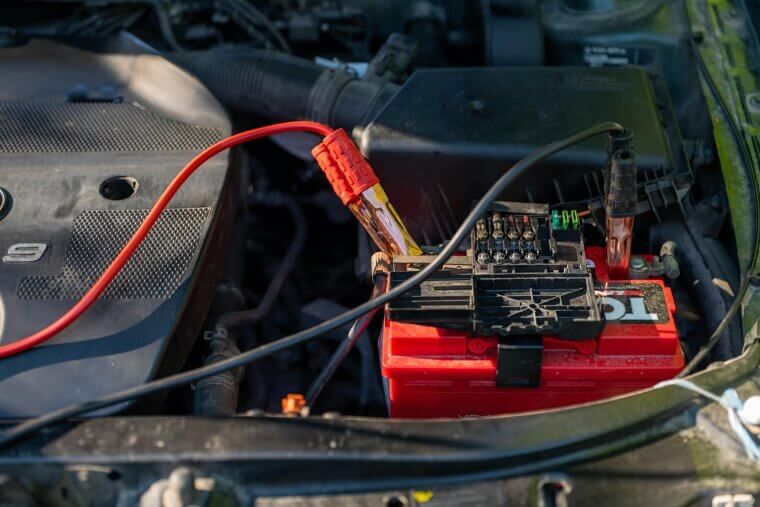
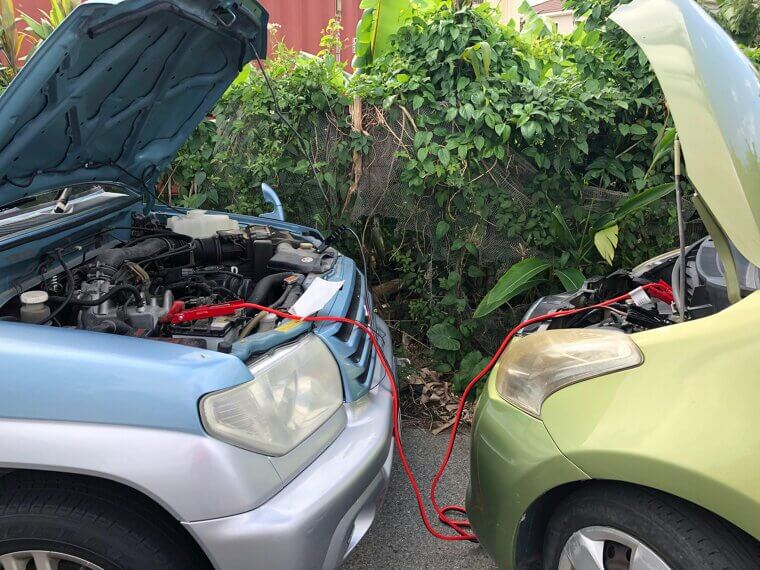
In the old days, you could swap cables between two trucks with no fear. Today’s cars, however, are essentially rolling computers. You can send a massive voltage spike through the system if you connect the cable in the wrong order or accidentally touch the leads together. This can instantly fry the Engine Control Module or the infotainment system. Many modern cars actually have specific jump-start posts away from the battery to protect these electronics. Always check the manual before clamping things onto your terminals, or you might end up with an expensive paperweight.
Never Change Transmission Fluid on Older Cars
There is an old wives' tale that if you haven't changed the fluid in 100,000 miles, you shouldn't start now because the "grit" is holding the transmission together. This is total nonsense. Old burnt fluid loses its detergent properties and its ability to manage heat. While a high-pressure "flush" on a neglected transmission can sometimes dislodge debris, a simple drain and fill is almost always beneficial. In fact, keeping the fluid clean is the only way to prevent the clutches from slipping.

Car Vibrations Are Just Part of Aging.
A shaking steering wheel or a buzzing seat isn't just a sign that your car is getting old. Vibrations are signs of a mechanical imbalance. It could be something as simple as a lost wheel weight or as serious as a failing universal joint in the driveshaft. Ignoring these "shivers" allows the vibration to travel through the entire car, prematurely wearing out bushings, ball joints, and wheel bearings. What starts as a $30 wheel balance can easily turn into hundreds of dollars of front-end rebuild if you just turn up the radio to ignore it.
