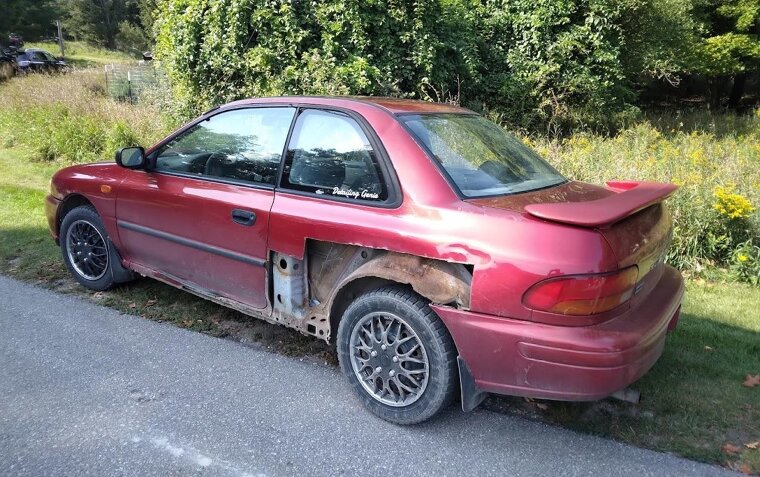
Rust in Wheel Arches or Underbody
Rust is the automotive equivalent of moldy bread: once you see it, you know something’s been left too long. A little surface rust is common but flaky, bubbling corrosion around arches or chassis rails means the elements had more commitment than the owner. Neglected cars collect rust like summer barbecues attract wasps - quickly and without mercy. Peek underneath with a flashlight and don’t be shy. What you find there often tells the story of winters without washes.
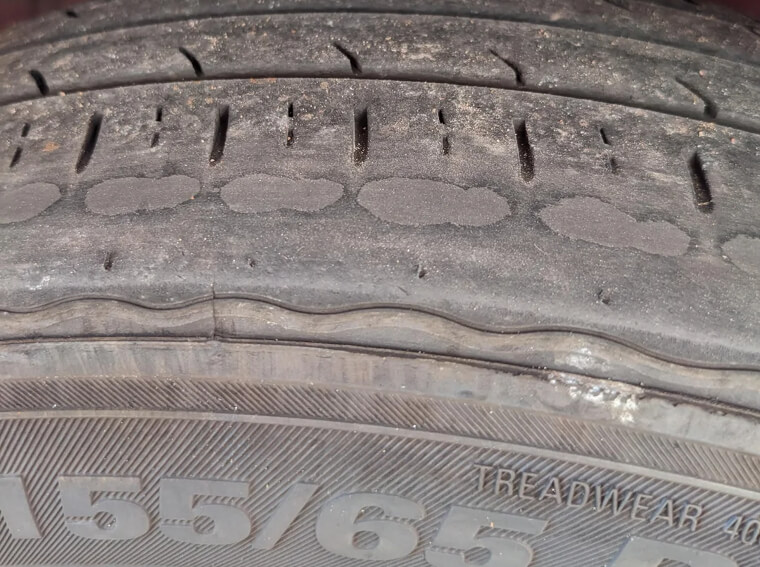
Uneven/excessive Tire Wear
Tires are like the car’s diary; they quietly confess every pothole, every curb kiss, and every owner who believed tire rotation was some sort of yoga move. If one tire is wearing faster than the others, it could hint at poor alignment, warped suspension, or simply an owner who never checked pressures. When rubber erodes faster than trust in a bad sales pitch, it’s usually a sign the car hasn’t been babied.
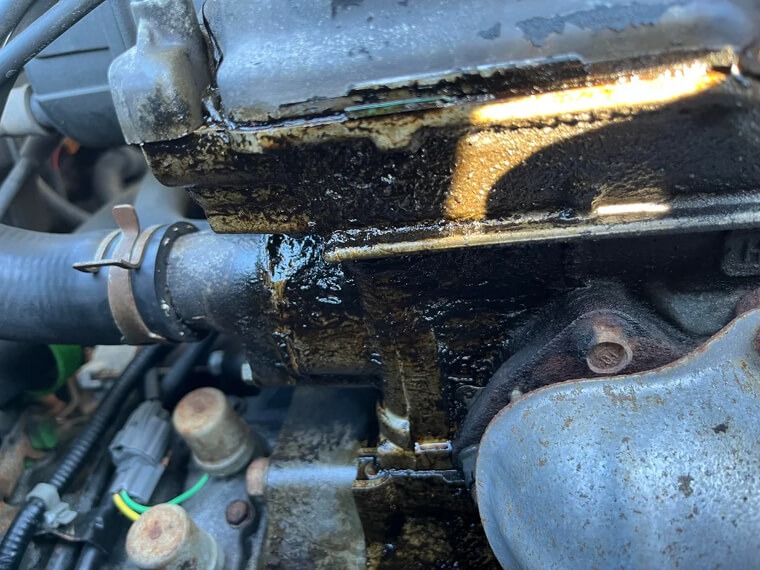
Dirty or Sludgy Engine Oil
Pop the dipstick and behold the truth: if the oil looks like burnt espresso rather than warm honey, someone skipped a few service intervals. Thick sludge means the engine’s been marinating in neglect, slowly grinding itself into anxiety. Clean oil should glide, not cling like treacle on a cold morning. If the owner hesitates when you ask about oil changes ( or worse, says “when I remember”)walk away like you’re dodging an awkward reunion.
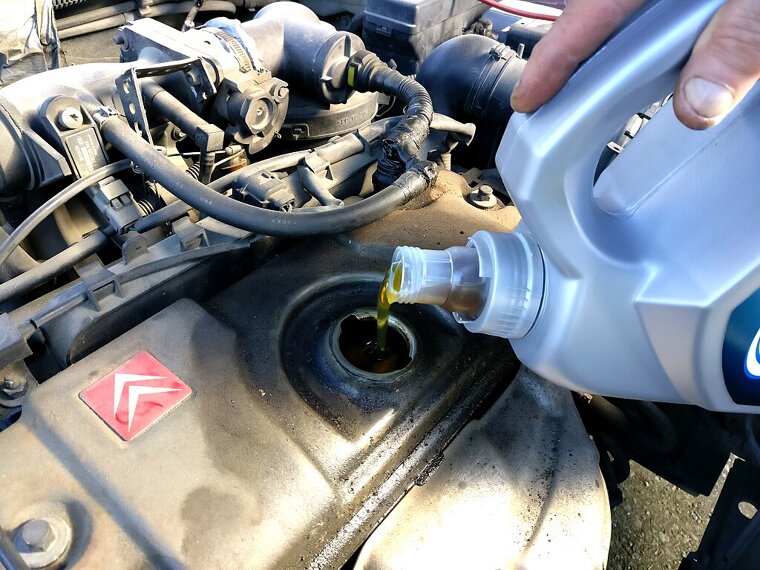
Strong Smell of Oil or Coolant
A used car that smells like a mechanical fondue isn’t trying to be mysterious - it’s leaking. Burnt oil hits the nose first, that acrid tang of “maintenance never happened.” Coolant smells sweeter - almost innocent, like a problem trying to charm you. Both suggest trouble brewing beneath the bonnet, possibly gaskets crying out for retirement or hoses cracking like old knuckles. A healthy car shouldn’t smell like an engine-themed candle. Trust your nose!
Knocking or Ticking Noises From the Engine
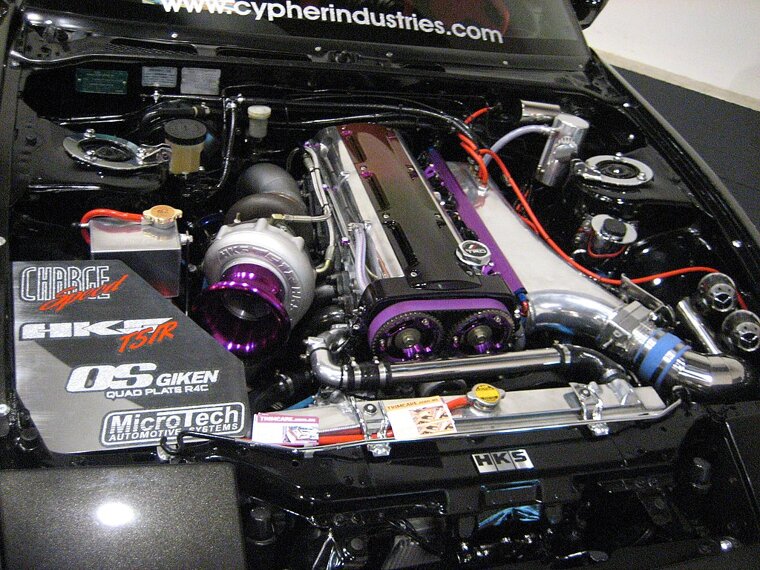
Engines should hum like a content cat; they should not sound like cutlery in a tumble dryer. Knocking often means worn internals, detonation issues, or oil starvation - the mechanical equivalent of running a marathon dehydrated. Ticking can be valves begging for adjustment, or lifters tapping out their farewell notes. These aren’t just noises; they’re confessions whispered in metal. A well-loved engine purrs. A poorly maintained one sounds like it’s composing its final symphony.
Sloppy Gear Changes or Delayed Shifting
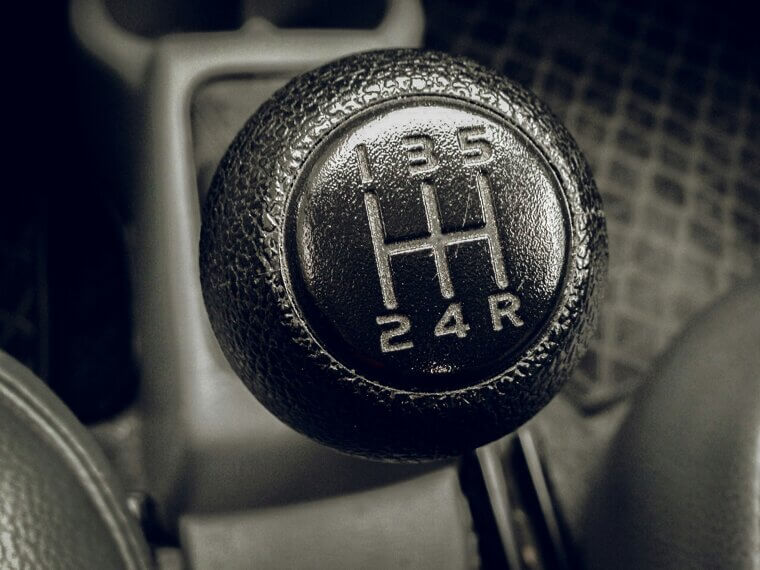
A good gearbox is smooth, almost unconscious - you think “move,” and it does. But if the shift feels like dragging a wardrobe across gravel, its service history is probably missing chapters. Automatics that hesitate or thump are especially suspect, often signalling old transmission fluid or internal wear. Manuals grinding like a DJ scratching the wrong track? Same story. Transmissions are expensive to fix and unforgiving when ignored.
Spongy or Squealing Brakes
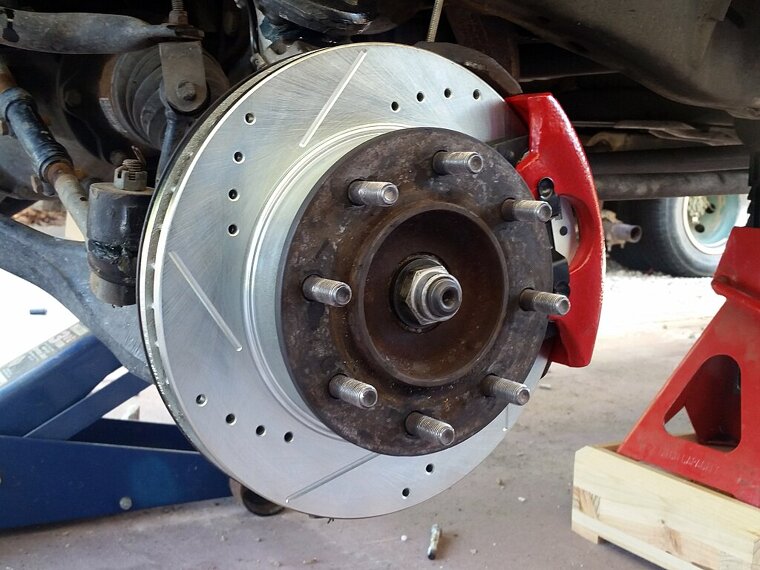
Brakes should feel firm and decisive - like a good handshake - not soft and unsure as if they’re questioning their life choices. Does the pedal sink underfoot or squeals like a frightened violin? The pads or fluid may be past their prime. Poorly maintained brakes often hide rusted lines, glazed pads, or warped discs - leftovers from years of “it still stops… eventually.” If braking feels like a suggestion, the previous owner probably wasn’t diligent.
Misaligned Body Panels or Mismatched Paint
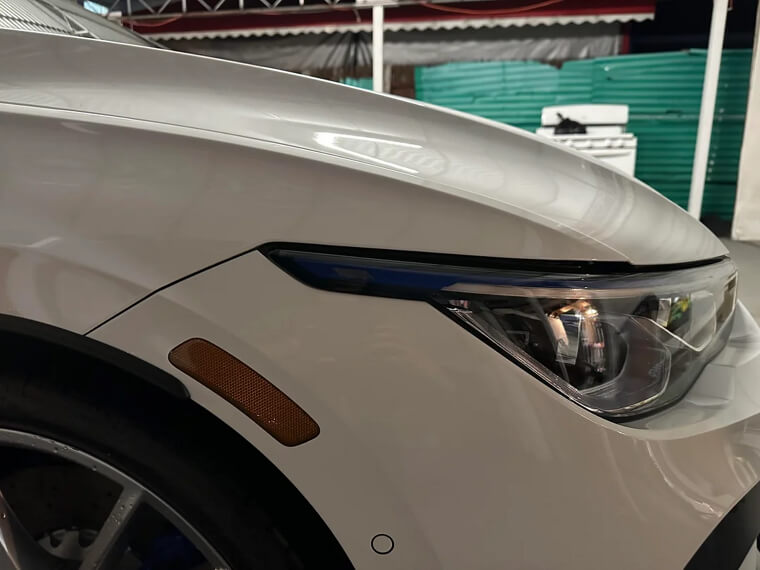
Bodywork doesn’t go wonky on its own - it takes impact, corner-cut repairs, or a “that’ll do” approach to panel gaps. Mismatched paint hints at touch-ups, resprays, or panels swapped after bumps the seller swears “you’d never notice.” A well-kept car usually wears its finish like a tailored suit; a mistreated one looks like it got dressed in the dark. Run your eyes along the lines, compare reflections, and check for overspray inside the door frames.
Warning Lights Glowing Like Christmas
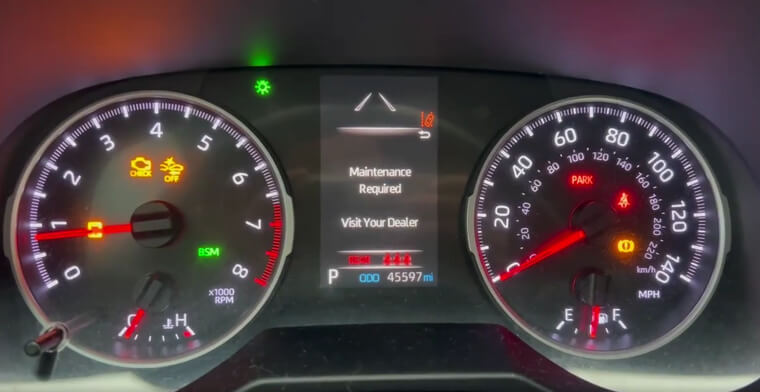
Modern dashboards are snitches. If lights are present and accounted for, blinking their concerns like impatient teachers, something’s been ignored. Check-engine, ABS, airbag… each one marks a maintenance debt waiting to be paid. Sellers may claim “it just needs a sensor,” a phrase as comforting as “the bridge is mostly safe.” Sometimes it is minor, but sometimes it’s a wallet-wrecking engine issue wearing a polite disguise. A well-maintained car clears its warnings quickly.
Rough or Unstable Idle
When a car idles, it should settle into a steady rhythm - calm, content, unbothered by existence. Does it shiver, surge, or cough like it’s fighting invisible bees? Maintenance likely took a long holiday. Dirty throttle bodies, old spark plugs, tired injectors… pick your villain. None appear overnight; they build slowly through skipped services and shrugged-off tune-ups. Listen at stoplights or in the driveway. A healthy engine holds the road like poetry.

Electrical Controls Flickering or Inconsistent
Windows that move only when the moon is right, headlights that dim like shy stage performers, or a radio with commitment issues; electrics tell all. Flickering, delayed response, or random system failures are souvenirs from water ingress, corroded terminals, or frayed wiring that’s been ignored for years. A well-maintained car usually behaves when you press a button; a neglected one acts like it’s possessed by a mildly inconvenient ghost.
Smoke From the Exhaust (any Colour Is Bad News)
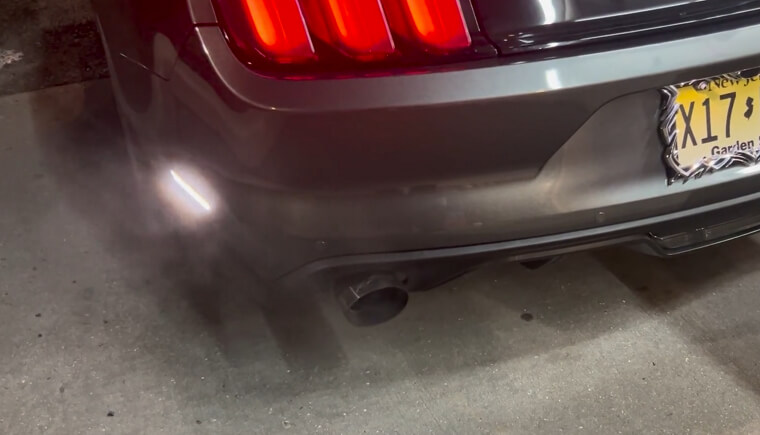
Think of exhaust smoke as the car speaking in colored flags. Blue hints at burning oil, white suggests coolant joining the combustion party, and thick black signals fuel being wasted like confetti. None of these indicate a pampered life. A well-kept engine should breathe cleanly and quietly, not puff dramatic clouds like it’s auditioning for a Victorian fog scene. Stand behind it on startup or after revs. If your inner narrator whispers run, trust that instinct.
Crunchy or Noisy Suspension Over Bumps
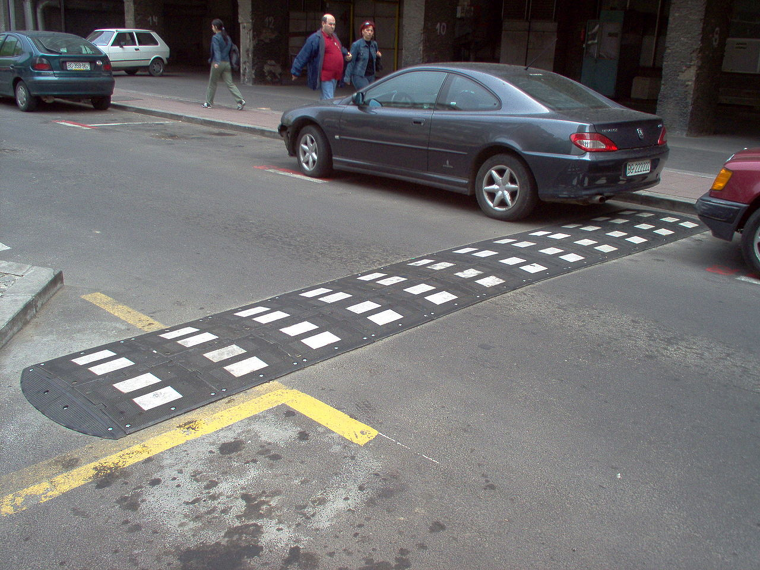
A healthy suspension absorbs bumps with quiet confidence; it doesn’t rattle like cutlery in a drawer or groan like it just woke up too early. Clunks, squeaks, or hollow thuds point to worn bushings, tired shocks, or ball joints that haven’t seen grease since the last century. These issues grow slowly, nurtured by neglect and potholes. A well-maintained car glides; a poorly loved one sounds like it’s filing complaints. Comfort speaks volumes, and noise even more.
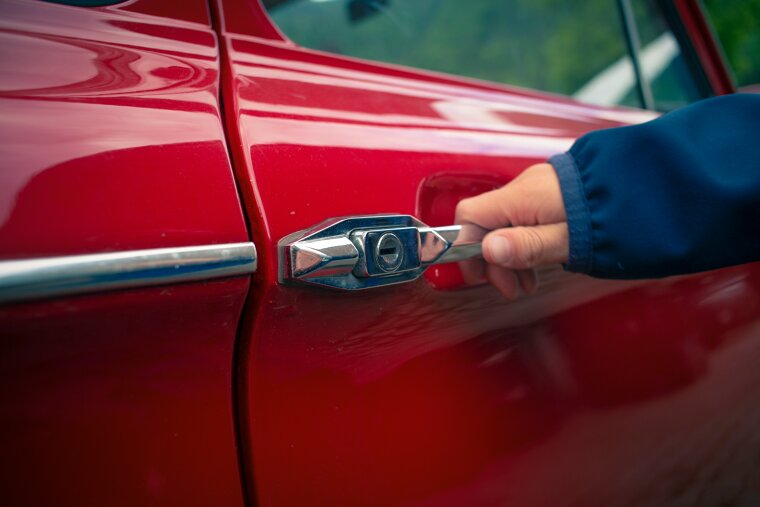
Sticky Doors, Windows, or Locks
Do you need a wrestling match to open doors, or windows move like they’re pushing through treacle? Neglect is usually lurking. Hinges dry out, seals degrade, and mechanisms gum up when someone forgets the simple joys of lubrication and cleaning. These small irritations often hint at bigger habits - if the basics were ignored, what else was left to fend for itself? Try every latch, every switch, every sliding bit. A car maintained with care welcomes you inside.
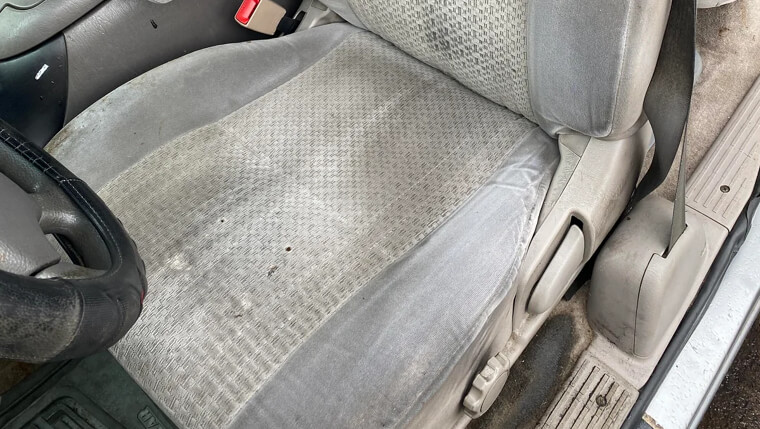
Burnt, Stained, or Threadbare Interior Fabrics
A car’s cabin is an autobiography in cloth. Coffee spills, sun-faded seats, frayed belts - each mark a chapter in a story of casual disregard. Interiors wear out when no one bothers with seat covers, cleaning, or shade; maintenance often follows the same theme. Check under mats for mysterious stains and sniff for damp; mold is a tell-tale sign of leaks that never got attention. A cared-for car ages gracefully, while a neglected one looks like it hosted a decade of chaos.
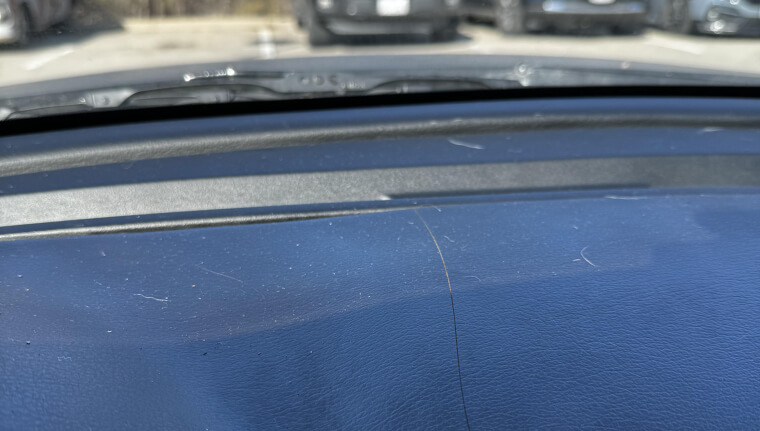
Cracked Dashboard or Sun-Faded Plastics
Plastics that look like desert clay haven’t just had a rough day - they’ve lived under a relentless sun with zero protection. Cracking, bleaching, and brittleness suggest the car spent years baking without shade, care, or even the mercy of a sun visor. UV damage isn’t just cosmetic; it hints at an owner who rarely protected what they owned. A little fading is age, but deep fissures and chalky surfaces speak of abandonment.
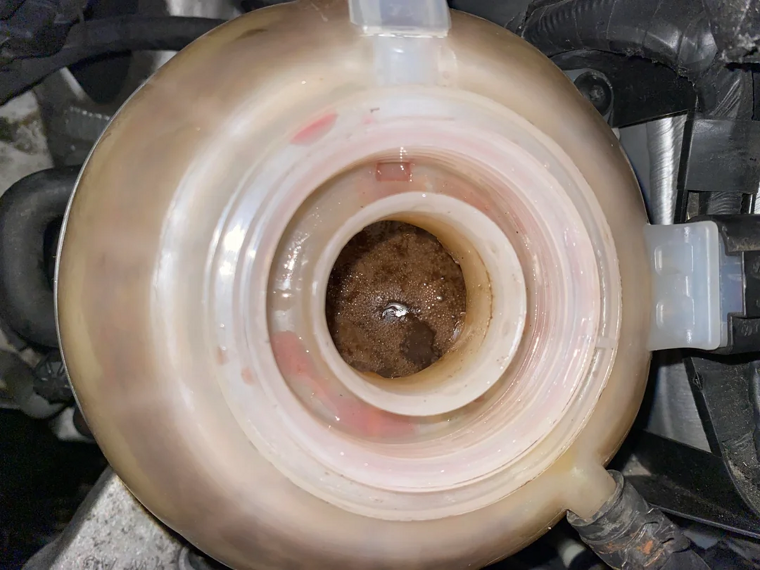
Coolant That’s Murky, Low, or Rusty
Radiators don’t produce stew without neglect. Coolant should gleam jewel-bright and stay at a consistent level, not resemble something dredged from a bog. Brown sludge or metallic grit points to corrosion nibbling through the system, while low levels mean leaks or simple inattention. Overheating follows like a bad punchline. Pop the cap when cool, peer inside, and check the expansion tank. A neglected engine circulates soup and disappointment.
Patchy Service Records or Missing Receipts
A car without records is like a novel missing chapters - you can read it, but you’ll never know what happened in the gaps. Receipts for oil changes, tires, belts, and fluids show someone paid attention. When papers disappear or dates jump suspiciously, assume the wrench didn’t visit often. Sellers may speak fondly of “regular maintenance,” yet paper never blushes or embellishes. History matters.
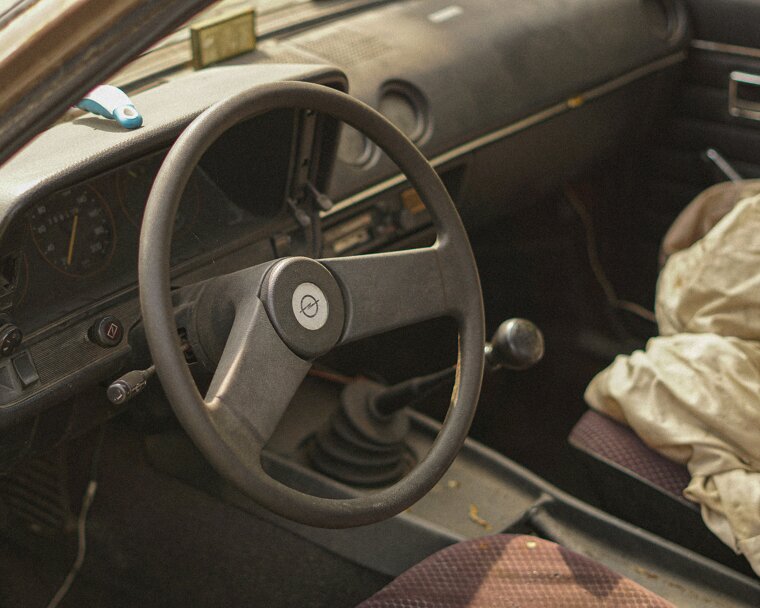
Oil Leaks Under the Engine or on the Driveway
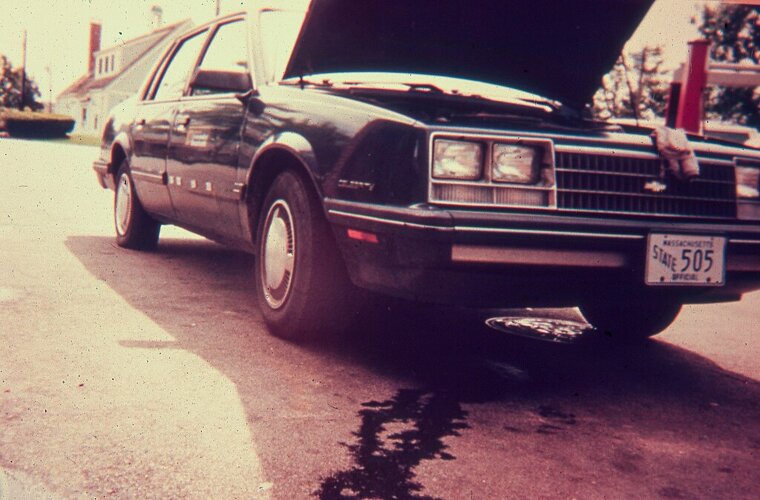
Oil drips aren’t charming, they’re confessions! Black smears beneath the sump or damp streaks down the block suggest gaskets, seals, or hoses quietly giving up. Sometimes leaks are small, but small rarely stays that way - engines mark territory like stubborn pets. A clean underside isn’t everything, but a stained one speaks volumes. Slide your eyes (or a sheet of cardboard) under the car and look for dark signatures.
Excessive Vibration at Speed or When Braking
A car should cruise with a calm, confident hum, not shake like it’s trying to dance away from its responsibilities. Vibrations in the wheel can point to warped discs, unbalanced tires, bent rims, or bushings tired of being ignored. Floor-pan tremors are their own plea for help. These symptoms grow slowly, nurtured by miles without maintenance. Let the road speak through the steering - some messages come through loud and buzzy.