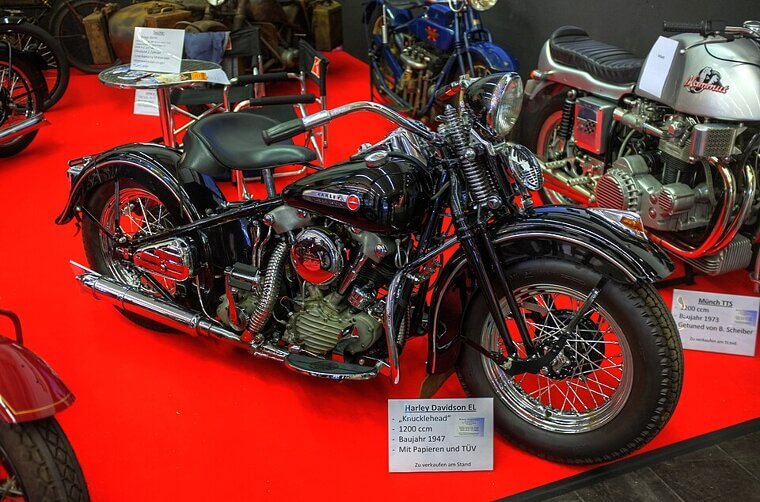
Indian Powerplus
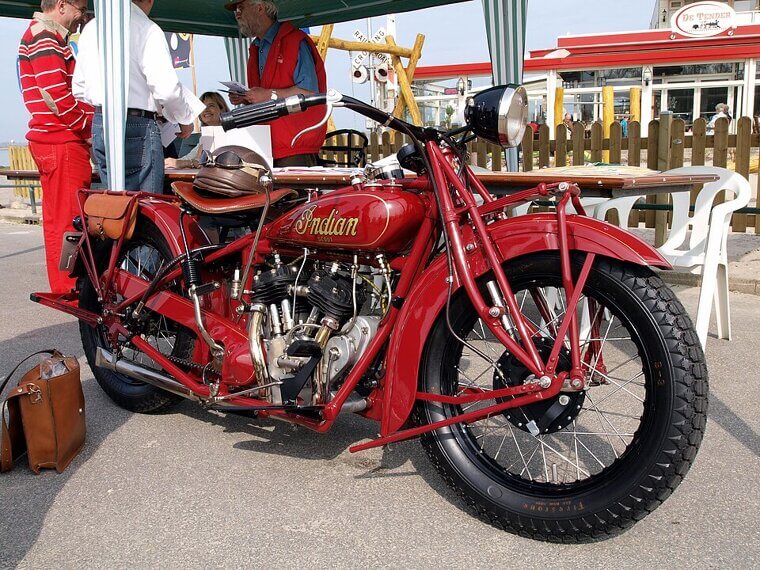
The Indian Powerplus was one of the first motorcycles to make Americans think seriously about speed rather than novelty. Introduced in the 1910s, it delivered more power and smoother performance than many earlier machines. Riders were no longer just creeping along rough dirt roads at modest pace. The Powerplus could sustain higher speeds for longer distances, which felt thrilling in an era when most personal travel was slow and physically demanding. Its V twin engine gave riders a sense of strength and confidence, especially when compared with smaller single cylinder bikes of the time. The motorcycle also earned a reputation for reliability, which mattered when breakdowns could leave riders stranded far from help. The combination of speed and dependability helped shift public perception. For many Americans, the Powerplus marked the moment motorcycles stopped being experimental curiosities and started feeling like serious machines built for performance and distance rather than short novelty rides.
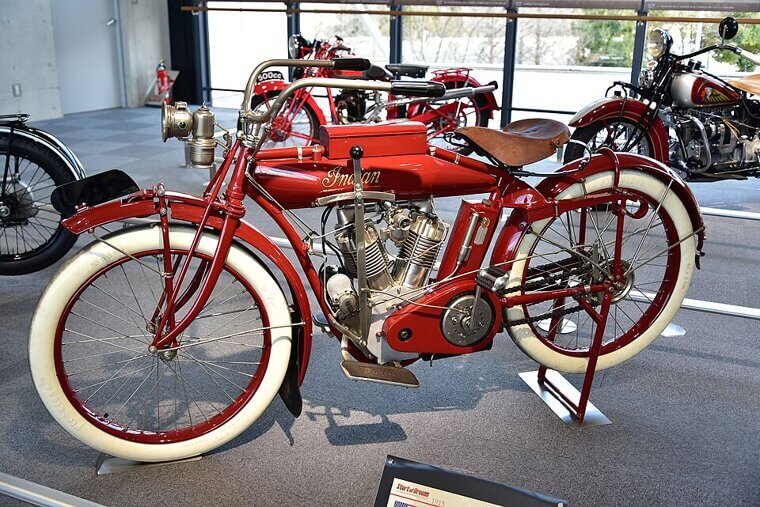
Harley Davidson Model J
The Harley Davidson Model J played a major role in introducing Americans to faster motorcycle travel. Released in the mid 1910s, it offered more horsepower and smoother operation than many earlier Harley models. Riders immediately noticed the difference, especially when traveling longer distances on improving roads. The Model J was strong enough to be used by both civilians and military forces, which helped reinforce its reputation for toughness and endurance. Its engine allowed riders to maintain higher cruising speeds without constant strain, changing how people thought about time and distance. The bike felt substantial and capable, which encouraged riders to push a little harder than before. For many Americans, the Model J represented progress and modernity on two wheels. It showed that motorcycles could be fast, reliable, and practical all at once, helping speed become part of everyday riding expectations rather than a rare thrill.
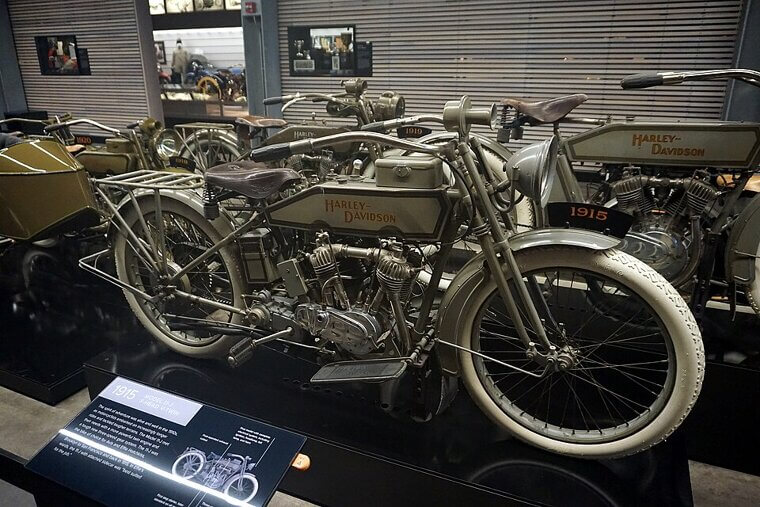
Excelsior Big Valve X
The Excelsior Big Valve X helped bring the idea of performance motorcycling into the American mainstream. Designed with speed in mind, it produced more power than many competing bikes of its era. Riders experienced quicker acceleration and higher top speeds, which felt dramatic compared to earlier motorcycles that struggled to keep pace. The Big Valve X also gained attention through racing success, linking the brand directly to speed and competition. Seeing similar bikes perform on tracks helped everyday riders imagine faster riding for themselves. The motorcycle delivered a sense of urgency and excitement that had not been common before. It helped shift expectations, showing that motorcycles could be built specifically for performance rather than just basic transportation. For Americans curious about speed, the Excelsior Big Valve X helped turn that curiosity into desire. It played a key role in shaping early performance culture on two wheels.
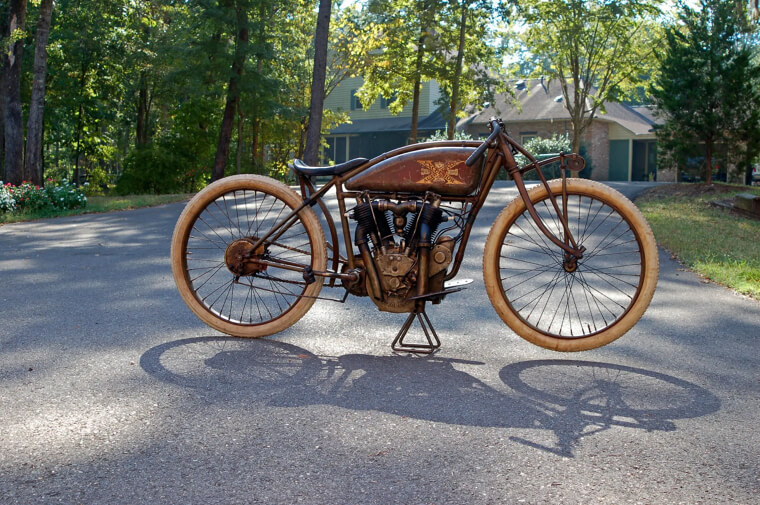
Henderson Four
The Henderson Four introduced Americans to a different kind of speed, one defined by smoothness and refinement. Its inline four engine delivered steady power with less vibration than many competitors, making higher speeds feel more controlled and comfortable. This was important during a time when reliability and rider fatigue were serious concerns. The Henderson Four proved its capabilities by setting long distance speed records, showing that motorcycles could travel quickly without sacrificing durability. Riders trusted the bike to maintain pace over extended journeys, which helped expand how motorcycles were used. Speed no longer meant short bursts followed by mechanical worry. Instead, it became something riders could rely on for real travel. For many Americans, the Henderson Four changed the emotional experience of speed. It made fast riding feel stable and sustainable, helping redefine expectations for what motorcycles could deliver on open roads.
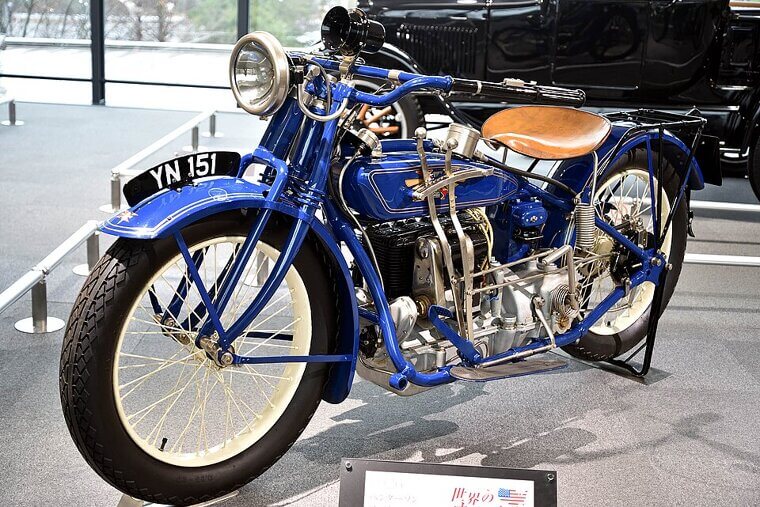
Indian Scout
The Indian Scout helped introduce speed to a wider group of American riders by balancing performance with approachability. Introduced in the 1920s, it was lighter and more agile than many larger motorcycles of the time. This made acceleration feel exciting rather than intimidating. Riders could reach higher speeds more quickly and handle rough roads with greater confidence. The Scout gained popularity in racing, which further boosted its reputation as a fast and capable machine. Its success on tracks translated into enthusiasm on public roads. For many Americans, the Scout became their first real taste of responsive speed on a motorcycle. It proved that fast riding did not require oversized machines or expert skill. The Scout made speed feel attainable and enjoyable for everyday riders, helping cement motorcycles as thrilling personal transportation rather than niche mechanical experiments.
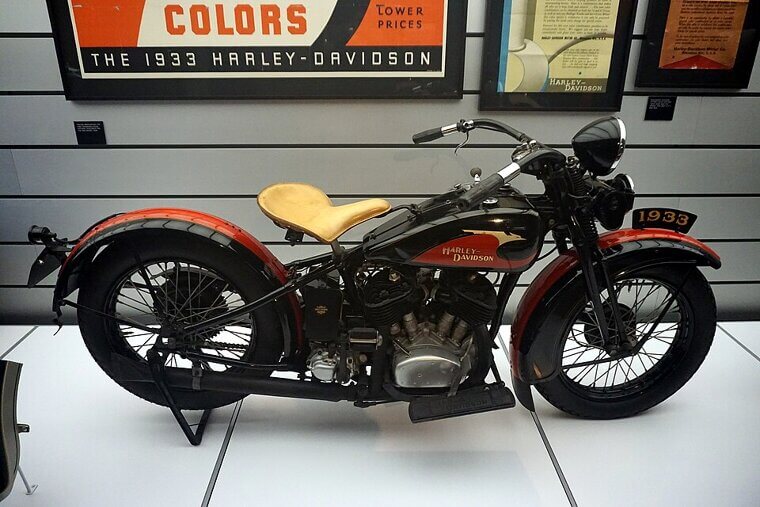
Harley Davidson VLD
The Harley Davidson VLD represented a clear step forward in how Americans experienced speed on motorcycles. Introduced in the early 1930s, it offered more displacement and stronger performance than many earlier Harley models. Riders could maintain higher cruising speeds with less effort, which mattered as roads slowly improved and longer trips became more common. The VLD delivered solid torque, making acceleration feel confident and controlled rather than strained. This changed how riders approached distance and travel time. Speed was no longer just a burst of excitement, but something that could be sustained for miles. The bike also retained Harley’s reputation for durability, which helped riders trust it at higher speeds. For many Americans, the VLD felt like a motorcycle that finally matched the pace of a changing country. It helped normalize faster riding and pushed expectations beyond the slower machines of the previous decade.
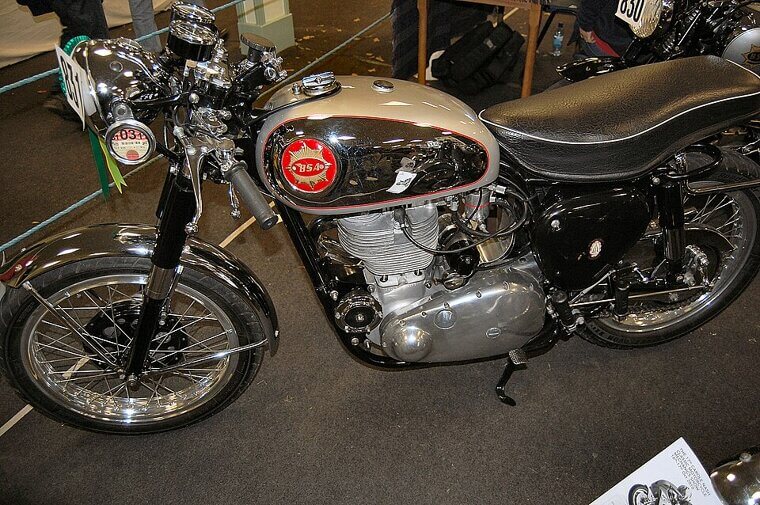
BSA Gold Star
Although British built, the BSA Gold Star played an important role in shaping American ideas about motorcycle speed. Imported models gained attention for their strong performance and consistent racing results. Riders admired the balance of power, handling, and durability, which made speed feel precise rather than chaotic. The Gold Star demonstrated that smart engineering could deliver impressive performance without relying on oversized engines. American enthusiasts took notice, especially those interested in competition and spirited riding. The bike helped elevate expectations for what a fast motorcycle should feel like. It was not just about top speed, but control and reliability at higher velocities. As Gold Stars appeared in races and on roads across the country, they influenced both riders and manufacturers. For many Americans, the Gold Star represented a more refined approach to speed, expanding the definition of performance beyond brute force alone.
Triumph Speed Twin
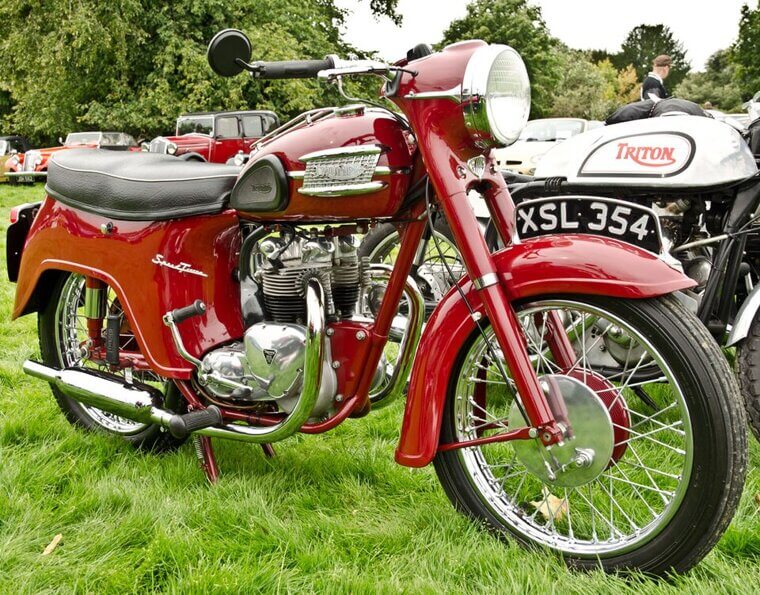
The Triumph Speed Twin lived up to its name and left a lasting impression on American riders. Introduced in the late 1930s, it featured a parallel twin engine that delivered smooth, responsive power. Acceleration felt quicker and more refined than many older designs, making speed more enjoyable and less tiring. Riders noticed better balance and handling, which encouraged confidence at higher speeds. As these motorcycles reached American shores, they helped shift expectations around performance and ride quality. Speed no longer had to feel rough or unstable. The Speed Twin showed that motorcycles could be fast and civilized at the same time. This approach influenced later designs and changed what riders wanted from performance machines. For Americans experiencing this style of speed for the first time, the Triumph Speed Twin represented a glimpse of the future of motorcycling.
Harley Davidson Knucklehead
The Harley Davidson Knucklehead marked a turning point in American motorcycle speed. Introduced in the late 1930s, it featured an overhead valve engine that delivered more power and efficiency than earlier flathead designs. Riders immediately felt the difference in acceleration and sustained cruising speed. The Knucklehead made fast riding more practical, especially for longer distances. It also retained the durability Harley was known for, which encouraged riders to trust the bike at higher speeds. This combination helped bridge the gap between early motorcycles and modern performance machines. For many Americans, the Knucklehead was the first bike that felt genuinely fast by lasting standards. Its influence extended far beyond its production years, shaping expectations for power and speed in American motorcycling for decades. It remains one of the most important performance milestones in motorcycle history.