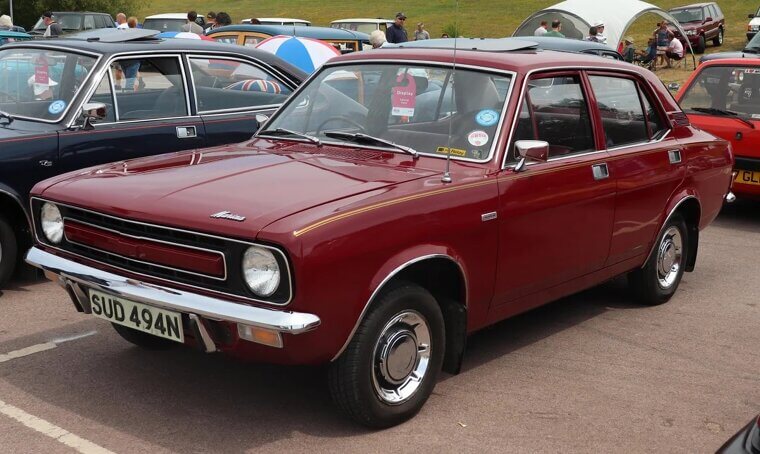
Ford Fiesta
It’s an instantly-recognizable icon now, but the Ford Fiesta is older than you might think. In the 1970s, it was a great first car because it was small, affordable, and easy to drive. People could easily navigate busy streets and run errands, and it looked modern enough to satisfy youngsters’ tastes.
Nowadays, they look back fondly on their first Fiestas because of how smooth and forgiving they were to drive. They could handle daily life without fuss and helped build confidence on the road. The combination of practicality and personality is why this car is so warmly remembered.
Nowadays, they look back fondly on their first Fiestas because of how smooth and forgiving they were to drive. They could handle daily life without fuss and helped build confidence on the road. The combination of practicality and personality is why this car is so warmly remembered.
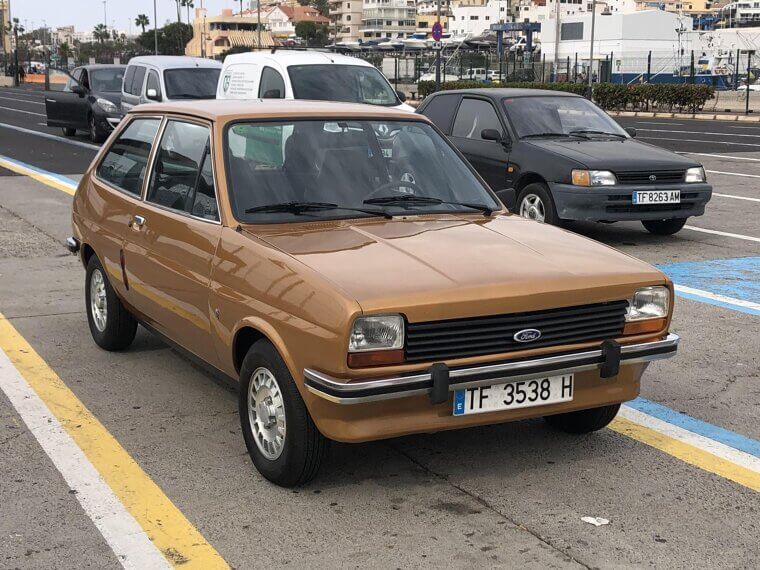
AMC Hornet
The Rambler American, Javelin, and Rebel might be AMC’s most famous cars, but many drivers fondly remember the 1970s Hornet. It was attainable, affordable, and reliable; all the things that made the perfect first car. It struck that sweet spot between practical and cool, and new drivers weren’t intimidated by it.
People also loved Hornets because they were such honest cars. You could learn to drive in one, practice basic repairs, and carry friends around town all weekend. It wasn’t flashy, but it was dependable, and that’s something previous owners always remember.
People also loved Hornets because they were such honest cars. You could learn to drive in one, practice basic repairs, and carry friends around town all weekend. It wasn’t flashy, but it was dependable, and that’s something previous owners always remember.
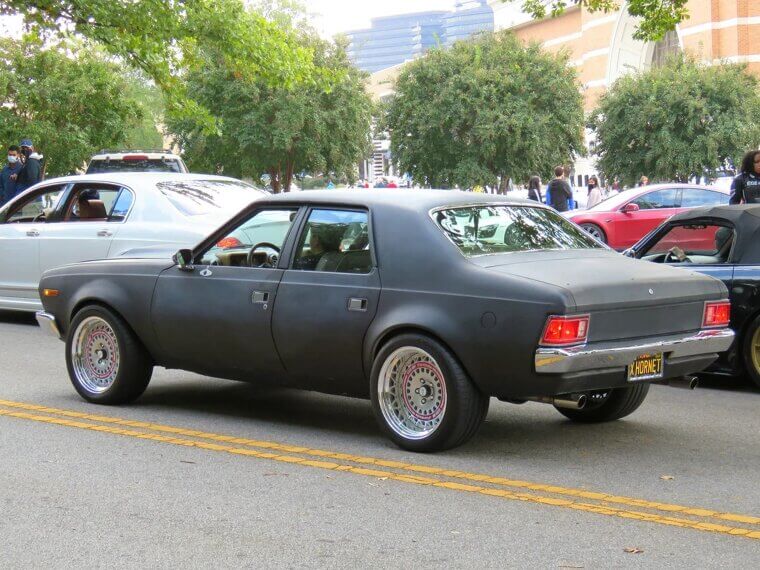
Ford Pinto
It was only produced from 1971 to 1980, but for better or worse, people can’t forget the Ford Pinto. Many chose it as their first car because it was cheap, widely-available, and built by a reputable brand. Young drivers liked its small size and simple mechanics, which made it easier to manage on a tight budget.
Despite an unfortunate later reputation due to its faulty fuel system, most people remember the Pinto as a cheap, scrappy car that got them where they needed to be. From school drives to road trips to late night jaunts, the Pinto played a role in many important memories.
Despite an unfortunate later reputation due to its faulty fuel system, most people remember the Pinto as a cheap, scrappy car that got them where they needed to be. From school drives to road trips to late night jaunts, the Pinto played a role in many important memories.
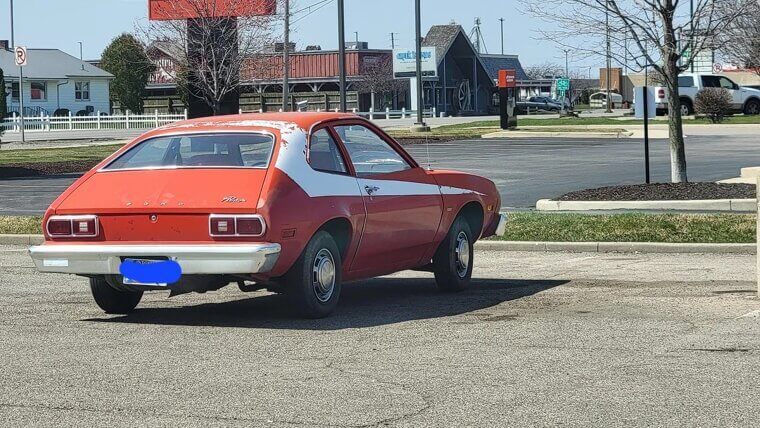
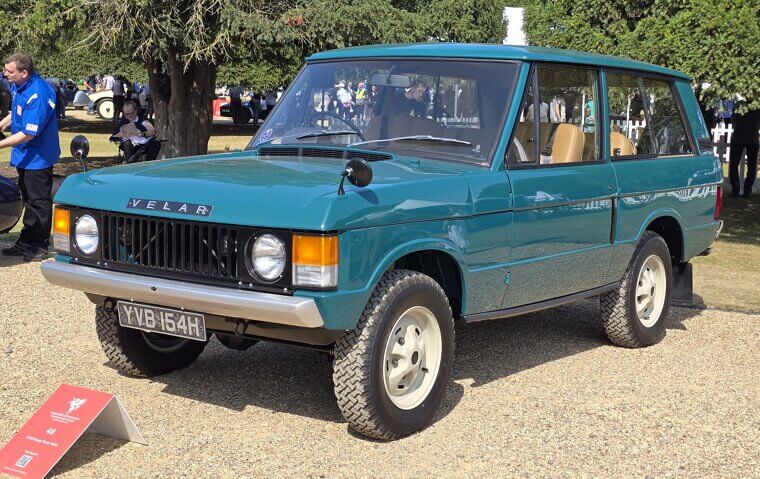
Land Rover Range Rover
It’s not your traditional first car, but the Land Rover Range Rover made a huge impact when it hit the market over 50 years ago. It was the starter car that most people aspired to have, and they saved up to get it. Range Rovers made every drive feel luxurious, even on off-road tracks, so it was a sought-after privilege.
Most people kept their Range Rovers long after they became experienced drivers. They ruled the luxury SUV segment, revolutionizing the automotive industry as people knew it. Even with their issues, people still look back on original Range Rovers fondly.
Most people kept their Range Rovers long after they became experienced drivers. They ruled the luxury SUV segment, revolutionizing the automotive industry as people knew it. Even with their issues, people still look back on original Range Rovers fondly.
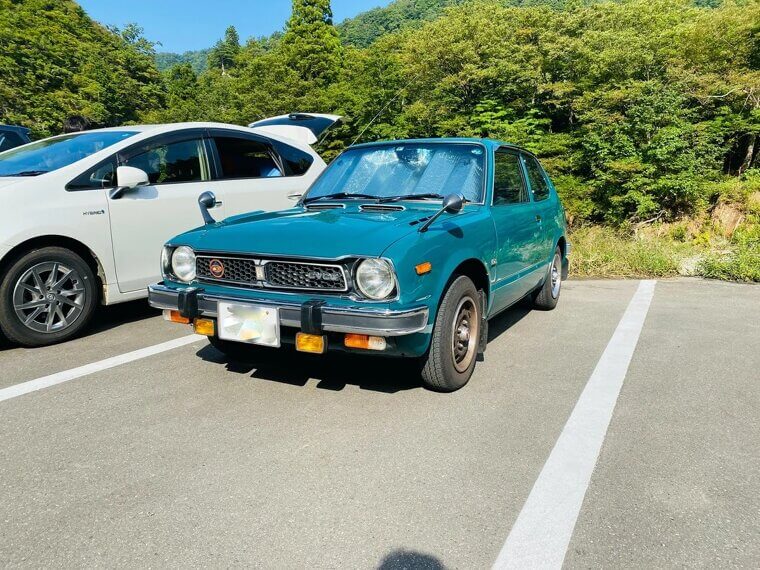
Honda Civic
It looks very different now, but the original Honda Civic was a great starter car. It was fresh and forward-thinking, with a reliable, fuel-efficient engine that could make journeys without letting their owners down. The Civic was also surprisingly fun to drive, with decent speed and mileage options.
First-time drivers remember their first Civics as cars that handled city driving with ease and didn’t require much beyond simple maintenance. That early experience built lifelong loyalty to the model and brand, which is why so many people still buy them now.
First-time drivers remember their first Civics as cars that handled city driving with ease and didn’t require much beyond simple maintenance. That early experience built lifelong loyalty to the model and brand, which is why so many people still buy them now.
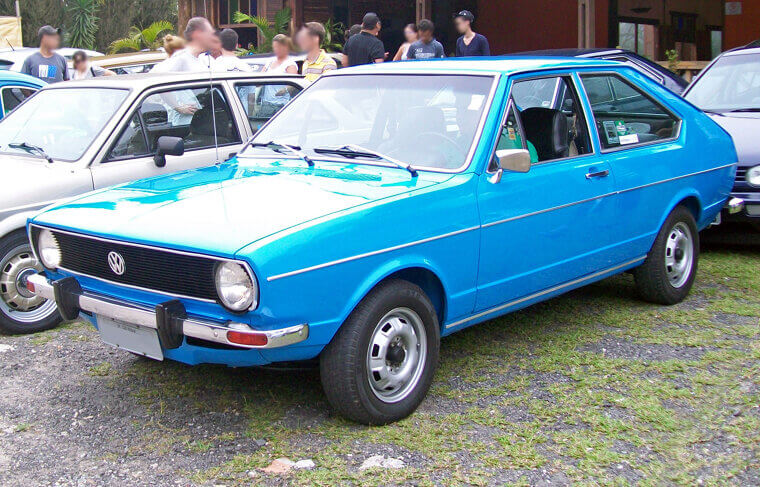
Volkswagen Passat
Speaking of ‘70s cars that are still being produced today, the Volkswagen Passat’s appeal is timeless. It appealed to first-time drivers who wanted something solid and slightly more refined, and they appreciated its sensible engineering and quietly confident driving style. People fondly remember them in their original form now.
You could drive a Passat all day without any drama. They handled long trips well and felt reassuring on the road, providing the support that tentative new drivers needed. For many, the Volkswagen Passat and all its capabilities left a lasting impression.
You could drive a Passat all day without any drama. They handled long trips well and felt reassuring on the road, providing the support that tentative new drivers needed. For many, the Volkswagen Passat and all its capabilities left a lasting impression.
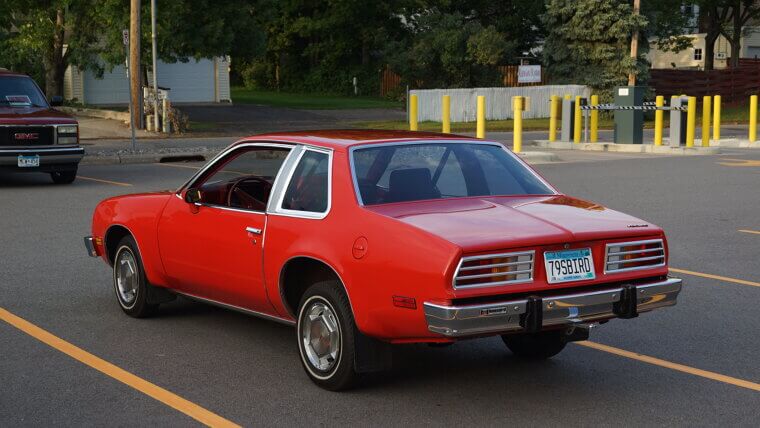
Pontiac Sunbird
When the Pontiac Sunbird hit the market in 1976, it eclipsed the Astre as the brand’s smallest car. Though it was later replaced, the Sunbird felt youthful and modern in its youth, with a sportier look than many other affordable cars of the decade. Sunbirds were small but mighty, and chock full of energy.
Owning one wasn’t about outright performance, but about gaining confidence behind the wheel in a car that you could trust. Sunbirds evoke memories of music, friends, and late-night cruising, making it a nostalgic favorite today.
Owning one wasn’t about outright performance, but about gaining confidence behind the wheel in a car that you could trust. Sunbirds evoke memories of music, friends, and late-night cruising, making it a nostalgic favorite today.
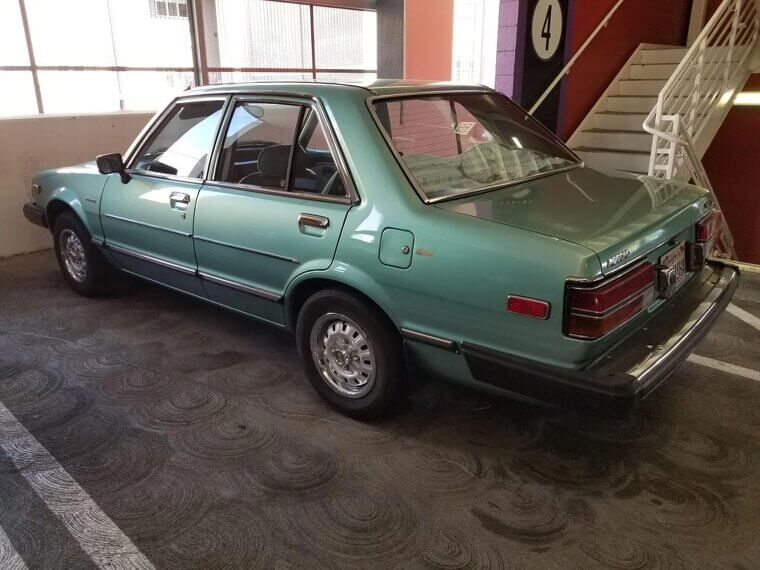
Honda Accord
It’s still a popular choice for new drivers today, and the Honda Accord’s legacy goes way back. There was something a bit more grown-up about it, though it was also reliable and comfortable. It quickly gained a reputation in the ‘70s for being one of the best budget-friendly cars, perfect for people of all ages.
When people think about their first Accords, they remember easy drives, hassle-free maintenance, and getting to see more of the world. Any driver could quickly master the Honda Accord, cementing its reputation as a dependable vehicular companion.
When people think about their first Accords, they remember easy drives, hassle-free maintenance, and getting to see more of the world. Any driver could quickly master the Honda Accord, cementing its reputation as a dependable vehicular companion.
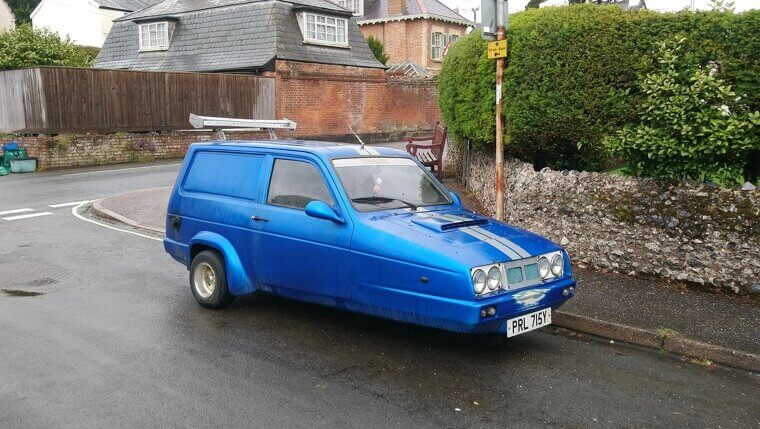
Reliant Robin
It didn’t make a decade on the manufacturing platform, but the Reliant Robin is a name that many people still remember. Lots of young people chose this quirky car as their first because it was cheap to insure, simple to run, and looked different to anything else on the market. Those three wheels provided all the chaotic energy you could want.
Every journey felt like an adventure, especially when you were taking corners, but that was what made it so charming. Robins gave genuine independence to drivers who otherwise couldn’t afford it, which is why it still sparks smiles decades later.
Every journey felt like an adventure, especially when you were taking corners, but that was what made it so charming. Robins gave genuine independence to drivers who otherwise couldn’t afford it, which is why it still sparks smiles decades later.
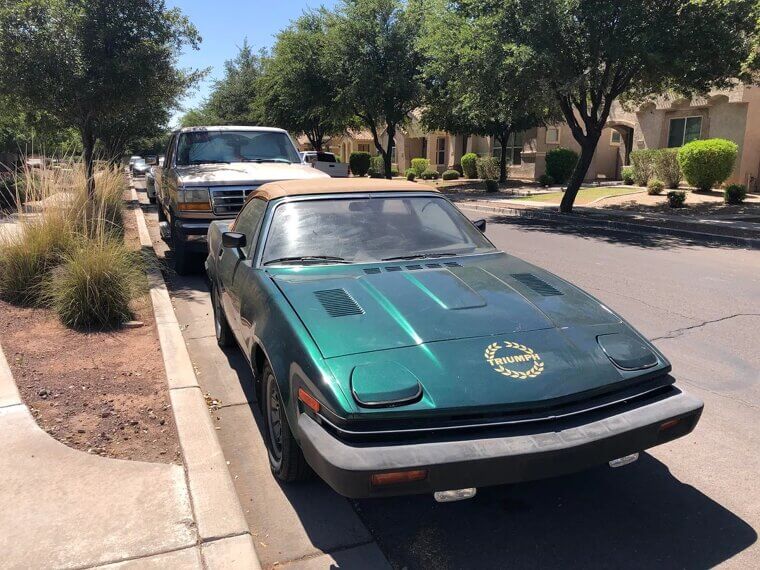
Triumph TR7
It wasn’t a conventional choice for a first car, but the Triumph TR7 was quite competitively priced when it first came out in 1975. People loved sports cars in the ‘70s, so of course they went crazy over such a cool, futuristic vehicle. Even with its quirks, the TR7 delivered power and personality in spades.
It was one car that confirmed the shift towards sportier builds after the ‘60s muscle craze, and people loved getting to drive something new and interesting. As a first car, it made every trip feel like an adventure, and it quickly became an industry icon.
It was one car that confirmed the shift towards sportier builds after the ‘60s muscle craze, and people loved getting to drive something new and interesting. As a first car, it made every trip feel like an adventure, and it quickly became an industry icon.
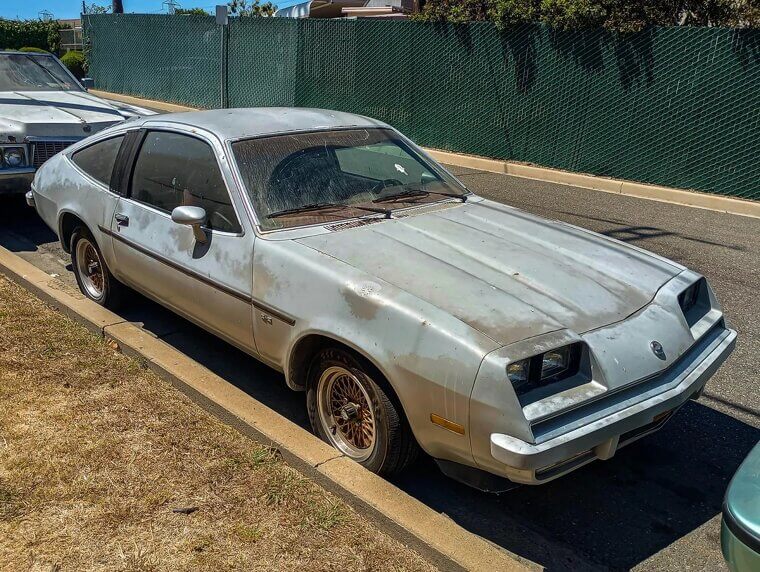
Chevrolet Monza
The Chevrolet Monza appealed to younger drivers who wanted a classic American-styled car without all the pricey bells and whistles. It looked sporty and modern, especially compared to larger ‘70s sedans, but it was manageable and exciting without being overwhelming. It wasn’t super high-performance, but was more than fit for purpose.
People remember Monzas as fun, social cars that were perfect for cruising, dating, and weekend drives. They became part of their owners’ identities, providing all the youthful confidence and distinctive styling you could want from a car.
People remember Monzas as fun, social cars that were perfect for cruising, dating, and weekend drives. They became part of their owners’ identities, providing all the youthful confidence and distinctive styling you could want from a car.
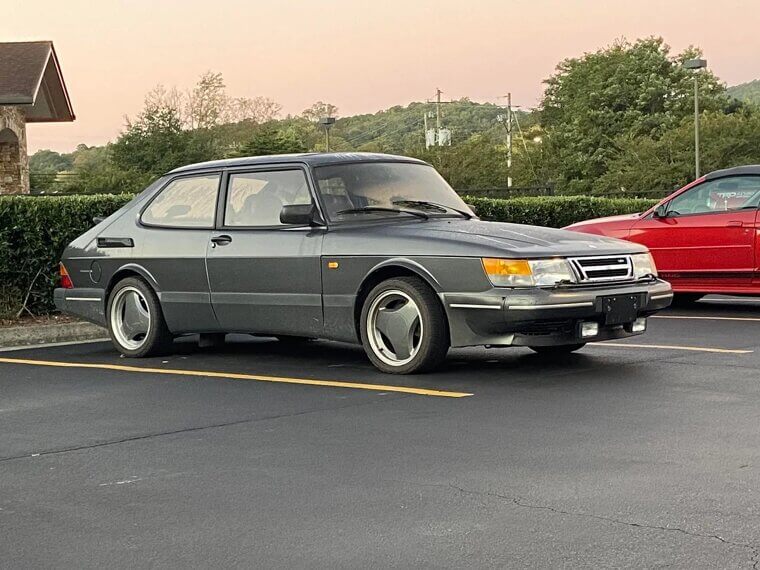
Saab 900
The Saab 900 is known for its turbocharged power, but when it was the new car on the market, it was so much more to new drivers. It felt completely different to anything else around at the time, offering solid engineering, good visibility, and clever design touches that elevated it beyond the boring starter car stereotype.
People quickly became attached to the Saab 900, which explains why it was later produced across a second generation. It evolved in looks and power, but remained the same solid and reassuring car that first-time drivers fell in love with back in the ‘70s.
People quickly became attached to the Saab 900, which explains why it was later produced across a second generation. It evolved in looks and power, but remained the same solid and reassuring car that first-time drivers fell in love with back in the ‘70s.
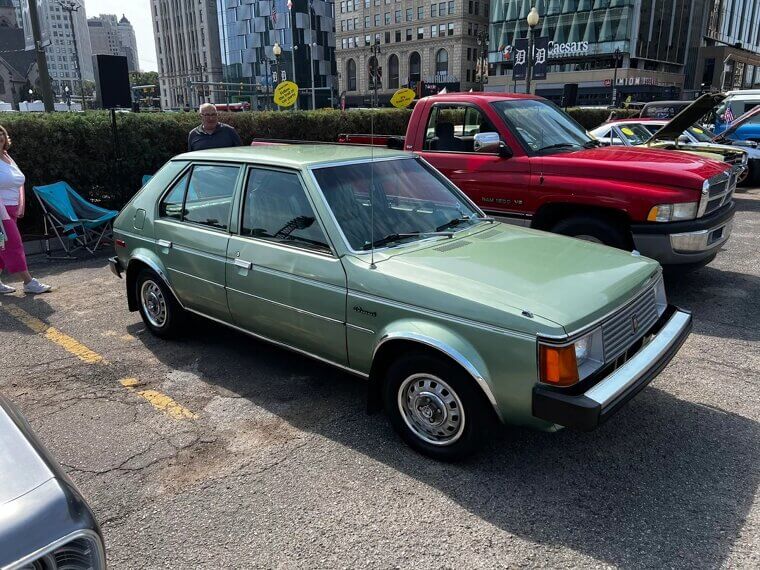
Dodge Omni
Young people in the ‘70s generally looked for three things in a first car: simplicity, affordability, and at least some cool factor. Its compact size made it easy for new drivers to handle, park, and use on a daily basis. For many of them, it was an important introduction to front-wheel drive.
It’s not the most famous Dodge, but people who owned an Omni in the ‘70s recall how easy it was to drive. It stands out as their first car because it did the job well without demanding anything from its owner, providing a reliable backdrop during some very formative years.
It’s not the most famous Dodge, but people who owned an Omni in the ‘70s recall how easy it was to drive. It stands out as their first car because it did the job well without demanding anything from its owner, providing a reliable backdrop during some very formative years.
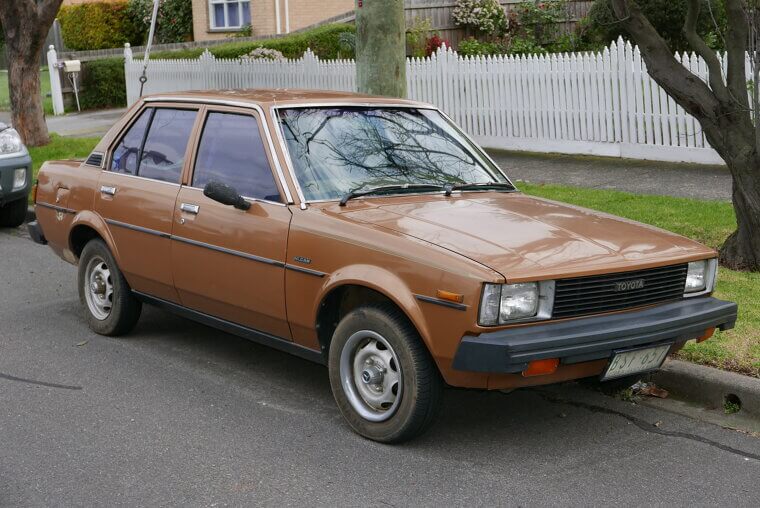
Toyota Corolla (E70)
Owning a Corolla is a rite of passage for Toyota loyalists, and many of them had that experience with the fourth-gen model at the latter end of the 1970s. It was a legendary first car that looked amazing and practically maintained itself, but didn’t come with an unreasonable price tag.
Drivers remember always being able to rely on this version of the Corolla. It supported them into early adulthood, making work, socializing, and vacations more accessible. That kind of presence creates powerful nostalgia, which is why so many still rave about their first Corolla decades later.
Drivers remember always being able to rely on this version of the Corolla. It supported them into early adulthood, making work, socializing, and vacations more accessible. That kind of presence creates powerful nostalgia, which is why so many still rave about their first Corolla decades later.
Morris Marina
Small, quirky, and reassuringly British, the Morris Marina was a fine choice for a first car in the ‘70s. Parents trusted it, mechanics knew it inside-out, and new drivers loved it, even if it was quite basic. Starter cars were all about being able to hit the road and enjoy your independence, and the Marina made that possible for many young people.
Those little cars were on every street corner, outside every school, and making their way reliably up and down the highway. They were a staple part of everyday life. Whether they were driving, stalling, or breaking down, people bonded with their Marinas for life.
Those little cars were on every street corner, outside every school, and making their way reliably up and down the highway. They were a staple part of everyday life. Whether they were driving, stalling, or breaking down, people bonded with their Marinas for life.