Insurance Premiums Cost More Than You Think
When you're signing papers at the dealership, that salesman isn't going to mention how your insurance bill is about to jump. Pickup trucks often cost significantly more to insure than sedans, with some drivers reporting premiums running 20-40% higher according to industry estimates. Insurance companies know these vehicles cost more to repair after accidents, and their size means more potential damage in collisions. Theft rates for popular truck models also drive up costs. Many first-time truck buyers experience sticker shock when their insurance agent delivers the annual premium quote. Those extra few hundred dollars per year add up over the life of ownership. Remember when car insurance seemed reasonable? Modern truck ownership brings back those days of hefty insurance bills that feel like a second car payment.

Gas Bills Add Up Quickly
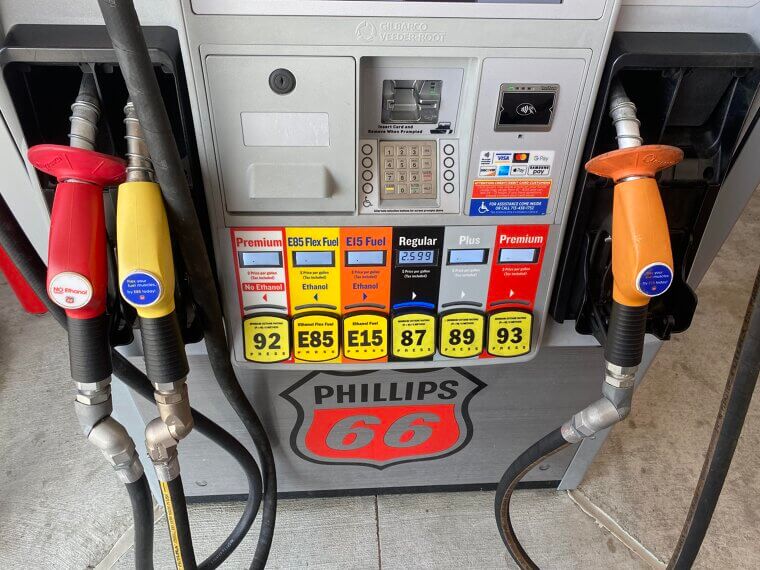
Even with today's advanced engine technology, full-size pickup trucks still consume more fuel compared to cars. Most owners see real-world mileage between 15-18 MPG in mixed driving, and highway trips don't improve things as much as you'd hope. When you're used to a sedan that gets 30 MPG, that twice-weekly fill-up becomes a painful new routine. Those 26-gallon tanks take $80-100 to fill at today's prices. Long road trips require budget planning that never crossed your mind with your old vehicle. The math is simple but brutal - you're burning nearly twice the fuel for the same commute. Remember those carefree days of filling up once every two weeks? Truck ownership means you're now on a first-name basis with your local gas station attendant.
Parking Becomes a Daily Challenge
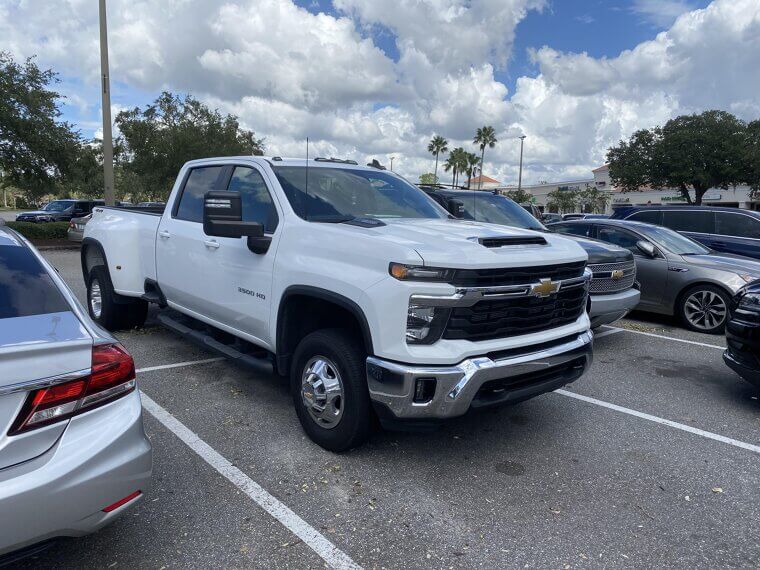
Standard parking spaces were designed decades ago when vehicles were smaller and more reasonable. Your new extended-cab truck with its 6.5-foot bed barely fits in regular spots, if it fits at all. You'll find yourself circling parking lots looking for end spaces or spots where you can stick out without blocking traffic. Grocery store trips become strategic missions. Tight parking garages downtown? Forget about it. Many truck owners develop new shopping habits, choosing stores with spacious lots over convenient locations. The backup camera helps, but it can't change physics. That quick errand becomes a 10-minute search for adequate parking. Remember when you could whip into any spot without a second thought? Those days are gone.
Tire Replacement Costs Add Up Fast
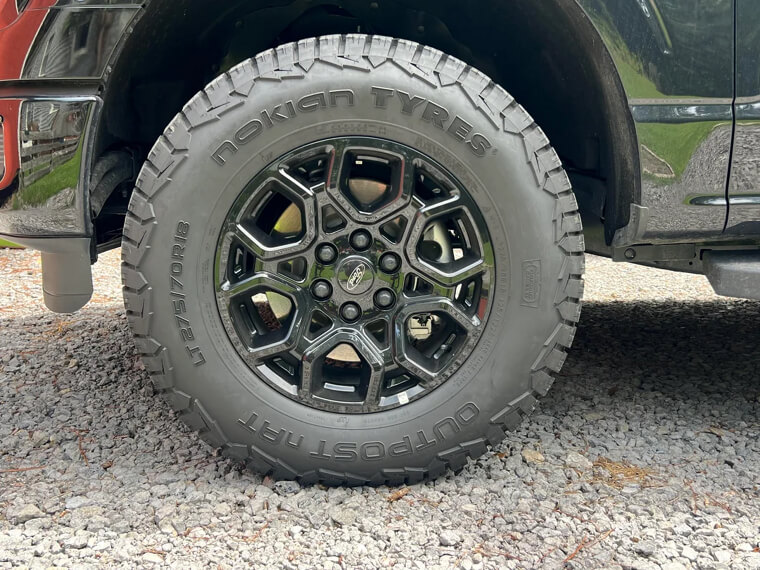
When those tires wear out - and they will - you're in for another shock. Truck tires typically run two to three times the cost of car tires, and you're replacing four of them. A decent set of truck tires often costs $800-1,200 installed according to tire retailers, compared to $400-500 for a sedan. Those big rubber donuts wear out around 40,000-50,000 miles whether you're hauling gravel or just commuting to the office. The weight and size of trucks eat through tread faster than you'd expect. Many owners face this reality around year three and suddenly understand why their neighbor still drives that old sedan. Factor in the occasional road hazard or sidewall damage, and tire costs become a regular budget item you never anticipated.
Registration and Licensing Fees
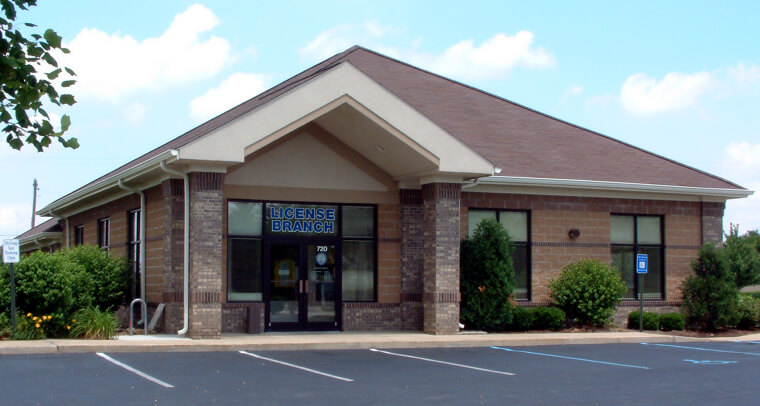
Here's a cost that catches many truck buyers off guard - registration fees. Many states classify pickup trucks differently from passenger vehicles, charging commercial rates or higher weight-based fees. That annual registration you paid $75 for on your sedan? It might be $150-300 for your truck, depending on your state. Some states calculate fees based on vehicle weight, and modern trucks are heavy. The reasoning makes sense for commercial haulers, but it stings when you're just driving to work. These fees hit every single year, becoming a recurring cost you probably didn't factor into your purchase decision. Check your state's fee structure before buying, or that first renewal notice might ruin your day.
Depreciation Hits Harder Than Expected
Despite trucks' reputation for holding value, reality tells a different story for many owners. First-year depreciation on new trucks can reach 20-30%, and the slide continues for the first five years. If you're not actually using that truck bed for work, potential buyers notice that pristine, barely-used condition - and they wonder why you needed a truck at all. The market pays premium prices for well-used work trucks with documented utility. Your pavement princess that never saw a bag of mulch? Not so much. Many owners discover this painful truth when trading in or selling, realizing their $50,000 truck is worth $30,000 after just three years of suburban driving.
Tolls Charge You at Higher Rates
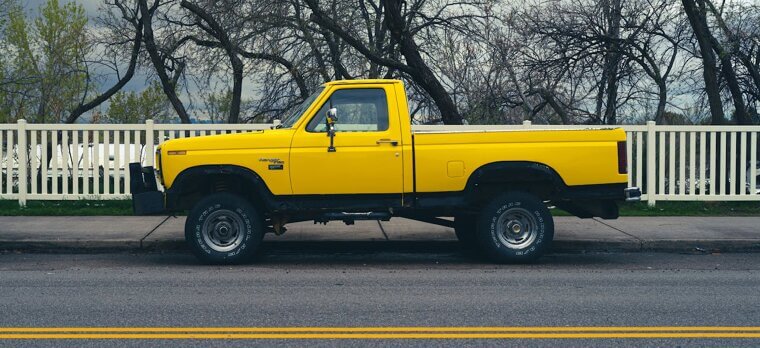
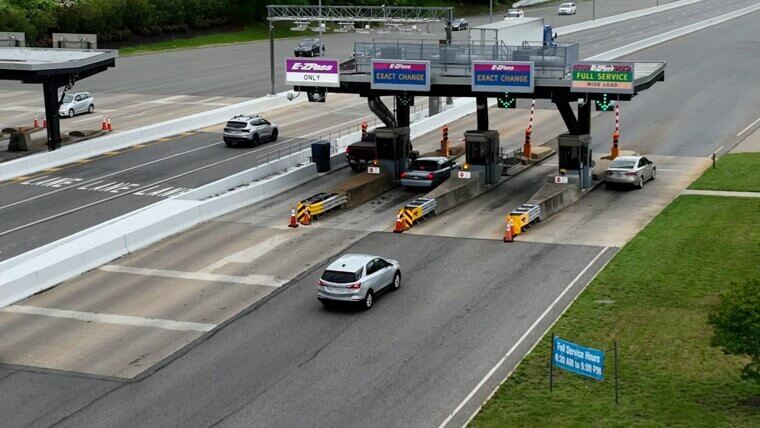
Electronic toll systems across the country often classify pickup trucks in higher rate categories, especially if you have dual rear wheels or an extended cab. That daily commute through toll roads suddenly costs 30-50% more than it did in your car. Some systems charge trucks at commercial vehicle rates, even though you're just heading to the office. These pennies and dimes add up to hundreds of extra dollars annually. Many truck owners discover this cost only after their first month's toll bill arrives. That convenient highway route you've taken for years becomes a budget drain. Some drivers start taking surface streets to avoid the fees, adding time to their commute just to save money.
Garage and Storage Challenges
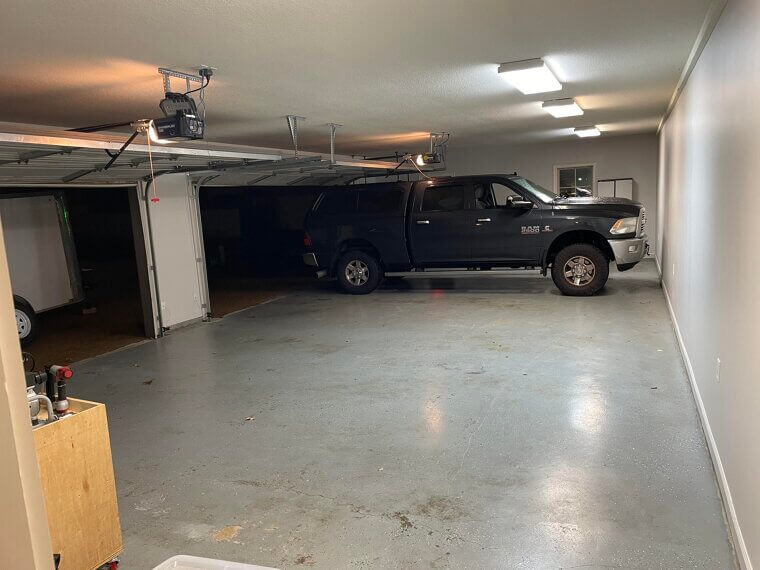
That two-car garage you've had for twenty years? Your new truck might not fit. Modern full-size trucks with extended cabs measure over 20 feet long, and many older garages were built for vehicles under 18 feet. You'll either park outside, exposing your investment to weather and potential theft, or pay thousands to extend your garage. Even if length works, height might not - lifted trucks or models with tall cabs hit garage door openers or ceiling joists. Many owners end up parking their $50,000 truck in the driveway while keeping their spouse's sedan inside. Some invest in storage solutions, carports, or garage renovations. These costs never appeared in the dealership discussion.
Maintenance Costs on Heavier Components
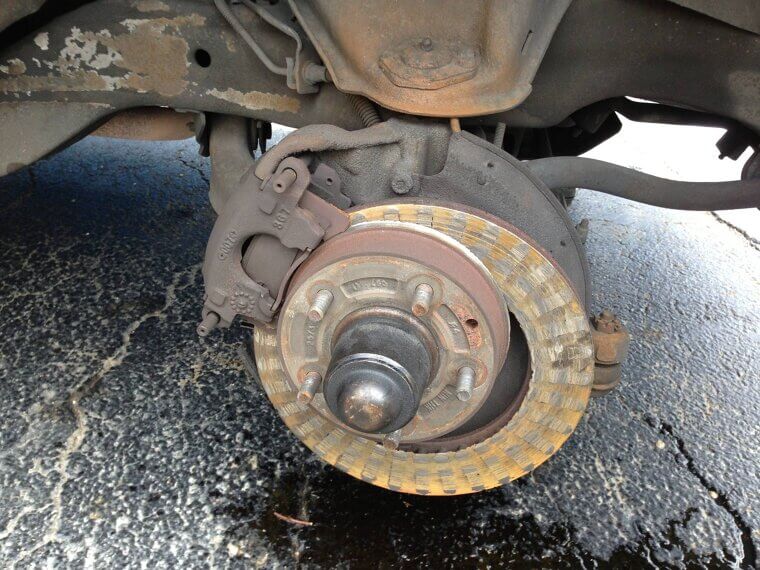
Every maintenance item on a truck costs more because everything is bigger and heavier. Brake jobs run $200-400 more than car brakes due to heavy-duty rotors and pads designed for towing capacity you might never use. Oil changes require more fluid - often 8-10 quarts instead of 5. Suspension components, steering parts, and drivetrain work all carry premium prices. Even routine services like transmission fluid changes cost more due to larger capacities. Your old car's $300 brake job? That's $600-700 for your truck. The differential service you never thought about? Add that to the list. These costs hit whether you haul anything or not - you're paying for capability even when unused.
The Bed Liner You'll Eventually Need
Most buyers skip the spray-in bed liner at purchase to save $500-700, figuring they'll be careful or add it later. Then reality hits - the first time you load something, you scratch that pristine paint. Now you're either living with damage or paying even more for installation later because prep work costs more on a scratched bed. Drop-in plastic liners seem cheaper but they trap moisture and cause rust. That bed you thought would stay perfect? It won't. Most truck owners eventually spend the money they tried to save, often after diminishing their truck's value with bed damage. Smart buyers include the liner in financing. Everyone else learns this expensive lesson within the first year.
City Driving Becomes More Difficult
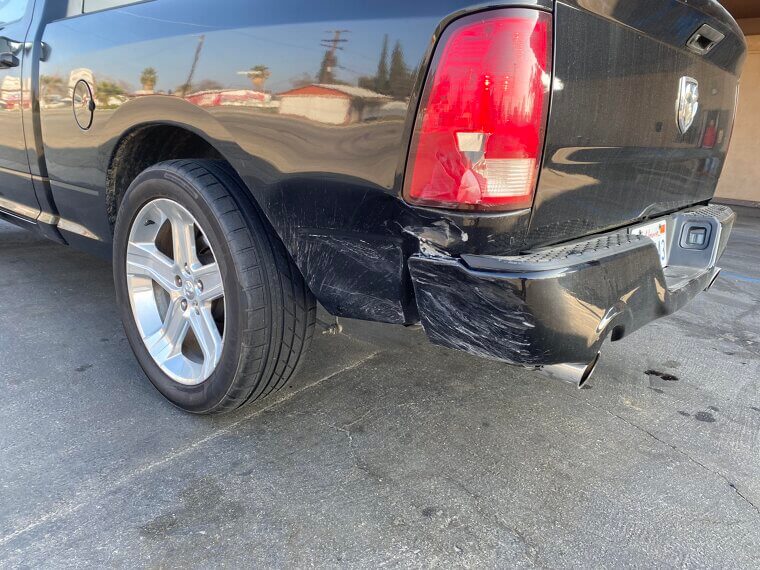
Maneuvering a full-size truck through narrow city streets tests your patience and skills daily. Drive-through restaurants become judgment calls - will I fit? Tight parking garages charge by the hour while you carefully navigate concrete pillars. Urban neighborhoods with street parking mean you're that guy taking up two spots. U-turns require three-point maneuvers. Parallel parking becomes a spectator sport. Your friends' narrow driveways? You're blocking the sidewalk. Every trip requires mental calculations about clearance and space. The convenience and freedom you expected comes with daily frustration in any urban environment. Many truck owners find themselves avoiding certain areas entirely or timing trips for off-peak hours when roads are clearer.
Modifications Add Up Before You Know It
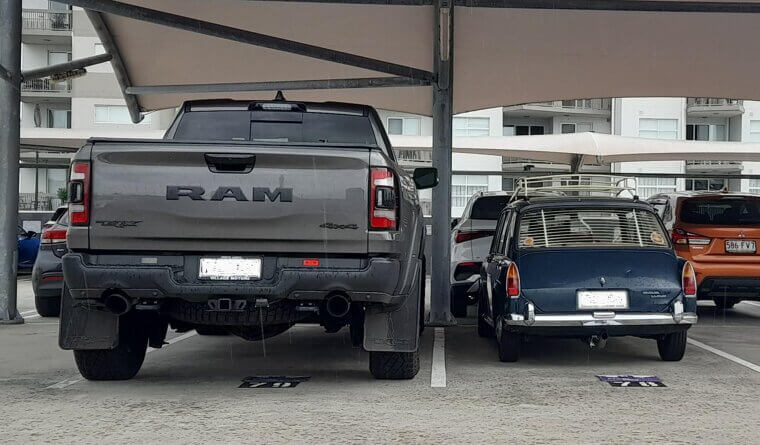
That stock truck never stays stock. Within months, you're pricing lift kits, upgraded wheels, running boards, and tonneau covers. Each modification seems reasonable individually - just $800 here, $1,200 there. Before you know it, you've added $3,000-5,000 to your investment in upgrades you convinced yourself you needed. The truck community doesn't help, constantly showcasing modifications that make yours look plain. Better tires for off-roading you'll rarely do. A bed cover to protect the cargo you rarely haul. Lighting upgrades, tow mirrors, step bars - the list never ends. Many owners spend more modifying their truck than they would have spent just keeping their previous vehicle. It's a costly cycle that dealers love but never mention upfront.
Helping Friends and Family Haul Items
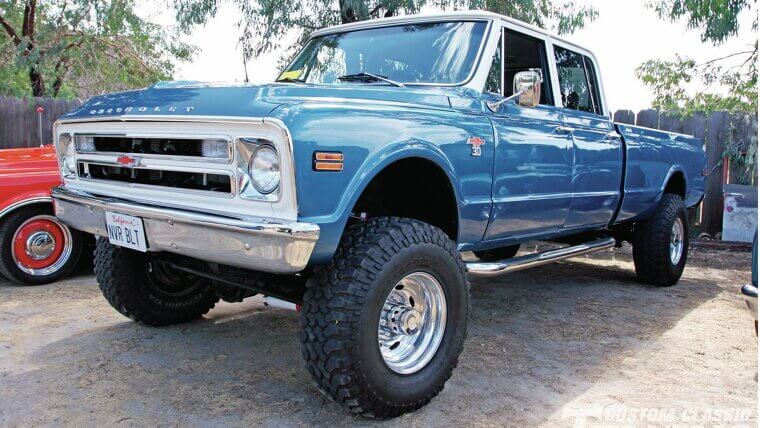
The moment you buy a truck, you become everyone's moving company. Friends need furniture picked up. Family members are renovating. Coworkers wonder if you could grab some lumber. Each request comes with promises to fill your tank that rarely materialize. Your weekends become moving days for others. That comfortable lifestyle you imagined? It includes helping everyone you know haul stuff. The wear on your truck, your time, and your fuel budget never factored into the purchase decision. Sure, you wanted to be helpful, but you didn't expect to become the neighborhood hauling service. Many truck owners eventually learn to say no, but not before spending hundreds in fuel and time they didn't budget for.

Car Wash and Detailing Expenses
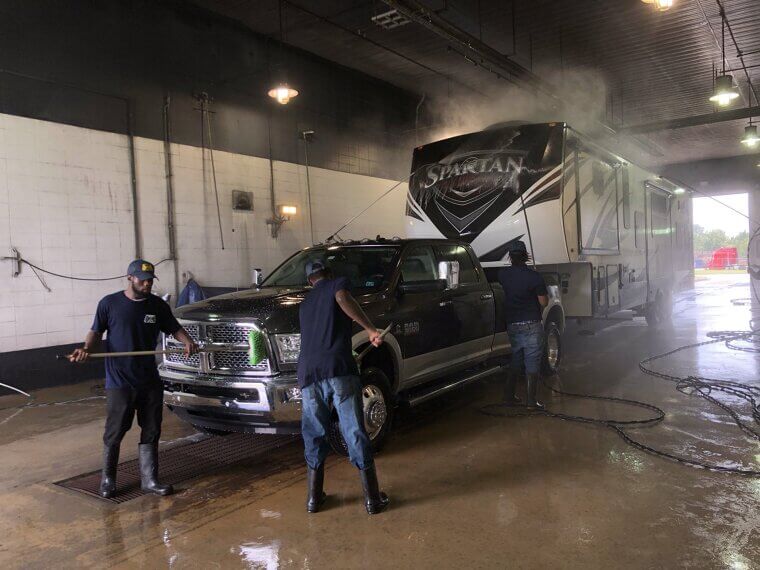
Your truck needs washing just like any vehicle, but it costs more everywhere you go. Automated car washes charge $3-5 extra for trucks and SUVs. Hand washing at home takes twice as long and requires more soap, water, and effort due to sheer size. Professional detailing services? Add $50-100 to the price compared to sedan rates. The extra square footage of paint, larger windows, and taller vehicle mean more time and materials for any cleaning service. Those bed covers and running boards create additional crevices that trap dirt. What used to be a quick $30 detail is now $80-100. If you wash weekly and detail quarterly, these costs add hundreds annually to vehicle ownership expenses you probably never considered.
Resale Value Differences With Drive Types
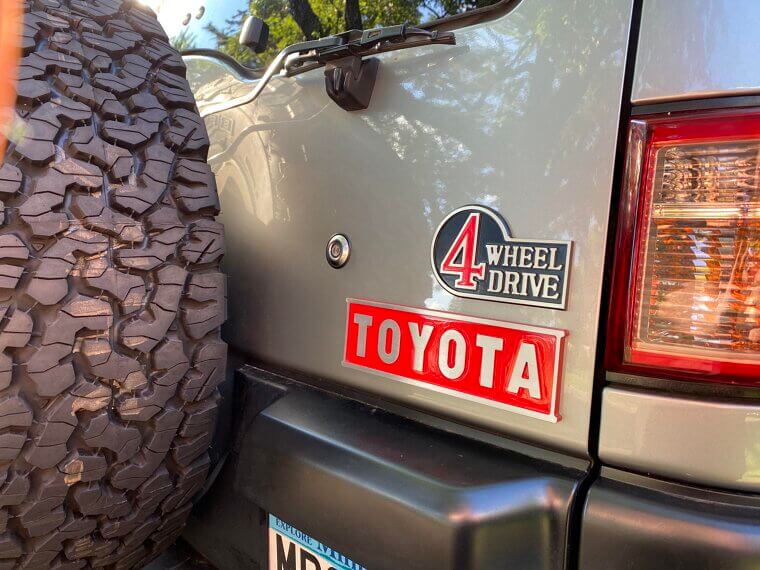
Here's a costly mistake many first-time truck buyers make - purchasing two-wheel drive to save $3,000-5,000 upfront. When it's time to sell or trade, you'll discover that four-wheel drive models hold value far better and sell much faster. The resale market heavily favors four-wheel drive, even in regions where it rarely snows. Buyers perceive 4WD trucks as more capable and desirable, whether they actually need that capability or not. Your 2WD truck might sit on the market for months while similar 4WD models sell immediately at higher prices. The money you saved initially vanishes in reduced resale value. Many owners realize too late they should have financed the 4WD option rather than trying to save money on a feature the market demands.