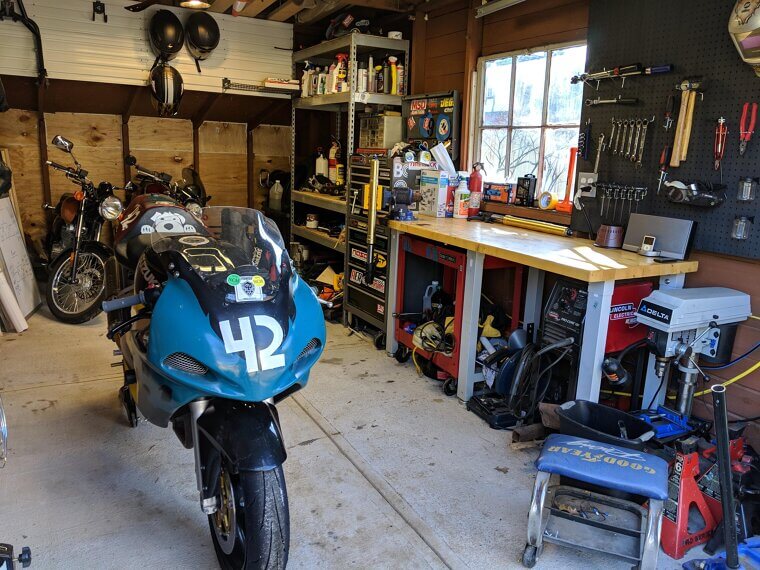
The “Previous Owner Mods” Headache
Nothing prepares you for the wild things past owners have done. Undoing the creativity of someone else is way harder than restoring original parts. You end up spending money just to get the bike back to normal before you even start improving it. It’s a fixer-upper within a fixer-upper.
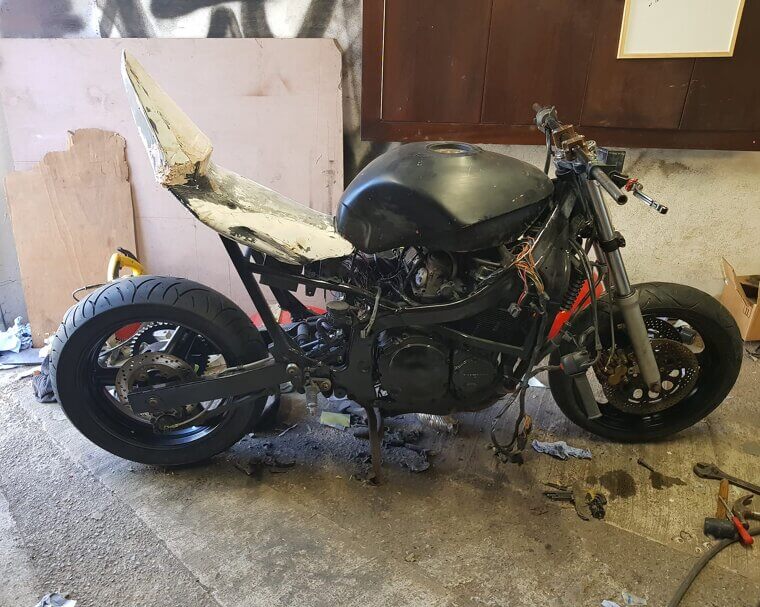
Tires That Feel Like Concrete
Old bike tires may look okay, but once you ride on them, they feel like you’re rolling on granite. Even if the tread is good, age hardens rubber. So you end up buying new tires, tubes, balancing tools, and maybe even paying a shop if the bead refuses to seat. The costs stack up fast.
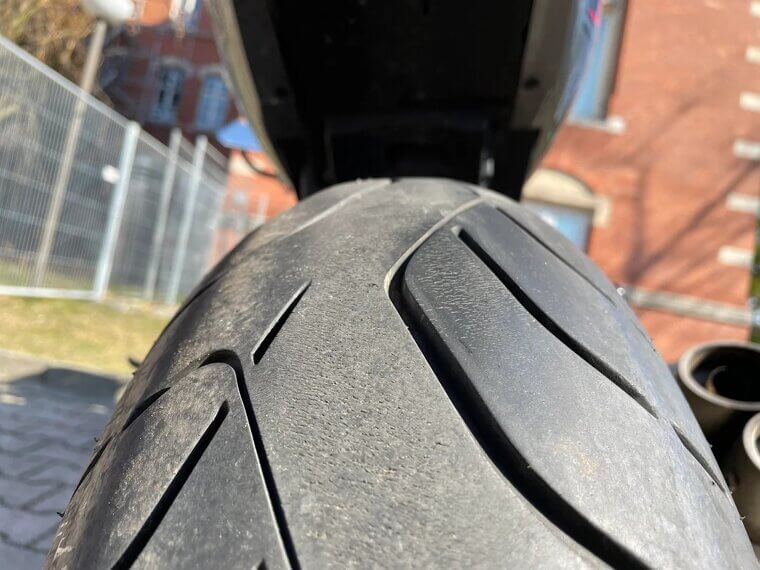
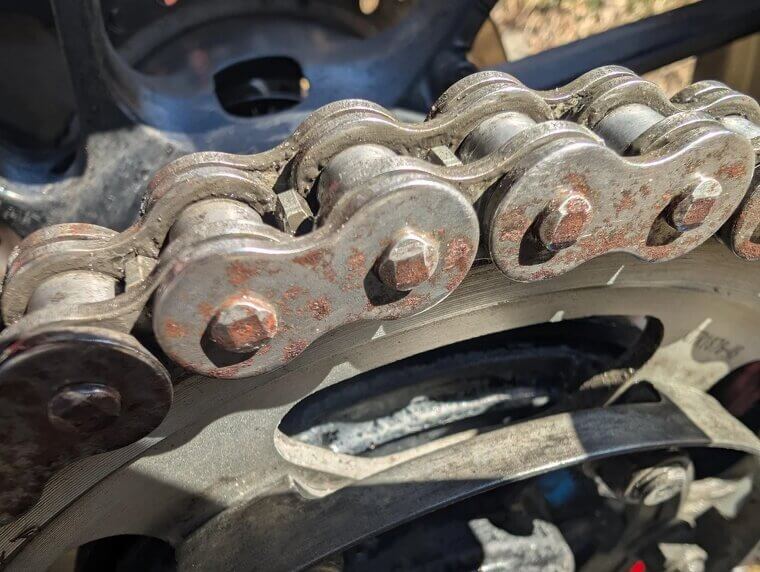
Rusted Chains and Gears
Many people assume that a little oil will miraculously fix a rusty chain. We promise you, it won’t. New chains, new cogs, all that good stuff really adds up. It’s one of those sneaky costs that hits before you even roll the bike.
Brake Systems That Need More Than Pads
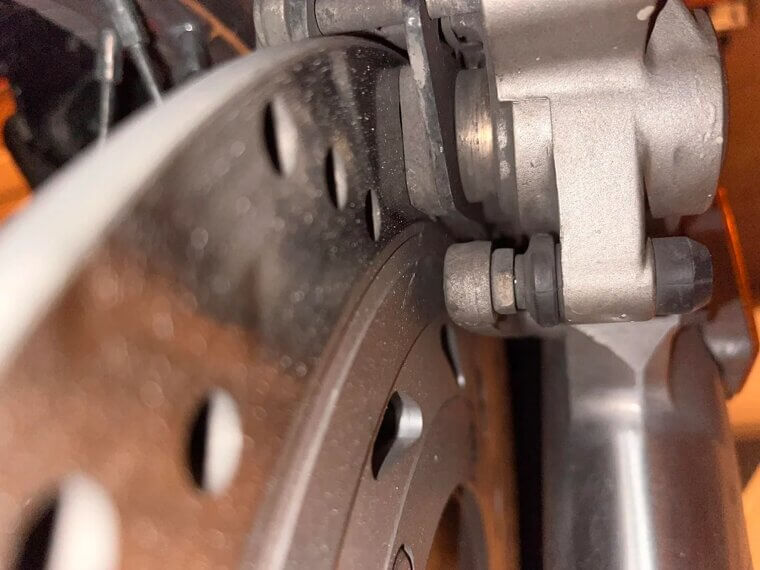
Some assume that all they need are new pads. Then they notice the cables are frayed, the housing is brittle, and the calipers have seen things. You're rebuilding the entire brake system before you've even realized it. It's worth it for safety reasons, but wow, it adds a few unexpected numbers to your total.
Carburetors That Refuse to Behave
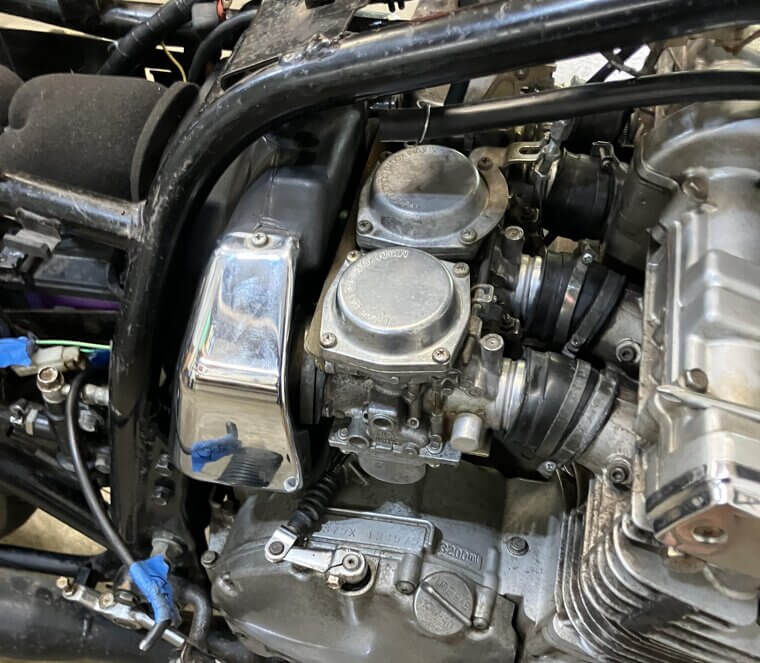
Everyone thinks cleaning a carb is easy. Wait until yours decides it’s going to leak fuel, clog up again, or run rough no matter how perfectly you sync it. Old carbs love to humble new restorers. And once you start buying rebuild kits, jets, and ultrasonic cleanings, you realize it was never a quick fix at all.
A Paint Job That Costs More Than Expected
Everyone loves the idea of giving an old bike a fresh coat of paint. Then they see the price. Professional paint jobs are not cheap, and even a DIY attempt requires primer, sandpaper, paint, and a lot of patience. By the end, you realize restoring just for fun has its own little budget.
Controls That Feel Crunchy
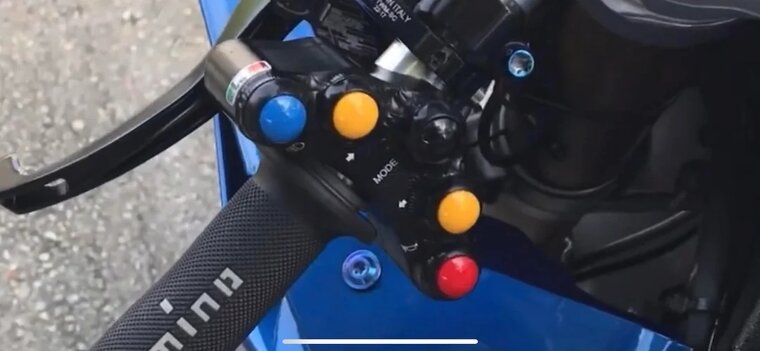
Old levers, cables, and switches sometimes feel like they’ve been stuffed in sand for the last ten years. You eventually have to replace half of them just to make the bike feel normal. It doesn’t seem like too much of an expense until you add it up and realize that you have purchased more controls than the bike originally had.
Leaky Forks
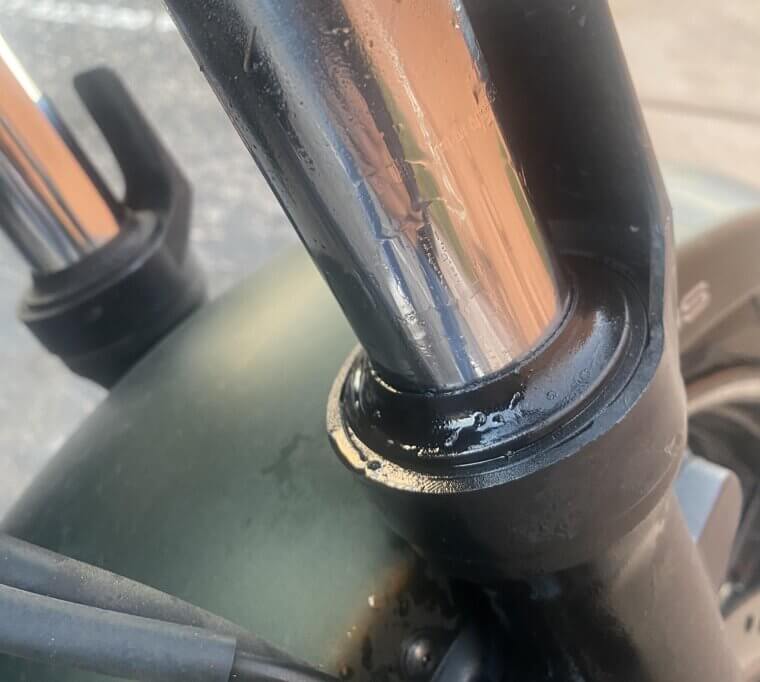
You see a little oil on the fork tube and think that replacing the seals will be a quick task. Then the forks start to fight you, and there’s oil everywhere, and the cost of the seals, fresh fluid, and specialized tools keeps growing. Leaky forks remind you that every “easy job” on an old bike has the potential to ruin your entire Saturday.
The Cost of New Cables
Cables look cheap at first, so you think it’s no big deal until you realize you need new housing, too. Before you fully grasp what’s going on, you’re buying multiple sets for brakes and gears. It is one of those “little” upgrades that somehow becomes a mini project. But once everything feels smooth again, it is worth every penny.
Wheels That Need More Than Truing
The wheels of your old bike may wobble a little. That wobble sometimes turns into loose spokes, damaged rims, or hubs that need rebuilding. By the time the shop finishes with them, you’re wondering if new wheels would have been cheaper.
Exhaust Systems That Don’t Line Up
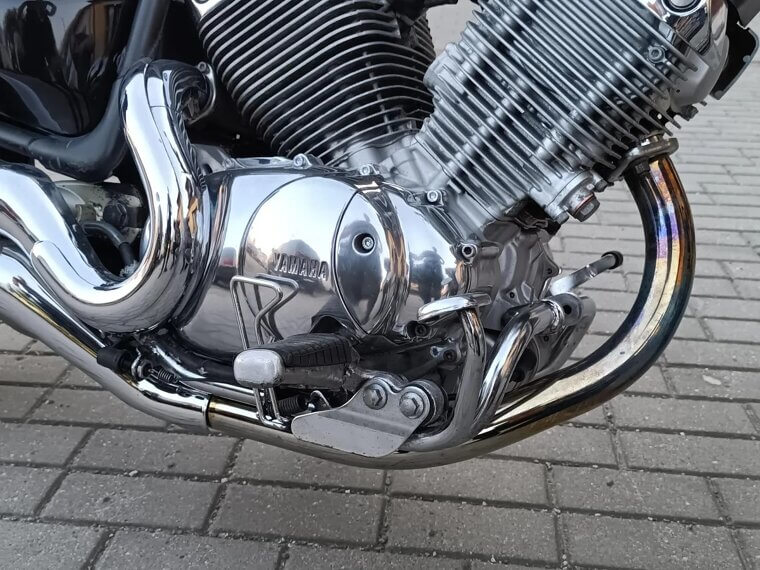
You come across a solid deal on an exhaust to replace yours, only to find out it fits every bike except yours. Next thing you know, you're fiddling with brackets, buying new gaskets, and trying to convince yourself that the little rattle is “normal.” Exhaust systems love to test your patience, and the price of fixing them is always more than whatever budget you had in mind.
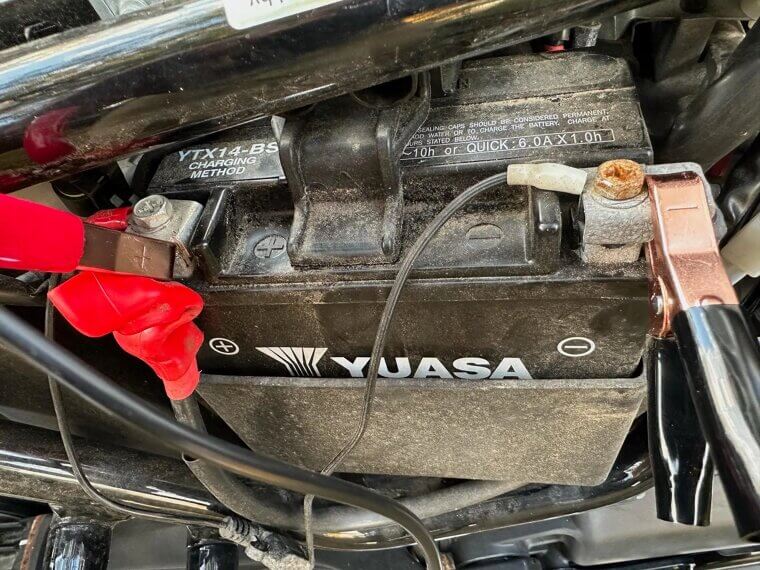
Batteries That Die Instantly
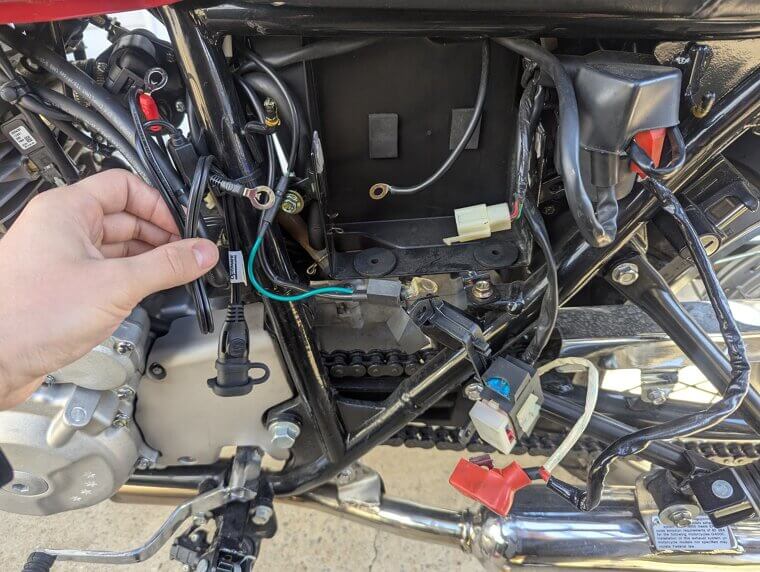
Old bikes and weak batteries go together like rain and puddles. Even a new battery can drain overnight if there’s a tiny electrical fault hiding somewhere. You’ll spend days checking grounds, fuses, and switches. And by the time you finally solve it, you’ve bought a trickle charger, a multimeter, and a second battery.
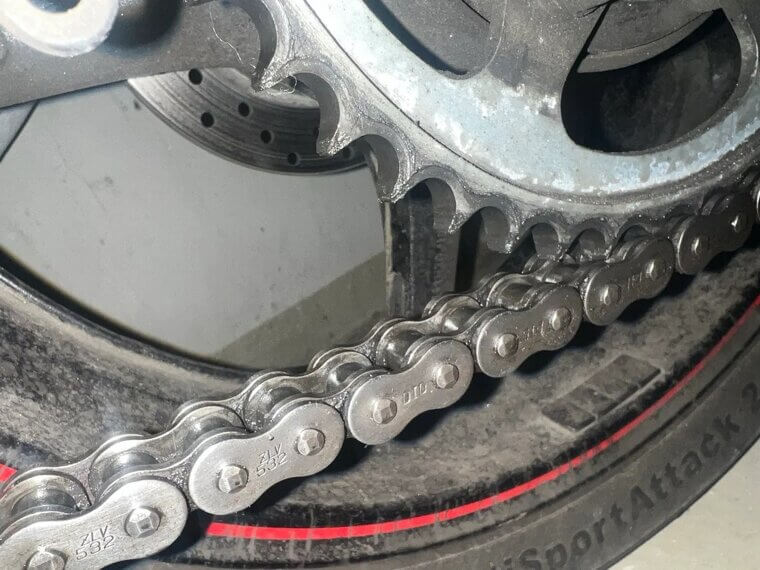
Chain and Sprocket Wear
You tell yourself the chain looks “fine.” Then you do the pull test, and it’s basically waving at you. It seems like a small job, but by the time you clean the swingarm, set the tension, and buy lube, it’s not so small anymore.
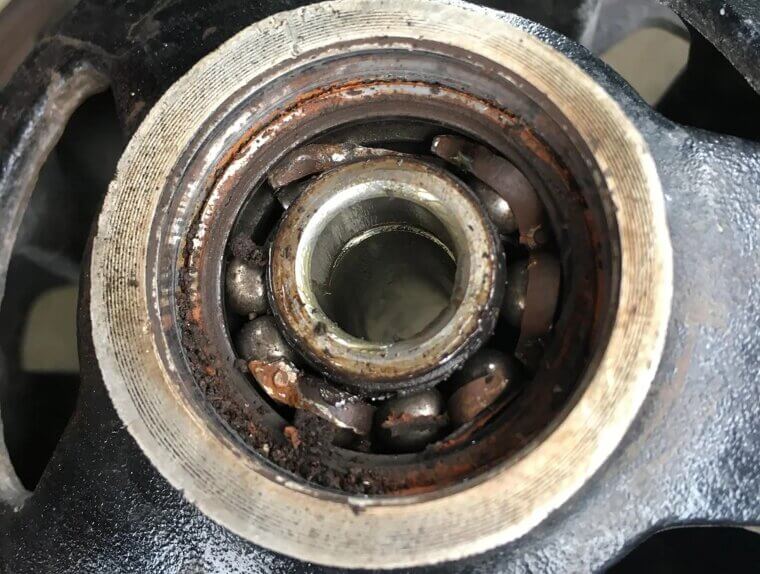
Bearings That Growl at You
Spin a wheel or swingarm on an old bike, and you’ll hear that lovely grinding noise that means the bearings are toast. Replacing them sounds easy until you start removing old races and hunting for the right part numbers. It’s not glamorous, but if you skip it, your restored bike will sound older than it looks.
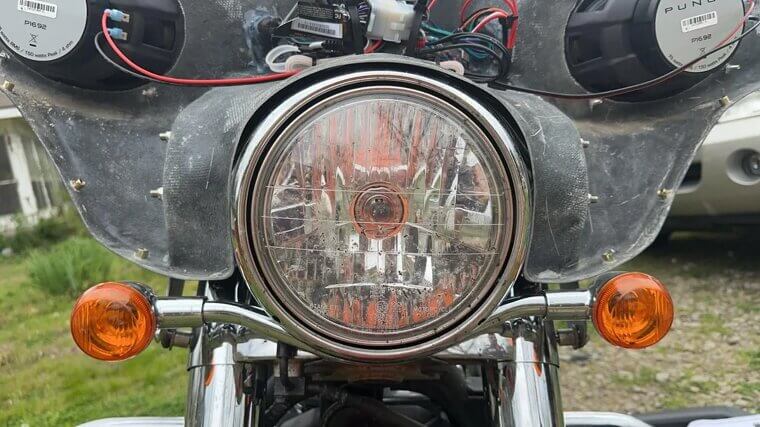
Accessories That Suddenly Feel Essential
Your original plan might be to keep things simple. But simplicity goes out the window when you see a sleek new mirror or a flashy LED headlight. You try to convince yourself that your bike needs the accessories. At this point, logic checks out, and your inner shopper takes control.
Old Tubes That Don’t Hold Air
Old tubes lose their sealing capabilities, especially after they’ve been in storage for years. While replacing them seems cheap, you often end up buying a few sets because you discover leaks one by one. It’s a slow, annoying drip of expenses.
The Chrome Cleanup
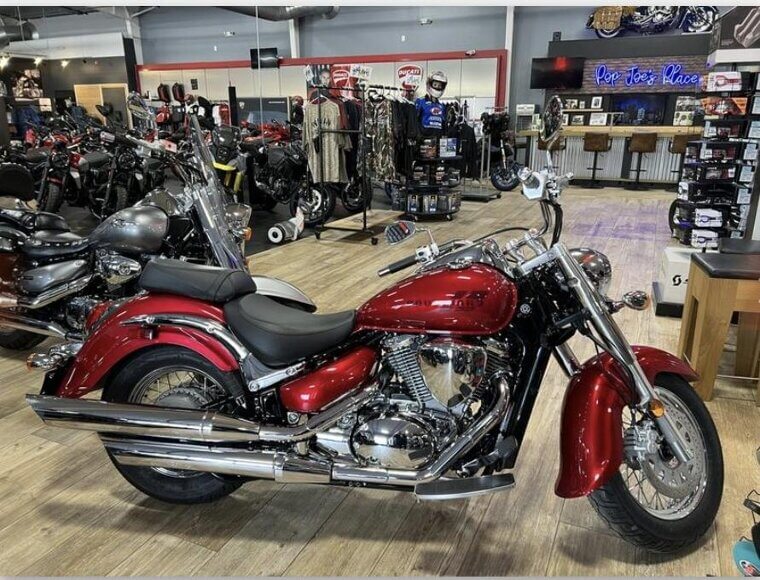
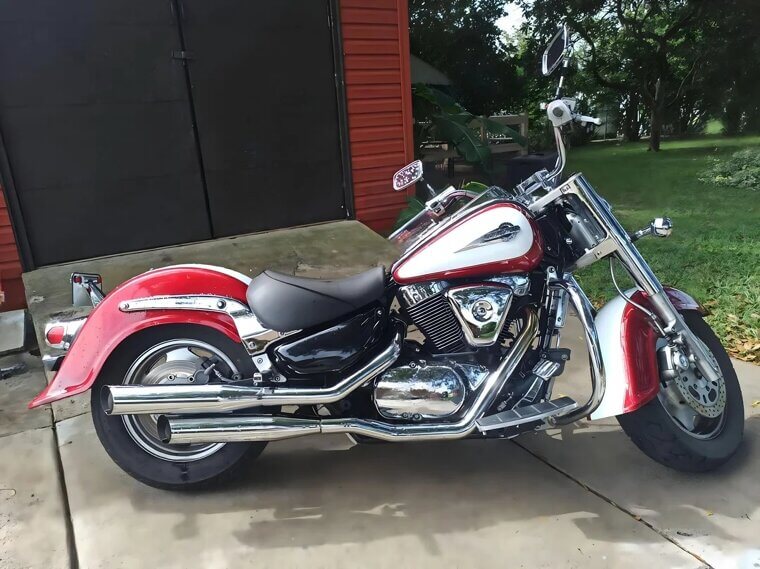
Chrome has a shiny look to it in pictures, but up close, it can be pitted, flaking, or rusted straight through. Rechroming isn’t cheap, and cleaning up the bad spots requires patience. Add in replacement trim pieces, and suddenly you’re sinking money just to make the thing sparkle.
The Electrical Gremlins
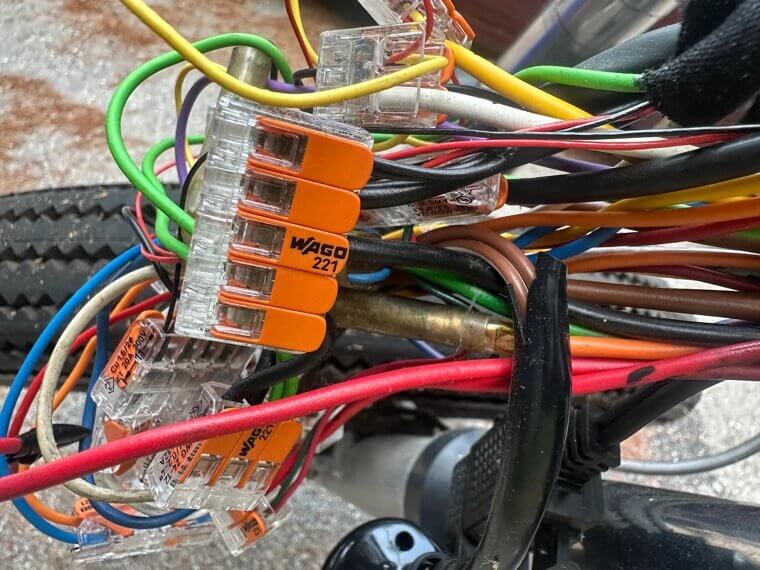
Old wiring seems to almost have a mind of its own. One day the lights work, the next you are checking the circuit with a multi-meter. Rewiring the whole bike sounds dramatic, but it’s often cheaper than chasing one short after another.
The Missing Paperwork
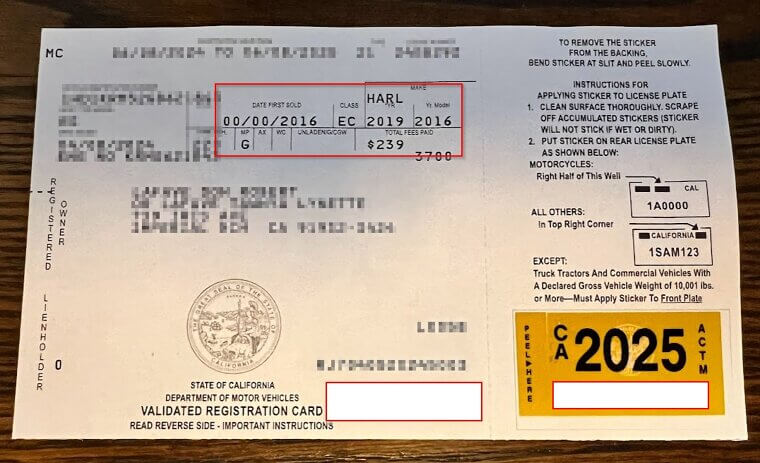
A bike with “lost papers” is essentially a gamble. You might get lucky, or you might spend months trying to prove it’s yours. Title searches, inspections, and unexpected fees can quickly add up. And if a previous owner skipped a step, you inherit that mess.
The “Where Do I Store All This? ” Problem
When you restore a bike, you have parts everywhere. Inevitably, your garage turns into a maze of bags, labels, bolts, and parts. Then you start buying shelves and bins, just to be able to walk across the room again. This is one of those hidden costs that nobody ever mentions, but every restorer eventually ends up paying.