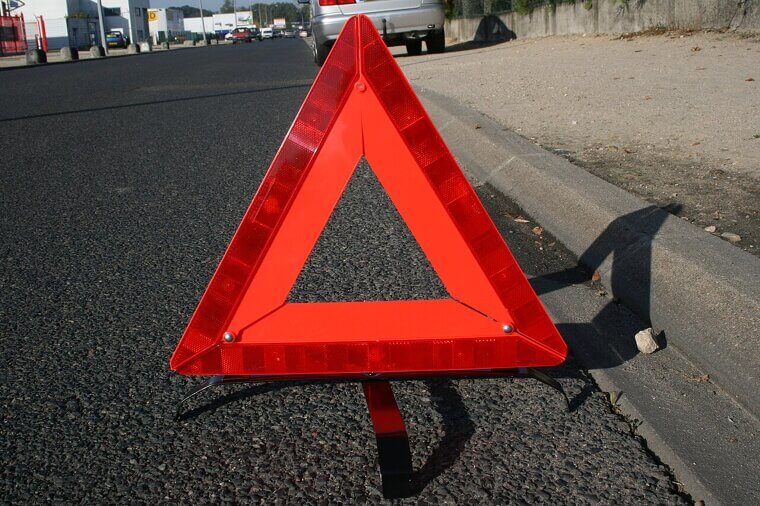
Reflective Warning Triangles or Flares
While many vehicles come equipped with a reflective warning triangle, plenty of younger drivers are not entirely sure when or how to use it properly. Flares are another simple safety tool that often gets overlooked or removed from the trunk without a second thought. In a breakdown or roadside emergency, though, these items can make a real difference. They help make your car visible to passing traffic, especially at night, in bad weather, or around curves. Older drivers learned early that visibility buys you time and safety. A triangle or flare also signals to others that help may be needed, not that a car is casually parked. These tools do not feel exciting, but they are reliable, inexpensive, and effective. When something goes wrong far from help, they suddenly feel essential instead of optional.
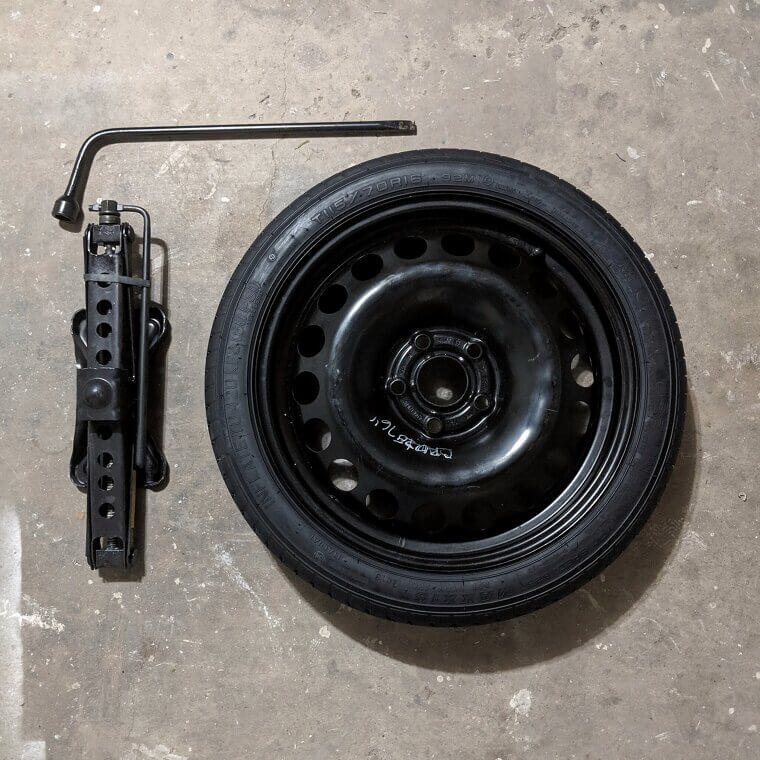
A Spare Tire, Jack and Lug Wrench
Flat tires are by far the most common roadside issue experienced by drivers. Many young drivers don't know how to replace a flat tire, as it's not really something that you worry about until it has happened to you. For this reason, they don't even keep the necessary tools in their trunk.
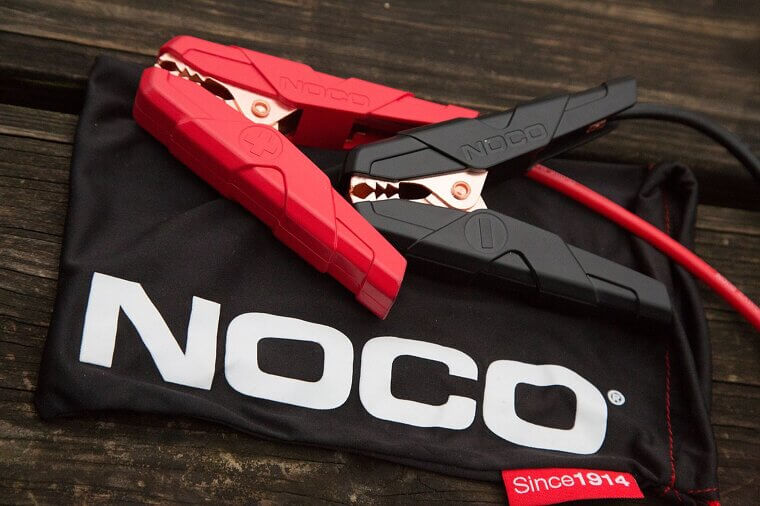
Jumper Cables and Battery
On the road, a dead car battery will leave you stranded. Instead of waiting for a tow truck or friend to pick you up, just make sure that you have some jumper cables and a battery in your car. However, many younger drivers have never experienced the inconvenience of standing on the side of the road for hours, meaning that they don't remember to have this equipment on standby either.
Tire Pressure Gauge and Inflator
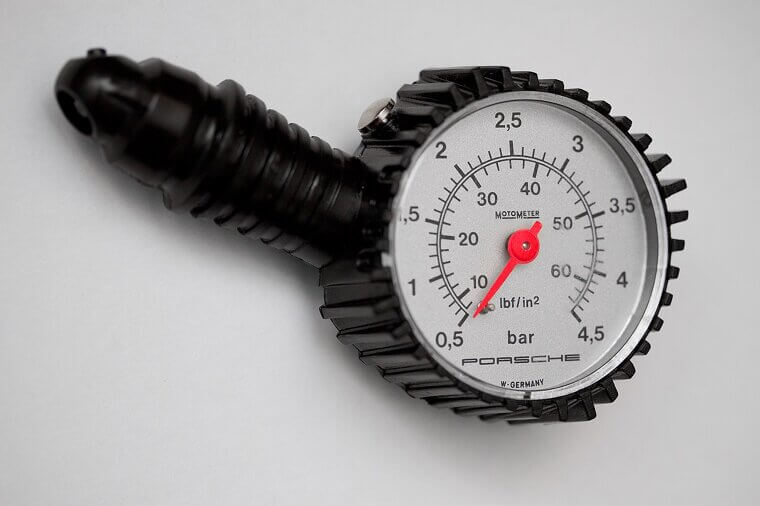
Proper tire pressure improves safety, fuel economy, as well as tire lifespan. For this reason, there really is no downside to having your own personal tire pressure gauge and inflator on standby in the trunk of your vehicle. Inexperienced drivers often fail to plan ahead when driving, however.
Zip Ties and Duct Tape
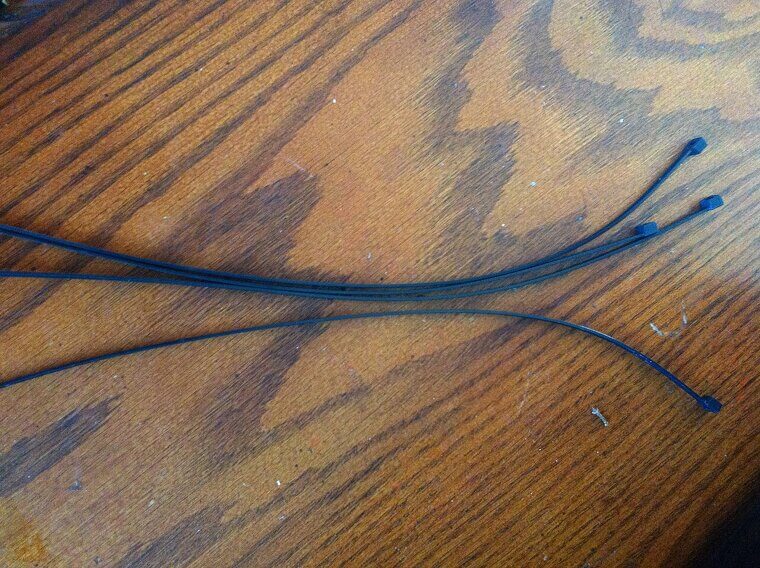
Zip ties and duct tape provide a quick and easy fix for so many problems, including loose bumpers, broken mirrors and dangling wires. While these solutions are obviously only temporary, having these tools on hand will allow you to safely get your car to an auto repair shop.
A Multi-Tool or Basic Tool Kit
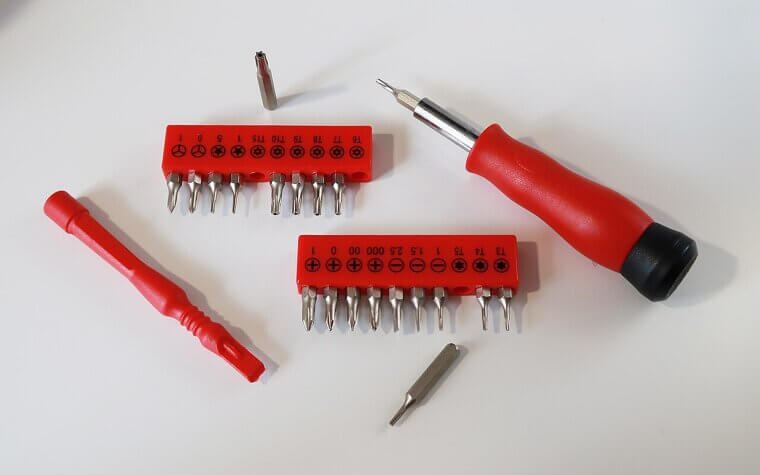
You never know when you may need to perform a small repair on your car. Even simple tasks, such as tightening screws or cutting zip ties, are made that much simpler by having a multi-tool on hand. A compact kit is best, but make sure that it includes screwdrivers, pliers and an adjustable wrench.
First-Aid Kit
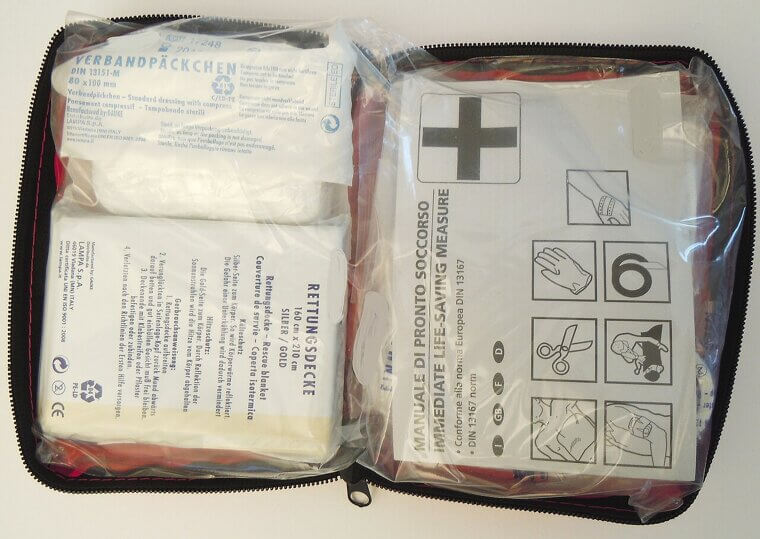
A first-aid kit is an absolute must in any vehicle. You never know when you may need it. Cuts, scrapes and other minor injuries are very common during roadside repairs. Be sure to stock the kit with bandages, antiseptic wipes, pain relievers and gloves. More so, keep an eye on any expiry dates and replace as necessary.
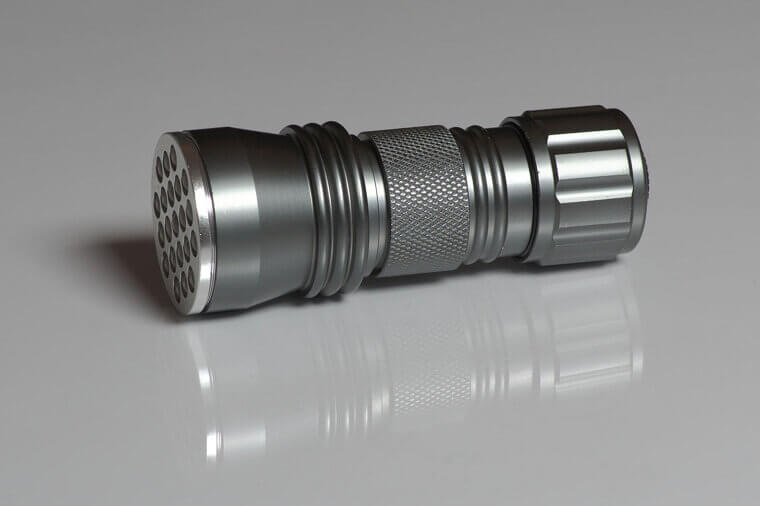
Flashlight With Extra Batteries
If you ever have the misfortune of breaking down in the dark, having a flashlight on hand (with extra batteries) can make all the difference. After all, how can you go about searching for the problem when you can't even see under the hood? However, many younger drivers simply rely on their phone light, which isn't always reliable.
Gloves and a Poncho
The only thing that can make breaking down worse is having it happen in the rain. By keeping a pair of gloves and a poncho in your car, you will have the peace of mind of knowing that if this does happen, you won't have to stand around in the cold and wet to repair your vehicle. The gloves can also be used to protect your hands during repairs.

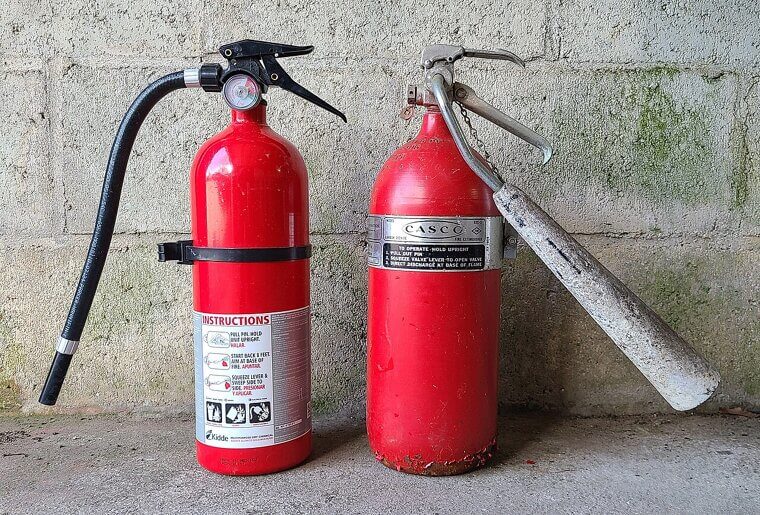
A Fire Extinguisher
Electrical and fuel fires can escalate very quickly, making a fire extinguisher a vital tool to have stored in your car. Be sure to choose one rated for Class B (flammable liquids) and C (electrical). More so, keep an eye on the best before dates, as they won't be as effective if expired.
Blankets
You'd be surprised by just how handy blankets can be in the case of an emergency - especially during the cold winter months. If you end up stranded on the side of the road, they will help keep you warm and comfortable until help arrives. However, most younger drivers overlook their importance.

Bottled Water and Non-Perishable Foods
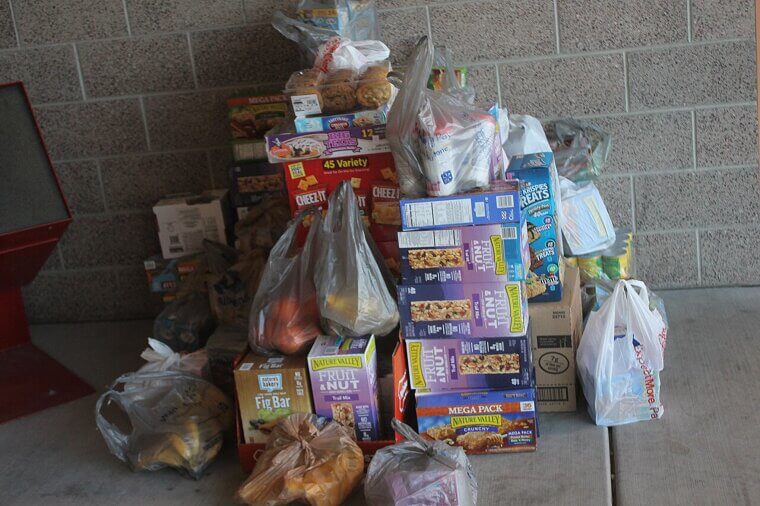
Bottled water and non-perishable foods are a must for every vehicle. If your car breaks down in a hard-to-reach area, you could end up waiting hours for help to arrive. By having basic supplies on hand, you will be able to keep hydrated and prevent hunger. Just be sure to rotate every few months.
A Phone Charger and Power Bank
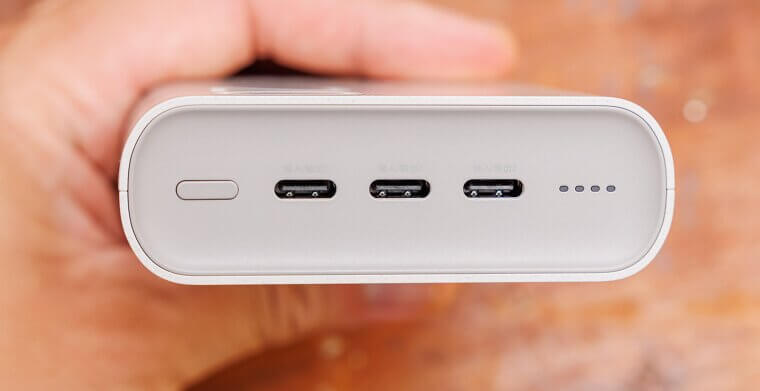
Communication is critical in emergencies. By having a phone charger and power bank stored in your vehicle, you will ensure that help can be contacted in the case of any emergency. However, many less experienced drivers fail to think this far ahead, as they've never experienced an emergency themselves.
Cash and Spare Change
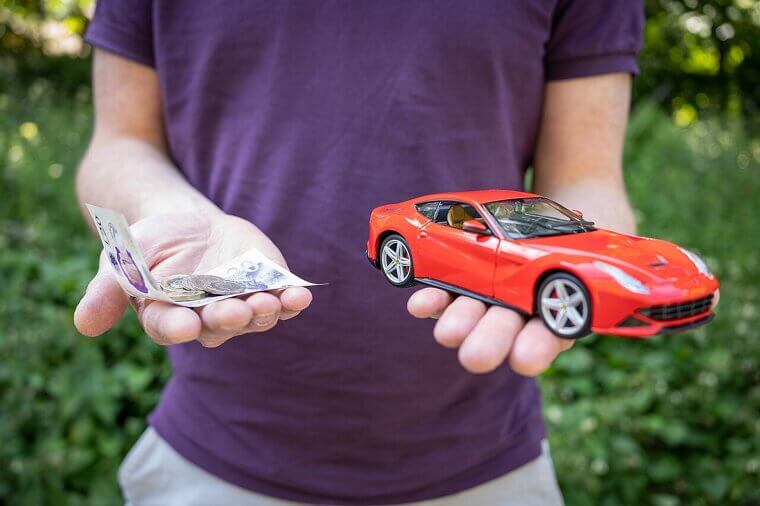
Many tolls, parking meters and small shops don’t accept cards. You never know when spare change will come in handy. Just make sure that you don't store too much money in your car, as this can actually be a safety risk. Instead, store a few notes and coins in a small pouch.
A GPS Device
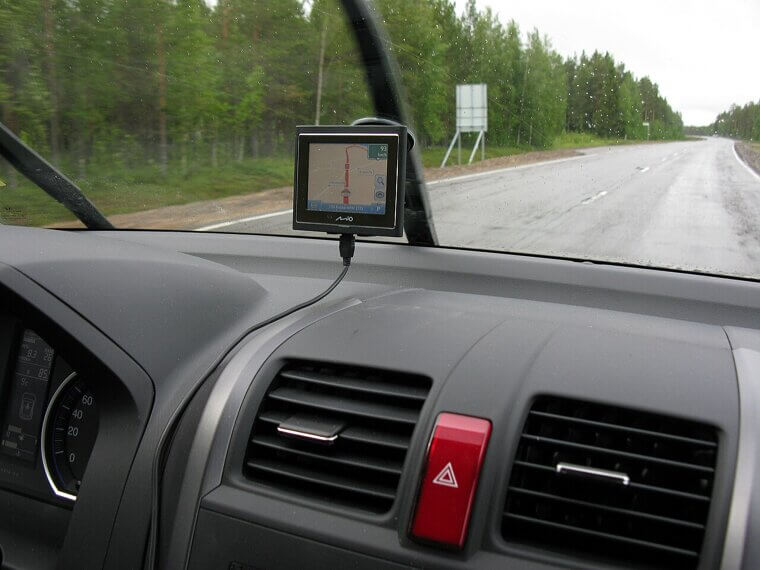
While most young drivers rely on their smartphones for directions, this isn't always reliable. If their phone goes flat, they could end up stranded. However, having a GPS device on standby could serve as a lifeline. You could also keep a printed map in your glove box for emergencies.
Reusable Shopping Bag
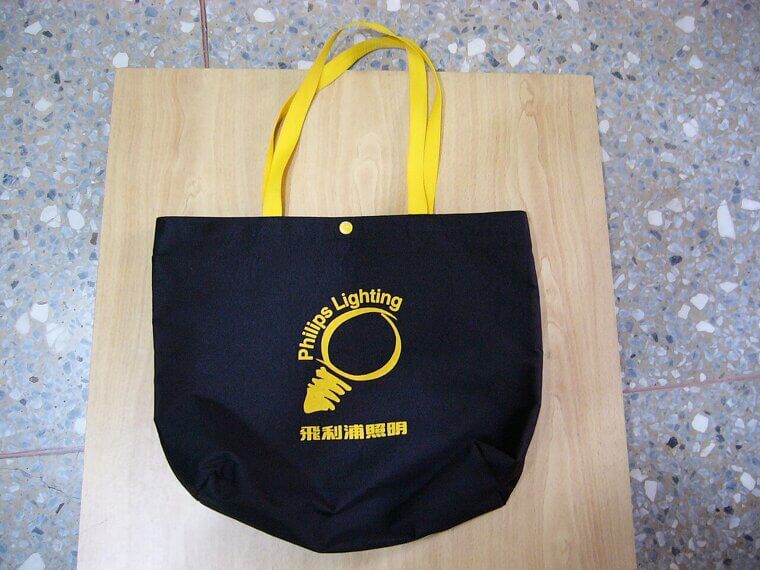
You'd be surprised by just how handy reusable shopping bags can be. Having them on standby in your car if save you a small fortune on buying single-use bags everytime you go to the grocery store. Many young drivers forget to plan ahead for such things.
An Umbrella
Umbrellas are always useful - especially if you live in an area with lots of rain. Not only can they be used on a daily basis, but they will also keep you dry if you ever end up stranded on the side of the road in a rainstorm.

Hand Sanitizer and Wipes
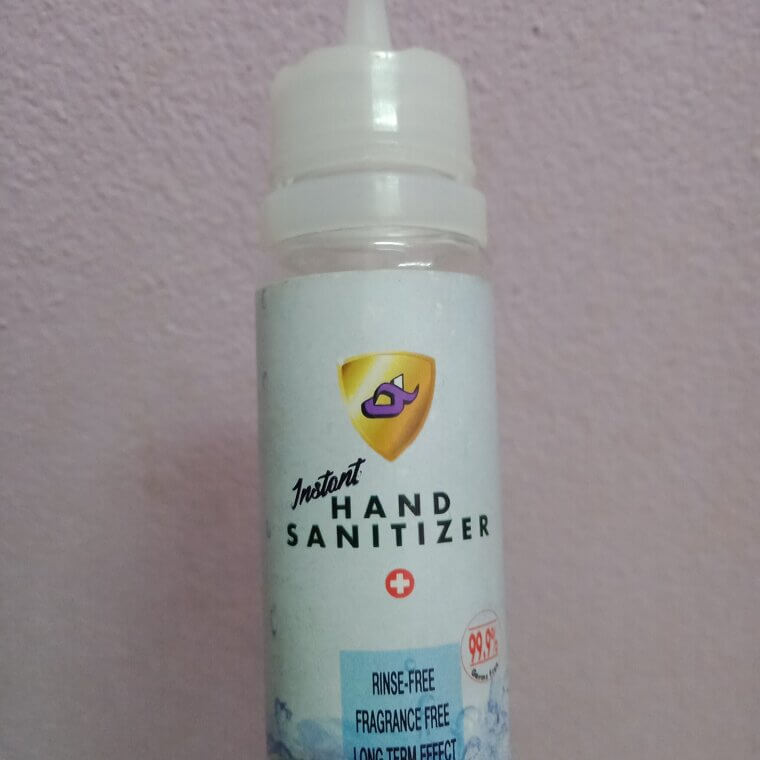
It doesn't hurt to have hand sanitizer or wipes on hand, as you never know when you may need them. For example, your hand could end up extremely dirty after handling tires or tools. You can even invest in travel-sized options, making it that much easier to store them in your car.
A Notebook and Pen
A notebook and pen can come in handy in a variety of situations. If you end up in an accident, for example, they are useful in recording accident details or phone numbers. While many younger drivers simply rely on their phone, this isn't always ideal, as the battery may die.
Extra Fuses and Bulbs
Having extra fuses and bulbs stored in your car can provide a quick fix for blown headlights or electrical issues. Just be sure to check your car manual beforehand for the correct sizes.