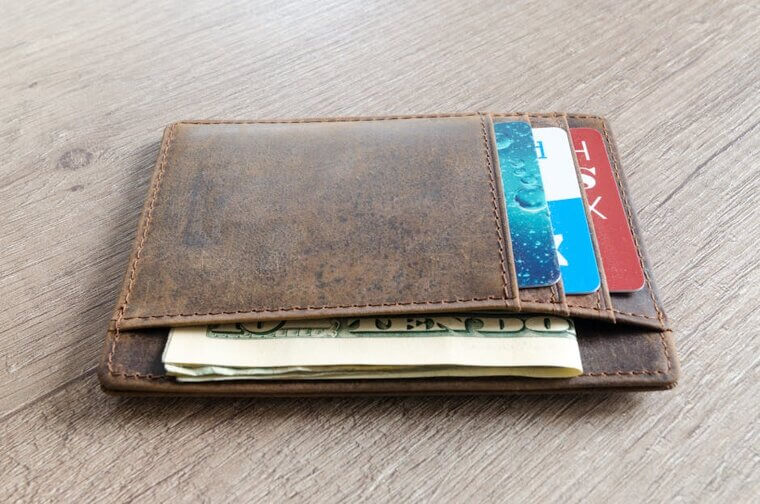
First Aid Kit Essentials
You never know when someone might get a headache, a scrape, or a sudden stomachache on the road. A basic first aid kit can save the day when you're miles from the nearest drugstore. Pack bandages in different sizes, some antiseptic wipes, pain relievers like aspirin or ibuprofen, and any prescription medications you take regularly. Throw in some antacid tablets too, especially if you plan to eat at roadside diners along the way. Keep everything in a small plastic container that seals tight so nothing gets damp or scattered around your trunk. Check the kit before you leave to make sure nothing's expired. It takes up hardly any space, but when you need it, you'll be glad it's there.
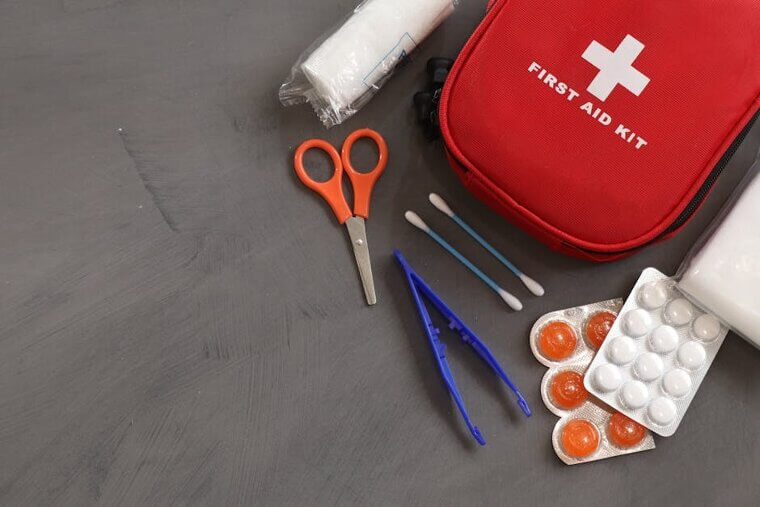
Jumper Cables for Dead Batteries
A dead battery can turn a great road trip into a nightmare, especially when you're miles from the nearest town. Jumper cables are one of those things you hope you'll never need, but you'll be grateful to have them when the moment comes. Modern cars have all kinds of electronics that can drain a battery if you leave a light on or the radio running too long. Even a perfectly good battery can fail in extreme heat or cold. Keep a quality set of cables in your trunk, and make sure they're long enough to reach between two cars parked bumper-to-bumper. You might end up helping someone else, too. That's how it used to work on the highway—drivers looked out for each other.
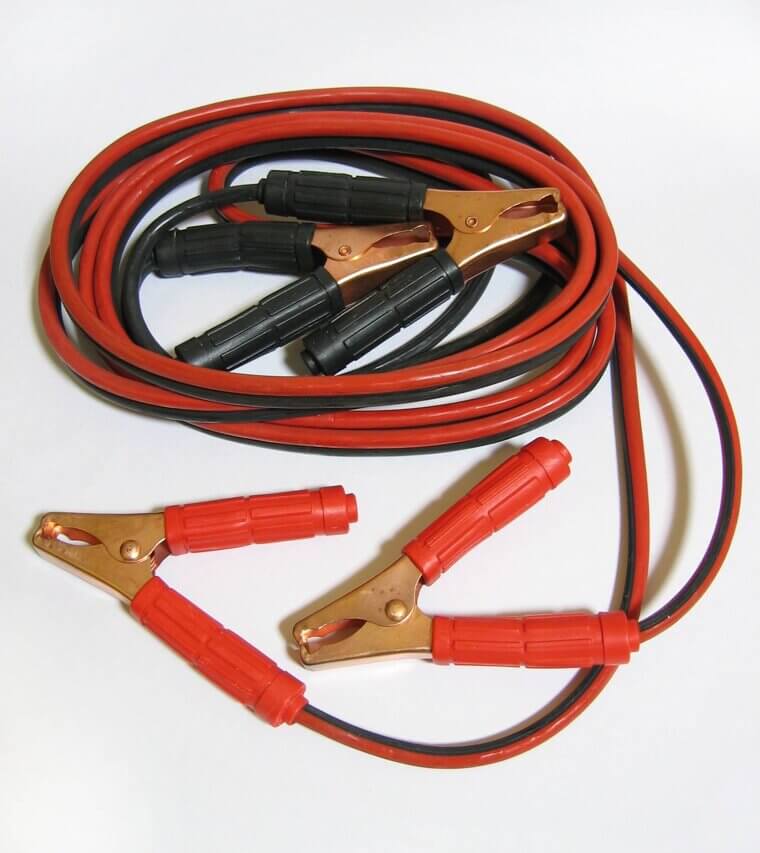
Spare Tire and Jack
You'd think every car would come with a good spare tire these days, but plenty of new models only include those skinny temporary spares that aren't meant for long distances. Before you hit the road, check your trunk and make sure you've got a full-size spare that's properly inflated. While you're at it, confirm your jack is actually there and that you know how to use it. Nothing's worse than getting a flat tire 200 miles from home and discovering your spare went flat six months ago or your jack is missing a crucial piece. Take ten minutes before you leave to test everything. Jack the car up in your driveway if you need to. That practice run could save you hours of frustration on the side of a highway later.
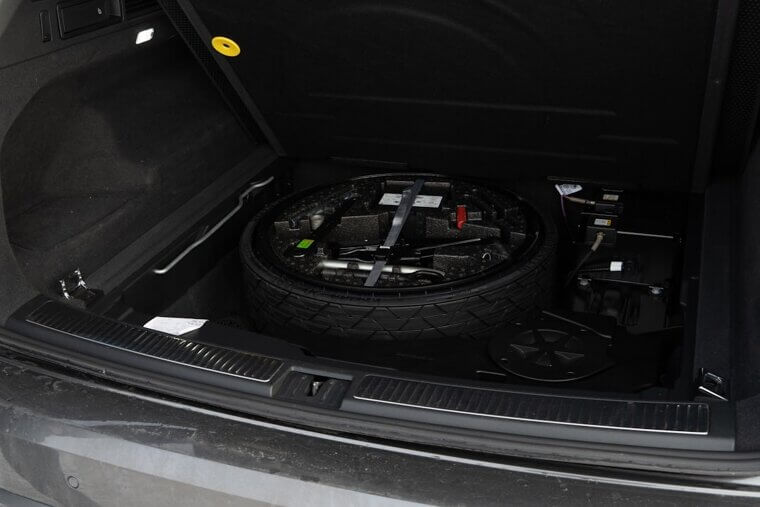
Emergency Flares and Reflectors
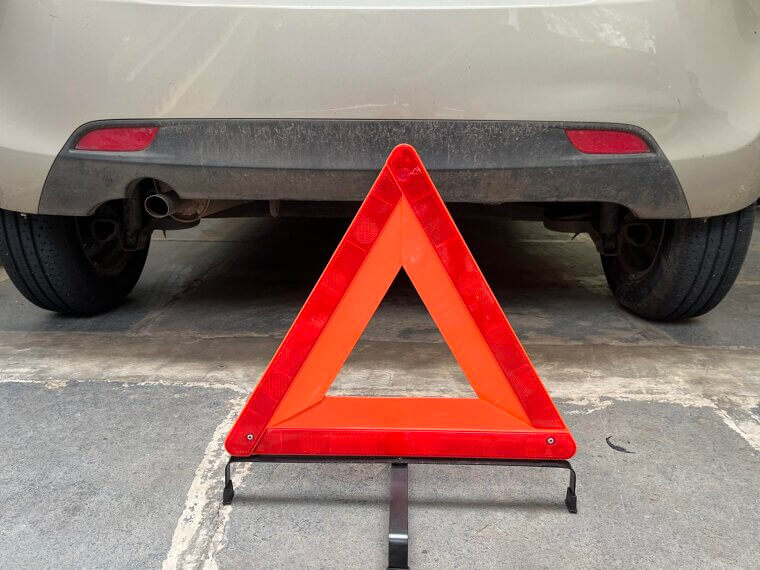
If you break down on a dark highway or get stuck on the shoulder at night, other drivers need to see you from a distance. That's where emergency flares and reflective triangles come in handy. Place them about 100 feet behind your car to give approaching traffic plenty of warning. The bright glow of a flare or the reflective surface of a triangle can prevent a dangerous collision when visibility is low. Modern LED flares are reusable and last for hours on a single battery, so you don't have to worry about them burning out like the old road flares from decades ago. Keep at least three in your trunk so you can mark your position clearly. They're small, lightweight, and could make all the difference if you're stranded after sunset.
Flashlight with Extra Batteries
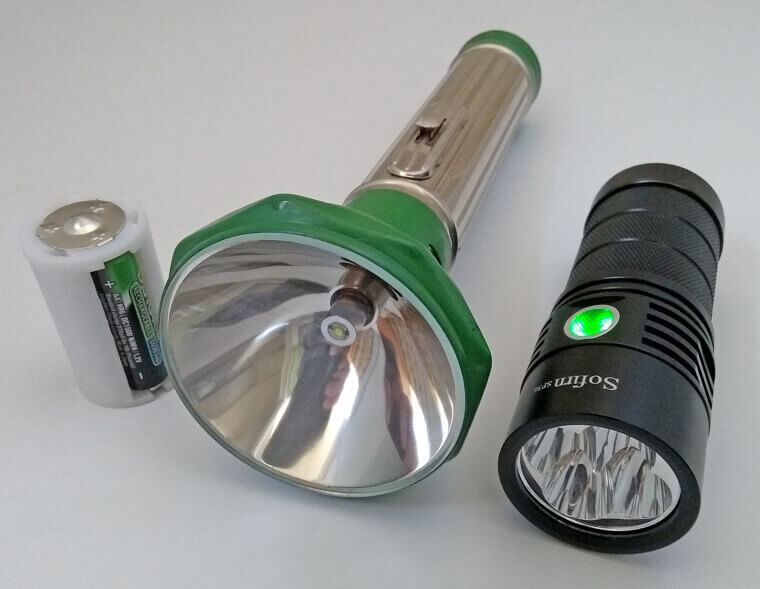
A good flashlight isn't just for emergencies. You'll use it more than you think on a long road trip. Maybe you drop something under the seat at a rest stop. Maybe you need to check your tire tread in a dimly lit parking lot. Or you're setting up camp after sunset and can't see where the tent stakes go. A bright LED flashlight fits in your glove box and runs for hours on a fresh set of batteries. Keep a spare set of batteries wrapped in a small plastic bag so they stay dry. The cheap dollar-store flashlights tend to flicker and die when you need them most. Spend fifteen or twenty bucks on a decent one with a solid beam. You'll be glad you did when you're fumbling with a map in the dark or trying to find your keys at 2 a.m.
Bottled Water Supply
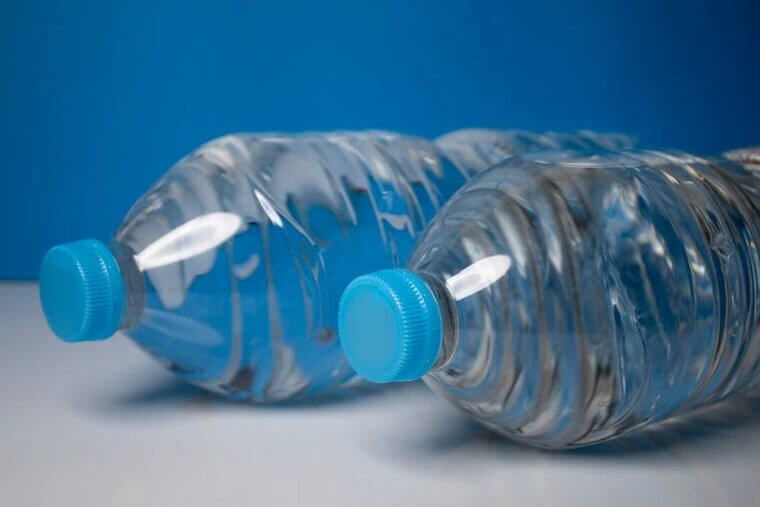
You never know when you'll hit unexpected traffic or find yourself stuck on a detour through the middle of nowhere. Keeping a case of bottled water in your trunk is one of those simple things that can save the day. Dehydration sneaks up on you faster than you'd think, especially in hot weather or when the air conditioning is working overtime. Plus, that water isn't just for drinking. If your car overheats, you'll need it to top off the radiator. If your windshield gets covered in bug splatter or road grime, you can use it for a quick rinse. A 24-pack doesn't take up much space, and it's cheap insurance against being caught unprepared miles from the nearest gas station.
Non-Perishable Snack Foods
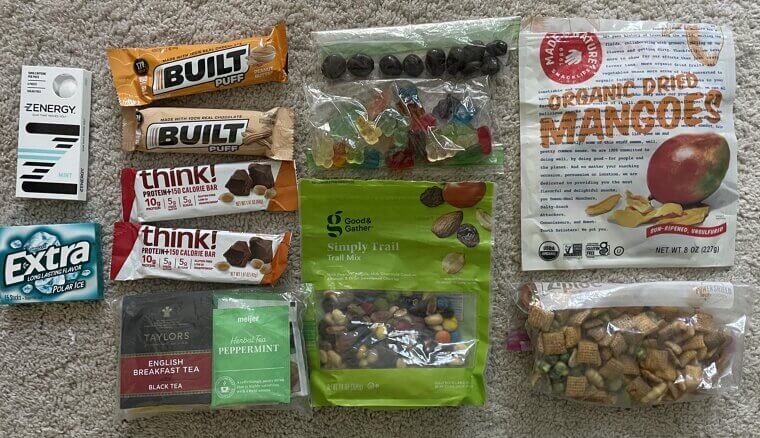
Long stretches between rest stops can leave you hungry at the worst times. Pack a stash of crackers, granola bars, nuts, or dried fruit that won't spoil in the heat. These snacks keep your energy up without requiring a cooler or special storage. Back in the day, road trips meant stopping at every little diner along the route, but today's highways often skip right past those small towns. You might drive two hours before finding anything beyond a gas station vending machine. Having your own snacks means you're not forced to pull over when you're making good time, and you won't pay inflated prices for stale chips at a rest area. Keep everything sealed in resealable bags or containers so crumbs don't take over your car. Trail mix beats candy bars for keeping you alert without the sugar crash.
Motor Oil and Fluids
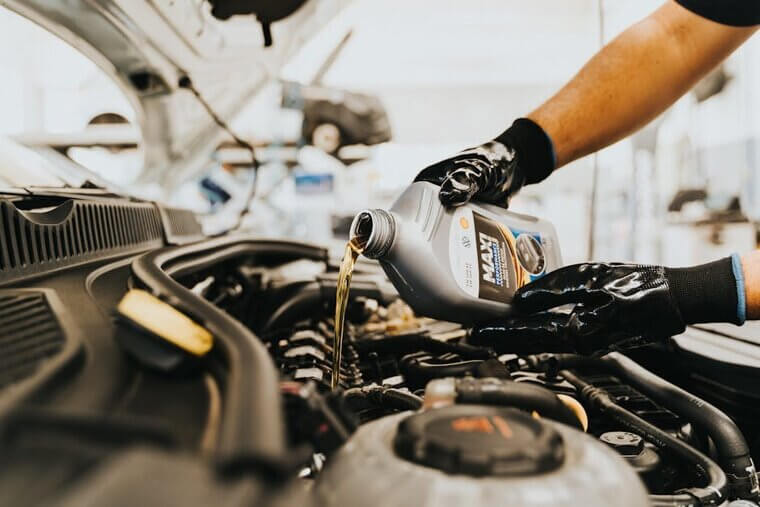
Running low on oil in the middle of nowhere is no fun. Keep an extra quart of motor oil in your trunk, along with some coolant and windshield washer fluid. You never know when a small leak might turn into a bigger problem, especially on a long drive through hot weather or mountain roads. Back in the day, gas stations had attendants who checked these things for you at every fill-up. Now you're on your own. It takes just a few minutes to pop the hood and check your levels before you leave town. If something's running low, you'll be glad you brought backup. Make sure the oil matches what your car needs. Check your owner's manual if you're not sure. A $5 bottle of oil beats a $500 tow truck bill every time.
Duct Tape and Basic Tools
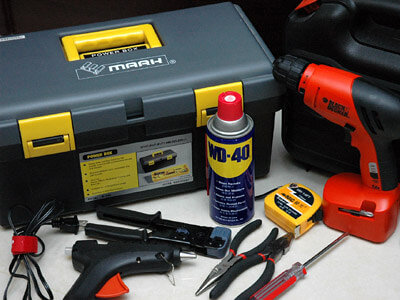
You never know when something's going to rattle loose or need a quick fix on the highway. A roll of duct tape and a few basic tools can save you from being stranded 200 miles from home. Pack a screwdriver set, pliers, an adjustable wrench, and maybe some zip ties. These aren't for rebuilding an engine, but they'll handle loose trim pieces, a rattling license plate, or a hose clamp that worked itself free. Duct tape has held together more roadside repairs than most people realize. I've seen it secure a bumper, patch a torn seat, even temporarily cover a cracked taillight until you reach a shop. Keep everything in a small toolbox or canvas bag so it doesn't roll around the trunk. When you're stuck on the side of the road, even the simplest fix feels like a miracle.
Phone Charger and Cables
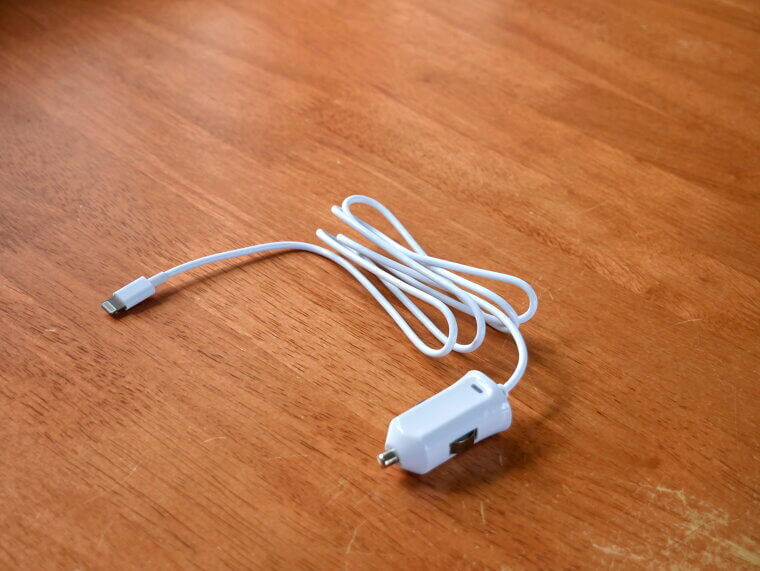
Your phone is your lifeline on a long drive, and a dead battery can turn a minor detour into a real headache. Pack a car charger that plugs into your cigarette lighter or USB port, and bring a backup cable in case one stops working. The cables always seem to fray right when you need them most. If you're traveling with passengers, consider a charger with multiple ports so everyone can power up at once. Keep the cable long enough to reach the backseat if needed. A portable power bank is smart too, especially if you're stopping to take photos or using your phone for navigation in areas where you might park for a while. Running out of juice in the middle of nowhere isn't just inconvenient—it cuts you off from maps, emergency contacts, and roadside assistance.
Paper Maps as Backup
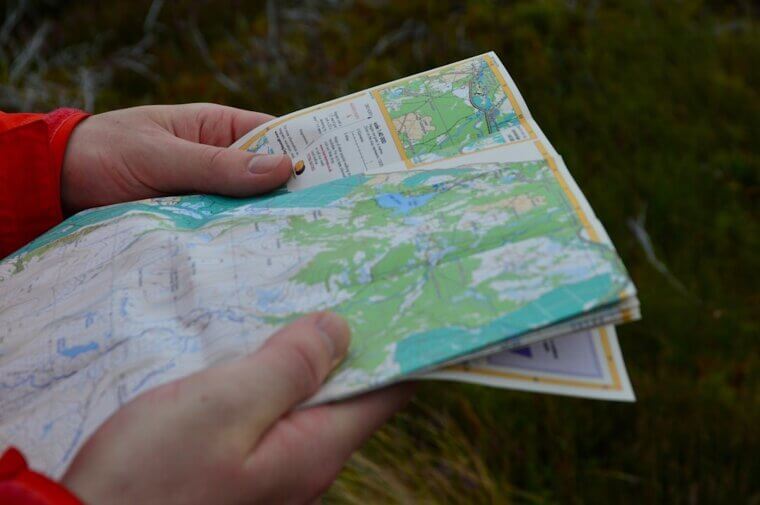
GPS is great until you lose signal in the middle of nowhere. That's when a good old paper map becomes your lifeline. Rural areas, mountain passes, and remote highways often have dead zones where your phone just stops working. A folded map in your glove compartment doesn't need batteries, satellites, or cell towers. It works every single time you open it. Plus, there's something satisfying about seeing the whole route laid out in front of you at once. You can spot alternate routes, interesting detours, and small towns worth visiting. Paper maps also help when your phone dies or you want to save battery for emergencies. They're cheap, reliable, and take up almost no space. Keep one for each state you're driving through.
Ice Scraper and Snow Brush
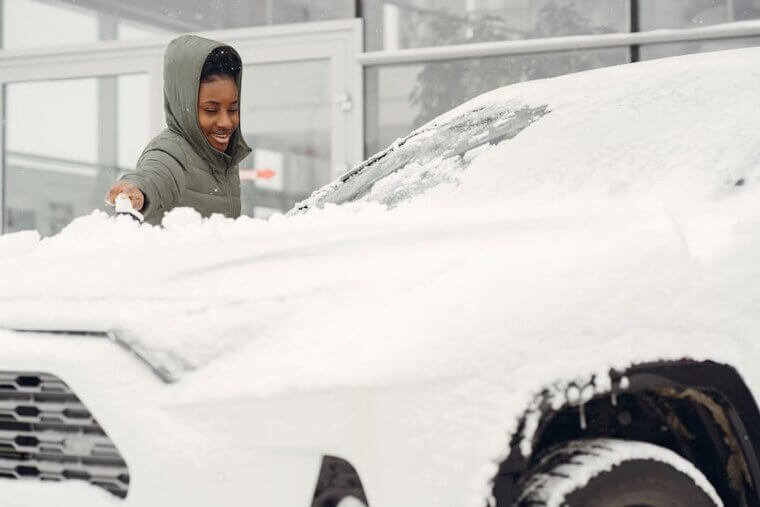
Weather can change fast when you're covering hundreds of miles in a day. You might start your trip in sunshine and hit snow or freezing rain by evening, especially if you're driving through mountain passes or heading north. An ice scraper and snow brush don't take up much room in your trunk, but they're lifesavers when you wake up to a frosted windshield at a rest stop or need to clear snow off your car before getting back on the highway. Those little credit card scrapers don't cut it for serious ice. Get a proper scraper with a long handle and stiff bristles on the brush end. You don't want to be hunched over in the cold, struggling to see through a peephole in your windshield. Clear visibility isn't optional when you're merging onto an interstate.
Multi-Tool or Swiss Army Knife
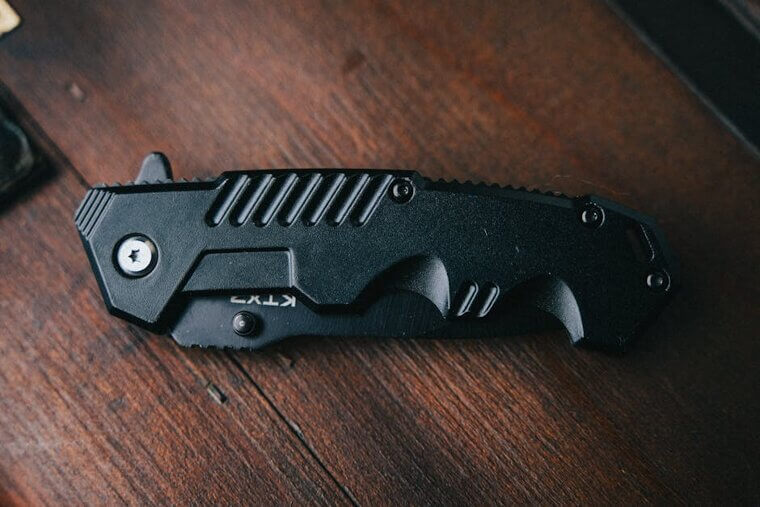
A good multi-tool can get you out of more jams than you'd think. You might need to tighten a loose screw on your luggage rack, cut through packaging tape, or open a stubborn bottle. A Swiss Army knife or similar tool gives you pliers, screwdrivers, a blade, and sometimes even scissors all in one compact package. Keep it in your glove box or center console where you can grab it fast. These tools have been saving the day for decades because they cover so many situations without taking up much space. You don't need a full toolbox rolling around in your trunk when one small multi-tool handles most quick fixes. Just make sure you pack it in checked luggage if you're flying to your road trip starting point.
Tow Rope or Chain
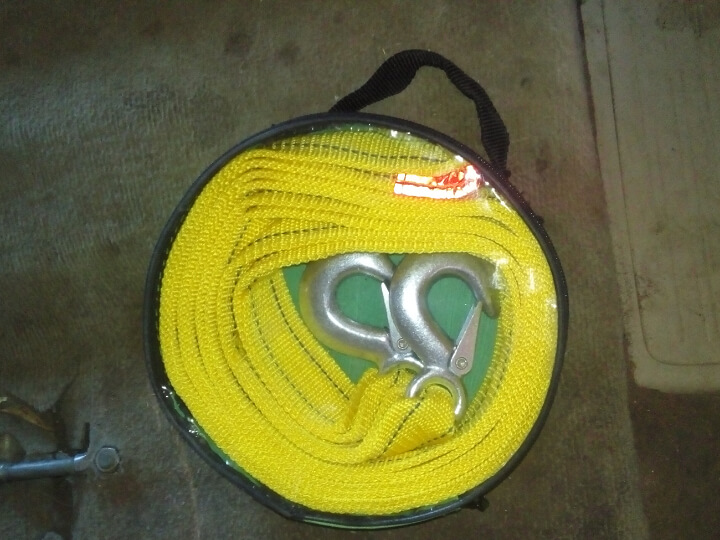
A tow rope or chain might seem old-fashioned, but it's saved plenty of drivers who got stuck in mud, snow, or soft gravel on the side of the road. If your car slides off into a ditch or spins out in bad weather, a good tow strap lets another driver pull you back onto pavement without waiting an hour for a tow truck. Look for one rated for at least 10,000 pounds, and make sure it has reinforced loops on both ends. Keep it coiled up in your trunk along with a pair of work gloves so you don't tear up your hands hooking it up. It doesn't take much space, and when you need it, you really need it.
Window Cleaner and Rags
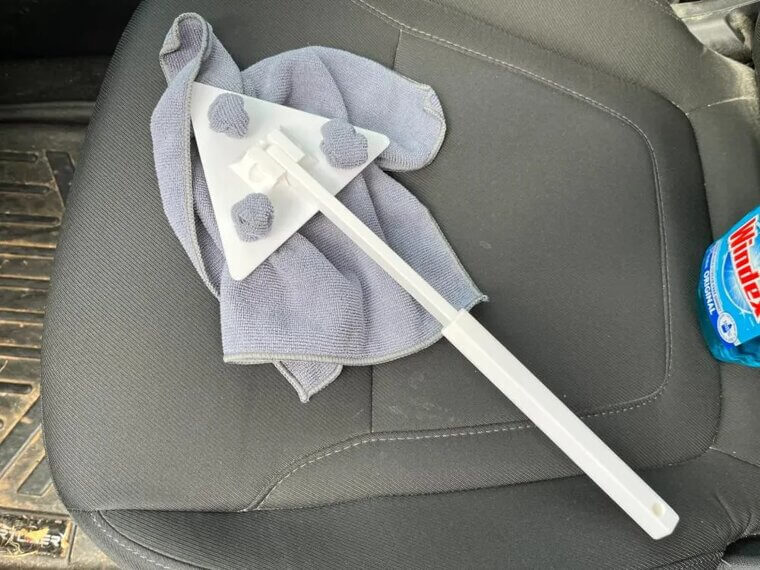
Nothing ruins your view like a windshield covered in bug splatter and road grime. When you're driving through different states, your windows take a beating from dust, pollen, dead insects, and whatever else the highway throws at you. Keeping a bottle of glass cleaner and some microfiber rags in your trunk means you can clean up at rest stops instead of squinting through layers of crud. It's especially useful early in the morning when the sun hits that dirty windshield just right and blinds you. Gas station squeegees help, but they're often filthy and leave streaks. Your own supplies let you do the job properly. Clean windows aren't just about seeing better—they cut down on glare and eye strain during those long stretches of interstate driving.
Sunglasses and Sunscreen
The sun doesn't take a break just because you're driving through three states in one day. A good pair of polarized sunglasses cuts the glare off windshields and wet pavement, making it easier to spot what's ahead. Keep them in your glove box so you're not squinting through the afternoon stretch. Sunscreen matters too, even behind the wheel. Your left arm catches direct sunlight for hours through the driver's side window, and that UV exposure adds up fast. A tube of SPF 30 or higher in the console takes two seconds to apply at a rest stop. Your skin will thank you when you're not dealing with a lobster-red forearm by the time you reach your destination. It's one of those small things that makes a real difference on a long haul.

Cash for Emergencies
You might think your credit card covers everything, but what happens when you're stuck in a small town where the only gas station's card reader is down? Or when you pull into a mom-and-pop diner that only takes cash? Having a couple hundred dollars tucked away in your glove box can save you from a serious headache. Break it into smaller bills too—twenties and tens work better than hundreds when you need change. Cash also comes in handy for toll roads in rural areas where the machines don't take cards, or when you need to tip someone who helps you out of a jam. It's old-school, sure, but it still works when nothing else does.